

Company/Organization Profile
Kunming Ecological Environment Publicity and Education Center commits to building a public participation system and has developed the “Green Seed” initiative brand. Through platform building, capacity‑building training and project incubation, the center guides the public to become users and practitioners of green spaces.
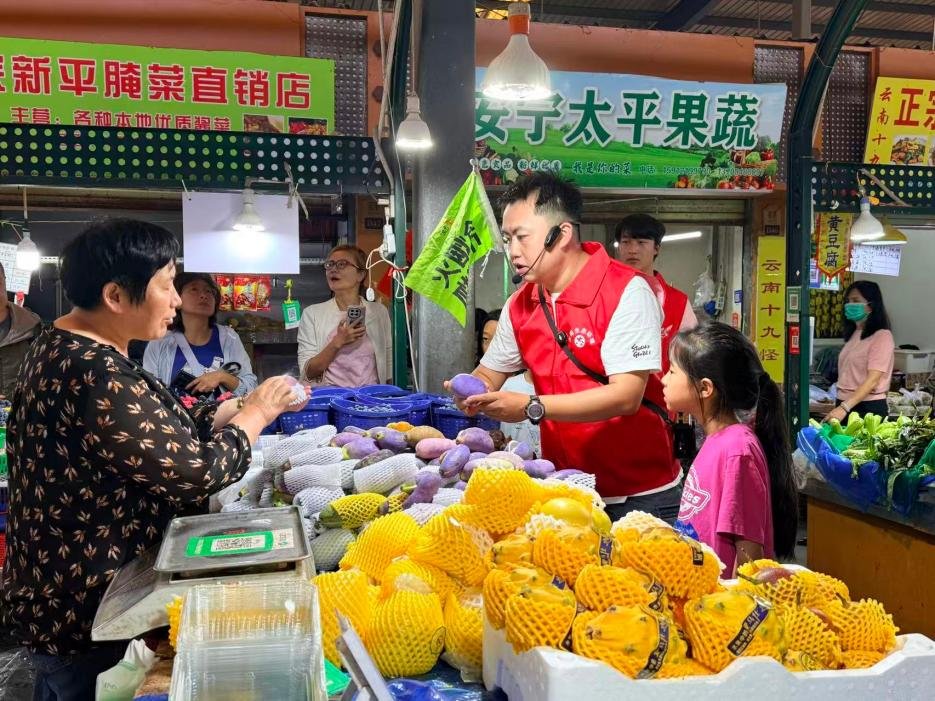
Taking Donghua Xinying Farmers’ Market in Kunming as the venue, it pioneers the “Dian‑Shi Huo‑Yan · Urban‑Museum‑Style Ecological Science Popularization” model. This model integrates biodiversity conservation into urban‑dweller daily life, and explores a new path for grassroots eco‑environmental science popularization driven by “space operation optimization plus public participation”.
机构简介
昆明市生态环境宣传教育中心聚焦全民行动体系构建,打造“绿种子”行动品牌,通过平台搭建、培训赋能、项目孵化,引导公众成为绿色空间使用者和行动者。
以昆明市东华街道新迎农贸市场为阵地,首创"滇食烟火·市井博物"生态科普模式,将生物多样性保护融入市井烟火日常,探索"空间运营优化+公众参与"双轮驱动的基层生态环保科普宣传新路径。
Project Overview
Located on Bailong Road, Panlong District, Donghua Xinying Farmers’ Market covers about 20,000 m², serving around 200,000 surrounding residents with a daily footfall of 50,000 visitors. It is a highly vibrant livelihoodoriented public space in Kunming. Nevertheless, traditional farmers’ markets are mostly limited to trading functions, with their cultural and ecoeducational potential untapped. The public generally holds the misconception that biodiversity conservation “happens far away in mountains and has nothing to do with ordinary people”. Grassroots ecoenvironmental volunteer services also suffer from insufficient professionalism and disconnection between science communication and reallife scenarios.
Launched in July 2025, the “DianShi HuoYan· UrbanMuseumStyle Ecological Science Popularization” project takes “innovative scenario and crossborder integration” as its core concept. It upgrades the farmers’ market from a mere trading venue into an “ecomuseum” integrating livelihood guarantee, cultural experience and ecological science popularization. By optimizing space operation to reshape functional zones and visiting routes, and establishing publicparticipation mechanisms under the “Green Seed” initiative, regular ecoenvironmental science communication activities are carried out to bring ecological conservation concepts into everyday urban life.
项目背景
东华新迎农贸市场位于盘龙区白龙路,占地约2万平方米,服务辐射周边20万居民,日人流量达5万人次,是昆明最具烟火气的民生空间。然而,传统农贸市场长期功能单一,空间文化价值与生态教育功能未被激活;公众对生物多样性保护普遍存在"远在深山、与己无关"的认知壁垒;基层生态志愿服务也面临专业化不足、科普与生活脱节的短板。
2025年7月推出"滇食烟火·市井博物"项目,以"创新场景与跨界融合"为核心理念,将农贸市场从单一交易空间升级为集民生保障、文化体验、生态科普于一体的"生态博物馆",通过空间运营优化重塑市场功能分区与体验流线,通过"绿种子"行动建立公众参与机制,开展常态化生态环保科普宣传,让生态保护理念真正走进市井烟火。
Project Implementation
(1) Space Operation Optimization: Systemic Transformation from “Farmers’ Market” to “EcoMuseum”
Traditional farmers’ markets serve only commoditytrading purposes, leaving cultural and ecoeducational values untapped. Biodiversity science popularization was mostly confined to meeting rooms and exhibition halls, failing to embed into people’s daily life. Without systematic experience design and digital operation tools, public engagement remained low with short staying time and limited public sense of gain.First, reconstruct functional zones. The market is divided into themed sciencepopular zones including wildmushroom zone, spiceingredient zone and edibleflower zone. “Fivesense” tasting routes are designed with immersive interactive sessions such as spice touchandtaste and seasonalingredient identification. Seasonthemed campaigns are held for wildmushroom season and edibleflower season.Second, build systematic visiting routes. Six themed routes are developed: MountainsofYunnan in Every Vegetable (vegetables & edible flowers); Rainseason Special: Wild Mushrooms and Underground Forest Networks in Yunnan (fungi ecology); From RiversandLakes to Dining Tables (aquatic products, meat and legitimate consumption); Flavors of Yunnan in a Cup (tea, coffee and spices); Biodiversity of Yunnan in a Farmers’ Market; and the childrenoriented Market Nature Detective. This shifts from fragmented interpretation to systematic spacebased operation.Third, empower with digital tools. QRcode audio guides, shortvideo interpretation boards, electronic visiting maps and a “Today’s Market Phenology Screen” are developed; AR recognition experience is planned to build an onlineoffline integrated spaceoperation matrix.Fourth, productize sciencepopular contents. The 100 Biodiversityrelated Ingredients Cards of Donghua Farmers’ Market are produced. Each card contains scientific names, ecological relationships, ethnic foodculture knowledge, conservation reminders and audiencetailored scripts, turning sciencepopular content into shareable, portable standardized products.
(2) Public Participation / Behavioral Advocacy: Building a Publicaction Network via “Eighttype Partners”
Grassroots ecovolunteer services are challenged by insufficient professionalism, disconnection from reallife scenarios, high volunteer turnover and shallow engagement. Wu Canhe, a retired Party member from Yunnan Provincial Institute of Cartography with 11year volunteering experience at Yunnan Provincial Museum, joins as a “Partymember vanguard partner”, providing professional review and exemplary guidance.In August 2026, 2030 certified volunteer interpreters (community volunteers, university youth volunteers and marketmerchant cocreators) were recruited. They received specialized training covering six modules: basic knowledge, market context, interpretation skills, content development, onsite safety and digital tools. A regular operation model of “subdistrict coordination, market support, expert guidance and volunteer execution” was established. Audiencetailored science communication is delivered: researchstudy courses with “ingredienttracing + ecologicalobservation + Q&A” and “marketplantobservation worksheets” for teenagers; ethnocultureintegrated ecological stories for tourists; resourceconservation and healthydiet guidance for local residents. Volunteers provide yearround onsite service and update interpretation content with seasonal changes.
(3) Governance at Grassroots Level: Embedding ZeroWaste Concept into Market Venues
Farmers’ markets generate large volumes of perishable waste with mixed disposal and low merchants’ awareness of waste classification. Volunteers conduct daily onsite patrols to guide merchants toward standardized stacking, wetdry separation and designated waste disposal. Popularscience scripts for merchants and citizens are compiled for oneonone outreach during interpretation sessions, promoting lowcarbon lifestyles embedded in daily shopping, cooking and consumption.
(4) Mechanism Guarantee: Digital Management and Volunteer Succession
Grassroots volunteer programs commonly face problems including nonstandard management, incomplete servicehour recording, insufficient incentive schemes and broken volunteer succession, resulting in low motivation and high turnover, and difficulty in shifting from adhoc responses to longterm operations. Leveraging the fourtier organizational framework of the “Green Seed” initiative, the Publicity and Education Center adopts a smart integrated management system to formulate annual plans, release assignments and record volunteer service hours. A threepronged incentive system of “passport + badge + credits” is implemented. A “seniormentoringjunior” succession mechanism is practiced, and experiencesharing sessions are held in regular “Green Seed Action Salons”, helping volunteer teams evolve from adhoc responses toward sustainable longterm action.
项目实施
(一)空间运营优化:从"菜市场"到"生态博物馆"的系统重构。
为解决传统农贸市场长期功能单一,仅承担商品交易职能,空间文化价值与生态教育功能未被激活;生物多样性科普局限于会议室与展览馆,未能嵌入群众"柴米油盐"的生活场景;市场缺乏体系化的体验设计和数字化运营工具,公众参与度低、停留时间短、获得感弱的问题。一是功能分区再造。针对市场摊位类别杂乱,运营方将市场划分为野生菌专区、香料食材区、可食用花卉区等主题科普区域,设计"五感"探味路线,推出香料触摸品尝、时令食材鉴别等沉浸式互动环节,按季节设置菌子季、花食季等主题。二是开展线路体系化建设。推出6条主题线路:"一把菜里的云南山川"(蔬菜花卉)、"雨季限定——云南野生菌与森林地下网络"(菌类生态)、"从河湖到餐桌"(水产肉类与合法消费)、"一杯云南的味道"(茶咖香料)、"一座菜市场里的云南生物多样性"、儿童版"菜市场自然侦探",实现从碎片化讲解到体系化空间运营的升级。三是数字化赋能。开发二维码音频导览、短视频讲解牌、电子导览地图、"今日市场物候屏",并规划AR识别体验,构建"线上+线下"融合的空间运营矩阵。四是内容产品化。设计制作"东华菜市场100种生物多样性食材卡",每张卡片包含科学名称、生态关系、民族饮食文化、保护提醒及分众化讲解词,将科普内容转化为可携带、可传播的标准化产品。
(二)公众参与/行为倡导:"八类合伙人"构建全民行动网络
基层生态志愿服务长期面临专业化不足、科普与生活脱节、志愿者流失率高、参与深度不够等短板,而退休党员吴灿和是云南省地图院退休职工,省博物馆志愿服务11年,以"党员先锋合伙人"双重身份加入,发挥专业把关与示范引领双重作用。2026年8月,招募认证20-30名志愿讲解员(含社区志愿者、高校青年志愿者、商户共创志愿者),开展基础、市场、讲解、内容、安全、数字六大模块专项培训,建立"街道统筹、市场保障、专家指导、志愿执行"的常态化运行模式。针对不同群体开展分众化科普:面向青少年研学,设计"食材溯源+生态观察+互动问答"课程及"市场植物观察卡"任务;面向外地游客,融合民族文化与生态故事;面向本地市民,侧重资源保护与健康饮食。团队寒暑不辍、每日在岗、随季更新讲解内容。
(三)治理下沉:将"无废"理念嵌入市场末梢
农贸市场易腐垃圾占比高、混杂投放多、商户垃圾分类意识弱。开展活动后志愿者每日在市场巡回值守,劝导商户规范堆放、干湿分离、定点投放。针对农贸市场易腐垃圾占比高、混杂投放多等痛点,整理"商户版""市民版"通俗话术,在讲解间隙开展"一对一"精准宣传,将绿色低碳理念融入买菜、做饭、消费的日常场景。
(四)机制保障:数字化管理与梯队传承
基层志愿服务普遍面临规范化不足、服务时长记录不完整、志愿者激励缺失、队伍传承断层等问题,导致参与动力不足、流失率高,难以从"临时响应"走向"长期行动"。宣教中心依托"绿种子"四级组织架构,通过"智慧一体化"管理系统制定年度计划、发布任务、记录服务时长。建立"护照+徽章+学分"三位一体成长激励机制。践行"老带新"传承机制,定期在"绿种子行动沙龙"中分享经验,推动队伍从"临时响应"走向"长期行动。
Project Outcome
Comparison Beforeandafter Implementation
Before transformation, Donghua Farmers’ Market functioned merely as a traditional trading venue with dormant cultural values and weak public ecological awareness. After transformation, it operates as an “ecomuseum” receiving 50,000 daily visitors, equipped with six systematic themed visiting routes, the 100ingredient biodiversitycard set and a digital interpretation matrix. Merchants report notable business growth. “Insightprovoking, knowledgeenriching and funtovisit” has become common feedback from citizens and tourists.
Mechanism Innovation
The pioneering “GreenSeed Partner System” forms a collaborative closedloop: vanguard Partymember leaders, expert partners for professional review, volunteer interpreters for delivery, education bases providing venues, ecoguardians for supervision, broad volunteer participation, environmental associations injecting vitality and media amplifying outreach. It solves core grassrootsvolunteerservice challenges: who participates, how work is divided and how stakeholders collaborate.
Scenario Innovation
Breaking the traditional pattern of “meetingroom lectures and exhibitionhall preaching”, biodiversity science popularization is moved from remote nature reserves into a farmers’ market with 50,000 daily visitors, creating the original “urbanmuseumstyle” model.
Product Innovation
Standardized sciencepopular product 100 Biodiversityrelated Ingredients Cards is developed, alongside audiencedifferentiated interpretation systems for children, tourists and volunteers. Digital tools including QRcode audio guides, shortvideo interpretation boards, electronic visiting maps and the “Today’s Market Phenology Screen” realize productoriented sciencepopular content and standardized communication.
Model Innovation
A dualdriving model of “spaceoperation optimization + publicparticipation” is constructed. The farmers’ market evolves from a pure trading space into a composite green venue integrating livelihood guarantee, cultural experience, ecological science popularization and tourism experience.
Quantitative Outcomes
More than 130 special biodiversity outreach sessions and over 1,200 zerowaste microlectures have been held, covering over 1,050 market merchants and serving more than 1,000 citizens. The model has driven similar services in surrounding communities and markets, producing a ripple effect of “one venue energizing surrounding regions”.
Sustainability and Replicability
A longterm operation mechanism is established relying on the fourtier “Green Seed” framework, smart integrated management system and regular service requirements (no less than one activity per month), supporting standardized, digital and sustainable operation. The 100ingredient cards and six standardized visiting routes are directly replicable for promotion.
成果亮点
实施前后对比: 改造前的东华农贸市场仅为传统交易场所,空间功能单一、文化价值沉睡、公众生态意识薄弱;实施后,市场已升级为日服务5万人次的"生态博物馆",形成6条体系化主题线路、100种生物多样性食材卡及数字化讲解矩阵,商户营业额显著提升,"有情怀、长知识、好玩好逛"成为市民和游客的普遍评价。
机制创新: 首创"绿种子"合伙人制度,形成党员先锋带头、专家合伙人把关、讲解员执行、教育基地提供阵地、环保卫士监督、志愿服务者广泛参与、环保社团注入活力、媒体平台放大声量的协同闭环,破解基层志愿服务“谁来干、怎么分工、如何协作”的根本难题。
场景创新: 突破“会议室宣讲、展览馆说教”的传统模式,将生物多样性科普从深山博物馆“搬”进日人流量5万人次的农贸市场,首创“市井博物”模式。
产品创新: 开发"100种生物多样性食材卡"标准化科普产品,构建儿童版、游客版、志愿者版分众化讲解体系;推出二维码音频导览、短视频讲解牌、电子导览地图、"今日市场物候屏"等数字化工具,实现科普内容的产品化与传播的标准化。
模式创新: 构建"空间运营优化+公众参与"双轮驱动,实现农贸市场从单一交易空间向集民生保障、文化体验、生态科普、旅游打卡于一体的复合型绿色空间转型。
量化成果: 累计开展生物多样性特色宣讲130余场、垃圾分类微宣讲1200余次,覆盖商户1050余家、服务市民超1000人次;该模式辐射带动周边社区、市场开展同类服务,实现"一个阵地激活一片区域"的裂变效应。
持续性与可复制性: 已形成长期运行机制,依托"绿种子"四级组织架构、"智慧一体化"管理系统及常态化服务机制(每月不少于1次),实现规范化、数字化与长效化管理;100种食材卡与6条标准化线路具备直接复制推广条件。
Project Highlights
Ecologicalenvironmental Value:It advances biodiversity conservation and corrects misconceptions such as “wild mushrooms can be picked without restriction”. Merchants and citizens are guided toward sustainable harvesting, protecting mushroom mycorrhizal habitats and forest integrity. A greenconsumption ethos of “take only what you need, do no harm to plants and do not damage habitats” is advocated to mitigate population decline risks caused by overharvesting. It also boosts waste classification in farmers’ markets and the construction of zerowaste communities, advancing resource conservation and environmental friendliness.
Social Impact:It breaks down the public stereotype that “biodiversity conservation takes place far away in mountains and has nothing to do with me”, shifting public attitude from passive reception to active practice, transforming public awareness from “being required to participate” to “wanting to participate”. The farmers’ market has become a new landmark for “marketbased ecotourism” combining livelihood supply, cultural experience and ecological science popularization, receiving more than 10 studyexchange visits each year. It has been covered by China Media Group live news, Yunnan Daily, Yunling Pioneer and more than ten mainstream media outlets, with total online exposure exceeding one million views and generating extensive demonstration effects across society.
成果影响力
生态环境价值:有效保护生物多样性,纠正"野生菌可无限采摘"等认知误区,引导商户与市民科学采收、保护菌塘、维护森林完整性;倡导"只取所需、不伤植株、不破坏生境"的绿色消费观,遏制过度采摘导致的种群衰退风险;推动农贸市场垃圾分类与"无废社区"建设,促进资源节约与环境友好。
社会影响:有效打破"生态保护远在深山、与我无关"的认知壁垒,推动公众从"被动听"转向"主动做",实现从"要我参与"到"我要参与"的根本转变;市场成为兼具民生保障、文化体验、生态科普功能的"市场游"新地标,年均接待参观交流10余次;相关事迹获央视新闻直播平台报道,被《云南日报》《云岭先锋》等主流媒体报道十余次,累计全网曝光量突破百万次,形成广泛的社会示范效应。
Reviews & Honors
Feedback and Evaluation:Market merchants report notable revenue growth. “Insightprovoking, knowledgeenriching and funtovisit” is widely acknowledged by citizens and tourists. Wu Canhe, core volunteer and “Partymember Vanguard Partner”, has delivered 1,440 hours of onsite ecoenvironmental volunteer service at Donghua Farmers’ Market. With professional competence and solid practical work, he serves as a spiritual icon for the volunteer team.
Media and Industry Recognition:The project has been reported by China Media Group livestream news, Yunnan Daily, Yunling Pioneer and more than ten mainstream media. It receives more than ten studyexchange visits from inside and outside Yunnan each year and gains widespread industry recognition.
Awards and Policy Support:Donghua Farmers’ Market was rated “Kunming Key Livelihoodcommodity Fairprice Sales Outlet” in 2024. The project is underpinned by Kunming’s “Green Seed” PublicAction System, which builds a fullpopulation, wholeprocess and multiscenario volunteerservice network. The official inauguration of the Ecoenvironmental Volunteer Service Station in 2026 marks the formal entry of the project into regular operation.
评价与荣誉
评价反馈: 市场商户普遍反馈营业额显著提升,"有情怀、长知识、好玩好逛"已成为市民和外地游客的普遍评价。吴灿和同志作为项目核心志愿者,"党员先锋合伙人"身份扎根东华农贸市场一线,累计生态环境志愿服务1440小时,以专业立身、以实干服人,成为团队的精神旗帜。
媒体与行业认可: 相关事迹获央视新闻直播平台报道,被《云南日报》《云岭先锋》等主流媒体报道十余次;年均接待省内外参观交流10余次,获得行业广泛认可。
奖项与政策支持: 东华农贸市场于2024年获评"昆明市重要民生商品平价销售点";本项目依托的昆明市"绿种子"全民行动体系,构建了"全人群—全过程—全场景"志愿服务网络,为项目提供了制度基石;2026年生态环保志愿服务站正式挂牌,标志着项目进入常态化运行阶段。
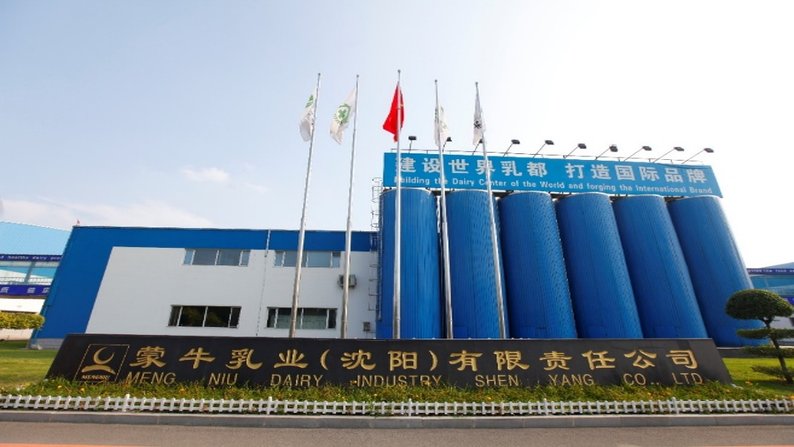
“智造+绿色”双轮驱动:蒙牛沈阳工厂从“千人百吨”到“百人千吨”的绿色空间转型实践
昨天 · 来源:蒙牛乳业(沈阳)有限责任公司 · 作者:蒙牛乳业(沈阳)有限责任公司
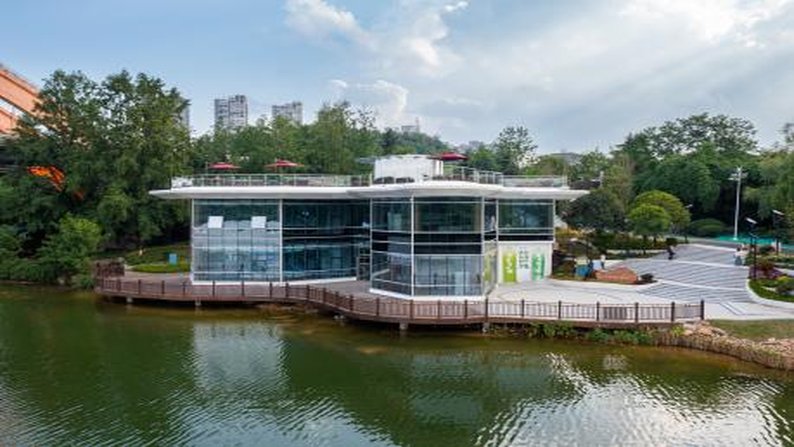
一座建在公园里的展览馆——观山湖区生态文明展览馆的绿色空间共生实践
昨天 · 来源:贵阳市观山湖区生态文明展览馆 · 作者:贵阳市观山湖区生态文明展览馆
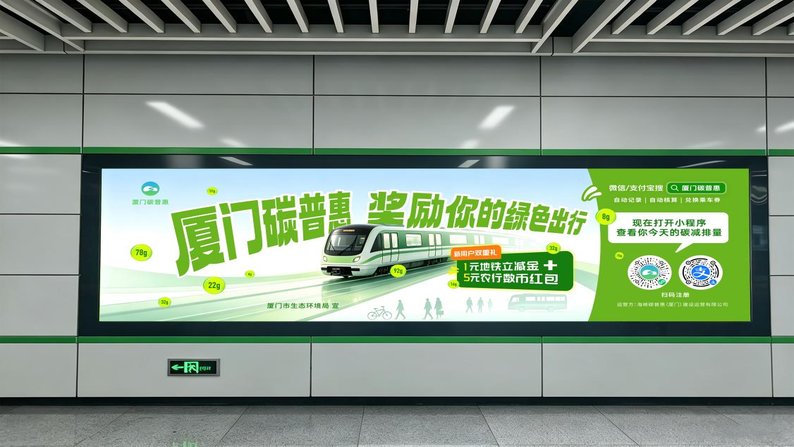
厦门城市级碳普惠平台运营实践
昨天 · 来源:海峡碳普惠(厦门)建设运营有限公司 · 作者:海峡碳普惠(厦门)建设运营有限公司
