

Company/Organization Profile
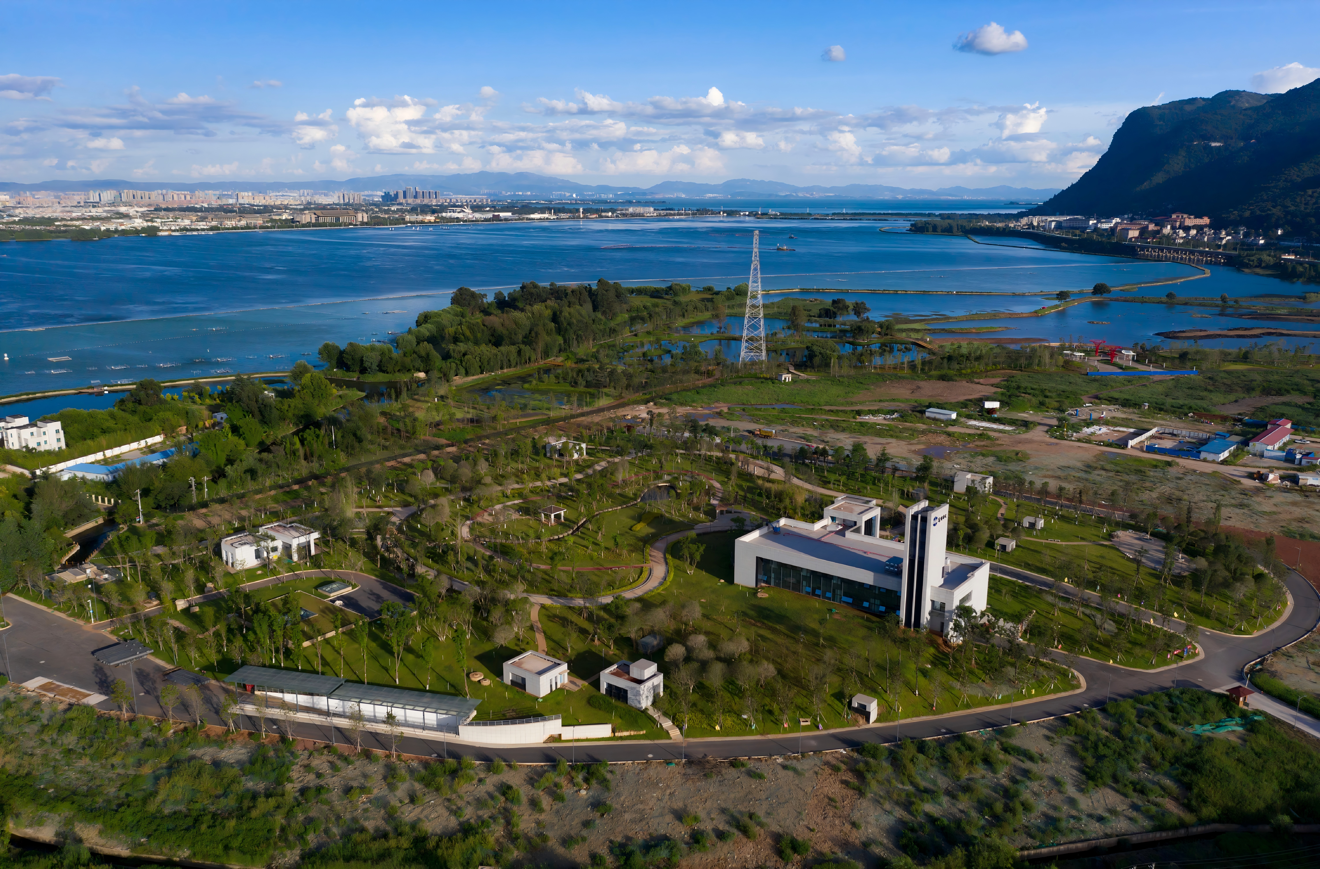
On the southeast side of the Gaoyiao Interchange in Xishan District, Kunming, in the Wangjiadui area, an underground ecological infrastructure is operating quietly — the 13th Kunming Wastewater Treatment Plant. The project covers a land area of 72.45 mu, with a total construction area of over 64,000 square meters. Its underground space consists of two floors, covering approximately 61,700 square meters. Only essential equipment rooms are retained aboveground, truly realizing the goal of “claiming space underground while reserving greenery for the city”.
The 13th Plant is designed with a total treatment capacity of 120,000 cubic meters per day and is constructed in two phases. Sludge is treated through gravity thickening and mechanical dewatering. Odorous gases are efficiently purified by biological deodorization processes, achieving environmentallyfriendly performance across the whole treatment workflow.
机构简介
在昆明市西山区高峣立交东南侧王家堆片区,一座“隐身”于地下的生态基础设施正悄然运转——昆明市第十三水质净化厂。项目用地72.45亩,总建筑面积超6.4万平方米,其中地下空间达两层、约6.17万平方米,地上仅保留必要的设备用房,真正做到“向地下要空间,为城市留绿意”。
十三厂设计总处理规模12万m³/d,分两期建设。污泥经重力浓缩与机械脱水处理,恶臭气体通过生物除臭工艺高效净化,实现全流程环境友好。
Project Overview
Current Problems
With urban development, the permanent resident population in the Wangjiadui area of Xishan District has risen to 332,200. The original drainage system can hardly cope with the growing volume of wastewater. Part of the wastewater is discharged directly or overflows into Caohai Lake of Dianchi Lake, leaving the protection and governance of Dianchi Lake facing a bottleneck at the “lastmile”. Conventional aboveground wastewater treatment plants occupy large land areas and generate noise and odour nuisances for local residents, giving rise to sharp conflicts between ecological space supply and people’s livelihood demands.
Cause Analysis
On the one hand, the regional environmental carrying capacity is limited, imposing extremely stringent requirements on effluent water quality. On the other hand, land resources are extremely scarce in this urban core area. Land acquisition incurs high costs; moreover, surfacebuilt plants would fragment urban space and undermine residents’ quality of life. In addition, earlystage wastewater treatment processes had limited phosphorusremoval capacity and could not meet the ultrastringent governance requirements for Dianchi Lake, resulting in persistently high pollution loads entering the lake.
Improvement Objectives
The construction of Kunming 13th Wastewater Treatment Plant breaks the dilemma that pollution control and livable urban environment cannot be achieved simultaneously. Adopting the core concept of “underground pollution treatment, aboveground green restoration”, the project houses the full set of treatment facilities with a capacity of 120,000 m³/d within two underground floors. This frees up 72.45 mu of surface land for the development of open green space. By adopting advanced phosphorusremoval processes including modified A²/O and sporetransfer technology, the plant meets the strict effluent total phosphorus (TP) standard of ≤ 0.05 mg/L, cutting pollution loads flowing into Dianchi Lake at source. Ultimately, what was once a pollutioncontrol pain point has been transformed into an ecological highlight featured by “Beneath Greenery, Purified Waters Flow Deep”, delivering winwin outcomes for Dianchi Lake conservation and urbanspace optimization.
项目背景
问题现状:
随着城市发展,西山王家堆片区常住人口增至33.22万人,原有排水系统难以承载日益增长的污水量,部分污水直排或溢流进入滇池草海,滇池保护治理面临“最后一公里”瓶颈。传统地上式污水处理厂占地大、噪声与异味扰民生态空间与民生诉求形成尖锐矛盾。
原因分析:
一方面区域环境容量有限,对出水水质要求极高;另一方面,城市核心区土地资源极度紧缺,不仅征地成本高昂,还会割裂城市空间、影响居民生活品质。此外,早期污水处理工艺除磷能力有限,难以满足滇池超极限治理需求,导致入湖污染负荷居高不下。
改进目标:
昆明市第十三水质净化厂的建设,破解了“治污”与“宜居”不可兼得的困局。项目以“地下治污、地上还绿”为核心理念,将12万m³/d的处理设施整体嵌入地下两层空间,释放地面72.45亩土地打造绿色开放空间。通过改良A²O+孢子转移等深度除磷工艺,实现出水TP≤0.05mg/L的严苛标准,从源头削减入湖污染。最终,将昔日的治污痛点转化为“绿意之下,净水流深”的生态亮点,实现滇池保护与城市空间优化的双赢。
Project Implementation
I. Addressing the challenge of difficult land acquisition and prominent NIMBY effect for wastewater treatment plants in urban core areas
Measures adopted: An innovative fullyburiedplantplusabovegroundpark construction model is applied. Largescale treatment facilities are entirely housed within two underground floors, while the aboveground area is planned as urban green space, completely eliminating noise and odour impacts on surrounding environments.
Implementing entities: The project was invested and constructed by Kunming Dianchi Investment Co., Ltd. in October 2016. Following its acquisition in January 2023, Kunming Yurun Water Co., Ltd. has taken charge of operation.
Implementation approach: Through multiple rounds of scheme comparison and optimization, the project team overcame engineering and technical challenges including deepfoundationpit construction and underground antiseepage treatment. Within the limited land area of 72.45 mu, a compact layout covering a construction area of 64,000 square meters (over 95 % underground) was realized. The socalled NIMBY facility has been successfully transformed into a NIMBYbeneficial public space.
II. Addressing stringent Dianchi Lake conservation requirements for an ultrastringent effluent totalphosphorus standard (TP ≤ 0.05 mg/L)
Measures adopted: The core technical process consists of modified A²/O biochemical tanks, secondary sedimentation tanks, highefficiency sedimentation tanks and Vtype filters. Twenty sets of integrated sporetransfer machines are additionally installed as key technical facilities to achieve ultrahighlevel phosphorus removal.
Implementing entity: Currently operated by Kunming Yurun Water Co., Ltd.
Implementation approach: Based on conventional Grade1A compliant treatment processes, labscale and pilotscale tests were carried out to verify the phosphorusremoval performance of sporetransfer technology, which was then deployed on a fullscale basis in the upgrading section of the project. Utilizing micronano bubbles and heavymetal chelating agents, this process efficiently adsorbs and separates phosphate from water, keeping effluent total phosphorus stably below 0.05 mg/L and substantially reducing pollution loads discharged into Dianchi Lake.
III. Addressing risks of odorousgas dispersion and sludgedisposal difficulties in enclosed underground spaces
Measures adopted: For odour control, a biological deodorization process is deployed. Odourgenerating zones such as the pretreatment section and sludgehandling section are fully enclosed for centralized collection and treatment of odorous gas. For sludge treatment, gravity thickening combined with mechanical dewatering is adopted to achieve sludge volume reduction and stabilization.
Implementing entity: Daily supervision is undertaken by the operating entity.
Implementation approach: Odourcollection pipelines and biofilters were installed simultaneously during construction to guarantee onsite indoor airquality compliance. During operation, an intelligent monitoring system dynamically adjusts the dosage of deodorizing microbial agents and airvolume parameters for longterm and stable removal of odorous pollutants, safeguarding working conditions in underground premises as well as user comfort in the aboveground park.
IV. Addressing low public awareness of underground wastewater treatment plants and insufficient coconstruction and sharing of green spaces
Measures adopted: The aboveground area is built into an open green public space. Participatory activities such as Public Open Days and environmentalscience popularization classes are organized to improve project transparency and public recognition.
Implementing entities: Jointly implemented by Kunming Yurun Water Co., Ltd., Kunming Municipal Bureau of Ecology and Environment, Xishan District People’s Government, Biji Subdistrict communities and environmentalprotection social organizations.
Implementation approach: Via media outreach and community mobilization, nearby residents and students are invited to tour the underground plant site to gain firsthand experience of this “invisible” pollutiontreatment process. Public feedback is collected to continuously optimize aboveground landscapes and supporting facilities. The vision of Beneath Greenery, Purified Waters Flow Deep is thus translated from an engineering concept into tangible ecological benefits accessible to local citizens.
项目实施
一、针对“城市核心区建污水厂征地难、邻避效应突出”的问题
采取措施:创新采用“全地埋式+地上公园”建设模式,将庞大的处理设施整体嵌入地下两层,将地上空间规划为城市绿地,彻底消除噪声、异味对周边环境的影响。
由谁实施:项目于2016年10月由昆明滇池投资有限责任公司投资建设,2023年1月由昆明渝润水务有限公司收购后,负责运营。
如何推进:项目团队通过多轮方案比选与优化,克服深基坑施工、地下防渗等工程技术难题,在72.45亩有限用地内,实现6.4万平方米建筑体量(地下占比超95%)的集约化布局,成功将“邻避设施”转化为“邻利空间”。
二、针对“滇池保护要求严苛,出水总磷需达超极限标准(TP≤0.05mg/L)”的问题
采取措施:采用“改良A²O生化池+二沉池+高效沉淀池+V型滤池”的主体工艺,并针对性地增设20套孢子转移一体机,作为超极限除磷提标的关键技术手段。
由谁实施:现由昆明渝润水务负责运营。
如何推进:在常规一级A达标工艺基础上,通过小试、中试验证孢子转移技术的除磷效率,随后在工程提标段规模化应用。该工艺利用微纳米气泡与重金属螯合剂,高效吸附并分离水体中的磷酸盐,确保出水总磷稳定控制在0.05mg/L以下,大幅削减入湖污染负荷。
三、针对“地下封闭空间恶臭气体扩散风险及污泥处置难题”的问题
采取措施:恶臭控制采用“生物除臭工艺”,对预处理区、污泥区等臭气源进行全域密闭收集、集中处理;污泥处理采用“重力浓缩+机械脱水”工艺,实现减量化与稳定化。
由谁实施:运营单位负责日常监管。
如何推进:建设阶段同步铺设臭气收集管道与生物滤池,确保厂区内部空气质量达标;运营阶段通过智能监控系统实时调节除臭菌剂投加量与风量,实现恶臭污染物的长效稳定去除,保障地下空间作业环境与地上公园的舒适度。
四、针对“公众对地下污水厂认知度低,绿色空间共建共享不足”的问题
采取措施:将地面空间打造为开放式绿色空间,并策划“公众开放日”“环保科普课堂”等参与式活动,提升项目透明度与社会认同感。
由谁实施:由昆明渝润水务联合昆明市生态环境局、西山区政府、碧鸡街道社区及环保社会组织共同实施。
如何推进:通过媒体宣传、社区动员等方式,邀请周边居民、学生走进地下厂区,直观感受“隐形”治污过程;同时收集公众反馈,持续优化地面景观与设施,让“绿意之下,净水流深”从工程理念转化为市民可感、可享的生态福祉。
Project Outcome
I. Comparison Before and After Implementation: Quantitative Transformation from a NIMBY Pain Point to a NIMBYbeneficial Highlight
In terms of water purification, the effluent total phosphorus (TP) has dropped drastically from the conventional Grade1A standard (≤ 0.5 mg/L) to ≤ 0.05 mg/L, representing a 90 % reduction. Every year, substantial pollution loads entering Dianchi Lake are cut down. In terms of service coverage, wastewater generated by 332,200 residents in the area is fully collected and treated. The treatment capacity of 120,000 m³/d completely resolves the longstanding problem of wastewater overflow in the Wangjiadui area.
For spatial experience, the 72.45mu site has been transformed from an industrial facility into green space with a 100 % groundspace release rate. Accessible park green areas for nearby residents have increased considerably, putting an end to noise and odour nuisances. Regarding management efficiency, supported by the AIpowered intelligent control system, the plant achieves a substantial drop in power consumption with remarkable energysaving and carbonreduction outcomes. Operating staff numbers are cut by over 30 %, and energyconsumption indicators outperform the industry average.
In terms of public feedback, questionnaires conducted during Public Open Days show high satisfaction among neighbouring communities toward the project. “An invisible plant, yet visible scenery” has become a wellknown ecological story among local citizens.
II. Innovative Highlights: Synergistic Breakthroughs in Mechanisms, Technologies and Models
Model Innovation: A NIMBYbeneficial paradigm of “underground pollution treatment plus aboveground public benefits”. Breaking the stereotype of conventional wastewater plants featuring large land occupation and prominent NIMBY risks, the groundlevel space is open to the public free of charge. This enables environmental infrastructure to evolve from mere pollution control toward composite ecological services.
Technology Innovation: Robust technical support for ultralimit phosphorus removal and fullprocess odour treatment. Twenty sets of integrated sporetransfer machines are deployed on a large scale to tackle the technical challenge of deep totalphosphorus removal for Dianchi Lake restoration. Meanwhile, the biological deodorization process is adopted for fullrange collection and centralized treatment of odorous gas within enclosed underground spaces, ensuring fresh air in the aboveground park. Its integratedtechnology level and practical applicability rank among the top in Southwest China.
Mechanism Innovation: Collaborative governance of green space among government, enterprises and the public. Kunming Yurun Water Co., Ltd. undertakes operation and management. The government provides policy and planning support, while communities and environmentalprotection organizations participate in supervision and sciencepopularization outreach. A longterm governance mechanism featuring “professional operation + public supervision + social sharing” has been established.
III. Sustainability and Replicability: A Promotable “Kunming Model”
Its technical routes and management experience have been replicated and applied to other buried wastewater treatment plants across Kunming. Meanwhile, through the regular mechanism of “opening environmentalprotection facilities to the public”, the project continuously delivers environmentaleducation functions and serves as a vivid showcase for the construction of a Beautiful China.
This sustainabledevelopment pathway balancing ecological, social and economic benefits provides a replicable and promotable “Kunming Solution” for waterenvironment governance in highdensity cities.
成果亮点
一、实施前后对比:从“邻避痛点”到“邻利亮点”的量化蜕变
在水质净化上,出水总磷从常规一级A标准(≤0.5mg/L)大幅降至≤0.05mg/L,降幅达90%,每年为滇池削减大量入湖污染负荷;在服务覆盖上,片区33.22万人口的污水实现全收集、全处理,12万m³/d的处理规模彻底解决了王家堆片区污水溢流的老大难问题。在空间体验上,72.45亩土地从“工业设施”转变为“绿色空间”,地面释放率达100%,周边居民步行可达的公园绿地显著增加,彻底告别了噪声与异味困扰。管理效率上,依托AI智控系统,厂区实现电耗量大幅下降,节能减碳效果显著,运营人员精简30%以上,能耗指标优于行业平均水平。公众反馈方面,根据开放日问卷调查,周边社区对项目满意度很高,“看不见的工厂,看得见的风景”成为市民口口相传的生态佳话。
二、创新性亮点:机制、技术与模式的协同突破
模式创新:“地下治污+地上惠民”的邻利范式。打破传统污水厂“占地大、邻避强”的刻板印象,地面空间无偿向公众开放,实现了环境基础设施从“单一治污”向“复合生态服务”的跨越。
技术创新:超极限除磷与全流程除臭的硬核支撑。规模化应用20套孢子转移一体机,攻克了滇池治理中总磷深度去除的难题;同步采用生物除臭工艺,对地下封闭空间恶臭气体进行全域收集、集中处理,确保地面公园空气清新,技术集成度与适用性居西南地区前列。
机制创新:政企民协同的绿色空间共治。由昆明渝润水务有限公司运营管理,政府提供政策与规划支持,社区与环保组织参与监督与科普推广,形成了“专业运营+公众监督+社会共享”的长效治理机制。
三、持续性与可复制性:可推广的“昆明样本”
技术路线与管理经验已成功复制应用于昆明其他地埋式水质净化厂。同时,通过“环保设施向公众开放”常态化机制,项目持续发挥环境教育功能,成为展示美丽中国建设的生动窗口。这种兼顾生态效益、社会效益与经济效益的可持续发展路径,为高密度城市水环境治理提供了可复制、可推广的“昆明方案”。
Project Highlights
Ecological and Environmental Benefits
The plant treats approximately 43.8 million cubic meters of wastewater annually, cutting chemical oxygen demand (COD) by around 6,570 tons, fiveday biochemical oxygen demand (BOD₅) by 5,475 tons, suspended solids (SS) by 5,475 tons, ammonia nitrogen by 1,095 tons and total nitrogen by 1,095 tons. Official data for PhaseI operation (60,000 m³/d) shows an annual pollutant reduction of about 9,680 tons.
Ultrahighlevel phosphorus removal: The effluent total phosphorus (TP) is reduced from the Grade1A limit of 0.5 mg/L to ≤ 0.05 mg/L. Assuming an influent TP concentration of approximately 5 mg/L, around 217 tons of total phosphorus are removed per year, of which an extra 164 tons are eliminated beyond the Grade1A requirement, directly mitigating the eutrophication load of Caohaiouter Dianchi Lake waters.
Landsaving and carbonefficiency benefits: Compact underground treatment is implemented on the 72.45mu site, with 100 % of the aboveground area released as public green space. Reclaimed water (10,000 m³/d in the shortterm PhaseI; total 40,000 m³/d in the longterm) is used for river replenishment and municipal miscellaneous purposes, replacing roughly 3.65 million cubic meters of fresh water each year and lowering dual energy consumption for rawwater intake and tailwater discharge.
Cost reduction and efficiency improvement: Thanks to the fullyenclosed underground layout and biological deodorization process, zero odour complaints have been received from surrounding communities. Isolation of equipment noise delivers a “silentoperation” wastewater treatment plant.
Social Impacts and Outcomes
Public participation: Multiple Public OpenHouse events have been held in recent years, receiving positive feedback.
Industrial demonstration: As Yunnan’s first semiburied wastewater treatment plant, it has created a replicable model of “underground pollution treatment plus aboveground park”, which has informed the construction of subsequent buried wastewater treatment plants across Kunming.
Regional driving effect: Serving a westernzone area of 20.26 km² with a resident population of 332,200, the project strengthens the pollutioninterception closedloop on the northern bank of Dianchi Lake and eases the operational burden of the No. 3 Wastewater Treatment Plant. It serves as a tangible onsite embodiment of the “Beautiful China · Green Space User Action” within the Dianchi Lake Basin.
成果影响力
生态环境效益
年处理污水约4380万m³,年削减COD约6570吨、BOD₅约5475吨、SS约5475吨、氨氮约1095吨、总氮约1095吨;一期(6万m³/d)运行期官方披露年削减污染物约9680吨。
超极限除磷:出水TP由一级A限值0.5mg/L降至≤0.05mg/L,按进水TP≈5mg/L计,年削减TP约217吨,其中较一级A额外多削磷约164吨,直接削减草海—滇池外海富营养化负荷。
节地与碳效:72.45亩用地中地下集约处理,地面100%释放为公共绿地;再生水(近期一期1万m³/d、远期总4万m³/d)回补河道与市政杂用,年替代清水约365万m³,降低取水与尾水排放双重能耗。
降本增效:地下封闭+生物除臭使周边零异味投诉,设备噪声隔绝实现“静音”工厂。
社会影响效果
公众参与:近年来多次做公众开放参观日,反响较好。
行业示范:云南首座半地下式水质净化厂,形成“地下治污+地上公园”可复制样本,已辐射昆明后续地埋式厂建设。
区域带动:服务西片20.26km²、33.22万人,补强滇池北岸截污闭环,缓解第三厂压力,成为“美丽中国·绿色空间使用者行动”在滇池流域的实体注脚。
Reviews & Honors
I. Evaluation and Feedback
Thirdparty and expert comments: “It is Yunnan’s first semiburied wastewater treatment plant, featuring the innovative application of China’s largest circular foundation pit support scheme. Its effluent quality is stably far better than the design standards.” The Kunming Onsite Tracking Research Office for the National Dianchi Lake Governance Water Special Project and the Yangtze River Ecological Environmental Protection & Restoration Program has designated the plant as a demonstration node for the joint control and coordination of the “PlantPondStationNetwork” system for Dianchi Lake.
Internal operation evaluation: As an officially designated site for opening environmentalprotection facilities to the public in Yunnan Province, the 13th Wastewater Treatment Plant operates on a regular basis. One year after PhaseI commissioning, it achieved an annual pollutant load reduction of approximately 9,680 tons.
II. Media and Industry Recognition
China News Service, People’s Daily Client, Yunnan.cn, The Paper and other media have reported on its NIMBYbeneficial model of “Yunnan’s first semiburied wastewater treatment plant” with “green landscapes above ground and pollution treatment underground”. The project is recognized as a key project for waterenvironment protection and governance in the Dianchi Lake Basin during the 13th FiveYear Plan period.
It has been selected as a typical case for exporting Guangzhou’s ecological watergovernance experience to Kunming, and is regarded as a replicable example of “underground pollution treatment plus aboveground green restoration” for highdensity cities.
III. Awards and Honors (Publicly Verifiable)
First Prize of the 2024 Kunming HighQuality Project “Spring City Cup”: PhaseII Construction Project of the 13th Wastewater Treatment Plant (Subproject 1, including 60,000 m³/d capacity expansion, phosphorusremoval equipment and intelligent dispatching system).
First Prize of the 2021 Kunming HighQuality Project “Spring City Cup”: Bid Section III of the 13th Wastewater Treatment Plant Construction Project.
2021 Yunnan Municipal Golden Cup Demonstration Project (First Prize): Construction Project of Kunming 13th Wastewater Treatment Plant (publicized by Yunnan Municipal Engineering Association).
Second Prize of the 2021 Guangdong Provincial Excellent Engineering Survey and Design Award: PhaseI Construction Project (designed by Guangzhou Municipal Engineering Design & Research Institute, publicized by Jinyang Website).
20212022 China HighQuality Installation Project Award (“China Installation Star”): Installation Works of Bid Sections II and III (submitted by China Railway No.8 Engineering Bureau Kunming Company, sponsored by China Installation Association).
评价与荣誉
一、评价反馈
第三方与专家:“云南首座半地下式水质净化厂,全国第一大圆形基坑支护方案创新应用,出水稳定远优于设计标准”;国家滇池治理水专项及长江生态环境保护修复昆明驻点跟踪研究办公室将其列为滇池“厂—池—站—网”联控联调示范节点。
内部运营评价:十三厂作为云南省环保设施向公众开放单位常态化运行,一期投运一年即实现年削减污染负荷约9680吨。
二、媒体/行业认可
中新网、《人民日报》客户端、云南网、澎湃新闻等报道其“云南首座半地下式水质净化厂”“地面设绿地景观、地下治污”的邻利模式,被称为“‘十三五’滇池流域水环境保护治理重点项目”。
入选广州生态治水经验输出昆明的典型案例,被视为高密度城市“地下治污+地上还绿”可复制样本。
三、奖项荣誉(可公开核实)
2024年度昆明市优质工程“春城杯”一等奖:十三厂二期建设工程(子项一,增容6万m³/d及除磷设备、智能调度系统)。
2021年度昆明市优质工程“春城杯”一等奖:十三厂建设工程第三标段。
2021年度云南省市政金杯示范工程(一等奖):昆明市第十三污水处理厂建设工程(云南省市政工程协会公示)。
2021年度广东省优秀工程勘察设计奖二等奖:一期建设工程(广州市政总院设计,金羊网公示)。
2021—2022年度中国安装工程优质奖(中国安装之星):第二、三标段安装工程(中国安装协会,中铁八局昆明公司主申报)。
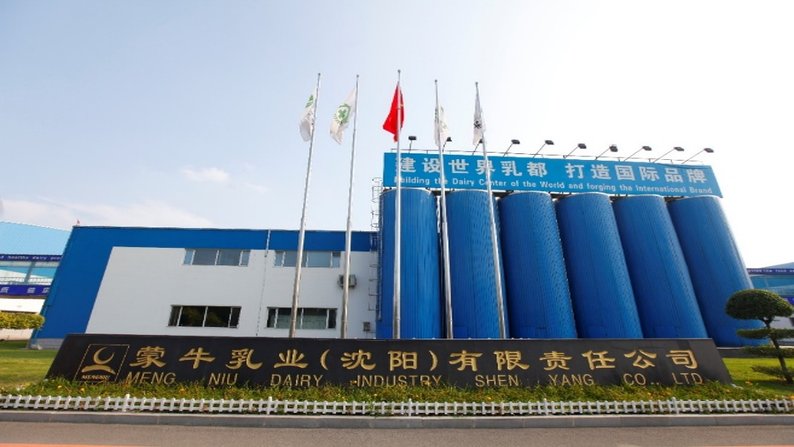
“智造+绿色”双轮驱动:蒙牛沈阳工厂从“千人百吨”到“百人千吨”的绿色空间转型实践
昨天 · 来源:蒙牛乳业(沈阳)有限责任公司 · 作者:蒙牛乳业(沈阳)有限责任公司
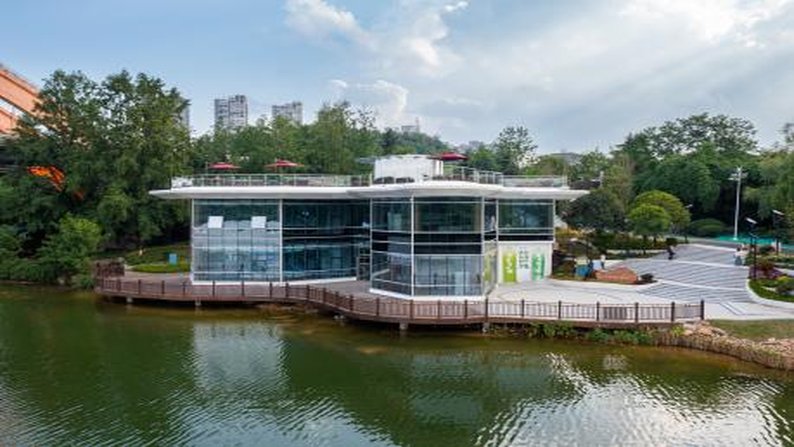
一座建在公园里的展览馆——观山湖区生态文明展览馆的绿色空间共生实践
昨天 · 来源:贵阳市观山湖区生态文明展览馆 · 作者:贵阳市观山湖区生态文明展览馆
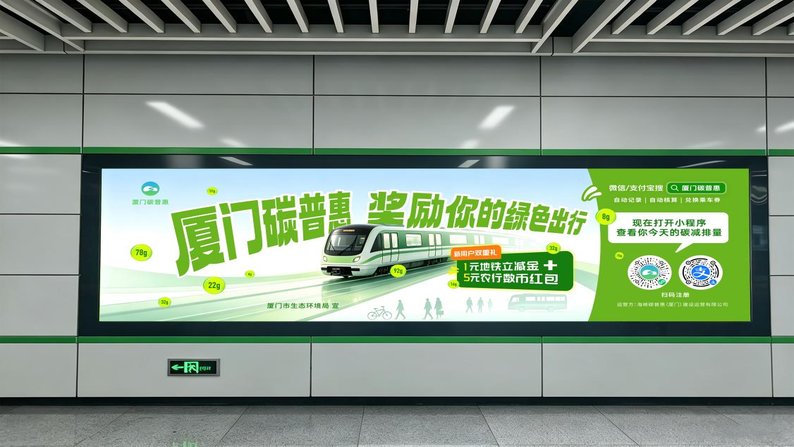
厦门城市级碳普惠平台运营实践
昨天 · 来源:海峡碳普惠(厦门)建设运营有限公司 · 作者:海峡碳普惠(厦门)建设运营有限公司
