

Company/Organization Profile
A Sustainability Practitioner Advancing Both Business and ESG
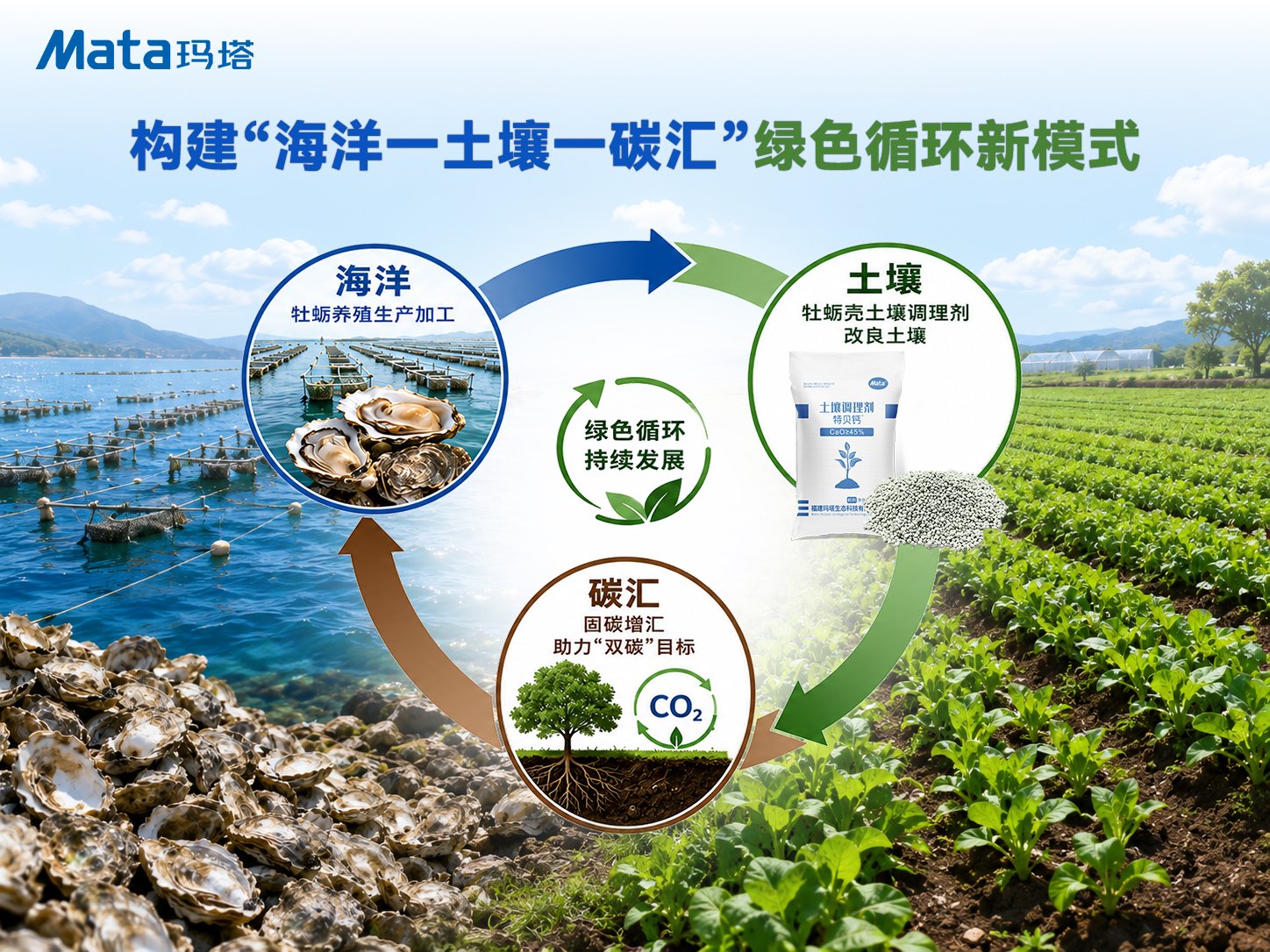
Founded in 2011, Mata (Xiamen) Eco Co., Ltd. (“Mata”) is a privately owned joint-stock company and a leading enterprise in China’s oyster processing and soil conditioning industries. Using discarded oyster shells as its primary raw material, Mata focuses on the R&D, production, and commercialization of marine-derived soil remediation materials. The company has developed a closed-loop industrial chain covering oyster seed production, marine aquaculture, raw material recovery, advanced processing, and the high-value utilization of by-products.
Mata operates four major production bases across China and owns three national-level High-Tech Enterprises and three provincial-level “Specialized, Sophisticated, Distinctive and Innovative” SMEs. It produces 300,000 tons of marine-derived soil remediation materials annually, with products serving major farmland restoration areas across China.
Mata has maintained long-term partnerships with research institutions including the Chinese Academy of Sciences and the Chinese Academy of Agricultural Sciences. It holds more than 120 granted patents, has contributed to the development of industry standards, and has undertaken multiple national-level research projects. The company has received prestigious recognition including the National Agriculture, Animal Husbandry and Fishery Harvest Award and the Paulson Prize for Sustainability, and continues to use technological innovation to transform marine waste into valuable resources while supporting soil health and sustainable agriculture.
机构简介
商业与ESG并重的可持续发展实践者——厦门玛塔生态股份有限公司(以下简称“玛塔股份”)始创于2011年,系民营股份制企业,是国内工业牡蛎加工及土壤调理剂领域的龙头企业。公司以废弃牡蛎壳为原料,聚焦海洋生物源土壤修复材料的研发、生产与销售,构建了涵盖牡蛎种苗繁育、海上养殖、原料回收、精深加工及副产物高值化利用的完整闭环产业链。公司在全国布局四大生产基地,旗下拥有3家国家高新技术企业和3家省级专精特新中小企业,年产海洋生物源土壤修复材料30万吨,产品市场覆盖全国主要耕地修复区域。公司长期与中国科学院、中国农业科学院等科研机构合作,累计获授权专利120余项,参与行业标准起草,承担多项国家级科研项目。先后荣获“全国农牧渔业丰收奖”“保尔森可持续发展奖”等权威奖项,持续以科技创新驱动海洋废弃物资源化利用,服务土壤健康与现代农业可持续发展。
Project Overview
Current Challenges
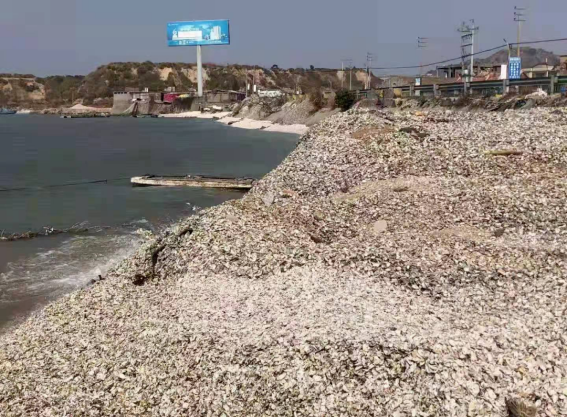
In coastal areas such as Hui’an County, discarded oyster shells have long accumulated along coastlines, around farmland, and in rural public spaces. These piles occupy valuable land, affect the appearance of villages, and negatively impact local living environments.
At the same time, more than 40% of China’s soils are acidic, while approximately 150 million mu (about 10 million hectares) of farmland is affected by heavy-metal contamination, making soil degradation an increasingly serious challenge.
Traditional disposal methods for oyster shells, mainly landfilling and incineration, not only damage the shells’ natural structures but can also generate secondary pollution, leaving a potentially valuable resource largely underutilized. Meanwhile, many farmers have limited knowledge of soil conditioners and lack access to appropriate application techniques, making it difficult for effective products to reach farms and achieve widespread adoption.
Root Causes
These challenges stem from three main factors:
First, limited pathways for resource recovery: Oyster shells had long lacked suitable large-scale reuse channels, while collection and recycling systems remained underdeveloped.
Second, limitations of traditional processing: Conventional processing was energy-intensive and often resulted in limited product performance, making large-scale production difficult.
Third, insufficient connections among stakeholders: Farmers, local communities, and enterprises lacked effective mechanisms for collaboration, leaving green products without sufficient support for practical, on-farm application.
项目背景
问题现状:
在惠安县等沿海地区,废弃牡蛎壳长期堆放在海岸带、农田周边和乡村公共空间,侵占土地,影响村容村貌和人居环境。与此同时,全国酸性土壤面积占比超过40%,受重金属污染的耕地约1.5亿亩,土壤退化问题日益突出。传统的牡蛎壳处理方式以填埋和焚烧为主,不仅破坏牡蛎壳的天然结构,还容易产生二次污染,导致这一资源长期被闲置。另一方面,大多数农户对土壤调理剂了解不多,缺乏施用技术,好产品到了田间地头推不开。
原因分析:
出现这些问题,主要有三个原因:一是牡蛎壳长期没有找到合适的资源化利用途径,回收体系不健全;二是传统加工技术能耗高、产品性能上不去,企业想规模化生产也困难;三是农户、社区、企业之间缺少有效的对接机制,绿色产品的终端应用缺乏落地支撑。
改进目标:
通过技术手段把废弃牡蛎壳加工成土壤调理剂,既解决海岸带固废污染问题,也用于改良酸化农田。同时建立从社区回收到农户应用再到碳汇交易的完整链条,让参与各方都能从中受益。
Project Implementation
Addressing the accumulation of discarded oyster shells in coastal and rural public spaces — Establishing a “Farmers–Government–Enterprise” Collaborative Recycling System
In coastal towns such as Hui’an and Zhao’an, discarded oyster shells had accumulated for years along village roads, coastlines, and other public areas. Farmers and oyster processors were not unwilling to address the problem; they simply lacked appropriate collection and disposal channels.
To address this challenge, Mata established long-term cooperation mechanisms with local governments and jointly developed a county-wide professional oyster shell collection and recycling system.
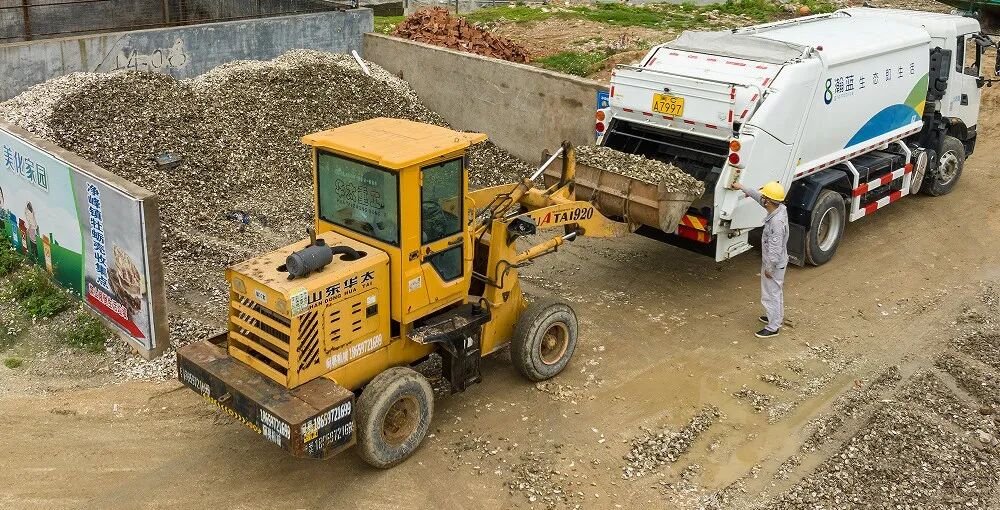
Under the system, local governments guide oyster farmers and processing businesses to collect and stockpile discarded shells at designated sites. Mata is responsible for centralized transportation, pre-treatment, and resource recovery.
This has created a coordinated model in which:
Farmers collect and stockpile → Government guides and supervises → Enterprise collects and processes
The model creates a positive cycle in which those who use and occupy local spaces actively participate in environmental improvement, enterprises turn waste into valuable resources, and previously affected public spaces are progressively restored.
Figure 1: Centralized Collection and Transfer Site for Discarded Oyster Shells
项目实施
针对海岸带与乡村公共空间被废弃牡蛎壳侵占的问题——建立“养殖户—政府—企业”协同的回收体系
惠安、诏安等沿海乡镇,废弃牡蛎壳常年堆放在村边、路边、海边,既占地方又影响环境。养殖户和加工企业不是不想处理,而是没有合适的渠道。针对这个问题,玛塔公司与当地政府合作,建立了一套覆盖县域的回收体系。针对这一问题,玛塔公司与当地政府建立长效合作机制,协同构建覆盖县域的废弃牡蛎壳专业回收体系。在具体运营中,由当地政府引导养殖户、牡蛎加工企业将废弃牡蛎壳集中定点堆放,玛塔公司责统一清运、前处理及资源化利用,形成“养殖户集中堆放—政府引导监管—企业清运处理”的政企协同模式,形成了“污染空间使用者主动参与治理—企业将废弃物转化为资源—绿色空间逐步恢复”的良性循环。
图1:废弃牡蛎壳集中收运点
图2:沿海牡蛎壳堆积整治对比图

针对传统加工工艺能耗高、产品附加值低的问题——建设绿色生产基地
传统工艺不仅破坏牡蛎壳的天然微聚孔结构,且能耗高、易产生二次污染,背离“绿色生产空间”的要求。玛塔公司首创“保护性烘焙·分段活化”工艺,通过梯级控温实现牡蛎壳的清洁转化——在保留天然微聚孔结构的同时,赋予产品调酸、补钙、重金属钝化等多重功能,土壤修复速度较传统产品提升10倍。配套自主研发的往复式破碎技术、生物质燃烧技术等,贯穿“破碎分级—梯度焙烧—造粒成型—能源供给”全流程,实现了年产30万吨产品批次间的质量一致性,以绿色生产空间保障了产品的稳定供给。
针对农户对新产品的接受度不高、推广难的问题——建立“试验—示范—推广”三级网络
酸化农田作为重要的绿色生产空间,其使用者(广大农户)因认知不足而缺乏采用绿色产品的行动意愿。针对这一问题,玛塔公司构建了“试验定标准、示范做引领、推广促覆盖”的三级行动引导网络。试验层面,联合科研机构针对70余种作物开展系统性田间试验,让科研工作者参与产品验证;示范层面,在湖南、广东、福建等8个省份设立108个示范基地,设置对照区与施用区,以“做给农民看”的方式让农户“眼见为实”;推广层面,通过现场观摩会、田间课堂等使用者参与式培训,累计培训超5000人次,将成熟的应用方案向周边种植户辐射推广。
针对农技服务到不了田间地头的问题——搭建线上线下结合的农技服务平台
很多农户遇到土壤问题,不知道该问谁。玛塔公司开通了“恩朴生态”视频号,每周做6场农技科普直播,专家在线解答农户提问,农户有什么问题可以直接在直播间里问。线下组建了专业的农化服务团队,带上检测设备到地里给农户测土、配方、做指导,从测土到跟踪回访,形成闭环服务。对种植大户和专业合作社,还提供“一户一策”的定制方案。线上科普引流、线下精准服务、数据反哺优化的循环机制,让知识惠及更多使用者。
针对农化服务难以长期持续的问题——建立多方协同的长效机制
为确保空间使用者绿色行动的可持续,玛塔公司建立了多方协同的长效机制。政策对接层面,积极参与福建、湖南、广东等省份的耕地保护与质量提升项目,将使用者行动纳入地方政府农技推广体系,借助行政力量扩大行动网络。基层服务层面,依托县级农技推广中心设立联络点,配备兼职农技联络员,将服务触角延伸至每一个农田空间。通过“政府引导+企业支持+农户参与”的协同机制,让每一片绿色空间的守护者都能持续行动。
Project Outcome
Discarded oyster shells that once accumulated along coastlines, around farmland, and in rural public spaces are now collected through a coordinated government–enterprise recycling network. Farmers have shifted from informal disposal to active participation in shell recycling, while 300,000 tons of discarded oyster shells are now processed annually. The long-standing problem of oyster shells having “nowhere to go” has been fundamentally addressed.
Two green production bases now use cleaner processing technologies to produce 300,000 tons of soil conditioner annually, creating a tangible transition from previously polluted spaces to cleaner, more productive environments.
Through 108 demonstration bases, farmers have been able to directly observe the benefits of soil improvement, moving from cautious observation to active adoption. Researchers have participated deeply in product validation and carbon sequestration methodology development, while enterprises have participated in carbon sequestration transactions to support their emissions reduction efforts.
In April 2025, the Quanzhou On-Site Promotion Conference on Comprehensive Oyster Shell Utilization was held in Hui’an, where the local experience of turning oyster shell waste into valuable resources was promoted across the city. The network of stakeholders participating in environmentally responsible agricultural practices continues to expand.
Key Innovations
1. Mechanism Innovation
Mata established a collaborative model of:
Farmers collect and stockpile → Government guides and supervises → Enterprise collects and processes
This mechanism enables farmers, governments, and enterprises to participate in environmental improvement according to their respective roles.
2. Technological Innovation
Mata developed the proprietary “Protective Roasting and Staged Activation” process, transforming discarded oyster shells into a high-value soil conditioner. Soil remediation can be achieved up to 10 times faster than with conventional products.
3. Business Model Innovation
In Quanzhou, Mata was among the first to explore a pathway linking:
Soil Improvement → Carbon Sequestration → Carbon Market Transactions
In December 2024, the project completed China’s first transaction involving carbon sequestration generated through soil improvement, transferring carbon sequestration equivalent to 5,643 tons of CO₂.
Sustainability and Replicability
Mata’s integrated technology portfolio creates a strong and sustainable technical advantage across the entire value chain. Its two major production bases are ISO-certified, supporting consistent product quality and stable production.
The long-term mechanism of government guidance + enterprise support + farmer participation has been incorporated into government–enterprise cooperation agreements in multiple regions.
To date, Mata’s products have been used to improve more than 10 million mu of farmland, covering more than 20 provinces and over 70 crop types, with validation from more than 1,000 field trials. These results provide a mature foundation for scaling the model across different regions and crop systems.
成果亮点
废弃牡蛎壳长期侵占海岸带、农田周边等乡村公共空间,如今通过政企协同的回收网络,养殖户从“随意丢弃者”转变为“主动回收者”,年处理废弃牡蛎壳达30万吨,沿海乡村长期存在的牡蛎壳“无处去、随意扔”问题得到根本性扭转。两大绿色生产基地以清洁工艺实现年产30万吨产品,从“污染空间”到“绿色空间”的转变全面完成。
农户通过108个示范基地亲眼见证土壤改良效果,从“观望犹豫”转变为“主动采用”;科研工作者作为专业空间使用者深度参与产品验证与碳汇方法学开发;企业通过购买碳汇履行减排责任。2025年4月,泉州市牡蛎壳综合利用现场推进会在惠安召开,向全市推广“变废为宝”的惠安经验,空间使用者的绿色行动网络持续扩大。
创新点:
一是机制上,建立了“养殖户集中堆放—政府引导监管—企业清运处理”的协作模式,让各方都能参与进来。二是技术上,自研的“保护性烘焙·分段活化”工艺,把废弃牡蛎壳做成了高附加值的土壤调理剂,修复速度比传统产品快10倍。三是模式上,在泉州率先探索了“土壤改良—固碳减排—碳汇交易”的路径,2024年12月完成了全国首笔土壤改良碳汇交易,出让碳汇5643吨。
持续性与可复制性:全链条技术矩阵形成长期工艺壁垒,两大基地通过ISO认证保障产品一致性;“政府引导+企业支持+农户参与”长效机制已写入多地政企合作协议;产品累计修复耕地超千万亩,覆盖20余省份、70余种作物,经1000余次田间试验验证,具备了在不同区域、不同作物条件下广泛推广的成熟基础。
Project Highlights
Sustainability and Replicability
Mata’s integrated technology portfolio creates a strong and sustainable technical advantage across the entire value chain. Its two major production bases are ISO-certified, supporting consistent product quality and stable production.
The long-term mechanism of government guidance + enterprise support + farmer participation has been incorporated into government–enterprise cooperation agreements in multiple regions.
To date, Mata’s products have been used to improve more than 10 million mu of farmland, covering more than 20 provinces and over 70 crop types, with validation from more than 1,000 field trials. These results provide a mature foundation for scaling the model across different regions and crop systems.
Social Impact
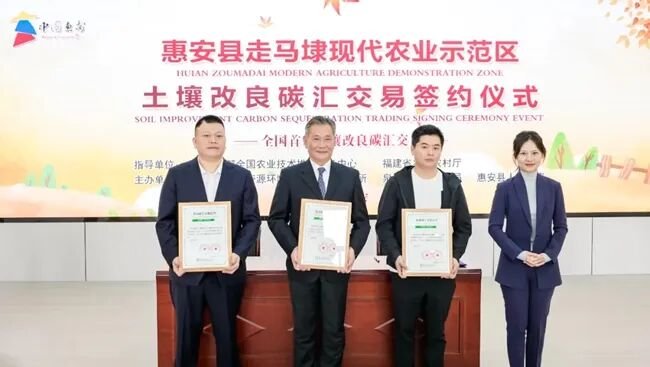
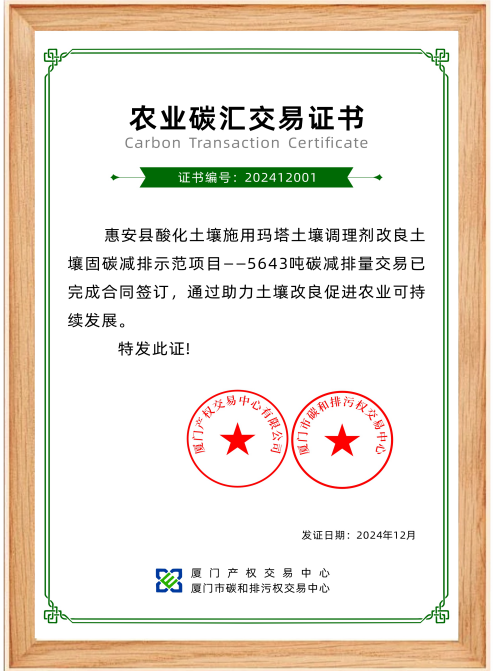
In December 2024, Mata completed China’s first transaction involving carbon sequestration generated through soil improvement, transferring carbon sequestration equivalent to 5,643 tons of CO₂ and generating RMB 100,000 in proceeds. The transaction opened a new pathway for realizing the economic value of agricultural ecological products.
The project received extensive media attention. Xinhua News Agency published an in-depth report titled “Unlocking the Potential of Soil’s ‘Yellow Carbon Sink’.” More than 50 mainstream media outlets, including People's Daily Online, CCTV.com, and China Daily, published more than 500 reports on the project.
The project was also recognized as a Top 10 Nominee in the Green Innovation category of the Paulson Prize for Sustainability and received the National Agriculture, Animal Husbandry and Fishery Harvest Award.
Gao Xiangzhao, Chief Expert at the National Agricultural Technology Extension Service Center under the Ministry of Agriculture and Rural Affairs, described the initiative as “highly significant”, noting that the exploration of carbon sequestration through soil improvement has opened a new pathway for realizing the value of agricultural ecological products.
Accounting Basis
Carbon emission reduction: Calculated by the Institute of Urban Environment, Chinese Academy of Sciences, using the Methodology for Carbon Sequestration and Emission Reduction Projects Using Oyster Shell Soil Conditioners on Acidic Soils.
Soil improvement: Based on testing conducted by third-party institutions.
Oyster shell waste treatment: Based on statistics from Mata’s internal collection and transportation system.
Production capacity and farmland improvement figures: Data as of the end of 2025.
成果影响力
生态环境效益:在固废治理方面,依托“镇村集中转运+城区零散直运+临近自行清运”收运体系,累计处置牡蛎壳固废超380万吨,从根本上解决了沿海农村“牡蛎壳围村”污染难题。在土壤修复方面,产品累计修复耕地超1000万亩,施用后土壤pH值平均提升0.5至1.2个单位,有效钙含量提升15%至30%,重金属有效态含量降低20%至45%。在碳减排方面,走马埭示范项目经中国科学院城市环境研究所核算,在一个生长周期内实现碳减排5643吨,温室气体排放量减少20%以上。
社会影响:2024年12月完成全国首笔土壤改良碳汇交易,出让碳汇5643吨、收益10万元,为农业生态产品价值实现开辟新路径。新华社以“唤醒土壤‘黄色碳汇’潜力”为题深度报道,人民网、央视网、中国日报网等50余家主流媒体刊发报道500余篇。项目荣获保尔森可持续发展奖绿色创新类别十大提名及全国农牧渔业丰收奖。农业农村部全国农业技术推广服务中心首席专家高祥照评价此举“意义重大”,认为土壤改良碳汇探索为农业生态产品价值实现开辟了新路径。
统计口径:碳减排数据由中国科学院城市环境研究所依据《酸化土壤施用牡蛎壳土壤调理剂固碳减排项目方法学》核算;土壤改良数据由第三方机构检测;固废处理数据来自公司内部收运体系统计;处理能力及修复面积数据截至2025年底。
Reviews & Honors
Expert Recognition
Gao Xiangzhao, Chief Expert at the National Agricultural Technology Extension Service Center under the Ministry of Agriculture and Rural Affairs, described carbon sequestration through oyster shell-based soil improvement as “a win-win initiative” and noted that it “marks a new path in which soil improvement advances together with agricultural environmental protection and carbon sequestration.”
Academician Zhu Yongguan of the Chinese Academy of Sciences, who has visited Mata multiple times, noted that the company’s achievements in managing marine industry by-products and improving acidic soils were “hard-won and widely recognized.”
Media and Industry Recognition
China’s first transaction involving carbon sequestration generated through soil improvement attracted extensive public and industry attention. Xinhua News Agency published an in-depth report, while more than 50 mainstream media outlets published over 500 reports on the initiative.
Mata contributed to the drafting of the national agricultural industry standard “Soil Conditioners and Application Guidelines — Oyster Shell Raw Materials” (NY/T 3937-2021).
The company also led the development of the group standard “Guidelines for Carbon Footprint Accounting of Oyster Shell Soil Improvement Products” and the “Methodology for Carbon Sequestration and Emission Reduction Projects Using Oyster Shell Soil Conditioners on Acidic Soils.”
评价与荣誉
专家评价:
农业农村部全国农业技术推广服务中心首席专家高祥照指出,牡蛎壳土壤改良碳汇“是多方共赢的好举措”,“标志着土壤改良走上了与农业环境保护和碳汇共同发展的全新道路”。中国科学院朱永官院士多次到企业考察,认为玛塔在海洋产业副产物治理和酸化土壤改良领域“取得的成绩来之不易,建树有目共睹”。
媒体与行业认可:
全国首笔土壤改良碳汇交易引发广泛关注,新华社深度报道,人民网、央视网等50余家主流媒体刊发报道500余篇。公司参与起草了农业行业标准《土壤调理剂及使用规程 牡蛎壳原料》(NY/T 3937-2021),牵头编制了《牡蛎壳土壤改良产品碳足迹核算指南》团体标准和《酸化土壤施用牡蛎壳土壤调理剂固碳减排项目方法学》。
“智造+绿色”双轮驱动:蒙牛沈阳工厂从“千人百吨”到“百人千吨”的绿色空间转型实践
昨天 · 来源:蒙牛乳业(沈阳)有限责任公司 · 作者:蒙牛乳业(沈阳)有限责任公司

一座建在公园里的展览馆——观山湖区生态文明展览馆的绿色空间共生实践
昨天 · 来源:贵阳市观山湖区生态文明展览馆 · 作者:贵阳市观山湖区生态文明展览馆
厦门城市级碳普惠平台运营实践
昨天 · 来源:海峡碳普惠(厦门)建设运营有限公司 · 作者:海峡碳普惠(厦门)建设运营有限公司
