

机构简介
海南省蓝丝带海洋环境保护协会(以下简称:海南蓝丝带)成立于2018年4月2日,是一家以海洋生态环境保护为主旨的中国民间公益社会团体。 协会立足海南岛,辐射全省,长期致力于海洋生态环境保护,围绕海洋生态环境保护科普教育宣传,滨海湿地生态修复、保护、监测,和美乡村生态环境保护与可持续发展建设,水生野生动物保护、监测与救助,海洋气候与白色污染治理开展工作。在2022年度海南省省级社会组织等级评估中,被评为“5A级省级社会组织”。 海口经济学院雅和设计工程学院,于2017年在原建工学院基础上设立,包括城乡规划、建筑学等6个本科专业。学院秉承“体勤心智、性雅德和”院训和“大师即大学”理念,致力于改善和提高人居环境培养“新工科”人才,系统架构人居工程学科教育,创建面向未来的集群式教学体系。 如类型为上市公司,请根据实际情况参照示例结构补充描述(示例可删): 示例:公司核心管理团队(董事会)已审议通过支持国家双碳战略的绿色发展目标与行动路径1,有效运行覆盖主营业务的碳排放智慧管理体系2,在主要品牌展厅设置了双碳科普与生态文化展示空间3,持续实施清洁能源替代、节能降碳技术改造4、推出了多款低碳产品5、实施员工绿色通勤方案6,面向上游合作方传递绿色低碳理念7、在企业官网或第三方网站展示了绿色低碳工作内容与行动案例8。
机构LOGO
Company/Organization Profile
The Blue Ribbon Ocean Environmental Conservation Association was established on April 2, 2018, and is a Chinese non-governmental public welfare organization dedicated primarily to the protection of the marine ecological environment. Based on Hainan Island and serving the entire province, the Association has been long committed to marine ecological environment protection. Its activities encompass science popularization and public awareness campaigns on marine ecological conservation; the ecological restoration, protection, and monitoring of coastal wetlands; the protection and sustainable development of rural ecological environments; the conservation, monitoring, and rescue of aquatic wildlife; as well as initiatives aimed at addressing marine climate issues and combating white pollution. In the 2022 Hainan Provincial Social Organization Rating Assessment, the organization was rated as a "5A-level Provincial Social Organization." The Yaha School of Design & Engineering at Haikou University of Economics was established in 2017, built upon the foundation of the former College of Construction Engineering. It offers six undergraduate programs, including Urban Planning, Architecture, and others. Adhering to its motto—"Diligent Mindset, Harmonious Virtue"—and guided by the philosophy that "Masters Define a University," the school is committed to enhancing human settlements, cultivating talent through New Engineering Education, systematically structuring disciplinary frameworks for human settlement engineering, and developing a future-oriented cluster teaching system.
项目背景
本项目实施主要载体为海口经济学院雅和设计工程学院,其拥有 1.4 万㎡的独立教学管理一体化的工程大楼作为主要教学场所,在校生 2,700 余人,专任教师 101 人,成果可辐射全校及社会公众。项目地处海口热带高温高湿区域,建筑制冷通风能耗常年居高不下,校园低碳建设存在诸多突出问题。 现状方面,校园建筑运营能耗与碳排放偏高,既有建筑缺乏适配热带气候的节能改造方案,改造工作缺乏科学依据。同时,师生低碳意识薄弱,日常能源浪费现象普遍,且学校缺少完善的低碳管理制度、监管机制和行为指导体系,无明确节能责任分工,低碳校园建设缺乏体系支撑。 究其原因,除海口特殊气候导致能耗基数偏高外,建筑硬件无节能适配设计,先天能耗短板明显。同时,校园未开展系统能源审计摸排,节能改造无数据支撑,且长期缺失低碳常态化教育与规范管理机制,权责、监管、激励体系均存在空白。 项目旨在通过能源审计摸清能耗底数,开展建筑减碳改造,形成适配海南地域的绿色建筑方案。通过编制低碳行为手册、落实责任分工规范师生行为,依托社团开展减碳宣传实践活动,整合资源推进校园绿色建筑长效改造,全方位打造低碳节能校园。
Project Overview
The main implementing body of this project is the Yahe School of Design and Engineering at Haikou University of Economics, which houses a 14,000 m² integrated teaching-and-administration engineering building as its primary teaching facility, with over 2,700 enrolled students and 101 full-time faculty members. The project's outcomes can extend to the entire university and the general public. Located in Haikou—a tropical region characterized by high temperatures and high humidity—the campus has persistently high energy consumption for building cooling and ventilation year-round, and faces numerous prominent challenges in low-carbon campus development. Regarding the current situation, the operational energy consumption and carbon emissions of campus buildings are relatively high. Existing buildings lack energy-saving renovation plans adapted to the tropical climate, and renovation efforts lack a scientific basis. Meanwhile, teachers and students have weak low-carbon awareness, and daily energy waste is widespread. Furthermore, the university lacks a comprehensive low-carbon management system, supervisory mechanisms, and behavioral guidance frameworks. There is no clear division of energy-saving responsibilities, leaving low-carbon campus development without systemic support. The underlying causes include, in addition to the high energy-consumption baseline driven by Haikou's unique climate, the absence of energy-efficient adaptive design in building hardware, resulting in obvious inherent energy-consumption deficiencies. Meanwhile, the campus has not conducted systematic energy audits to map out consumption patterns, so energy-saving renovations lack data support. Furthermore, there has been a long-term absence of normalized low-carbon education and standardized management mechanisms, with gaps across responsibility allocation, supervision, and incentive systems. This project aims to establish a clear baseline of energy consumption through energy audits, carry out building carbon-reduction renovations, and develop green building solutions adapted to Hainan's regional context. By compiling a low-carbon behavioral handbook, implementing responsibility allocation to regulate the conduct of teachers and students, conducting carbon-reduction awareness and practical activities through student organizations, and integrating resources to advance long-term green building renovations on campus, the project seeks to comprehensively build a low-carbon, energy-efficient campus.
项目实施
标题(请附至少一张题图)
Project Implementation
This project is funded by the Small Grants Programme of the Global Environment Facility, implemented by the United Nations Development Programme, and executed by the Blue Ribbon Ocean Environmental Protection Association of Hainan Province. It is carried out in the engineering building of the Yahe School of Design and Engineering at Haikou University of Economics, with a project period from July 2024 to June 2026. The participating entities include the project implementing organization, faculty and students of the School, the Blue Ribbon Service Society, and multiple internal university departments. The project leverages the faculty strength of the School's architecture, landscape architecture, and urban and rural planning programs to carry out on-the-ground practice. Addressing the problems of high operational energy consumption of campus buildings and unclear carbon-emission baselines: The project adopts methods of energy-inventory mapping and field surveys for energy audits, implemented by the project technical team in collaboration with faculty and students of the School. In June 2024, the team entered the site for field investigation, collecting full-dimension operational data on the building's electricity, air conditioning, lighting, and water usage. After four rounds of revisions and improvements, an energy audit report was finalized. A special communication meeting was convened involving 14 participants from 7 internal university departments. Upon finalization, the report was released to the public through the WeChat official account, clarifying the current state of building energy consumption and providing a realistic data basis for building renovation. Addressing the lack of localized low-carbon renovation practical solutions for buildings in tropical campus settings: The project adopts a model combining demonstration-space hardware renovation with before-and-after comparative monitoring, jointly implemented by faculty and students from various programs of the School and project technical personnel. Classroom S601 was selected as the demonstration site for indoor renovation, involving high-reflectivity wall coating, application of heat-insulating film on windows, replacement with first-tier energy-efficiency air conditioners (reducing air-conditioning energy consumption by 30%), installation of zoned lighting, and ceiling fans with integrated lights. A 10 kW wind-solar hybrid power generation system was installed on the rooftop. Meanwhile, 95% of faculty and students reported a significant improvement in indoor teaching comfort, strongly verifying the feasibility and effectiveness of green renovation of existing campus buildings in tropical climate zones. Additionally, a 150 m² idle balcony on the 7th floor was selected for outdoor ecological renovation, upgrading the original building structure with leisure seating, greenery landscaping, a rainwater and air-conditioning condensate recovery system, and low-carbon-themed wall murals. The effectiveness of the renovation was verified by comparing actual energy-consumption data before and after the renovation, forming a replicable renovation model suited to Hainan's hot and humid climate, namely "indoor energy saving + outdoor carbon-sink enhancement + renewable energy substitution." After the renovation, the overall energy consumption of the demonstration classroom decreased by 30.18%. Addressing the weak low-carbon awareness among faculty and students, coupled with the lack of corresponding management constraints and behavioral guidance: The project adopts a combination of institutional optimization, publicity and education, and public participation, jointly advanced by School administrative staff and volunteers of the Blue Ribbon Service Society. A "Low-Carbon Energy-Saving Behavior Handbook" was compiled, energy-saving responsible persons were designated for each office, and energy-consumption monitoring and low-carbon behavioral incentives were implemented. Leveraging the strength of over a thousand volunteers, the project carried out activities both on and off campus, including mangrove hypocotyl cultivation and planting, creation of green balconies, clean-plate check-ins, plastic-reduction initiatives, beach clean-up actions, and low-carbon science-popularization exhibitions. A campus low-carbon publicity corridor was established, and science fairs and themed lectures were held to broadly disseminate low-carbon concepts. A women-led green interest group was formed to compile a campus plant atlas, expanding channels for faculty and students to engage in low-carbon practices. Addressing the lack of formal institutional support for campus low-carbon renovation and the difficulty of sustaining project outcomes over the long term: The project adopts an approach of resource integration and institutionalized transformation of project outcomes. The project team, together with the School, submitted a formal application report for green building renovation to the university and its cooperative education partners. Efforts were made to incorporate the "Low-Carbon Energy-Saving Behavior Handbook" into the School's daily management and to include low-carbon energy-saving criteria in dormitory excellence assessments. Project practice was integrated with professional courses, and students were organized to participate in the national green building skills competition, where they won awards, thereby transforming one-off project practice into a normalized campus management mechanism. Division of responsibilities: The Blue Ribbon Ocean Environmental Protection Association of Hainan Province takes charge of overall project management, fund control, and public science-popularization planning both on and off campus. The Yahe School of Design and Engineering provides the implementation site, faculty, courses, and internal coordination. The Blue Ribbon Service Society undertakes activity organization, volunteer mobilization, and publicity and promotion. Through multi-party collaboration, the project's on-the-ground implementation is ensured.
成果亮点
项目以海口经济学院工程大楼 S601 教室及7楼阳台为实践载体,改造边界为示范教室与配套阳台,对比 2023.5-2024.6 改造前与 2025.5-2026.6 改造后数据:示范教室能耗下降 30.18%,节约电量 2836.01kWh,综合减碳 5042.39kgCO₂;绿色阳台年节水 56.3m³,年减碳 52kgCO₂,95% 师生反馈室内教学舒适度显著提升。 模式创新上,打造“建筑改造 + 教学融合 + 低碳科普” 三位一体校园低碳模式,兼顾硬件技术升级、专业人才培育、师生意识提升,实现单点空间改造向全校低碳氛围建设系统推进。 技术创新上,开展热带气候区本土化改造实践,不照搬内地改造经验,适配海南高温高湿、多台风环境,集成隔热窗膜、分区照明、风光互补发电、雨水-空调冷凝水复合回收等组合技术,为湿热地区既有校园建筑更新提供可复制样板。 协同创新上,推行跨专业协同教学融合机制,联动雅和设计学、建筑学、风景园林、城乡规划等多专业,将绿色阳台、墙绘设计、建筑能耗测算嵌入课程实践,学生参赛斩获全国绿色建筑技能大赛多项奖项,形成 “实践反哺教研” 良性循环。 视角创新上,落实性别视角下女性赋能气候行动,依托瑜伽冥想、旧物新生、植物调研等友好活动,培育 16 名女性骨干,组建以女性为主的绿色兴趣小组,女性代表登上国际平台分享本土气候实践,发挥女性在气候行动中的参与与领导力。 评估创新上,搭建前后测问卷的可量化评估体系,通过 “前测问卷-项目实施-后测问卷” 完整链路,量化追踪师生气候变化认知与低碳行为变化,为同类项目成效评估提供方法论参考。 机制创新上,推动制度化成果转化实现长效运行。《低碳节能行为手册》用于学院日常管理;《绿色建筑改造申请报告》经多轮修改通过专家评审并提交校方;学校认可将低碳指标纳入宿舍评优考量,推动项目由一次性项目活动转向校园常态化管理制度,具备持续运行与向外迁移复制的基础。
Project Outcome
The project is carried out using Classroom S601 and the 7th-floor balcony of the engineering building at Haikou University of Economics as its practical vehicles, with the renovation boundary covering the demonstration classroom and its supporting balcony. Comparing the data before renovation (May 2023 – June 2024) with that after renovation (May 2025 – June 2026): the demonstration classroom achieved a 30.18% reduction in energy consumption, saving 2,836.01 kWh of electricity and cutting a total of 5,042.39 kg CO₂ in carbon emissions. The green balcony saves 56.3 m³ of water annually and reduces carbon emissions by 52 kg CO₂ per year, and 95% of faculty and students reported a significant improvement in indoor teaching comfort. In terms of model innovation, the project has developed a trinity campus low-carbon model of "building renovation + teaching integration + low-carbon science popularization," which simultaneously addresses hardware and technological upgrading, cultivation of professional talent, and enhancement of faculty and student awareness, advancing the systematic progression from single-point space renovation toward the campus-wide construction of a low-carbon atmosphere. In terms of technological innovation, the project has carried out localized renovation practice in a tropical climate zone, refraining from directly copying renovation experience from inland regions. It is tailored to Hainan's hot, humid, and typhoon-prone environment, integrating combined technologies such as heat-insulating window film, zoned lighting, wind-solar hybrid power generation, and composite rainwater–air-conditioning condensate recovery, providing a replicable model for the renewal of existing campus buildings in hot and humid regions. In terms of collaborative innovation, the project has promoted a cross-disciplinary collaborative teaching-integration mechanism, linking multiple programs including design, architecture, landscape architecture, and urban and rural planning. Green balcony creation, mural design, and building energy-consumption measurement have been embedded into course practice. Students participating in competitions have won multiple awards at the national green building skills competition, forming a virtuous cycle of "practice feeding back into teaching and research." In terms of perspective innovation, the project has implemented gender-responsive women's empowerment in climate action. Through friendly activities such as yoga and meditation, upcycling of old items, and plant surveys, 16 female core members have been cultivated, and a women-led green interest group has been established. Female representatives have stepped onto international platforms to share local climate practices, giving play to women's participation and leadership in climate action. In terms of evaluation innovation, the project has established a quantifiable assessment system using pre- and post-test questionnaires. Through the complete chain of "pre-test questionnaire – project implementation – post-test questionnaire," it quantitatively tracks changes in faculty and students' climate-change awareness and low-carbon behaviors, providing a methodological reference for the outcome evaluation of similar projects. In terms of mechanism innovation, the project has promoted the institutionalized transformation of outcomes to achieve long-term operation. The "Low-Carbon Energy-Saving Behavior Handbook" is used in the School's daily management. The "Green Building Renovation Application Report" has undergone multiple rounds of revision, passed expert review, and been submitted to the university. The university has recognized the inclusion of low-carbon indicators in dormitory excellence assessments, driving the project to shift from a one-off project activity toward a normalized campus management system, laying the foundation for sustained operation and outward replication and migration.
成果影响力
生态环境效益:绿色改造教室对比改造前(2023年5月—2024年6月)与改造后(2025年5月—2026年6月)的用电数据,S601示范教室共节约电量2836.01千瓦时,整体能耗下降30.18%,综合减碳5042.39千克二氧化碳;绿色海绵阳台雨水回收系统经测算,年节约自来水 56.3 立方米,年减碳 52 千克二氧化碳,验证热带高校建筑节能降碳技术路径。 社会影响:项目总受益 7746 人(女性 4531 人、男性 3215 人、儿童 80 人),能力建设培训 352 人;开展 24 场校内、5 场校外科普活动,覆盖师生与社会公众。项目代表作为中国青年代表在中国-印尼海洋环境综合保护国际活动分享实践;自有平台发布稿件 20 篇,海南日报、南海网等外部媒体报道 15 篇,总点击量约 2 万次。
Project Highlights
Ecological and environmental benefits: Comparing the electricity-consumption data of the green-renovated classroom before renovation (May 2023 – June 2024) with that after renovation (May 2025 – June 2026), the S601 demonstration classroom saved a total of 2,836.01 kWh of electricity, achieved an overall energy-consumption reduction of 30.18%, and cut a total of 5,042.39 kg of CO₂ in carbon emissions. The rainwater recovery system of the green sponge balcony has been calculated to save 56.3 cubic meters of tap water annually and reduce carbon emissions by 52 kg of CO₂ per year, verifying the technical pathway for energy conservation and carbon reduction in buildings at tropical universities. Social impact: The project has benefited a total of 7,746 people (4,531 females, 3,215 males, and 80 children), with 352 people receiving capacity-building training. A total of 24 on-campus and 5 off-campus science-popularization activities have been carried out, covering faculty, students, and the general public. Project representatives, as Chinese youth delegates, shared their practices at the China–Indonesia international event on the comprehensive protection of the marine environment. Twenty articles were published through the project's own platforms, and 15 media reports were produced by external outlets including Hainan Daily and Nanhai Net, with total clicks of approximately 20,000.
评价与荣誉
评价反馈:项目调研反馈显示 95% 师生对 S601 改造后室内舒适度给予正向评价;项目前后两轮问卷对比,师生气候变化危机认知、低碳参与意愿明显提升,普遍认可校园绿色建设成果。校内多部门在评审汇报会上对本项目的建筑改造、科普教育、产教融合成效给予内部肯定,建议在校内其他楼宇推广相关改造思路。 媒体 / 行业认可:海南日报、南海网等地方主流媒体对项目进行专题报道;项目实践经验在生态环境部对外合作与交流中心主办的中国-印度尼西亚海洋环境综合保护案例与经验分享国际活动作为青年实践案例公开分享;相关改造研究论文被《新视线・教育与研究》期刊录用。 奖项荣誉:依托本项目开展的学生作品参加第七届全国高等院校绿色建筑技能大赛,获得初赛优秀奖 3 组、复赛优秀奖 1 组
Reviews & Honors
Evaluation and feedback: Project survey feedback shows that 95% of faculty and students gave positive evaluations of the indoor comfort of S601 after renovation. Comparing the two rounds of questionnaires before and after the project, faculty and students' awareness of the climate-change crisis and their willingness to participate in low-carbon initiatives improved significantly, with widespread recognition of the campus green-construction achievements. At the review and reporting meeting, multiple internal university departments gave internal affirmation of the project's achievements in building renovation, science popularization and education, and industry–education integration, and recommended promoting the relevant renovation approaches in other buildings on campus. Media and industry recognition: Local mainstream media including Hainan Daily and Nanhai Net have provided special coverage of the project. The project's practical experience was publicly shared as a youth practice case at the China–Indonesia International Event on the Sharing of Cases and Experiences in the Comprehensive Protection of the Marine Environment, hosted by the Foreign Economic Cooperation Office of China's Ministry of Ecology and Environment. A research paper on the relevant renovation was accepted for publication by the journal New Horizon: Education and Research. Awards and honors: Student works developed on the basis of this project participated in the 7th National Green Building Skills Competition for Higher Education Institutions, winning 3 excellence awards in the preliminary round and 1 excellence award in the semifinal round.
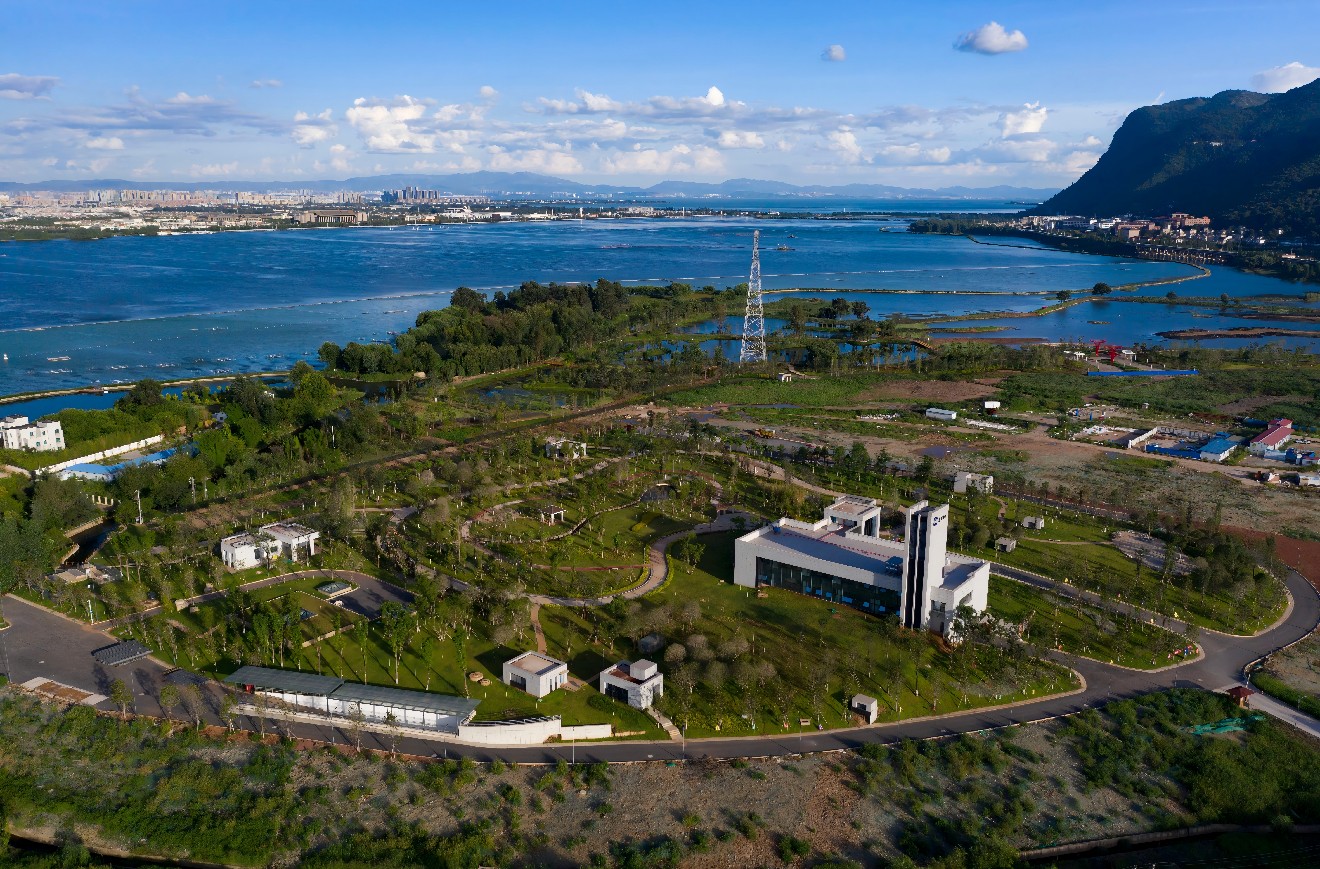
绿意之下,净水流深——探秘地埋式污水厂的“隐形”魔法
3小时前 · 来源:昆明市第十三水质净化厂 · 作者:昆明市第十三水质净化厂
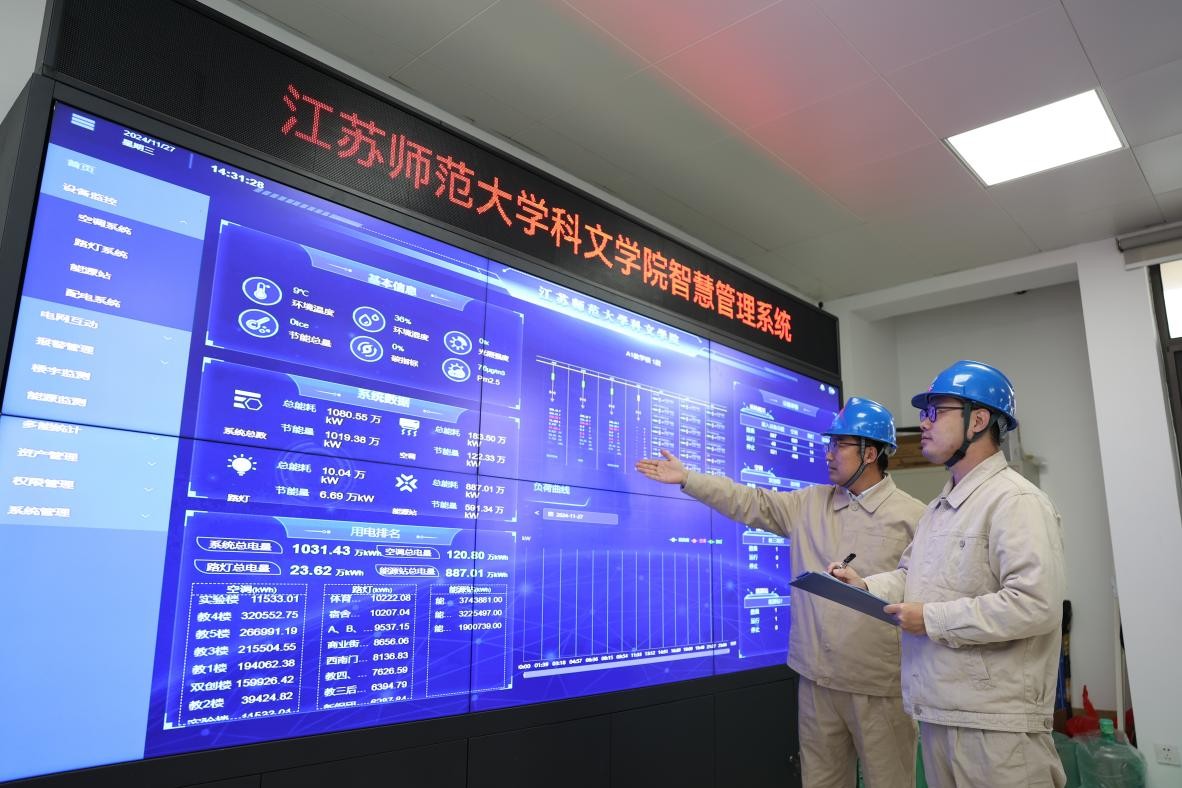
“微改造”里的“大智慧”——以空间焕新构建可复制低碳生活新场景
3小时前 · 来源:国网江苏省电力有限公司徐州市贾汪区供电分公司 · 作者:国网江苏省电力有限公司徐州市贾汪区供电分公司
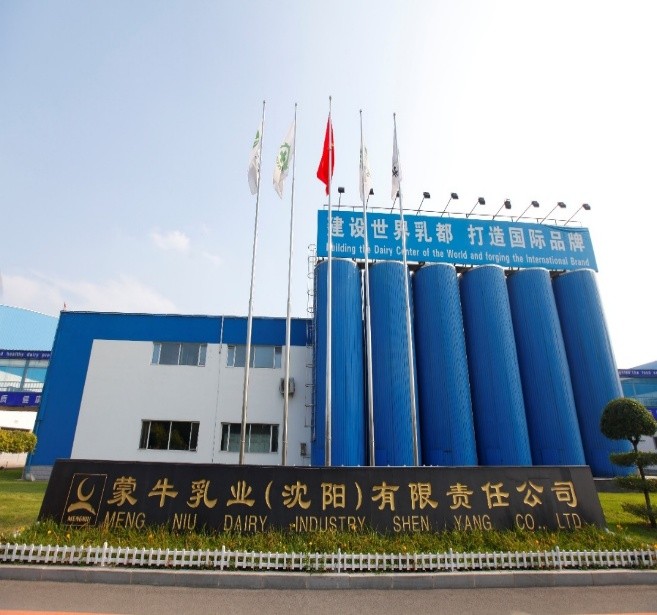
“智造+绿色”双轮驱动:蒙牛沈阳工厂从“千人百吨”到“百人千吨”的绿色空间转型实践
3小时前 · 来源:蒙牛乳业(沈阳)有限责任公司 · 作者:蒙牛乳业(沈阳)有限责任公司
