

Company/Organization Profile
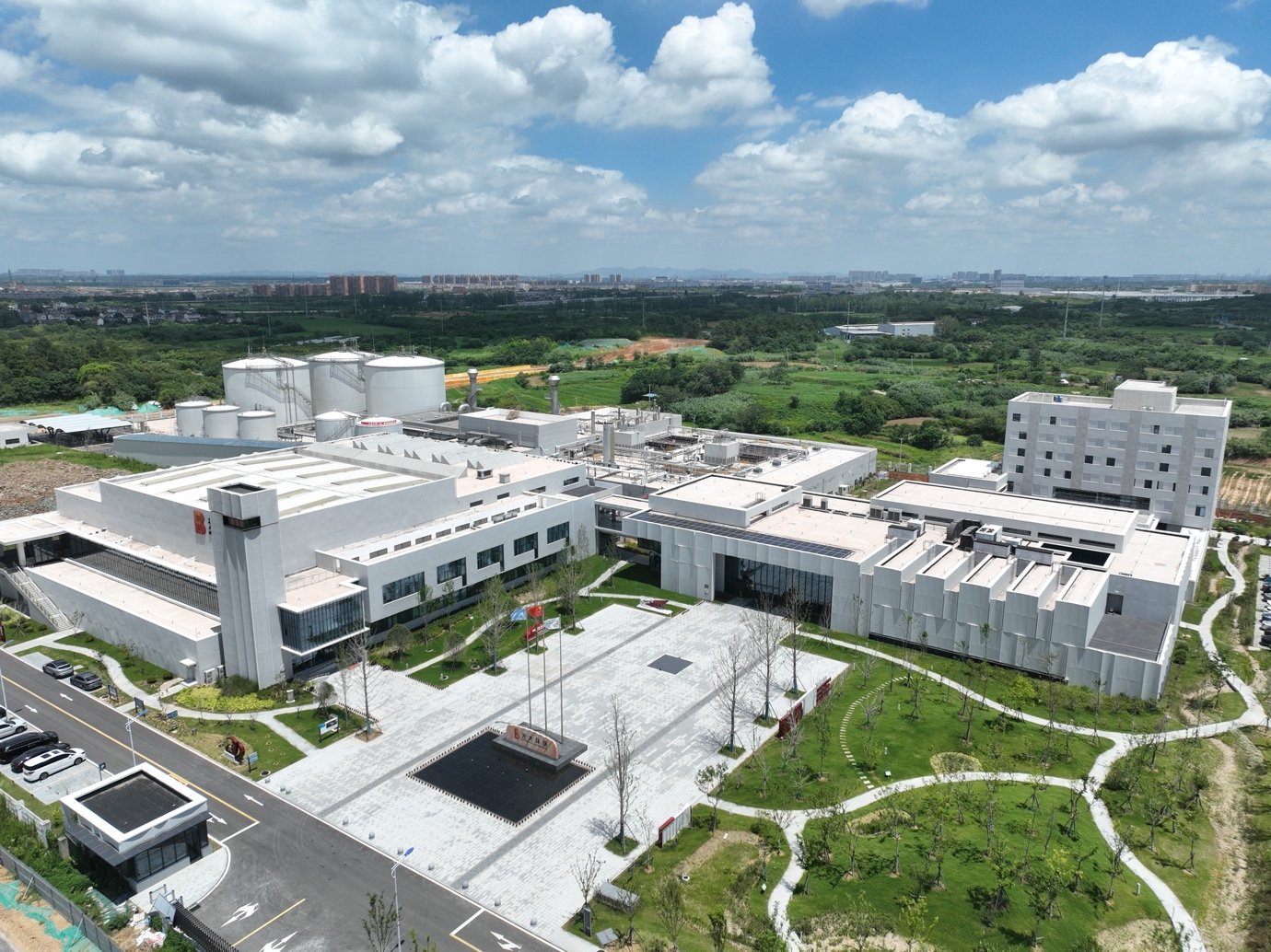
PhaseI Project of Jiangnan Bioenergy Recycling Centre is located in Jiangnan Environmental Protection Industrial Park, Jiangning District, Nanjing. Developed under a PPP investmentconstruction model, the project has a total investment of approximately RMB 640 million.Guangguo Bioenergy (Nanjing) Co., Ltd. (“Nanjing Foodwaste Project” for short) was jointly funded by China Everbright Environment Group Limited, Jiangsu Environmental Resources Co., Ltd. and Nanjing Environment Group Co., Ltd., with equity ratios of 51%, 29% and 20% respectively. The company is responsible for the investment, construction, operation, collection, transportation and disposal of waste cooking oil. The cooperation period lasts for 30 years (including a 2year construction phase), and the project was officially put into commercial operation on July 29, 2026.
China Everbright Environment Group Limited is the world's largest waste-to-energy investor and operator, and China's largest environmental enterprise, listed on the Main Board of the Hong Kong Stock Exchange. The Company treats over 57.89 million tonnes of waste annually, including household waste and biomass feedstock, generating over 28.5 billion kWh of electricity and replacing approximately 14.9 million tonnes of CO₂ emissions. More than 230 of the Company's environmental projects are open to the public,
机构简介
江南生物能源再利用中心一期项目位于南京市江宁区江南环保产业园内,项目采用PPP模式投资建设,项目总投资约6.4亿元。由中国光大环境(集团)有限公司与江苏省环境资源有限公司、南京环境集团有限公司按股权51%、29%和20%共同出资成立光国生物能源(南京)有限公司(简称“南京餐厨”),并由其负责投资、建设、运营和废弃食用油脂的收运及处置,合作期限30年(含建设期2年),于2026年7月29日正式投入商业运营。
光大环境是全球最大垃圾发电投资运营商、中国最大环境企业,于香港联交所主板上市。光大环境年处理生活垃圾、农林生物质原材料等固体废物超5,789万吨,产生电力超285亿千瓦时,替代二氧化碳排放约1,490万吨。公司旗下230余个环保项目向公众开放,累计接待超80万人次。公司连续14年披露可持续发展报告,2025年发布《ESG白皮书》,总结绿色低碳成果。
Project Overview
As a national pilot city for the construction of a "ZeroWaste City", Nanjing has made steady progress in foodwaste management, yet obvious shortcomings remain in the sector. Most foodwaste treatment plants prioritize production and operation, with their public spaces lacking experienceoriented designs for visitors. Conventional sciencepopularization activities often only display resourcerecycling outcomes, without opening access to the full onsite treatment process.
The root cause lies in the lack of a visualized link between terminaltreatment facilities and frontend foodwaste producers. The public cannot directly perceive the environmental costs of food waste, nor build a complete cognitive chain of “food waste at dining tables — terminal disposal — resource regeneration”. As a result, there is insufficient internal motivation for source reduction of food waste.
Breaking away from the conventional mindset for solidwaste plants, Guangguo Bioenergy (Nanjing) Co., Ltd. abandons the singlepurpose positioning of factory buildings for production only. It transforms the whole plant site into an immersive green sciencepopularization space. Integrated architectureandlandscape design shortens the public’s distance to circulareconomy practices. Meanwhile, an onsite visiting corridor covering the whole harmlesstreatment and resourcerecovery process of food waste has been built. The plant serves as an education site integrating spatial aesthetic experience, technological popularization and action guidance. Targeting catering operators, canteens of government institutions, community residents, teenagers and students, the company carries out sciencepopularization activities to empower space users to deepen their environmental awareness and voluntarily reduce food waste at source, setting a demonstration model for circulareconomy science education at industrial sites.
项目背景
南京作为全国“无废城市”建设试点城市,餐厨废弃物治理工作稳步推进,但行业仍存在明显短板。多数餐厨处置厂区以生产运营为核心,公共空间缺少面向公众的体验设计;传统科普往往仅展示资源化成果,未开放完整处置实景流程。
究其根源,后端处置阵地与前端餐厨产生主体之间缺少可视化连接纽带。公众难以直观感知食物浪费背后的环境代价,未能建立起“餐桌浪费-末端处置-资源再生”的完整认知链条,餐厨垃圾源头减量缺少内生动力。
光国生物能源(南京)有限公司跳出传统固废厂区建设思维,打破工业厂房仅服务生产的单一定位,将厂区本体打造为沉浸式绿色科普空间,依托建筑与自然相融的设计,拉近公众和循环经济的距离。同时建成餐厨废弃物无害化、资源化全流程实景参观廊道,打造集空间美育、工艺科普、行动引导于一体的宣教阵地。项目面向餐饮商户、机关食堂、社区居民、青少年学生开展科普实践,赋能各类空间使用者深化绿色认知,主动践行餐厨源头减量,打造工业循环经济科普示范样板。
Project Implementation
1.Remoulding Industrial Building Space to Build an EcoFriendly Green Sciencepopularization Site (Spatial Highlight)
Breaking the construction mode of traditional industrial parks that prioritize production over visitororiented experience, the project carries out comprehensive upgrading for public visiting zones, exhibition halls, landscape corridors and innercourt spaces. With harsh industrial atmosphere eliminated, a visitorfriendly public experience space featuring simple, transparent architectural layout integrated with natural landscapes has been created.
A progressive narrative visiting route enables a smooth transition between humanistic space and productionrelated areas, helping the public cast off stereotyped impressions of wastetreatment plants. Rain gardens, ecological courtyards and walkways jointly form immersive ecological scenes. Far more than a production carrier, the plant building itself serves as a tangible green exhibit for visitors to perceive lowcarbon and circulareconomy concepts. The exhibition hall layout is also optimized to avoid overcrowded display boards. Wellreserved blank space, soft lighting and panoramic viewing windows create an immersive atmosphere, realizing the educational function of spaceoriented edification.
2.Centering on Onsite Pretreatment Observation to Establish a Closedloop Sciencepopularization System for the Wholechain Process (Technical Highlight)
The company boasts a complete and mature full‑chain treatment process for food‑waste. It can deliver a full closed‑loop treatment workflow covering incoming metering & receiving, pretreatment and sorting, three‑phase oil separation, anaerobic fermentation, comprehensive biogas utilization and resource‑oriented disposal of digestate. In accordance with the plant’s functional zoning and science‑popularization objectives, the open‑access on‑site viewing area focuses on the core demonstration section of pretreatment.
Different from fragmented publicity activities in most peer projects which only display frontend procedures without explaining subsequent transformation of waste, this project takes the reallife pretreatment production line as its visualized core. Visitors can observe the onsite operation of foodwaste receiving, sorting and purification through enclosed viewing windows.
Supported by systematic explanations and physical displays of recycled products, the wholecycle circular logic is interpreted on the basis of this singlesection observation, with the followup procedures including oil recovery, biogas generation, carbon emission reduction and solidwaste regeneration fully illustrated. Adopting the innovative model of “onsite observation + fullchain explanation + physical evidence demonstration”, the project builds a complete cognitive chain of “food waste at dining tables — plantside disposal — resource regeneration”. It delivers indepth sciencepopularization effects: visitors can understand and verify the fullcycle process even though only one workshop section is open for tour, forming a core technical advantage over incomplete, fragmented publicity of similar projects.
3. Leveraging Both Spatial and Technological Advantages to Guide Green Actions of Diverse Space Users (Core Theme of the Campaign)
Closely centering on the initiative of Greenspace Userled Actions, the project lowers the public’s psychological threshold with pleasant spatial environment and deepens public awareness through onsite production tours, so as to drive behavioral changes among different groups and achieve transformation from knowledge acquisition to practical green actions.
For catering operators and canteens of public institutions (Core Users): Practitioners are invited to tour the plant and witness foodwaste disposal onsite, so that they can perceive the extra operational burden caused by excessive food waste, and voluntarily promote antifoodwaste campaigns, standardized waste sorting and source reduction.
For community residents (householdlevel users): The openaccess green site attracts citizens to participate in environmental activities, helping residents build knowledge on foodwaste recycling and practise lowcarbon dining and proper waste classification at home.
For teenagers and students (futureoriented users): The onsite production line serves as an immersive researchlearning classroom. Students can gain firsthand experience of wastetoresource transformation beyond textbook knowledge, thus developing longterm green habits. This part puts into practice the mechanism of empowering space users and motivating them to participate in environmental governance.
4.Innovative Crossboundary Integration: Transforming the Industrial Plant into a Public Green Sciencepopularization Landmark (Innovation Value)
Breaking the conventional singlepurpose publicity mode of openaccess environmentalprotection facilities, the project innovatively integrates architectural aesthetic value, industrial processpopularization value and publicbehaviorguidance value. The industrial plant, once designed merely for waste treatment, has been upgraded into a multifunctional green public site integrating safe production, ecological landscaping, circulareconomy education and public participation.
Crossboundary integration of “industrial production + ecological aesthetic education + public environmental publicity” breaks the operational limits of ordinary solidwaste treatment enterprises. A brandnew demonstration pattern is formed: spatial improvement promotes public awareness, which further stimulates sourcereduction behaviors. It provides a replicable reference model for foodwaste treatment plants nationwide to carry out greenspace useraction projects.
项目实施
一、重塑工业建筑空间,打造生态友好型绿色科普场景(空间亮点)
项目突破传统工业园区“重生产、轻体验”的建设模式,对厂区公共参观区、科普展厅、景观连廊、内庭空间进行整体优化升级。摒弃重工业生硬的场地氛围,采用简约通透的建筑布局与自然景观融合设计,形成静谧、舒适、友好的公共体验空间。
通过递进式叙事参观动线,实现人文空间与生产空间自然过渡,彻底改变公众对垃圾处置厂区的刻板印象。依托雨水花园、生态庭院、景观步道打造沉浸式生态场景,让厂区建筑不再只是生产载体,而是可观赏、可体验、可感知低碳循环理念的实体绿色展品。同时优化科普展厅布局,弱化展板堆砌式展示,以留白空间、柔和灯光、全景观景视角打造沉浸式科普氛围,实现“空间育人、场景育人”。
二、锚定预处理实景观摩,构建全链条闭环科普认知体系(技术亮点)
公司具备完整成熟的餐厨废弃物全链条处置工艺,可实现从进厂计量接卸、预处理分选、三相提油、厌氧发酵、沼气综合利用至沼渣资源化利用的全套闭环处置能力。结合厂区功能分区与科普展示定位,对外开放实景观摩区域聚焦核心预处理示范工段。
区别于行业多数科普仅停留在前端展示、无法阐释废弃物后续转化路径的碎片化宣教模式,本项目以预处理实景生产线为可视化核心,访客通过封闭式观景窗直观观摩餐厨垃圾进站、分选、净化的真实作业场景。
同时依托系统化科普解说与资源化实物展陈,以单工段实景观摩,贯通全链条循环逻辑,完整还原后端提油、厌氧产能、碳减排、固废再生的全过程。通过“实景观摩+全链讲解+实物佐证”的创新模式,构建“餐桌浪费—厂区处置—资源再生”的完整认知闭环。既保证参观体验专业集中、重点突出,又实现看一段、懂全程、证全链的深度科普效果,形成区别于同行片段式、不完整科普的核心技术优势。
三、依托空间与工艺双重优势,精准引导各类空间使用者绿色行动(申报主题核心)
紧扣“绿色空间使用者行动”核心理念,以优美空间氛围降低公众接受门槛,以实景工艺强化认知冲击,针对性推动不同人群行为改变,真正实现从“参观学习”到“行动落地”。
针对餐饮企业、机关食堂(核心使用者):组织从业者实地观摩全流程处置场景,直观感知过量餐厨垃圾带来的处置负荷,主动落实光盘行动、规范分类投放、推进源头减量。
针对社区居民(家庭使用者):依托开放绿色空间吸引市民参与科普体验,帮助居民建立餐厨循环认知,带动家庭低碳用餐、科学分类。
针对青少年学生(未来使用者):以实景生产线打造沉浸式研学课堂,让学生跳出书本认知,深度理解垃圾分类与资源再生,长期培育绿色行为习惯。
本环节真正落地空间赋能人、人反哺绿色治理的使用者行动机制。
四、创新跨界融合模式,实现工业厂区向公共绿色科普地标升级(创新价值)
项目打破环保设施开放的传统单一宣教模式,创新性融合建筑空间美育价值、工业工艺科普价值、公众行为治理价值。将传统以生产为唯一功能的工业厂区,升级为集安全生产、生态景观、循环科普、公众共治于一体的复合型绿色公共空间。
实现“工业生产+生态美育+社会宣教”三重功能跨界融合,跳出普通固废企业的运营局限,形成以空间优化带动认知升级、以认知升级推动行为减量的全新示范模式,为全国餐厨处置基地开展绿色空间使用者行动提供可复制样板。
Project Outcome
1.Remoulding Industrial Building Space to Build an EcoFriendly Green Sciencepopularization Site (Spatial Highlight)
Breaking the construction mode of traditional industrial parks that prioritize production over visitororiented experience, the project carries out comprehensive upgrading for public visiting zones, exhibition halls, landscape corridors and innercourt spaces. With harsh industrial atmosphere eliminated, a visitorfriendly public experience space featuring simple, transparent architectural layout integrated with natural landscapes has been created.
A progressive narrative visiting route enables a smooth transition between humanistic space and productionrelated areas, helping the public cast off stereotyped impressions of wastetreatment plants. Rain gardens, ecological courtyards and walkways jointly form immersive ecological scenes. Far more than a production carrier, the plant building itself serves as a tangible green exhibit for visitors to perceive lowcarbon and circulareconomy concepts. The exhibition hall layout is also optimized to avoid overcrowded display boards. Wellreserved blank space, soft lighting and panoramic viewing windows create an immersive atmosphere, realizing the educational function of spaceoriented edification.
2.Centering on Onsite Pretreatment Observation to Establish a Closedloop Sciencepopularization System for the Wholechain Process (Technical Highlight)
The company boasts a complete and mature full‑chain treatment process for food‑waste. It can deliver a full closed‑loop treatment workflow covering incoming metering & receiving, pretreatment and sorting, three‑phase oil separation, anaerobic fermentation, comprehensive biogas utilization and resource‑oriented disposal of digestate. In accordance with the plant’s functional zoning and science‑popularization objectives, the open‑access on‑site viewing area focuses on the core demonstration section of pretreatment.
Different from fragmented publicity activities in most peer projects which only display frontend procedures without explaining subsequent transformation of waste, this project takes the reallife pretreatment production line as its visualized core. Visitors can observe the onsite operation of foodwaste receiving, sorting and purification through enclosed viewing windows.
Supported by systematic explanations and physical displays of recycled products, the wholecycle circular logic is interpreted on the basis of this singlesection observation, with the followup procedures including oil recovery, biogas generation, carbon emission reduction and solidwaste regeneration fully illustrated. Adopting the innovative model of “onsite observation + fullchain explanation + physical evidence demonstration”, the project builds a complete cognitive chain of “food waste at dining tables — plantside disposal — resource regeneration”. It delivers indepth sciencepopularization effects: visitors can understand and verify the fullcycle process even though only one workshop section is open for tour, forming a core technical advantage over incomplete, fragmented publicity of similar projects.
3. Leveraging Both Spatial and Technological Advantages to Guide Green Actions of Diverse Space Users (Core Theme of the Campaign)
Closely centering on the initiative of Greenspace Userled Actions, the project lowers the public’s psychological threshold with pleasant spatial environment and deepens public awareness through onsite production tours, so as to drive behavioral changes among different groups and achieve transformation from knowledge acquisition to practical green actions.
For catering operators and canteens of public institutions (Core Users): Practitioners are invited to tour the plant and witness foodwaste disposal onsite, so that they can perceive the extra operational burden caused by excessive food waste, and voluntarily promote antifoodwaste campaigns, standardized waste sorting and source reduction.
For community residents (householdlevel users): The openaccess green site attracts citizens to participate in environmental activities, helping residents build knowledge on foodwaste recycling and practise lowcarbon dining and proper waste classification at home.
For teenagers and students (futureoriented users): The onsite production line serves as an immersive researchlearning classroom. Students can gain firsthand experience of wastetoresource transformation beyond textbook knowledge, thus developing longterm green habits. This part puts into practice the mechanism of empowering space users and motivating them to participate in environmental governance.
4.Innovative Crossboundary Integration: Transforming the Industrial Plant into a Public Green Sciencepopularization Landmark (Innovation Value)
Breaking the conventional singlepurpose publicity mode of openaccess environmentalprotection facilities, the project innovatively integrates architectural aesthetic value, industrial processpopularization value and publicbehaviorguidance value. The industrial plant, once designed merely for waste treatment, has been upgraded into a multifunctional green public site integrating safe production, ecological landscaping, circulareconomy education and public participation.
Crossboundary integration of “industrial production + ecological aesthetic education + public environmental publicity” breaks the operational limits of ordinary solidwaste treatment enterprises. A brandnew demonstration pattern is formed: spatial improvement promotes public awareness, which further stimulates sourcereduction behaviors. It provides a replicable reference model for foodwaste treatment plants nationwide to carry out greenspace useraction projects.
成果亮点
1.Remoulding Industrial Building Space to Build an EcoFriendly Green Sciencepopularization Site (Spatial Highlight)
Breaking the construction mode of traditional industrial parks that prioritize production over visitororiented experience, the project carries out comprehensive upgrading for public visiting zones, exhibition halls, landscape corridors and innercourt spaces. With harsh industrial atmosphere eliminated, a visitorfriendly public experience space featuring simple, transparent architectural layout integrated with natural landscapes has been created.
A progressive narrative visiting route enables a smooth transition between humanistic space and productionrelated areas, helping the public cast off stereotyped impressions of wastetreatment plants. Rain gardens, ecological courtyards and walkways jointly form immersive ecological scenes. Far more than a production carrier, the plant building itself serves as a tangible green exhibit for visitors to perceive lowcarbon and circulareconomy concepts. The exhibition hall layout is also optimized to avoid overcrowded display boards. Wellreserved blank space, soft lighting and panoramic viewing windows create an immersive atmosphere, realizing the educational function of spaceoriented edification.
2.Centering on Onsite Pretreatment Observation to Establish a Closedloop Sciencepopularization System for the Wholechain Process (Technical Highlight)
The company boasts a complete and mature full‑chain treatment process for food‑waste. It can deliver a full closed‑loop treatment workflow covering incoming metering & receiving, pretreatment and sorting, three‑phase oil separation, anaerobic fermentation, comprehensive biogas utilization and resource‑oriented disposal of digestate. In accordance with the plant’s functional zoning and science‑popularization objectives, the open‑access on‑site viewing area focuses on the core demonstration section of pretreatment.
Different from fragmented publicity activities in most peer projects which only display frontend procedures without explaining subsequent transformation of waste, this project takes the reallife pretreatment production line as its visualized core. Visitors can observe the onsite operation of foodwaste receiving, sorting and purification through enclosed viewing windows.
Supported by systematic explanations and physical displays of recycled products, the wholecycle circular logic is interpreted on the basis of this singlesection observation, with the followup procedures including oil recovery, biogas generation, carbon emission reduction and solidwaste regeneration fully illustrated. Adopting the innovative model of “onsite observation + fullchain explanation + physical evidence demonstration”, the project builds a complete cognitive chain of “food waste at dining tables — plantside disposal — resource regeneration”. It delivers indepth sciencepopularization effects: visitors can understand and verify the fullcycle process even though only one workshop section is open for tour, forming a core technical advantage over incomplete, fragmented publicity of similar projects.
3. Leveraging Both Spatial and Technological Advantages to Guide Green Actions of Diverse Space Users (Core Theme of the Campaign)
Closely centering on the initiative of Greenspace Userled Actions, the project lowers the public’s psychological threshold with pleasant spatial environment and deepens public awareness through onsite production tours, so as to drive behavioral changes among different groups and achieve transformation from knowledge acquisition to practical green actions.
For catering operators and canteens of public institutions (Core Users): Practitioners are invited to tour the plant and witness foodwaste disposal onsite, so that they can perceive the extra operational burden caused by excessive food waste, and voluntarily promote antifoodwaste campaigns, standardized waste sorting and source reduction.
For community residents (householdlevel users): The openaccess green site attracts citizens to participate in environmental activities, helping residents build knowledge on foodwaste recycling and practise lowcarbon dining and proper waste classification at home.
For teenagers and students (futureoriented users): The onsite production line serves as an immersive researchlearning classroom. Students can gain firsthand experience of wastetoresource transformation beyond textbook knowledge, thus developing longterm green habits. This part puts into practice the mechanism of empowering space users and motivating them to participate in environmental governance.
4.Innovative Crossboundary Integration: Transforming the Industrial Plant into a Public Green Sciencepopularization Landmark (Innovation Value)
Breaking the conventional singlepurpose publicity mode of openaccess environmentalprotection facilities, the project innovatively integrates architectural aesthetic value, industrial processpopularization value and publicbehaviorguidance value. The industrial plant, once designed merely for waste treatment, has been upgraded into a multifunctional green public site integrating safe production, ecological landscaping, circulareconomy education and public participation.
Crossboundary integration of “industrial production + ecological aesthetic education + public environmental publicity” breaks the operational limits of ordinary solidwaste treatment enterprises. A brandnew demonstration pattern is formed: spatial improvement promotes public awareness, which further stimulates sourcereduction behaviors. It provides a replicable reference model for foodwaste treatment plants nationwide to carry out greenspace useraction projects.
Project Highlights
1.Remoulding Industrial Building Space to Build an EcoFriendly Green Sciencepopularization Site (Spatial Highlight)
Breaking the construction mode of traditional industrial parks that prioritize production over visitororiented experience, the project carries out comprehensive upgrading for public visiting zones, exhibition halls, landscape corridors and innercourt spaces. With harsh industrial atmosphere eliminated, a visitorfriendly public experience space featuring simple, transparent architectural layout integrated with natural landscapes has been created.
A progressive narrative visiting route enables a smooth transition between humanistic space and productionrelated areas, helping the public cast off stereotyped impressions of wastetreatment plants. Rain gardens, ecological courtyards and walkways jointly form immersive ecological scenes. Far more than a production carrier, the plant building itself serves as a tangible green exhibit for visitors to perceive lowcarbon and circulareconomy concepts. The exhibition hall layout is also optimized to avoid overcrowded display boards. Wellreserved blank space, soft lighting and panoramic viewing windows create an immersive atmosphere, realizing the educational function of spaceoriented edification.
2.Centering on Onsite Pretreatment Observation to Establish a Closedloop Sciencepopularization System for the Wholechain Process (Technical Highlight)
The company boasts a complete and mature full‑chain treatment process for food‑waste. It can deliver a full closed‑loop treatment workflow covering incoming metering & receiving, pretreatment and sorting, three‑phase oil separation, anaerobic fermentation, comprehensive biogas utilization and resource‑oriented disposal of digestate. In accordance with the plant’s functional zoning and science‑popularization objectives, the open‑access on‑site viewing area focuses on the core demonstration section of pretreatment.
Different from fragmented publicity activities in most peer projects which only display frontend procedures without explaining subsequent transformation of waste, this project takes the reallife pretreatment production line as its visualized core. Visitors can observe the onsite operation of foodwaste receiving, sorting and purification through enclosed viewing windows.
Supported by systematic explanations and physical displays of recycled products, the wholecycle circular logic is interpreted on the basis of this singlesection observation, with the followup procedures including oil recovery, biogas generation, carbon emission reduction and solidwaste regeneration fully illustrated. Adopting the innovative model of “onsite observation + fullchain explanation + physical evidence demonstration”, the project builds a complete cognitive chain of “food waste at dining tables — plantside disposal — resource regeneration”. It delivers indepth sciencepopularization effects: visitors can understand and verify the fullcycle process even though only one workshop section is open for tour, forming a core technical advantage over incomplete, fragmented publicity of similar projects.
3. Leveraging Both Spatial and Technological Advantages to Guide Green Actions of Diverse Space Users (Core Theme of the Campaign)
Closely centering on the initiative of Greenspace Userled Actions, the project lowers the public’s psychological threshold with pleasant spatial environment and deepens public awareness through onsite production tours, so as to drive behavioral changes among different groups and achieve transformation from knowledge acquisition to practical green actions.
For catering operators and canteens of public institutions (Core Users): Practitioners are invited to tour the plant and witness foodwaste disposal onsite, so that they can perceive the extra operational burden caused by excessive food waste, and voluntarily promote antifoodwaste campaigns, standardized waste sorting and source reduction.
For community residents (householdlevel users): The openaccess green site attracts citizens to participate in environmental activities, helping residents build knowledge on foodwaste recycling and practise lowcarbon dining and proper waste classification at home.
For teenagers and students (futureoriented users): The onsite production line serves as an immersive researchlearning classroom. Students can gain firsthand experience of wastetoresource transformation beyond textbook knowledge, thus developing longterm green habits. This part puts into practice the mechanism of empowering space users and motivating them to participate in environmental governance.
4.Innovative Crossboundary Integration: Transforming the Industrial Plant into a Public Green Sciencepopularization Landmark (Innovation Value)
Breaking the conventional singlepurpose publicity mode of openaccess environmentalprotection facilities, the project innovatively integrates architectural aesthetic value, industrial processpopularization value and publicbehaviorguidance value. The industrial plant, once designed merely for waste treatment, has been upgraded into a multifunctional green public site integrating safe production, ecological landscaping, circulareconomy education and public participation.
Crossboundary integration of “industrial production + ecological aesthetic education + public environmental publicity” breaks the operational limits of ordinary solidwaste treatment enterprises. A brandnew demonstration pattern is formed: spatial improvement promotes public awareness, which further stimulates sourcereduction behaviors. It provides a replicable reference model for foodwaste treatment plants nationwide to carry out greenspace useraction projects.
成果影响力
1.Remoulding Industrial Building Space to Build an EcoFriendly Green Sciencepopularization Site (Spatial Highlight)
Breaking the construction mode of traditional industrial parks that prioritize production over visitororiented experience, the project carries out comprehensive upgrading for public visiting zones, exhibition halls, landscape corridors and innercourt spaces. With harsh industrial atmosphere eliminated, a visitorfriendly public experience space featuring simple, transparent architectural layout integrated with natural landscapes has been created.
A progressive narrative visiting route enables a smooth transition between humanistic space and productionrelated areas, helping the public cast off stereotyped impressions of wastetreatment plants. Rain gardens, ecological courtyards and walkways jointly form immersive ecological scenes. Far more than a production carrier, the plant building itself serves as a tangible green exhibit for visitors to perceive lowcarbon and circulareconomy concepts. The exhibition hall layout is also optimized to avoid overcrowded display boards. Wellreserved blank space, soft lighting and panoramic viewing windows create an immersive atmosphere, realizing the educational function of spaceoriented edification.
2.Centering on Onsite Pretreatment Observation to Establish a Closedloop Sciencepopularization System for the Wholechain Process (Technical Highlight)
The company boasts a complete and mature full‑chain treatment process for food‑waste. It can deliver a full closed‑loop treatment workflow covering incoming metering & receiving, pretreatment and sorting, three‑phase oil separation, anaerobic fermentation, comprehensive biogas utilization and resource‑oriented disposal of digestate. In accordance with the plant’s functional zoning and science‑popularization objectives, the open‑access on‑site viewing area focuses on the core demonstration section of pretreatment.
Different from fragmented publicity activities in most peer projects which only display frontend procedures without explaining subsequent transformation of waste, this project takes the reallife pretreatment production line as its visualized core. Visitors can observe the onsite operation of foodwaste receiving, sorting and purification through enclosed viewing windows.
Supported by systematic explanations and physical displays of recycled products, the wholecycle circular logic is interpreted on the basis of this singlesection observation, with the followup procedures including oil recovery, biogas generation, carbon emission reduction and solidwaste regeneration fully illustrated. Adopting the innovative model of “onsite observation + fullchain explanation + physical evidence demonstration”, the project builds a complete cognitive chain of “food waste at dining tables — plantside disposal — resource regeneration”. It delivers indepth sciencepopularization effects: visitors can understand and verify the fullcycle process even though only one workshop section is open for tour, forming a core technical advantage over incomplet
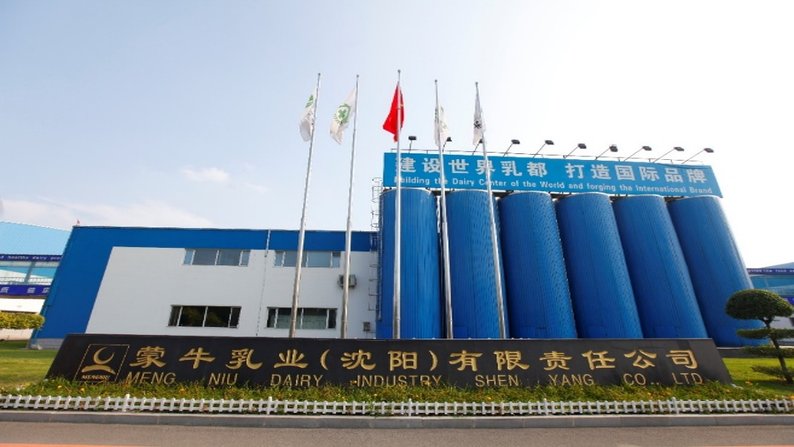
“智造+绿色”双轮驱动:蒙牛沈阳工厂从“千人百吨”到“百人千吨”的绿色空间转型实践
昨天 · 来源:蒙牛乳业(沈阳)有限责任公司 · 作者:蒙牛乳业(沈阳)有限责任公司
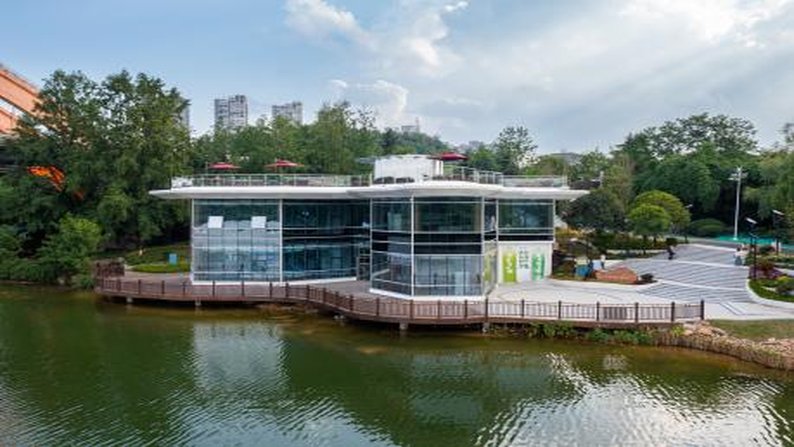
一座建在公园里的展览馆——观山湖区生态文明展览馆的绿色空间共生实践
昨天 · 来源:贵阳市观山湖区生态文明展览馆 · 作者:贵阳市观山湖区生态文明展览馆
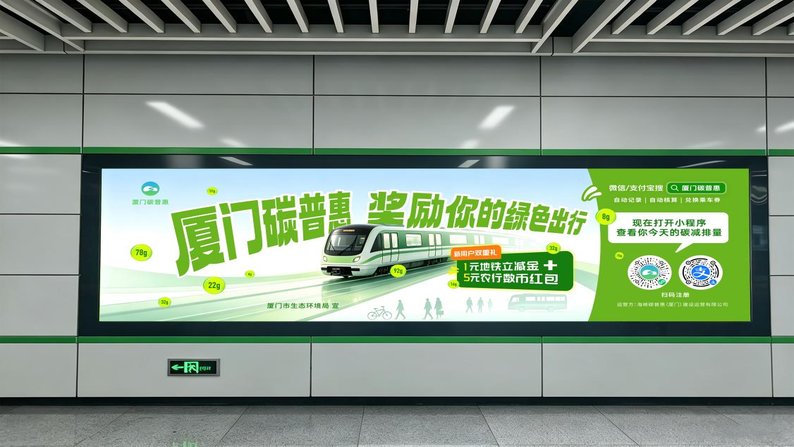
厦门城市级碳普惠平台运营实践
昨天 · 来源:海峡碳普惠(厦门)建设运营有限公司 · 作者:海峡碳普惠(厦门)建设运营有限公司
