

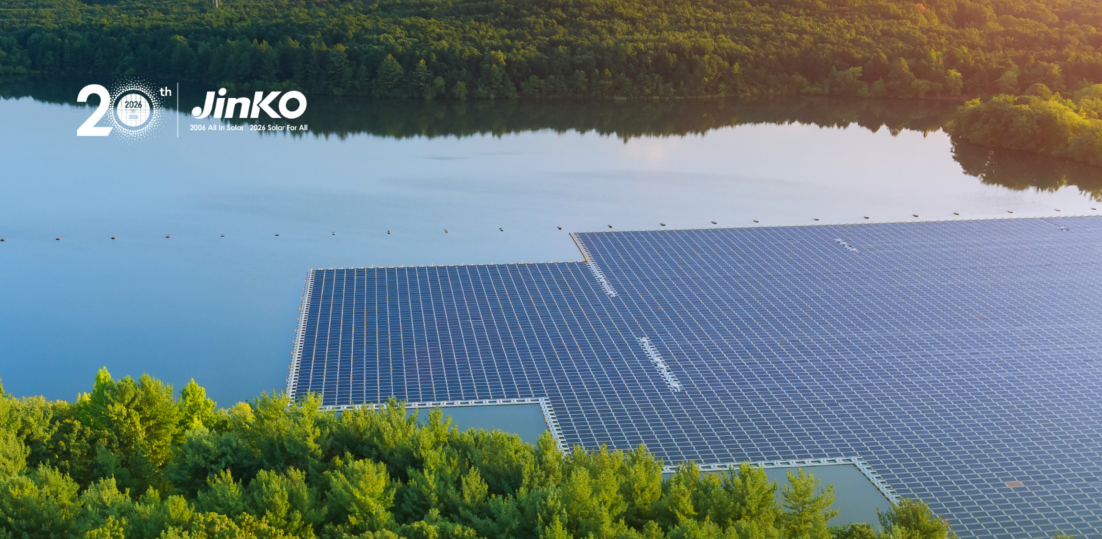
Company/Organization Profile
Jinko Solar Co., Ltd. (SSE STAR Market: 688223) is a global clean-energy technology company focusing on integrated PV manufacturing and PV-plus-storage solutions. By the end of H1 2026, cumulative module shipments exceeded 420 GW, with products reaching nearly 200 countries and regions, and the company had ranked No. 1 globally in module shipments seven times. Jinko Solar embeds low-carbon development into board governance, manufacturing operations, product innovation, employee engagement and supply-chain management. It continues to advance green and zero-carbon factories, digital energy and carbon management, and public disclosure through its ESG, TNFD and sustainable supply-chain reports and corporate sustainability website.
机构简介
晶科能源股份有限公司(Jinko Solar Co., Ltd.,股票代码688223)是一家全球领先、以技术驱动的清洁能源科技公司,聚焦光伏产品一体化研发制造与光储一体化解决方案。截至2026年上半年,公司组件全球累计出货量超420GW,产品销往近200个国家和地区,已7次位列全球组件出货量冠军。公司将绿色低碳发展融入董事会治理、生产运营、产品创新、员工文化和供应链管理,持续建设绿色工厂、零碳工厂和数智化能源管理体系,并通过官网可持续发展专栏及ESG、TNFD、供应链可持续发展报告向社会公开实践进展。

Project Overview
The programme takes Jinko Solar’s global manufacturing bases as its core space, extending to headquarters offices, R&D areas, employee training venues, product displays and customer-engagement spaces. PV manufacturing involves continuous operations, high electricity demand and geographically dispersed sites. Key challenges included fragmented energy and carbon data, reliance on isolated efficiency projects, inconsistent cross-site practices, and limited transmission of green values to suppliers and external visitors. Guided by China’s dual-carbon goals and Jinko Solar’s SBTi-aligned 1.5°C pathway, the company shifted from stand-alone energy-saving measures to an integrated model combining governance, digital monitoring, clean-energy substitution, circular resource use, employee participation, supply-chain collaboration and transparent communication.
项目背景
本项目以晶科能源全球生产基地为核心空间,以总部办公、研发、职工培训及产品展示与客户交流空间为延伸,服务对象涵盖员工、客户、供应商及其他来访利益相关方。光伏制造具有连续生产、用电需求高、基地分布广等特点,过去各空间在能源、碳、环境与使用者行为管理中容易出现数据分散、节能措施依赖单点技改、跨基地标准不一,以及绿色理念向供应链和外部访客传递不足等痛点。为此,公司以“双碳”目标和SBTi 1.5℃路径为牵引,提出从“单项节能”向“治理统筹、数智监测、清洁替代、循环利用、全员参与、链上协同、公开传播”一体化转型,推动绿色低碳要求真正进入日常空间运营和使用者行为。
Project Implementation
1. Governance-led transition. The Board is the highest ESG governance and decision-making body, supported by the Strategy and Sustainability Committee, the Risk, Compliance and ESG Management Committee, and a dedicated climate working group. Climate risk is integrated into enterprise risk management, with SBTi-aligned targets and selected ESG indicators linked to management performance.
2. Digital carbon and energy management. Jinko Solar operates a carbon management system for quantified emissions control; in 2025 it obtained ISO 14064 and ISO 14067 conformity certifications. A group-level energy data hub standardizes energy information across global sites, with real-time monitoring and intelligent optimization of major equipment. Digital energy-management coverage and ISO 50001 certification coverage across operating production bases both reached 100%.
3. Clean-energy substitution and technical retrofits. Rooftop distributed PV and energy storage are deployed at manufacturing sites to increase on-site renewable consumption and peak-shaving capability, complemented by dedicated budgets for external green-power procurement. In 2025, on-site PV consumption reached 193,237.99 MWh. A total of 194 energy-efficiency projects saved 356,332.17 MWh through equipment logic optimization, fan control, heat-pump upgrades and waste-heat recovery.
4. Employee behaviour and environmental culture. Jinko Solar issued an EHS Culture Manual and EHS Behaviour Guide and conducts quarterly energy-efficiency training for frontline and supervisory employees. In 2025, 1,371 environmental training sessions attracted 99,311 participations and covered 100% of employees. Waste is classified, stored and managed for compliant recycling or resource recovery across production and supporting spaces.
5. Supply-chain and public outreach. Low-carbon requirements are embedded in the Supplier Code of Conduct and supplier evaluation. In 2025, more than 150 suppliers received targeted decarbonization coaching across 19 categories, and over 70 suppliers participated in energy-efficiency surveys. Green technologies and solutions are communicated through exhibitions, product launches, customer exchanges and the company’s sustainability website and public ESG/TNFD reports.
项目实施
1)以治理机制统领空间低碳转型。董事会作为ESG最高管治与决策机构,战略与可持续发展委员会研究ESG规划、目标、制度和绩效考核;风险合规与ESG管理委员会及气候变化专项工作组推动具体落地。公司将气候风险纳入企业整体风险管理,执行经SBTi验证的1.5℃路径目标,并将气候等ESG指标与相关管理人员绩效挂钩,使低碳空间建设从项目制行动转变为常态化治理要求。
2)以“碳管理+能源管理”数字底座提升空间运营效率。公司建设碳管理系统,实现排放精准量化与管控,2025年该系统获得ISO 14064和ISO 14067符合性双认证;同步建成集团级能源数据中枢,统一归集全球基地能耗数据,对重点设备开展实时监测和智能调优,能源管理数字化覆盖率保持100%。投产基地ISO 50001能源管理体系认证覆盖率达100%,形成“目标—监测—分析—改造—复盘”的闭环。
3)推进清洁能源替代和低碳技术改造。充分利用厂区屋顶建设分布式光伏并配套储能,推动绿电就地消纳、削峰填谷,同时设置绿色电力专项预算并扩大外购清洁电力。2025年光伏自用电量193,237.99MWh;围绕组件设备运行逻辑、电池湿法工艺风机、空调热泵及余热回收等关键环节实施194项节能提效项目,累计节电356,332.17MWh。公司持续推进“零碳工厂”和绿色工厂建设,将自身光储技术首先应用于生产运营空间。
4)把低碳行为嵌入员工日常使用场景。公司发布《EHS文化手册》《EHS行为指南》,各事业部每季度开展节能专项培训,覆盖基层管理与一线岗位;2025年共开展环保培训1,371场、99,311人次参加,覆盖100%员工,内容包括节能降碳、环境因素识别、固废规范管理和应急处置等。生产及配套空间实行废弃物分类、规范贮存和资源化利用,推动“设施节能”与“人的节能意识”同步提升。
5)把空间实践向价值链和社会触点延伸。公司将低碳要求纳入《供应链合作伙伴行为准则》,合作伙伴签署全覆盖,并将碳排放、产品碳足迹、环境管理体系等纳入供应商评价;2025年为150余家供应商开展减排专项辅导,覆盖19个品类,并对70余家供应商开展节能减排调研。面向客户和公众,公司在产品展览、新品发布、交流互访等品牌触点持续展示清洁能源与低碳解决方案,并通过官网可持续发展专栏持续发布ESG、TNFD等报告,使企业内部绿色空间成为可感知、可传播、可复制的行业实践。
Project Outcome
The initiative transformed Jinko Solar’s approach from site-by-site and equipment-by-equipment energy saving into a six-part model integrating governance, digital systems, facilities, people, supply chains and communication. All operating production bases are covered by ISO 14001 and ISO 50001 certifications, while digital energy-management coverage remains at 100%. Rooftop PV, storage, green-power procurement and intelligent efficiency retrofits are now managed in a coordinated manner. In 2025, electricity consumption per unit of PV-related output fell 28.60% from the 2022 baseline and energy intensity decreased to 4,181.65 tce/GW. Environmental training covered all employees, and 225,357.32 tonnes of waste were recycled or reused. The same standards are being extended to supplier assessment, capacity building and external communication. Because the model is supported by unified policies, standardized KPIs and shared digital platforms, it can be replicated across sites and extended to offices, R&D and display spaces.
成果亮点
项目推动晶科能源由“单基地、单设备、单环节”的节能管理升级为“治理—系统—设施—人员—供应链—传播”六位一体的绿色空间运营模式。管理层面,董事会治理、气候绩效考核、ISO 14001/ISO 50001体系与碳管理平台形成长期机制,100%投产基地获得ISO 14001和ISO 50001认证,能源管理数字化覆盖率保持100%。技术层面,屋顶光伏、储能、绿电采购与数智节能改造协同推进,2025年单位光伏相关产品耗电量较2022年下降28.60%,能源消耗强度降至4,181.65吨标准煤/GW。行为层面,环保培训覆盖100%员工,绿色要求由制度转化为一线岗位的日常动作;废弃物年度回收或再利用总量达225,357.32吨。协同层面,低碳要求已嵌入供应商准入、评价、培训和改进流程,并通过公开报告、产品展示和客户交流向外扩散。该模式以统一制度、标准化指标和数字平台为基础,可在不同基地、不同生产环节快速复制,并进一步延伸至办公、研发和展示空间,具有持续运营与规模化推广能力。
Project Highlights
The reporting period is 1 January–31 December 2025, with the organizational boundary broadly aligned with the consolidated financial statements; EHS performance covers more than ten production bases. Renewable electricity accounted for 45.32% of electricity consumption, including 193,237.99 MWh of self-consumed PV power. The 194 efficiency projects saved 356,332.17 MWh and avoided an estimated 189,069.85 tCO2e. Electricity use per unit of PV-related output fell 28.60% from 2022 and energy intensity fell by about 27.56%. Waste recycled or reused totaled 225,357.32 tonnes, with a 100% safe-treatment rate for hazardous waste. Environmental training covered all employees, while decarbonization coaching reached more than 150 suppliers.
成果影响力
统计期为2025年1月1日至12月31日,组织边界与公司合并财务报表范围基本一致,EHS绩效覆盖10余个生产基地。报告期内,可再生电力消耗占比45.32%,光伏自用电量193,237.99MWh;194项节能提效项目累计节电356,332.17MWh,相当于避免二氧化碳排放189,069.85吨;单位光伏相关产品耗电量较2022年下降28.60%,能源消耗强度较2022年下降约27.56%;废弃物回收或再利用总量225,357.32吨,危险废弃物安全处理率100%。环保培训覆盖100%员工,并通过150余家供应商减排辅导将低碳实践向产业链扩散。
Reviews & Honors
Jinko Solar’s low-carbon operations have received multi-level third-party recognition. In 2025, 100% of operating production bases were certified to ISO 14001 and ISO 50001. The Shangrao site received a “Beautiful Factory” recognition; Anhui, Qinghai and Shangrao sites were recognized as provincial “Green Factories,” and the Yuhuan site as a provincial “Green and Low-Carbon Factory.” Jinko Solar had also become the PV industry’s first group-level enterprise certified under China’s Zero-Carbon Factory Evaluation Specification. In external ESG assessments, the company scored 78 in the 2025 S&P Global CSA and was included in the Sustainability Yearbook 2026, achieved MSCI A and Wind AA ratings, received an EcoVadis Silver Medal and CDP Supplier Engagement A, and was selected as a 2025 outstanding sustainability practice case among listed companies.
Sources: Jinko Solar 2025 ESG & Sustainability Report; 2025 TNFD Progress Report; 2025 Sustainable Supply Chain Report.
评价与荣誉
晶科能源的绿色空间与低碳治理实践已获得多层次第三方认可。2025年,公司100%投产基地通过ISO 14001和ISO 50001认证;上饶公司获“美丽工厂”称号,安徽、青海、上饶公司获省级“绿色工厂”称号,玉环公司获省级“绿色低碳工厂”称号;此前公司通过《零碳工厂评价规范》评估,成为行业首个获得“零碳工厂”认证的光伏集团企业。资本市场与国际ESG评价方面,2025年S&P CSA得分78分并入选标普全球《可持续发展年鉴2026》,MSCI ESG评级升至A级,Wind ESG评级AA,EcoVadis获银牌,CDP供应链参与度获A;同时入选2025年上市公司可持续发展优秀实践案例。这些认证与评价从环境管理、能源效率、碳治理、供应链和信息披露等维度验证了项目的持续性和示范价值。
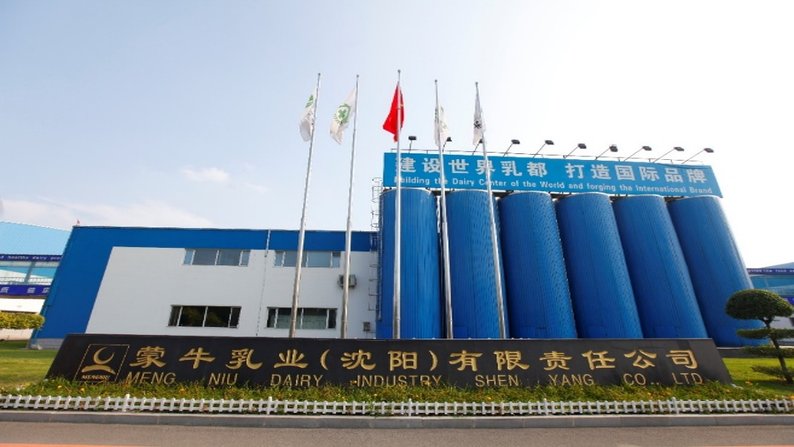
“智造+绿色”双轮驱动:蒙牛沈阳工厂从“千人百吨”到“百人千吨”的绿色空间转型实践
昨天 · 来源:蒙牛乳业(沈阳)有限责任公司 · 作者:蒙牛乳业(沈阳)有限责任公司
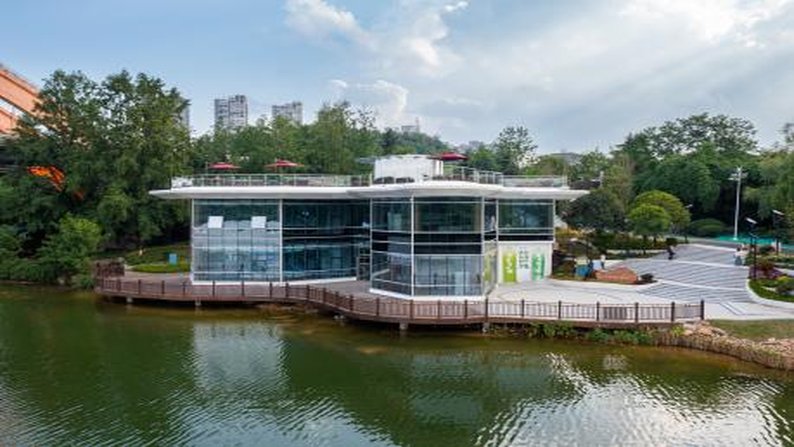
一座建在公园里的展览馆——观山湖区生态文明展览馆的绿色空间共生实践
昨天 · 来源:贵阳市观山湖区生态文明展览馆 · 作者:贵阳市观山湖区生态文明展览馆
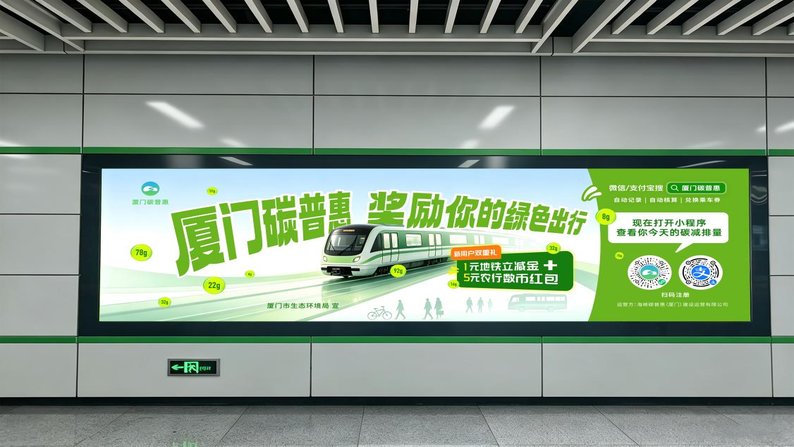
厦门城市级碳普惠平台运营实践
昨天 · 来源:海峡碳普惠(厦门)建设运营有限公司 · 作者:海峡碳普惠(厦门)建设运营有限公司
