

Company/Organization Profile
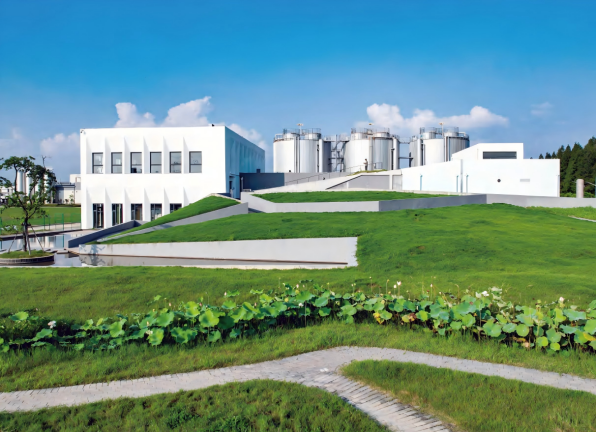
Mengniu Hi-Tech Dairy Products (Wuhan) Co., Ltd. focuses on dairy production and intelligent operations. Actively responding to China's dual carbon strategy, it has fully implemented the Mengniu "30·50" Green Development Plan. The company operates a full-process smart carbon management system and, through its dedicated sustainability exhibition hall, promotes dual carbon science and eco-culture. The park has adopted low-carbon upgrades including PV clean energy, biogas heat recovery, and smart energy-saving retrofits, while also promoting green offices, zero-waste management, and green commuting. The company actively facilitates green transformation across its supply chain and regularly reports on ESG, ecological conservation, and low-carbon outcomes. The company has obtained numerous national-level honors and certifications including National Green Factory, COP16 Exemplary Biodiversity Case, inclusion in Living in Harmony with Nature: Business Solutions – Compilation of Typical Cases from Chinese Businesses, and the SDG Golden Key Solution for Zero-Carbon Factories. It serves as a model enterprise in the food industry for low-carbon operation and sustainable development of green spaces.
机构简介
Logo:

蒙牛高科乳制品武汉有限责任公司专注乳制品生产与智造运营,公司积极响应国家双碳战略,全面落地蒙牛30·50绿色发展规划。公司建立并常态化运行全流程碳排放智慧管理体系,依托专属可持续发展展馆,系统开展双碳科普与生态文化展示。园区持续实施光伏清洁能源替代、沼气余热回收、智慧节能改造等低碳技改,全面推行绿色办公、零废弃管理、绿色通勤等低碳实践。企业积极带动上下游供应链协同绿色升级,常态化公开ESG治理、生态保护与低碳实践成果。公司累计获得国家级绿色工厂、COP16生物多样性典型案例、《与自然和平相处:工商业的解决方案-中国工商业典型案例集》、零碳工厂“SDG金钥匙解决方案”等多项国家级零碳、无废、节水认证及生物多样性典型案例荣誉,是食品行业绿色空间低碳运营与可持续发展的示范企业。
Project Overview
Current Situation
Within Mengniu High-Tech Wuhan Park, covering production zones, office premises, staff living quarters and exhibition areas, there remains room for improvement in the refined and scenario-oriented development of green spaces in the early construction phase. Supporting facilities for green commuting and low-carbon office work are inadequate on-site. Consumption of disposable office supplies and resource-based recovery and utilization of waste can be further optimized. Supporting facilities for green commuting and low-carbon office work are inadequate on-site, and scenario-based mechanisms to guide employees to adopt low-carbon behaviors are lacking.
There are no dedicated venues for ecological science outreach and biodiversity conservation within the factory. The enterprise lacks exclusive platforms to showcase its green practices and carry out external science communication, so its potential to set an example and drive progress across the industry has not been fully realized.While the company holds multiple green certifications, opportunities still exist for the iterative upgrading of green spaces, refined low-carbon operation, and improvement of user experience.
Root Cause Analysis
In its early stages, the company's green development efforts focused primarily on institutional frameworks and compliance management, neglecting low-carbon physical space upgrades. The park’s spatial layout was originally oriented mainly toward production and office functions, without integrating low-carbon, ecological, and educational design. There is a lack of low-carbon supporting facilities and regular guidance mechanisms for space users including employees and visitors. Additionally, green achievements have not been translated into visual, tangible display spaces, and external communication channels remain limited.
Improvement Goals
Leveraging the Mengniu "30·50" dual carbon strategy and the GREEN development framework, the company aims to focus on its full-scenario self-operated spaces and complete low-carbon retrofits across five key areas: energy, office, commuting, ecology, and exhibition. It will establish a spatialized, scenario-based, and routine low-carbon operation system to enhance users' green experience. The company will deepen energy conservation, carbon reduction, zero-waste governance, and ecological restoration across the campus, while promoting collaborative green upgrades with upstream and downstream supply chain partners. Ultimately, it aims to create a replicable and actionable benchmark model for industrial green space operations.
项目背景
问题现状:蒙牛高科乳制品武汉有限责任公司生产、办公、职工生活及展示区域,前期绿色空间精细化、场景化建设仍有提升空间。园区清洁能源配套不完善,办公一次性物料消耗、废弃物资源化回收利用仍可优化。园区绿色通勤、低碳办公配套设施不足,缺少引导员工低碳行为的场景支撑。厂区生态科普、生物多样性保护场景缺失,企业绿色实践成果缺少专属展示与对外科普载体,行业示范带动潜力未充分释放。企业虽已具备多项绿色认证基础,但在绿色空间迭代升级、精细化低碳运营、使用者体验优化方面仍有提升空间。
原因分析:前期企业绿色发展侧重制度搭建与合规管控,忽视物理空间的低碳改造升级;园区空间功能定位以生产办公为主,未融入低碳、生态、科普一体化设计;缺少针对员工、访客等空间使用者的低碳配套设施与常态化引导机制;绿色实践成果未落地可视化展示空间,对外传播渠道单一。
改进目标:依托蒙牛30·50双碳战略及GREEN绿色发展规划,聚焦企业全场景自有运营空间,完成能源、办公、通勤、生态、展示五大空间低碳改造;搭建空间化、场景化、常态化的低碳运营体系,提升使用者绿色体验;深化园区节能降碳、零废治理与生态修复,联动上下游协同绿色升级;打造可复制、可落地的工业绿色空间运营示范场景。
Project Implementation
The implementation scope covers core spaces within Mengniu High-Tech Wuhan Park, including production zones, office areas, staff living quarters and brand exhibition zones. The project is led by the company's management, with various departments executing their respective responsibilities, full participation of all employees, and collaborative support from upstream and downstream suppliers. To address existing optimization issues across various green spaces, targeted measures are being implemented step by step, centered on "space renovation, facility upgrades, operational enhancement, and scenario empowerment."
1. Specialized mechanisms and refined operations for low-carbon governance of campus spaces
A sustainable development working group has been established under the leadership of the company's legal representative, integrating green space development, campus energy conservation and carbon reduction, and ecological space operation and maintenance into the company's core governance system, with detailed space management responsibilities and quantitative indicators assigned to each department. A routine inspection and annual iteration mechanism for campus green and sustainable development spaces has been established, resolving previous issues of fragmented green management, lack of standards, and absence of performance assessment.
2. High energy consumption in production and office spaces, and clean energy transition
A 5.2 MW photovoltaic power generation system has been installed on idle rooftops and canopy areas across the park, enabling self-sufficient clean energy supply with an annual power generation exceeding 5 million kWh. The wastewater treatment station has been upgraded, with anaerobic reaction zones retrofitted and biogas collection and waste heat recovery equipment installed, recovering over 10,000 tons of steam annually from biogas waste heat. A smart energy monitoring system has been deployed in office and production areas, with air-conditioning frequency conversion controls upgraded, office lighting optimized, and natural lighting introduced—saving an average of 300 kWh of electricity per day and achieving intelligent energy management across all spaces in the park.
3. Lack of green supporting facilities in office and commuting spaces, and resource waste
Focusing on employee usage scenarios, the company has renovated on-site parking areas and replaced 2 staff commuter buses with new energy vehicles. A photovoltaic parking and charging zone has been completed, realizing an integrated system of rooftop power generation and on-site new energy vehicle charging. The company has completely phased out traditional disposable cartons and fully adopted reusable PP turnover boxes in production lines, saving 27 tons of paper annually. In cooperation with third-party institutions, waste milk cartons and packaging boxes within the park are recycled and reused. Regular low-carbon training and energy-saving proposal campaigns are carried out. Employee-initiated technical improvement solutions have helped save over 4 million kWh of electricity per year. From 2025 to 2026, the company has organized 7 ecological activities including tree planting and beach cleaning, among which 2 large-scale public welfare activities attracted more than 100 participants each time.
4. Green industrial chain collaboration
The company has standardized green admission criteria for the supply chain and required all suppliers to sign unified environmental and safety agreements to select high-quality green cooperation partners.In collaboration with 7 core suppliers, a total of 11 joint low-carbon projects have been implemented covering production materials management, waste disposal and energy consumption optimization, achieving a coordinated carbon emission reduction of 29,582.25 tons.
5. Ecological education spaces and demonstration impact on campus
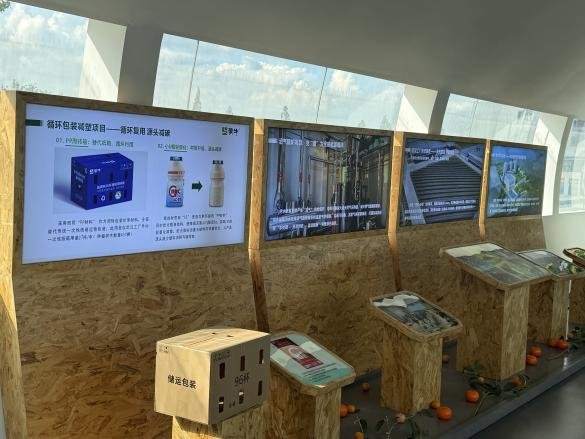
By renovating idle spaces of the on-site sewage treatment plant, the company has built a miniature wetland park to restore campus ecological environments and protect biodiversity.A dedicated sustainable development exhibition hall has been constructed to centrally display the campus’ practical achievements in clean energy application, zero-waste management, water-saving governance and ecological protection. As one of the first environmental protection facility open bases in the food industry, the company has established a standardized and regular mechanism for opening environmental facilities to the public. It has developed hierarchical and categorized popular science products including industrial environmental protection research courses, on-site facility visits and green life experience activities. Featured activities such as themed science popularization days, corporate open weeks and ecological observation courses are held regularly, receiving over 40,000 science education visitors every year.
项目实施
本项目实施范围为企业自有生产园区、办公区域、职工生活区、品牌展示区核心空间。公司管理层牵头,各部门分工落地,全体员工参与、上下游供应商协同配合。针对各类绿色空间现存优化问题,以“空间改造、设施升级、运营提质、场景赋能”为核心,逐项落地针对性举措。
1.针对园区空间低碳治理专项机制、运营精细化:由企业法人牵头成立可持续发展工作组,将绿色空间建设、园区节能降碳、生态空间运维纳入公司核心治理体系,细分各部门空间管理责任与量化指标。建立园区绿色可持续发展空间日常巡查、年度迭代的常态化机制,解决以往空间绿色管理碎片化、无标准、无考核的问题。
2.针对生产办公空间能耗高、清洁能源转型:在厂区闲置屋顶、棚区搭建5.2MW光伏发电系统,实现园区自主清洁能源供给,年发电量超500万度。升级污水处理站空间功能,改造厌氧反应区域,加装沼气收集余热回收设备,年回收沼气余热产蒸汽超10000吨。办公生产区域搭建智慧能源监控系统,改造空调变频调控设施,优化办公采光空间,增设自然采光,单日日均可节约用电300度,实现园区能耗空间智能化管控。
3.针对办公、通勤空间无绿色配套、资源浪费:聚焦员工使用场景,改造园区停车空间,替换2台员工通勤大巴为新能源车辆,建成光伏充电停车区,实现棚顶发电、棚底新能源充电一体化配套。全面淘汰传统一次性纸箱,生产全线使用PP循环周转箱,单次生产线替换年节约纸张27吨。联动第三方对园区废弃牛奶盒、包装纸箱进行再生利用。常态化开展低碳培训、节能提案征集,员工自主提报技改方案年均节电超400万度,2025-2026年累计开展植树、净摊生态活动7起,百人以上净摊活动2起。
4.针对产业链绿色协同:规范供应链绿色准入标准,所有供应商统一签订环保安全协议,择优匹配绿色合作主体。联动7家核心供应商,围绕生产物料、废弃物处置、能耗优化落地11项协同低碳项目,累计协同减排29582.25吨。
5.针对园区生态科普空间、示范效应:改造厂区污水厂闲置空间,打造微型湿地公园,修复园区生态环境、保护生物多样性。建设专属可持续发展展示展馆,集中展示园区清洁能源、零废治理、节水管理、生态保护实践成果。凭借食品行业首批环保设施开放基地的权威资质,建立规范化、常态化的环保设施开放机制,开发工业环保研学、设施实地参观、绿色生活体验等分层分类科普产品,定期开展主题科普日、企业开放周、生态观察课等特色活动,年累计接待科普参观人次超 4 万。
Project Outcome
This project leverages the company's physical spaces as a vehicle to achieve the comprehensive transition from institutional low-carbon to scenario-based low-carbon practices. Post-renovation, the campus has seen significant improvements in green space appearance, energy consumption metrics, user experience, and demonstration value. The model is practical, replicable, and capable of sustained long-term operation.
1. Spatial scenario innovation, achieving comprehensive green functional upgrades across the entire campus
Post-renovation, four distinctive scenarios have been established: "clean energy spaces + low-carbon office spaces + green commuting spaces + ecological education spaces." Comprehensive green retrofits have been completed across rooftops, parking areas, office zones, wastewater treatment areas, and public leisure zones, setting a benchmark for low-carbon upgrading of existing industrial spaces.
2. Quantified technological implementation, with tangible and measurable energy-saving and carbon-reduction results
Multiple low-carbon technologies have been implemented through campus space renovations: the 5.2 MW PV system generates over 5 million kWh annually; biogas waste heat recovery produces over 10,000 tons of steam per year; employee-proposed technical upgrades save 4 million kWh of electricity annually; natural lighting retrofits save 300 kWh of electricity per day; and packaging improvement projects, including PP reusable boxes, have reduced paper consumption by over 60 tons per year. Energy utilization and solid waste reduction outcomes have improved substantially.
3. Mature operational mechanisms, with multi-certification systems providing long-term empowerment
Leveraging national green certification standards, the company has established routine mechanisms for spatial low-carbon operation and maintenance, energy consumption control, and zero-waste management—addressing previous issues of fragmented and campaign-style green initiatives, and forming a standardized campus green space operation system.
Distinctive collaboration and education models with outstanding differentiation
Internally, the company fosters a corporate culture of low-carbon office operations and green lifestyles among all employees. Externally, it collaborates with upstream and downstream industry chain partners to deliver a coordinated carbon emission reduction of 29,582.25 tons. Its outstanding practices have been selected for the national-level case collection Living in Harmony with Nature: Business Solutions – Typical Cases of Chinese Enterprises. This marks the company’s upgrading of green space development from internal quality improvement to social empowerment.
Replicable model for industrial ecological science popularization.
Breaking the single production-oriented functional attribute of industrial plants, the company realizes the superposition of ecological, science popularization and social values of idle factory spaces. It transforms corporate environmental practices into inclusive public science resources, popularizes the concept of industrial green development among the public, and helps build universal social consensus on ecological and environmental protection.
成果亮点
本项目以企业实体空间为载体,实现从制度低碳到场景低碳的全面落地,改造前后园区绿色空间面貌、能耗指标、使用体验、示范价值提升显著,模式可落地、可复制、可长效运营。
一是空间场景创新,实现全园区绿色功能升级。改造后形成“清洁能源空间+低碳办公空间+绿色通勤空间+生态科普空间”四大特色场景,完成厂区屋顶、停车区、办公区、污水处理区、公共休闲区全方位绿色改造,是工业存量空间低碳提质样板。
二是技术落地量化,节能降碳成效直观可查。依托园区空间改造落地多项低碳技术,5.2MW光伏年发电超500万度,沼气余热年产蒸汽超10000吨,员工技改年均节电400万度,自然光改造单日节电300度,包含PP周转箱在内的包装改善项目年节约纸张超60吨,能源利用与固废减量成效大幅提升。
三是运营机制成熟,多认证体系长效赋能。依托国家级绿色权威认证标准,建立空间低碳运维、能耗管控、零废管理常态化机制,解决以往绿色工作阶段性、碎片化问题,形成标准化园区绿色空间运营体系。
四是协同模式成效突出。对内培育全员低碳办公、绿色生活氛围,对外联动上下游实现产业链协同减排29582.25吨,成果入选国家级《与自然和平相处:工商业的解决方案——中国工商业典型案例集》,实现企业绿色空间从自用提质到社会赋能的升级。
五是形成可复制的工业生态科普样板。突破工业厂区生产功能的单一属性,实现闲置空间生态价值、科普价值、社会价值的三重叠加,将企业环保实践转化为普惠性科普资源,推动工业绿色发展理念向大众渗透,助力全社会生态环保共识的构建。
Project Highlights
Ecological and Environmental Benefits (Statistics scope: 2025, covering the company's campus and partner suppliers)
Through campus space clean energy retrofits, energy-efficient facility upgrades, solid waste resource utilization, ecological space restoration, and supply chain collaborative governance, cumulative carbon emission reductions have exceeded 30,000 tons. The project has generated an additional 5 million kWh of clean electricity annually and 10,000 tons of steam from waste heat recovery, effectively reducing fossil fuel consumption. Annual paper-based solid waste reduction has reached 60 tons. The micro-wetland park has effectively improved the campus's local ecology, enriched regional biodiversity, and contributed to a sustained 18% year-on-year reduction in the campus's comprehensive consumption of water, electricity, and gas.
Economic Benefits
Annual savings in electricity, steam, and waste reduction have accumulated to RMB 1.3 million in operational costs.
Social Benefits
Leveraging the environmental facility public disclosure base and green exhibition hall, the company serves over 40,000 visitors annually through science education, government and business research visits, and student study tours. Regular ecological public welfare activities are conducted, engaging employees, local communities, and partners in green practices.The company’s achievements in green space renovation and low-carbon operation have been covered by mainstream media, including the official WeChat platform of the Ministry of Ecology and Environment and Changjiang Daily. It has formed replicable demonstration cases for the implementation of green space transformation in industrial parks, dual-carbon goals and the opening of environmental protection facilities in Wuhan’s industrial zones and the food industry.
成果影响力
生态效益(统计口径:2025年,企业园区及合作供应商边界):通过园区空间清洁能源改造、节能设施升级、固废资源化利用、生态空间修复及供应链协同治理,累计实现碳减排近3万吨;年新增清洁发电量500万度、余热产蒸汽10000吨,有效降低化石能源消耗;年减少纸质固废60吨;微型湿地公园有效改善园区局部生态,丰富区域生物多样性,持续降低园区水、电、气综合能耗年降低18%。
经济效益:年度节电、节汽、减废累计节约运营成本130万元。
社会效益:依托环保设施开放基地、绿色展馆,年均服务社会科普、政企调研、学生研学超4万人次;常态化开展生态公益活动,带动企业员工、周边群众、合作方参与绿色实践。企业绿色空间改造与低碳运营成果获生态环境部官微、长江日报等主流媒体报道,为武汉区域工业园区绿色空间改造、食品行业双碳、环保设施开放等落地提供可参考示范案例。
Reviews & Honors
Evaluation and Feedback
Internally, following the completion of the campus green space renovations, the low-carbon operational environment, ecological space quality, and employee experience in green office work and commuting have been continuously enhanced. Across the supply chain, upstream and downstream partners have highly recognized the collaborative emission reduction model along the industrial chain, effectively driving green quality improvement and efficiency gains throughout the industry value chain. Externally, government and business research teams, student study tour groups, and the general public have given high praise to the campus's regular science education services, with the project's practical applicability and industry demonstration value receiving broad recognition.
Media/Industry Recognition
The project has been featured in special reports by major mainstream media outlets, including the official video channel of the Ministry of Ecology and Environment, Changjiang Daily, and the Wuhan Municipal Ecology and Environment Bureau.
Awards and Authoritative Certifications
The company's green space development and sustainable development practices have garnered multiple national-level and industry-recognized certifications and prestigious case study honors. Certifications include: Type I Five-Star Zero-Carbon Factory, Zero Waste to Landfill Diamond-Level Certification, Gold-Level Sustainable Water Management Certification, National Green Factory, and Wuhan Zero-Waste Factory. Case study honors include: a biodiversity case recommended by the Blue Water Center selected for inclusion in COP16; featured in the Ministry of Ecology and Environment's publication Living in Harmony with Nature: Business Solutions – A Collection of Typical Chinese Business Cases; Assessment of Nature-Related Risks and Opportunities – Mengniu Wuhan "Blue Water Factory" selected as a typical case in the Ministry of Ecology and Environment's business biodiversity conservation case collection; recipient of the 2025 "Climate Lighthouse Park Excellence Award"; recipient of the 2026 CSO Global Sustainable Development Forum Corporate ESG Effective Governance Award; recipient of the "520 Social Responsibility Day" Biodiversity Conservation Topic · Best Case Award; recognized with the China Energy Conservation and Clean Production Association's "Carbon Productivity Excellence Case" award; and zero-carbon factory development outcomes recognized as an "SDG Golden Key Solution."
评价与荣誉
评价反馈:内部层面,园区绿色空间改造落地后,厂区低碳运营环境、生态空间品质、员工绿色办公与通勤体验持续提升。供应链端,上下游合作单位对产业链协同减排模式高度认可,有效带动产业链绿色提质增效。外部层面,政企调研团队、研学群体及社会公众,对园区常态化科普服务给予高度评价,项目绿色实用性、行业示范性获得广泛认可。
媒体/行业认可:获生态环境部官方视频号、长江日报、武汉市生态环境局等专题报道。
奖项与权威认证:企业绿色空间建设与可持续发展实践斩获多项国家级、行业权威认证及典型案例荣誉。资质认证包括:1型五星级零碳工厂、废弃物零填埋钻石级认证、黄金级可持续水管理认证、国家级绿色工厂、武汉市无废工厂。典型案例荣誉包括:碧水中心推荐生物多样性案例入选COP16、生态环境部《与自然和平相处:工商业的解决方案——中国工商业典型案例集》;《自然相关风险和机遇评估——蒙牛武汉“碧水工厂”》入选生态环境部工商业生物多样性保护典型案例;获评2025“气候灯塔园区优秀案例奖”、2026 CSO全球可持续发展论坛企业ESG高效治理奖、“520社会责任日”生物多样性保护议题·最佳案例、中国节能与清洁生产协会「碳生产力优秀案例」,零碳工厂建设成果获评“SDG金钥匙解决方案”。
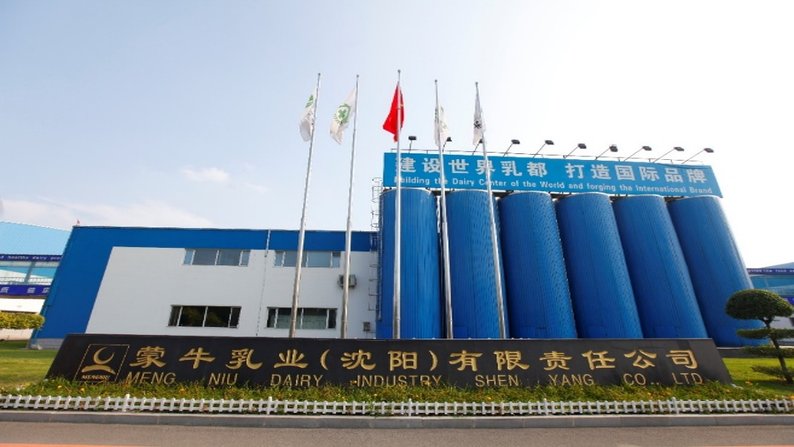
“智造+绿色”双轮驱动:蒙牛沈阳工厂从“千人百吨”到“百人千吨”的绿色空间转型实践
昨天 · 来源:蒙牛乳业(沈阳)有限责任公司 · 作者:蒙牛乳业(沈阳)有限责任公司
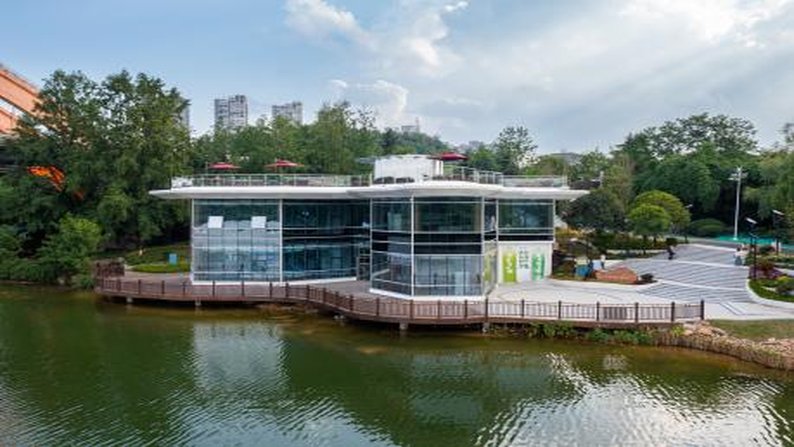
一座建在公园里的展览馆——观山湖区生态文明展览馆的绿色空间共生实践
昨天 · 来源:贵阳市观山湖区生态文明展览馆 · 作者:贵阳市观山湖区生态文明展览馆
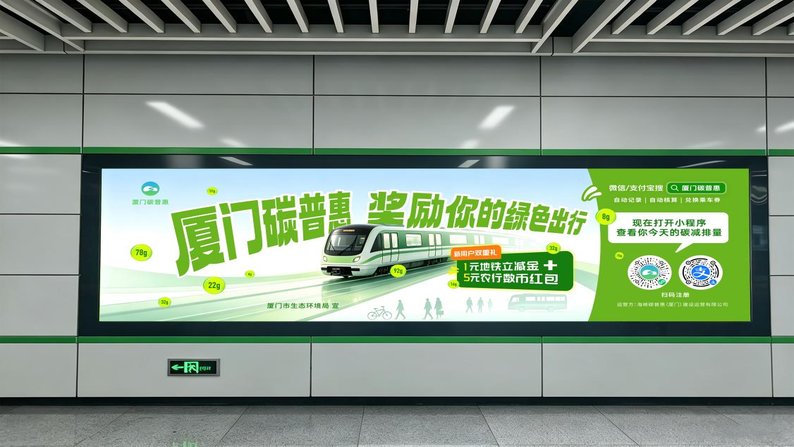
厦门城市级碳普惠平台运营实践
昨天 · 来源:海峡碳普惠(厦门)建设运营有限公司 · 作者:海峡碳普惠(厦门)建设运营有限公司
