

Company/Organization Profile
Registered in China in November 1984, 3M China was the first wholly foreign-invested enterprise established outside the Shenzhen Special Economic Zone. To date, 3M established 6 manufacturing facilities, 4 technical centers and 1 R&D centers, providing over 6,000 jobs in China.
3M China actively participated in the social responsibility events including environment protection, poverty alleviation and volunteer activities. 3M is a longtime leader in sustainability among manufacturers, dating back nearly 50 years to the groundbreaking Pollution Prevention Program – which has prevented nearly 3 million tons of pollution.
Today, the company is advancing the leadership with a $1 billion investment over the next 20 years to accelerate its sustainability commitment by leveraging the strength of science. In China, sustainability has been incorporated into every aspect of 3M’s operations and business over the past 40 years, not only by continuously introducing more sustainable, high-quality innovative products and solutions to the market, but also by striving to reduce waste and carbon emissions in its own manufacturing operations.
Looking ahead, 3M will continue to use the science to advance its sustainability commitments and support the evolution of the Chinese economy into the future.
机构简介
3M中国有限公司于1984年11月在上海注册成立,是在深圳经济特区外成立的中国第一家外商独资企业。截止目前,3M公司在中国建立了6个生产基地、4个技术中心和1个研发中心。
3M中国积极履行社会责任,积极参与环境保护,扶贫减灾,推进志愿者行动。作为可持续发展领域的领军者,3M多年来持续投入绿色环保技术。早在1975年,3M便行业首创了3M污染防治投资项目。该项目执行至今,3M已累计减少了近300万吨的污染排放。近年来,我们更是承诺于未来20年内,将在全球投资约10亿美元,运用科技加速实现其环保承诺。深耕中国40年来,3M始终坚持将环保理念融入企业运营与业务发展的方方面面,不仅为本土市场带来了多元化的可持续创新产品和解决方案,更力求从生产运营的源头减废降碳。展望未来,3M也将不断寓创新于环保,为中国新质生产力的勃发再添绿色动能。
Project Overview
Under the background of China’s “dual carbon” goals and the green transformation of the textile industry, market demand is continuing to grow for low-carbon, traceable, and high-performance recycled materials in apparel, outdoor products, and home thermal insulation materials.
At present, the recycling and utilization rate of waste textiles remains relatively low. Large volumes of textile waste are still incinerated or landfilled, resulting in resource waste and environmental pressure. At the same time, traditional insulation materials often struggle to achieve an optimal balance among lightweight performance, thermal insulation, durability, and sustainability.
The main reasons include the complex sources of waste textiles, fluctuations in the quality of recycled fibers, and insufficient technologies for material structure design and large-scale application.
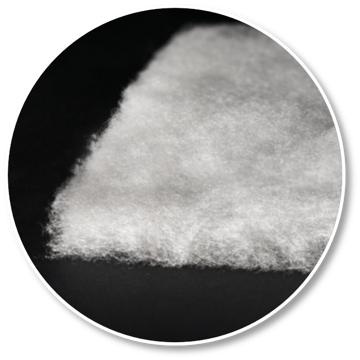
This project aims to develop 3M Thinsulate insulation material made from 100% recycled post-consumer textile waste, improve the high-value utilization of waste textiles, and create a material solution that combines thermal performance, comfort, stability, and environmental value for applications in apparel, home textiles, outdoor products, and related scenarios.
项目背景
“双碳”目标和纺织行业绿色转型背景下,服装、户外用品及家居保暖材料市场对低碳、可追溯、高性能再生材料的需求持续增长。当前,废旧纺织品回收利用率仍偏低,大量纺织废弃物被焚烧或填埋,造成资源浪费和环境压力;同时,传统保暖材料在轻量化、保暖性、耐久性与可持续属性之间难以兼顾。
其主要原因在于废旧纺织品来源复杂、再生纤维品质波动、材料结构设计及规模化应用技术不足。本项目拟开发3M新雪丽100%再生废旧纺织品来源保暖材料,提升废旧纺织品高值化利用水平,形成兼具保暖性能、舒适性、稳定性和环保价值的材料解决方案,服务服装、家纺及户外等应用场景。
Project Implementation
The implementation of this project focuses on the research and development, formulation development, and factory production scale-up of 3M Thinsulate insulation material made from 100% recycled post-consumer textile waste.
Since the range of recycled raw materials derived from waste textiles is relatively limited, and their fiber length, strength, cleanliness, uniformity, and other indicators are generally inferior to those of virgin materials, higher requirements are placed on material formulation design, production process control, and quality stability.
The project is being advanced along the path of “raw material evaluation – formulation development – lab-scale validation – pilot-scale scale-up – factory production – customer feedback optimization,” led by the R&D team and jointly supported by the supply chain, manufacturing, quality, process engineering, and technical service teams.
To address the limited availability of waste textile raw materials and insufficient batch-to-batch stability, the project first carries out raw material screening and graded evaluation. The supply chain team is responsible for identifying fiber resources that meet recycled-source requirements, while the R&D and quality teams jointly establish raw material evaluation criteria.
Tests are conducted on fiber composition, length, fineness, strength, loft potential, impurity control, and processing adaptability. Raw materials that fail to meet the basic requirements for insulation materials are promptly eliminated. Usable raw materials are classified and managed according to performance differences, with batch records established to provide a basis for subsequent formulation adjustments.
To address the issue that recycled fibers generally do not match the quality of virgin materials and that a single raw material is difficult to use to achieve the target performance, the R&D team treats formulation development as a core project milestone.
By adjusting the combination ratios of different recycled fibers, matching fiber fineness, designing structural support, and optimizing basis weight, the project enhances the material’s ability to balance thermal insulation, softness, loft, and durability.
During the R&D process, the team conducts multiple rounds of experiments focused on customer concerns such as soft hand feel, compression recovery, and post-wash retention. Different formulation samples are compared and tested, and the fiber ratios and structural parameters are continuously optimized based on test results, gradually forming a material solution suitable for 100% recycled post-consumer textile waste sources.
To address the higher processing difficulty and narrower production window of recycled fibers, the manufacturing and process engineering teams focus on optimizing factory production conditions and process parameters.
Based on lab-scale trials, the project carries out pilot-scale scale-up, with emphasis on verifying the stability of opening, blending, web forming, layering, and heat-setting processes. Since recycled fibers are more susceptible to mechanical action and temperature conditions during processing, the team repeatedly adjusts equipment speed, opening intensity, web uniformity, heat-setting temperature, and pressure.
This helps prevent fiber damage caused by overly aggressive processing while also avoiding insufficient setting that could affect material support and rebound performance.
To meet the high requirements for product quality stability, the quality team establishes key quality control points during implementation. The project conducts in-process inspection and finished-product validation around indicators such as thickness, basis weight, loft, compression recovery rate, thermal performance, and post-wash stability, and promptly feeds the test results back to the R&D and production teams.
For performance fluctuations observed during trial production, the project team analyzes the causes item by item by tracing raw material batches, reviewing formulation ratios, and adjusting process parameters. A problem list and closed-loop improvement mechanism are established to ensure good consistency across different production batches.
To address the challenge of transferring R&D results into factory mass production, the project establishes a cross-functional collaboration mechanism. The R&D team is responsible for the technical route and formulation solution; the supply chain team ensures a sustainable supply of raw materials; the manufacturing team is responsible for production introduction and equipment parameter stability; the quality team conducts testing and validation; and the technical service team collects customer trial feedback. Through stage-gate reviews, trial production reviews, and customer sample validation, the project continues to advance the transformation of the laboratory solution into a product suitable for scalable production.
Through the implementation process described above, the project effectively addresses challenges such as limited availability of recycled textile raw materials, demanding formulation requirements, significant quality fluctuations, and complex production control, laying a solid foundation for the stable development and application of 3M Thinsulate insulation material made from 100% recycled post-consumer textile waste.
项目实施
3M新雪丽100%再生废旧纺织品来源保暖材料的研发、配方开发和工厂生产转化展开。由于废旧纺织品来源的再生原材料可选择范围相对有限,且其纤维长度、强度、洁净度、均匀性等指标通常不及原生材料,对材料配方设计、生产工艺控制和品质稳定性提出了更高要求。
项目按照“原料评估-配方开发-小试验证-中试放大-工厂生产-客户反馈优化”的路径推进,由研发团队牵头,供应链、制造、质量、工艺工程及技术服务团队共同参与。
针对废旧纺织品原料选择较少、批次稳定性不足的问题,项目首先开展原材料筛选和分级评估。供应链团队负责寻找符合再生来源要求的纤维资源,研发和质量团队共同建立原料评价维度,对纤维成分、长度、细度、强度、蓬松潜力、杂质控制和加工适应性进行测试。
对于不能满足保暖材料基本要求的原料及时剔除,对可用原料按照性能差异进行分级管理,并建立批次记录,为后续配方调整提供依据。
针对再生纤维品质不及原生材料、单一原料难以达到目标性能的问题,研发团队将配方开发作为核心节点推进。项目通过调整不同再生纤维的组合比例、纤维细度搭配、结构支撑设计和单位面积克重,提升材料在保暖性、柔软性、蓬松度和耐久性之间的平衡能力。
研发过程中,团队针对客户关注的柔软手感、压缩回弹和洗后保持能力开展多轮实验,对不同配方样品进行对比测试,并根据测试结果不断优化纤维配比和结构参数,逐步形成适合100%再生废旧纺织品来源的材料方案。
针对再生纤维加工难度较高、生产窗口较窄的问题,制造团队和工艺工程团队重点优化工厂生产条件和工艺参数。项目在小试基础上开展中试放大,重点验证开松、混合、成网、铺层、热定型等环节的稳定性。
由于再生纤维在加工过程中更容易受到机械作用和温度条件影响,团队对设备速度、开松强度、铺网均匀性、热定型温度和压力进行反复调整,避免因工艺过强导致纤维损伤,也避免因定型不足影响材料支撑性和回弹表现。
针对产品品质稳定性要求高的问题,质量团队在实施过程中建立了关键质量控制点。项目围绕厚度、克重、蓬松度、压缩恢复率、保暖性能、洗后稳定性等指标开展过程检测和成品验证,并将检测结果及时反馈给研发和生产团队。
对于试产阶段出现的性能波动,项目组通过追溯原料批次、复核配方比例、调整工艺参数等方式逐项分析原因,形成问题清单和闭环改进机制,确保产品在不同批次之间保持较好一致性。
针对研发成果向工厂量产转化的挑战,项目建立跨部门协同机制。研发团队负责技术路线和配方方案,供应链团队保障可持续原料供应,制造团队负责生产导入和设备参数稳定,质量团队负责检测验证,技术服务团队负责收集客户试用反馈。项目通过阶段评审、试产复盘和客户样品验证持续推进,使实验室方案逐步转化为可规模化生产的产品。
通过上述实施过程,项目有效应对了再生纺织品原料选择有限、配方要求高、品质波动大和生产控制难度高等问题,为3M新雪丽100%再生废旧纺织品来源保暖材料的稳定开发和应用奠定了基础。
Project Outcome
After implementation, 3M Thinsulate insulation material made from 100% recycled post-consumer textile waste has achieved a strong balance between environmental attributes and functional performance.
Before implementation, the available range of recycled fibers derived from waste textiles was limited, and the stability of raw material quality, fiber strength, and loft performance were generally inferior to those of virgin materials.
This could easily result in gaps between recycled insulation materials and virgin-material-based products in terms of thermal performance, softness, durability, and other key properties, thereby limiting their application in high-quality apparel, outdoor products, and home textiles.
After implementation, the project significantly improved the overall performance of recycled-source materials through raw material grading and screening, formulation optimization, and process parameter control.
In terms of performance, the thermal resistance value of the project product has approached the level of virgin materials and is approximately 20% higher than that of ordinary insulation products on the market, demonstrating strong product competitiveness.
Compared with the pre-implementation stage, the material maintains its attribute of being made from 100% recycled post-consumer textile waste while also delivering improved loft, softness, and compression recovery performance, thereby enhancing the comfort experience and usage stability of end products.
The key innovation highlights of the project are reflected in three main aspects.
First, in terms of technological innovation, the project has overcome the limitations of recycled fiber performance in insulation material applications through fiber combination, structural design, and heat-setting process optimization.
Second, in terms of collaborative innovation, it has established a closed-loop development mechanism involving R&D, supply chain, manufacturing, quality, and customer application teams. Third, in terms of model innovation, it has shifted waste textiles from low-value treatment toward application in high-performance insulation materials, thereby increasing the value of resource recycling and reuse.
The project has established a long-term operating mechanism covering raw material evaluation, formulation development, factory validation, and customer feedback optimization, providing a solid foundation for continuous improvement.
The relevant methods can be replicated and applied to the development of recycled insulation materials with different basis weights, thicknesses, and end-use scenarios, offering a scalable practical pathway for the high-value utilization of textile waste and the green upgrading of insulation materials.
成果亮点
项目实施后,3M新雪丽100%再生废旧纺织品来源保暖材料在环保属性与功能性能之间实现了较好平衡。实施前,废旧纺织品再生纤维可选范围有限,原料品质稳定性、纤维强度和蓬松表现普遍不及原生材料,容易导致再生保暖材料在保暖性、柔软性、耐久性等方面与原生材料存在差距,限制了其在高品质服装、户外用品和家纺领域的应用。实施后,项目通过原料分级筛选、配方优化和工艺参数控制,使再生来源材料的综合性能明显提升。
在性能表现方面,项目产品的保暖性能热阻值已接近原生材料水平,并高于市场上普通保暖产品约20%,体现出较强的产品竞争力。与实施前相比,材料在保持100%再生废旧纺织品来源属性的同时,兼顾了蓬松度、柔软性和压缩回弹表现,提升了终端产品的舒适体验和使用稳定性。
项目的创新亮点主要体现在三个方面:一是技术创新,通过纤维组合、结构设计和热定型工艺优化,突破再生纤维性能不足对保暖材料应用的限制;二是协同创新,形成研发、供应链、制造、质量和客户应用端共同参与的闭环开发机制;三是模式创新,将废旧纺织品从低值处理转向高性能保暖材料应用,提升资源循环利用价值。
项目已形成从原料评估、配方开发、工厂验证到客户反馈优化的长期运行机制,具备持续改进基础。相关方法可复制应用于不同克重、不同厚度及不同终端场景的再生保暖材料开发,为纺织废弃物高值化利用和保暖材料绿色升级提供了可推广的实践路径。
Project Highlights
The project has generated comprehensive impacts in terms of ecological benefits and social demonstration value.
In terms of ecological and environmental benefits, the project replaces virgin fibers with recycled fibers derived from waste textiles, enabling the product to be made from 100% recycled post-consumer textile waste. This helps reduce the landfill or incineration of textile waste and promotes the high-value utilization of waste textiles.
In terms of social impact, the project demonstrates that materials derived from waste textiles can be applied in high-performance insulation products. The product’s thermal resistance value is close to that of virgin-material-based products and approximately 20% higher than that of ordinary products on the market, thereby enhancing customer recognition and acceptance of recycled materials.
Through collaboration among R&D, supply chain, manufacturing, quality, and customer application teams, the project has established a replicable green material development model. This provides demonstration value for textile recycling and the upgrading of the thermal insulation materials industry.
成果影响力
项目在生态环境和社会示范方面形成了综合影响。生态环境效益方面,项目以废旧纺织品来源再生纤维替代原生纤维,产品实现100%再生废旧纺织品来源,有助于减少纺织废料填埋或焚烧,推动废旧纺织品高值化利用。
社会影响方面,项目证明废旧纺织品来源材料可应用于高性能保暖产品,产品热阻值接近原生材料,并高于市场普通产品约20%,提升了客户对再生材料的认可度。项目通过研发、供应链、制造、质量及客户应用端协同,形成可复制的绿色材料开发模式,对纺织循环利用和保暖材料行业升级具有示范意义。
Reviews & Honors
The project has received positive feedback from customers and partners during the R&D and application validation process. Customers believe that 3M Thinsulate insulation material made from 100% recycled post-consumer textile waste delivers strong thermal performance, softness, loft, and usage stability while maintaining its environmental attributes.
In particular, its thermal resistance value is close to that of virgin-material-based products and approximately 20% higher than that of ordinary products on the market, strengthening end brands’ confidence in applying recycled insulation materials.
In terms of third-party certification and industry recognition, the project product has obtained international GRS 100% T2T source certification, demonstrating that its recycled source and traceability meet international standard requirements.
At the same time, the product has also received environmental and sustainability-related certifications such as OEKO-TEX and bluesign, reflecting its comprehensive advantages in material safety, environmental friendliness, and responsible production.
These certifications provide strong support for the product’s entry into international apparel, outdoor, and home textile markets.
In terms of awards and industry showcases, the project has participated in international industry exhibitions and related award selections such as ISPO and Performance Days, presenting 3M’s practical achievements in the high-value utilization of waste textiles and innovation in sustainable insulation materials.
The project has strong international showcase value and industry demonstration significance, and is expected to gain further recognition and honors in the global sustainable materials field.
评价与荣誉
项目在研发和应用验证过程中获得了客户及合作方的积极反馈。客户认为,3M新雪丽100%再生废旧纺织品来源保暖材料在兼具环保属性的同时,保暖性能、柔软性、蓬松度及使用稳定性表现良好,尤其是热阻值接近原生材料,并高于市场普通产品约20%,增强了终端品牌对再生保暖材料的应用信心。
在第三方认证和行业认可方面,项目产品已获得国际GRS 100% T2T来源认证,证明其再生来源和可追溯性符合国际标准要求;同时,产品也获得OEKO-TEX、bluesign等环保与可持续相关认证,体现其在材料安全、环境友好和负责任生产方面的综合优势。这些认证为产品进入国际服装、户外及家纺市场提供了有力支撑。
在奖项和行业展示方面,项目已参与ISPO、Performance Days等国际行业展会及相关奖项评选,展示了3M在废旧纺织品高值化利用和可持续保暖材料创新方面的实践成果。项目具备较强的国际展示价值和行业示范意义,有望进一步获得国际可持续材料领域的认可与荣誉。
近零碳社区的美育升级---- 长寿苑社区 “低碳实践 + 影像科普” 共建项目
4天前 · 来源:成都市武侯区火车南站街道长寿苑社区居民委员会 · 作者:成都市武侯区火车南站街道长寿苑社区居民委员会
以绿色金融之力推动中国新质生产力!
4天前 · 来源:国泰海通证券研究所ESG及美丽中国研究组 · 作者:国泰海通证券研究所ESG及美丽中国研究组
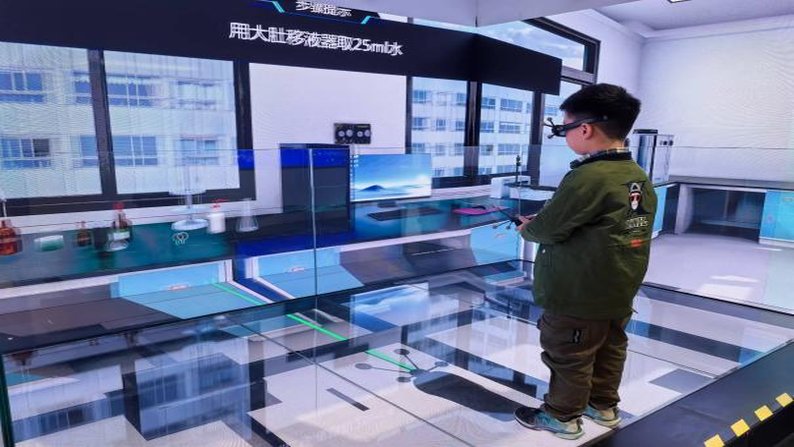
不择知行细流,蕴蓄蓝绿成深:雄安新区生态环境共享中心科普宣传空间营造雄安新区生态环境共享中心VR虚拟实验室(数字化仿真替代实体化学实验,实现科普零危废、低能耗)
6天前 · 来源:雄安新区生态环境监控中心 · 作者:雄安新区生态环境监控中心
