

Company/Organization Profile
Established in 1990, Hongmei Road Subdistrict lies in southwest Xuhui, at the heart of Caohejing HiTech Park, covering 4.26 km² with 14 neighborhood committees, 23 residential compounds and over 30 thousand permanent residents. Served by Metro Lines 9,12,15, over 90% of its territory is within 15minute walking reach of metro stations.
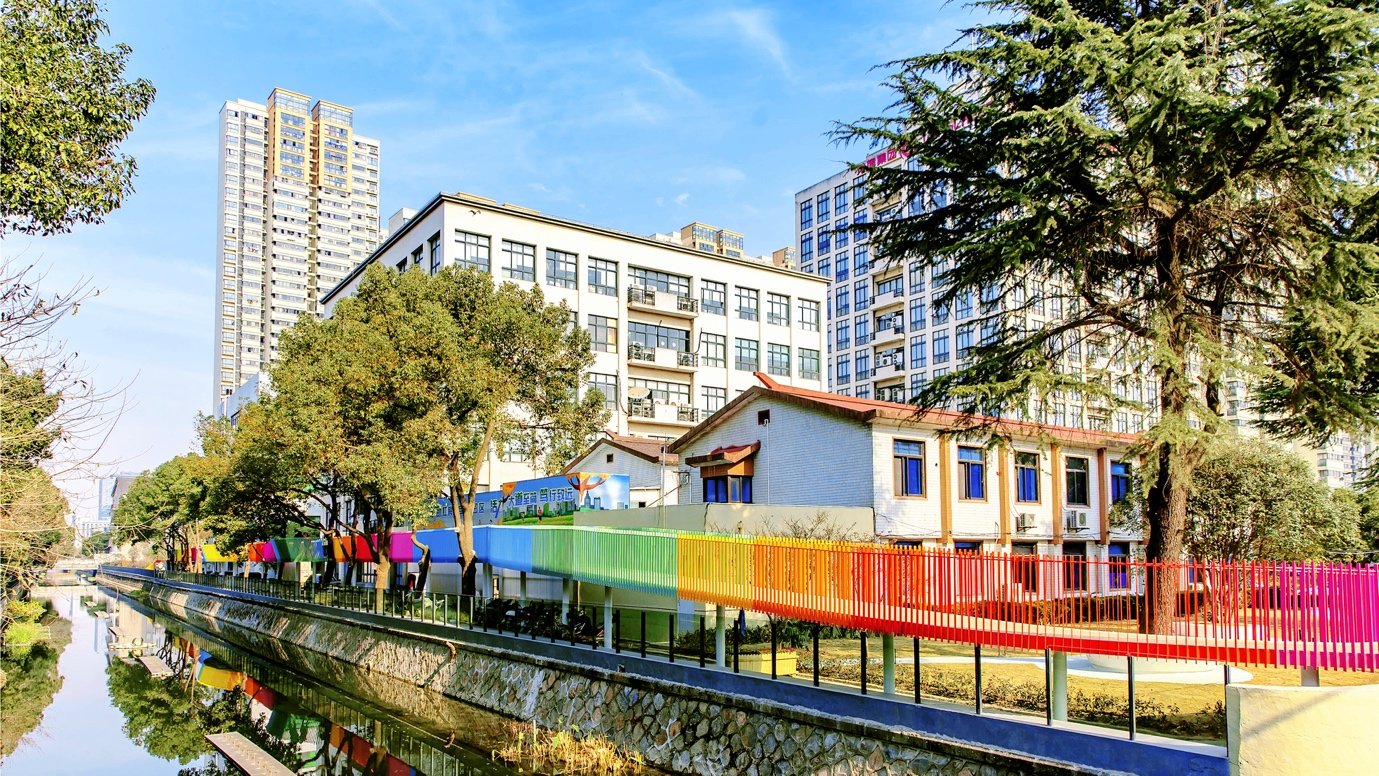
It hosts five rivers and wellestablished green networks including Shang’aotang waterfront parks. Led by Partybuilding, the subdistrict engages enterprises, universities and residents to deliver lowcarbon community initiatives, river restoration and publicspace regeneration, building a model of multistakeholder grassroots environmental governance.
机构简介
上海市徐汇区虹梅路街道成立于 1990 年,地处徐汇西南部、漕河泾开发区核心区,辖区面积 4.26 平方公里,辖 14 个居委会、23 个住宅小区,常住人口 3 万余人。辖区轨交 9、12、15 号线通达,90% 区域处于地铁 15 分钟步行圈。域内分布 5 条河道,拥有上澳塘等高品质滨水绿地、中环公园等生态空间,构建网状生态绿地体系。街道坚持党建引领,联动企业、高校、居民,推进低碳社区建设、水环境综合治理、社区空间营造,打造政企校社多元协同的基层现代环境治理样板。
Project Overview
Hongmei Subdistrict features integrated industrial parks, communities and university resources. Key challenges include insufficient lowcarbon infrastructure and high building energy consumption in older residential blocks, limited public participation in waterfront management, and inadequate maintenance of public green spaces.
Environmental work previously relied heavily on administrative forces with insufficient platforms for multistakeholder engagement.Aiming to address these gaps, this project leverages districtbased governance to upgrade lowcarbon facilities, open publicparticipation channels and build a collaborative platform for government, enterprises, universities and residents.
Priorities cover building energysaving, renewable energy deployment, onsite wetwaste recycling and river ecological restoration, to pursue ecological improvement and inclusive coconstruction and explore replicable grassroots environmentalgovernance pathways.
项目背景
虹梅街道辖区产城交织,社区、园区、校区并存。过去存在三大痛点:
一是社区绿色低碳基础设施短板,老旧小区建筑能耗偏高,居民低碳自觉有待培育;
二是滨水空间治理过去以政府单向运维为主,企业、居民参与渠道不足;
三是公共绿地、闲置空间存在维护缺位、私有化侵占,多元主体协同治理机制不健全。
究其根源,环境治理较多依靠行政推动,公众参与载体不足,政企校社资源未充分整合。
本项目以片区治理为抓手,目标补齐社区低碳硬件短板,激活公众参与渠道,搭建政府、企业、高校智库、居民共治平台,推进建筑节能、可再生能源利用、湿垃圾就地资源化、河湖生态治理,实现生态提质、公众共建共享,探索可复制的城市街道现代环境治理路径。
Project Implementation
To address the shortage of lowcarbon facilities in communities, Hongmei Subdistrict took the lead and collaborated with relevant district authorities, property management companies and thirdparty technical institutions to deliver the lowcarbon renovation project for Huayue Jiayuan Community.
Adopting a dual approach of “hardware upgrading plus softgovernance”, the project installed distributed rooftop photovoltaic systems for 15 residential buildings (with an installed capacity of 482.84 kW), completed thermalinsulation retrofits for building facades covering 220 000 square metres, added 53 sets of charging piles for motor vehicles and 570 charging points for nonmotor vehicles, and upgraded rainwater harvesting systems and smart waste depots.
On the softgovernance front, the subdistrict fostered the “Yue Volunteer” lowcarbon volunteer team, carried out science popularization and outreach campaigns, and enlisted Tongji University and the Institute of Nuclear Energy Technology for technical support.
To resolve the challenge of river governance relying solely on government efforts, the subdistrict worked with district watermanagement authorities to advance the comprehensive restoration of the Shang’aotang River.
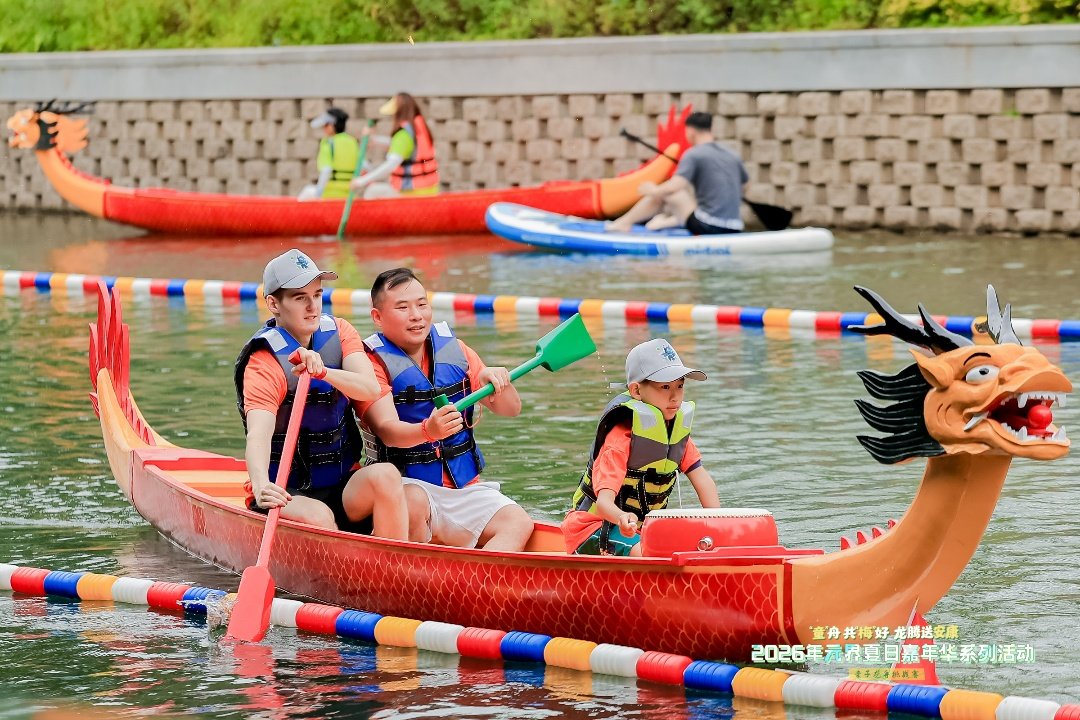
A series of projects were implemented: illegalstructure removal as a priority, pollutionsource control and sewage interception, river dredging, ecological rehabilitation and landscape improvement. Teams of enterpriseappointed river chiefs and civilian riverpatrol volunteers were set up, public channels for citizenled riverpatrol supervision were established, waterenvironment experience days were organised, and waterfront recreational events were held to return riverside public space to local residents.
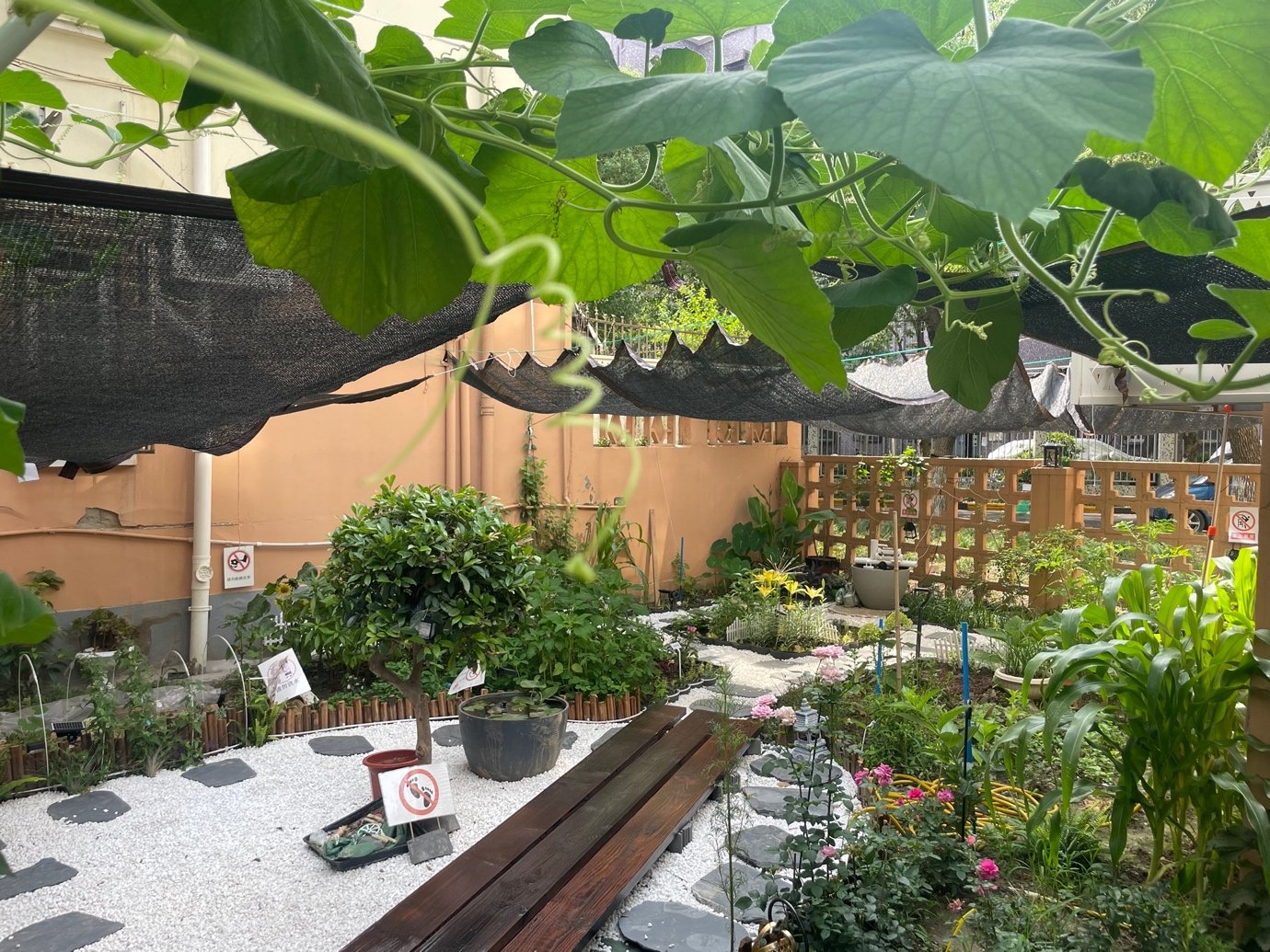
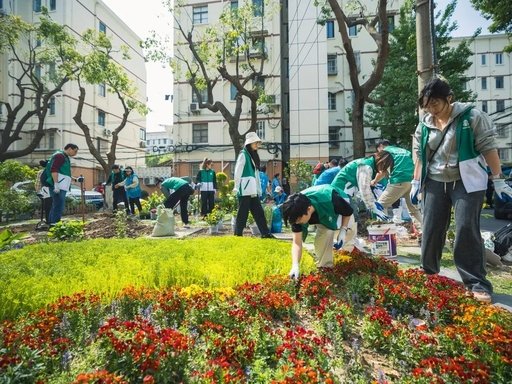
To tackle neglected public green spaces and the privatisation of communal areas within the community, the subdistrict partnered with East China University of Science and Technology to launch the “Blossom Gumei” community gardening initiative.
Horticulture courses were offered for residents, who were encouraged to take part in microgarden renovations so as to overcome difficulties in greenspace maintenance. In cooperation with the Starbucks Foundation, the “FutureStar Community” programme was developed to unlock intrinsic community momentum through charity fairs, garden revamping and other activities.
To ease pressure on domestic waste disposal, the subdistrict built a Civic Environmental Experience Centre equipped with five distributed wetwaste processors. Leveraging microbial technology, the centre realises onsite treatment of wet waste, handling nearly 3 000 tons of wet waste annually, while opening to residents for scienceeducation purposes.
All initiatives were anchored in the Partyled “1+4+N” districtbased governance framework. Deliberation mechanisms including districtlevel regular meetings, fasttrack response for public demands, and building/streetlevel councils were put in place.
Through checklistbased management, resources from enterprises, universities, residents and property operators were coordinated. Obstacles including dispute mediation, residentopinion reconciliation, fund coordination and crossdepartmental collaboration were addressed item by item to ensure smooth project implementation.
项目实施
针对社区低碳硬件不足问题,由虹梅街道牵头,联合区相关部门、物业、第三方技术单位共同实施华悦家园低碳社区改造项目,采取“硬件改造+软治理”并举模式,完成了15幢住宅屋顶分布式光伏建设(装机容量482.84KW)、22万平方米外立面保温改造,增设了机动车充电桩53组、非机动车充电桩570个,升级雨水收集系统、智能化垃圾库房;软件上培育“悦志愿”低碳志愿者队伍,开展科普宣传,引入同济大学、核工院提供技术支撑。
针对河道治理政府单打独斗问题,街道联合区水务部门推进上澳塘综合整治,实施拆违先行、控源截污、清淤疏浚、生态修复、景观提升系列工程;建立企业河长、民间巡河志愿者队伍,搭建公众巡河监督渠道,举办水环境体验日,开展亲水活动推动还水于民。
针对社区内公共绿地荒废、空间私有化问题,街道联动华东理工大学实施“花开古美”社区园艺营造活动,面向居民开展园艺课程,引导居民参与微花园改造,破解绿地管护难题。联动星巴克公益基金会打造“未来星社区”,通过公益集市、花园改造等活动激发社区内生动力。
针对生活垃圾处置压力,街道建设市民环保体验中心,部署5台分布式湿垃圾处理机,依托微生物技术实现湿垃圾就地消纳,年处理湿垃圾近3000吨,同步面向居民开放科普教育。
街道始终依托“1+4+N”党建引领片区治理架构,建立片区例会、民情快办、楼事会/街事会等议事机制,通过清单化管理,协调企业、高校、居民、物业各方资源,逐项破解项目实施过程中的矛盾调解、居民意见协调、资金协调、跨部门协同等难点,保障项目顺利推进。
Project Outcome
Huayue Community has been accredited as a Shanghai Lowcarbon Demonstration Community. Its total communitywide carbon emissions dropped by 17.32 %, percapita final household waste collection volume decreased by 33.8 %, and the resourceutilization rate of domestic waste rose to 88 %. The distributed photovoltaic system generates around 500 000 kWh of electricity per year, and facade retrofits cut annual power consumption by over 700 000 kWh.
The Shang’aotang River consistently maintains GradeII water quality all year round. It has successively won such honors as Shanghai MostBeautiful River, Beautiful and Happy Riverlake, and one of the Top10 Typical Cases for Water Clarity Improvement, achieving a 100 % resident satisfaction rate with the aquatic environment.
The core innovative highlight lies in the establishment of a modern multistakeholder environmentalgovernance model featuring “government sets the platform, enterprises provide support, thinktanks offer expertise, and the public takes part”, which moves beyond exclusive governmentrun operation.
Enterprise riverchiefs, civilian riverpatrol activities, community gardening and publicwelfare coconstruction have been integrated into routine operations. Rather than a oneoff project, relevant mechanisms have been institutionalized within districtgovernance deliberation systems, laying a solid foundation for longterm operation.
Taking districtlevel governance units as the carrier, this model can be horizontally replicated and popularized. On one hand, hardware upgrades make up for deficiencies in greenfacility provision. On the other hand, deliberation platforms mobilize resources from residents, enterprises and universities.
Longterm environmental stewardship is realized via lowcost public participation instead of full reliance on fiscal input, offering practical reference for greenspace construction in mixed industrialresidential blocks of largescale cities.
成果亮点
华悦家园获评上海市低碳示范社区,社区总碳排放量下降17.32%,人均生活垃圾末端清运量下降33.8%,生活垃圾资源化利用率提升至88%;分布式光伏年发电约50万千瓦,外立面改造每年减少电力消耗70余万千瓦。
上澳塘水质常年稳定Ⅱ类,先后获评上海市最美河道、美丽幸福河湖、水体清澈度提升十大典型案例,市民水环境满意率达100%。
创新亮点在于构建“政府搭台、企业助力、智库支撑、群众参与”的政企校社协同现代环境治理模式,跳出政府单一运维,把企业河长、民间巡河、社区园艺、公益共建融入日常运维,不是一次性工程,而是将机制固化到片区治理议事机制中,具备长期运行基础。
街道以片区治理单元为载体,该模式可进行横向复制和推广,一方面通过硬件更新补齐绿色设施短板;另一方面依靠议事平台激活居民、企业、高校资源,用低成本公众参与实现环境长效管护,无需完全依赖财政投入,为大城市产城融合街区绿色空间建设提供实践样本。
Project Highlights
During the project implementation cycle, Huayue Community achieved a 17.32 % yearonyear reduction in carbon emissions. The wetwaste treatment centre locally processes nearly 3 000 tons of wet waste per year, cutting carbon emissions generated by waste transportation.
The Shang’aotang River sustains stable GradeII water quality, rehabilitates riparian ecosystems and improves the urban water environment. Photovoltaic installations and building thermalinsulation retrofits directly reduce fossilenergy consumption.
The project has driven extensive participation among volunteers, enterprises, universities and residents. Waterenvironment, lowcarbon and gardeningthemed activities have reached tens of thousands of residents in total. A collaborative governance mechanism for the integration of three zones (industrial parkcommunitycampus) has been established. Environmentrelated appeals submitted via the 12345 hotline have realised “twodecrease and twoincrease”: fewer workorders and complaints, alongside higher resolution rates and satisfaction levels.
This initiative explores pathways for grassroots modern environmental governance in largesized cities and provides practical demonstration for similar mixed industrialresidential neighbourhoods.
成果影响力
项目实施周期内,华悦家园实现碳排放同比下降17.32%,湿垃圾处理中心年就地消纳近3000吨湿垃圾,减少垃圾转运碳排放;上澳塘实现稳定Ⅱ类水体,修复滨水生态,提升城市水环境。光伏、建筑保温改造直接降低化石能源消耗。
项目带动志愿者、企业、高校、居民广泛参与,水环境、低碳、园艺类活动累计覆盖居民上万人次;构建三区融合(园区社区校区)协同治理机制;12345 环境类诉求实现 “两降两升”(工单、投诉下降,解决率、满意率上升)。探索大城市基层现代环境治理路径,为同类产城融合街区提供实践示范。
Reviews & Honors
Residents gave positive feedback on the waterfront trails, lowcarbon community facilities and microgarden renovations, with a satisfaction rate exceeding 95%. Enterpriseappointed river chiefs and volunteers take an active part in routine river patrols and lowcarbon advocacy. University thinktanks have affirmed the subdistrict’s multiparty cogovernance model, which effectively addresses the grassroots environmentalgovernance dilemma of “government acting alone”.
Local media including the official website of Xuhui District People’s Government and Xuhui Newspaper have repeatedly reported on the lowcarbon community development of Huayue Community, riverlake restoration of the Shang’aotang River and the communitybuilding practice of “Blossom Gumei”. The Shang’aotang River has become a popular waterfront checkin spot in Shanghai, nicknamed the “Xuhui Amazon”.
Hongmei Subdistrict won the 3rdclass Collective Award in the 2022 Shanghai RiverRegulation & MaritimeGovernance Labor and Skills Competition, and was named a Model Party Organization for River and Maritime Governance (20222023).
Huayue Community was accredited as a Shanghai Lowcarbon Demonstration Community (2022). The Shang’aotang River has successively received titles of Shanghai MostBeautiful River, 2024 Beautiful and Happy Riverlake, one of the Top10 Typical Cases for Water Clarity Improvement, and 2024 Waterbeauty Community.
评价与荣誉
居民对滨水步道、低碳社区硬件、社区微花园改造反馈良好,满意率超95%;企业河长、志愿者主动参与日常巡河、低碳宣传;高校智库对街道多元共治模式给予肯定,有效破解了基层环境治理“政府单打独斗”的困境。
徐汇区政府官网、徐汇报等地方媒体多次报道华悦家园低碳社区、上澳塘河湖治理、花开古美社区营造实践;上澳塘成为上海网红滨水打卡点位,被称作 “徐汇亚马逊”。
虹梅街道获 2022 年度上海市治水管海劳动和技能竞赛集体三等奖、20222023 年度治水管海先锋示范党组织;华悦家园获评 2022 年度上海市低碳示范社区;上澳塘先后获评上海市最美河道、2024 年度美丽幸福河湖、水体清澈度提升十大典型案例、2024 年度水美社区。
近零碳社区的美育升级---- 长寿苑社区 “低碳实践 + 影像科普” 共建项目
4天前 · 来源:成都市武侯区火车南站街道长寿苑社区居民委员会 · 作者:成都市武侯区火车南站街道长寿苑社区居民委员会

以绿色金融之力推动中国新质生产力!
4天前 · 来源:国泰海通证券研究所ESG及美丽中国研究组 · 作者:国泰海通证券研究所ESG及美丽中国研究组
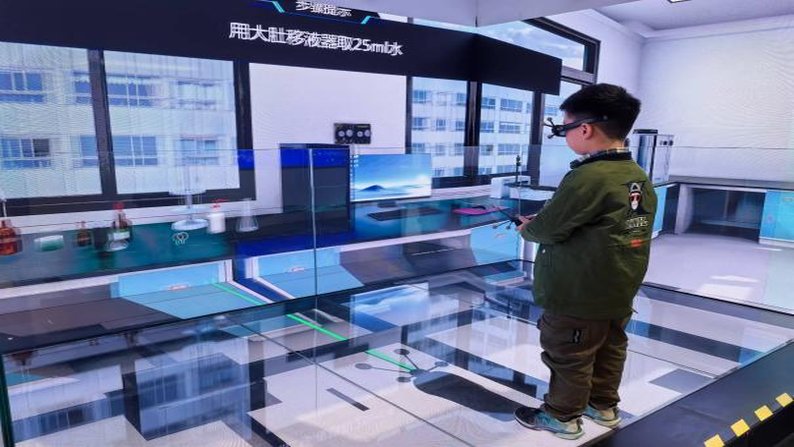
不择知行细流,蕴蓄蓝绿成深:雄安新区生态环境共享中心科普宣传空间营造雄安新区生态环境共享中心VR虚拟实验室(数字化仿真替代实体化学实验,实现科普零危废、低能耗)
6天前 · 来源:雄安新区生态环境监控中心 · 作者:雄安新区生态环境监控中心
