

Company/Organization Profile
BOE Technology Group Co., Ltd. was founded in April 1993. It is a leading innovator in the Internet of Things (IoT), providing smart interface products and professional services for information interaction and human health. BOE has established a “1+4+N+Ecosystem” business architecture with display as the core, integrating IoT innovation, sensors and solutions, MLED, and smart healthcare engineering.
During the 14th Five‑Year Plan period, to effectively implement the Group’s sustainable development strategy and promote the unified planning and effective execution of carbon peaking and carbon neutrality goals, BOE established a Carbon Peaking and Carbon Neutrality Project Team in 2021. The team comprises a leading group and a working group, with the Chairman as the head of the leading group and heads of various business units and organizations as members of the working group. On April 23, 2025, BOE launched the “ONE” (Open Next Earth) sustainability brand, embodying three core values: Open, Next, and Earth.
Technology services, as one of BOE’s “N” application‑scenario businesses, leverage industrial resources and innovative business models to accelerate the implementation of the Group Innovation Center’s “five platforms” and “six products.” In 2025, the business established a “1+3” architecture with park operations as the core, combined with office services, industrial services, and cloud services. Beijing Universal Business Park (UBP) is located at No. 10 Jiuxianqiao Road, Chaoyang District, Beijing. Managed and operated by BOE Technology Group.
机构简介
京东方科技集团股份有限公司创立于1993 年4 月,是一家领先的物联网创新企业,以显示为核心,物联网创新、传感器及解决方案、MLED、智慧医工融合发展的“1+4+N+ 生态链”业务架构。
“十四五”期间,集团部署可持续发展战略,推动碳达峰和碳中和统一规划和有效实施。2025年4月23日,BOE(京东方)推出“ONE”(Open Next Earth) 可持续发展品牌。
科技服务业务作为京东方集团“N”类应用场景业务之一,依托产业资源,创新商业模式,加快集团创新中心“五大平台”和“六大产品”落地。2025 年确立了以园区运营为核心,办公服务、产业服务、云服务融合发展的“1+3”业务架构。北京恒通国际商务园(简称UBP)位于北京市朝阳区酒仙桥路10号,由京东方集团管理运营。
Project Overview
Universal Business Park (UBP) is an existing innovation and business park renewed from an industrial heritage site. It serves more than 230 tenant enterprises as well as employees and visitors. The 260,000 m² site contains 290,000 m² of buildings, where cooling, lighting, office operations and mobility services are the main sources of operational energy use.
Before the project, three decentralized cooling stations at B8, B10 and B12F relied on energy-intensive steam-driven lithium-bromide chillers, resulting in high steam consumption and operating costs. The integrated use of roof space, renewable electricity, sensor-based lighting and electric-vehicle infrastructure also required improvement.
Since 2024, UBP has pursued a retrofit strategy that prioritizes existing resources while maintaining uninterrupted tenant operations, with cleaner energy, upgraded cooling and efficient public-space facilities as its principal objectives.
项目背景
北京恒通国际商务园(UBP)是由工业遗存更新形成的存量科创商务园区,服务230余家入驻企业及园区员工、访客。园区占地26万平方米、建筑面积29万平方米,低层建筑和公共空间数量多,制冷、照明、办公及交通补能构成主要运营能耗。
实施前,B8、B10、B12F三处分散制冷站采用高能耗蒸汽型溴化锂机组,蒸汽消耗和运行成本较高;屋顶资源、清洁电力、感应照明及新能源交通设施的综合利用仍有提升空间。其原因在于存量设施服役时间较长、能源系统分散,且园区需在持续运营、不影响企业办公的条件下完成改造。
自2024年起,园区以“优先利用既有资源、技术改造与低碳使用并重”为目标,推进能源结构优化、制冷系统升级和公共空间节能改造,降低空间使用全过程的能源消耗与碳排放。
Project Implementation
Governance and boundary management. BOE Technology Group, as the park management entity, defined the project boundary around UBP’s shared energy systems, public spaces and user-facing amenities. To protect uninterrupted tenant operations, retrofits were prioritized on rooftops, in plant rooms, parking areas and other shared spaces, with construction, equipment switching and commissioning managed in a coordinated manner.
Activating roof space and cleaning the power mix. Distributed photovoltaics were installed on existing roofs and connected to the park’s internal grid for on-site consumption, producing about 0.7 million kWh annually. Recurring procurement of approximately 5 million kWh of green electricity per year complements on-site generation. Using 0.58 tCO₂ per 10,000 kWh, these two measures avoid about 330.6 tCO₂ annually.
Cooling-system consolidation and electrification. In 2024, the three decentralized cooling stations at B8, B10 and B12F were consolidated into a central station at B8. Energy-intensive steam-driven lithium-bromide chillers were removed and replaced with high-efficiency magnetic-bearing electric chillers. The retrofit saves about 2,900 tonnes of steam per cooling season while adding around 140,000 kWh of electricity. Using 0.26 tCO₂ per tonne of steam and 0.58 tCO₂ per 10,000 kWh, the net annual reduction is 745.88 tCO₂, with annual operating-cost savings of RMB 826,100.
Embedding low-carbon use in everyday space. LED luminaires are used for public-area and street lighting, with sensor-based LED controls installed in selected parking and office areas to reduce lighting when spaces are unoccupied. Solar-powered mosquito-control lamps improve the landscaped environment without additional grid electricity. Thirty-two fast-charging connectors support low-carbon mobility for employees, customers and visitors.
Demonstrating green value through space. Green technology is integrated with business display, meetings and visitor engagement. The ZODIAC 744 space combines efficient lighting and renewable energy to create a healthy, comfortable and energy-efficient multi-purpose environment. The project links direct emissions reduction with an improved user experience while building an operational and data foundation for deeper zero-carbon development and tenant collaboration.
项目实施
统筹实施与边界管理。京东方集团作为园区管理主体,将项目范围界定为UBP公共能源系统、公共空间和面向使用者的配套设施。针对存量园区持续运营、改造不能影响企业办公的约束,管理团队依据设备能耗和运行记录识别重点环节,优先在屋顶、能源机房、停车及公共区域开展改造,并把施工组织、设备切换和运行调试纳入统一管理。园区同步归集光伏发电、绿电采购、蒸汽、电量和运行费用数据,按照统一项目边界对改造前后情况进行复核,使节能量、减排量和经济收益具备可追溯的计算基础。
盘活屋顶资源,优化电力结构。园区利用既有建筑屋面建设分布式光伏,所发电量接入园区内部电网并就地消纳,年均发电量约70万千瓦时。在自发绿电之外,园区建立常态化绿色电力采购安排,年均采购绿电约500万千瓦时,以“自发自用+外购绿电”方式提高运营用电的清洁化水平。按申报材料采用的0.58吨二氧化碳/万千瓦时核算系数,两项措施年减排约330.6吨二氧化碳。
重构制冷系统,实施电气化节能改造。针对分散制冷站效率低、蒸汽消耗高的问题,园区于2024年完成空调系统升级,将B8、B10、B12F三处分散制冷站整合为B8集中制冷站,拆除高能耗蒸汽型溴化锂制冷机组,更换为高能效磁悬浮电制冷机组。改造后每个制冷季减少蒸汽用量约2900吨,新增用电约14万千瓦时。按0.26吨二氧化碳/吨蒸汽和0.58吨二氧化碳/万千瓦时核算,年净减排745.88吨,并节约运行成本82.61万元。
让节能设施融入日常使用。园区公共区域照明和路灯采用LED灯具,部分停车场和办公室配置感应式LED照明,通过“人来灯亮、人走灯灭”减少无效照明,将低碳使用转化为默认运行方式;绿化草坪布设光伏灭蚊灯,在改善使用体验的同时减少市电消耗。园区现有32把快充枪,为员工、客户和访客选择新能源汽车出行提供便利。
以示范空间传播绿色价值。园区将绿色技术与商务展示、会议交流等使用场景结合。园区内“之所744”通过高效照明和可再生能源等措施,形成健康、舒适、节能的复合空间,并作为京东方科技服务绿色低碳空间实践对外展示。项目以设备改造形成直接减排,以空间体验降低使用者参与门槛,并通过日常参访和商务交流向入驻企业、客户及合作伙伴传递绿色空间理念,同步为园区后续零碳建设、能碳数字化和企业协同减碳积累数据与运营基础。
Project Outcome
The project has established a retrofit pathway for existing parks: activating underused assets, optimizing energy systems, embedding low-carbon use in shared spaces and demonstrating replicable solutions. Rooftop photovoltaics generate about 0.7 million kWh annually, while recurring green-power procurement contributes another 5 million kWh. Using the project factor of 0.58 tCO₂ per 10,000 kWh, the two measures avoid about 330.6 tCO₂ each year. In 2024, three decentralized cooling stations were consolidated into one central station. High-efficiency magnetic-bearing electric chillers replaced steam-driven lithium-bromide units, reducing seasonal steam use by around 2,900 tonnes. After accounting for 140,000 kWh of additional electricity, the retrofit delivers a net annual reduction of 745.88 tCO₂ and saves RMB 826,100 in operating costs. Together, the quantified measures avoid about 1,076.48 tCO₂ annually. LED lighting, sensor controls, solar mosquito-control lamps and EV fast-charging make low-carbon choices part of everyday use. The ZODIAC 744 space further demonstrates this model, achieving a reported carbon-reduction rate of 38.94%. Because the approach relies mainly on existing roofs, plant rooms and shared areas, it can be implemented in phases and replicated in other occupied business parks.
成果亮点
项目形成了“既有资源盘活—能源系统优化—公共空间低碳使用—示范传播”的存量园区改造路径。
第一,屋顶光伏年均发电约70万千瓦时,叠加年均约500万千瓦时绿电采购,形成570万千瓦时/年的清洁电力供给,按0.58吨二氧化碳/万千瓦时计算,年减排约330.6吨。
第二,2024年将三处分散制冷站整合为一处集中制冷站,以高效磁悬浮电制冷机组替代蒸汽型溴化锂机组,每个制冷季减少蒸汽约2900吨;扣除新增14万千瓦时用电后,年净减排745.88吨、节约运行成本82.61万元。上述措施合计形成约1076.48吨二氧化碳/年的量化减排。
第三,公共照明LED化、局部感应控制、光伏灭蚊灯和新能源快充设施,使节能降碳嵌入员工、客户和访客的日常使用过程。
第四,园区以“之所744”等低碳空间开展场景验证,其中“之所744”实现降碳率38.94%,形成技术措施、运营管理和空间体验协同的示范。项目的机制创新在于由园区管理方统一组织公共能源改造并服务多家入驻企业,避免各租户重复建设;技术创新在于将分布式光伏、绿电采购、高效磁悬浮制冷和感应照明组合应用,在不中断园区日常运营的条件下同步实现减排与降本。该模式主要依托既有屋顶、机房和公共空间实施,投资边界清晰、运行收益可持续,适用于持续运营中的存量商务园区分步复制。
Project Highlights
On an annual operating basis, the park produces about 0.7 million kWh of photovoltaic electricity and purchases approximately 5 million kWh of green electricity. The cooling retrofit saves around 2,900 tonnes of steam per cooling season while adding 140,000 kWh of electricity use. Applying 0.58 tCO₂ per 10,000 kWh and 0.26 tCO₂ per tonne of steam, the quantified measures avoid about 1,076.48 tCO₂ annually; the cooling project also saves RMB 826,100 per year. The practice covers shared spaces across the 260,000 m² park and supports the daily activities of more than 230 tenant enterprises. LED and sensor lighting, solar facilities and 32 fast-charging connectors provide practical conditions for low-carbon work and green mobility. The experience has been included in BOE’s public presentation of green-development achievements, offering a reference for phased decarbonization in occupied business parks.
成果影响力
按园区年度运行口径,项目年均光伏发电70万千瓦时、采购绿电约500万千瓦时,空调改造每个制冷季减少蒸汽约2900吨并新增用电14万千瓦时。采用0.58吨二氧化碳/万千瓦时电力排放系数和0.26吨二氧化碳/吨蒸汽核算,三项措施合计年减排约1076.48吨二氧化碳;空调改造同时年节约运行成本82.61万元。项目覆盖26万平方米园区公共空间及230余家入驻企业的日常使用场景,通过LED照明、感应控制、光伏设施和32把快充枪,为员工、客户和访客提供低碳办公与绿色出行条件。园区实践被纳入京东方绿色发展成果展示,为存量商务园区在持续运营条件下实施分步减碳提供了可参考样本。
Reviews & Honors
BOE’s Green Development White Paper features the project as a representative case of “innovative green services” and identifies green smart parks and low-carbon digital platforms as priority service areas for the 15th Five-Year Plan period.
UBP’s combined practice of rooftop photovoltaics, green-power procurement, cooling-system retrofit and efficient public facilities has also been systematically documented for Beijing’s Climate-Friendly Area application. The statements and figures can be checked against third-party certification, BOE’s public disclosure and park operating records.
The ZODIAC 744 project within UBP was included in the first batch of 2025 Building Zero-Carbon Space certifications issued by the China Association of Building Energy Efficiency. Through efficient lighting, renewable energy and integrated green measures, the space achieved a reported carbon-reduction rate of 38.94%.
In 2025, UBP was included in Beijing's proposed support list for the second batch of High-Quality Science and Technology Park Development projects. In December of the same year, the park launched a shared incubation space for future-display technologies and was designated a priority service target within Chaoyang District's technology-finance service network. In March 2026, it was recognized as a 2025 Zhongguancun Specialized Industrial Park under the name "Zhongguancun (Chaoyang) Future Display Industrial Park."
评价与荣誉
京东方集团发布的《京东方(BOE)绿色发展白皮书》将该项目作为“创新绿色服务”的代表实践予以收录,并将绿色智慧园区、绿色低碳平台列为集团“十五五”绿色服务重点方向。
UBP园区形成的屋顶光伏、绿电采购、制冷系统改造和公共设施节能组合实践,也已作为北京市气候友好型区域申报内容进行系统梳理。相关评价和数据均来源于第三方认证、集团公开披露及园区运行记录,可供核验。
园区内“之所744”项目已获得中国建筑节能协会2025年第一批建筑零碳空间认证。该空间通过高效照明系统与可再生能源等综合措施,实现降碳率38.94%,体现了京东方科技服务业务在健康舒适、节能低碳空间构建方面的专业能力。
2025年,园区成功入选北京市“高品质科技园区建设(第二批)”项目拟支持名单。同年12月,园区启动未来显示共享孵化空间,并被纳入朝阳区科技金融服务矩阵重点服务范畴。2026年3月,入选2025年度中关村特色产业园:中关村(朝阳)未来显示产业园。
近零碳社区的美育升级---- 长寿苑社区 “低碳实践 + 影像科普” 共建项目
4天前 · 来源:成都市武侯区火车南站街道长寿苑社区居民委员会 · 作者:成都市武侯区火车南站街道长寿苑社区居民委员会
以绿色金融之力推动中国新质生产力!
4天前 · 来源:国泰海通证券研究所ESG及美丽中国研究组 · 作者:国泰海通证券研究所ESG及美丽中国研究组
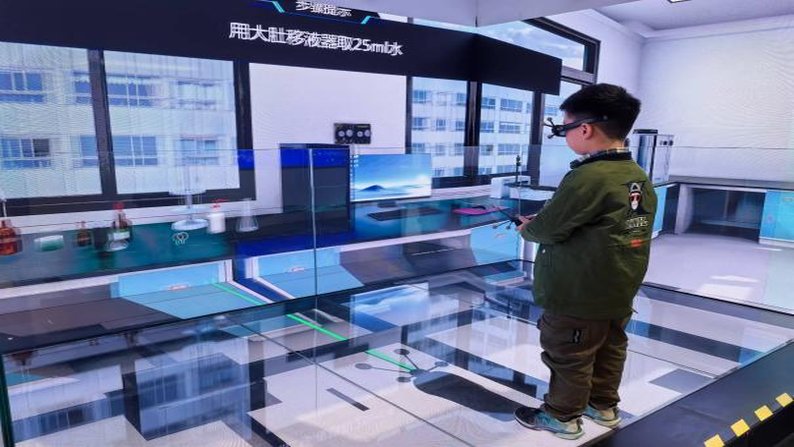
不择知行细流,蕴蓄蓝绿成深:雄安新区生态环境共享中心科普宣传空间营造雄安新区生态环境共享中心VR虚拟实验室(数字化仿真替代实体化学实验,实现科普零危废、低能耗)
6天前 · 来源:雄安新区生态环境监控中心 · 作者:雄安新区生态环境监控中心
