

Company/Organization Profile
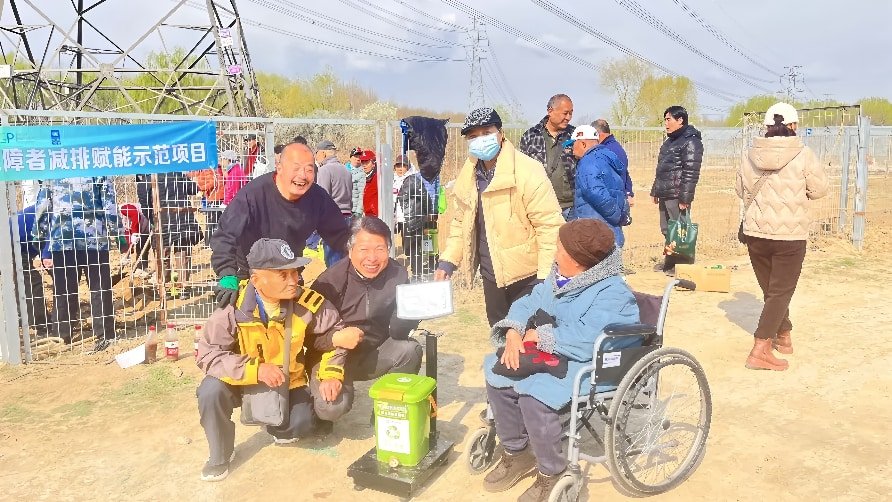
Backed by the UN Small Grants Programme, the Beijing Yuhua Rehabilitation and Care Center for People with Disabilities has launched a series of initiatives, including community space micro-renovations, organic composting, zero-waste skill training, and green markets. Through these efforts, the center has built an inclusive, low-carbon participation platform that bridges people with and without disabilities, fostering social inclusion via ecological action. Pioneering an innovative “Disability Support + Low-Carbon Action” dual-integration model, the center seamlessly combines green practices with the empowerment of individuals with disabilities. By addressing the practical barriers to their ecological engagement, the center is dedicated to transforming people with disabilities into active participants, caretakers, and users of community green spaces. Ultimately, it offers a valuable, NGO-driven practical model for the collaborative building and sharing of sustainable community green environments.
Zhongxinlian Social Work Office of Tongzhou District, Beijing, founded in 2019, is a private nonenterprise institution registered with the Tongzhou District Civil Affairs Bureau. The organization is deeply engaged in community social work, focusing on empowerment for persons with disabilities and community environmental governance. As a collaborating partner, drawing on the United Nations Small Grants Programme, the institution has deeply integrated disabilitysupport services with environmentalprotection issues and innovatively built a twoway "disability support + lowcarbon" model. By cultivating volunteer teams of persons with disabilities and promoting the Bokashi composting and zerowaste concepts, the organization has effectively advanced the integration of people with and without disabilities and community green coconstruction, offering a vivid practical example for grassroots social governance.
机构简介
北京市朝阳区玉华残障人士康养服务中心依托联合国小额赠款项目,开展社区空间微改造、有机堆肥实践、零废弃技能培训、绿色公益市集等系列活动,搭建残健共融的低碳参与平台,以生态实践促进社会包容。
机构创新打造“助残 + 低碳”双向融合模式,将绿色低碳实践与残障群体赋能深度结合,聚焦残障群体参与生态环保面临的现实壁垒,推动残障人士转变为社区绿色空间的参与者、维护者与建设者,为社区绿色共建共享提供社会组织视角下的实践样本。
北京市通州区众心联社会工作事务所成立于2019年,是经通州区民政局登记的民办非企业单位。机构深耕社区社会工作,聚焦残障赋能与社区环境治理。作为协作方,机构依托联合国小额赠款项目,将助残服务与环保议题深度融合,创新打造“助残+低碳”双向模式。通过培育残障志愿者队伍、推广波卡西堆肥及零废弃理念,机构有效促进了残健共融与社区绿色共建,为基层社会治理提供了生动的实践样本。
Project Overview
(AItranslated) This project is implemented in community public spaces and homes of persons with disabilities in Changying Subdistrict, Chaoyang District, Beijing. Its target beneficiaries are local persons with disabilities and their families.
Current Situation: According to survey data, among 116 respondents with disabilities, only 14% took part in household waste sorting and merely 6% mastered correct sorting methods. Persons with disabilities struggled to fulfill statutory obligations under the Beijing Municipal Domestic Waste Management Regulations. Their poor performance in household waste sorting limited their community participation and aggravated barriers to social inclusion. Though 97 respondents expressed willingness to learn wastesorting and emissionreduction skills, accessible participation channels were unavailable.
Cause Analysis: Persons with disabilities face both institutional and noninstitutional barriers to wastesorting engagement. Existing lowcarbon environmental initiatives mostly focus on general publicity, lacking practical pathways tailored to individual differences among people with disabilities. Moderatetosevere persons with disabilities suffer from personal capacity constraints and weak family support systems. They encounter practical difficulties including waste identification barriers and ingrained living habits, while accessible environmental practice opportunities remain insufficient.
Improvement Goals: Rooted in community and household scenarios and taking home composting as a practical medium, the project empowers persons with disabilities to master handson wastesorting and emissionreduction skills, raise environmental awareness and make up for individual capacity gaps. It coordinates volunteers and multiparty community stakeholders to deliver tailored support, foster community green culture, build a disabilityfriendly environment, enable persons with disabilities to equally engage in community greenspace construction, advance inclusive development between people with and without disabilities, and support grassroots practices for Beautiful China.
项目背景
本项目实施空间为北京市朝阳区常营地区社区公共空间与残障人士家庭,服务对象为辖区内残障人士及其家庭。
问题现状:调研显示,受访 116 名残障人士中,仅 14% 参与家庭垃圾分类,仅 6% 掌握正确分拣方法,残障群体难以落实《北京市生活垃圾管理条例》法定责任,家庭垃圾分类实践水平偏低,制约其社区参与,加剧社会融入障碍。尽管 97 人有学习垃圾分类减排的主观意愿,但缺少适配的参与渠道。
原因分析:残障群体参与垃圾分类面临制度与非制度双重障碍。现有低碳环保工作多侧重泛化宣传,缺少适配残障个体差异的实操路径;中重度残障者自身能力不足、家庭支持系统薄弱,存在分类辨识难、旧有生活习惯难转变等现实困境,可参与的环保实践供给不足。
改进目标:项目立足社区与家庭场景,以家庭堆肥为实践媒介,赋能残障群体掌握分类减排实操技能,提升环保意识,补齐个体能力短板;联动志愿者、社区多方力量提供适配支持,培育社区绿色文化,推动残障友好环境建设,帮助残障人士平等参与社区绿色空间建设,促进残健共融,助力美丽中国基层实践。
Project Implementation
This project is led by Beijing Chaoyang Yuhua Rehabilitation Service Center for Persons with Disabilities (Yuhua Center), and collaboratively implemented by Beijing Tongzhou Zhongxinlian Social Work Institute (Zhongxinlian). The implementation period runs from July 2024 to April 2026. Yuhua Center undertakes overall project design, resource coordination and external communication, while Zhongxinlian is responsible for environmentalprotection technology implementation, empowerment of disability caregivers and onsite delivery of various activities. By engaging multiparty resources including community neighborhood committees, property management companies, partner enterprises and university volunteers, the project integrates GEFSGP grant funds and institutional matching funds to deliver fullchain project implementation.
To address the challenges of unstable attendance among participants with disabilities and high onsite carerelated risks, the project improved organizational mechanisms and formulated dedicated emergency response plans. Under the overall coordination of Yuhua Center, with onsite delivery undertaken by Zhongxinlian and university volunteers, a oneonone contact system and groupmatching mechanism were established. A volunteer reserve pool was built and onsite emergency support procedures were refined, effectively mitigating safety risks throughout project delivery.
In response to policycompliance risks arising from ethnicproportion indicators in the initial proposal, the project optimized its operational and management mechanisms. Led by Yuhua Center, the project proposal was revised to immediately remove rigid assessment requirements for ethnicgroup proportions. Services were opened inclusively to people with disabilities of all ethnic groups within the jurisdiction, and statistical standards for participant files were standardized, in compliance with requirements for forging a strong sense of community for the Chinese nation.
Targeting the pain point of insufficient practical composting capabilities among persons with disabilities, technical approaches and service models were optimized to lower participation barriers. Zhongxinlian took the lead in compostingtechnology implementation, supported by Yuhua Center for householdbased services. A combined service model was adopted: “homedelivered supplies, onsite handson tutoring, online group Q&A sessions and teaching with physical teaching aids”, closing the “lastmile” gap for household composting practice.
To cope with weather constraints on outdoor events and manpower shortages during peak activity periods, operational workflows were optimized with implementation by Zhongxinlian and supporting coordination from communities. Measures included setting up additional rest and comfort stations, staggered volunteer deployment, reserving indoor backup venues, and streamlining sciencepopularization presentations. These improvements enhanced activity safety and participation experience for people with disabilities.
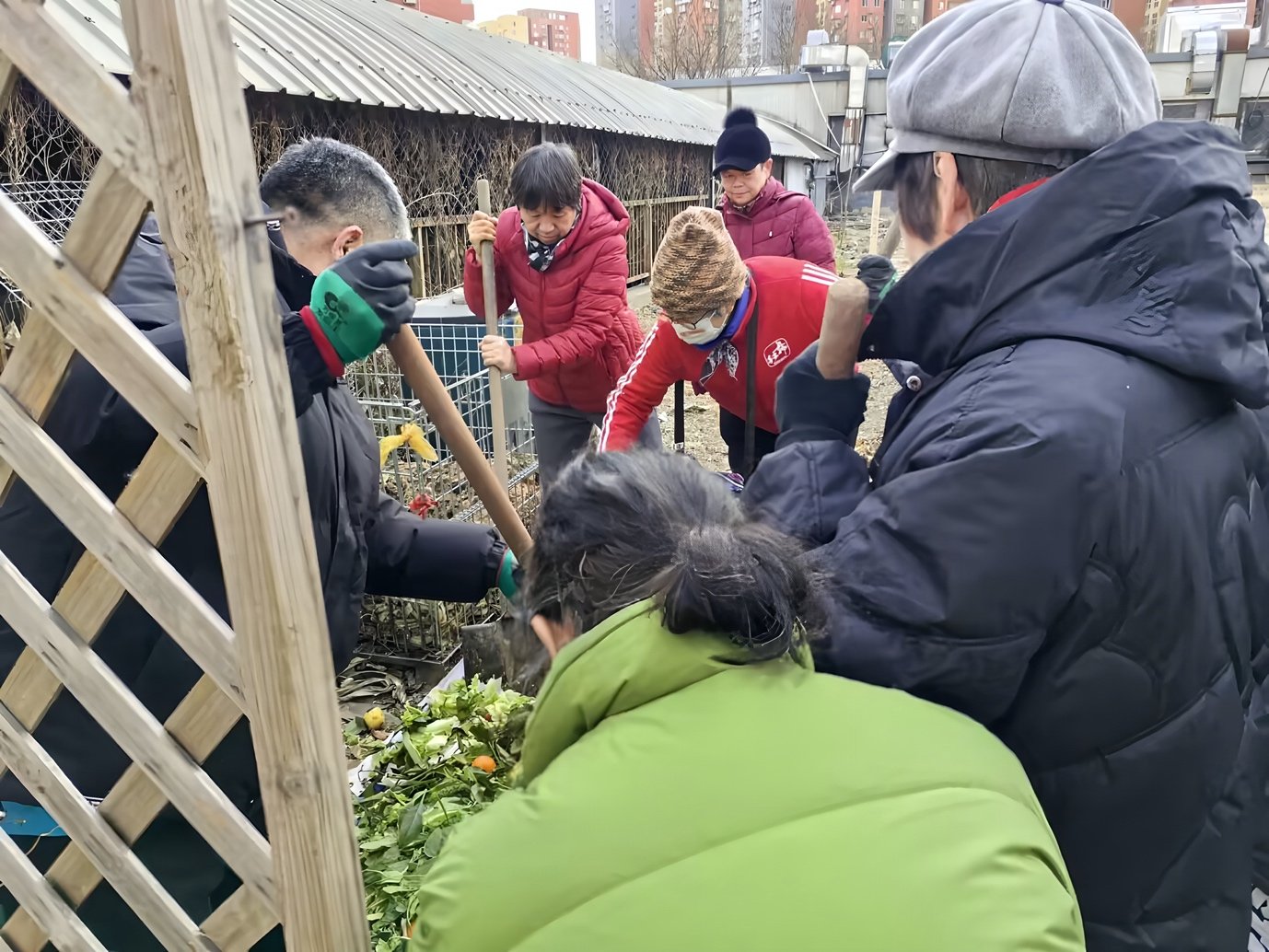
Against practical challenges such as high volunteer turnover, unstable supply of compost raw materials and compostodour issues, resource integration was strengthened and local core teams were cultivated. Yuhua Center liaised with partner enterprises and developed 25 local grassroots female caregiver leaders with disabilities covering 8communities, reducing reliance on external volunteers. Dual supply channels for raw materials — coffee grounds and fallen leaves from community green spaces — were established. The lowodour Bokashi composting process was applied to properly resolve rawmaterial supply and odourrelated problems.
To tackle sustainableoperation challenges upon grant expiry, fixedsite infrastructure development was promoted and an internal microcirculation mechanism was constructed. Yuhua Center engaged local government authorities to integrate the inclusive disabilityintegrated composting base and shared community vegetable gardens into regular community service facilities. A complete set of standardized project documents was compiled. A microcirculation system for replenishing activity consumables was created via charity sales, and followup policy and resource support was actively pursued.
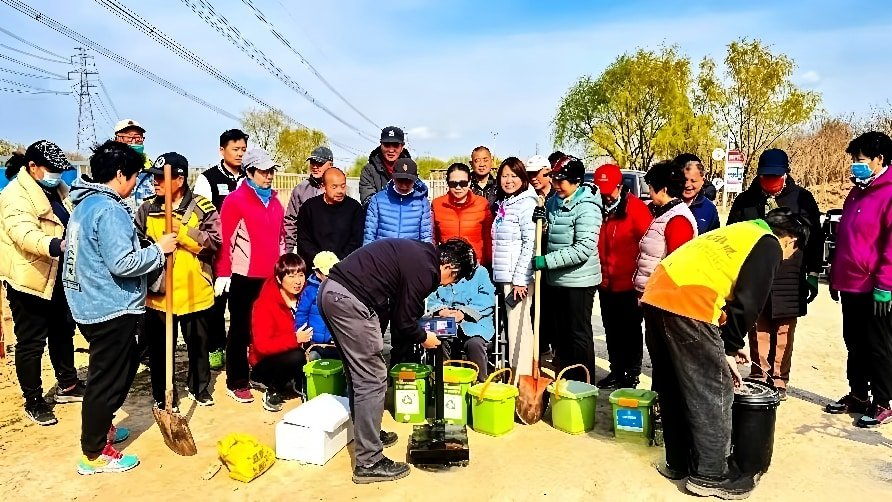
All quantitative project targets were overfulfilled. 16 workshops greenempowerment workshops served a total of 287 persons with disabilities. Landfill diversion of kitchen waste reached 1.2 tons. Ninety households of persons with disabilities were engaged in composting practice, achieving 100 % coverage of the “twobinsonebag” wastedisposal system among these households, with an average kitchenwaste sorting accuracy rate of 84.3 %. Multiple community events including charity fairs and upcyclingcreativity exhibitions were successfully held. The project has created a dualintegration practical model of “disability support plus lowcarbon development”. A casestudy collection From “Passive Beneficiaries” to “Participants, Builders and Beneficiaries of Green Development” was compiled and published. The project received the CCCP Community Kitchenwaste Composting Platform Practice Partner Award. Its derivative crossregional greenempowerment initiative was selected for the “2026 Beijing Demonstration Project for Social Organizations Serving Society”. The project practice model has been referenced and replicated by publicwelfare institutions in other regions of China.
项目实施
本项目由北京市朝阳区玉华残障人士康养服务中心(玉华中心)牵头,北京市通州区众心联社会工作事务所(众心联)协作实施,实施周期为2024年7月至2026年4月。玉华中心承担项目整体设计、资源统筹与对外传播工作;众心联负责环保技术落地、残障照顾者赋能及各类活动现场执行。项目联动社区居委会、物业、合作企业、高校志愿者等多方资源,整合GEFSGP资助资金与机构配套资金,推进项目全链条实施。
针对残障参与者到场不稳定、现场照护风险较高的问题,完善组织机制,制定专项应急预案。由玉华中心统筹,众心联及高校志愿者落地执行,建立一对一联络与分组适配机制,搭建志愿者储备库,健全现场应急保障流程,有效降低项目开展过程中的安全风险。
针对前期方案民族占比指标带来的政策合规风险,优化项目运营管理机制。由玉华中心牵头完成方案修订,第一时间取消民族占比硬性考核要求,面向辖区内各民族残障群体普惠开放服务,规范参与者台账统计口径,落实铸牢中华民族共同体意识相关工作要求。
针对残障群体堆肥实操能力不足的痛点,运用技术手段、优化服务方式降低参与门槛。由众心联主导堆肥技术实施,玉华中心配合开展入户服务,采取“入户配送物资+上门实操教学+线上社群答疑+实物教具授课”组合服务模式,打通家庭堆肥实践的“最后一公里”。
针对露天活动易受天气制约、活动高峰期人力缺口等问题,开展运营流程优化。由众心联负责执行,社区予以协同保障;通过增设休息安抚点位、错峰调配志愿者力量、预留室内备用场地、简化优化科普宣讲形式,提升残障参与者的活动安全性与参与体验。
针对志愿者流动性较强、堆肥物料供给不稳定以及堆肥异味等现实难题,强化资源整合,培育本土骨干队伍。由玉华中心对接联动合作企业,挖掘培育25名残障女性照顾者本土骨干,骨干力量覆盖8个社区,降低对外来志愿者的依赖;搭建咖啡渣、社区绿化落叶双原料供给渠道,采用低异味波卡西堆肥工艺,妥善解决物料供应与堆肥异味问题。
为破解赠款到期后的可持续运营难题,推进阵地固化,构建内部微循环机制。由玉华中心对接属地政府部门,将残健共融堆肥基地、共享菜园纳入社区常态化服务阵地;沉淀全套标准化项目资料,依托公益义卖建立活动耗材补充微循环,积极争取后续政策与资源支持。
本项目各项量化指标均超额完成:16期绿色赋能工作坊累计服务残障人士287人次;实现厨余垃圾填埋减量1.2吨,带动90户残障家庭参与堆肥实践,残障家庭两桶一袋覆盖率达100%,厨余处理平均准确率84.3%;顺利举办公益市集、变废为宝创意成果展等多场社区活动。项目形成“助残+低碳”双向融合实践样板,编制发布《从“被动受助者”到“绿色发展的参与者、建设者与受益者”》服务案例集;项目荣获CCCP社区厨余堆肥平台实践伙伴奖,衍生的跨区域绿色赋能项目入选“2026年北京市支持社会组织服务社会示范项目”,项目实践模式已被外地公益机构借鉴复制。
Project Outcome
1. Significant Pre- and Post-Implementation Contrast with Prominent Quantitative BenefitsBefore and after the project, the green participation of people with disabilities has undergone a qualitative transformation, shifting from the "margins" to the "core." Baseline surveys indicated that prior to implementation, only 14% of the surveyed individuals participated in waste sorting, and merely 6% had mastered the correct sorting methods. Following the project, the coverage rate of standardized "two bins and one bag" disposal in households reached 100%, and the accuracy rate of kitchen waste processing surged to 84.3%. The project conducted 16 workshops serving 287 person-times (exceeding the target by 59.44%), engaging 90 households to reduce landfill-bound kitchen waste by 1.2 tons and produce 994.5 kg of organic fertilizer to nourish community greening, achieving a win-win for both environmental and social benefits.
2. Multi-Dimensional Innovation Driving an Inclusive Practice ModelThe project has achieved comprehensive breakthroughs across mechanisms, technology, collaboration, and models:
Mechanism Innovation: Established a dual-tier Bokashi composting system ("household micro-scale + community centralized scale") with tailored courses designed for different categories of disabilities.
Technical Innovation: Adopted a low-odor anaerobic fermentation process, complemented by "door-to-door guidance + online Q&A" services, significantly lowering the barrier to practical application.
Collaborative Innovation: Built a five-party synergy network ("NGOs + Communities + Enterprises + Universities + Grassroots Leaders") to secure stable resources such as Starbucks coffee grounds.
Model Innovation: Tapped into endogenous strengths by cultivating 25 female grassroots leaders with disabilities (exceeding the target by 66.7%) across 8 communities, forming a peer-support mechanism.
3. Sustainable Operational Mechanism with High ReplicabilityThe project has distilled a complete set of standardized courseware and operational manuals. The composting base has been integrated into the community's permanent service infrastructure, and a micro-circular economy for consumable replenishment has been established through public welfare charity sales, eliminating sole reliance on external funding. This model was awarded the CCCP Community Kitchen Waste Composting Platform Practice Partner Award. Furthermore, the derivative cross-regional green empowerment project was selected as a "2026 Beijing Demonstration Project Supporting Social Organizations in Serving Society," providing a practical and standardized blueprint for communities to carry out inclusive climate action.
成果亮点
1. 实施前后对比显著,量化效益突出
项目实施前后,残障群体在绿色参与上实现了从“边缘”到“核心”的质变。基线调研显示,实施前受访残障人士仅14%参与垃圾分类,仅6%掌握分拣方法;实施后,家庭“两桶一袋”规范投放覆盖率达100%,厨余处理准确率跃升至84.3%。项目累计开展16期工作坊服务287人次(超额59.44%),带动90户家庭实现厨余填埋减量1.2吨,产出994.5公斤有机肥反哺社区绿化,实现了环境效益与社会效益的双赢。
2. 多维创新驱动,构建包容性实践样板
项目在机制、技术、协同与模式上实现全面突破:
机制创新:构建“家庭微型+社区集中”两级波卡西堆肥体系,针对不同残障类别分层设计课程。
技术创新:采用低异味厌氧发酵工艺,配套“上门指导+线上答疑”服务,大幅降低实操门槛。
协同创新:搭建“社会组织+社区+企业+高校+骨干”五方联动网络,稳定获取星巴克咖啡渣等资源。
模式创新:挖掘内生力量,培育25名残障女性骨干(超额66.7%)覆盖8个社区,形成同伴互助机制。
3. 运行机制长效,具备高度可复制性
项目已沉淀全套标准化课件与操作手册,将堆肥基地纳入社区常态化阵地,并通过公益义卖建立耗材补充微循环,摆脱单纯资金依赖。该模式获评CCCP实践伙伴奖。衍生的跨区域绿色赋能项目入选“2026年北京市支持社会组织服务社会示范项目”。为社区开展包容性气候行动提供了可落地的标准化样板。
Project Highlights
This project innovatively builds an integrated model of disabilityinclusive support and lowcarbon development with remarkable comprehensive benefits.
Ecological benefits: From July 2024 to April 2026, the project diverted a total of 1.2 tons of kitchen waste from landfills. Full coverage of the “twobinsonebag” wastesorting system was achieved among 90 households of persons with disabilities, with a kitchenwaste sorting accuracy rate of 84.3%. Adopting lowodour Bokashi composting technology and a dualrawmaterial supply of coffee grounds and fallen leaves, the project formed a recycling loop for community organic waste.
Social impacts: Held 16 green empowerment workshops., serving 287 persontimes of people with disabilities. Twentyfive local female grassroots leaders with disabilities were cultivated across 8 communities. The project won the CCCP Community Kitchenwaste Composting Platform Practice Partner Award. Its published casestudy collection provides practical professional guidance. Its derivative project was selected for the 2026 Beijing Demonstration Project for Social Organizations Serving Society, establishing a replicable and promotable new paradigm for disabilityfocused public welfare and community green governance.
成果影响力
本项目创新构建残障助残 + 低碳发展双融合模式,综合效益突出。
生态层面:2024 7月至2026年4月期间,项目累计减少 1.2 吨厨余垃圾填埋量,在90户残障家庭实现“两桶一袋”设施全覆盖,厨余垃圾分类准确率达 84.3%。依托低臭波卡西堆肥技术,搭配咖啡渣、落叶双原料供给模式,打通社区有机废弃物资源化循环链路。
社会层面:项目开展16期绿色赋能工作坊,服务287人次残障群体,培育25名覆盖8个社区的残障女性基层骨干。项目斩获 CCCP 社区厨余堆肥平台实践伙伴奖,发布的服务案例集提供专业实务参考,衍生项目入选2026 年北京市社会组织服务社会示范项目,打造出可复制、可推广的助残公益与社区绿色治理新范式。
Reviews & Honors
Feedback from Beneficiaries Through green practices such as composting, handicraftmaking and farming, participants with disabilities underwent personal transformation. They moved from isolated homebound lives to community public life, completing their identity shift from passive aid recipients to cobuilders of lowcarbon communities. Caregivers also gained respite support and peertopeer mutualaid opportunities. As a thirdparty evaluator, the subdistrict Disabled Persons’ Federation highly commended the project’s exploration of integrating carbonreduction initiatives with the social inclusion of people with disabilities, deeming it a highly valuable innovation in grassroots social governance.
Donor representatives of UNDP GEFSGP commented that the project achieved twoway empowerment of disabilityinclusive integration and green lowcarbon development, delivering a replicable grassroots practical model.
From an academic perspective, Associate Professor Xing Yuzhou of Beijing University of Technology pointed out that the grassroots organization translated major strategies into ontheground practices. Drawing on a fourtier support network of “individualfamilycommunitysociety”, the project reshaped community ecosystems and offers an important demonstration for grassroots social organizations carrying out inclusive climate action.
Media and Industry Recognition A special results seminar was held, gathering representatives from government authorities, universities and publicwelfare organizations to review project models and experience. Full academic reviews have been produced for its practical cases; these cases together with handson experience have been included in the GEFSGP project repository. Its derivative project was selected for the 2026 Beijing Demonstration Project for Social Organizations Serving Society. The “disability support + lowcarbon development” model has been shared for reference by publicwelfare institutions in other regions. The project team participated in drafting the group standard Technical Specifications for Community Composting.
Awards and Honours The project won the CCCP Community Kitchenwaste Composting Platform Practice Partner Award. Its practical model has been incorporated into the innovation project catalogue under the WarmHome Programme of Chaoyang District Disabled Persons’ Federation, and documented in the annual work plan of Changying Subdistrict for people’s livelihood and zerowaste communities, thus receiving adoption and support within local policy frameworks.
评价与荣誉
评价反馈
服务对象反馈,残障参与者经由堆肥、手工、农耕等绿色实践实现自我蜕变,从封闭居家走向社区公共生活,完成由被动受助者向社区低碳共建者的身份转变,照护群体也获得喘息支持与同伴互助。第三方街道残联高度认可项目将低碳减排与残障社会融合相结合的探索实践,认为其是基层社会治理极具价值的创新。联合国开发计划署 GEFSGP 资助方评价项目达成残健融合与绿色低碳双向赋能,产出可复制的基层实践样本。
北京工业大学邢宇宙副教授从学术层面指出,项目以小机构落地大战略,依托 “个人家庭社区社会” 四级支持网络,重塑社区生态,为草根社会组织开展包容性气候行动提供重要示范。
媒体 / 行业认可
项目举办专题成果研讨会,汇聚政府、高校、公益机构多方代表复盘模式经验;实践案例形成完整学术评述,案例及实操经验纳入 GEFSGP 项目储备库;衍生项目入选 2026 年北京市支持社会组织服务社会示范项目,“助残 + 低碳” 模式向外地公益机构输出借鉴。项目团队参编《社区堆肥技术规范》团体标准。
奖项荣誉
项目荣获 CCCP 社区厨余堆肥平台实践伙伴奖;实践模式被纳入朝阳区残联温馨家园创新项目库,写入常营街道民生与无废社区年度工作方案,获得地方政策吸纳支持。

近零碳社区的美育升级---- 长寿苑社区 “低碳实践 + 影像科普” 共建项目
4天前 · 来源:成都市武侯区火车南站街道长寿苑社区居民委员会 · 作者:成都市武侯区火车南站街道长寿苑社区居民委员会
以绿色金融之力推动中国新质生产力!
4天前 · 来源:国泰海通证券研究所ESG及美丽中国研究组 · 作者:国泰海通证券研究所ESG及美丽中国研究组
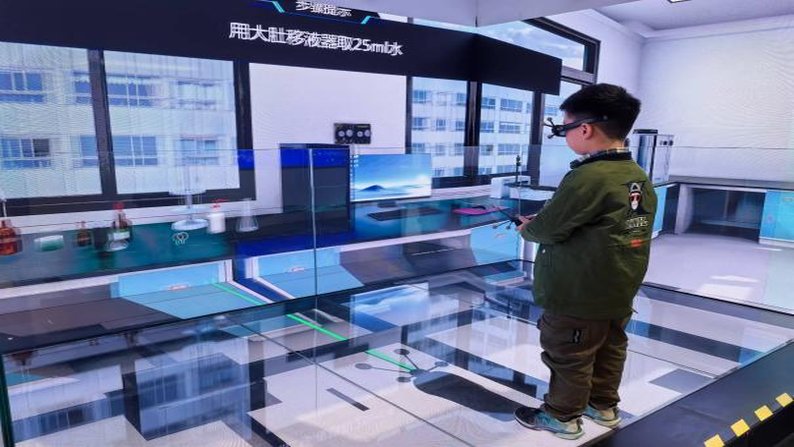
不择知行细流,蕴蓄蓝绿成深:雄安新区生态环境共享中心科普宣传空间营造雄安新区生态环境共享中心VR虚拟实验室(数字化仿真替代实体化学实验,实现科普零危废、低能耗)
6天前 · 来源:雄安新区生态环境监控中心 · 作者:雄安新区生态环境监控中心
