

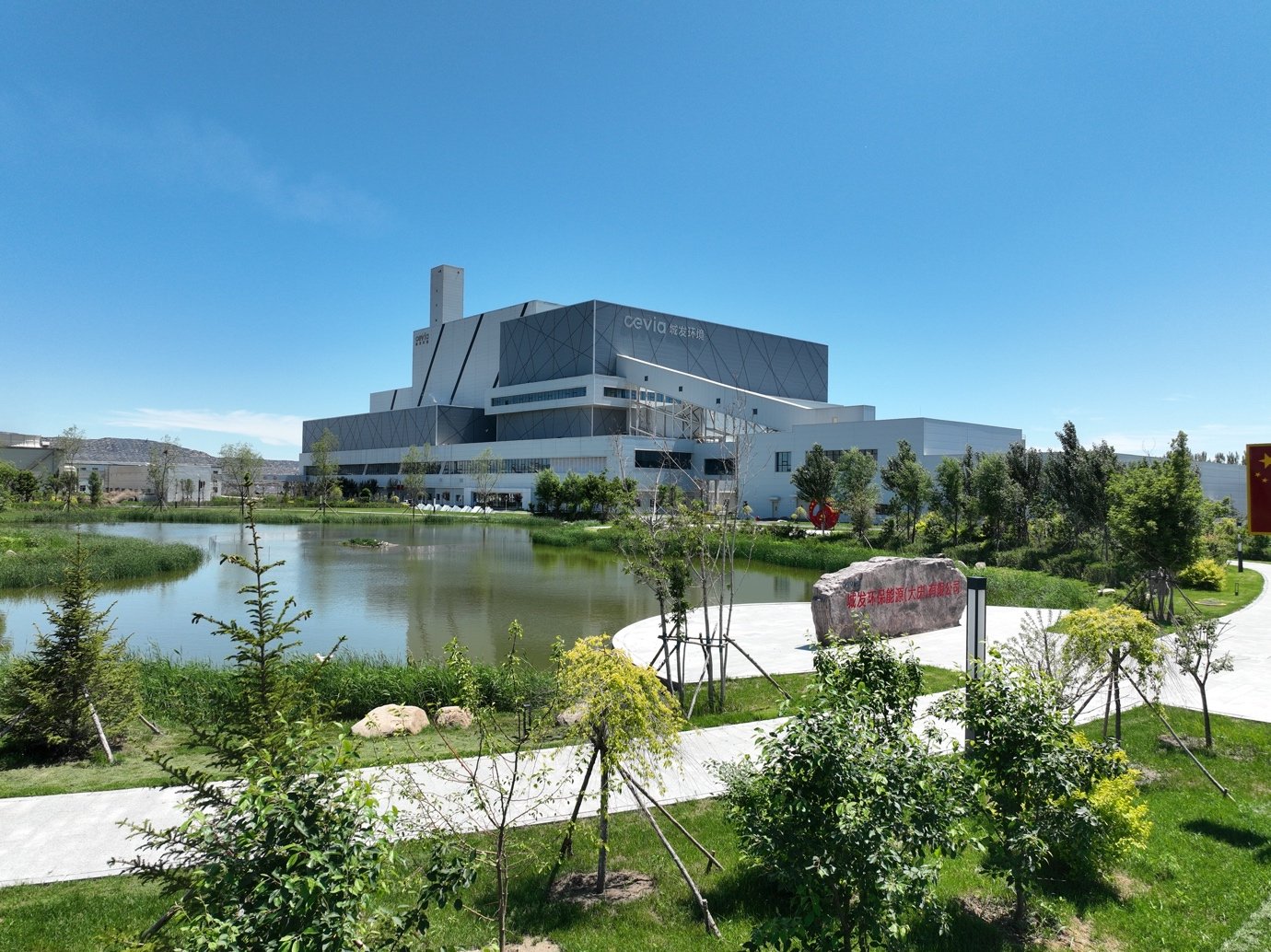
Company/Organization Profile
Daging Ecological and Environmental Bureau of Heilongjiang Provincepractices ecological civilization thinking, coordinates ecologicalgovernance and science- popularization publicity, tells the oil- cityecological stories, guides public participation in environmentalprotection, and builds a beautiful, livable green Daging with blue skiesand clean waters.
机构简介
黑龙江省大庆市生态环境局,践行生态文明思想,统筹生态治理与科普宣传,讲好油城生态故事,引导公众参与环保,聚力共建天蓝水净、绿色宜居的美丽大庆大庆市人民。
Project Overview
I. Current Problems
The Anzhaoxin River is a key artificial flood‑control and drainage channel that receives domestic sewage, industrial tailwater and stormwater runoff along its course. The Guqia Sluice at its downstream end serves as a national water‑quality assessment section. While the overall water quality of the river basin has improved, notable weaknesses remain in environmental stability. Pronounced seasonal water‑quality fluctuations are observed: indicators including ammonia nitrogen, total phosphorus and COD tend to rebound during flood seasons and ice‑bound periods. Slow water replacement in dry seasons creates substantial pressure for consistent compliance with water‑quality standards.
Pollution sources are diverse. Exogenous pollution arises from combined sewer overflows, industrial wastewater, agricultural non‑point‑source pollution and scattered rural domestic sewage. Pollutants accumulated in river and lake sediments cause continuous endogenous release, undermining water‑quality improvement. As an artificial channel without natural inflow recharge, it features poor water flow and weak self‑purification capacity. Spanning Daqing and Suihua cities, cross‑regional coordinated supervision is challenging. Numerous discharge outlets and treatment facilities also impose heavy burdens on routine operation and supervision.
II. Cause Analysis
First, the river is subject to inherent hydrological constraints. The long ice‑bound period in cold regions limits the water body’s self‑purification capacity. Second, long‑term pollutant intake has left severe legacy sediment‑pollution issues. Third, gaps persist in urban‑rural pollution control, and the cross‑regional joint prevention‑and‑control mechanism needs further refinement. Fourth, joint scheduling and emergency regulation for various treatment projects require optimization, and full treatment benefits have not yet been realized.
III. Improvement Objectives
Integrate the management of water resources, water environment and water ecology, and prioritize both pollution‑source reduction and ecological restoration. Continuously cut loads of major pollutants, curb risks of water‑quality deterioration, and achieve year‑round stable compliance at the national assessment section. Standardize the management of sewage outlets, reduce various exogenous pollution sources, strengthen operation and maintenance of constructed wetlands, mitigate endogenous pollution and restore aquatic ecosystems. Improve cross‑regional collaborative governance, monitoring‑early‑warning and emergency‑response mechanisms, implement regulatory responsibilities for all stakeholders, realize refined basin‑wide management, and steadily enhance the river’s ecological and environmental quality.
项目背景
一、问题现状:安肇新河是区域重要人工防洪排涝干渠,承接沿线生活、工业退水及雨洪排泄,末端古恰泄洪闸为国控考核断面。目前流域水质整体向好,但水环境稳定仍存在诸多短板。水质季节性波动问题突出,汛期、冰封期氨氮、总磷、COD指标易反弹,枯水期水体置换缓慢,稳定达标压力较大。同时污染来源多元,城镇雨污混排溢流、工业废水、农业面源及农村生活散排形成外源污染叠加;河道及泡沼底泥长期蓄积污染物,内源释放持续影响水质。加之该河道为人工渠系,无天然来水补给,水体流动性、自净能力薄弱,且跨大庆、绥化两市,跨区域协同管控难度大,沿线排口、治理设施点位多,常态化运维监管压力较重。
二、原因分析:一是河道先天水文条件不足,寒区冰封期长,水体自净能力有限;二是长期纳污导致底泥污染遗留问题突出;三是城乡污染管控仍有短板,跨区域联防联控机制不够完善;四是各类治理工程联动调度、应急调控体系有待优化,治理效能未完全释放。
三、改进目标:统筹水资源、水环境、水生态治理,坚持控源减排与生态修复并重。持续削减主要污染物负荷,严控水质反弹风险,实现国控断面全年稳定达标。全面规范排污口管控,压减各类外源污染,强化人工湿地系统运维,治理内源污染、恢复水生生态。健全跨区域协同治理、监测预警及应急处置机制,落实各方监管责任,实现流域精细化管控,持续改善河道生态环境质量。
Project Implementation
I. Existing Problems
Against the prominent problem of seasonal water‑quality fluctuations and unstable compliance in the Anzhaoxin River basin, the watershed is confronted with multiple deficiencies including superimposed exogenous pollution, endogenous pollutant release from sediments, weak water self‑purification capacity and difficulties in cross‑regional supervision. Indicators such as COD, ammonia nitrogen and total phosphorus are prone to rebound during flood seasons and ice‑bound periods, bringing heavy pressure for stable compliance at the national monitoring section.
II. Adopted Measures
Focusing on pollution‑source control and ecological improvement, a series of wetland treatment projects have been constructed, including the Anzhaoxin River Constructed Wetland Water‑Purification Project and the Kulipao Water‑Ecological Restoration Project. Multi‑stage constructed wetlands, stabilization ponds and ecological purification water systems are built to reduce incoming pollutant loads into the river. Sediment remediation and aquatic vegetation reconstruction are carried out to mitigate endogenous pollution. Relying on wetland systems, the natural self‑purification capacity of water bodies is enhanced to address ecological weaknesses such as lack of natural inflow and poor water flow, so as to fundamentally improve the capacity for stable water‑quality compliance in the basin.
III. Implementing Entities
Local ecological and environmental authorities, project developers and operation‑maintenance units carry out tasks by division of responsibilities. Towns and polluting enterprises across Daqing and Suihua cities are coordinated to implement governance tasks jointly, forming a working mechanism featuring territorial responsibility, inter‑departmental collaboration and professional operation & maintenance.
IV. Implementation Approaches
1. Engineering‑oriented advancement: Accelerate the completion and commissioning of newly‑built constructed wetlands and water‑ecological restoration projects, improve the terminal ecological purification barrier of the basin, and continuously reduce the total amount of pollutants entering the river.
2. Regular operation and maintenance: Conduct routine management and optimized water‑volume regulation for completed wetland purification systems to guarantee year‑round purification performance.
3. Targeted supervision: Strengthen source control over river discharge outlets, agricultural non‑point‑source pollution and domestic pollution. Leverage water‑quality monitoring and early‑warning systems to dynamically prevent water‑quality deterioration risks in flood seasons and ice‑bound periods.
4. Collaborative governance: Improve the cross‑regional joint prevention‑and‑control mechanism, implement long‑term regulatory responsibilities, and integrate project construction, daily management and emergency response to ensure year‑round stable water‑quality compliance at the national assessment section.
项目实施
一、存在问题:针对安肇新河水质季节性波动、不能稳定达标突出问题,流域存在外源污染叠加、底泥内源污染释放、水体自净能力不足、跨区域管控难度大等短板,汛期、冰封期COD、氨氮、总磷指标易反弹,国控断面稳定达标压力较大。
二、采取措施:聚焦控源提质、生态增效,新建安肇新河人工湿地水质净化项目、库里泡水生态修复工程等系列湿地治理工程。通过构建多级人工湿地、稳定塘、生态净化水系,强化入河污染负荷削减;开展泡沼底泥治理、水生植被重构,治理内源污染;依托湿地系统提升水体自然净化能力,补齐河道无天然来水、流动性差的生态短板,从根本上提升流域水质稳定达标能力。
三、实施主体:由属地生态环境部门、项目建设单位、运维单位分工实施,统筹跨大庆、绥化两市属地乡镇及排污单位协同落实治理任务,形成属地负责、部门联动、专业运维的工作体系。
四、推进方式:
1. 工程化推进:全速推进人工湿地、水生态修复新建工程落地投运,完善流域末端生态净化屏障,持续削减入河污染物总量。
2. 常态化运维:对已建成湿地净化系统实行常态化管护、水量优化调度,保障湿地全年稳定发挥净化效能。
3. 精准化管控:强化入河排口、农业面源、生活污染源头管控,结合水质监测预警,动态防范汛期、冰封期水质反弹风险。
4. 协同化治理:健全跨区域联防联控机制,落实长效监管责任,实现工程治理、日常管控、应急保障一体化推进,确保国控断面水质全年稳定达标。
Project Outcome
Achievements and Before‑after Comparison of the Anzhaoxin River Constructed Wetland Project
As a key terminal project for watershed governance, the Anzhaoxin River Constructed Wetland Project adopts multi‑stage composite purification processes to tackle technical bottlenecks of wetland operation in high‑latitude frigid regions. It stably treats 300,000 cubic meters of water per day in summer and 150,000 cubic meters in winter, offering replicable demonstration experience for northern cold‑area watershed treatment.
Since commissioning, the project has processed 42 million cubic meters of water, removing 405.6 tons of COD, 27.9 tons of total phosphorus and 147 tons of ammonia nitrogen, greatly cutting pollutant loads discharged into the Songhua River. Before implementation, superimposed exogenous and endogenous pollution caused prominent seasonal water‑quality fluctuations at the Guqia Sluice national assessment section. The water body had poor self‑purification capacity, degenerated aquatic vegetation and low biodiversity. After completion, 1,310 mu of wetlands are put into use, with 789,200 square meters of aquatic vegetation restored. Water birds such as egrets and grey cranes return for habitation, and water‑quality fluctuations are significantly reduced to ensure stable compliance.
The project establishes a full‑chain governance system of “source pollution reduction‑process control‑terminal purification”. Continuous wetland landscapes take shape, regional ecological space is improved, the ecological safety barrier of the Songhua River is consolidated, and public satisfaction with ecological environment is enhanced.
成果亮点
安肇新河人工湿地项目成果亮点及实施前后对比:安肇新河人工湿地水质净化项目是流域治理关键性收口工程,创新采用多级复合净化工艺,破解高纬度严寒地区人工湿地冬季运行技术难题,可实现夏季日处理水量30万立方米、冬季15万立方米稳定运行,为北方寒区流域治理提供可复制示范样本。项目投运以来,累计处理水量4200万立方米,削减COD405.6吨、总磷27.9吨、氨氮147吨,大幅降低汇入松花江的污染负荷。实施前,流域受外源、内源污染叠加影响,古恰泄洪闸国控断面汛期、冰封期水质波动突出,水体自净能力不足,水生植被退化,生物多样性较差。项目建成后,1310亩湿地投用,修复水生植被78.92万平方米,白鹭、灰鹤等水鸟回归栖息,断面水质波动明显收窄,实现稳定达标。
该项目构建起“源头减污‑过程管控‑末端净化”全链条治理模式,连片湿地景观逐步显现,区域生态空间品质有效提升,既筑牢松花江生态安全屏障,也切实增强群众生态环境获得感。
Project Highlights
Remarkable Environmental Benefits
Since the project was put into operation, it has treated a total water volume of 42 million cubic meters, removing 405.6 tons of COD, 27.9 tons of total phosphorus and 147 tons of ammonia nitrogen. It has effectively cut the total pollutants discharged into the Songhua River and supported stable water‑quality compliance at the national assessment section of the Guqia Sluice Gate. Aquatic vegetation covering 789,200 square meters has been restored. Water birds such as little egrets and grey cranes have returned to the area, and the wetland ecological environment keeps improving.
Outstanding Social Benefits
A contiguous wetland landscape has taken initial shape, improving the quality of regional ecological space, consolidating the watershed ecological safety barrier and enhancing people’s sense of gain from ecological and environmental improvements.
Strong Demonstration and Reference Value
The project provides replicable practical experience for the construction and operation of constructed wetlands in high‑latitude cold regions of China. It addresses technical bottlenecks for wetland operation in cold winter conditions, and offers great demonstration and promotion value for applying ecological wetlands for estuarine water purification in northern river basins.
成果影响力
环境效益显著。项目投运以来,累计处理水量4200万立方米,COD去除量405.6吨,总磷去除量27.9吨,氨氮去除量147吨,有效削减汇入松花江污染物总量,保障古恰泄洪闸国控断面水质稳定达标;修复水生植被78.92万平方米,白鹭、灰鹤等水鸟回归,湿地生态环境持续改善。
社会效益突出。连片湿地景观初步形成,提升区域生态空间品质,筑牢流域生态安全屏障,提升群众生态环境获得感。
示范借鉴意义强。项目为我国高纬度严寒地区人工湿地建设运行提供可复制实践样本,破解寒区湿地冬季运行技术难题,对北方流域利用生态湿地开展河口水质净化具有较强示范推广价值。
Reviews & Honors
The project’s implementation outcomes have won unanimous recognition from local competent authorities, operation‑maintenance entities and local residents. According to competent authorities, the project effectively mitigates seasonal water‑quality fluctuations of the Anzhaoxin River, greatly improves stable compliance performance of the national monitoring section and makes up deficiencies in the watershed aquatic ecosystem. Local residents generally report remarkable improvement of wetland landscapes and aquatic ecological conditions, with notably enhanced sense of gain from ecological progress.
Third‑party performance evaluation and completion inspection confirm that the project features standardized construction, met target indicators, delivers prominent pollutant‑reduction effects and compliant fund utilization, and its comprehensive benefits have reached design requirements. Industry experts comment that the project is innovatively adapted to operating conditions in high‑latitude cold regions, effectively addresses technical bottlenecks for wetland treatment in northern winters, and provides replicable experience for terminal ecological governance of cold‑region river basins.
Supported as a key project under the 14th Five‑Year Plan Water Pollution Prevention and Control Fund, its governance outcomes have been covered multiple times by local government media. Its model is promoted as a typical case for regional aquatic ecological restoration. Though no formal awards have been obtained, its phased achievements are fully acknowledged by industry practitioners and competent authorities.
评价与荣誉
项目实施成效获得属地主管部门、运维单位及群众一致认可。主管部门反馈,项目有效化解安肇新河水质季节性波动问题,显著提升国控断面稳定达标能力,补齐流域水生态短板。沿线群众普遍反映区域湿地景观明显改善、水生态环境持续向好,生态获得感显著增强。
第三方绩效评估及竣工核查认定,项目建设规范、指标达标,污染物削减成效显著,资金使用合规,工程综合效益达到设计要求。行业专家评价,项目创新适配高寒地区运行工况,有效破解北方湿地冬季治理难题,为寒区流域末端生态治理提供可复制经验。
项目纳入“十四五”水污染防治资金重点支持工程,地方政务媒体多次宣传治理成效,治理模式作为区域水生态治理典型案例推广应用,无相关奖项,阶段性治理成果获行业及主管部门充分认可。

近零碳社区的美育升级---- 长寿苑社区 “低碳实践 + 影像科普” 共建项目
4天前 · 来源:成都市武侯区火车南站街道长寿苑社区居民委员会 · 作者:成都市武侯区火车南站街道长寿苑社区居民委员会
以绿色金融之力推动中国新质生产力!
4天前 · 来源:国泰海通证券研究所ESG及美丽中国研究组 · 作者:国泰海通证券研究所ESG及美丽中国研究组
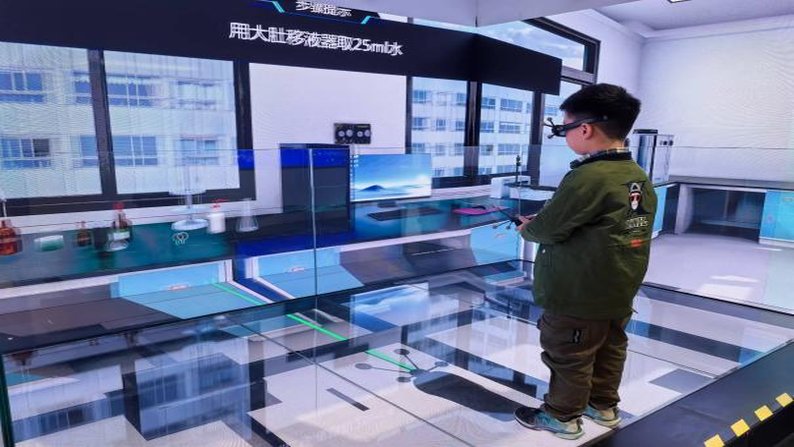
不择知行细流,蕴蓄蓝绿成深:雄安新区生态环境共享中心科普宣传空间营造雄安新区生态环境共享中心VR虚拟实验室(数字化仿真替代实体化学实验,实现科普零危废、低能耗)
6天前 · 来源:雄安新区生态环境监控中心 · 作者:雄安新区生态环境监控中心
