

Company/Organization Profile
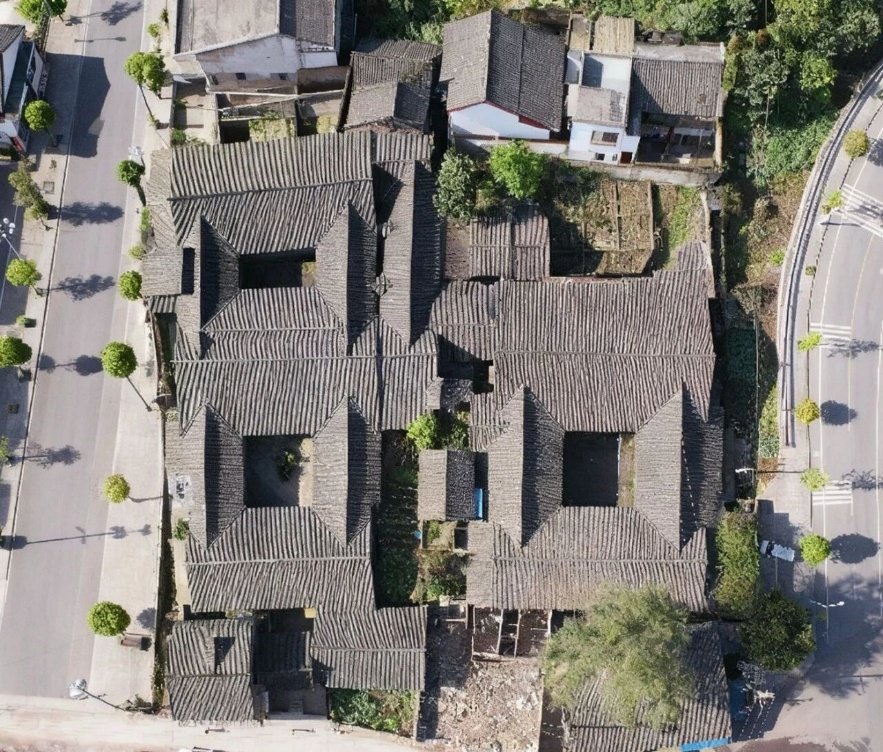
Sichuan Jiang’s Ancient Tea Culture Development Co., Ltd. is located in Jiangjia Courtyard, a national key cultural‑relic protection unit. It focuses on the living inheritance of intangible cultural heritage of the Tea‑Horse Ancient Road and southern Sichuan border tea.
The company adheres to cultural‑relic protection priority, explores green activation of ancient buildings, and carries out ecological science‑popularization and low‑carbon visiting guidance for visitors and study groups. It has no bad records in credit, environmental protection and safety in recent three years.
机构简介
四川姜氏古茶文化发展有限公司,注册地位于全国重点文物保护单位姜家大院内,专注茶马古道、南路边茶(藏茶)非遗活态活化运营,负责姜家大院文旅开放、非遗研学、茶文化传播运营工作。公司坚持文物保护优先,探索文保古建筑绿色活化路径,面向游客、研学团体开放大院公共空间,将藏茶非遗传承、生态环保理念融入院落日常运营与参观服务。企业近三年无信用、环保、安全方面不良记录,以历史院落为载体开展公众生态科普、低碳文明游览引导,打造历史建筑类公共绿色示范空间。
Project Overview
This project takes Jiangjia Courtyard (Gongxing Tea House Site), a national key cultural‑relic protection unit in Yingjing County, Ya’an, as implementation space, serving tourists and study groups.
Before implementation, the old courtyard had relatively high lighting energy consumption, insufficient waste‑sorting facilities matching ancient‑building style, disposable‑tableware waste from tea reception, and limited ecological‑popularization carriers.
Restricted by cultural‑relic protection requirements, large‑scale hardware reconstruction is forbidden. The project aims to build a green public space via micro‑optimization and visitor‑behavior guidance under the premise of cultural‑relic safety.
项目背景
项目实施空间为雅安市荥经县全国重点文物保护单位姜家大院(公兴茶号旧址),是面向社会开放的文保文旅公共空间,服务对象包含散客游客、中小学生研学团队、文化交流访客。
实施前主要痛点:
一是文保古建受建筑形制约束,原有照明能耗偏高,院内缺少适配古建筑风貌的垃圾分类、低碳引导设施;
二是游客参观过程易产生一次性茶饮耗材垃圾,访客缺少直观的生态低碳提示;
三是院落文化展示侧重历史与非遗,生态环保、人与自然共生主题宣教载体不足。
原因在于古建活化运营,必须严格遵守文物保护规范,不能大规模改造硬件,绿色低碳只能走微改造、行为引导、软宣教路径。
项目目标:在不破坏文物本体前提下,通过空间微优化、访客行为引导、茶‑生态主题科普,把百年文保大院打造成为共建共享的绿色公共空间,引导空间使用者践行低碳文明参观。
Project Implementation
Facing high energy consumption of original lamps in cultural relic building without damaging heritage structure, the operation team replaced lamps with energy‑saving ones within cultural‑relic protection rules, canceled disposable tea‑cups and set style‑matched waste‑sorting points.
To enrich ecological popularization carriers, ecological stories of alpine tea plants were integrated into tour narration and study courses, and public‑welfare ecological activities were held for student groups. Long‑term operation rules were formulated, and all interpreters received unified training for low‑carbon advocacy.
Since large‑scale reconstruction is forbidden for heritage sites, the project adopts soft guidance plus minor‑layout mode to carry out green practices without crossing cultural‑relic protection red lines.
项目实施
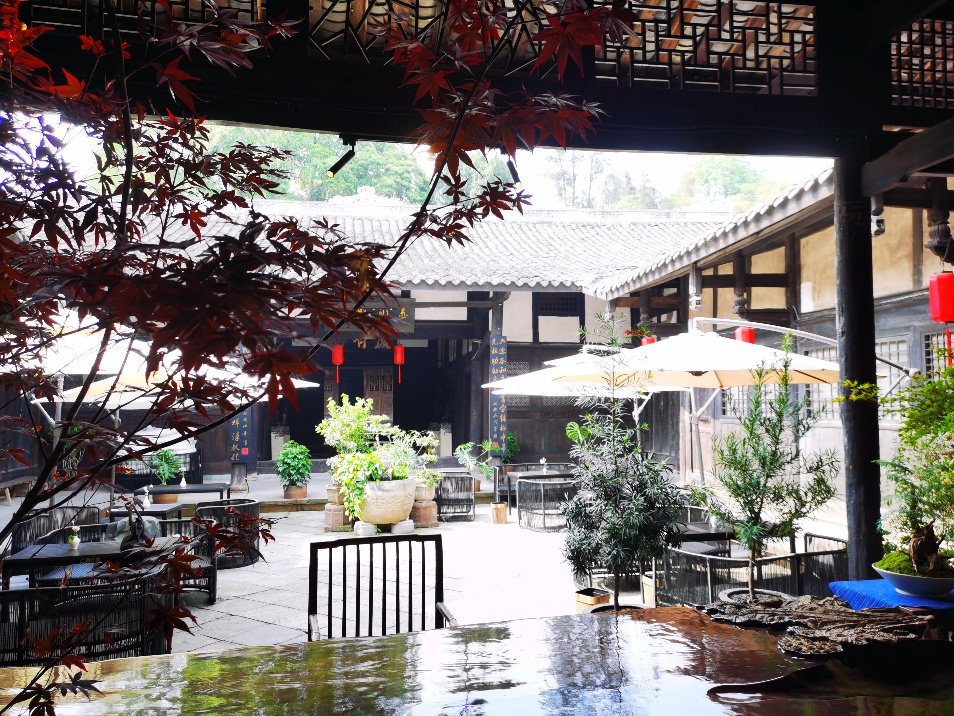
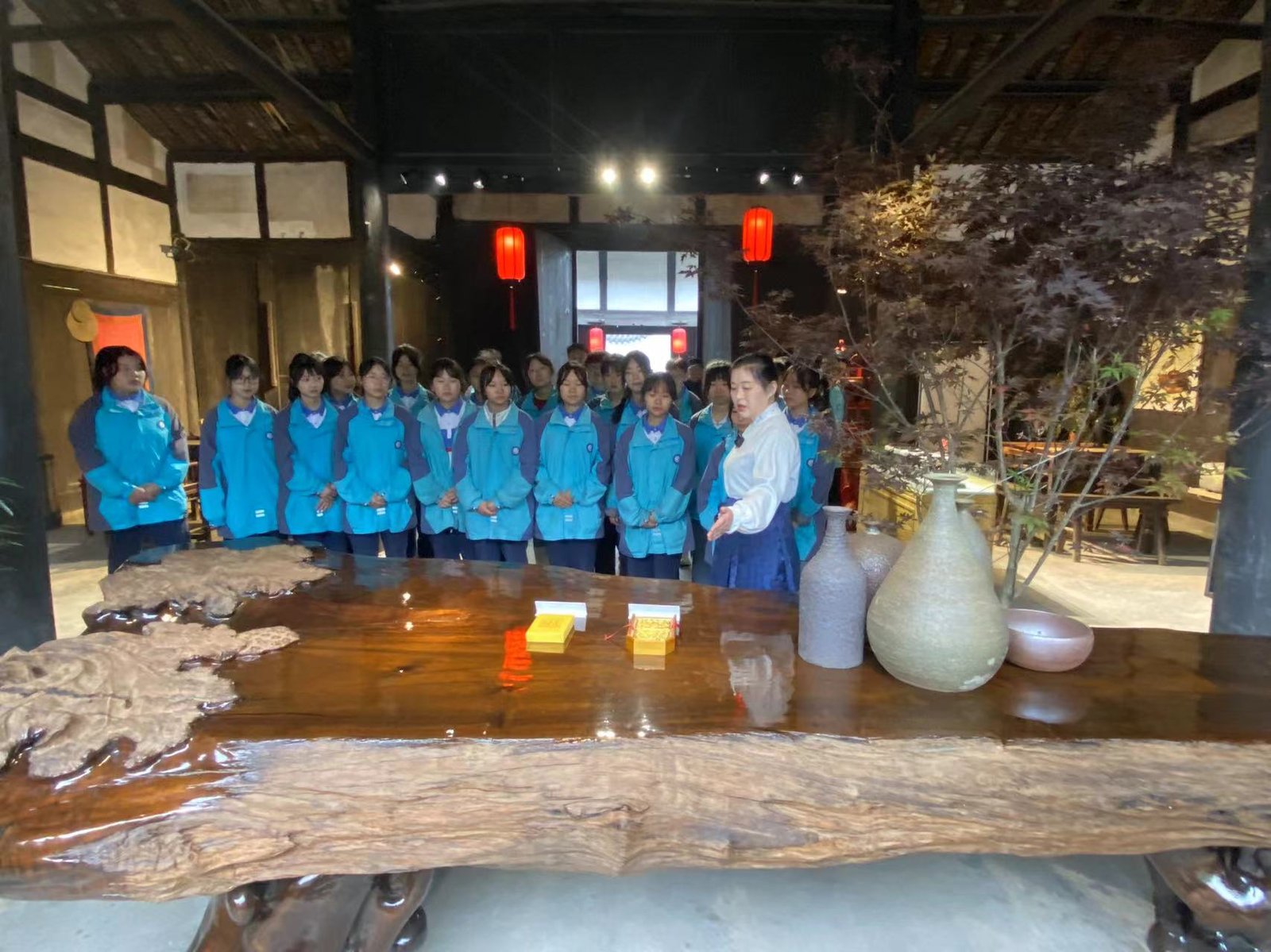
针对古建筑原有灯具能耗较高,又不能改动文物主体结构的问题,由四川姜氏古茶文化发展有限公司运营团队实施,在严格遵循文保修缮规范前提下,分批将院落非文物本体照明更换为节能灯具,不破坏木构建筑与原有风貌;院内接待饮茶环节取消一次性茶杯、茶包耗材,统一复用陶瓷茶具,减少一次性废弃物产生;结合古建景观,增设与院落风貌协调的垃圾分类收集点位与文明参观提示标识,不新增大规模构筑物。
针对访客缺少生态科普载体的问题,运营团队依托大院茶马古道藏茶历史资源,把高山茶树生态故事、山林‑茶园‑人居的生态逻辑融入日常讲解词、研学课程。在参观动线中植入低碳文明游览提示,把“茶叶源于山林、尊重自然、简约低碳”作为研学课堂重要模块,面向学生团体开展茶与生态主题公益研学活动。
针对大院绿色行动缺少长效运行机制问题,建立院落内部运维管理细则,把节能降耗、垃圾减量纳入大院日常运维岗位工作要求;讲解员、研学导师全员统一培训,将低碳行为倡导作为讲解服务固定环节。项目推进中遇到的主要困难:文保单位改造审批约束,无法开展大规模硬件改造。
解决方式:放弃硬件大改,全部采取软引导+局部微替换、轻量布设标识的模式,在文物保护红线以内落地绿色实践。
项目无联合申报单位,全部工作由本公司运营、研学、接待岗位协同落地,持续常态化运行。
Project Outcome
Obvious changes have taken place after implementation: public‑area lighting energy consumption has been reduced, disposable‑tableware waste has been greatly cut down, and random waste‑dropping by visitors has been improved. The project creates a non‑destructive green‑activation mode for national‑level cultural‑relic ancient courtyards.
Instead of large‑scale construction, it realizes green space construction through minor‑facility replacement, cultural‑content implantation and visitor‑behavior guidance under heritage‑protection constraints. Green‑low‑carbon education is deeply integrated with heritage visiting and intangible‑heritage study.
Relevant measures have been solidified into daily operation rules without heavy continuous capital investment, which can provide replicable reference for similar historical public spaces.
成果亮点
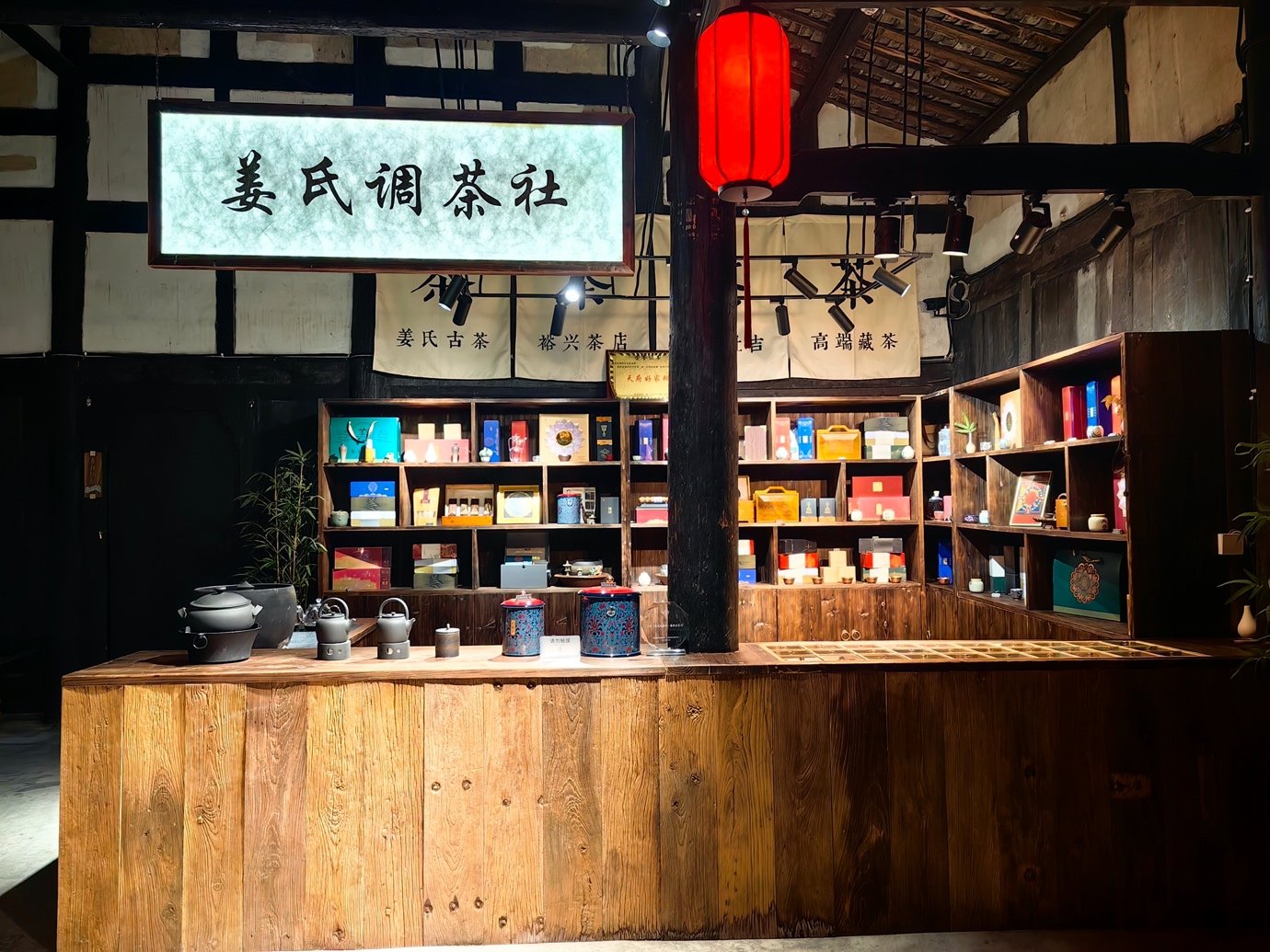
实施前后形成明显变化:照明系统完成节能替换后,院落公共区域照明能耗得到合理压降;接待环节全面停用一次性茶饮器具,院落一次性垃圾产生量明显下降;增设垃圾分类点位,游客垃圾无序丢弃现象得到改善。
模式创新亮点:全国重点文保古建筑的“非破坏性绿色活化模式”。区别于普通园区大工程改造,项目完全在文物保护框架下,不靠大规模土建改造,依靠“设施微替换+文化内容植入+使用者行为引导”实现绿色空间建设,破解文保建筑做低碳实践的改造限制难题。
依托茶马古道藏茶文化载体,把生态低碳教育和文物参观、非遗研学深度融合,做到生态科普润物无声,不割裂历史空间文化氛围。
项目具备长期可持续运行:已经固化进入大院运维管理制度、讲解员服务流程,不需要大额持续基建投入,依靠日常运营即可维持。
可复制性强:国内大量文保古院落、历史街区文旅场所,均可以借鉴这套“少硬件改造、重内容宣教、引导使用者行为”的路径,在文物安全前提下开展绿色空间行动,对历史类公共空间低碳转型具备示范参考价值。
Project Highlights
Statistical period: Mar.2023‑Jul.2026, public‑operation zone of Jiangjia Courtyard. Ecological benefits: energy‑saving lamps reduce lighting power consumption; disposable tea‑service tableware are eliminated to cut waste source; native courtyard plants are preserved.
Social impact: the courtyard has received thousands of visitors and study participants, spreading low‑carbon and nature‑respect concepts to tourists and teenagers. It provides practical samples for green low‑carbon public service of cultural‑relic buildings and supports high‑quality local cultural‑tourism development.
成果影响力
生态环境效益(统计口径:2019年3月‑2026年7月,姜家大院对外开放公共运营区域):公共区域完成节能灯具替换,实现照明用电节约;接待服务全面淘汰一次性茶饮器具,持续减少塑料、纸质一次性废弃物;保留院落原生乡土绿植,维护古院落内部小型生物栖息环境,实现垃圾源头减量。
社会影响:姜家大院作为对外公共文旅空间,累计接待研学、参观访客上万人次,将简约低碳、尊重自然的理念传递给游客与青少年群体;探索出文物保护建筑开展绿色低碳公共服务的实操样本,为雅安本地历史院落活化提供实践参考;将生态保护、非遗传承、茶马古道文化三者融合,助力地方文旅高质量发展。
Reviews & Honors
User Feedback
Numerous teachers and students from study‑tour groups both inside and outside the city, as well as visiting tourists, have given feedback that while preserving the original charm of ancient buildings, Jiangjia Courtyard conveys the ecological concept of symbiosis between tea and mountains and forests.
Visitors receive environmental‑protection science popularization imperceptibly during the historical tour, and positive feedback has been obtained through verbal comments and visitor message books.
Media & Industry Recognition
As a nationally‑key cultural‑relic protection site along the Tea‑Horse Ancient Road, Jiangjia Courtyard has been reported many times by local official media and serves as a cultural‑tourism landmark of the Yandao Ancient City in Yingjing County.
The activation model for cultural‑relic courtyards explored by the project has received on‑site recognition from cultural‑tourism and cultural‑relic authorities. Its operator, the Jiang’s Ancient Tea brand, has been selected into the Sichuan Provincial Agricultural Brand Catalogue, and its foreign cultural‑exchange activities on intangible‑heritage Zang‑tea have been covered by public media on many occasions.
Awards & Honors
Tianfu Good Family Tradition Award, Top‑Ten Good Family Tradition Award, Sichuan Provincial Intangible‑Heritage (Cultural‑and‑Creative) Base for Persons with Disabilities, National Key Cultural‑Relic Protection Unit, Yingjing County‑Level Cultural‑Relic Protection Unit.
评价与荣誉
用户评价反馈:市内外众多研学师生、到访游客反馈,姜家大院在保留古建筑原汁原味的同时,传递茶与山林共生的生态理念,在历史参观过程中潜移默化接受环保科普,获得访客口头与留言本正向反馈。
媒体与行业认可姜家大院作为茶马古道全国重点文保单位,多次被地方官方媒体报道,是荥经严道古城文旅地标,项目探索的文保院落活化模式得到文旅、文物主管部门现场肯定;运营主体姜氏古茶品牌入选四川省农业品牌目录,非遗藏茶对外文化交流多次登上公开媒体报道。
奖项荣誉:天府好家规、十佳好家规、四川省省级残疾人非遗(文创)基地、全国重点文物保护单位、荥经县文物保护单位。
近零碳社区的美育升级---- 长寿苑社区 “低碳实践 + 影像科普” 共建项目
4天前 · 来源:成都市武侯区火车南站街道长寿苑社区居民委员会 · 作者:成都市武侯区火车南站街道长寿苑社区居民委员会

以绿色金融之力推动中国新质生产力!
4天前 · 来源:国泰海通证券研究所ESG及美丽中国研究组 · 作者:国泰海通证券研究所ESG及美丽中国研究组
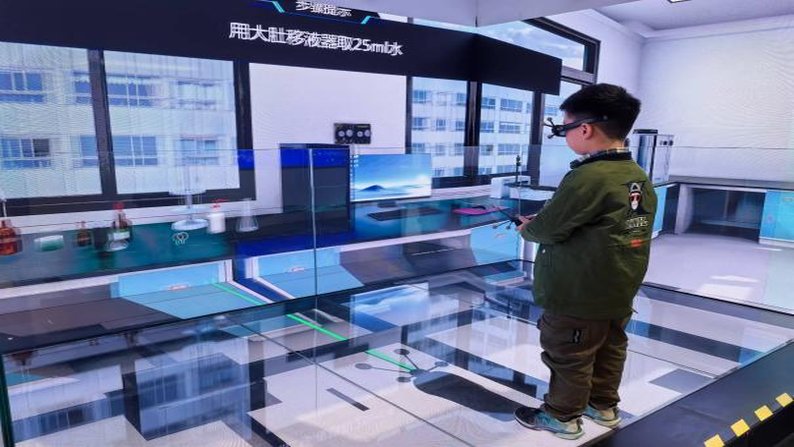
不择知行细流,蕴蓄蓝绿成深:雄安新区生态环境共享中心科普宣传空间营造雄安新区生态环境共享中心VR虚拟实验室(数字化仿真替代实体化学实验,实现科普零危废、低能耗)
6天前 · 来源:雄安新区生态环境监控中心 · 作者:雄安新区生态环境监控中心
