


Company/Organization Profile
The Shangqingsi Subdistrict Office is an agency of the People’s Government of Yuzhong District, Chongqing, located in the north-central part of Yuzhong District. Its jurisdiction borders Daxigou Subdistrict to the east, Lianglukou Subdistrict to the south, Hualongqiao and Daping Subdistricts to the west, and the Jialing River to the north, with a land area of approximately 1.74 square kilometers.
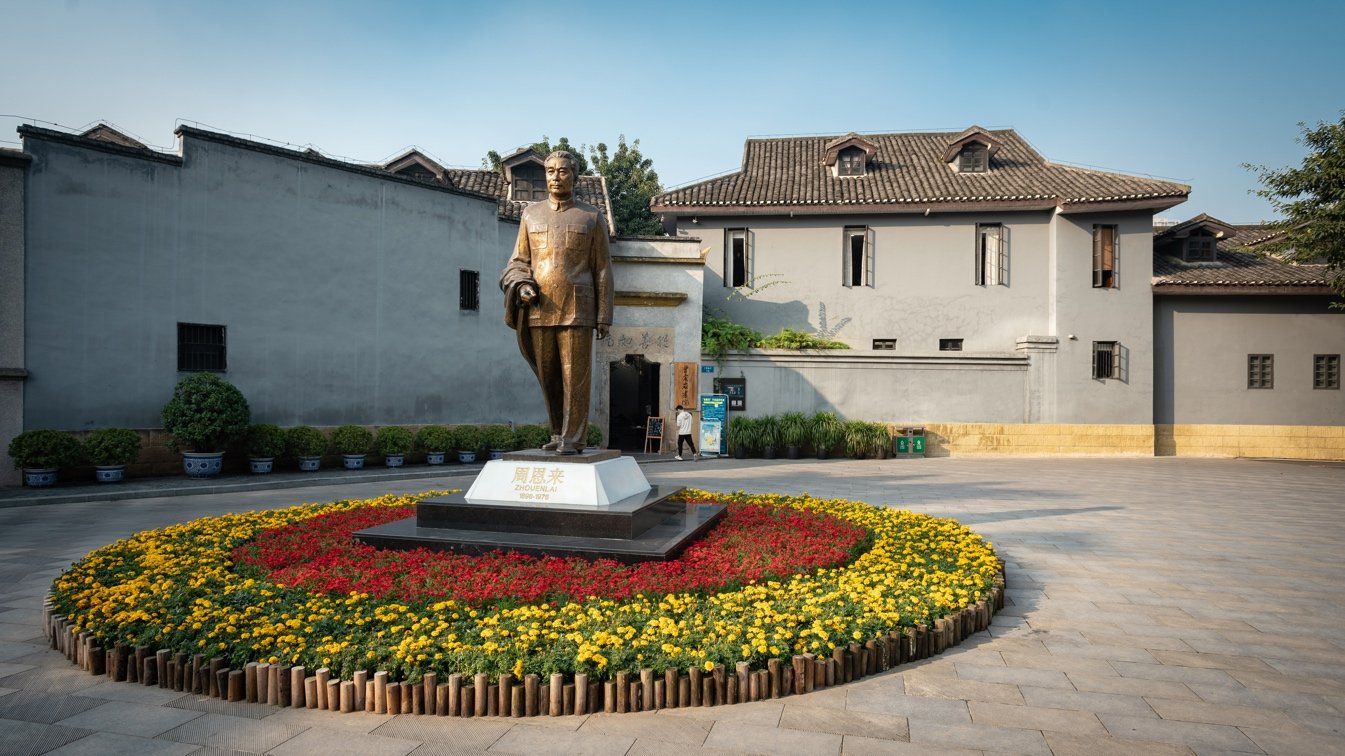
It administers seven communities, including Zengjiayan and Xuetianwan, and has a permanent population of about 60,000. The subdistrict is the seat of the Chongqing Municipal Committee of the Communist Party of China and the Chongqing Municipal People’s Government, giving it a prominent political status. The area is rich in historical and cultural resources, with important heritage sites such as Guiyuan and Zhou Mansion (No. 50 Zengjiayan). Transportation is convenient, as the Niujiaotuo transport hub and Rail Transit Lines 2 and 3 run through the subdistrict. The subdistrict office is located at No. 188 Zhongshan Third Road.
机构简介
上清寺街道办事处是重庆市渝中区人民政府的派出机关,位于渝中区中部偏北。辖区东邻大溪沟街道,南接两路口街道,西接化龙桥、大坪街道,北临嘉陵江,陆地面积约1.74平方公里。下辖曾家岩、学田湾等7个社区,常住人口约6万人。该街道是中共重庆市委、市政府所在地,政治地位突出。辖区历史文化资源丰富,拥有桂园、周公馆(曾家岩50号)等重要历史遗迹。交通便利,牛角沱交通枢纽及轨道交通2号线、3号线贯穿辖区。街道办事处驻中山三路188号。
机构logo:
Project Overview
Zhongshan No. 4 Road, Yuzhong District, Chongqing, is located in the core urban area of Yuzhong District. With a total length of 1.5 kilometers, it is a key carrier of Chongqing’s Anti-Japanese War culture and united front culture.
The area is home to nine cultural relics protection units at national or municipal level, including Zhou Mansion and Guiyuan, as well as four traditional streets and alleys. It covers three primary and secondary schools, four residential communities, more than 60 business operators, and nearly 3,000 permanent residents.
The area has a profound historical heritage, distinctive resource endowments, convenient location and transportation, and diverse integrated business formats. In 2015, the Zhongshan No. 4 Road area was designated as a Traditional Style and Features Area of Chongqing.
In 2019, with the approval of the Municipal People’s Government, it was designated as a Historical and Cultural Block of Chongqing. It has also received honorary titles such as “Most Beautiful Street” and “Best Cultural Street and Alley.”
项目背景
重庆市渝中区中山四路地处渝中区核心城区,全长1.5公里,是重庆抗战文化、统一战线文化核心承载地,集聚周公馆、桂园等9处国家级、市级文保单位及4条传统街巷,覆盖3所中小学、4个居民小区、60余户经营主体、近3000名常住群众,历史底蕴深厚、资源禀赋独特、区位交通便利、业态多元融合。2015年,中山四路片区被划定为重庆市传统风貌区;2019年,经市政府批复同意划定为重庆市历史文化街区;曾获“最美街道”“最佳人文街巷”等荣誉称号。
Project Implementation
The development of the “Beautiful Block” at Zhongshan No. 4 Road, Yuzhong District, Chongqing, has been closely centered on five main themes: historical style and features protection, environmental quality improvement, refined management, green and low-carbon development, and diverse co-governance.
It has been advanced in stages with clear priorities. During implementation, targeted measures were adopted to address specific problems, with implementing entities and methods of advancement clearly defined, forming a closed-loop working process of “problem identification—measure implementation—coordinated advancement—long-term consolidation.”
Addressing the problem of inconsistency between historical building protection and block style. Zhongshan No. 4 Road is home to nine cultural relics protection units, including Guiyuan and Zhou Mansion, and four traditional streets and alleys. Some building facades along the street were aging, shop signs were disorderly, and some new buildings were inconsistent with the historical style.
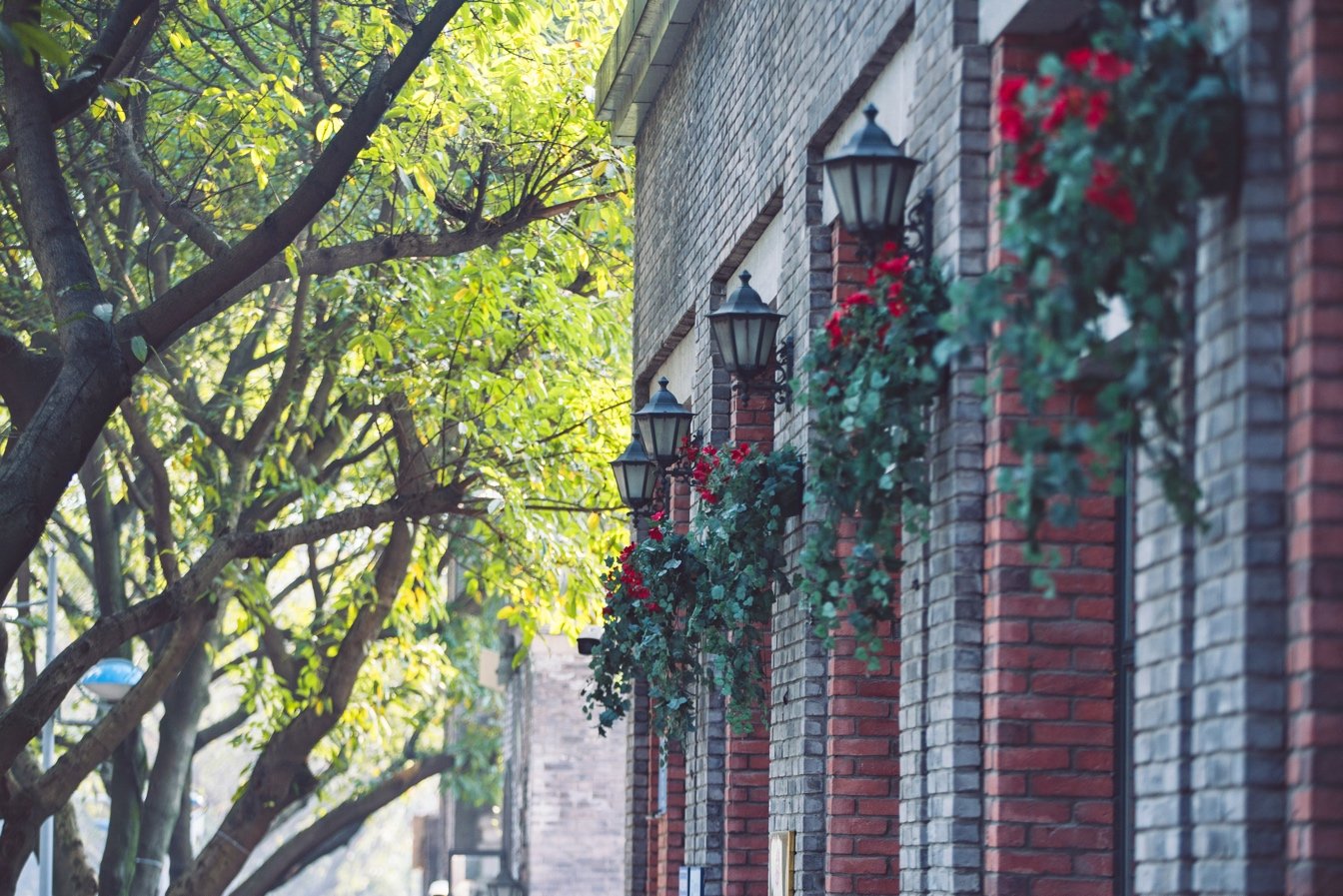
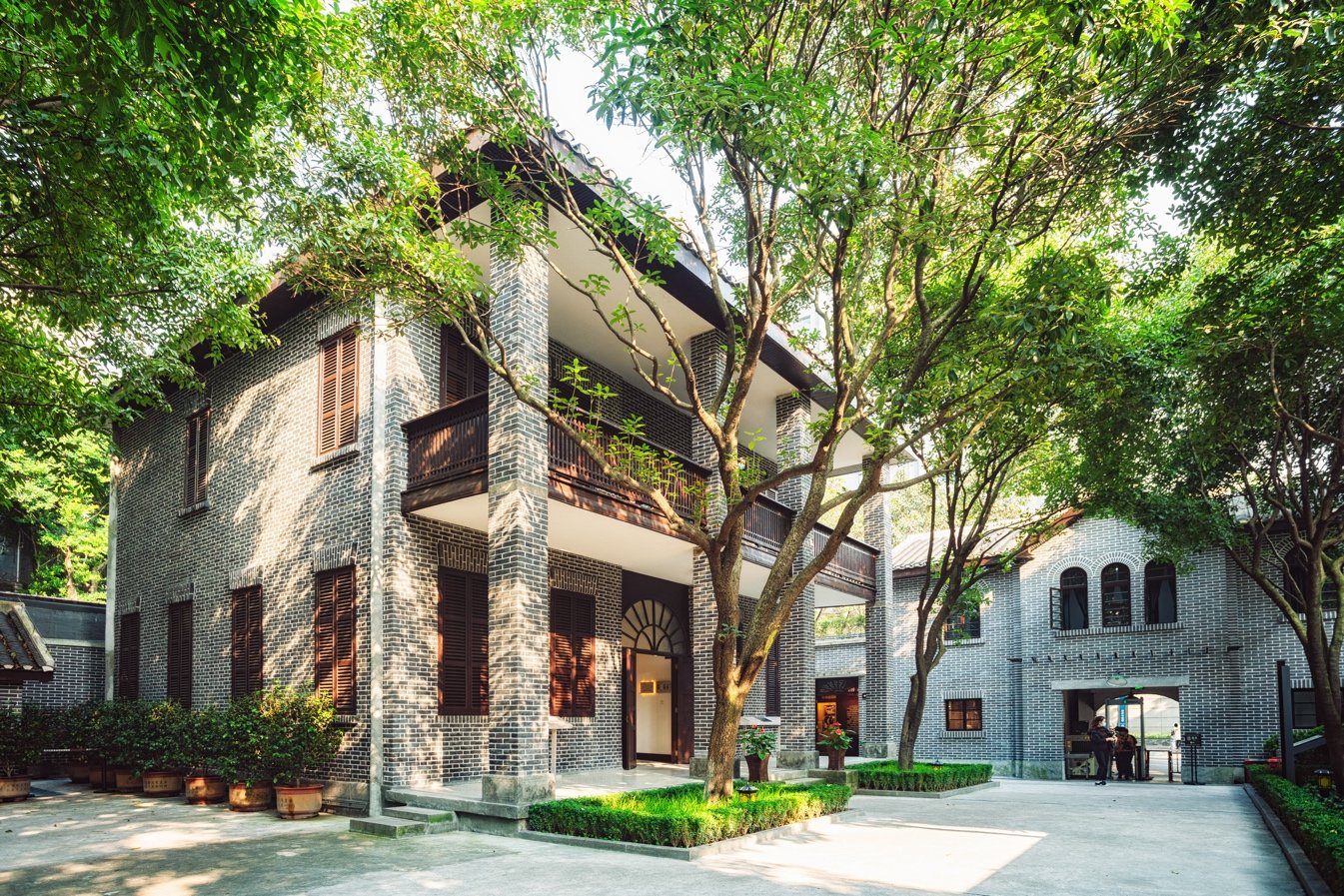
In response, relevant district-level departments, the subdistrict office, and cultural and museum institutions actively coordinated with one another to carry out protective restoration of historical buildings such as Zhou Mansion, Guiyuan, Teyuan, and Dai Mansion. Original walls, components, and detailed textures were preserved, and the original road layout, spatial scale, and street texture of the block were maintained. The exterior walls of 12 old buildings along the route were cleaned and repaired, uniformly adopting the style of blue bricks, black tiles, arched windows, and arched corridors.
Since 2023, a total of 46 shop signs have been standardized, and approximately 21,000 square meters of building facades have been renovated, achieving overall coordination of the street interface.
Addressing the problems of low public space quality, insufficient greenery, and aging facilities. The subdistrict office, together with housing and construction, urban management, and other departments, has continuously promoted micro-renewal of public spaces in conjunction with the renovation of old residential communities.
More than 120 trees and shrubs, including Podocarpus, ginkgo, and jacaranda, have been planted; about 5,000 square meters of greenery have been added along the cliffside footpath; and approximately 5,000 square meters of reinforced concrete cliff face at No. 56 Jiadong Village has been transformed into a three-dimensional greenery landscape.
Permeable ecological pavement has been laid, noise-reducing manhole covers have been installed, underground pipeline networks have been sorted out, and rainwater and sewage have been separated. Sidewalks, rest seats, signage and wayfinding systems, and barrier-free facilities have been improved.
Convenience service facilities such as workers’ rest stations and a children-friendly center have been built, promoting the transformation of the street environment from “basically usable” to “refined and livable.”
Addressing the refined management problems of cooking oil fumes, noise disturbance, and environmental sanitation. The block has diverse business formats and high pedestrian flow, and problems such as oil fumes, noise, and city appearance order are prone to recurrence.
In response, municipal, district, and subdistrict forces have been integrated to form a special remediation team. All catering operators that produce oil fumes have been required to install high-efficiency oil fume purifiers, and regular cleaning and maintenance have been implemented. A system of “online monitoring + grid-based on-site inspections” has been established, with zero tolerance for open-air incineration and open-air barbecues.
Noise monitoring equipment has been installed in key areas, and noise from square dancing and construction has been placed under regular control. A full-road honking ban has been implemented, and reversible lanes have been set up during peak school commuting hours, effectively reducing noise impacts.
A combined operation of “mechanical sweeping + manual fine sweeping + high-pressure washing” has been adopted, with grid-based, all-weather cleaning. Law enforcement forces have been integrated, changing the previous situation of “each managing its own area” to “managing together as one,” thereby promoting continuous improvement in city appearance and order.
Addressing the problems of inconvenient green travel, high public energy consumption, and low-end business formats. The block is located in a mountainous core urban area, where some areas have inconvenient access, new energy supporting facilities are insufficient, and energy management of public buildings is extensive.
In response, transportation and urban management departments, together with units along the route, have opened the new energy minibus route 3209, solving the “last 500 meters” of travel for residents. Twenty new energy charging piles have been installed. Vertical pedestrian passages have been opened, connecting Zhongshan No. 4 Road with the riverside footpath along Jialing River and forming an interconnected three-dimensional slow-traffic network.
Energy-saving street lamps and intelligent lighting equipment have been installed, and the duration of landscape lighting has been reasonably controlled. At the same time, over-commercialization has been strictly controlled, low-end and inefficient business formats have been phased out, and low-carbon formats such as red-themed educational tours, cultural exhibitions, light cultural and creative products, and light food have been introduced.
The Shangqingsi business office of China Construction Bank has obtained carbon neutrality certification by building an Internet of Things-based smart energy consumption management platform and purchasing certified emission reductions.
Wudu Hotel has introduced professional energy-saving service institutions and implemented an overall energy trusteeship service, creating a green and low-carbon demonstration effect in the block.
Addressing the problems of scattered governance entities and insufficient public participation. The block involves government agencies, cultural and museum venues, communities, merchants, residents, and other types of entities, with problems of fragmented management and dispersed responsibilities.
In response, the subdistrict office has adhered to Party building guidance and multi-party coordination, built a unified and efficient platform for joint construction, joint governance, and shared benefits in the block, integrated the resources of units, merchants, and volunteers along the route, and promoted the下沉 of forces and shared responsibilities.
A merchant point-based management system has been innovatively introduced, and the “three responsibilities in front of the door” system has been implemented. A consultation platform has been established to regularly collect the demands of merchants and residents through courtyard discussions, with closed-loop handling of environmental nuisance problems. Residents, tourists, and volunteers have been widely mobilized to participate in greenery maintenance, environmental upkeep, and civilized supervision, making the public builders, guardians, and beneficiaries of the beautiful block.
As an educational unit in the block, Renmin Primary School has actively integrated itself into the development of the beautiful block, implemented campus micro-renewal, raised its greenery coverage rate from 25% to 40%, developed local ecological courses, and organized environmental protection practices, achieving city-school symbiosis and collaborative education.
项目实施
重庆市渝中区中山四路“美丽街区”建设紧扣历史风貌保护、环境品质提升、精细管理、绿色低碳和多元共治五条主线,分阶段、有重点地推进。项目实施过程中,针对不同问题采取针对性措施,明确实施主体和推进方式,形成“问题发现-措施落实-协同推进-长效巩固”的工作闭环。
针对历史建筑保护与街区风貌不协调问题。中山四路集聚桂园、周公馆等9处文保单位和4条传统街巷,部分沿街建筑立面老化、店招杂乱,存在新建建筑与历史风貌不协调等情况。对此,区级相关部门、街道及文博单位积极协同,对周公馆、桂园、特园、戴公馆等历史建筑实施保护性修缮,保留原有墙体、构件、细节肌理,维持街区原有道路格局、空间尺度和街巷肌理;对沿线12栋老旧建筑外墙进行清洗修缮,统一采用青砖黛瓦、拱窗拱廊风格。2023年至今累计规范46处店招风貌,整治立面约2.1万平方米,实现沿街界面整体协调。
针对公共空间品质不高、绿化供给不足、设施老旧问题。街道会同住建、城管等部门,结合老旧小区改造,持续推进公共空间微更新:种植罗汉松、银杏、蓝花楹等乔木灌木120余株,新增临崖步道绿化约5000平方米,将嘉东村56号约5000平方米钢筋混凝土崖壁改造为立体绿化景观;铺设生态透水路面、更换降噪井盖,完成地下管网梳理与雨污分流;完善人行道、休憩座椅、标识导视、无障碍设施,建设劳动者港湾、儿童友好馆等便民设施,推动街巷环境从“基本可用”向“精致宜居”转变。
针对餐饮油烟及噪声扰民、环卫保洁等精细管理难题。街区业态多元、人流密集,油烟、噪声和市容秩序等问题易反复。对此,市、区、街三级力量整合组建整治专班,对产生油烟的餐饮单位全覆盖安装高效油烟净化器,落实定期清洗维护;构建“线上监控+网格员实地巡查”体系,零容忍整治露天焚烧、露天烧烤;在重点区域布设噪声监测设备,常态化管控广场舞、建筑施工等噪声,落实全路段禁鸣,上下学高峰设置潮汐车道,有效降低噪声影响;推行“机械清扫+人工精扫+高压冲洗”组合作业,实行网格化全天候保洁,整合执法力量,变“各管一块”为“一块来管”,推动市容秩序持续向好。
针对绿色出行不便、公共能耗偏高、业态层次偏低问题。街区地处山地核心区,部分区域出行不便、新能源配套不足、公共建筑能耗管理粗放。对此,交通、城管等部门及沿线单位共同参与,开通3209路新能源小巷公交,打通居民出行“最后500米”;布局20个新能源充电桩;打通垂直步行通道,实现中山四路与嘉滨路滨江步道互联互通;更换节能路灯和智能亮化设备,合理管控景观照明时长。同时,严控过度商业化,清退低端低效业态,引入红色研学、文化展览、轻文创、轻食等低碳业态;建行上清寺营业厅通过搭建物联网智慧能耗管控平台、购买核证减排量等方式取得碳中和认证;雾都宾馆引入专业节能服务机构,实行整体能源托管服务,形成街区绿色低碳示范效应。
针对治理主体分散、群众参与不足问题。街区涉及机关单位、文博场馆、社区、商户、居民等多类主体,存在条块分割、责任分散情况。对此,街道坚持党建引领、多方联动,搭建统一高效的街区共建共治共享平台,整合沿线单位、商户、志愿者资源,推动力量下沉、责任共担;创新推行商户积分管理制度,落实“门前三包”责任制;搭建议事协商平台,通过院坝座谈常态化收集商户、居民诉求,闭环处置环保扰民问题,广泛发动居民、游客、志愿者参与绿化管护、环境维护和文明监督,让群众成为美丽街区的建设者、守护者和受益者。
人民小学作为街区教育单位,主动融入美丽街区建设,实施校园微更新,绿化覆盖率从25%提升至40%,并开发本土生态课程、组织环保实践,实现校城共生、协同育人。
Project Outcome
The development of the “Beautiful Block” at Zhongshan No. 4 Road, Yuzhong District, Chongqing, has achieved a significant transformation from “mixed styles, aging facilities, and scattered management” to “unified style, refined environment, and long-term effective co-governance.”
In terms of before-and-after comparison, approximately 21,000 square meters of building facades along the street have been renovated, 46 shop signs have been standardized, and the style of historical buildings and traditional streets and alleys has become more coordinated. More than 120 trees and shrubs have been added to the block, about 5,000 square meters of greenery have been added along the cliffside footpath, and the 5,000-square-meter cliff face at No. 56 Jiadong Village has been transformed from a derelict hard surface into a three-dimensional greenery landscape.
The road greenery coverage rate of Zhongshan No. 4 Road has reached 31.07 percent. Management efficiency has improved markedly: zero complaints about cooking oil fumes were recorded in 2025, Qiuxin Lane was rated as a municipal-level “Quiet Community” in 2025, and 16.56 tons of resources were recycled annually. Green travel conditions have improved significantly, with the new energy minibus route 3209 and 20 new energy charging piles put into operation. Vertical footpaths now connect the riverside space, and a three-dimensional slow-traffic network has taken initial shape.
Within the block, Renmin Primary School has revitalized 28 idle and inefficient corners, saved more than 2.6 million yuan in renovation funds, and achieved a leap in its campus environment from old and crowded to ecologically elegant and child-friendly.
In terms of collaborative innovation, the block has broken down administrative fragmentation and achieved three-level coordination among municipal, district, and subdistrict levels. Multiple forces in law enforcement, environmental protection, transportation, culture and tourism have been integrated, with unified inspection and remediation and grid-based management, promoting problem identification and resolution on the front line.
In terms of technological innovation, AI-based online monitoring, noise monitoring equipment, smart integrated light poles, and Internet of Things-based energy consumption management platforms have been applied to make street management and energy management digital and refined.
In terms of model innovation, a merchant point-based system, energy trusteeship services, and carbon neutrality certification have been introduced. Wudu Hotel has brought in professional institutions to implement overall energy trusteeship, and the Shangqingsi business office of China Construction Bank has obtained carbon neutrality certification, forming a replicable green transition pathway.
The converted amount of energy consumption and emission reduction is equivalent to saving approximately 1,906 tons of water per year or 22,000 sheets of paper. Within the block, Renmin Primary School has deeply integrated the inheritance of its revolutionary school history with campus ecological development.
It has protected the ancient Ficus virens (huangjue) tree cluster on campus, created a natural observation garden under the trees and a characteristic treehouse scene, and built an immersive forest playground by making use of the mountainous terrain. Observation windows were set up in the enclosures during campus renovation, allowing students to observe the entire process of green construction and low-carbon building.
Localized ecological courses such as The Ecological Code of the Ficus virens have been developed, and low-carbon practices have been carried out in cooperation with families, botanical gardens, and research institutions, achieving an organic integration of campus renewal and ecological education.
The project has strong sustainability and replicability. Regular institutional arrangements have been formed for style and appearance control, environmental sanitation, noise control, oil fume supervision, and waste sorting. The multi-stakeholder co-governance platform under Party building guidance, the merchant point-based system, and the consultation mechanism are operating steadily.
The implementation approach centered on micro-renewal and low-carbon renovation is cost-controllable and less disruptive, making it applicable to similar historical and cultural blocks and mountainous old urban blocks, and providing a promotable demonstration experience for the governance of beautiful streets and alleys.
成果亮点
重庆市渝中区中山四路“美丽街区”建设实现了从“风貌混杂、设施老化、管理分散”向“风貌统一、环境精致、共治长效”的明显转变。
实施前后对比方面,沿街建筑立面整治约2.1万平方米,46处店招统一规范,历史建筑与传统街巷风貌更加协调;街区新增乔木灌木120余株,临崖步道新增绿化约5000平方米,嘉东村56号5000平方米崖壁从荒废硬质界面变为立体绿化景观,中山四路道路绿化覆盖率达31.07%。管理效率明显提升,2025年实现餐饮油烟零投诉,求新巷获评2025年市级“宁静小区”,年资源回收利用16.56吨。
绿色出行条件显著改善,3209路新能源小巷公交和20个新能源充电桩投入运行,垂直步道串联滨江空间,立体慢行网络初步形成。街区内人民小学盘活28处闲置低效角落,节约改造资金260余万元,校园环境实现从老旧拥挤到生态雅致、童趣友好的跃升。
协同创新方面。打破条块分割,市、区、街三级联动,整合执法、环保、交通、文旅等多方力量,实行一体化巡查整治和网格化管理,推动问题发现在一线、处置在一线。技术创新方面,运用AI线上监控、噪声监测设备、智慧综合灯杆和物联网能耗管控平台,实现街巷管理和能耗管理数字化、精细化。
模式创新方面。推行商户积分制、能源托管服务和碳中和认证,雾都宾馆引入专业机构实施整体能源托管,建行上清寺营业厅取得碳中和认证,形成可借鉴的绿色转型路径,能耗减排折算量约节水1906吨/年或2.2万张纸。街区内人民小学将红色校史传承与校园生态建设深度融合,守护校内黄桷树古树群,打造树下自然观察园地、树屋特色场景,依托山地地形建设沉浸式丛林乐园,在校园改造围挡设置观察窗口,组织学生全程观摩绿色施工、低碳建设全过程,开发《黄桷树的生态密码》等本土化生态课程,联动家庭、植物园、科研机构开展低碳实践,实现校园更新与生态育人有机统一。
项目具有较强持续性和可复制性。风貌管控、环卫保洁、噪声治理、油烟监管、垃圾分类等已形成常态化制度安排;党建引领下的多元共治平台和商户积分制、议事协商机制稳定运行;以微更新、低碳改造为主的实施方式成本可控、干扰较小,适用于同类历史文化街区和山地老旧街区,可为美丽街巷治理提供可推广的示范经验。
Project Highlights
In terms of ecological and environmental benefits, the road greenery coverage rate of Zhongshan No. 4 Road has reached 31.07 percent, calculated as the proportion of road greenery coverage area to total road area. Approximately 5,000 square meters of greenery have been added along the cliffside footpath, and the roughly 5,000-square-meter cliff face at No. 56 Jiadong Village has undergone three-dimensional greening renovation. A total of more than 120 trees and shrubs have been planted, significantly improving the greenery hierarchy and ecological landscape of the block.
Annual resource recovery and utilization amounts to 16.56 tons, calculated on an annual basis according to the block’s waste sorting, collection, and transportation system. Zero complaints about cooking oil fumes were recorded in 2025, based on statistics from the block’s relevant complaint platform. Qiuxin Lane was rated as a municipal-level “Quiet Community” in 2025.
In addition, the Shangqingsi business office of China Construction Bank has obtained carbon neutrality certification, and Wudu Hotel has implemented energy trusteeship, resulting in more refined public energy consumption management and gradually visible green and low-carbon benefits.
In terms of social impact, the project covers four residential communities, nearly 3,000 permanent residents, more than 60 business operators, and three educational institutions including Renmin Primary School.
It has improved residents’ travel, recreation, and public activity conditions, created a public space for revolutionary culture and a three-dimensional slow-traffic network, and benefited citizens and tourists. Ecological civilization education in schools has extended from campuses to families and radiated into communities, promoting low-carbon living practices and the dissemination of green concepts.
Merchants, residents, students, and volunteers have widely participated in block governance, providing a replicable model for the protection of historical and cultural blocks and green and low-carbon development.
成果影响力
生态环境效益方面,中山四路道路绿化覆盖率达31.07%,统计口径为道路绿化覆盖面积占道路总面积比例;新增临崖步道绿化约5000平方米,嘉东村56号约5000平方米崖壁完成立体绿化改造,累计种植乔木灌木120余株,街区绿化层次和生态景观明显改善。年资源回收利用16.56吨,按街区垃圾分类收运体系年度统计;
2025年餐饮油烟零投诉,按街区相关投诉平台统计;求新巷获评2025年市级“宁静小区”。同时,建行上清寺营业厅取得碳中和认证,雾都宾馆实施能源托管,公共能耗管理更加精细,绿色低碳效益逐步显现。
社会影响方面,项目覆盖4个居民小区、近3000名常住群众、60余户经营主体及人民小学等3家教育单位,改善了居民出行、休憩和公共活动条件,形成红色文化公共空间和立体慢行网络,惠及市民和游客。学校生态文明教育从校园延伸至家庭、辐射至社区,带动低碳生活实践和绿色理念传播。商户、居民、学生、志愿者广泛参与街区治理,为历史文化街区保护与绿色低碳发展提供了可复制样板。
Reviews & Honors
In terms of evaluation and feedback, through channels such as courtyard discussions and consultation meetings, opinions and suggestions from residents and merchants on block style improvement, environmental remediation, and convenience services have received timely responses. Relevant environmental nuisance problems have been handled through a closed-loop process, and the public participation mechanism has operated smoothly.
Government agencies, cultural and museum venues, merchants, communities, and schools along the route have coordinated with one another, forming a pattern of joint construction, joint governance, and shared benefits. Feedback from service recipients has been generally positive.
In terms of awards, honors, media recognition, and industry recognition, Zhongshan No. 4 Road has successively received municipal titles such as “Most Beautiful Street” and “Best Cultural Street and Alley.” In 2015, it was designated as a Traditional Style and Features Area of Chongqing, and in 2019, with the approval of the Municipal People’s Government, it was designated as a Historical and Cultural Block of Chongqing.
Qiuxin Lane was rated as a municipal-level “Quiet Community” in 2025. The Shangqingsi business office of China Construction Bank obtained national-standard carbon neutrality certification and built a “zero-carbon 5G+” smart bank.
Renmin Primary School was rated as a National Civilized Campus and a National Green Campus, and its campus micro-renewal and ecological education practices have been recognized by the industry. The block’s relevant practices have formed a replicable and promotable governance model and have the foundation for further application for recognition.
评价与荣誉
评价反馈方面,通过院坝座谈、议事协商等渠道,居民、商户对街区风貌提升、环境整治和便民服务提出的意见建议得到及时回应,相关环保扰民问题实现闭环处置,公众参与机制运行顺畅。沿线机关单位、文博场馆、商户、社区和学校协同配合,形成共建共治共享格局,服务对象反馈总体积极。
奖项荣誉、媒体及行业认可方面,中山四路先后获全市“最美街道”“最佳人文街巷”等称号;2015年被划定为重庆市传统风貌区,2019年经市政府批复同意划定为重庆市历史文化街区;求新巷获评2025年市级“宁静小区”;建行上清寺营业厅取得国标碳中和认证,建成“零碳5G+”智能银行。人民小学获评全国文明校园、全国绿色校园,其校园微更新和生态育人做法得到行业认可。街区相关做法已形成可复制、可推广的治理模式,具备进一步申报认可的基础。

近零碳社区的美育升级---- 长寿苑社区 “低碳实践 + 影像科普” 共建项目
4天前 · 来源:成都市武侯区火车南站街道长寿苑社区居民委员会 · 作者:成都市武侯区火车南站街道长寿苑社区居民委员会

以绿色金融之力推动中国新质生产力!
4天前 · 来源:国泰海通证券研究所ESG及美丽中国研究组 · 作者:国泰海通证券研究所ESG及美丽中国研究组
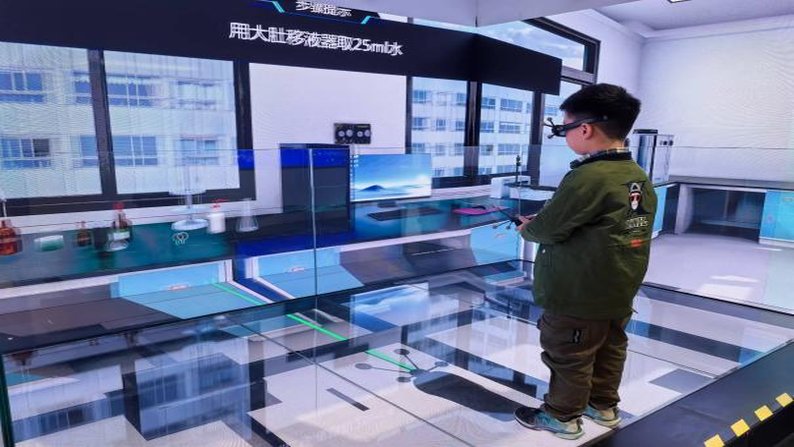
不择知行细流,蕴蓄蓝绿成深:雄安新区生态环境共享中心科普宣传空间营造雄安新区生态环境共享中心VR虚拟实验室(数字化仿真替代实体化学实验,实现科普零危废、低能耗)
6天前 · 来源:雄安新区生态环境监控中心 · 作者:雄安新区生态环境监控中心
