

"It took two
years to transform a 430,000-square-meter garbage dumping area in an urban park
into a low-carbon circular model, and we also formed the replicable 'Chengyang
Model'." At the national case exchange and learning event themed on green
space — "Beautiful China, I am an Actor: Distinguished Green Users for
Space" — Xu Jin, Director of Qingdao Chengyang District Yiqi Fen Community
Environmental Service Center, showcased the practical achievements of the
project "Activating Park Green Space to Drive Low-Carbon Circular
Practices."
“用了两年的时间,把43万平方米的城市公园垃圾堆放区改造成了一个低碳循环的样板,还形成了可复制的‘城阳模式’。”在一场以绿色空间为主题的“美丽中国,我是行动者——绿色空间使用者行动”全国性案例交流学习活动上,青岛市城阳区壹起分社区环境服务中心主任徐进,向大家展示“活化公园绿色空间,带动低碳循环实践”项目的实践成果。
As the largest
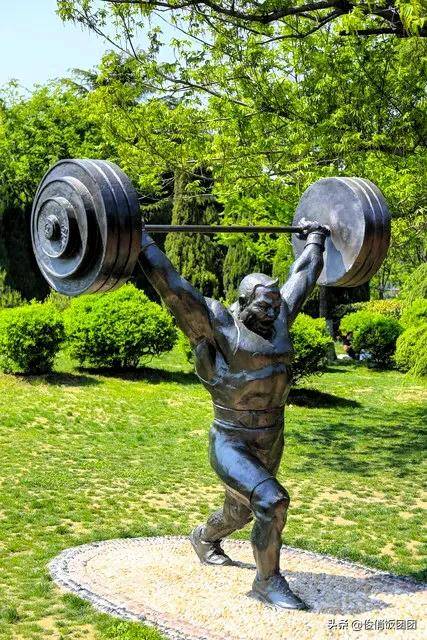
botanical garden in Chengyang District, Qingdao Chengyang Olympic Sculpture
Culture Park is not only a favorite urban green lung for residents but also a
concentrated source of garden waste. Previously, garden waste was disposed of
by transportation outside the area, which was both costly and environmentally
unfriendly. Xu Jin introduced that integrating the traditional cultural concept
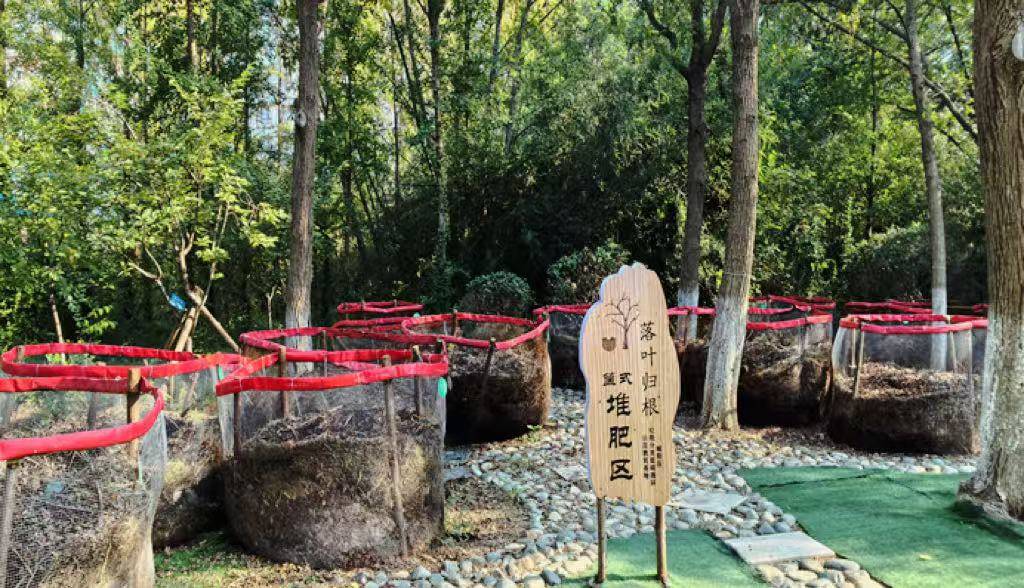
of "fallen leaves returning to the roots," the team transformed the
garbage dumping area into a composting base, equipped with 28 cylindrical
ecological compost baskets with a capacity of 60 cubic meters each. Under the
guidance of professors from China Agricultural University, gardeners
alternately spread dry garden waste such as fallen leaves and dead branches
with high-moisture, perishable kitchen waste such as vegetable roots and leaves
in a certain proportion to achieve on-site composting.
作为青岛城阳区面积最大的植物园,城阳奥林匹克雕塑文化园既是百姓最喜欢去的城市绿肺,同时也是园林垃圾的集中产生地。以前园林垃圾靠外运处置,既花钱又不环保。徐进介绍,结合传统文化中的“落叶归根”思想,团队将垃圾堆放区改造成堆肥基地,设有28个容量达60立方米的圆筒状生态堆肥筐,在中国农业大学的教授指导下,绿化工人将干燥的落叶枯枝等园林垃圾,与菜根菜叶等含水量高、易腐烂的厨余垃圾,按照一定的比例,交互铺撒,实现就地堆肥。
"The cost is
very low — less than 100 yuan per square meter for the compost baskets. The
method is simple and easy to operate. On this basis, we then carry out quality
improvement and efficiency enhancement operations, embedding them into the
daily garbage management system by empowering garden managers, so that it can
be sustained," Xu Jin said. By changing the disposal method of garden
waste, garbage has become a green asset. Fifty percent of the black gold soil
produced by composting is used to build ecological gardens, and the other 50%
is used as "mature compost" to support surrounding schools and
communities in composting. This green, low-carbon, and low-cost composting
method has been promoted in more than 50 local schools and communities. At the
same time, it has become a "Garbage Classification and Low-Carbon Circular
Demonstration Education Base," realizing public-participatory composting
and low-carbon circular education.
“成本很低,堆肥筐每平方米不到一百元,方法简单,容易操作,在这样的基础上,我们再去做提质增效运营保障,通过赋能园林的管理者嵌入到日常垃圾管理体系里面,这样就能持续下去。” 徐进表示,通过改变园林垃圾的处置方式,垃圾变成了绿色资产,堆肥产出的黑金土,50%用于建设生态花园,50%当作“堆肥老料”支持周围的学校小区去做堆肥。绿色低碳、低成本的堆肥方式,已经在当地50多所学校和社区推广。同时,这里已经成为“垃圾分类低碳循环示范教育基地”,实现公众可参与的堆肥低碳循环教育。
This is just one of
the cases of the "Distinguished Green Users for Space" initiative.
Without huge investment or stacking of high-tech hardware, what is displayed
here is a simpler yet more sustainable transformation logic: activating the
low-carbon potential of existing spaces through subtle changes in daily
behaviors.
这仅是“绿色空间使用者行动”的案例之一。没有巨额投资,没有高科技硬件堆砌,这里展示的是一种更朴素却更可持续的变革逻辑:通过日常行为的点滴改变,激活既有空间的低碳潜力。
Green space refers
to open space, defined as "any open land open to the public,"
including parks, community gardens, public green spaces, school playgrounds,
amusement parks, public rest areas, squares, and vacant lots. It can beautify
and improve environmental quality and provide residents with places for leisure
and entertainment. From a landscape composition perspective, green space broadly
refers to any vegetation appearing in the urban environment, including
developed specific places such as streets, squares, and parks with green
vegetation, as well as green and low-carbon facilities and innovative
technology applications in communities, streets, commercial buildings, shopping
malls, and industrial parks.
绿色空间(green space)即开放空间(open space),是指“任何开敞的、向公众开放的土地”,包括公园、社区花园、公共绿地、学校操场、游乐场、公共休息区、广场、空置地段等,可以美化提升环境质量,为居民提供休憩娱乐的场所。从景观构成角度来看,绿色空间广义上是指城市环境中出现的任何植被,包括有绿色植被的街道、广场、公园等已开发的具体场所,也包括社区、街道、商业楼宇、商场、工业园区内的绿色低碳设施和创新技术应用。
The event was
co-initiated by the Ministry of Ecology and Environment’s Center for
Communications and Education, Onewo Space Technology Services Co., Ltd.,
Tsinghua University, Corporate Carbon Neutrality Action, and Dadao Center for
Promoting Climate Change Response. Since its launch in April 2025, a total of
96 cases have been collected through recommendations from the national
environmental communication and education system, covering multiple fields such
as communities, schools, and enterprises, all demonstrating folk innovative
practices in the low-carbon field. These cases all feature "low cost and
high participation," fully showcasing the creativity of folk wisdom in
green practices.
活动由生态环境部宣传教育中心、万物云空间科技服务股份有限公司联合清华大学、企业碳中和行动、大道应对气候变化促进中心共同发起。自2025年4月启动以来,通过全国环境宣传教育系统推荐,共征集到97个案例,覆盖社区、学校、企业等多个领域,其都展示了民间在低碳领域的创新实践。这些案例均体现出“低成本、高参与”的特点,充分展现了民间智慧在绿色实践中的创造力。
Zhang Jian, Vice
President of Tsinghua University’s Institute of Climate Change and Sustainable
Development, said: "The preciousness of these cases lies in solving the
'participation dilemma' of low-carbon transformation. Traditional paths rely on
technology and funds, often making the public feel distant. Here, however,
emission reduction becomes an easy task for everyone." The advantage of
these cases is "using local materials" — leveraging existing
resources and spaces to achieve changes through behavioral design, which
provides a Chinese solution to the world.
清华大学气候变化与可持续发展研究院副院长张健表示:“这些案例的宝贵之处在于破解了低碳转型的‘参与难题’。传统路径依赖技术和资金,往往让公众感到遥远。而这里,减排成为每个人的举手之劳。”这些案例优势在于“就地取材”——利用现有资源和空间,通过行为设计实现改变,这为全球提供了中国方案。
Low carbon is not a
solo performance of technology, but a behavioral art involving all people. When
sharing the company’s exploration process of transforming from property
management to space services, Zhu Baoquan, Chairman of Onewo, said: "We
once thought low-carbon transformation required large-scale investment, but
practice has told us that real change starts with human behavior. In Shenzhen,
we optimized building energy consumption through algorithms and trained
employees on energy-saving habits, reducing electricity consumption in some
projects by 8% below the city average without relying on new equipment. The
core of green space is 'making good use of existing resources,' which is a soft
upgrade highly consistent with the folk wisdom of 'making the best use of
things.'"
低碳不是技术的独角戏,而是全民参与的行为艺术。万物云董事长朱保全在分享企业从物业管理向空间服务转型的探索历程时表示,“我们曾认为低碳转型需要大手笔投入,但实践告诉我们,真正的变革始于人的行为。在深圳,我们通过算法优化楼宇能耗,培训员工节能习惯,使部分项目用电量低于全市平均水平8%,而这并没有依赖新设备。绿色空间的核心是‘用好既有资源’,这是一种软性升级,与民间智慧中‘物尽其用’的理念高度契合。”
Yin Yan, Secretary
of the Party Committee of Huanbao Community, Beihu Sub-district, Jianghan
District, Wuhan, prefers to emphasize "increased participation rate"
rather than emission reduction data, because behavioral change is the lasting
driving force. The community stimulates residents' enthusiasm for participation
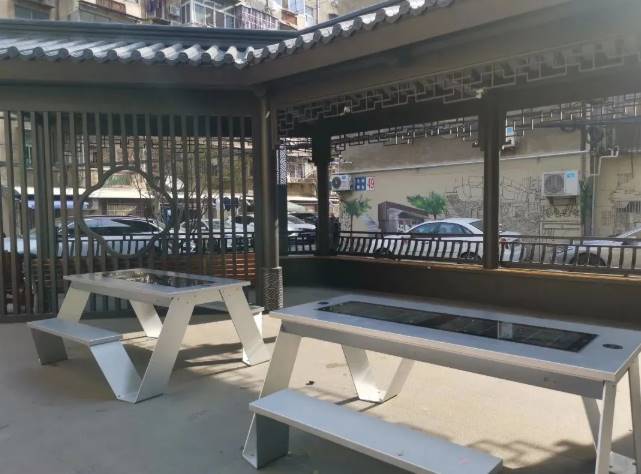
through convenient facilities such as solar-powered seats and smart garbage
bins. Yin Yan said: "We did not carry out large-scale demolition and
construction, but updated facilities step by step. Solar-powered seats can both
charge mobile phones and provide shade, so residents are willing to use them;
smart garbage bins allow points to be exchanged for gifts, so everyone takes
the initiative to sort garbage. These small things add up to make environmental
protection a habit." Huanbao Community in Beihu Sub-district handles more
than 100 tons of garbage annually, showing great potential for community green
transformation.
武汉市江汉区北湖街道环保社区党委书记尹艳更愿强调“参与率提升”而非减排数据,因为行为改变才是持久动力。社区通过光伏座椅、智能垃圾箱等便民设施,激发居民参与热情。尹艳说:“我们没用大拆大建,而是逐步更新设施。光伏座椅既能充电又遮阳,居民愿意用;智能垃圾箱积分可兑换礼品,大家主动分类。这些小事汇聚起来,就让环保成了习惯。” 北湖街道环保社区年处理垃圾超百吨,亦见社区绿色转型大有可为。
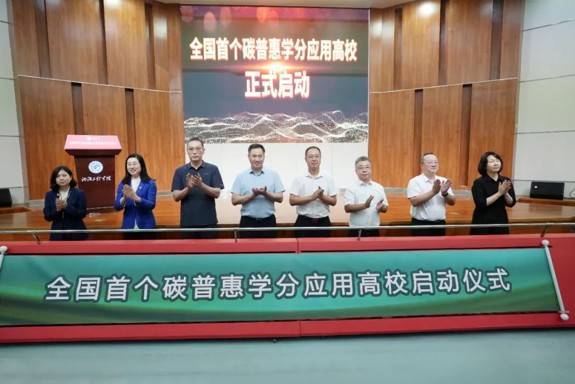
Replicability is a common feature of many cases. Liaoning Carbon Emission Rights Trading Center launched a "carbon credit" system at Shenyang Institute of Engineering, linking low-carbon behaviors with academic evaluation. Students accumulate carbon points through daily actions such as green travel and garbage classification, and gain more choices of educational resources through these points. This design cleverly integrates environmental awareness into the education system, transforming students from passive recipients to active participants. Wu Fan, the project leader, introduced: "We not only calculate how many tons of carbon are saved but also cultivate the ecological literacy of a generation. Students accumulate an average of 200-300 points per month, which is behind the development of behavioral habits." This model requires no additional investment and achieves a win-win situation for educational and environmental benefits only through system design, which can be promoted to more colleges and universities.
可复制性是诸多案例的共同点。辽宁碳排放权交易中心在沈阳工程学院推出的“碳学分”制度,将低碳行为与学业评价挂钩。学生通过绿色出行、垃圾分类等日常行动积累碳积分,通过碳积分获得更多教育资源的选择权。这一设计巧妙地将环保意识融入教育体系,让学生从被动接受变为主动参与。项目负责人吴凡介绍:“我们不光是要计算节约了多少吨碳,还要培育一代人的生态素养。学生每月平均积累200-300积分,这背后是行为习惯的养成。”这种模式无需额外投资,仅通过制度设计就实现了教育与环境效益的双赢,可以推广到更多院校。
Instead of relying
on capital-intensive equipment transformation, it cultivates future citizens
with ecological awareness through space activation and educational innovation.
Kidswant Children's Products Co., Ltd. launched the "Seeing the World from
a One-Meter Height" project. In 1,300 stores nationwide, it built biodiversity
exhibition areas using environmentally friendly corrugated paper to display
knowledge about endangered species and trained "little docents" to
lead visits. Wang Xingyuan, Director of Omnichannel Membership, said: "We
did not build new venues but used existing spaces to attract parent-child
families through creative design. Children learn environmental protection
knowledge through interaction, and parents spread the influence through
community sharing. This impact cannot be measured by emission reductions, but
the green seeds planted may change the future." Converting commercial
spaces into educational venues in a low-cost way achieves the integration of
brand value and social responsibility.
不依赖资金密集型的设备改造,通过空间活化与教育创新,培育具有生态意识的未来公民。孩子王儿童用品股份有限公司推出“一米高度看世界”项目,在全国1300家门店中,用环保瓦楞纸构建生物多样性展区,展示濒危物种知识,并培训“小小讲解员”带领参观。全渠道会员总监王星媛说:“我们没有新建场馆,而是利用现有空间,通过创意设计吸引亲子家庭。孩子们在互动中学习环保知识,家长则通过社群分享扩散影响。这种影响无法用减排量衡量,但它种下的绿色种子可能改变未来。”用低成本方式将商业空间转化为教育阵地,实现了品牌价值与社会责任的融合。
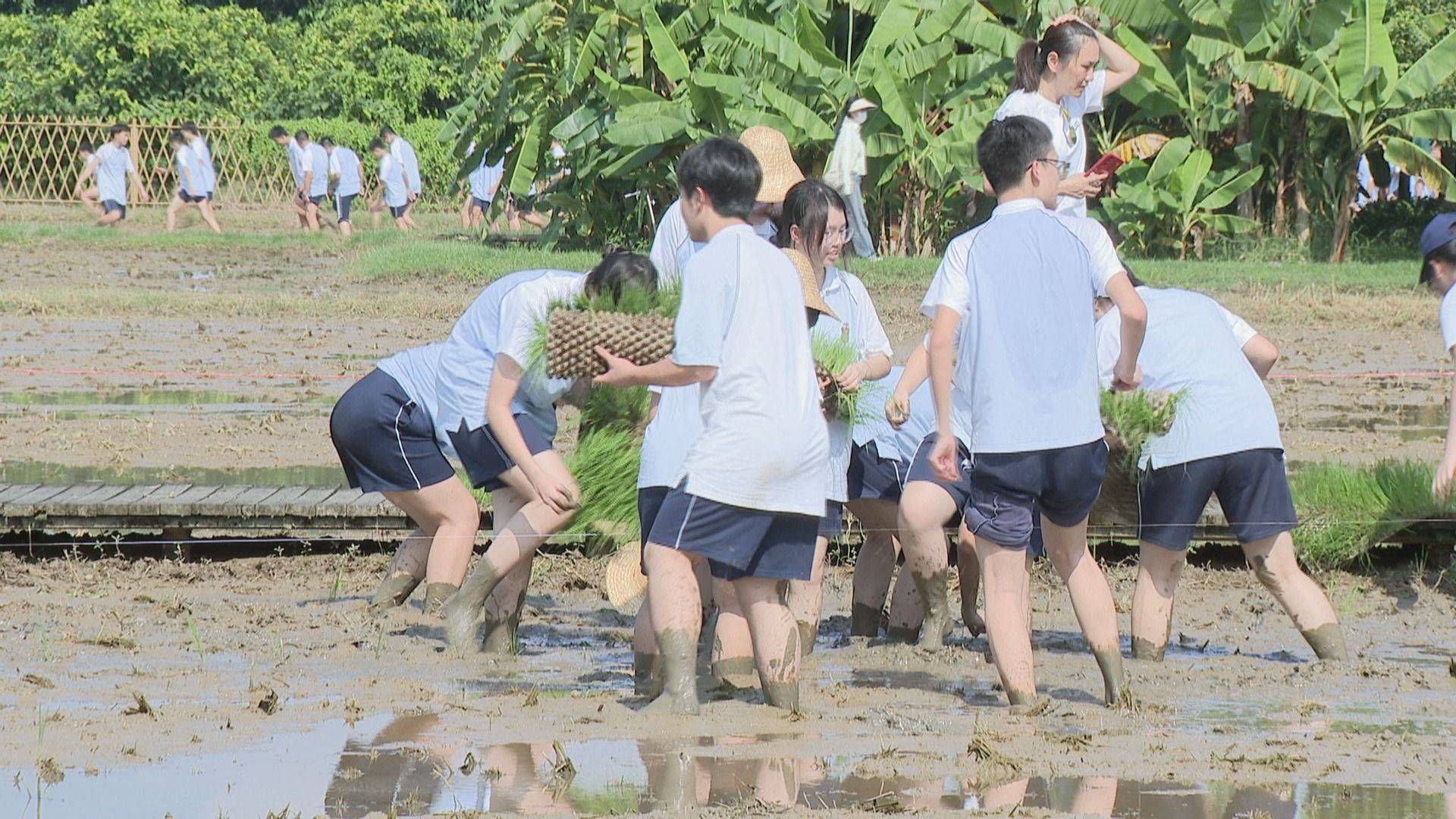
Jiang Qing,
Director of Environmental Art at Zhongshan Diyin Public School, showcased the
ecological education project co-operated with Shenzhen Xianhu Botanical Garden.
The school used 2,300 square meters of idle space to build ten themed botanical
gardens, introducing rare species such as Alsophila spinulosa and Cycas
revoluta, allowing students to get close to nature through activities such as
adopting plants and fossil rubbing. Jiang Qing emphasized: "We did not
carry out large-scale construction but cooperated with scientific research
institutions to transform academic resources into teaching content. Students
have transformed from listeners to speakers, with an ecological literacy
improvement rate of over 90%. This change is not achieved by stacking funds but
by curriculum design and teacher-student participation."
中山市迪茵公学的环境艺术总监降擎展示了学校与深圳仙湖植物园合作的生态教育项目。学校利用2300平方米闲置空间,打造十大主题植物园,引入桫椤、苏铁等珍稀物种,让学生通过认养植物、化石拓印等活动亲近自然。降擎强调:“我们没有大兴土木,而是与科研机构合作,将学术资源转化为教学内容。学生从倾听者变为讲述者,生态素养提升率超90%。这种改变不是靠资金堆出来的,而是靠课程设计和师生参与。”
"Young people
are the catalysts for behavioral change. Students becoming environmental
docents and young people designing carbon credit Apps — these innovations make
low carbon interesting. Wisdom comes from the people, especially from the
creativity of the younger generation," He Chaoxin, Chief Youth Officer of
the Global University Climate Forum, emphasized the importance of the youth
role. She shared: "During a visit to Shenzhen, I saw students making art
installations from waste plastic, which is more touching than any
advertisement. The art of behavioral change lies in making environmental
protection a part of life aesthetics."
“年轻人是行为改变的催化剂。学生成为环保讲解员,青年设计碳积分App,这些创新让低碳变得有趣。智慧来自民间,尤其来自年轻一代的创造力。”世界大学气候变化联盟首席青年官何超欣强调青年角色的重要性,她分享道:“在深圳参访时,我看到学生用废弃塑料制作艺术装置,这比任何广告都更能打动人心。行为改变的艺术在于让环保成为生活美学。 ”
"We are
constantly optimizing the online display platform of the Distinguished
Green Users for Space Yearbook to make these excellent practices
accessible and learnable," said Wang Weiwei, Chairman of the Distinguished
Green Users for Space initiative and General Manager of Onewo's Sustainable
Development Center. She added that preparations are underway to release the 2025
Beautiful China · Distinguished Green Users for Space Typical Cases Collection and
the Distinguished Green Users for Space Yearbook during
COP30, to tell the world the stories of Chinese users in low-carbon
transformation and show China's innovation and responsibility in the field of
green space. Wang Weiwei emphasized that the goal of the initiative is not to
pursue data indicators but to build a shared learning ecosystem.
“我们正不断优化《绿色空间使用者年鉴》的线上展示平台,让这些优秀实践可触可达、可学可鉴。”绿色空间使用者行动主任委员、万物云可持续发展中心总经理王唯唯表示,正积极筹备在COP30期间发布《2025美丽中国·绿色空间使用者典型案例集》与《绿色空间使用者年鉴》,向国际社会讲好中国低碳转型的使用者故事,展现中国在绿色空间领域的创新与担当。王唯唯强调,行动的目标不是追求数据指标,而是构建一个共享学习的生态。
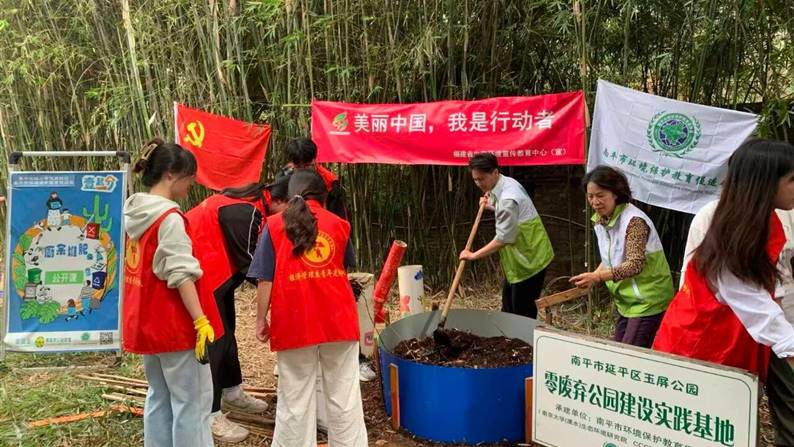
南平零废弃建设等案例,在联合国COP30大会上向全球发布!
12-04 · 来源:福建南平环境 · 作者:福建南平环境

上海市第六人民医院入选《2025美丽中国 · 绿色空间使用者典型案例集》
12-04 · 来源:徐汇生态环境 · 作者:徐汇生态环境
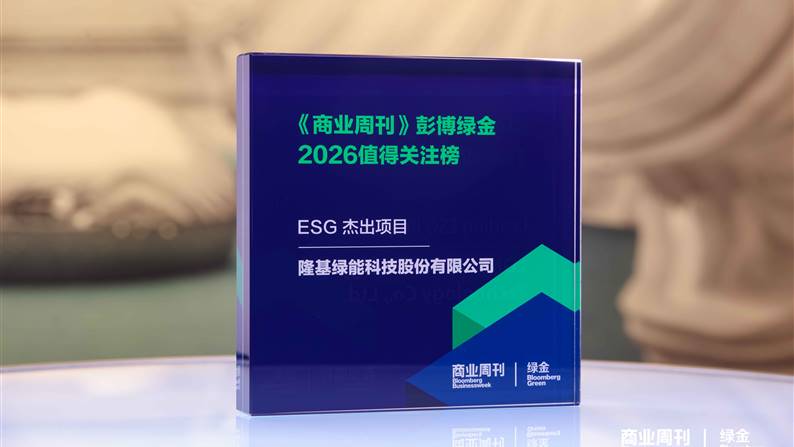
隆基入选彭博绿金2026值得关注榜“ESG杰出项目
12-04 · 来源:隆基绿能 · 作者:隆基绿能
