

Amid the global response to climate change, China's "30-60" Dual Carbon Goals have accelerated the green transition across all sectors. As a key player in managing small-scale urban spaces, the property management industry has moved from treating low-carbon transition as a choice to recognizing it as an imperative.
Onewo, a leading omni-space service provider in China, has made energy conservation, emission reduction and carbon asset management central to its corporate strategy. It is committed to building systematic zero-carbon solutions spanning the community, city, and industry levels. Guided by the philosophy "Tech for Better Space, Service for Ever Better", Onewo leverages its strengths in activating the value of existing resources. Using communities as a real-world innovation testbed, it has advanced from micro-level retrofits and behavioral advocacy to industry-wide methodologies and digital carbon management platforms, contributing a replicable "spatial service solution" to the vision of a "Beautiful China".
在应对全球气候变化的时代背景下,中国“3060”双碳目标为各行各业的绿色转型按下了“加速键”。物业企业作为城市小尺度空间运营的关键枢纽,其低碳转型已从"可选项"升级为"必答题"。万物云作为国内领先的空间科技服务商,将节能减排和碳资产管理视为推动行业高质量发展的核心战略,致力于在社区、城市乃至行业层面构建系统性的零碳解决方案。
秉承“重塑空间效率,服务历久弥新”的价值理念,万物云充分发挥物业企业"激活存量资源价值"的专长,以社区场景为创新试验田,从微观的社区改造、到集体的行为倡导,最终升级为行业引领的方法论与数字化碳管理平台,为实现“美丽中国”愿景贡献了切实可行的“空间服务方案”。
Benchmarking Low-Carbon Communities: The Retrofitting of Shanghai Jinliuxiangyuan
The property management sector, though not traditionally high in energy consumption, exerts a significant influence on emissions from the public spaces, commercial buildings, and industrial parks under its care. At the COP29 to the UNFCCC in 2024, Onewo's case "Shanghai Jinliuxiangyuan: A Model of Smart Low-Carbon Residential Community Transformation" was included in the Beautiful China, I Am an Actor Corporate Climate Action Case Collection, marking the first appearance of a Chinese property-management case at a UN Climate Conference.
Jinliuxiangyuan, an older residential community lacking low-carbon infrastructure, achieved a breakthrough through technological retrofitting and innovative operations—effectively "creating green capacity from scratch". Within three years, the community's per-capita carbon emission intensity fell by about 10 percent (from 1.695 tCO₂e/person in 2021 to 1.518 tCO₂e/person in 2023).
Key measures implemented by Vanke Service, a Onewo subsidiary, included:
1. Installation
of the Magic Stone Energy System integrating a community microgrid,
distributed photovoltaics, energy-storage units, and elevator
energy-recovery devices;
2. Construction of EV charging shelters and solar streetlights;
3. Establishment
of organic-waste treatment facilities, low-carbon cultural activities,
recycling markets, and used-clothing collection.
These efforts not
only created a low-carbon and efficient property management environment
but also empowered residents to adopt clean energy use and recycling
habits—cultivating community-wide awareness and participation in
sustainability.
低碳住宅社区标杆:上海金色榴乡园的改造实践
物业行业与民生息息相关,尽管不是传统的高能耗行业,但其所管理的社区公共空间、商业楼宇和产业园区等场景的能源消耗与碳排放状况具有重要意义。在2024年《联合国气候变化框架公约》第29次缔约方大会(COP29)上发布的《2024“美丽中国﹒我是行动者”企业气候行动案例集》中,“万物云上海金色榴乡园:物业改造智慧低碳住宅社区标杆”作为中国物业行业首个案例在大会上亮相。
作为建成时未配备低碳设施的普通住宅社区,金色榴乡园通过低碳改造技术植入与运营创新,实现了“无中生有”的低碳突破,成为老旧社区绿色升级的典范和起点。尽管在建设初期未配备低碳节能设施设备,但万物云通过一系列低碳设施改造及持续的低碳宣传,实现了三年内金色榴乡园社区人均碳排放强度下降10%的目标。万科物业在该社区的低碳建设举措包括:搭建灵石能源系统,包括社区微电网系统、分布式光伏发电系统、社区储能设施、电梯能量回收装置、增设电动车棚和太阳能路灯,以及有机垃圾处理、社区低碳文化活动、可回收物跳蚤市场及废旧衣物回收计划。这些措施不仅有效实现了低碳、高效的物业办公环境,还为居民提供了使用清洁能源和资源循环利用的机会,提升了居民的环保意识和参与度。
Behavioral Innovation for Collective Decarbonization: The "Bin-to-Bin" Model
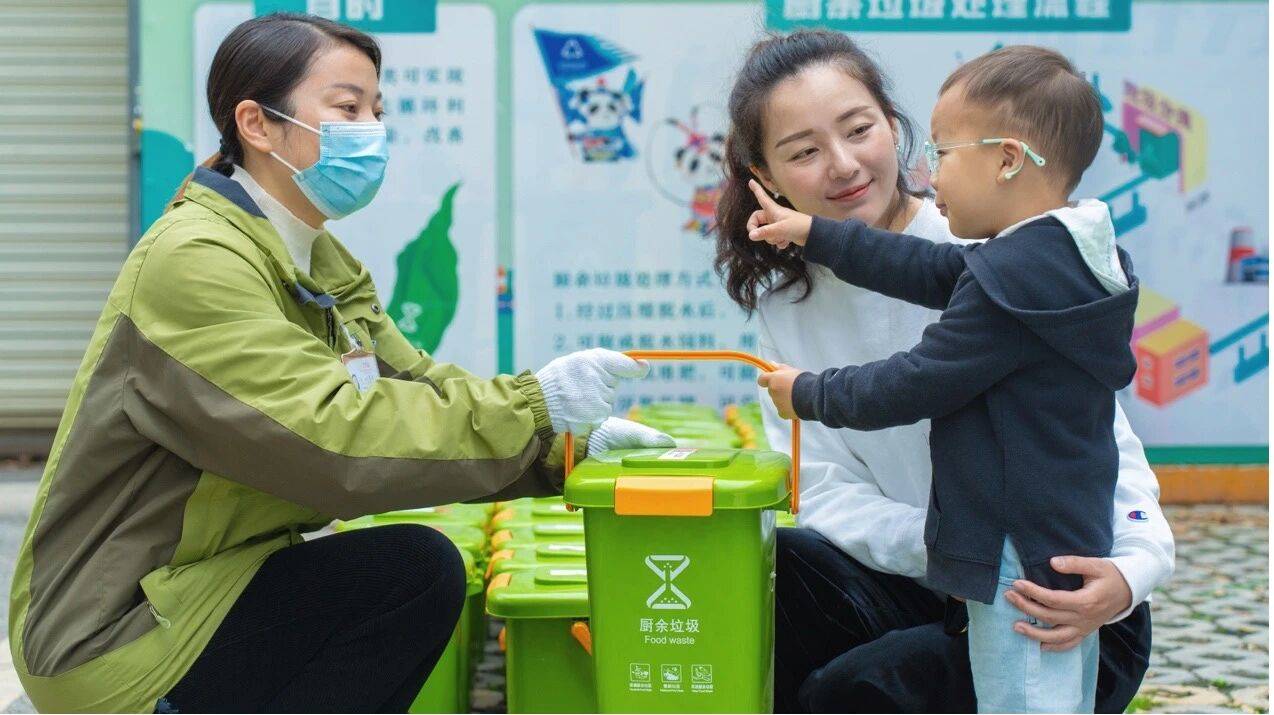
Changing residents' daily habits is pivotal to urban community decarbonization. Under the guidance of the Chengdu High-Tech Industrial Development Zone Management Committee, Chengdu Gaotou Urban Resources Operation Co., Ltd. (GCR), a subsidiary of Onewo, launched the "Bin-to-Bin" model in the Chengdu High-tech Zone's Xinchuan Sub-district, a national standardized pilot area for waste sorting.
This initiative scaled up low-carbon practices from isolated communities to a collective community action, addressing a major bottleneck in household kitchen-waste management. Traditional models, which required residents to "break the bag before disposal", often led to low participation, high contamination rates and poor resource recovery.
Onewo GCR introduced a "Double 20-Day Work Method" and a four-tier closed-loop mechanism: Residents — Property Management — Specialized Company — Intelligent Terminal. Residents simply exchange a filled kitchen-waste bin for a clean one, drastically reducing participation barriers.
As of August 2025:
95 percent of residents were aware of the program;
Coverage reached 7,799 households;
Average daily collection exceeded 520 bins (about 1.04 tons per day);
Cumulative collection totaled 699 tons of kitchen waste with 98 percent purity.
By repurposing existing waste-storage areas as exchange stations and optimizing logistics without new large infrastructure, the project effectively reduced costs and resource use—showcasing an easily replicable community model for grassroots decarbonization.
集体减碳行为创新:“以桶换桶”激活社区低碳潜能
推动居民的绿色行为转变是实现城市社区减碳的关键。在成都高新技术产业开发区管理委员会的指导下,万物云子公司成都高投城市资源经营有限公司(以下简称”高投城资“)所在的成都高新区新川片区(国家级垃圾分类标准化试点)推出了“以桶换桶”模式,将低碳实践从单个社区推向规模化集体行动,破解了家庭厨余垃圾治理的行业痛点。
传统家庭厨余垃圾分类模式中,“破袋投放”等复杂流程导致居民参与意愿不足,厨余垃圾混入其他垃圾比例高,后续资源化利用难度大,减量效果不明显。万物云高投城资在新川片区创新提出“双20天工作法”,构建“居民-物业-专业公司-智能终端”四级闭环。居民只需以装有厨余垃圾的专用桶兑换干净桶,即可完成分类,参与门槛大幅降低。居民对“以桶换桶”模式知晓率达95%,覆盖居民约7700余户;日均回收家庭厨余垃圾小绿桶数量达520余个,日均家庭厨余垃圾清运量达1.04吨,显著提升社区绿色低碳参与度,推动社区绿色生活理念普及。
项目深度复用既有资源,依托小区现有垃圾暂存点设换桶点位,整合专业运输力量完成桶具转运,未新增任何大型基础设施。截至2025年8月,该模式覆盖7799户家庭,累计回收家庭厨余垃圾699.13吨,纯净度高达98%。
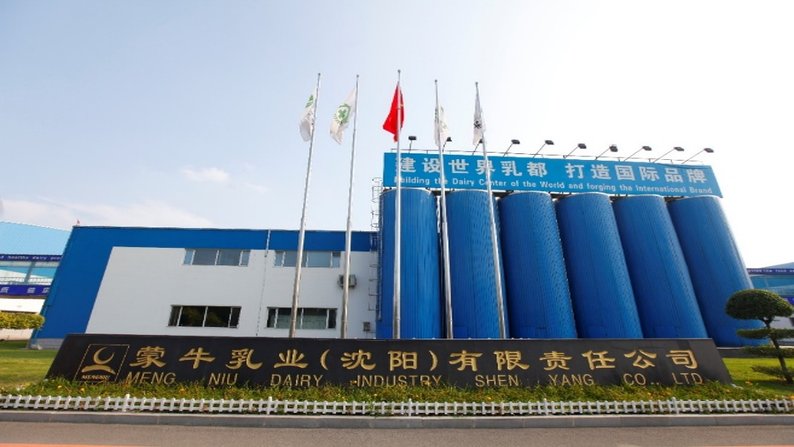
“智造+绿色”双轮驱动:蒙牛沈阳工厂从“千人百吨”到“百人千吨”的绿色空间转型实践
昨天 · 来源:蒙牛乳业(沈阳)有限责任公司 · 作者:蒙牛乳业(沈阳)有限责任公司
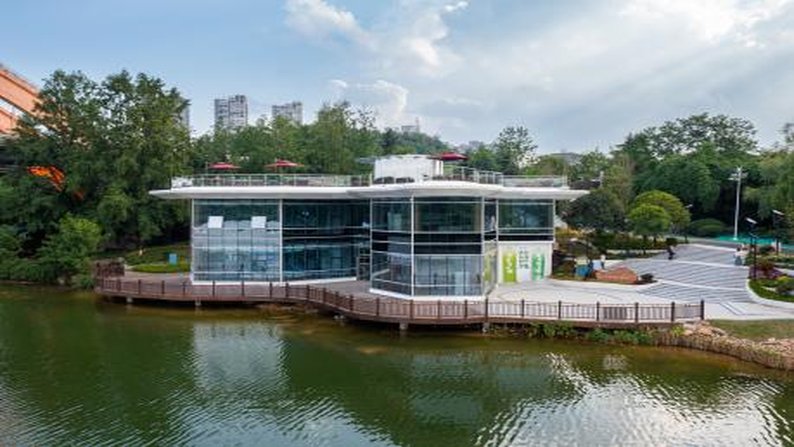
一座建在公园里的展览馆——观山湖区生态文明展览馆的绿色空间共生实践
昨天 · 来源:贵阳市观山湖区生态文明展览馆 · 作者:贵阳市观山湖区生态文明展览馆
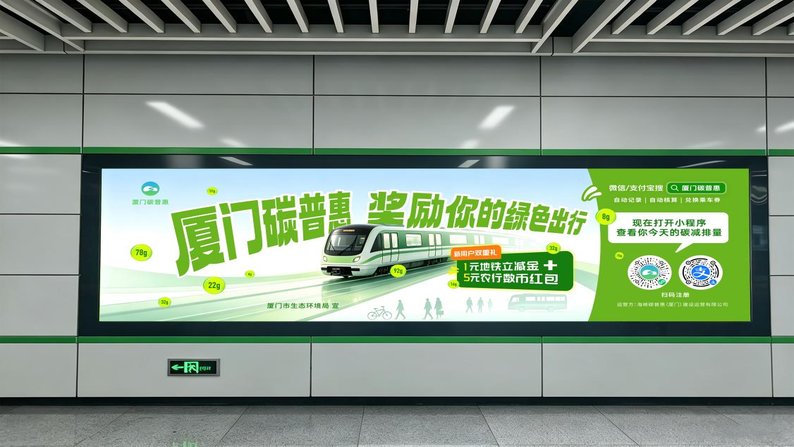
厦门城市级碳普惠平台运营实践
昨天 · 来源:海峡碳普惠(厦门)建设运营有限公司 · 作者:海峡碳普惠(厦门)建设运营有限公司
