In the three days at the end of July, several corporate news from different industries pieced together an intriguing picture: LONGi Green Energy is building Europe's largest BC photovoltaic power station in Hungary, JinkoSolar Energy Storage announced a 40 megawatt hour battery energy storage cooperation with Germany, Xiaopeng Group released a long-term strategy for Australia, Haier Jiaozhou Interconnected Factory delivered 70000 sets of European air conditioning urgent orders in just over ten days, and Trina Solar is turning its attention to children and launching the fifth Clean Energy themed Children's Painting Competition. Five news articles, four of which are directly related to going global and all point to the green and low-carbon track. This is not a coincidence, but rather a concentrated projection of China's green industry globalization entering a new stage - the connotation of going global is transitioning from "selling products" to "exporting technology, systems, and standards".
1、 Technology narrative replaces price narrative
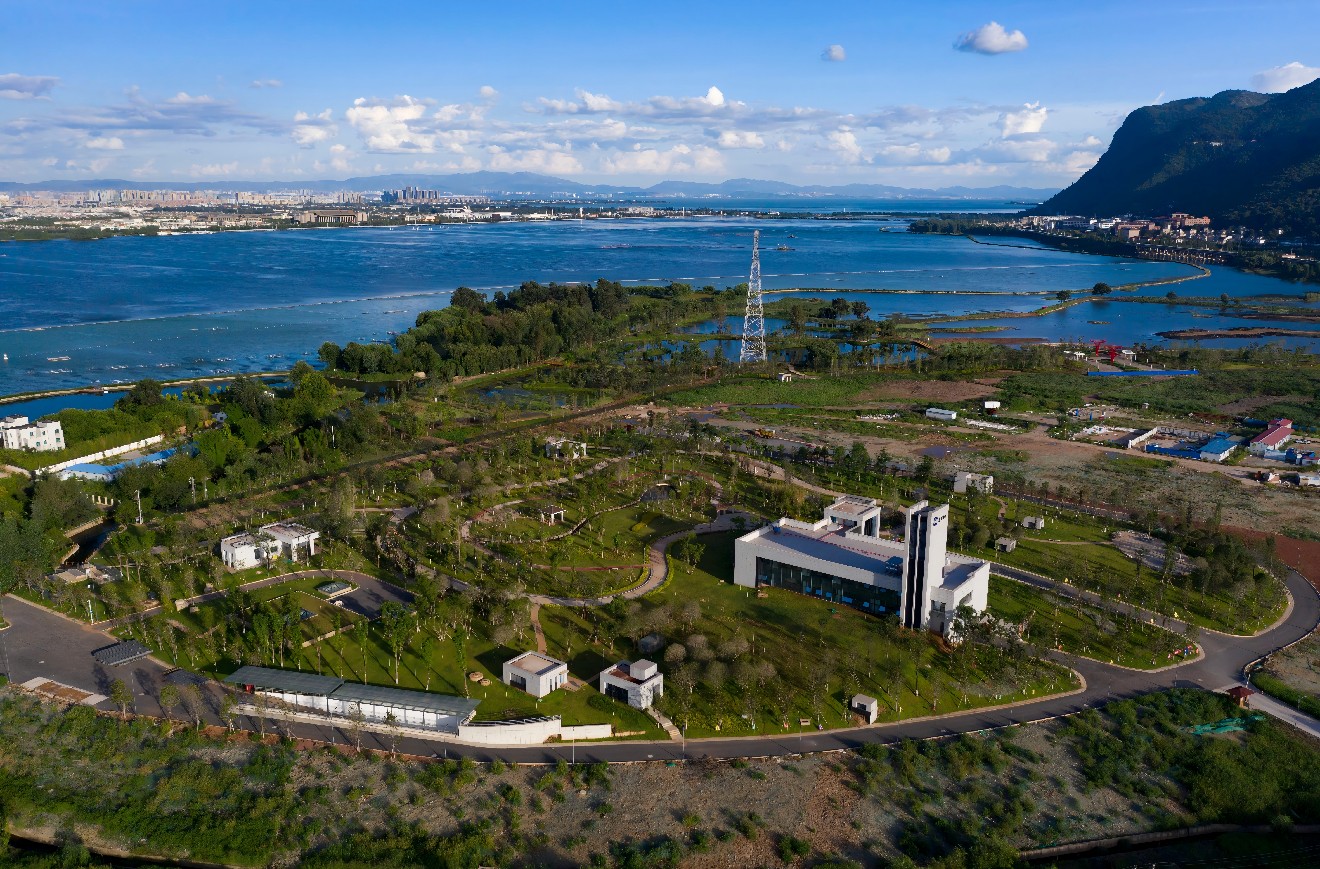
The most intriguing detail of the Longi Hungary project is not the title of 'Europe's largest', but the selection logic. The project is located in Hevish Oblast, where winters are cold, summers are hot, temperatures vary greatly, and there is sand and dust disturbance. The power station uses Hi-MO 9 components based on HPBC 2.0 technology, with a focus on its ability to maintain efficient power generation in complex scenarios such as high temperature and high humidity. The total installed capacity is 450 megawatts, with 1 gigawatt hour of advanced energy storage. The annual power generation is about 470 million kilowatt hours, which can meet the electricity needs of about 106000 households and reduce greenhouse gas emissions by about 415000 tons annually. When the camera of CCTV is focused on this power station, it no longer tells the old story of China's photovoltaic industry being "cost-effective", but a new narrative of reliability throughout its entire lifecycle. Behind this is a profound shift in the logic of industrial competition: in mature markets like Europe, the marginal effects of price wars decrease, and technological adaptability and long-term reliability are the real tickets.
7月末的三天里,几条来自不同行业的企业新闻,拼出了一幅耐人寻味的图景:隆基绿能在匈牙利建设欧洲最大的BC光伏电站,晶科储能官宣德国40兆瓦时电池储能合作,小鹏集团发布澳大利亚长期战略,海尔胶州互联工厂用十余天交付七万套欧洲空调急单,天合光能则把目光投向孩子,启动第五届清洁能源主题儿童绘画大赛。五条新闻,四条与出海直接相关,且清一色指向绿色低碳赛道。这并非巧合,而是中国绿色产业全球化进入新阶段的集中投影——出海的内涵,正在从「卖产品」跃迁为「输出技术、输出系统、输出标准」。
一、技术叙事取代价格叙事
隆基匈牙利项目最值得玩味的细节,不是「欧洲最大」的头衔,而是选型逻辑。项目所在的赫维什州冬季寒冷、夏季炎热、气温年较差大且有沙尘侵扰,电站全部采用基于HPBC 2.0技术的Hi-MO 9组件,看中的正是其在高温、高湿等复杂场景下保持高效发电的能力。总装机450兆瓦、配套1吉瓦时先进储能,年发电量约4.7亿千瓦时,可满足约10.6万户家庭用电,年减排温室气体约41.5万吨。当央视总台的镜头对准这座电站时,讲述的已不再是中国光伏「物美价廉」的老故事,而是全生命周期可靠性的新叙事。这背后是产业竞争逻辑的深刻转变:在欧洲这样的成熟市场,价格战的边际效应递减,技术适配性与长期可靠性才是真正的门票。
The German project of JinkoSolar Energy Storage is no exception. The volume of 40 megawatt hours is not a big deal in the energy storage industry, but both parties repeatedly emphasized in their cooperation statements "grid flexibility," "renewable energy integration," and "long-term operational support. As Germany continues to accelerate the development of renewable energy, energy storage is transitioning from an optional option to a critical infrastructure for ensuring grid stability; For Chinese enterprises, this means that the focus of competition has shifted from equipment delivery to a comprehensive competition of execution capability, delivery capability, and long-term service capability. Jingke chose to deepen cooperation with local partner Eturn instead of going it alone, precisely because it understood the rules of this market.
2、 From individual product export to system ecological output
Haier's story provides another dimension. More than 70000 sets of European air conditioning urgent orders were produced and delivered in just over ten days, testing the flexible manufacturing capabilities of Jiaozhou Interconnected Factory - adapting to changes with intelligent production lines and improving efficiency through system collaboration. But more noteworthy than the delivery speed is the industry upgrade revealed behind this urgent task: when an air conditioner goes abroad, it carries a new ecosystem of photovoltaics, energy storage, and smart energy use. Chinese manufacturing is achieving a leap from exporting products to exporting systems, from following standards to defining standards. This is similar to Longi's "light storage integration" and JinkoSolar's "energy storage+service": the profit margin of a single product will eventually be diluted, while system level solutions build deeper moats.
晶科储能的德国项目同样如此。40兆瓦时的体量在储能行业算不上大单,但双方在合作表述中反复强调的是「电网灵活性」「可再生能源融合」「长期运营支持」。随着德国持续加速可再生能源发展,储能正从可选项变成保障电网稳定的关键基础设施;对中国企业来说,这意味着竞争重心从设备交付转向执行能力、交付能力与长期服务能力的综合较量。晶科选择与本地伙伴Eturn深化合作而非单打独斗,正是读懂了这个市场的规则。
二、从单品出口到系统生态输出
海尔的故事提供了另一个维度。十余天生产交付七万余套欧洲空调急单,考验的是胶州互联工厂的柔性制造能力——以智能化产线应万变、以系统协同提效率。但比交付速度更值得关注的,是这单急活背后透露的产业升维:当一台空调走出国门,携带的是光伏、储能、智慧用能的全新生态。中国制造正在实现从输出产品到输出系统、从跟随标准到定义标准的跃升。这与隆基的「光储融合」、晶科的「储能+服务」殊途同归:单一产品的利润空间终会被摊薄,而系统级解决方案构建的是更深的护城河。
Xiaopeng's Australian strategy extends this logic to the field of intelligent vehicles. Launching five new cars within six months, introducing advanced intelligent assisted driving by 2027, and synchronously expanding sales, delivery, and service networks - this is not a tentative export, but a systematic market deepening. The details are particularly noteworthy: the flagship X9 is priced starting at AUD 89900 in Australia and has already started pre ordering, while the MONA L03 right-hand drive version debuted in Melbourne just a few days after its global debut in Munich, and is scheduled to land in Australia in the fourth quarter of 2026. The global synchronization and tight local pace indicate that China's intelligent vehicles have entered the stage of "strategic layout" from "product spillover" when going global. Of course, the adaptation of regulations in the right-hand drive market and the localization verification of intelligent driving functions are both tough battles. Whether the promise of intelligent driving in 2027 can be fulfilled will be the touchstone for testing its system capability.
3、 Long term sowing of brand and concept
Compared to the hard core of the first four news articles, the joint launch of the Children's Painting Competition by Trina Solar and the Forest Environmental Protection Public Welfare Association seems to be a soft touch. But it is precisely these actions that reveal the long termism of the leading companies: with the theme of "AI lighting up the green planet", let the next generation of brushes understand clean energy and zero carbon future. The ultimate market for green industries is not just the power grid and rooftops, but also a social consensus. When carbon neutrality goes from policy language to children's daily imagination, the industry truly has the soil to cross cycles. The details of Longi warming the community with 1.9 million forints in Hungary also demonstrate that Chinese companies are beginning to understand that rooting overseas relies not only on product strength, but also on community identity.
小鹏的澳大利亚战略则把这一逻辑延伸到智能汽车领域。半年内投放五款新车、2027年引入高阶智能辅助驾驶、同步扩张销售交付与服务网络——这不是试探性出口,而是体系化的市场深耕。细节尤其值得注意:旗舰X9在澳洲定价89900澳元起并已开启预订,MONA L03右舵版在慕尼黑全球首发数天后便亮相墨尔本,确定2026年四季度登陆澳洲。全球同步、本地节奏紧凑,说明中国智能汽车出海已从「产品外溢」进入「战略布局」阶段。当然,右舵市场的法规适配、智驾功能的本地化验证都是硬仗,2027年的智驾承诺能否兑现,将是检验其体系能力的试金石。
三、品牌与理念的长期播种
相比前四条新闻的硬核,天合光能联合棵林环境保护公益协会启动儿童绘画大赛,似乎是软性的一笔。但恰恰是这类动作,透露出头部企业的长期主义:以「AI点亮绿色星球」为主题,让下一代用画笔理解清洁能源与零碳未来。绿色产业的终极市场不只是电网和屋顶,更是社会共识。当碳中和从政策语言变成孩子们的日常想象,产业才真正拥有穿越周期的土壤。隆基在匈牙利以190万福林温暖社区的细节同样说明,中国企业开始懂得:在海外扎根,靠的不仅是产品力,还有社区认同。
prospect
Looking at the five pieces of news together, we can clearly see the triple leap of China's green industry going global: technically, from cost-effectiveness advantages to scene adaptation and reliability advantages; In terms of model, shifting from single product export to ecological output of "product+system+service"; From transactional to local symbiotic relationships. The challenges are equally real: local regulations in the European market, uncertainty in trade policies, and adaptation costs in the right-hand drive market may all discount aggressive timelines. But the direction is already clear - in the second half of the global energy transition, the competition is no longer about whose production capacity is larger, but who can firmly integrate technology, systems, and trust into the local soil. For Chinese companies aspiring to be in the high-end of the global value chain, this is both a must answer question and the greatest opportunity presented by the times.
展望
把五条新闻放在一起看,可以清晰地看到中国绿色产业出海的三重跃迁:技术上,从性价比优势走向场景适配与可靠性优势;模式上,从单品出口走向「产品+系统+服务」的生态输出;关系上,从交易型走向本地共生型。挑战同样真实:欧洲市场的本地化合规、贸易政策的不确定性、右舵市场的适配成本,都可能让激进的时间表打折扣。但方向已然明朗——全球能源转型的下半场,比拼的不再是谁的产能更大,而是谁能把技术、系统与信任一起,稳稳地扎进当地土壤。对志在全球价值链中高端的中国企业而言,这既是必答题,也是时代给出的最大机遇。
(Using AI translation)
(使用AI翻译)