

机构简介
昆明市盘龙区桃源小学始建于1910年,是一有着百余年办学历史的公办小学,现有教学班20余个、师生1200余人。学校秉持“立本正源,唯实惟先,桃李芬芳,源远流长”的办学理念,获评“全国文明校园”“国际垃圾减量活动优秀组织单位”“全国少先队改革示范校”“云南省科普教育示范学校”等荣誉。学校以“三阶递进·立体共育”少先队实践课程为载体,将铸牢中华民族共同体意识与生态文明教育有机融合,依托八校思政联盟平台,联合长寿路社区等多元主体,推动学生从校园空间的使用者转变为绿色守护者。
机构LOGO
Company/Organization Profile
Kunming Panlong District Taoyuan Primary School, founded in 1910, is a public primary school with a history of over a century, comprising more than 20 classes and over 1,200 students and staff. Guided by the philosophy of “rooting in authenticity, pursuing excellence, fostering flourishing talents, and sustaining an enduring legacy,” the school has been honored as a “National Civilized Campus,” “Outstanding Organizing Unit for the International Waste Reduction Campaign,” “National Demonstration School for Young Pioneers Reform,” and “Yunnan Provincial Science Popularization Education Demonstration School.” Using its “Three-Step Progressive, Three-Dimensional Co-education” Young Pioneers practical curriculum as a vehicle, the school organically integrates the forging of a strong sense of community for the Chinese nation with ecological civilization education; relying on the Eight-School Ideological and Political Education Alliance platform and together with multiple stakeholders such as Changshou Road Community, it guides students to transform from users of campus space into green guardians.
项目背景
问题现状:作为全国文明校园,桃源小学校园是重要的公共教育空间与社区文化节点,但既往生态文明教育偏重课堂说教,学生作为校园“使用者”,缺少将生态理念转化为日常行动的参与通道;云南各民族传统生态智慧(植物染、天然色素饮食、茶饮礼仪等)尚未系统融入本校课程。原因分析:民族生态智慧蕴含丰富的低碳生活理念(如植物染替代化学染料、天然色素替代人工添加剂),但缺乏课程化载体和空间化实践场景;社区资源未充分联动。 改进目标:自2023年起,学校以“各民族生态智慧是绿色答卷”为核心理念(此表述出自学校中老铁路研学活动简讯原文),将白族扎染(板蓝根等植物染料)、三道茶(生态礼仪)、五色糯米饭(天然色素)等民族生态智慧转化为本校劳动与科学课程,联合长寿路社区及八校联盟成员校,构建“校园—实践基地—自然空间”立体绿色空间网络,推动学生在真实空间中体认人与自然的和谐关系。
Project Overview
Current situation: As a National Civilized Campus, Taoyuan Primary School’s grounds are an important public educational space and community cultural node; however, past ecological civilization education leaned toward classroom lecturing, and students, as “users” of the campus, lacked a participatory channel to turn ecological concepts into daily action; the traditional ecological wisdom of Yunnan’s various ethnic groups (plant dyeing, natural-pigment diets, tea etiquette, etc.) had not yet been systematically integrated into the school’s curricula. Cause analysis: Ethnic ecological wisdom embodies rich low-carbon lifestyle concepts (e.g., plant dyes replacing synthetic chemicals, natural pigments replacing artificial additives), yet it lacked curricular carriers and spatial practice settings, and community resources were under-mobilized. Improvement goal: Since 2023, guided by the core concept that “ethnic ecological wisdom is the green answer” (a phrasing drawn verbatim from the school’s China–Laos Railway study-tour activity brief), the school has transformed such ethnic ecological wisdom as Bai tie-dye (plant dyes such as indigo), three-course tea (ecological etiquette), and five-color sticky rice (natural pigments) into its own labor and science curricula; together with Changshou Road Community and the Eight-School Alliance member schools, it builds a three-dimensional “campus–practice base–natural space” green-space network, enabling students to appreciate the harmonious relationship between humans and nature in real spaces.
项目实施
标题(请附至少一张题图)
Project Implementation
1. Organization and top-level design. Using its “Three-Step Progressive, Three-Dimensional Co-education” Young Pioneers practical curriculum system as a framework, the school integrates ecological civilization education with the inheritance of ethnic ecological wisdom into its governance; it leads the formation of the Eight-School Alliance for integrated civic education across primary, secondary, and tertiary levels, jointly advancing cross-stage ecological civilization education, and has established working systems and plans that form a normalized mechanism of top-level drive and institutional guarantee. 2. School-based curricula on ethnic ecological wisdom. Three school-based curriculum modules are developed and implemented: (1) Bai tie-dye—guiding students to understand the extraction principles and dyeing techniques of plant dyes such as indigo, and to grasp the environmental value of plant dyes replacing synthetic ones; middle-grade students produce tangible outcomes such as finished tie-dye works; (2) three-course tea—through the “bitter–sweet–aftertaste” tea ritual, students experience ecological etiquette and sustainable culture; (3) five-color sticky rice—during study tours, students cook five-color sticky rice using natural plant pigments (e.g., butterfly-pea flower) and recognize the health and environmental significance of natural pigments replacing artificial ones. 3. Community-co-built study-tour practice. Relying on the Eight-School Alliance practice base, the school organizes more than 1,200 students and teachers in paddy-field harvesting labor study tours—hand-cutting rice, making rice-evolution bottles, cooking five-color sticky rice with natural plant pigments, and crafting lacquer fans (“using lacquer as the medium and the fan as the bridge, half craftsmanship and half nature”)—to experience natural rhythms and the joy of harvest through labor. Together with Changshou Road Community and the Alliance Subdistrict, it organizes China–Laos Railway-study tours on ethnic unity and progress: students enter the Mengyuan Fairyland tropical rainforest as “plant investigators,” identify ethnic-minority plants, and perceive that “ethnic ecological wisdom is the green answer”; they visit the Yunnan Nationalities Museum and the Chengjiang Fossil Site Natural History Museum to understand biodiversity and the shared origin of life. 4. Long-term mechanism for “user action.” (1) Red Scarf Lecture Corps—students explain ecological civilization concepts at campus landscapes such as the Chengxin Pond and Jingshan Corridor, and present the school’s ecological achievements to visiting guests; (2) Red Scarf Mini-Proposals—students autonomously propose green-development suggestions for campus and community, which, after class discussion, become formal proposals and are reported and answered; (3) campus study-tour achievement exhibition—through class sharing sessions, handbooks/diaries/record books, students display their learning gains, radiating green concepts to more students, teachers, and families. 5. Resource allocation and collaborative advancement. Relying on the platform resources of the Eight-School Alliance, and the co-construction support of Changshou Road Community, the project forms a school–community–family collaborative advancement pattern.
成果亮点
一、模式创新——“各民族生态智慧是绿色答卷”。首创性地将云南各民族传统生态智慧(白族扎染植物染环保伦理、三道茶生态礼仪、五色糯米饭天然色素饮食)系统转化为本校课程与研学载体,以非遗技艺承载低碳理念。“各民族生态智慧是绿色答卷”这一核心理念表述直接出自学校中老铁路研学活动简讯原文,实现传统文化的创造性转化与创新性发展。二、空间创新——“校园—实践基地—自然空间”立体绿色网络。以校园(全国文明校园,含澄心池、静珊长廊等生态景观)、八校联盟实践基地(稻田劳动场域)、热带雨林(中老铁路研学点)构成多层次绿色空间,学生在不同空间中扮演调查员、劳动者、宣讲者等多重角色,真正实现“在使用中守护、在守护中共建”。三、机制创新——“使用者即守护者”。通过红领巾小提案(学生自主提出绿色发展建议并汇报解答)、红领巾宣讲团(学生在校园景观处讲解生态文明)、研学成果展(学生展示学习收获),建立从“使用”到“守护”到“共建”的行动闭环。四、协同创新——八校联盟+社区共建共享。牵头组建八校思政联盟,长寿路社区共同组织研学活动,经验辐射区域多所学校;相关成果获2026年云南省基础教育教学成果奖认可,形成可复制、可推广的民族生态智慧赋能生态文明教育范式。
Project Outcome
1. Model innovation—“Ethnic Ecological Wisdom is the Green Answer.” For the first time, Yunnan’s traditional Ethnic Ecological Wisdom (Bai tie-dye plant-dye environmental ethics, three-course tea ecological etiquette, five-color sticky rice natural-pigment diet) has been systematically transformed into school-based curricula and study-tour carriers, embedding low-carbon concepts in intangible cultural heritage; the core phrasing “ethnic ecological wisdom is the green answer” is drawn directly from the school’s China–Laos Railway study-tour brief, realizing the creative transformation and innovative development of traditional culture. 2. Spatial innovation—a three-dimensional “campus–practice base–natural space” green network. Composed of the campus (a National Civilized Campus with ecological landscapes such as the Chengxin Pond and Jingshan Corridor), the Eight-School Alliance practice base (paddy-field labor field), and the tropical rainforest (China–Laos Railway study-tour site), it forms a multi-level green space in which students play multiple roles—investigator, laborer, communicator—truly achieving “to protect through use, and to co-build through protection.” 3. Mechanism innovation—“Users are Guardians.” Through Red Scarf Mini-Proposals (students autonomously propose and report green-development suggestions), the Red Scarf Lecture Corps (students explain ecological civilization at campus landscapes), and the study-tour achievement exhibition (students display learning gains), an action loop from “use” to “protection” to “co-build” is established. 4. Collaboration innovation—Eight-School Alliance plus community co-construction and sharing. The school leads the Eight-School Ideological and Political Education Alliance, with Changshou Road Community jointly organizing study tours and radiating experience to multiple regional schools; related outcomes received recognition through the 2026 Yunnan Provincial Basic Education Teaching Achievement Award, forming a replicable and promotable paradigm of empowering ecological civilization education with ethnic ecological wisdom.
成果影响力
生态环境效益:通过民族生态智慧课程(植物染替代化学染料认知、天然色素替代人工色素体验、生态礼仪倡导节约),引导学生选择更绿色的生活方式与消费习惯;稻田劳动研学让学生亲身体验农耕文明与自然韵律,增强对土地与粮食的敬畏之心。(统计口径:2023年11月—2026年6月,桃源小学校园内及八校联盟实践基地、中老铁路研学活动中)社会影响:项目覆盖师生及家长1400余人,八校联盟实践基地稻田研学覆盖1300余人次,中老铁路/雨林研学覆盖数百人次;红领巾小提案、红领巾宣讲团等活动常态化开展;学校“全国文明校园”称号持续发挥示范引领效应;经验通过八校思政联盟辐射至区域多所学校,获云南省基础教育教学成果奖省级认可。
Project Highlights
Ecological benefits: Through ethnic ecological wisdom curricula (understanding plant dyes replacing synthetic chemicals, experiencing natural pigments over artificial additives, ecological etiquette promoting conservation), students are guided toward greener lifestyles and consumption habits; paddy-field labor study tours let students experience farming civilization and natural rhythms firsthand, strengthening reverence for land and grain. (Statistical scope: Nov 2023–Jun 2026, within Taoyuan Primary School campus, the Eight-School Alliance practice base, and China–Laos Railway study-tour activities.) Social impact: The project reaches 1,400+ students, staff, and families; the Eight-School Alliance practice-base paddy-field study tours reached 1,300+ person-times; China–Laos Railway/rainforest study tours reached several hundred person-times; Red Scarf Mini-Proposals, the Red Scarf Lecture Corps, and other activities are conducted routinely; the school’s “National Civilized Campus” title continues to play an exemplary and leading role; experience radiates to multiple regional schools through the Eight-School Ideological and Political Education Alliance and has received provincial-level recognition via the Yunnan Provincial Basic Education Teaching Achievement Award.
评价与荣誉
用户评价:学生反馈在稻田收割劳动中“第一次真正感受到大自然的馈赠和粮食的不易之获”;在雨林当“植物调查员”时“原来身边的植物都有这么有趣的故事”;家长反映孩子回家后主动关注植物染料、天然色素等话题,带动家庭讨论绿色生活,“小手拉大手”成效显著。第三方与专家评价:学校获评“全国文明校园”“国际垃圾减量活动优秀组织单位”“全国少先队改革示范校”“云南省科普教育示范学校”等荣誉,相关成果获得2026年云南省基础教育教学成果奖,形成省级认可的实践范式。媒体报道:《人民日报》客户端、云南网、开屏新闻等主流媒体多次报道学校思政一体化与生态文明实践活动。政策支持:学校被确定为“八校思政联盟实践基地”;生态文明与民族生态智慧传承经验纳入本校课程体系,获得省、市、区教育主管部门肯定。
Reviews & Honors
User feedback: Students reported that during paddy-field harvesting, “for the first time I truly felt nature’s gifts and how hard-won food is”; as “plant investigators” in the rainforest, “I never knew the plants around us had such fascinating stories”; parents note that children now proactively discuss plant dyes, natural pigments, and green living at home, driving family conversations with notable “small hands guiding big hands” effects. Third-party and expert evaluation: The school has been honored as a “National Civilized Campus,” “Outstanding Organizing Unit for the International Waste Reduction Campaign,” “National Demonstration School for Young Pioneers Reform,” and “Yunnan Provincial Science Popularization Education Demonstration School”; related outcomes received the 2026 Yunnan Provincial Basic Education Teaching Achievement Award, forming a provincially recognized practical paradigm. Media coverage: The People’s Daily client, Yunnan Net, and KaiPing News have repeatedly reported the school’s civic-integration and ecological civilization practice activities. Policy support: The school was designated as the “Eight-School Alliance Practice Base”; its experience in ecological civilization and ethnic ecological wisdom inheritance has been integrated into the school-based curriculum system and affirmed by provincial, municipal, and district education authorities.

海南省海口市绿色低碳校园建设可持续发展实践项目
刚刚 · 来源:海南省蓝丝带海洋环境保护协会 · 作者:海南省蓝丝带海洋环境保护协会
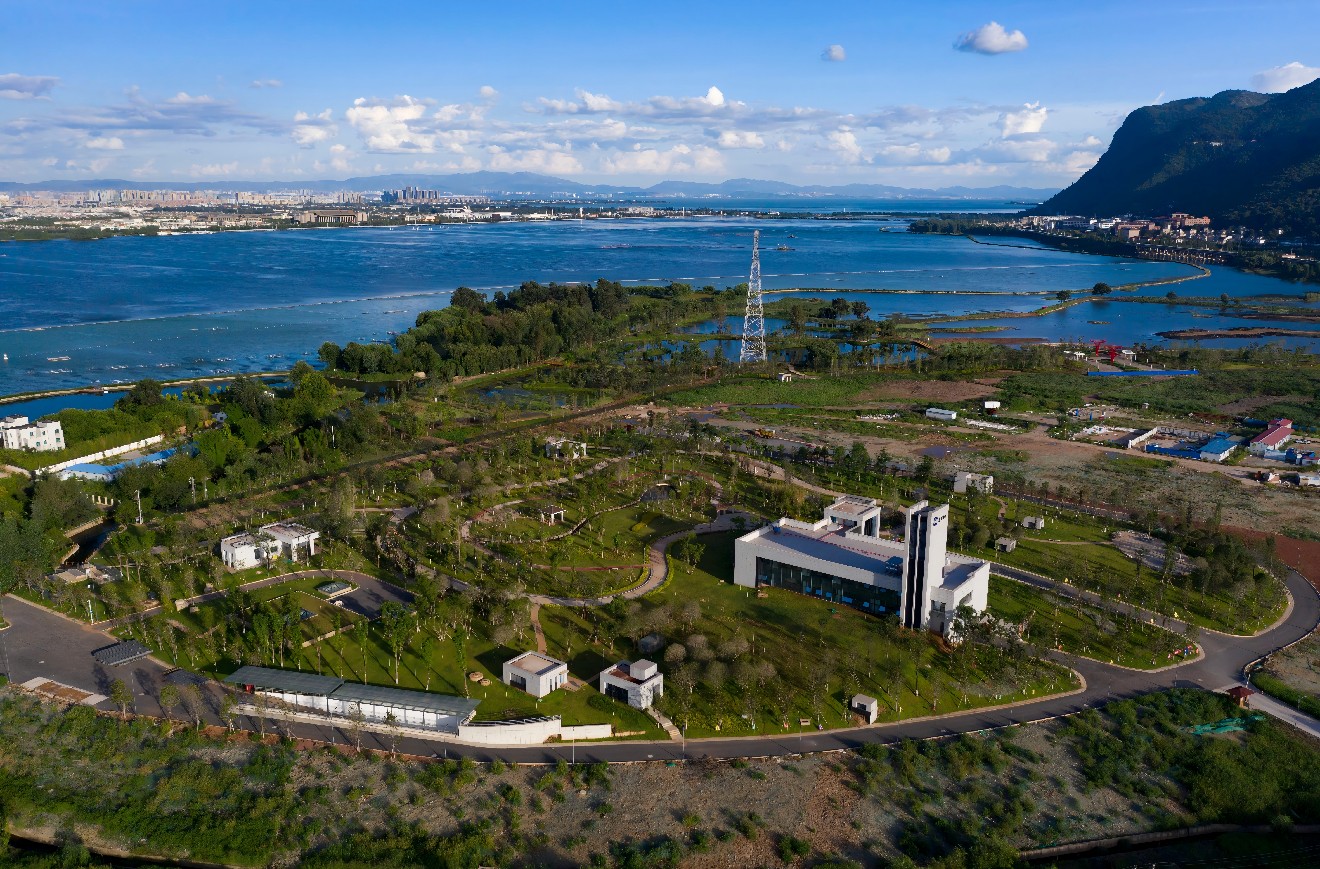
绿意之下,净水流深——探秘地埋式污水厂的“隐形”魔法
刚刚 · 来源:昆明市第十三水质净化厂 · 作者:昆明市第十三水质净化厂
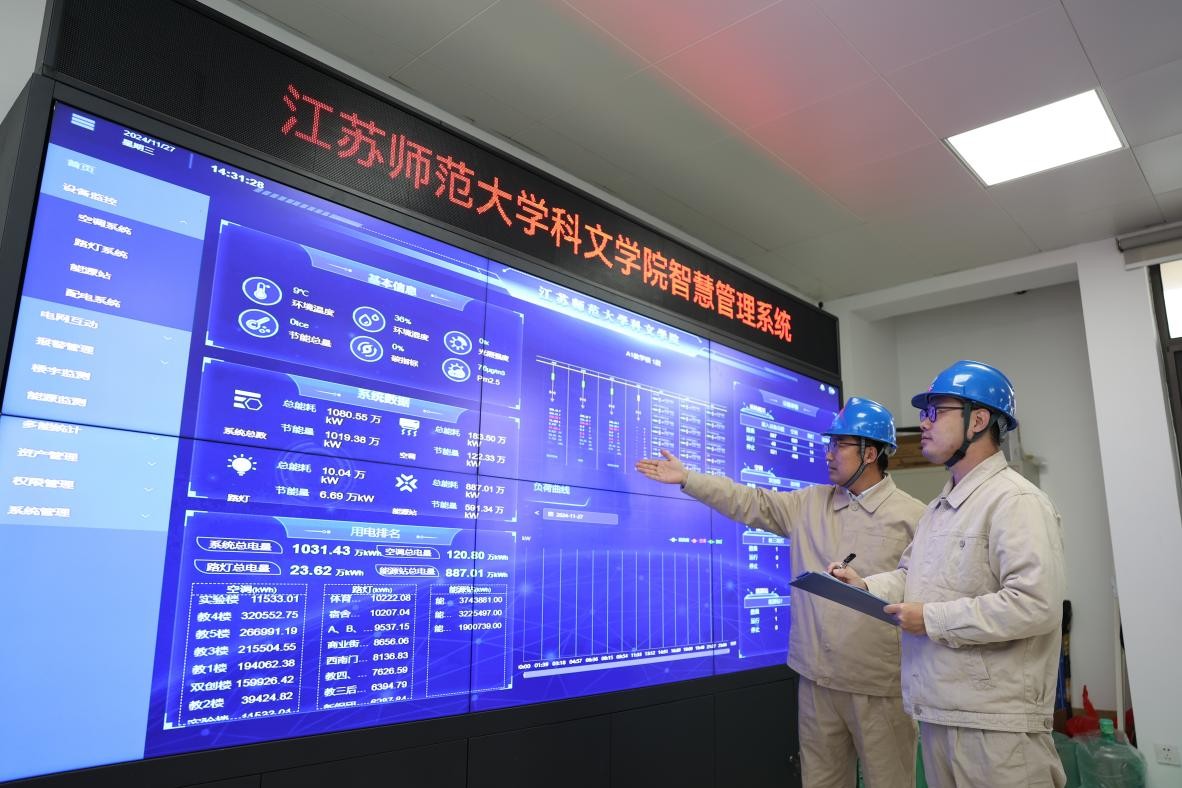
“微改造”里的“大智慧”——以空间焕新构建可复制低碳生活新场景
刚刚 · 来源:国网江苏省电力有限公司徐州市贾汪区供电分公司 · 作者:国网江苏省电力有限公司徐州市贾汪区供电分公司
