

机构简介
国网徐州市贾汪区供电公司前身为1994年成立的“贾汪供电局”,2004年改制为“贾汪供电公司”,2010年改制为“贾汪供电营业部”,2020年在省市公司的支持下成立“国网徐州市贾汪区供电公司”,作为市公司所辖县级供电公司,负责管辖贾汪地区高低压用户的供电服务和10千伏及以下配网运维工作。贾汪公司下设5个职能部室、2个业务部门(机构),管辖7个供电所以及由矿转人员组成的紫泉公司。
机构LOGO

Company/Organization Profile
The State Grid Jia Wang District Power Supply Company in Xuzhou was originally established as the "Jia Wang Power Supply Bureau" in 1994. It was restructured into the "Jia Wang Power Supply Company" in 2004, then into the "Jia Wang Power Supply Branch" in 2010. In 2020, with the support of provincial and municipal companies, it was renamed the "State Grid Jia Wang District Power Supply Company," serving as a county-level subsidiary under the municipal company. The company is responsible for providing power supply services to high and low voltage users in the Jia Wang area, as well as the operation and maintenance of 10 kV and below distribution networks. The Jia Wang company comprises five functional departments, two business units (institutions), oversees seven power supply offices, and manages the Ziquan Company, which consists of personnel transferred from mining operations.
项目背景
徐州贾汪区作为典型的资源型城区,长期依托煤炭产业发展,形成了高耗能、高排放的发展模式,区域生态环境承压、能源结构转型滞后,是资源型城市低碳更新的典型区域。在城市绿色转型发展进程中,公共空间尤其是高校校园空间是城市微更新、低碳场景落地的核心载体。高校空间覆盖面广、功能场景多元、人员集聚度高,通过精细化空间微改造,打造生态友好、低碳可视的绿色用能与生活场景,能够有效提升校园空间环境品质、强化生态服务功能,形成可复制、可推广的城市低碳转型样板。
Project Overview
As a typical resource-dependent urban district, Jiawang District in Xuzhou has long relied on the coal industry, forming a high-energy-consuming and high-emission development model. The regional ecological environment faces pressure, and the energy structure transformation lags behind, making it a typical area for low-carbon renewal in resource-based cities. In the process of urban green and low-carbon transformation, public spaces—especially university campuses—serve as core carriers for micro-renovation and the implementation of low-carbon scenarios. With extensive coverage, diverse functional scenarios, and high population density, university spaces can effectively enhance environmental quality and strengthen ecological services through refined micro-renovation. This approach creates replicable and scalable models for urban low-carbon transformation.
项目实施
标题(请附至少一张题图)
Project Implementation
This project is led by State Grid Jiawang District Power Supply Company in Xuzhou City, and is jointly implemented by the School of Science and Technology of Jiangsu Normal University, Tsinghua University, and Pinggao Group. The project adheres to the concept of "micro renovation and quality improvement", and does not engage in large-scale demolition and construction. In response to the problems of high carbon energy consumption, insufficient ecological quality, extensive energy consumption control, and limited low-carbon service radiation in the campus, the fine micro renovation of three types of campus spaces, namely energy, control, and resources, has been implemented in three major scenarios: low-carbon heating, intelligent control, and load based virtual power plants, effectively promoting the low-carbon upgrading of the campus. The implementation of each link is as follows. 1、 Energy space transformation: solving the problems of high carbon, low efficiency, and disorderly space in traditional heating In response to the problems of high pollution, disorderly equipment, damage to campus ecology, and waste of idle space caused by traditional coal-fired gas heating, the project adopts a fully electric clean heating solution. Based on the idle and logistics space of the campus, three fully electric energy stations will be built, equipped with electric thermal storage boilers and solar collection systems, to replace traditional decentralized high carbon equipment. Under the overall planning of State Grid Jiawang Power Supply Company, the School of Science and Technology provides existing sites, and Pinggao Group provides equipment and technical support. Through local spatial micro renovation, nearly zero emissions of heating are achieved, and energy-saving facilities are integrated with campus landscapes to create a visual low-carbon scene. 2、 Space control renovation: solving the problems of extensive energy control, invisible energy consumption, and low comfort in campus In response to the problems of extensive control of public energy use on campus, opaque energy consumption data, low heating efficiency, and unreleased energy-saving potential, the project has implemented intelligent transformation of 346 landscape lighting and 122 air conditioning loads, and built a comprehensive intelligent energy control platform. Tsinghua University provides digital technology support, the power supply company is responsible for platform construction and implementation, and the school cooperates with on-site renovation and implementation. Real time monitoring of energy consumption across all categories is achieved through the Internet of Things and intelligent metering technology. Innovative implementation of valley electricity storage and flat electricity replenishment modes is promoted to quickly improve heating comfort, achieve load response in seconds, and fully tap into the energy-saving potential of public spaces. 3、 Resource space transformation: solving the problems of limited campus, scattered energy resources, and insufficient service capabilities in low-carbon scenarios In response to the limitations of low-carbon campus scenarios, the dispersion of regional load resources, and the high pressure of power grid peak regulation, the project relies on the campus smart energy consumption foundation to innovatively create Xuzhou's first load type virtual power plant. Led by the power supply company, resources are coordinated and linked with multiple entities such as local authorities, commerce, and industry. Through lightweight resource integration and digital linkage upgrading, there is no need to add new infrastructure, and 62000 kilowatts of adjustable load are aggregated. The campus low-carbon demonstration space is upgraded to a regional energy service carrier, effectively helping the power grid peak shaving and valley filling, and expanding the radiation range of low-carbon ecological services. 4、 Overall implementation effectiveness of the project All parties involved in this project have clear division of labor and efficient collaboration, using lightweight and micro renovation to solve the pain points of high carbon heating in southern areas without centralized heating, forming a replicable zero carbon heating model. At the same time, relying on the existing space to improve quality and upgrade, the campus public space will transform from a single living function to a diversified function of low-carbon services, power grid supply guarantee, and ecological efficiency enhancement, effectively reducing regional carbon emissions and improving the green adaptation level of regional energy.
成果亮点
一、以校园微改造打造零碳供暖样板,实现绿色场景可复制推广 本项目是贾汪区首个依托公共空间微改造实现全域清洁供暖的综合能源示范工程,跳出传统大工程、大建设的转型模式,以精细化、轻量化校园空间更新,解决南方无集中供热区域高碳供暖难题。通过小规模空间改造、场景化低碳营造,构建出生态友好、体验感强、可视可感的校园绿色生活场景,为全国高校、大型园区、人员密集公共空间的低碳更新提供了“微改造、大增效”的全新模式。 二、以空间功能升级首创负荷型虚拟电厂,拓展生态服务边界 依托校园智慧空间微改造成果,创新打造徐州首座“负荷型”虚拟电厂,通过空间功能迭代、资源整合升级,无需新增发电机组、拓展物理空间,仅通过存量空间提质改造,实现区域负荷资源集约化利用。项目聚合6.2万千瓦主动需求响应负荷,节约大量电网基建投资,大幅降低区域碳排放,实现了公共空间从单一生活功能向低碳服务、电网保供、生态增效多元功能的跨越。
Project Outcome
1、Creating a zero carbon heating model through campus micro renovation, achieving replicable and promotable green scenes This project is the first comprehensive energy demonstration project in Jiawang District that relies on micro renovation of public spaces to achieve clean heating throughout the entire area. It breaks away from the traditional transformation mode of large-scale projects and construction, and updates campus space with refinement and lightweighting to solve the problem of high carbon heating in areas without centralized heating in the south. Through small-scale space renovation and scenario based low-carbon creation, an eco-friendly, experiential, and visually perceptible campus green living scene has been constructed, providing a new model of "micro renovation and large efficiency improvement" for low-carbon renewal of universities, large parks, and densely populated public spaces across the country. 2、Pioneering load based virtual power plants through spatial function upgrades, expanding the boundaries of ecological services Based on the results of the campus smart space micro renovation, we innovatively create Xuzhou's first "load type" virtual power plant. Through spatial function iteration and resource integration and upgrading, there is no need to add new generator sets or expand physical space. Only by improving the quality of existing space, we can achieve intensive utilization of regional load resources. The project aggregates 62000 kilowatts of active demand response load, saving a large amount of power grid infrastructure investment, significantly reducing regional carbon emissions, and achieving a leap in public space from a single living function to low-carbon services, power grid supply guarantee, and ecological efficiency enhancement.
成果影响力
(一)空间生态提质,打造可视低碳场景 通过校园能源空间、公共空间、智慧空间的微改造,彻底根除传统供暖模式带来的废气、废渣污染问题,全面优化校园人居环境与生态风貌,打造出全景式、可视化的绿色低碳生活场景。项目每年替代电量3000万千瓦时,节约标准煤9900吨,减少二氧化碳排放2.4万吨,实现校园核心空间近零碳排放,大幅提升校园空间生态品质与生态服务功能。 (二)改造成本集约,提升空间利用效能 项目采用存量空间微更新模式,无需大规模拆迁建设,大幅降低基建投入,总投资较传统天然气、燃气锅炉模式分别减少350万元、252万元,年度运行费用分别降低76%、53%,投资回本周期控制在3年以内。同时,轻量化的空间改造最大化盘活校园闲置、低效空间,提升公共空间利用效率,且设备采用无压固体蓄热模式,无安全隐患,实现空间安全、经济、生态多重价值统一。 (三)辐射全域节能,放大空间示范价值 依托改造后的虚拟电厂智慧空间体系,全域聚合可调负荷资源,可保障12500户家庭高峰期用电需求。以校园微小空间的低碳改造为支点,撬动全城公共、产业空间的绿色升级,充分发挥高校空间的示范引领作用,持续提升城市整体低碳生态服务能力,助力贾汪区走出资源型城区绿色转型新路径。
Project Highlights
(1)Improving spatial ecology and creating visible low-carbon scenes Through the micro transformation of campus energy space, public space, and smart space, we aim to completely eliminate the pollution caused by traditional heating modes such as exhaust gas and waste residue, comprehensively optimize the campus living environment and ecological style, and create a panoramic and visual green low-carbon living scene. The project replaces 30 million kilowatt hours of electricity annually, saves 9900 tons of standard coal, reduces 24000 tons of carbon dioxide emissions, achieves near zero carbon emissions in the core space of the campus, and significantly improves the ecological quality and service functions of the campus space. (2)Cost intensive renovation to enhance space utilization efficiency The project adopts a stock space micro update mode, which does not require large-scale demolition and construction, significantly reducing infrastructure investment. The total investment is reduced by 3.5 million yuan and 2.52 million yuan respectively compared to traditional natural gas and gas boiler modes, and the annual operating costs are reduced by 76% and 53% respectively. The investment payback period is controlled within 3 years. At the same time, the lightweight space renovation maximizes the revitalization of idle and inefficient spaces on campus, improves the efficiency of public space utilization, and the equipment adopts a pressure free solid heat storage mode with no safety hazards, achieving the unity of multiple values of space safety, economy, and ecology. (3)Radiation comprehensive energy saving, amplifying spatial demonstration value Relying on the transformed virtual power plant smart space system, the entire area aggregates adjustable load resources to ensure the peak electricity demand of 12500 households. Taking the low-carbon transformation of small campus spaces as the fulcrum, we will leverage the green upgrading of public and industrial spaces throughout the city, fully leverage the demonstration and leading role of university spaces, continuously enhance the overall low-carbon ecological service capabilities of the city, and help Jiawang District embark on a new path of green transformation into a resource-based urban area.
评价与荣誉
本项目作为徐州贾汪区首个综合能源及电能替代样板工程,依托全电能源站技术成熟、建设与运维成本低的优势,为高校、大型工厂等人员密集区域解决清洁供暖难题提供了全新思路与可复制模式,也为国家“双碳”目标下的供暖能源转型贡献了徐电经验。项目推进过程中,通过多渠道开展品牌宣传与成果推广,不仅在新华网、澎湃新闻等主流媒体广泛报道。项目成果先后入选《2023企业气候行动案例集》、2024绿光ESG榜典范案例TOP100、典范责任贡献TOP10,斩获2023年江苏省电力行业企业管理现代化创新二等奖、国网江苏电力可持续性管理优秀案例等荣誉,为地方绿色低碳高质量发展打造了优质示范样板。
Reviews & Honors
As the first comprehensive energy and electricity substitution model project in Jiawang District, Xuzhou, this project relies on the mature technology and low construction and operation costs of fully electric energy stations to provide new ideas and replicable models for solving the problem of clean heating in densely populated areas such as universities and large factories. It also contributes to the transformation of heating energy under the national "dual carbon" goal through the experience of Xudian. During the project promotion process, brand promotion and achievement promotion were carried out through multiple channels, not only widely reported by mainstream media such as Xinhua News Agency and The Paper. The project achievements have successively been selected in the "2023 Enterprise Climate Action Case Collection", the 2024 Green ESG List Model Case TOP100, and the Model Responsibility Contribution TOP10. It has won the second prize for modernization and innovation of enterprise management in Jiangsu Province's power industry in 2023, as well as the excellent case of sustainable management in State Grid Jiangsu Power. It has created a high-quality demonstration model for local green, low-carbon and high-quality development.

海南省海口市绿色低碳校园建设可持续发展实践项目
刚刚 · 来源:海南省蓝丝带海洋环境保护协会 · 作者:海南省蓝丝带海洋环境保护协会
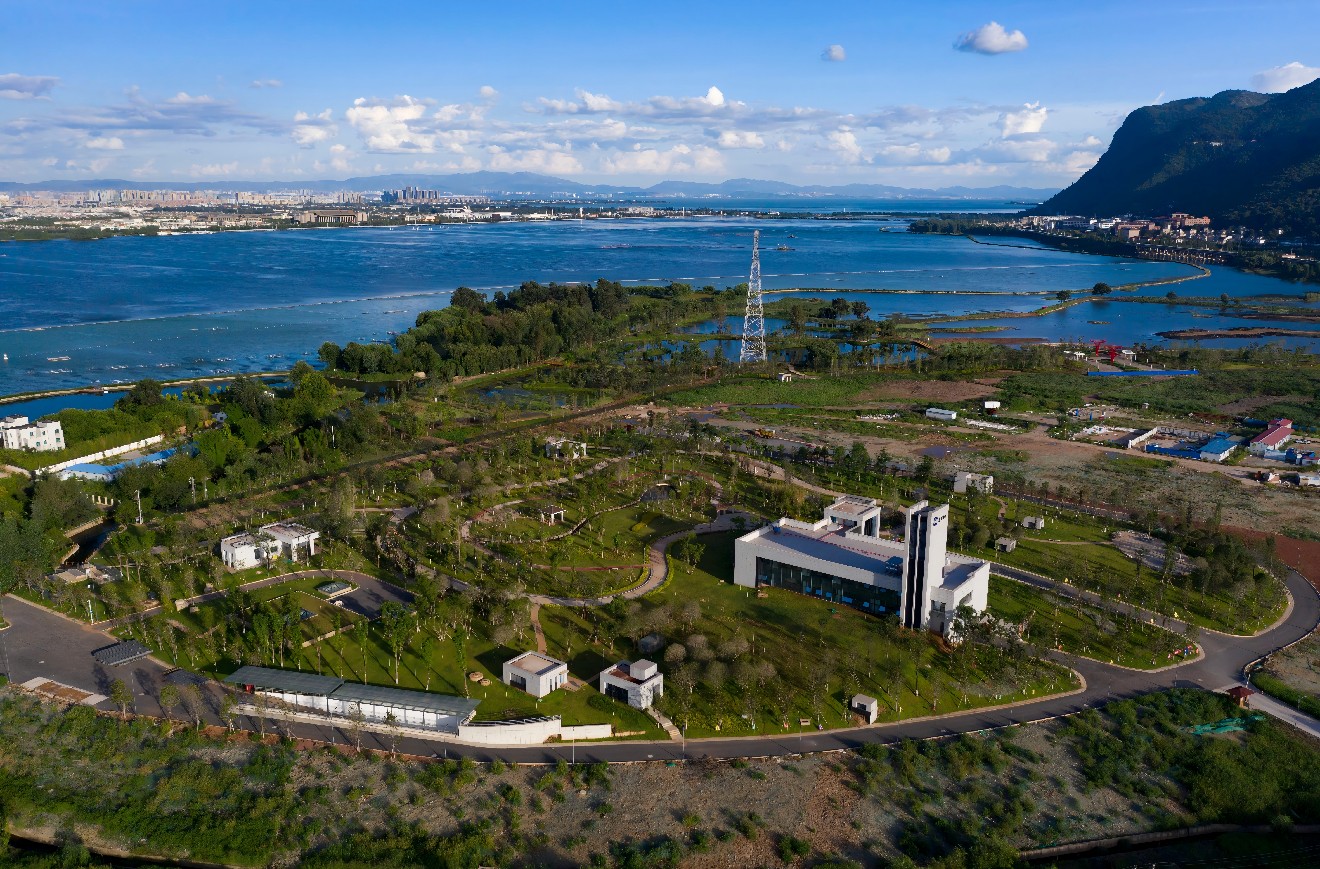
绿意之下,净水流深——探秘地埋式污水厂的“隐形”魔法
刚刚 · 来源:昆明市第十三水质净化厂 · 作者:昆明市第十三水质净化厂
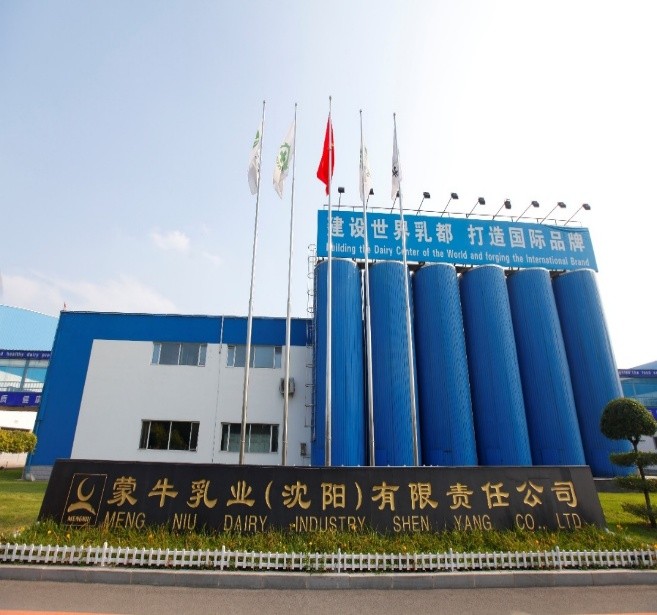
“智造+绿色”双轮驱动:蒙牛沈阳工厂从“千人百吨”到“百人千吨”的绿色空间转型实践
刚刚 · 来源:蒙牛乳业(沈阳)有限责任公司 · 作者:蒙牛乳业(沈阳)有限责任公司
