


机构简介
蒙牛乳业(沈阳)有限责任公司成立于2003年,系中外合资企业,注册资本1亿元人民币,位于沈阳市沈北新区沈北路121号,主营液体乳、冷冻饮品及蛋白饮料的生产销售。公司现有员工450余人,拥有11项专利及5项软件著作权。作为蒙牛集团在东北地区的重要生产基地,公司深度践行蒙牛“GREEN”可持续发展战略,积极响应国家“双碳”目标,于2023年4月入选工业和信息化部“2022年度国家级绿色工厂”名单。近年来,公司依托内网和工业互联网平台,全面推进“智改数转”,实现了从“经验管理”向“数据决策”、从“会生产”向“聪明生产”的跨越式蜕变。
机构LOGO

Company/Organization Profile
Mengniu Dairy (Shenyang) Co., Ltd., established in 2003 as a Sino-foreign joint venture with a registered capital of RMB 100 million, is located at No. 121 Shenbei Road, Shenbei New District, Shenyang. The company specializes in the production and sales of liquid milk, frozen beverages, and protein beverages. With over 450 employees, it holds 11 patents and 5 software copyrights. As a key production base of the Mengniu Group in Northeast China, the company deeply implements Mengniu's "GREEN" sustainable development strategy and actively responds to the national "Dual Carbon" goals. In April 2023, it was recognized by the Ministry of Industry and Information Technology as a National-Level Green Factory (Class of 2022). In recent years, leveraging its internal network and industrial internet platforms, the company has comprehensively advanced its "smart transformation and digital upgrade," achieving a leap from "experience-based management" to "data-driven decision-making" and from "conventional production" to "intelligent manufacturing."
项目背景
蒙牛沈阳工厂作为2004年投产的成熟生产基地,在运营过程中面临两大核心挑战:一是传统制造模式的效率瓶颈——建厂初期年产能不足500吨,员工却超过1000人,人效较低,生产全流程依赖人工记录与核对,数据孤岛问题突出;二是高耗能产业的空间绿色转型压力——乳制品加工涉及制冷、蒸汽、压缩空气等高能耗环节,能源管理粗放,碳排放强度亟待降低。 原因分析:传统生产模式下,设备运行状态依赖人工巡检,能源消耗缺乏实时监控与智能调控;制冷系统等关键设施存在氨液储量大的安全与环保风险;缺乏系统性的能源精益管理体系和智慧化管控手段。 改进目标:以“智改数转”重构生产全链条,同步推进绿色能源替代与节能降碳技术改造,实现空间运营效率提升与生态环境效益改善的双重目标。
Project Overview
As a mature production base commissioned in 2004, Mengniu Shenyang Factory has long faced two core challenges in its operations. The first is the efficiency bottleneck inherent in the traditional manufacturing model—in the early stage of the plant, annual production capacity was below 500 tons while the workforce exceeded 1,000 employees, resulting in low labor productivity. The entire production process relied heavily on manual recording and verification, with prominent data silos across different departments and systems. The second is the pressure for green spatial transformation in a high-energy-consumption industry—dairy processing involves energy-intensive operations such as refrigeration, steam generation, and compressed air supply. Energy management remained extensive and unsystematic, with carbon emission intensity urgently requiring reduction. Root Cause Analysis: Under the traditional production model, equipment operation status depended on manual inspection and patrols; energy consumption lacked real-time monitoring and intelligent regulation. Critical facilities such as the ammonia-based refrigeration system posed significant safety and environmental risks due to large refrigerant inventories. There was an absence of systematic lean energy management frameworks and intelligent control mechanisms. Improvement Objectives: To reconstruct the entire production chain through "smart transformation and digital upgrading" ("智改数转"), while simultaneously advancing renewable energy substitution and energy-saving carbon-reduction technological retrofits. The ultimate goal is to achieve dual outcomes: enhanced spatial operational efficiency and improved ecological and environmental performance, establishing a replicable green manufacturing paradigm for the food processing industry.
项目实施
标题(请附至少一张题图)
Project Implementation
To address the three identified challenges, the factory adopted a problem-oriented, multi-pronged implementation strategy with clear accountability and phased milestones. Addressing Challenge 1: Low production efficiency and heavy labor dependence — The company deployed enterprise internet access combined with dual-network dedicated lines to build a comprehensive digital-intelligent capability system. Concurrently, an MES (Manufacturing Execution System) was introduced to enable integrated intelligent management across safety, energy consumption, and supply chain operations. AI algorithms were applied to automatically control production line operations, with real-time equipment status monitoring and instant anomaly alert mechanisms. This end-to-end digital infrastructure replaced manual recording and verification with automated data collection and decision support. Addressing Challenge 2: Extensive energy management and high carbon emission intensity — The internal energy technology team took the lead in implementing smart energy management and energy-saving technological retrofits. Three major initiatives were undertaken: First, the construction of a smart energy management system to enable full life-cycle lean energy management, supported by the development of 89 system documentation files. Second, comprehensive energy-saving retrofits of critical equipment, covering 18 power distribution system upgrades, 22 ammonia refrigeration system renovations, 12 boiler house improvements, 23 air compressor station upgrades, 16 clean air conditioning system retrofits, and 24 additional energy-saving technological renovation projects. Third, collaborative innovation with suppliers to develop a refrigeration dual-compressor single-plate heat exchanger skid-mounted unit, which effectively reduced ammonia refrigerant inventory by over 70%, thereby eliminating the risk associated with major hazard sources. Addressing Challenge 3: Low utilization rate of green energy — The factory vigorously promoted the application of clean energy sources such as solar power within the plant premises. Concurrently, it progressively advanced zero-waste-to-landfill certification and improved the water recycling rate, enhancing overall resource efficiency. Implementation and Coordination Mechanism: The factory established a dedicated task force led by the General Manager, responsible for overall coordination and the development of a phased implementation roadmap. The factory team, in collaboration with the MES technical partner, took charge of production line adaptation and process optimization. Progress was ensured through weekly coordination meetings and a joint acceptance review mechanism. Throughout 2024 and 2025, the project was completed in phases covering network deployment, system go-live, and commissioning optimization, ultimately realizing a full-chain "digital metamorphosis" that transformed the factory from experience-based operations to intelligent, data-driven manufacturing.
成果亮点
实施前后核心数据对比(统计口径:以2004年建厂初期与2026年现状对比): 创新性亮点: 1.技术创新:首创制冷双机头单板换撬块机组,储氨量降低超70%,空间利用率提高超90%,同步降低环保风险和固废处理费用;空气冷源系统开发等多项节能装置已申请知识产权保护。 2.协同创新:打通生产、仓储、能耗、安全数据,构建乳业智能制造标杆。 3.模式创新:形成“MES系统+AI算法+智慧能源”三位一体的绿色空间智能管控模式,从“经验管理”走向“数据决策”,具备行业复制推广价值。
Project Outcome
Core Data Comparison Before and After Implementation (Statistical Scope: Comparison between the initial plant construction period in 2004 and the current status in 2026): Innovation Highlights: 1.Technological Innovation: The factory pioneered the development of a refrigeration dual-compressor single-plate heat exchanger skid-mounted unit, which reduces ammonia refrigerant inventory by over 70% and improves space utilization by more than 90%, while simultaneously lowering environmental risks and solid waste disposal costs. Multiple energy-saving devices, including the air cold source system, have been filed for intellectual property protection. 2.Collaborative Innovation: By integrating data across production, warehousing, energy consumption, and safety domains, the factory has established a benchmark for intelligent manufacturing in the dairy industry, setting a new standard for data-driven operational excellence. 3.Model Innovation: A trinity green spatial intelligent management and control model—comprising "MES System + AI Algorithms + Smart Energy"—has been developed. This model represents a fundamental shift from "experience-based management" to "data-driven decision-making," and possesses significant value for replication and promotion across the industry.
成果影响力
生态环境效益:通过智慧能源管理与节能技改,工厂综合能耗显著下降;氨制冷系统改造使单厂氨储量降低70%,消除了重大危险源风险;太阳能等可再生能源(厂区照明)应用持续推进,废弃物零填埋认证逐步落地;制冷系统能效提升方案已申请发明专利(申请号:202210844260.1)。 社会影响效果:2023年4月入选国家级绿色工厂,成为蒙牛集团累计27家国家级绿色工厂的优秀代表;2025年获评辽宁省品牌价值过亿元企业;作为辽宁“智改数转”标杆案例被权威媒体报道,2024-2025年已带动辽宁省109家中小企业完成数字化智能化改造。
Project Highlights
Ecological and Environmental Benefits: Through the implementation of smart energy management systems and energy-saving technological retrofits, the factory has achieved a significant reduction in overall comprehensive energy consumption. The ammonia refrigeration system renovation reduced single-plant ammonia refrigerant inventory by 70%, effectively eliminating major hazard source risks. The application of renewable energy sources such as solar power (for plant lighting) continues to advance steadily, while zero-waste-to-landfill certification is being progressively implemented. Additionally, the energy efficiency improvement solution for the refrigeration system has been filed for an invention patent (Application No.: 202210844260.1), demonstrating the project's commitment to technological innovation and intellectual property protection. Social Impact and Influence: In April 2023, the factory was recognized as a National-Level Green Factory by the Ministry of Industry and Information Technology, standing as an outstanding representative among Mengniu Group's cumulative total of 27 national-level green factories. In 2025, the company was honored as a "Liaoning Province Brand Value Exceeding 100 Million Yuan Enterprise." As a benchmark case of Liaoning Province's "smart transformation and digital upgrading" ("智改数转"), the factory has been featured by authoritative media outlets. Moreover, from 2024 to 2025, its exemplary practices have inspired and facilitated the digital and intelligent transformation of 109 small and medium-sized enterprises across Liaoning Province, demonstrating significant industry demonstration effects and regional driving force.
评价与荣誉
评价反馈:蒙牛乳业(沈阳)有限责任公司法人张德喜表示,“数智化转型让企业从‘经验管理’走向‘数据决策’,从‘会生产’迈向‘聪明生产’”。 行业认可:2023年4月,经省级工业和信息化主管部门推荐、专家评审和网上公示等环节,公司入选工业和信息化部“2022年度国家级绿色工厂”名单,成为绿色制造企业的代表与典范。 荣誉奖项:公司先后荣获蒙牛集团内部多项荣誉,技术团队骨干获评公司“最佳经理人”称号。相关绿色智能制造实践入选蒙牛集团“GREEN”可持续发展战略优秀案例,蒙牛集团层面连续三年入选恒生可持续发展企业指数系列成分股,MSCI ESG评级跃升至A级,为中国食品行业领域最高评级。
Reviews & Honors
Feedback and Evaluation: Mr. Zhang Dexi, Legal Representative of Mengniu Dairy (Shenyang) Co., Ltd., stated: "Digital and intelligent transformation has guided our enterprise from 'experience-based management' to 'data-driven decision-making,' and from 'conventional production' to 'intelligent manufacturing.'" This internal endorsement underscores the strategic significance and tangible value of the project from the highest management level. Industry Recognition: In April 2023, following a rigorous process of recommendation by provincial industrial and information technology authorities, expert review, and public announcement, the company was officially included in the Ministry of Industry and Information Technology's "2022 National-Level Green Factory" list, establishing it as a representative model and benchmark enterprise in green manufacturing. Awards and Honors: The company has successively received multiple internal honors from the Mengniu Group, with key technical team members being recognized as "Best Managers" within the organization. The green and intelligent manufacturing practices have been selected as outstanding cases under Mengniu Group's "GREEN" sustainable development strategy. At the group level, Mengniu has been continuously included in the Hang Seng Corporate Sustainability Index Series for three consecutive years, and its MSCI ESG rating has been upgraded to A, the highest rating achieved in China's food industry sector. These accolades collectively affirm the project's excellence in sustainability, innovation, and corporate governance.

海南省海口市绿色低碳校园建设可持续发展实践项目
1小时前 · 来源:海南省蓝丝带海洋环境保护协会 · 作者:海南省蓝丝带海洋环境保护协会
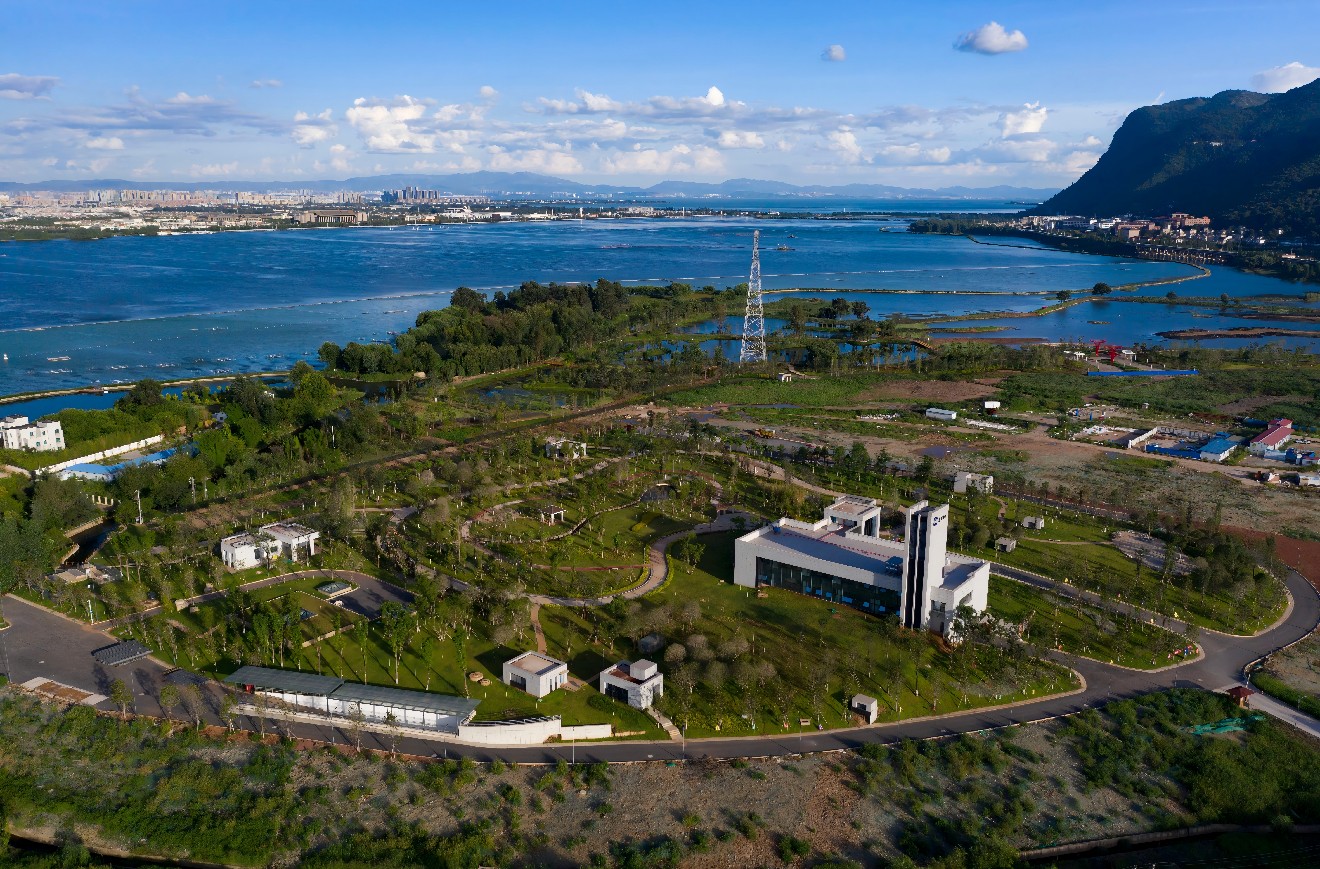
绿意之下,净水流深——探秘地埋式污水厂的“隐形”魔法
1小时前 · 来源:昆明市第十三水质净化厂 · 作者:昆明市第十三水质净化厂
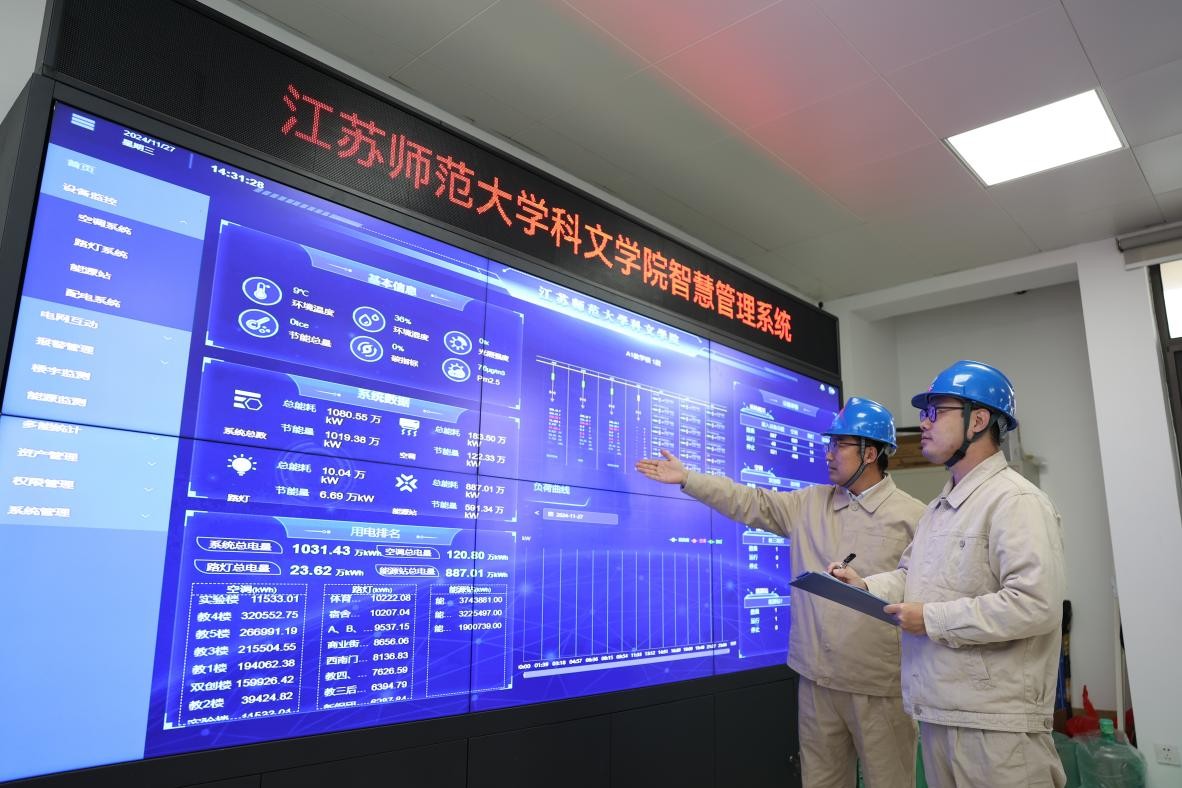
“微改造”里的“大智慧”——以空间焕新构建可复制低碳生活新场景
1小时前 · 来源:国网江苏省电力有限公司徐州市贾汪区供电分公司 · 作者:国网江苏省电力有限公司徐州市贾汪区供电分公司
