

Company/Organization Profile
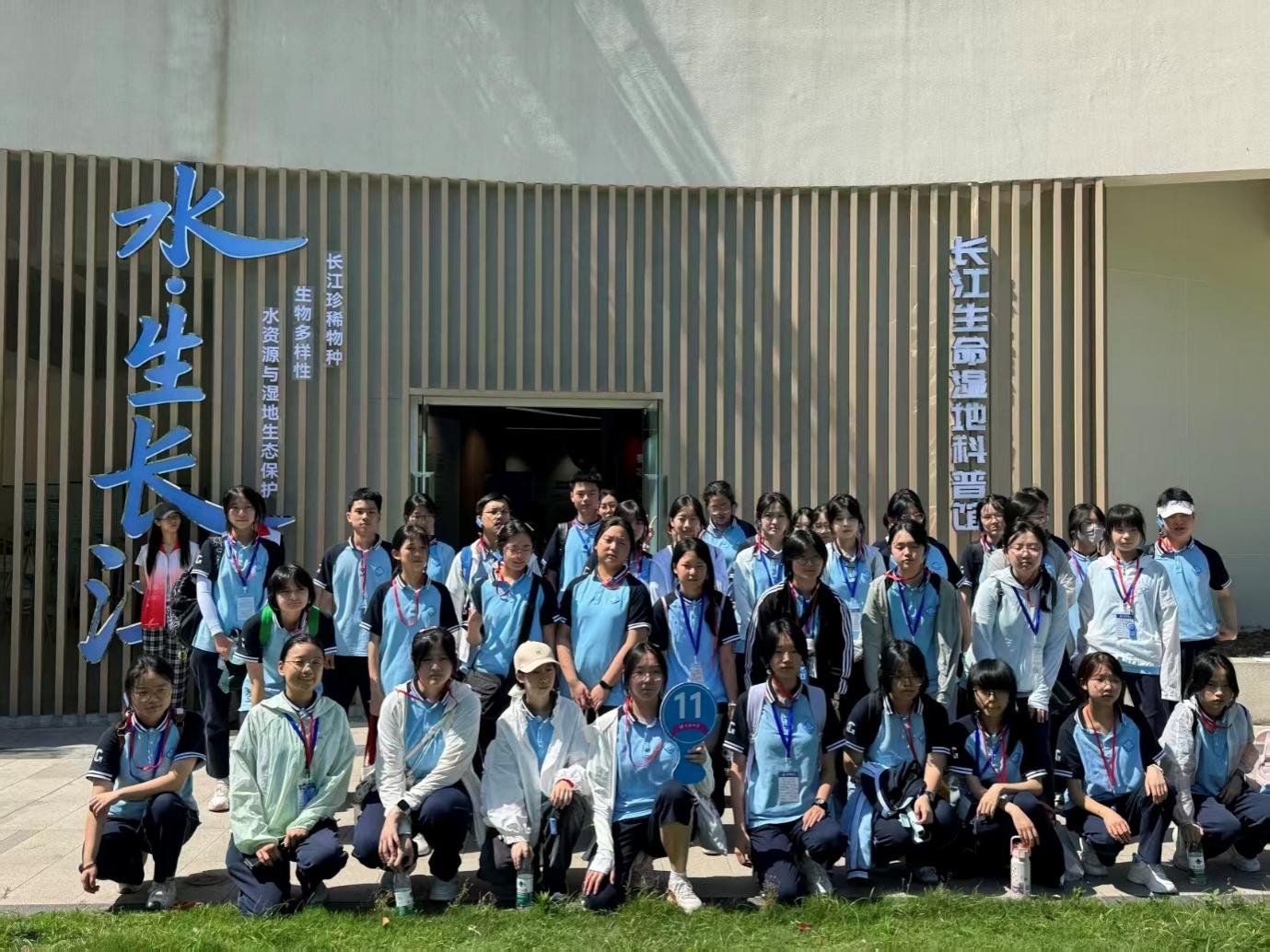
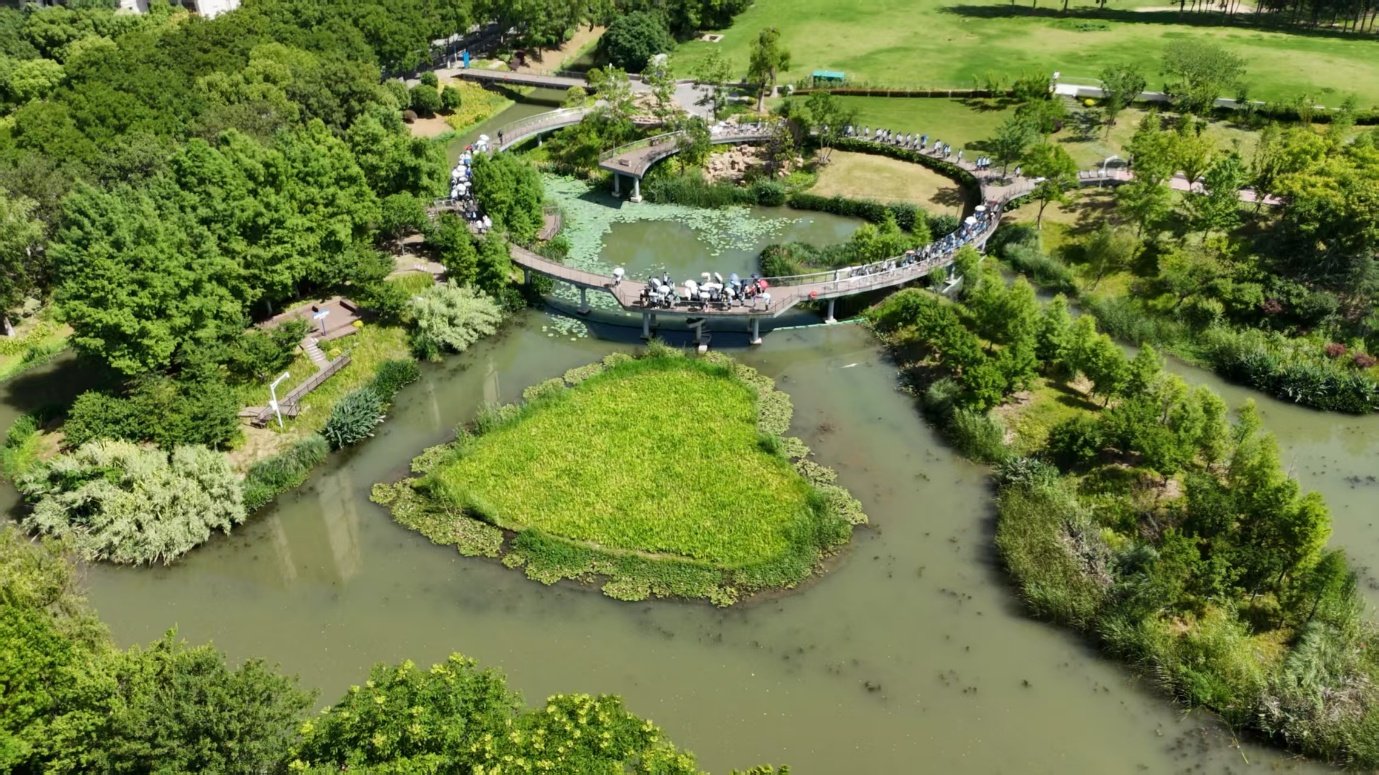
The NANJING Jianye District EcoWisdom Science Popularization Service Center is a private non-enterprise entity focusing on biodiversity, Yangtze wetland ecology, and green low-carbon topics. It fully operates Love Bay Park and the Yangtze Life Wetland Museum, creating an immersive "indoor exhibition + outdoor wetland" science base. It offers regular public lectures, exhibitions, nature education, and study tours for schools, residents, and enterprises, and can undertake customized ecological projects. Collaborating with sub-districts, schools, and volunteers, it builds a "base-community-campus" communication chain to promote green concepts, engage the public in conservation, and support regional ecological progress.
With nearly a decade of work in endangered species protection, marine/freshwater ecology, and biodiversity education, the Center has established flagship bases such as the Yangtze Finless Porpoise Center and the Titanium White Water Eco-space. It has served over 100,000 people (including 50,000 youth in study programs) and received nearly 50 international, national, and provincial/municipal awards, earning wide professional recognition.
机构简介
南京市建邺区智慧生态科普服务中心为民办非企业机构,聚焦生物多样性、长江湿地生态、绿色低碳三大核心科普领域。中心全权运营爱情湾生态湿地公园及长江生命湿地科普馆,打造“室内展馆+户外小微湿地”沉浸式科普阵地。面向学校、社区居民及企事业单位,常态化开展公益讲座、生态展览、自然教育、科普研学等活动,可承接各类生态科普专项项目。中心联动街道、学校与志愿者队伍,打通“阵地—社区—校园”科普传播链路,普及绿色生态理念,引导公众参与生态保护实践,助力区域生态文明建设。
中心长期深耕濒危物种保护、江海水生态保护、生物多样性宣教三大领域,深耕生态科普近十年;成功打造“长江江豚科教中心、钛白水生态科普空间”等标杆基地;累计服务公众超10万人次,青少年研学惠及5万人;获评近50项国际、国内、省市级荣誉,专业实力备受认可。
Project Overview
【Problem Status】
Urban small-and-micro wetlands are often undervalued by the public, who lack awareness of Yangtze wetland biodiversity and their water purification functions. City parks prioritize landscaping over science education, leaving few immersive wetland learning sites for residents and youth. Indoor exhibits are disconnected from outdoor wetland scenes, resulting in fragmented learning experiences.
【Root Causes】
The wetland park was built in 2024, and its science space was completed in 2025, but formal outreach had not yet launched. Early education relied on one-way display panels without real-site observation. There was no stable operator, no professional curriculum, and unsystematic volunteer activities. The public was unfamiliar with the site, making it hard to shift from "viewing panels" to "participating in conservation action."
【Improvement Goals】
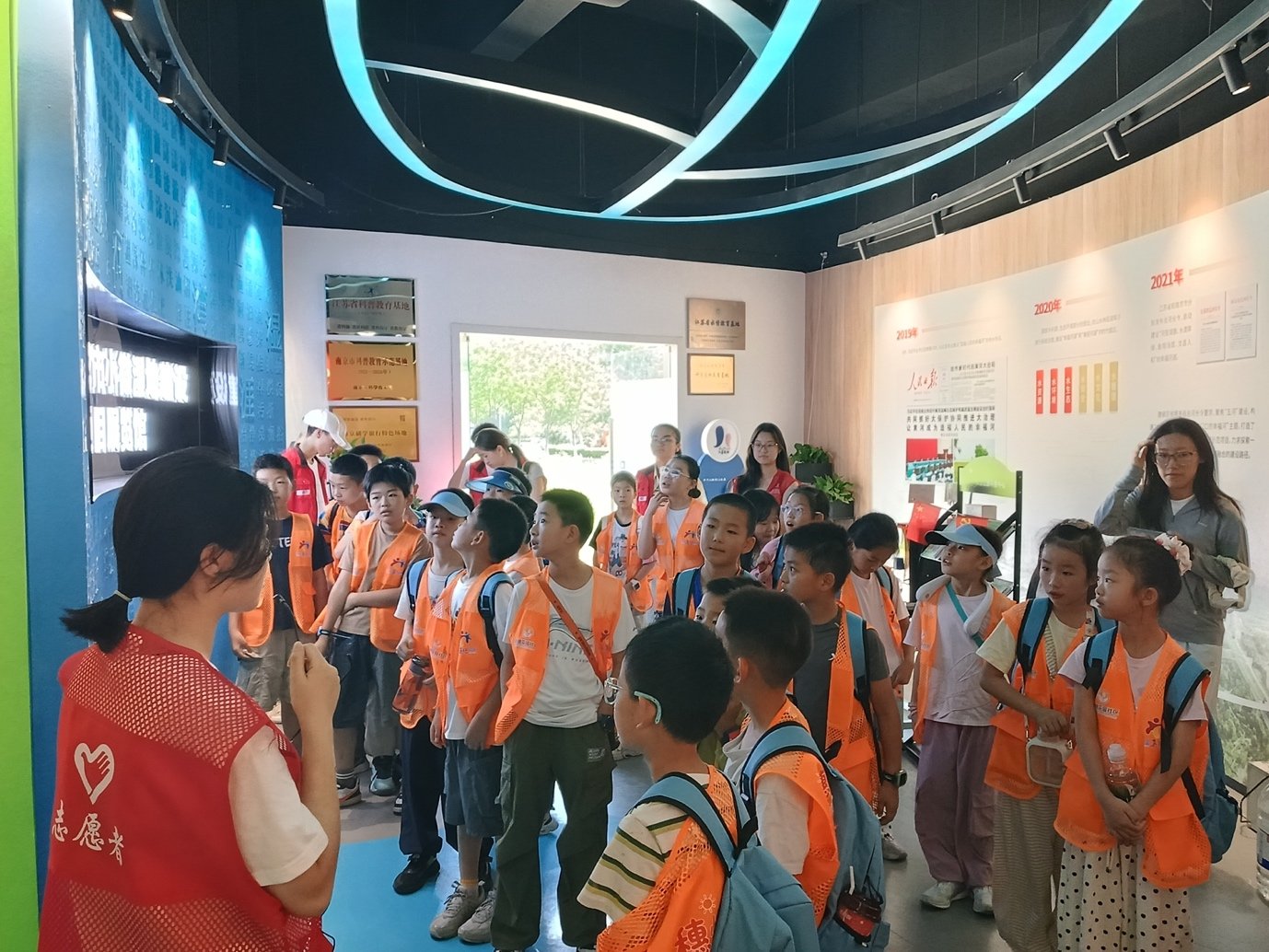
Leveraging the Love Bay Park wetland resources, the Center established the Smart Ecology Science Center in May 2026 and created the Yangtze Life Wetland Museum, linking indoor exhibits with outdoor sites. It develops professional courses and builds a full chain of "museum learning → wetland observation → hands-on action," transforming urban wetlands into participatory educational spaces. The aim is to guide the public to become users and guardians, raise ecological awareness, drive real behavioral and mindset changes, and continuously enrich activities to deliver tangible benefits.
项目背景
【问题现状】城市小微湿地生态价值容易被普通市民忽视,很多群众对长江湿地生物多样性、小微湿地水质净化功能认知不足;城市公园空间重景观、轻科普,缺少面向本地居民尤其是青少年的沉浸式湿地教育阵地,室内科普展示与户外真实湿地场景相互割裂,研学体验碎片化。
【原因分析】湿地公园2024年投建,科普空间2025年验收落地,科普宣教尚未开展正式运行,投建初期的湿地科普多以展板单向输出,缺少可实地观察的实景载体,同时,缺少稳定运营主体,更缺乏专业主体课程,志愿服务活动不成体系,公众不熟悉场域,更难以从 “看展板” 转向 “参与保护行动”。
【改进目标】依托爱情湾生态公园小微湿地环境资源,于2026年5月成立“智慧生态科教中心”,打造“长江生命湿地科普馆”,链接室内科普展陈与户外湿地场域,策划和执行专业科普课程,构建 “展馆学习湿地观察实践行动” 完整链条,把城市小微湿地转变为可参与、可体验的公共生态教育空间,引导全社会公众成为绿色空间使用者与保护者。引导民众从不熟悉,到积极参与主动接受科普宣教,提升他们生态保护意识,促进真正在行为或思想上发生变化,实现公众参与和行为倡导真正的问题,后续不断丰富展示活动、互动参与活动,实现切实有益的效果呈现。
Project Implementation
To address fragmented science education and limited public participation, the NANJING Jianye District EcoWisdom Science Popularization Service Center, together with local sub-districts, schools, and volunteers, coordinates four areas: venue operation, curriculum development, wetland care, and public events.
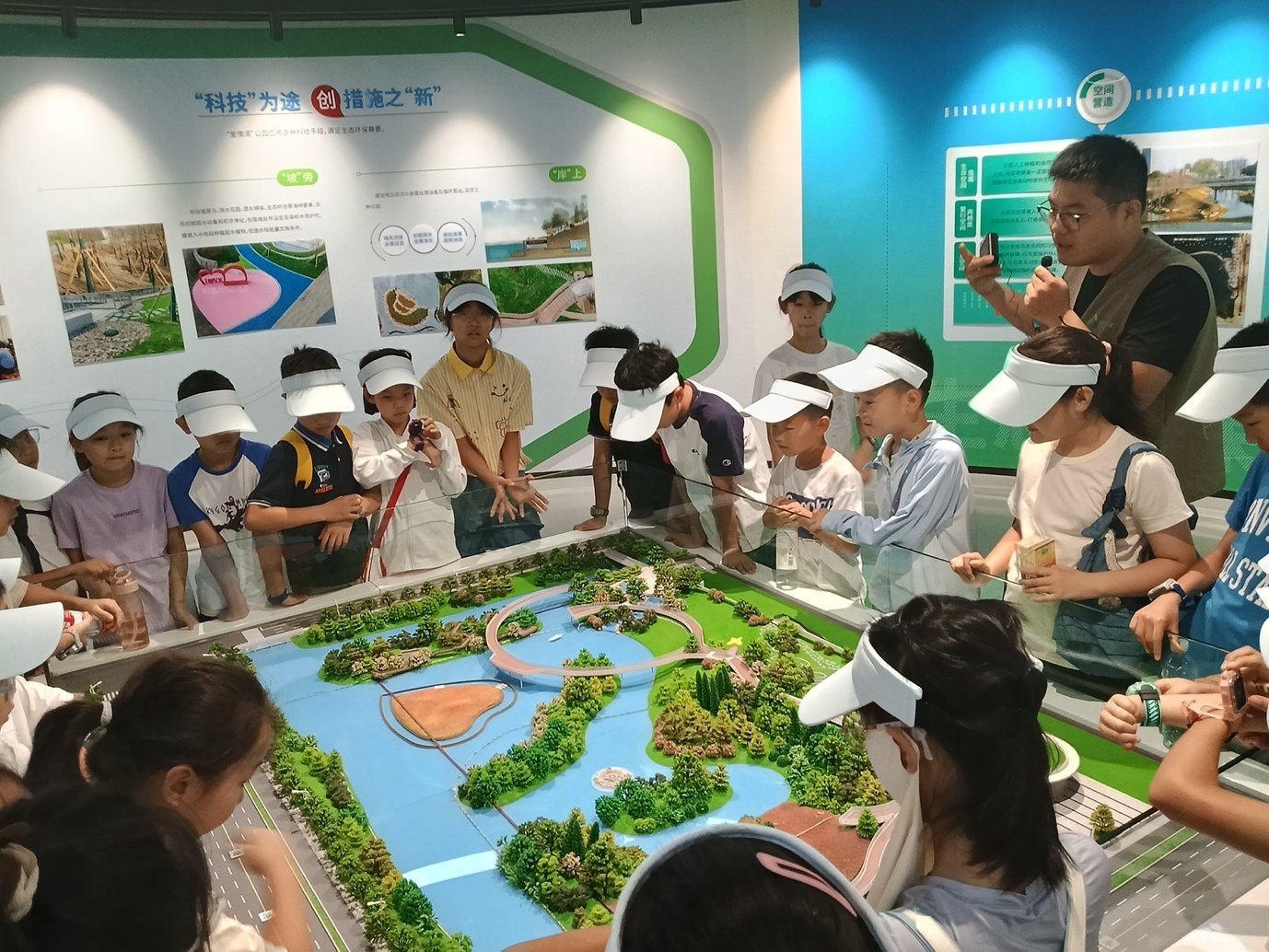
For indoor-outdoor disconnection: the Center's team maintains the exhibition hall (diorama, specimens, governance displays), upgrades outdoor signage (plant labels, birdwatching tips), and links the hall with the wetland restoration zone to create a "theory indoors, reality outdoors" route, bridging textbook knowledge and real ecology.
For one-way lecturing lacking action opportunities: they co-develop wetland courses with hands-on tasks (plant identification, simple water quality tests, species surveys), and recruit volunteers (students and residents) as docents or conservation stewards for guiding, patrolling, and invasive-species removal.
Resources: 2 full-time docents and 30–50 regular volunteers, using existing park spaces with a low-cost renovation and operation-first approach.
Key challenge and solution: concentrated reservations and insufficient guiding capacity at peak hours. Solutions: volunteer training and certification, standardized scripts, and staggered reservation scheduling.
Milestones: daily hall operations, quarterly themed events, weekend public study tours, and large-scale activities on Biodiversity Day and World Environment Day (June 5), ensuring sustained public engagement and long-term operation.
项目实施
针对科普场景割裂、公众参与渠道不足的问题,由建邺区智慧生态科普服务中心作为实施主体,联合属地街道、中小学、志愿者团队,统筹展馆运营、课程开发、户外湿地管护、公众活动四大板块推进项目落地。
针对 “室内与户外场景脱节” 问题:由中心科普团队实施空间运营优化,完成科普馆展陈常态化运维,维护长江湿地生态沙盘、本土物种标本、湿地治理成果展区;配套完善户外小微湿地科普解说系统,设置植物标识牌、观鸟提示,打通室内展馆与室外小微湿地修复示范区,形成 “室内学理论,户外看实景” 的研学路线,解决书本知识与真实生态脱节痛点。
针对 “科普形式单向灌输,缺少行动入口” 问题:科普团队联合学校教师开发系列湿地主题课程,设计湿地植物辨识、水质简易监测、本土物种调查等实操内容;建立志愿者队伍,面向中小学生、社区居民招募生态志愿讲解员与湿地管护志愿者,开展展馆讲解、湿地巡护、外来物种清理等志愿实践。
资源配置方面:配备专职科普讲解员 2 名,稳定志愿者 30–50 人;场地依托公园既有公共空间,低改造、重运营,减少新增工程投入。
实施过程中遇到的主要问题为研学团队预约集中、高峰时段讲解力量不足。解决方式:建立志愿讲解员培训上岗机制,编写标准化讲解脚本,实行团队预约分流制度,错峰接待参观群体。
项目推进节点:展馆日常开放运维;每季度策划主题科普活动;周末常态化开设公益研学;结合国际生物多样性日、六五环境日开展大型公众活动,持续输出科普服务,实现公共空间长效运营。
Project Outcome
1.Ecological achievements:From wasteland to national benchmark
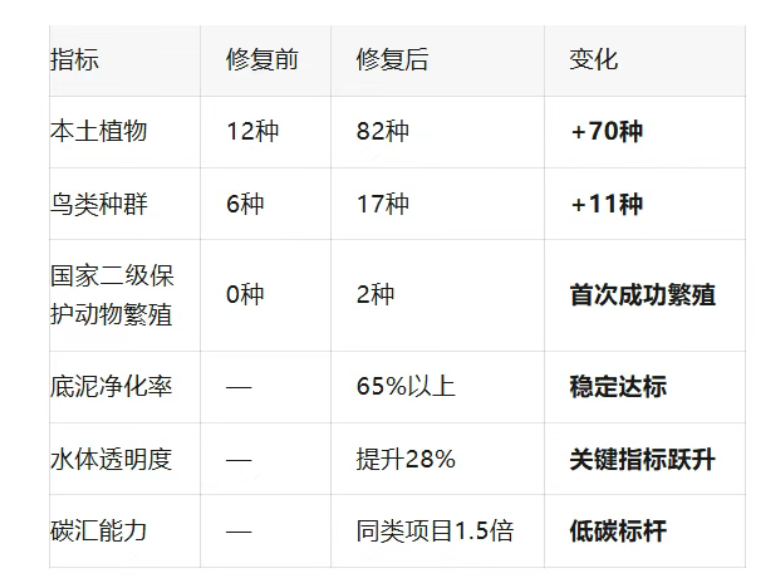
Water quality meets surface water excellence standard;native plants increased from 12 to 82 species,birds from 6 to 17;carbon sink capacity 1.5 times that of similar projects.
"Four-water integration"(purification,flow,accessibility,moisture)upgrades water from a scenic element to ecological infrastructure(filtration,storage,retention,cooling),solving the"beautiful landscape but no ecology"problem.
Core patent:In-situ benthic habitat restoration based on biotic integrity enhancement.Instead of dredging,the technology adds functional materials that generate reactive oxygen species under sunlight to degrade organics,and employs photoelectric flocculation to aggregate colloids and increase clarity.Pilot data vs.upstream:Transparency+8.1%,suspended solids–15.7%,sediment total nitrogen–21.4%,phytoplankton–31.5%,benthic index+10.5%.Park-wide:Sediment purification>65%,transparency+28%,ammonia nitrogen–47.2%,total phosphorus–66.2%,suspended solids–25.4%.Core philosophy:"nurture water"by restoring benthic communities to enable self-sustaining ecosystems.
2.Smart ecology science center at Love Bay Park(established May 2026)
Operates the"Yangtze Life Wetland Museum,"linking indoor exhibits with outdoor wetlands to form a"museum learning→wetland observation→action"chain.Transforms urban wetlands into participatory educational spaces,raising public awareness and prompting behavioral change.
Before:Mere park landscape with unknown wetland functions.After:Regular museum openings with a complete visitation-learning-volunteering loop.Since May:>2,000 visitors,6 public courses,40+themed events,30+volunteer docents trained.
Partnerships:Hohai University(hydrology)for joint practice base;discussions with Nanjing University,Nanjing Forestry University,and others.
Innovation: "public park + professional operation + volunteer participation" model—no major construction,relying on existing spaces,focusing on courses and activities;replicable to other parks/wetlands.
Sustainability:Fixed opening hours,reservation system,volunteer rotation,curriculum updates;cooperation with nearby schools for off-campus practice points.Ensures continuous activation,avoiding"build-heavy,maintain-light"traps.Citizens become users and guardians,not just visitors.
成果亮点
一、项目生态建设实现从“闲置荒地到全国标杆”
1.一座水质稳定达到地表水优良水平的生态公园,一处本土植物从12种增至82种、鸟类从6种增至17种的生物多样性高地,一个碳汇能力达到同类项目1.5倍的低碳转型标杆。
2.以四水融合—“净水、活水、亲水、润水”。实现破解“有景观无生态”的难题。不仅实现景观做得很精致,生态功能也不再形同虚设。把水从“景观元素”升级为“生态基础设施”;它不只是好看,还要净水、调蓄、涵养、降温,承担多重生态功能。
3. 引入国内领先的“基于生物完整性提升的底栖生境原位修复技术”,这是它的核心技术专利。所谓“底栖”,指水底栖息的生物群落——螺、虾、贝类、底栖鱼类。传统水体治理靠的是清淤换水,治标不治本。而这项技术通过添加环境功能材料,在日光照射下产生活性氧物质降解水中有机污染物,同时通过光电絮凝效应促进胶体团聚,加速沉降,提高水体透明度。
实践数据证明:试验段与上游相比,透明度增加8.1%,悬浮物减少15.7%,底泥中总氮减少21.4%,浮游植物密度降低31.5%,底栖动物完整性指数提升10.5%。上升到整个公园尺度,底泥净化率稳定达到65%以上,水体透明度提升28%,氨氮、总磷、悬浮物分别削减47.2%、66.2%、25.4%。
水生态修复的核心不是“换水”,而是“养水”—养好水底的底栖生物,让整个生态系统自己运转起来。这才是可持续的修复路径。
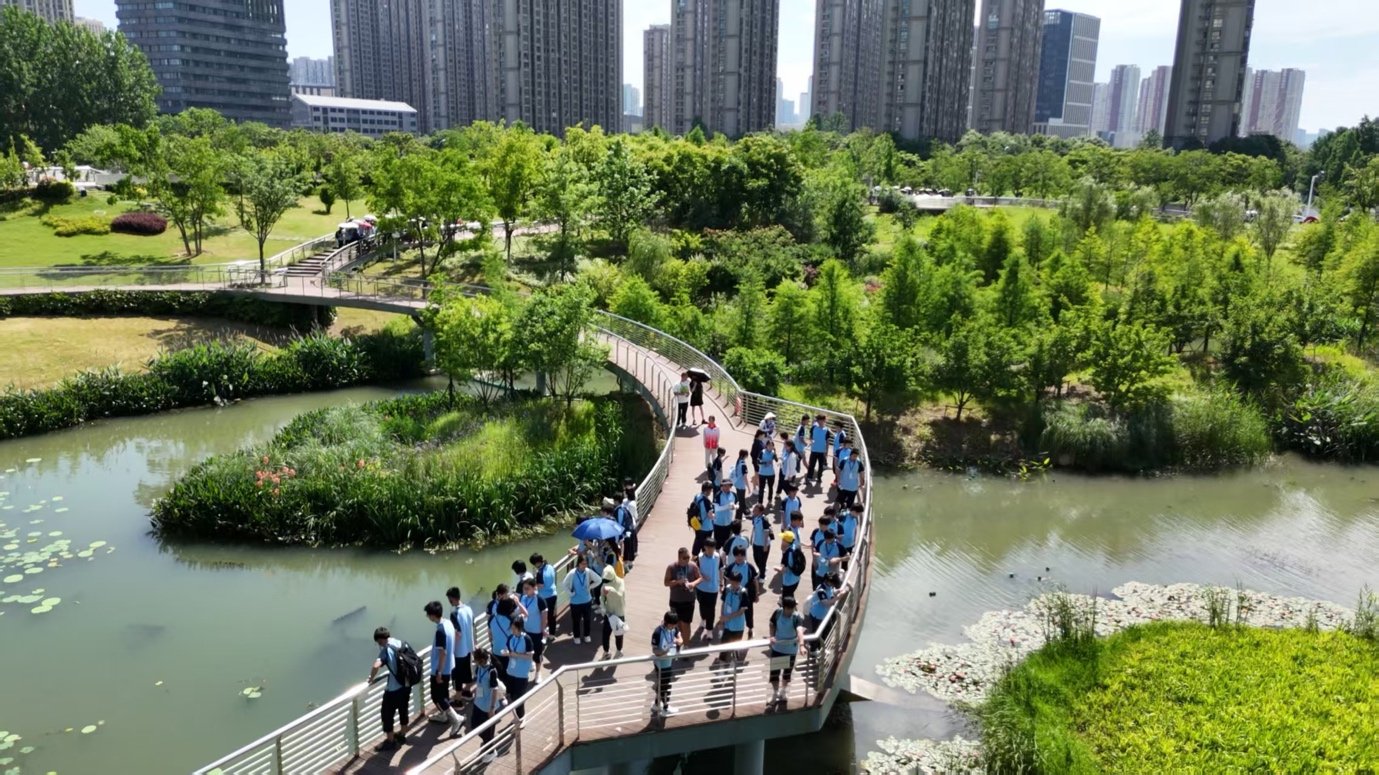
二、依托爱情湾生态公园小微湿地环境资源,于2026年5月成立“智慧生态科教中心”,打造“长江生命湿地科普馆”,链接室内科普展陈与户外湿地场域,策划和执行专业科普课程,构建 “展馆学习 湿地观察 实践行动” 完整链条,把城市小微湿地转变为可参与、可体验的公共生态教育空间,引导全社会公众成为绿色空间使用者与保护者。引导民众从不熟悉,到积极参与主动接受科普宣教,提升他们生态保护意识,促进真正在行为或思想上发生变化,实现公众参与和行为倡导真正的问题,后续不断丰富展示活动、互动参与活动,实现切实有益的效果呈现。
1.实施前后对比:项目运营前,该空间仅作为城市公园景观,湿地生态功能不被大众知晓;运营后,科普馆常态化对外开放,形成完整参观—科普学习—志愿实践”完整闭环。从5月试运营以来,面向社会全民众进行科普宣教累计接待超 2000 人次,开展公益课程6项、主题活动 40 余场,培训志愿讲解员 30 余名。
2.和相关专业院校实现院校合作机制
针对水生态水文专业领域,和南京河海大学水文学院建立专业和志愿服务基地共建合作,将项目作为学院学生专业社会实践应用的平台,以此模式与南京大学、南京林业大学、非遗学院、传媒大学等正在筹划共建落地机制。
3.模式创新亮点:探索 “公共公园空间 + 专业团队运营 + 社会志愿者参与” 协同模式,不搞大规模硬件新建,依托现有自然环境场域与展馆空间资源,以专业课程、趣味活动、志愿服务为核心,激发全民众积极参与互动,主体课程及运行模式可复制推广到其他城市公园或小微湿地场景。
4.长期可持续运行机制:形成固定开放制度、预约接待制度、志愿者轮值制度、专业课程迭代更新机制;联动周边中小学建立校外实践点,把湿地科普纳入校外实践活动,保障空间持续活化,避免展馆 “重建设、轻运维” 问题。民众不再只是空间游客,转变为湿地观察、巡护的绿色空间使用者和参与者。
Project Highlights
1.Awards and benchmark status
In June 2026, the project received the "Jiangsu Habitat Environment Award"—the province's highest honor in human settlements. Since completion, it has also won: No.1 "Collaborative Innovation Case" in "Biodiversity-friendly Wetland Cases" at the 17th National Water Technology Conference (national); Third Prize of Jiangsu Ecological Society Science and Technology Award (provincial); Excellence Case of Yangtze River Delta Landscape Gardening (regional); and was cited by the joint committee as a typical case for ecological renovation of urban small-and-micro wetlands. This systematic experiment in high-density urban wetland restoration is providing a replicable "Nanjing model" for ecological restoration in China's urban renewal efforts.
Ecological logic: small wetlands delivering big ecology
Despite its modest size, the site achieves a complete ecological chain: water purification via treatment units and benthic restoration → improved water quality attracting benthic fauna → benthic fauna providing food for birds → birds breeding safely on the unmanned island. This forms a full closed-loop cycle of "sponge water retention – plant purification – biological habitat."
3. Ecological and environmental benefits
While not directly generating large-scale emission reductions, the project: raises public awareness of wetland water purification and biodiversity through science education; mobilizes volunteers for wetland patrol and invasive species removal; protects over 80 native wetland plant species and their bird habitats, strengthening the ecological service value of urban small-and-micro wetlands.
4. Volunteer service outcomes
Established partnerships with two universities, with plans to expand to more; trained over 30 university student volunteers in conservation practice.
5. Social impact
Since the May 2026 trial operation, the project has served over 2,000 visitors, including students, residents, and government groups. It has become a demonstration base for wetland conservation education at the district, city, and provincial levels, while providing a public outreach platform for regional "happy rivers and lakes" and biodiversity protection efforts. Its operational model offers a practical example for urban park wetland education across China. Through volunteer engagement of university students and the general public, it has encouraged broad participation in green actions, expanding the social reach of the "Beautiful China" public initiative.
成果影响力
1.2026年6月获评“江苏人居环境奖”(全省人居环境建设领域的最高荣誉)。从建设落地一年多来,已先后获得第十七届全国水科技大会《生物多样性友好湿地案例》“协同创新案例”榜首(国家级)、江苏省生态学会生态科学技术奖三等奖(省级)、长三角区域园林绿化优秀案例(区域级),并被长三角城市生态园林协作联席会评为城市小微湿地生态化改造与提升的典型案例。这是一场高密度城区小微湿地修复的系统性实验,正在为全国城市更新中的生态修复提供可复制的“南京样板”。
2.面积不大,但实现了小微湿地的“大生态”。
数据背后是一个完整的生态链在运转:“净水装置和底栖修复技术净化水质→水质改善吸引底栖动物回归→底栖动物为鸟类提供食物→鸟类在无人岛安心繁殖。小微湿地‘海绵蓄水-植物净化-生物栖息”的完整闭环”。
3.生态环境效益:项目本身不直接产生大规模减排,通过科普宣教提升公众对小微湿地水质净化、生物多样性保护认知;带动志愿者开展湿地巡护、外来入侵物种清除,维护小微湿地生境,保护 80 余种本土湿地植物及其栖息鸟类生存环境,强化城市小微湿地的生态服务价值。
4.社会志愿服务效果:已与两所高校落地共建,同时筹划多校继续合作模式,已培训30余名大学生志愿服务实践。
5.社会影响力效果:从2026年5月试运营以来,累计服务 2000 余人次,覆盖中小学生、社区居民、机关团体;不仅成为建邺区、南京市、江苏省的小微湿地保护科普示范阵地,更成为区域幸福河湖、生物多样性保护工作提供公众宣教载体;模式也成为国内城市公园小微湿地科普运营提供实践样本;更通过大学生、社会公众志愿实践引导大批民众践行绿色行动,扩大美丽中国公众行动社会覆盖面。
Reviews & Honors
1. Public feedback
Visiting students and community residents report that the project translates complex wetland ecology into tangible, hands-on experiences, with engaging and practical courses. Volunteer patrollers appreciate that the project offers a convenient local channel for ecological conservation. Government agencies and community groups have repeatedly held on-site Party Day and Environment Day events here, with positive feedback from all participating organizations.
2. Industry and media recognition
National and local media have covered the opening of the Yangtze Life Wetland Museum and its science education programs, promoting the site as a model case for urban small-wetland and biodiversity conservation in Jianye District, Nanjing.
3. Official visits and endorsement
In July 2026, the project received multiple visits from officials of the Jiangsu Provincial Department of Ecology and Environment, the Zhejiang Provincial Department of Ecology and Environment, and the Publicity Center of the Ministry of Ecology and Environment, all of whom expressed high recognition and praise.
4. Major awards and honors
"Jiangsu Habitat Environment Award" – the province's highest honor in human settlements.
Since completion, it has also received:
No. 1 "Collaborative Innovation Case" in "Biodiversity-friendly Wetland Cases" at the 17th National Water Technology Conference (national level);
Third Prize of the Jiangsu Ecological Society Science and Technology Award (provincial level);
Excellence Case of Yangtze River Delta Landscape Gardening (regional level);
Cited by the joint committee as a typical case for ecological renovation and enhancement of urban small-and-micro wetlands.
评价与荣誉
1.社会评价反馈:广大参观学生、社区居民反馈,该项目把晦涩的湿地生态知识转化为看得见摸得着的实景体验,研学课程趣味性、实践性强;参与志愿巡护的志愿者普遍表示,项目提供了就近参与生态保护的可行渠道。机关单位、社区多次组织主题党日、环境日主题活动到此开展现场教学,现场教学效果得到参与单位认可。
2.行业认可和媒体评价:国家官方媒体、本地媒体等对长江生命湿地科普馆对外开放、科普研学活动进行报道,作为南京市建邺区城市小微湿地与生物多样性保护的典型科普场景对外宣传。
3.项目也在2026年7月多次接待江苏省生态环境厅、浙江省生态环境厅,国家生态环境部宣讲中心领导们到访,并获得高度认可、好评。
4.目前所获重大奖项荣誉:“江苏人居环境奖”——全省人居环境建设领域的最高荣誉。从投建以来,先后获得第十七届全国水科技大会《生物多样性友好湿地案例》“协同创新案例”榜首(国家级)、江苏省生态学会生态科学技术奖三等奖(省级)、长三角区域园林绿化优秀案例(区域级),并被长三角城市生态园林协作联席会评为城市小微湿地生态化改造与提升的典型案例。

近零碳社区的美育升级---- 长寿苑社区 “低碳实践 + 影像科普” 共建项目
4天前 · 来源:成都市武侯区火车南站街道长寿苑社区居民委员会 · 作者:成都市武侯区火车南站街道长寿苑社区居民委员会

以绿色金融之力推动中国新质生产力!
4天前 · 来源:国泰海通证券研究所ESG及美丽中国研究组 · 作者:国泰海通证券研究所ESG及美丽中国研究组
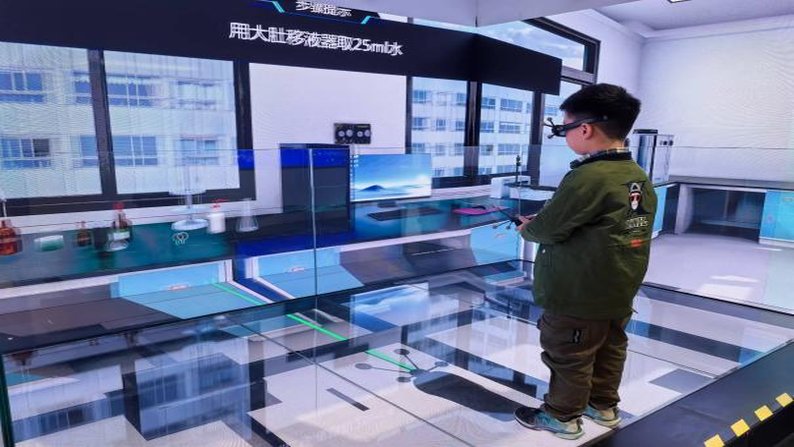
不择知行细流,蕴蓄蓝绿成深:雄安新区生态环境共享中心科普宣传空间营造雄安新区生态环境共享中心VR虚拟实验室(数字化仿真替代实体化学实验,实现科普零危废、低能耗)
6天前 · 来源:雄安新区生态环境监控中心 · 作者:雄安新区生态环境监控中心
