

Company/Organization Profile
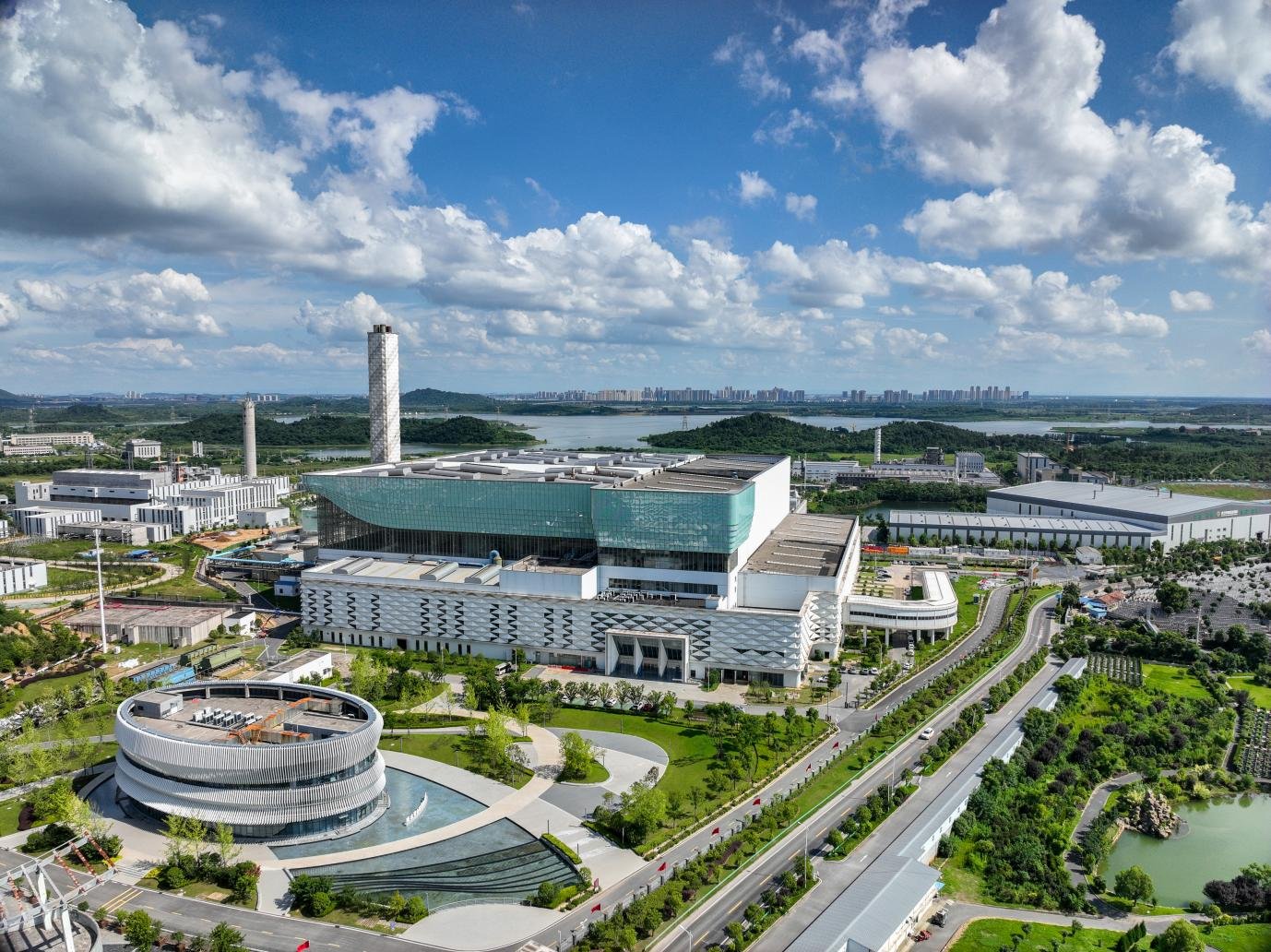
Established in September 2016, Wuhan Huantou Qianzishan Environmental Industry Co., Ltd. is a subsidiary of Wuhan Huantou Group. The company operates the Qianzishan Circular Economy Industrial Park, a project with a total investment of RMB 5.6 billion. Located in Caidian District, the park was built on a former abandoned mining site. Through systematic ecological restoration, it has undergone a transformative transition into a benchmark for urban green development.
The park is a Typical Case of Wuhan in the Zero-Waste City Initiative, which features six major industrial chains for the comprehensive utilization of solid waste: waste-to-energy incineration, construction waste recycling, organic solid waste treatment, municipal sludge co-processing, industrial hazardous waste disposal, and medical waste disposal. This integrated layout enables one-stop, synergistic treatment of solid waste across the entire region, achieving an annual comprehensive treatment capacity of over 2 million tons.
Guided by five core pillars—comprehensive treatment of all solid waste categories, full-scale resource recycling, industry-leading environmental protection, fully digitalized management, and open public engagement. The company is a National Carbon Emission Standardization Pilot Unit and a member of the Green and Low-Carbon City Construction Industry Alliance,.
机构简介
武汉环投千子山环境产业有限公司成立于2016年9月,隶属于武汉环投集团。公司运营的千子山循环经济产业园总投资56亿元,坐落于武汉市蔡甸区,原址为废弃采矿区,经系统生态改造实现向城市绿色标杆转变。
千子山循环经济产业园是武汉市无废城市建设的示范项目,布局生活垃圾焚烧发电、建筑垃圾资源化、有机固废处置、市政污泥协同处理、工业危险废物处置、医疗废物处置六大固废综合利用产业链,实现全域固废一站式协同处置,年综合处置量超200万吨。公司以“固废全门类处置、资源全体量循环、环保全领域领先、过程全数智管理、运营全社会开放”五大核心特色为支撑,是国家碳排放标准化试点和绿色低碳城市建设产业联盟成员单位。
Project Overview
During the initial operation phase of Qianzishan Park, solid waste treatment units operated in relative isolation. Internal recycling chains for self-generated green electricity, reclaimed process water, and solid waste by-products were not established, leading to low overall resource recovery efficiency. The low-carbon philosophy had not been systematically integrated into the full internal management workflow, and there were no regular codes of conduct or guidance on low-carbon practices for employees and production teams.
External outreach activities were limited to basic business introductions, and the low-carbon demonstration and science communication value of education spaces remained underutilized. Moreover, the park lacked sufficient efforts to advance coordinated carbon reduction with upstream and downstream partners, failing to build joint forces for emission cuts across the industrial chain.
In the early operation stage, stable and compliant production was set as the core objective. The construction of a park-wide resource recycling system was not planned from a holistic systematic perspective. The education space was positioned merely for business display, without immersive and demonstrative content built around low-carbon practice scenarios.
No coordination mechanisms or benefit linkage frameworks for joint carbon reduction with supply chain partners were put in place, resulting in insufficient supporting carriers for emission reduction collaboration between upstream and downstream stakeholders.
Building on the existing operational systems and facilities, the park establishes corporate-level low-carbon governance and resource recycling mechanisms to form closed-loop utilization chains for energy, water and solid waste within the park.
It develops a low-carbon guidance system covering all scenarios including production, office work and daily life to advance the regular implementation of low-carbon concepts. The functions of education spaces are upgraded to create dedicated venues showcasing low-carbon practices.
The park also deepens coordinated carbon reduction across the industrial chain, striving to build a replicable, sustainable and scalable demonstration model for corporate low-carbon practices.
项目背景
园区投运初期,固废处置各单元相对独立运行,自产绿电、生产中水、固废副产物等内部资源循环利用链条未打通,整体资源化效率不高;低碳理念未系统性融入内部管理全流程,员工、生产班组缺乏常态化低碳行为规范与指引;对外宣教仅覆盖基础业务介绍,宣教空间的低碳示范、科普传播价值未充分挖掘;园区与上下游产业链协同减碳力度不足,未形成联动降碳合力。
运营初期以生产稳定达标为核心目标,未从全园区系统视角统筹资源循环体系建设;宣教功能定位偏业务展示,未结合低碳实践场景打造体验化、示范化内容;未建立产业链协同减碳的对接机制与利益联结路径,上下游减碳协同缺乏支撑载体。
立足现有运营体系与设施基础,搭建企业层级低碳治理与资源循环机制,打通园内能源、水资源、固废资源闭环利用链条;构建覆盖生产、办公、生活全场景的低碳行为指引体系,推动低碳理念常态化落地;升级宣教空间功能,打造低碳实践展示阵地;深化产业链协同减碳,建成可落地、可延续、可推广的企业低碳实践示范样板。
Project Implementation
Launched officially in May 2022, this project is fully implemented by Wuhan Huantou Qianzishan Environmental Industry Co., Ltd. Relying on the park’s mature production facilities, office buildings, environmental education venues and supporting road networks, the company systematically drives green and low-carbon transformation with targeted solutions to resolve operational bottlenecks from the early park operation phase across five dimensions:
1.Address the lack of top-level systems for low-carbon management: Improve overarching low-carbon institutional frameworks
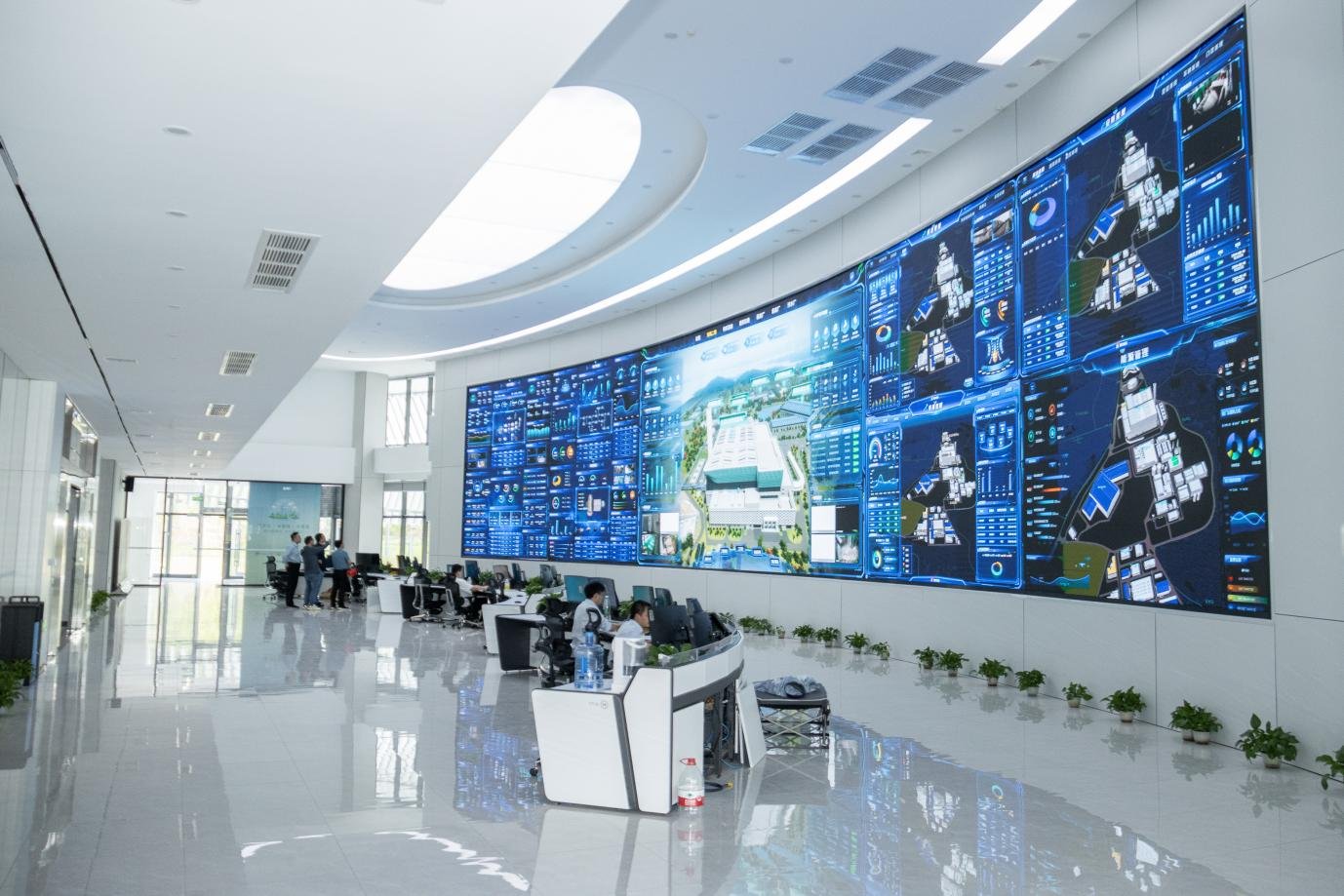
Taking the park’s full-coverage smart management and control platform as the carrier, the company integrates carbon peaking and carbon neutrality assessment indicators into daily corporate governance to prioritize green-oriented operations. Drawing on its qualification as a National Carbon Emission Standardization Pilot Unit, it carries out regular carbon inventory work and carbon data disclosure, and establishes connections with regional carbon inclusion and emission reduction mechanisms.
The enterprise takes the lead in formulating the group standard Technical Specifications for Zero-Carbon Park Evaluation to standardize and replicate its mature low-carbon management models. Mandatory assessment rules constrain management decision-making, forming a long-term top-down mechanism to advance low-carbon development.
2.Address the imperfect internal resource recycling system of the park: Tap into the recycling value of production lines
All production wastewater undergoes advanced on-site treatment and is 100% reused for equipment cleaning and park greening, saving 180,000 tons of water per year. Steady green power generated by domestic waste incineration is prioritized to supply power for on-site production equipment and office buildings.
New charging piles are additionally deployed to consume surplus green electricity for official vehicles and employees’ private cars, creating a circular model for local consumption of power generated within the park. Technical transformation for resource utilization of kitchen waste liquid has been completed.
Recycled carbon sources are produced via the existing wastewater treatment system, cutting carbon source consumption by 1,440 tons annually and achieving a direct carbon emission reduction of 800 tons, so as to fully unlock the resource recovery potential of solid waste.
3.Address the absence of regular low-carbon office and commuting habits among staff: Upgrade low-carbon office and logistics management
Paperless online approval and virtual meetings are fully implemented to reduce printed documents and foster zero-waste office practices. Electric shuttle buses are deployed within the park; official vehicles and sanitation work vehicles are gradually electrified, while green commuting modes are advocated for all employees.
Special training sessions on energy conservation and carbon reduction are held on a regular basis, and a zero-carbon volunteer service team is set up. Serial ecological culture events are organized on World Environment Day, National Low Carbon Day and National Zero Waste Day to integrate low-carbon behaviors into employees’ daily work and trips.
4.Address weak carbon reduction coordination across the industrial chain: Optimize green supply chain management
New assessment clauses covering environmental qualification, pollutant emission control and recyclable packaging are added to the bidding system, embedding low-carbon requirements at the procurement access stage.
Based on long-term supply chain partnerships, cooperating enterprises are guided to optimize raw material consumption and pollution control. The company has joined the green and low-carbon urban construction industrial alliance initiated by Wuhan Dual-Carbon Industry Research Institute, exploring new approaches to green and low-carbon urban development together with 124 member units.
Restrictions imposed on the procurement side drive the entire industrial chain to improve resource utilization efficiency synchronously, extending the reach of low-carbon management to external partners.
5.Address insufficient external low-carbon influence: Revitalize science popularization venues and expand external communication channels
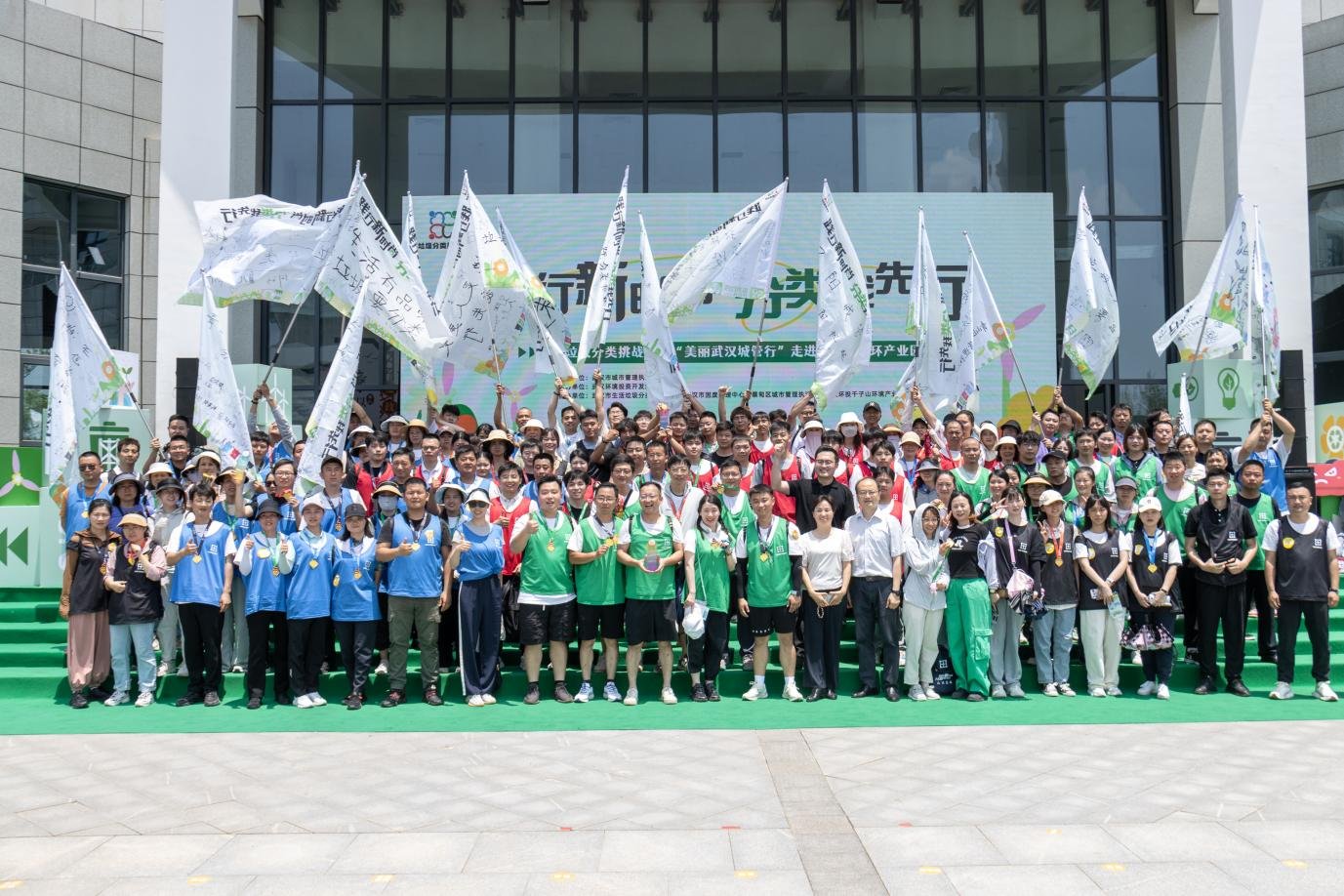
Display contents inside the 2,200-square-meter energy and environmental education center are upgraded to build immersive interactive popular science scenarios themed on circular economy. The park opens regular study tours for primary and secondary schools, enterprises and public institutions.
A practical education base for ideological and political courses is jointly built with Wuhan University and other universities, receiving more than 10,000 visitors every year. Ecological literary field trips and themed essay contests are organized to record the ecological transformation stories of abandoned mining areas through cultural narratives.
Industrial delegations from Belarus, Kazakhstan, Turkey and other countries are received for on-site research and exchanges, sharing the park’s practical experience in circular economy and carbon reduction worldwide.
项目实施
本项目2022年5月正式启动,实施主体为武汉环投千子山环境产业有限公司,依托园区成熟生产设施、办公楼、宣教场馆、配套路网等系统性推进绿色低碳转型,分五大维度针对性破解前期运营痛点:
1.针对低碳管理缺乏顶层制度问题:完善顶层低碳管理制度
以园区全域智慧管控平台为载体,将双碳考核指标嵌入企业日常治理,树立绿色运营导向。依托国家碳排放标准化试点资质,常态化开展碳盘查、碳数据公开,对接区域碳普惠减排机制;牵头编制《零碳园区评价技术规范》团体标准,固化成熟低碳管理模式。通过硬性考核制度约束管理层决策,搭建自上而下长效低碳推进体系。
2.针对园区内部资源循环利用体系不够完善问题:深挖产线资源循环价值
对生产废水站内深度处理后100%回用设备清洗、厂区绿化,每年节水18万吨;生活垃圾焚烧稳定产出绿电,优先供给厂区生产、办公用电,配套新建充电桩,富余绿电供给公务车与员工私家车,形成园内电力就地消纳循环模式。完成餐厨废液资源化技改,依托污水系统制备再生碳源,年节约碳源1440吨,直接减碳800吨,最大化释放固废资源化潜力。
3.针对职工无常态化低碳办公、通勤习惯问题:升级办公后勤低碳管理
推行无纸化线上审批、线上会议,压缩纸质文件使用,培育零废弃办公习惯;投放电动园区接驳车,公务、环卫车辆电动化,倡导绿色通勤。定期组织节能降碳专项培训,组建零碳志愿者队伍,结合六五环境日、全国低碳日、全国无废日开展常态化生态文明宣传活动,推动低碳行为融入员工工作与日常。
4.针对产业链减碳协同弱问题:优化绿色供应链管理
在招投标体系新增环保资质、污染物管控、可循环包装评审细则,将低碳要求前置至采购准入环节。加入武汉“双碳”产业研究院发起的绿色低碳城市建设产业联盟,与124家成员单位共同探索绿色低碳城市建设新路径。依托长期合作供应链,督促合作企业优化原料使用与排污管控,以采购端约束带动全产业链同步提升资源利用效率,向外延伸低碳管控影响力。
5.针对低碳影响力不足问题:活化科普宣教空间、拓宽对外传播渠道
升级2200㎡能源宣教中心展陈内容,打造沉浸式循环经济互动科普场景,面向中小学、企事业单位常态化开放研学;与武汉大学等高校共建大思政实践教育基地,年均接待访客超10000人次。同步开展生态文学采风、主题征文,以文化叙事展现矿区生态改造故事;接待白俄罗斯、哈萨克斯坦、土耳其等多国行业代表团实地交流,对外输出园区循环减碳实践经验。
Project Outcome
Mechanism Innovation: Following project implementation, a corporate carbon management system has been established based on the existing smart platform. Low-carbon indicators are incorporated into performance assessment, regular carbon inventory is conducted and connected to the carbon inclusion mechanism.
The project takes the lead in formulating the group standard Technical Specifications for Zero-Carbon Park Evaluation, transforming ad-hoc environmental tasks into institutionalized, annual regular corporate work. This forms a sustainable, top-down closed-loop low-carbon management system.
Energy Innovation: A smart management and control platform was built relying on big data. Green electricity generated from waste incineration is directly supplied to charging piles for new energy vehicles and the park’s electric sanitation vehicles.
A zero-carbon transport closed loop of “solid waste treatment – green power generation – green mobility” has been constructed, effectively encouraging low-carbon travel and cutting fossil energy consumption, with overall energy efficiency lifted by 15%.
Collaborative Innovation: New environmental assessment criteria have been added to the original bidding system, and a roster of green suppliers has been established. Procurement requirements drive upstream and downstream enterprises to optimize pollutant discharge and material consumption.
The park has joined the green and low-carbon urban development industrial alliance initiated by the Wuhan Dual-Carbon Industry Research Institute. It collaborates with Wuhan University to build an ideological and political practice base and receives research delegations from multiple countries. Internally, cross-department coordination is strengthened; externally, industrial chain and social resources are connected. The collaboration model features strong scalability.
Publicity and Education Innovation: The 2,200 sq.m. smart education center is fully leveraged to host regular activities including citizen observation tours, environmental facility open days and ecological study visits, receiving over 10,000 visitors annually. It delivers immersive science popularization experiences through integrated exhibition halls and open factory areas.
Focusing on key environmental dates such as World Environment Day, National Low-Carbon Day and International Zero Waste Day, a series of interactive ecological civilization activities are organized. In partnership with the Wuhan Writers Association, ecological literary field trips and themed essay contests are launched to share the park’s ecological stories. Soft cultural narratives are adopted to spread local zero-waste practices.
成果亮点
机制创新:项目落地后依托既有智慧平台搭建企业碳管理机制,将低碳指标纳入考核,常态化开展碳盘查并对接碳普惠,牵头编制《零碳园区评价技术规范》团体标准,把临时环保任务转化为公司制度化、年度化固定工作,形成自上而下可长期运行的低碳管理闭环。
能源创新:依托大数据构建智慧管控平台,将垃圾焚烧绿电直供充电桩,用于新能源汽车及园区电动环卫车辆充电,构建“固废处置—绿电生产—绿色出行”零碳交通闭环,有效引导低碳出行,减少化石能源消耗,综合能效提高15%。
协同创新:项目在原有招投标体系中新增环保评审细则,建立绿色供应商清单,以采购约束带动上下游企业优化排污与用料;加入武汉“双碳”产业研究院发起的绿色低碳城市建设产业联盟,联动武汉大学共建思政实践基地、接待多国代表团调研交流,向内打通部门协同、向外串联产业链与社会资源,协同模式具备极强延展性。
宣教创新:用好用活2200平方米智慧化宣教中心,常态化开展市民观察团、环保设施开放日、生态研学参访等活动,年接待访客超10000人次,实现展厅与开放式厂区联动的沉浸式科普体验;紧扣六五环境日、全国低碳日、国际无废日等重要生态环保节点,组织开展系列生态文明互动体验活动,与武汉市作协联合发起生态文学采风与主题征文活动,讲述园区生态故事,用软性文化叙事的柔性力量,讲述身边的无废故事。
Project Highlights
Ecological Benefits
The park synergistically treats 2 million tons of various solid waste per year with a comprehensive resource utilization rate above 98%. Domestic waste incineration generates 677 million kWh of green power annually, directly cutting carbon dioxide emissions by approximately 806,000 tons.
The pollution-treatment-by-waste technology for kitchen waste liquid saves 1,440 tons of purchased biochemical carbon sources and achieves a direct carbon emission reduction of 800 tons every year. All production wastewater is fully recycled on-site, saving 180,000 tons of water per year. Self-generated green electricity supplies internal charging piles to continuously reduce consumption of fossil fuels such as diesel and gasoline.
The project has completed ecological restoration covering 70,000 square meters of abandoned mining land, transforming derelict mine sites into an integrated green industrial carrier featuring circular economy.
Economic Benefits
Closed-loop internal utilization of reclaimed water, recycled carbon sources and self-produced green power cuts annual procurement costs of external water, electricity and chemical agents by over ten million yuan, realizing coordinated progress in pollution reduction, carbon mitigation and cost efficiency.
Social Impact
The park has cumulatively received over 10,000 visitors, maintaining a flawless record with zero negative public sentiment and zero social stability incidents. In collaboration with Wuhan University, the company has established a practical education base for the “Great Ideological and Political Course,” earning recognition as a model case for enhancing public service quality in Hubei Province.
As a National Carbon Emission Standardization Pilot Unit and a member of the Green and Low-Carbon City Construction Industry Alliance, the company continuously shares the “Qianzishan Model” experience. This initiative has been featured extensively by provincial and municipal mainstream media and has received high acclaim from international peers.
成果影响力
生态效益:园区年协同处置各类固废200万吨,固废综合资源化利用率稳定超98%;生活垃圾焚烧年产出绿色电力6.77亿千瓦时,全年直接削减二氧化碳排放约 80.6万吨。餐厨废液“以污治污”资源化工艺,年节约外购生化碳源1440吨、直接减碳800吨;生产废水100%内部回用,年节水18万吨,园区自产绿电直供内部充电桩,持续降低柴油、汽油等化石能源消耗。项目同步完成7万平方米废弃采矿区生态修复,将原生废弃矿坑改造为复合循环绿色产业载体。
经济效益:中水、再生碳源、自产绿电内部闭环消纳,每年减少外购水电、药剂采购成本超千万元,实现减污、降碳、增效协同统一。
社会效益:累计接待参观超10000人次,实现“零舆情、零涉稳”。与武汉大学共建“大思政课”实践教育基地,获评湖北省公共服务质量提升典型案例。公司作为国家碳排放标准化试点和绿色低碳城市建设产业联盟成员单位持续输出“千子山模式”经验,获省市主流媒体多次报道及国际同行高度认可。
Reviews & Honors
Feedback: Through transparent operations, live demonstrations, and public data disclosure, the park has effectively eliminated surrounding residents’ concerns about solid waste treatment. Visitors report that the experience is “understandable, rewarding, and engaging.”
The Education Center has received widespread praise from visitors, with interactive facilities such as digital sand tables and VR experiences being particularly popular among young visitors.
Media/Industry Recognition: The park's practices in industrial synergy for carbon reduction have been featured multiple times by prominent media outlets, including People's Daily, People's Daily Online, Hubei Daily, and Changjiang Daily.
The park has frequently shared its green transformation experience at national ecological and environmental forums. Furthermore, its open low-carbon science popularization spaces have been officially designated as a Circular Economy and Environmental Protection Science Base by the local Education Bureau.
The park has also been approved as a National Carbon Emission Standardization Pilot Unit for 2025 and a member unit of the Green and Low-Carbon City Construction Industry Alliance for 2026.
Awards and Honors: The park has been recognized as a National High-Tech Enterprise, Hubei Provincial Innovative Small and Medium-sized Enterprise, and Wuhan Enterprise Research and Development Center. It has led the drafting of the “Technical Specifications for Zero-Carbon Park Evaluation” group standard.
The “landfill leachate resourceful zero-discharge technology” has been selected as an innovative technology case and included in the advanced applicable environmental protection technology catalog.
The project Building Qianzishan Circular Economy Industrial Park to Establish a New System for Solid Waste Governance in Megacities was selected as a Typical Case of Hubei Province’s Public Service Quality Improvement in 2024, and has been promoted across the province as a benchmark for circular economy development and pollution reduction and carbon mitigation.
评价与荣誉
评价反馈:园区通过透明化运营、实景展示和数据公开,有效消除周边居民对固废处理的顾虑,访客反馈“看得懂、有收获、愿参与”,宣教展览中心获参观者广泛好评,数字沙盘、VR体验等互动设施深受青少年喜爱。
媒体/行业认可:人民日报、人民网、湖北日报、长江日报等媒体多次报道园区产业协同降碳实践;多次在全国生态环保相关论坛分享园区绿色转型经验;园区获批为2025年度国家碳排放标准化试点单位及2026年绿色低碳城市建设产业联盟成员单位。
奖项荣誉:获评国家高新技术企业、湖北省创新型中小企业、武汉市企业研究开发中心;牵头编制《零碳园区评价技术规范》团体标准;“垃圾渗滤液资源化零排放技术”入选创新型技术案例及环保先进适用技术目录;《打造千子山循环经济产业园 构建超大城市固废治理新体系》入选湖北省公共服务质量提升典型案例(2024年),作为全省循环经济、减污降碳标杆推广。

近零碳社区的美育升级---- 长寿苑社区 “低碳实践 + 影像科普” 共建项目
4天前 · 来源:成都市武侯区火车南站街道长寿苑社区居民委员会 · 作者:成都市武侯区火车南站街道长寿苑社区居民委员会
以绿色金融之力推动中国新质生产力!
4天前 · 来源:国泰海通证券研究所ESG及美丽中国研究组 · 作者:国泰海通证券研究所ESG及美丽中国研究组
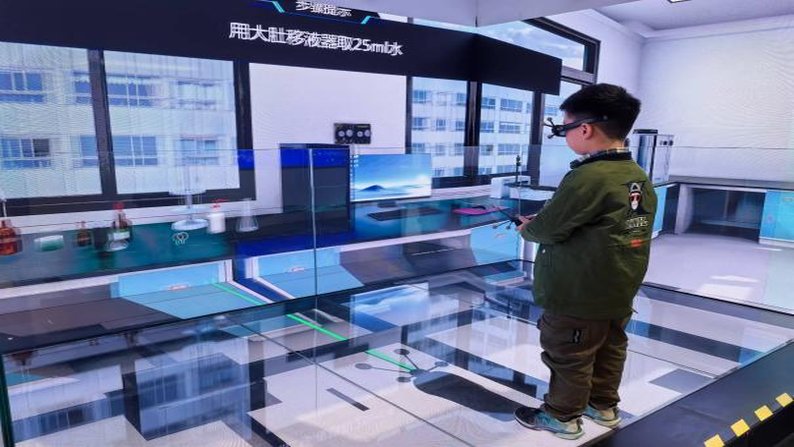
不择知行细流,蕴蓄蓝绿成深:雄安新区生态环境共享中心科普宣传空间营造雄安新区生态环境共享中心VR虚拟实验室(数字化仿真替代实体化学实验,实现科普零危废、低能耗)
6天前 · 来源:雄安新区生态环境监控中心 · 作者:雄安新区生态环境监控中心
