

Company/Organization Profile
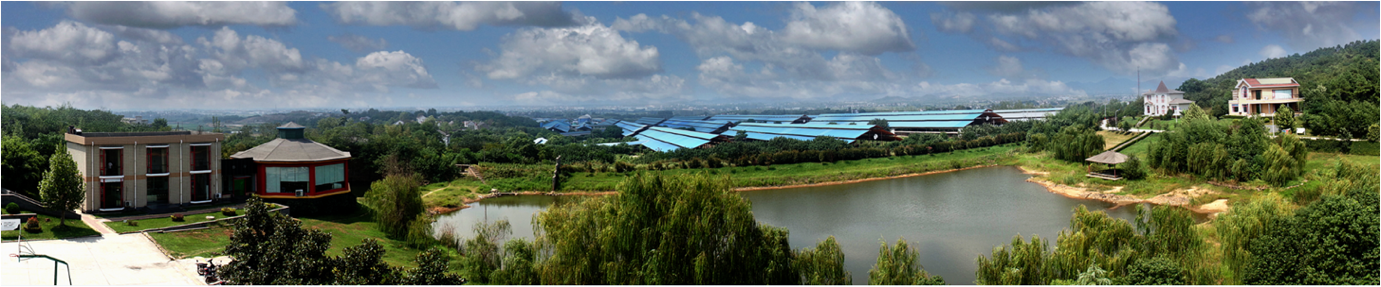
Modern Farming (Group) Co., Ltd. (referred to as "Modern Farming") was founded in Ma'anshan City, Anhui Province in 2005 and was listed on the Hong Kong Stock Exchange in 2010. As a leading enterprise in China's dairy cattle breeding industry, Modern Farming is the pioneer for large-scale breeding in 10,000-head farms.
It matched high-quality milk sources in 15 Chinese provinces, operating over 60 large-scale farms with a controlled dairy cattle exceeding 500,000 heads, producing over 10,000 tons of fresh milk daily, and holding a 10% market share.
Based on strengthening and optimizing raw milk business, Modern Farming is innovating business models. It is also forming a full industrial chain ecosystem integrating "dairy cattle breeding, forage planting and processing, trading platforms, breeding, and exploring primary raw milk processing", creating an industry benchmark with high quality and standards.
The company has established the climate risk management structure with the Board's Sustainable Development Committee as the top governance body, regularly reviewing climate change response and "dual carbon" progress, and improving internal control mechanisms. Energy conservation and emission reduction are incorporated into the company's mid-to-long-term strategy with quantitative carbon reduction targets.
Through diverse initiatives such as herd structure optimization, energy system upgrades, increased green electricity consumption, manure resource utilization, green office and commuting management, and sustainable supply chain construction, Modern Farming expands the procurement scale of zero-deforestation soybeans, integrates environmental and social responsibility into supplier access and assessment systems, and collaborates with the upstream and downstream of the industrial chain to promote low-carbon transformation in the animal husbandry sector.
机构简介
现代牧业(集团)有限公司(简称“现代牧业”)于2005年在安徽省马鞍山市成立,2010年在香港联交所上市。现代牧业开创了万头牧场规模化养殖先河,目前已在全国15个省份匹配优质奶源,运营规模化牧场超60个,可控奶牛存栏突破50万头,日产鲜奶超10000吨,市场占有率10%。在做强做优原奶业务的基础上,创新经营模式,形成集“奶牛养殖、饲草种植加工、交易平台、繁殖育种、探索原奶初加工”于一体的全产业链生态圈,以高品质和高标准打造行业标杆。
公司建立以董事会可持续发展委员会为顶层治理机构的气候风险管理架构,常态化审议气候变化应对与 “双碳” 工作实施进展,完善内控保障机制。将节能减排纳入企业中长期发展战略,设定量化碳减排目标,通过牛群结构优化、用能系统升级、绿电消纳提升、粪污资源化处置、绿色办公与通勤管理、可持续供应链建设等多元举措,扩大零毁林大豆采购规模,将环境与社会责任嵌入供应商准入及考核体系,联动产业链上下游推进畜牧业低碳转型。
Project Overview
Currently, the domestic dairy farming industry faces significant ecological and environmental pressures amidst rapid development. Farms experience varying degrees of separation between planting and cattle rearing, insufficient manure treatment capacity, ineffective disposal of part of the manure, and significant greenhouse gas emissions like methane during storage and processing. The energy structure is heavily dependent on fossil fuels, and the efficiency of converting livestock waste into resources is relatively low. Biodiversity protection mechanisms are lacking, and a systematic management and control system for carbon emissions has not yet been established.
Root causes: First, the system for implementing the full-chain technology of manure resource utilization is not yet fully developed, and the awareness of the value of pollution reduction and carbon reduction technologies among livestock operators needs improvement. Second, most farm management models tend towards end-of-pipe treatment, and the systematic management model of source reduction - process control - end-of-pipe resource utilization is not widely applied. Third, large-scale farms lack comprehensive retrofit solutions for energy substitution and on-site biodiversity conservation.
Modern Farming has prioritized ecological low-carbon development as a core strategy, promoting greenhouse gas emission reduction, energy structure transformation, and biodiversity conservation across its entire system. As a strategic hub, the Shuangcheng Farm aims to become a benchmark for ecological animal rearing. This project explores replicable and scalable green space construction models for large-scale ranches, focusing on full utilization and methane recovery from manure, renewable energy substitution for fossil fuels, building a circular waste utilization system, biodiversity conservation, and guiding employees' green behaviors.
项目背景
当前,国内奶牛养殖业在快速发展中面临突出生态环境压力。养殖场不同程度上存在种养分离,粪污处理能力不足,部分粪污未有效处置,储存和处理过程产生大量甲烷等温室气体;用能结构高度依赖化石能源,养殖废弃物资源化转化效率偏低;生物多样性保护机制缺位,碳排放尚未形成系统化管控体系。
究其根源:一是粪污资源化全链条技术落地体系尚不健全,养殖经营主体对减污降碳技术的应用价值认知有待提升;二是多数牧场治理模式偏向末端处置,源头减量‑过程管控‑末端资源化的系统治理模式未得到普遍应用;三是规模化牧场在能源替代、场内生物多样性营建方面缺少成套化改造方案。
现代牧业将生态低碳列为核心战略,在全系统推进温室气体减排、能源结构转型和生物多样性保护。双城牧场作为其战略支点,致力打造生态养殖标杆。本项目围绕粪污全量化利用与甲烷回收、可再生能源替代化石能源、废弃物循环利用体系构建、生物多样性营建、员工绿色行为引导,探索可复制、可推广的规模化牧场绿色空间建设路径。
Project Implementation
The project is implemented in stages, based on multi-dimensional aspects: full life-cycle carbon emission management of the farm, energy structure iteration, on-site biodiversity conservation, internal green behavior cultivation, and public science education.
Low-Carbon Dairy Farming: In the upstream segment, collaborate with surrounding planting cooperatives to promote high-quality silage corn cultivation, purchasing over 180,000 tons of silage feed annually to increase the proportion of locally sourced feed and reduce transportation carbon emissions. In the midstream segment, collaborate with China Agricultural University to introduce enteric methane measurement equipment for dynamic monitoring of herd methane emissions, achieving localization of emission factors, while applying precision diets and low-protein feed technology to reduce enteric methane emission. In the downstream segment, build underground manure transport pipelines and replace chemical fertilizers with biomass fertilizers. The system is coordinated by the Group's Technology Center, with scientific research support from China Agricultural University and the Feed Research Institute of the Chinese Academy of Agricultural Sciences etc, advancing through a dual-track verification mechanism of "model calculation + on-site measurement."
Multi-Level Waste Resource Utilization: The farm is equipped with a mesophilic anaerobic fermentation harmless treatment system for manure. Biogas is desulfurized and purified for power generation and heating. Residue is separated and used as bedding in barns. Biogas slurry is transported via pipelines to surrounding farmland for irrigation and fertilization, forming a circular industrial chain: "forage planting --- dairy farming --- manure treatment --- biogas power generation --- biogas slurry returning to fields." Promote energy-saving and efficiency-enhancing equipment such as permanent magnet motors, energy-efficient lighting, precision spraying, and fully automatic manure scrapers. Independently developed an automatic feed pusher that replaces diesel vehicles, which has been patented. Continuously promote energy conservation and efficiency enhancement in stages, with phased retrofits and batch commissioning.
Biodiversity-Friendly Farm Construction: Deepen industry-university-research collaboration, partnering with Northeast Forestry University to conduct a systematic survey of farm biodiversity and publish the industry's first baseline biodiversity report for the Shuangcheng Farm, clarifying the composition and distribution of various species and providing a standardized survey model for the industry. Consolidate a four-in-one friendly farm construction model: "Awareness Enhancement - Baseline Survey - Scientific Restoration - Long-term Monitoring." The Shuangcheng Farm scientifically divides functional zones, creates diverse composite habitats like grasslands, ponds, and paddy fields, implements saline-alkali land improvement and salt-tolerant crop cultivation, increasing soil fertility by 20%. Held the third "Green Farm Open Day" with the theme "All Things Coexist, Harmony and Sustainability," inviting government departments, research institutions, industry partners, and public representatives to visit the farm, showcasing practical achievements of integrating animal husbandry with nature and establishing a regular biodiversity science education base. The farm's practices have received widespread recognition. The company was invited to participate in the 2026 International Day for Biological Diversity Main Event in Heilongjiang, where the Shuangcheng Farm shared its case in the "Biodiversity in My Eyes" special segment.
Enhancing Ecological Civilization Awareness Among All Employees: Integrate biodiversity protection deeply into corporate culture, conduct regular ecological civilization education for all group employees to strengthen their ecological awareness. Innovatively launched the "Wanted Wild Detective: Pastoral Coexistence" theme activity, using the "Wild Friends" online observation platform to organize employees across national farmes to act as "wild detectives" for species observation and recording, transforming fragmented civilian observations into standardized monitoring data. The activity attracted nearly a thousand employee participants, with over 12,000 observation records uploaded cumulatively, identifying more than 1,600 species, and comprehensively mapping the current state of species and ecological coexistence across the farmes. Simultaneously promote natural education capacity building by selecting key staff for professional natural education teacher training, building an internal science communication team, and reserving talent for farm openings and science study tours. Through these practices, ecological civilization awareness among all employees has been effectively enhanced, transforming biodiversity protection from a management directive into a shared mindset and conscious action for all staff.
Creating a Green Office Model: Advocate for employee green commuting by providing shuttle vehicles and optimizing routes to reduce commuting carbon emissions. Integrate OA systems, DingTalk, electronic signatures, and electronic file management tools in office processes. While improving work efficiency and information security, this reduces paper consumption and printing energy at the source, establishing a comprehensive green office management system covering all employees.
项目实施
本项目立足于牧场全生命周期碳排放管控、能源结构迭代、场内生物多样性保育、内部绿色行为培育与社会化科普宣教多维度,分阶段组织落地实施。
低碳奶牛养殖:上游环节联合周边种植合作社推广高品质青贮玉米种植,年收购青贮饲料18万吨以上,提升本地化饲料占比以降低运输碳排放;中游环节联合中国农业大学引入肠道甲烷实测设备,开展牛群甲烷排放动态实测,实现排放因子本土化校准,同时应用精准日粮配方与低蛋白日粮技术减少肠道甲烷生成;下游环节建设粪污输送管道,以生物质肥替代化肥。该体系由集团技术中心统筹,中国农业大学、中国农业科学院饲料研究所等机构提供科研支撑,采取"模型测算+现场实测"双轨验证机制推进。
废弃物资源化多级利用:牧场配套建设粪污中温厌氧发酵无害化处理系统,沼气经脱硫净化后用于发电和供热;沼渣经固液分离后回填牛舍卧床作为垫料,沼肥通过管道输送至周边种植地还田,形成"饲草种植—奶牛养殖—粪便处理—沼气发电—沼肥还田"的循环产业链。推广永磁电机、节能照明、精准喷淋、全自动刮粪等设备,自主研发自动拢料机替代柴油车并获专利授权,按照分阶段改造、分批投运的节奏持续推进节能增效。
生物多样性友好牧场建设:深化产学研协同,联合东北林业大学开展牧场生物多样性系统调查,发布国内牧业首份双城牧场生物多样性本底调查报告,厘清各类物种组成及分布,为行业提供标准化调查范式。凝练形成 “意识提升‑本底调查‑科学修复‑长效监测” 四位一体友好牧场建设模式。双城牧场科学划分功能分区,营建草地、池塘、水田等多元复合生境,实施盐碱地改良与抗盐碱作物种植,土壤肥力提升20%。举办“万物共生 和美永续”第三届绿色牧场开放日活动,邀请政府部门、科研机构、行业伙伴及公众代表走进牧场,直观展示牧业与自然共生的实践成果,打造常态化生物多样性科普宣教阵地。牧场相关实践获得广泛认可,企业受邀参与 2026 年国际生物多样性日黑龙江主场活动,双城牧场在 “我眼中的生物多样性” 专题环节进行案例分享。
提升全员生态文明意识:将生物多样性保护深度融入企业文化,面向集团全员常态化开展生态文明宣教,强化员工生态保护意识。创新推出“Wanted野生侦探・牧野共生”主题活动,依托“野朋友”线上观测平台,组织全国牧场员工化身“野生侦探”开展物种观测记录,将民间碎片化观察转化为标准化监测数据。活动吸引近千名员工参与,累计上传观测记录12000余条,识别物种超1600种,完整勾勒牧场全域物种与生态共生现状。同步推进自然教育能力建设,选派骨干员工参加自然教育师专业培训,打造内部科普宣讲队伍,为牧场对外开放、科普研学储备人才。通过系列实践,有效提升全员生态文明素养,推动生物多样性保护由管理层部署转变为全体员工的思想共识与行动自觉。
打造绿色办公样板:倡导员工绿色通勤,配置通勤车辆并优化路线,减少通勤碳排放。办公环节集成OA系统、钉钉、电子签章与电子档案管理等工具。在提升工作效率与信息安全水平的同时,从办公端源头减少纸张消耗与打印能耗,建立全员覆盖的绿色办公管理制度。
Project Outcome
Multi-stakeholder collaborative practical governance model establishment:
Modern Farming, as the core entity, provides real-world scenarios for low-carbon technology and ecological breeding implementation, organizational capabilities, and continuous operational data, coordinating project implementation and operational management. Universities and research institutions are responsible for method design, emission monitoring, technology R&D, and evaluation, providing scientific support for methane reduction, full-chain carbon management, and baseline biodiversity surveys. Industry organizations and innovation platforms play a bridging role in summarizing experience, disseminating results, and integrating resources.
Upstream and downstream enterprises, such as forage growers and farmland users, participate in silage corn cultivation, organic fertilizer application, low-carbon transportation, and energy-saving upgrades, achieving collaborative emission reduction across the industrial chain. The public engages in science education practices through the "Green Farm Open Day," forming a concerted action force covering the entire chain.
Synergistic benefits in carbon reduction and economic efficiency: Guided by the green circular industrial chain, the project promotes emission reduction and carbon reduction alongside cost reduction and efficiency gains. Manure undergoes mesophilic anaerobic digestion to produce biogas for power and heat generation, reducing external procurement costs by substituting fossil fuels while decreasing greenhouse gas emissions. Biogas residue replaces purchased bedding, and biogas slurry replaces chemical fertilizers for farmland application, simultaneously lowering farm operating and agricultural cultivation costs, continuously improving soil organic matter, and enhancing forage quality and yield, forming a beneficial material cycle.
Simultaneously, the project integrates ecological protection with industry collaboration and public participation, transforming corporate practices into shared industry experience, encouraging more breeding entities to adopt systematic emission reduction pathways and creating synergistic effects where multiple links reinforce each other.
Mechanism Innovation: Creating a Replicable and Scalable Green Model: The project has developed three long-term operational mechanisms with replicable value:
First, the "Model Calculation + On-site Measurement" dual-track verification mechanism, enabling quantifiable and verifiable carbon emission data across the entire chain.
Second, the construction of the "forage planting --- dairy farming --- manure treatment --- biogas power generation --- biogas slurry returning to fields" green circular industrial chain, connecting the material cycle of planting, breeding, and energy.
Third, the release of framework documents like the "Biodiversity Policy," integrating biodiversity protection into the corporate governance system and ensuring the regular advancement of related work.
成果亮点
本项目构建起多主体协同的实践治理模式:现代牧业作为项目核心主体,提供低碳技术、生态养殖落地的真实场景、组织实施能力和连续运营数据,统筹推进项目实施与运营管理。高校和科研机构负责方法设计、排放监测、技术研发与评估,为甲烷减排、全链条碳管理和生物多样性本底调查提供科学支撑。行业组织和创新平台在经验总结、成果传播及资源整合中发挥桥梁作用。饲草种植主体、农田利用主体等上下游企业通过参与青贮玉米种植、有机肥还田、低碳运输和节能升级,实现产业链协同减排。公众通过“绿色牧场开放日”的参与科普实践,形成覆盖全链条的行动合力。
项目实现减碳效益与经济效能协同增益:项目以绿色循环产业链为纽带,推动减排降碳与降本增效同步发生。粪污经中温厌氧发酵转化为沼气用于发电供热,在替代化石能源降低外购成本的同时减少温室气体排放;沼渣回填卧床替代外购垫料,沼肥还田替代化肥,同步降低牧场运营与农业种植成本,持续改善土壤有机质,提升饲草品质与产量,形成良性物质循环。与此同时,项目将生态保护与行业共建、公众参与相融合,将企业实践转化为行业共享经验,带动更多养殖主体采用系统化减排路径,形成多环节相互促进的协同效应。
机制创新:打造可复制推广的绿色样板:项目沉淀三项具备复制推广价值的长效运行机制:一是“模型测算+现场实测”双轨验证机制,实现全链条碳排放数据可量化、可验证。二是构建“饲草种植—奶牛养殖—粪便处理—沼气发电—沼肥还田”绿色循环产业链,打通种养能源物质循环。三是发布《生物多样性政策》等纲领文件,将生物多样性保护纳入企业治理体系,保障相关工作常态化推进。
Project Highlights
At the ecological and environmental level, the project has established a carbon management system covering the entire farming life cycle, with a year-on-year decrease in farm carbon emission intensity. The farm generates over 19 million cubic meters of biomass biogas annually, with on-site renewable energy accounting for over 65%.It provides biomass organic fertilizer annually, replacing over 4000 tons of commercial chemical fertilizers. The baseline biodiversity survey recorded 108 species of higher plants, 109 species of insects, and 43 species of birds. Paperless office operations have generated over 170,000 electronic signature documents and archived over 180,000 electronic files cumulatively.
In terms of economic benefits, biogas power generation and heating, along with self-sufficiency in biogas residue bedding, reduce external material procurement expenditure. Patented equipment replacing fuel-powered machinery and organic fertilizer replacing chemical fertilizers lower operational input costs for farmes and surrounding agricultural production while increasing income.The farm purchases 180,000 tons of silage annually, with silage payments exceeding RMB 100 million.
In terms of social benefits, the company has continuously collaborated with the Environmental Education Center of the Ministry of Ecology and Environment to hold Farm Open Days and released the industry's first baseline biodiversity report for a farm in China, with cumulative offline participation exceeding 200 people. This construction model has now been promoted and implemented in over 60 farmes across 14 provinces, covering more than 500,000 dairy cattle, providing a practical model for green space construction in large-scale livestock farms in China.
成果影响力
生态环境层面,项目建成覆盖养殖全生命周期的碳管理体系,牧场碳排放强度逐年下降。牧场年产生物质沼气 1900 万立方米以上,场内可再生能源占比高于 65%;每年提供生物质有机肥可替代商品化肥 0.4 万吨;生物多样性本底调查记录高等植物 108 种、昆虫 109 种、鸟类 43 种;无纸化办公累计生成电子签章文件 17 万余份、归档电子档案 18 万余份。
经济效益方面,沼气发电供热、沼渣垫料自给削减外部物资采购支出;专利设备替代燃油机具、有机肥替代化肥,降低牧场与周边农业生产的运营投入的同时实现增收,年收购青贮18万吨,发放青贮款超1亿元。
社会效益层面,连续联合生态环境部宣传教育中心开展牧场开放日活动,发布国内畜牧业首份牧场生物多样性本底调查报告,累计线下参与规模 200 人次以上。该套建设模式现已在全国 14 个省份、60 余座牧场推广落地,覆盖存栏奶牛超 50 万头,为国内规模化畜牧场绿色空间建设提供实践样本。
Reviews & Honors
This project has received high recognition from competent authorities and industry experts, implementing a synergistic model for greenhouse gas management and biodiversity protection in large-scale dairy farms, providing a replicable empirical example for coordinating production efficiency and ecological protection in the animal husbandry sector. The application of organic fertilizer has effectively improved farmland soil fertility, and local silage procurement has driven quality and efficiency improvements in regional planting, receiving widespread praise from upstream and downstream cooperative entities.
Modern Farming has consistently published ESG reports for 11 consecutive years since 2013. Its greenhouse gas accounting system construction has achieved outstanding results, maintaining dual ISO 14064-1 and GHG Protocol certifications for many years. The project's full life-cycle low-carbon breeding model has been selected as an excellent practice case by the United Nations Global Compact (UNGC) and the Food and Agriculture Organization (FAO) of the United Nations.
It was recognized as an Outstanding Enterprise ESG Case of 2025 by the Ministry of Ecology and Environment, included in the Ministry of Agriculture and Rural Affairs' "2025 China Agricultural and Rural Low-Carbon Development Report," and won honors such as the China Industrial Carbon Peak "Leader," and the China Association for Public Companies' 2025 Sustainable Development Excellent Practice Case.
The Shuangcheng Farm, for its biodiversity practices, was rated as a Biodiversity-Friendly Farm Pilot and its case was selected as an "OECMs China Potential Case" supported by the Ministry of Ecology and Environment, and won the "520 Social Responsibility Day" "Biodiversity Protection" topic excellent case award.
In terms of standard setting, the company acts as a core contributing unit in the development of several national greenhouse gas and carbon footprint standards and co-published the industry's first "China Dairy Low-Carbon White Paper" with China Agricultural University, transforming practical experience into a public technical reference for the industry.
评价与荣誉
本项目获得主管部门与行业专家高度认可,落地规模化奶牛牧场温室气体管控与生物多样性保护协同模式,为畜牧业统筹生产效能与生态保护提供可复制实证样本。有机肥还田有效改良耕地地力,本地化青贮收购带动区域种植业提质增效,获上下游合作主体广泛好评。
现代牧业自2013年起连续11年发布ESG报告,温室气体核算体系建设成效突出,连续多年保持ISO 14064-1与GHG Protocol双认证。项目构建的全生命周期低碳养殖模式,先后入选联合国全球契约组织(UNGC)、联合国粮农组织(FAO)优秀实践案例;获评生态环境部2025年企业ESG优秀案例,入选农业农村部《2025 中国农业农村低碳发展报告》,斩获中国工业碳达峰“领跑者”、中国上市公司协会2025年可持续发展优秀实践案例等荣誉。双城牧场凭借生物多样性实践获评生物多样性友好牧场试点,案例入选生态环境部支持的“OECMs中国潜力案例”,获“520 社会责任日”“生物多样性保护”议题优秀案例。
标准建设层面,公司作为核心参编单位参与多项国家温室气体与碳足迹标准编制,联合中国农业大学发布行业首份《中国奶业低碳白皮书》,将实践经验转化为行业公共技术参考。
近零碳社区的美育升级---- 长寿苑社区 “低碳实践 + 影像科普” 共建项目
4天前 · 来源:成都市武侯区火车南站街道长寿苑社区居民委员会 · 作者:成都市武侯区火车南站街道长寿苑社区居民委员会

以绿色金融之力推动中国新质生产力!
4天前 · 来源:国泰海通证券研究所ESG及美丽中国研究组 · 作者:国泰海通证券研究所ESG及美丽中国研究组
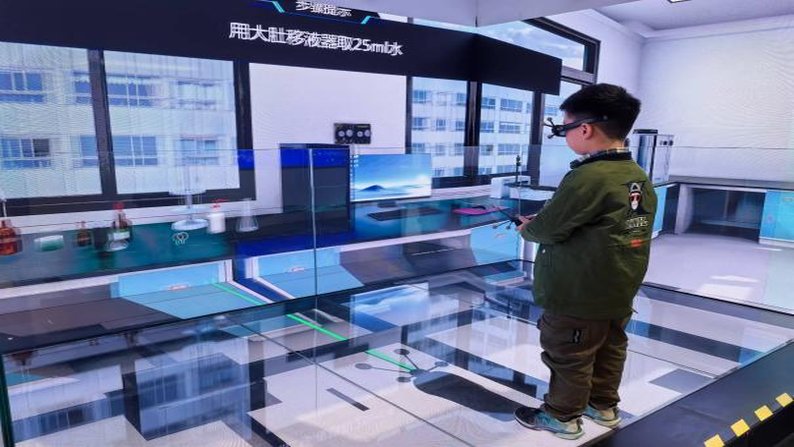
不择知行细流,蕴蓄蓝绿成深:雄安新区生态环境共享中心科普宣传空间营造雄安新区生态环境共享中心VR虚拟实验室(数字化仿真替代实体化学实验,实现科普零危废、低能耗)
6天前 · 来源:雄安新区生态环境监控中心 · 作者:雄安新区生态环境监控中心
