

Company/Organization Profile
Company Profile: Budweiser (Jiamusi) Brewery Co., Ltd., formerly known as the Jiamusi Brewery, was founded in 1943. Renowned for producing “Jiafeng” brand beer, the company has a long history of beer production. In January 2011, the company became part of Anheuser-Busch InBev (China) Co., Ltd. and introduced the industry’s most advanced brewing equipment and digital intelligent control systems.
The company is committed to sustainable development goals, focuses on renewable resources, and implements energy-saving and emission-reduction measures to lower carbon emissions.
In September 2020, it was designated a National Green Factory, becoming one of the first enterprises in Jiamusi City to receive this national-level recognition.
In 2023, the company successfully passed certification by SGS Standard Technical Services Co., Ltd. (hereinafter referred to as “SGS”) and became the third carbon-neutral brewery in Budweiser Asia-Pacific. It was recognized as a carbon-neutral factory for three consecutive years from 2023 to 2025.
In 2025, following procedures including preliminary review by local industry authorities, expert re-evaluation, and public review, the company was honored with the “National Exemplary Case of Electricity Demand-Side Management in the Industrial Sector.”
机构简介
百威(佳木斯)啤酒有限公司的前身佳木斯啤酒厂始建于1943年,以生产佳凤牌啤酒而闻名,具有悠久的啤酒生产历史。公司于2011年1月加入百威投资(中国)有限公司,公司引进行业内最先进的啤酒装备和数字化智能控制系统。公司践行可持续发展目标,关注可再生资源,采取节能减排措施减少碳排放量。2020年9月荣获国家级绿色工厂,成为佳木斯市首批荣获国家级绿色工厂的企业之一。2023年公司顺利通过SGS通标标准技术服务有限公司(简称“SGS通标”)认证,成为百威亚太第三家碳中和酿酒厂。2023年-2025年连续三年荣获碳中和工厂。2025年经地方行业主管部门初审,专家复审,复核公示等程序荣获《全国工业领域电力需求侧管理典型案例》。
Project Overview
Project 1: Energy Optimization of the Refrigeration System:
Current Issues:
(1) Severe Imbalance Between Design Capacity and Actual Output
The plant’s design capacity is 250,000 metric tons per year. However, due to factors such as declining market demand, the actual annual output has consistently remained below 80,000 metric tons, reaching less than 32% of the design capacity. Capacity utilization is severely inadequate, resulting in a classic case of “overkill.” Equipment operates below its rated load, preventing it from achieving full efficiency.
(2) Unreasonable Configuration of the Refrigeration System and Low Energy Efficiency
During the initial construction phase, refrigeration equipment was configured based on full-capacity production as follows. Under current low-load production conditions, this configuration presents the following prominent issues:
Equipment Problem Manifestation Main Impact
4 × 250 kW chillers Actual operating efficiency below 70%, consistently operating in a low-efficiency range Low electrical energy utilization, high electricity consumption per unit of cooling capacity, and significant energy waste
1 × 65 kW chiller Capacity is too small to meet actual cooling demand Forced to activate large chillers to supplement cooling, exacerbating overall energy loss
These two situations compound each other: when small units cannot provide sufficient cooling, large units must be activated; however, large units operate inefficiently for extended periods under low loads, resulting in severe energy waste across the entire refrigeration system.
Cause Analysis:
Lack of Tiered Design in Refrigeration Unit Sizing
The current refrigeration configuration consists of only two power ratings: 250 kW (large) and 65 kW (small). The power range is too wide, and there is a lack of intermediate-capacity refrigeration units. In actual production, the 65 kW unit provides insufficient cooling capacity, while the 250 kW unit far exceeds current demand. there is no equipment with suitable capacity to meet intermediate cooling demands (such as cooling fermentation tanks and other process steps). As a result, the facility must rely on the large units operating inefficiently. Under the current operational system, there is no management mechanism for tiered allocation of refrigeration units based on demand, and units of appropriate capacity cannot be flexibly matched to the actual cooling requirements of each process step. This has led to the system’s overall capacity utilization remaining chronically below 70%, resulting in a situation of energy waste. Electricity utilization is insufficient, and energy-saving potential has not been effectively realized.
Improvement Objectives:
(1) Supplement intermediate cooling capacity: Invest 450,000 yuan to add one 130 kW chiller, thereby improving the “65 kW → 130 kW → 250 kW” tiered cooling configuration and filling the gap in intermediate cooling demand.
(2) Implement tiered cooling and on-demand allocation: Match chillers to actual loads—using the 65 kW unit for low loads, the 130 kW unit for medium loads, and the 250 kW unit for high loads—to improve the efficiency of cooling resource utilization.
(3) Improving Operational Efficiency and Reducing Energy Consumption: Through optimized tiered configuration, the refrigeration units will operate within their high-efficiency ranges. The system’s energy efficiency ratio is expected to increase from below 70% to over 80%, reducing energy waste and achieving energy savings and cost reductions.
Project 2: Carbon Dioxide Capture and Reuse
Current Issue:
During the beer fermentation process, some carbon dioxide escapes into the atmosphere, increasing the plant’s carbon dioxide emissions and contributing to greenhouse gas emissions. Plants in the greenhouses at the Kaisheng Haofeng (Jiamusi) Smart Agriculture Industrial Park require supplemental carbon dioxide for photosynthesis, necessitating the purchase of large quantities of carbon dioxide annually.
Cause Analysis:
The amount of carbon dioxide generated during the beer fermentation process exceeds the amount consumed in beer production, resulting in a surplus of carbon dioxide that is released into the atmosphere. Plants in the greenhouses at the Kaisheng Haofeng (Jiamusi) Smart Agriculture Industrial Park require supplemental carbon dioxide for photosynthesis.
Improvement Objective:
The plant will recover and liquefy the surplus CO₂ and deliver it to Kaisheng Haofeng for use in plant photosynthesis within the greenhouses, thereby achieving the social benefit of reducing carbon emissions, contributing to the realization of the “Dual Carbon” goals, and promoting green development.
项目背景
项目1制冷系统用能优化
问题现状:
1.产能与产量严重失衡
工厂设计产能为25万吨/年,受市场需求下滑等因素影响,实际年产量持续低于 8 万吨,仅达到设计产能的32%以下。产能利用率严重不足,形成典型的“大马拉小车”局面。设备在低于额定负荷的状态下运行,设备效能无法得到充分发挥。
2.制冷系统配置不合理,能效低下
厂建设初期按满产规模配置制冷设备如下,在当前低负荷生产条件下,该配置存在以下突出问题:
上述两种情形相互叠加:小机组供冷不足时需开启大机组,而大机组在低负荷下长期低效运行,致使整个制冷系统能源浪费严重。
原因分析:
制冷机型号匹配缺乏梯级设计
现有制冷配置仅有250kW(大)与65kW(小)两个功率等级,功率跨度过大,缺乏中间梯度的制冷机组。在实际生产中,65 kW 机组供冷量不足,而250kW 机组又远超当前需求,中间段的用冷需求(如发酵罐降温等工艺环节)无合适容量的设备承接,只能依赖大型机组低效运行,在现有运行体系下,制冷机组缺乏按需分级调配的管理机制,未能根据各工艺环节的实际用冷量灵活匹配相应容量的机组,导致系统整体能级长期处于70%以下的低效状态,造成能源浪费困境。电能利用率不足,节能潜力未能得到有效释放。
改进目标:
1.补充中间制冷能力:投资45万元新增1台130 kW制冷机,完善“65 kW→130 kW→250 kW”梯级制冷配置,填补中间负荷用冷缺口。
2.实现梯级用冷、按需调配:根据实际负荷匹配制冷机组:小负荷使用65 kW机组,中负荷使用130 kW机组,大负荷使用250 kW机组,提高制冷资源利用效率。
3.提升运行效率、降低能耗:通过梯级配置优化,使制冷机组在高效区间运行,预计系统运行能级由70%以下提升至80%以上,减少能源浪费,实现节能降本。
项目2:二氧化碳捕集再利用
问题现状:啤酒发酵过程中会产生部分二氧化碳逸散到大气中,增加工厂的二氧化碳排放量,增加温室气体排放量。凯盛浩丰(佳木斯)智慧农业产业园大棚内植物进行光合作用需要补充二氧化碳,每年需购买大量二氧化碳用于植物光合作用。
原因分析:啤酒发酵过程产生的二氧化碳大于啤酒生产二氧化碳消耗量,工厂会有部分二氧化碳剩余排放到大气中。凯盛浩丰(佳木斯)智慧农业产业园大棚内植物进行光合作用需要补充二氧化碳。
改进目标:工厂将剩余的CO2回收液化送至凯盛浩丰用于大棚内植物进行光合作用,达到减少碳排放的社会效益,助力实现双碳目标,推动绿色发展。
Project Implementation
Project 1:
1. Addressing the Insufficient Refrigeration Capacity for Intermediate Loads
The existing refrigeration system is equipped only with 65 kW and 250 kW units, lacking refrigeration equipment suitable for intermediate-load conditions such as cooling fermentation tanks. This results in mismatched equipment selection and energy waste.
Measures: Add one 130 kW chiller to supplement intermediate-load cooling capacity, establishing a three-tier cooling system of “65 kW—130 kW—250 kW.”
Implementing Entity: Led by the Equipment Management Department; the Engineering and Technology Department is responsible for plan feasibility studies and equipment selection; the Procurement Department is responsible for equipment procurement and installation.
Implementation Process: After completing load demand analysis and investment evaluation, 450,000 yuan was allocated to procure the 130 kW chiller, and the equipment installation, commissioning, and system integration were completed.
Results: The intermediate-load cooling demand was effectively met, laying the foundation for subsequent tiered cooling management.
2. Addressing the Issue of “Large Units Handling Small Loads” in Refrigeration Equipment
Refrigeration demands vary significantly across different production processes. In some low-load conditions, the 250 kW unit still needs to be activated, resulting in prolonged inefficient operation of the equipment.
Measures Taken: Establish a tiered refrigeration management mechanism to match specific refrigeration units to corresponding loads under different operating conditions, thereby achieving on-demand refrigeration supply.
Implementing Entities: The Production Department and the Equipment Management Department will collaborate on implementation.
Implementation Process: Analyze the cooling demands of each production stage, establish standards for unit start-up, shutdown, and scheduling, and clearly define that 65 kW units handle light loads, 130 kW units handle medium loads, and 250 kW units handle heavy loads and multi-point cooling tasks, incorporating these into daily operational management.
Results: This prevents the phenomenon of “starting large units for small demands,” improving the efficiency of cooling resource allocation and equipment utilization.
3. Addressing the Issue of Low Energy Efficiency in the Refrigeration System
Due to insufficient load matching among units, some equipment has been operating outside optimal conditions for extended periods, resulting in a low overall energy efficiency level for the system.
Measures Taken: Increase the proportion of units operating near their rated conditions through equipment upgrades and optimized operational scheduling.
Responsible Parties: The Equipment Management Department is responsible for operational monitoring and energy efficiency analysis, with the Production Department assisting in implementation.
Implementation Process: Establish a monitoring mechanism for the refrigeration system’s operation to continuously track load fluctuations, unit operating efficiency, and energy consumption data; dynamically optimize unit configurations and scheduling strategies based on operational conditions.
Results: The system’s operating efficiency is expected to increase from below 70% to over 80%, effectively reducing electricity consumption and operating costs while achieving energy-saving and cost-reduction goals.
Project 2:
To address the issue of carbon dioxide escaping into the atmosphere during the beer fermentation process—which increases greenhouse gas emissions—the Brewing Department Manager coordinated a survey of the Kaisheng Haofeng (Jiamusi) Smart Agriculture Industrial Park. Plants in Kaisheng Haofeng’s greenhouses require supplemental carbon dioxide for photosynthesis, necessitating the purchase of large quantities of carbon dioxide from other regions each year, resulting in high operational costs. On June 4, 2024, Budweiser (Jiamusi) Brewery Co., Ltd. signed a “Carbon Dioxide Utilization Agreement” with Kaisheng Haofeng (Jiamusi) Smart Agriculture to implement carbon capture. The brewery recovers excess CO₂ from the production process, liquefies it, and stores it in tanks. The Power Operations Supervisor estimates CO₂ inventory based on the production schedule and notifies the Kaisheng Haofeng manager three days in advance to arrange for transport via tanker trucks. The transfer process must be carried out in accordance with relevant safety requirements.
项目实施
项目1
1.针对中间负荷制冷能力不足的问题
现有制冷系统仅配置65 kW和250 kW机组,缺少适用于发酵罐降温等中等负荷工况的制冷设备,造成设备选型不匹配和能源浪费。
采取措施:新增1台130 kW制冷机,补齐中间负荷制冷能力,构建“65 kW—130 kW—250 kW”三级制冷梯队。
实施主体:设备管理部门牵头,工程技术部门负责方案论证与设备选型,采购部门负责设备采购与安装。
推进过程:完成负荷需求分析和投资评估后,投入45万元采购130 kW制冷机组,并完成设备安装调试及系统接入。
解决效果:中间负荷用冷需求得到有效承接,为后续梯级用冷管理奠定基础
2.针对制冷设备“大机带小负荷”运行的问题
生产过程中不同工序用冷需求差异较大,部分低负荷工况仍需启用250 kW机组,导致设备长期低效运行。
采取措施:建立梯级用冷管理机制,根据不同工况负荷匹配对应制冷机组,实现按需供冷。
实施主体:生产部门与设备管理部门协同实施。
推进过程:梳理各工序用冷需求,制定机组启停和调度标准,明确65 kW机组承担小负荷、130 kW机组承担中负荷、250 kW机组承担大负荷及多点用冷任务,并纳入日常运行管理。
解决效果:避免“小需求启大机”现象,提高制冷资源配置效率和设备利用率。
3.针对制冷系统能效偏低的问题
由于机组负荷匹配度不足,部分设备长期偏离最佳工况运行,导致系统整体运行能级较低。
采取措施:通过设备增配和运行调度优化,提高各机组在额定工况附近运行的比例。
实施主体:设备管理部门负责运行监测与能效分析,生产部门配合执行。
推进过程:建立制冷系统运行监测机制,持续跟踪负荷变化、机组运行效率和能耗数据,根据运行情况动态优化机组组合及调度策略。
解决效果:预计系统运行能级由70%以下提升至80%以上,有效降低电耗和运行成本,实现节能降本目标。
项目2
针对啤酒发酵过程中会产生部分二氧化碳逸散到大气中增加温室气体排放量的问题,由酿造部经理协调对凯盛浩丰(佳木斯)智慧农业产业园进行调研,凯盛浩丰大棚内植物进行光合作用需要补充二氧化碳,每年需从外地购买大量二氧化碳用于植物光合作用运营成本较高。2024年6月4日百威(佳木斯)啤酒有限公司与凯盛浩丰(佳木斯)智慧农业签订《二氧化碳资利用协议》实现碳捕捉。工厂将剩余的CO2回收液化存储至储罐内,动力运行主管根据排产计划估算二氧化碳库存提前3天通知凯盛浩丰负责人使用罐车进行转运。转运过程需按安全要求进行相关操作。
Project Outcome
Project 1: Innovation Highlights
By innovatively establishing a three-tiered “65 kW—130 kW—250 kW” cascaded cooling system and implementing a demand-based cooling dispatch mechanism, the project has achieved a shift from “equipment energy conservation” to “system energy conservation.” It is projected to increase the cooling system’s operational efficiency from below 70% to over 80%, thereby creating a replicable, scalable, and sustainable energy-saving management model.
Project 1: Project Sustainability and Replicability
(I) Establishment of a Long-Term Operational Mechanism
Upon project completion, the cascaded cooling management system will be integrated into routine equipment operation management. By continuously monitoring unit load, energy consumption, and operational efficiency, dispatch strategies will be dynamically optimized to ensure that energy-saving benefits are sustained over the long term.
(2) Strong Potential for Replication and Scaling
The project adopts an implementation approach of “addressing intermediate capacity gaps + tiered scheduling management.” With moderate investment, mature technology, and low implementation difficulty, it is suitable for manufacturing enterprises—such as those in the beer, food and beverage, and pharmaceutical industries—that have multi-tiered refrigeration needs. It can provide a replicable energy-saving retrofit model for similar types of factories.
(3) Supporting the Enterprise’s Green and Low-Carbon Development
By improving energy utilization efficiency and reducing wasteful energy consumption, the project achieves simultaneous improvements in economic and environmental benefits, providing long-term support for the enterprise’s advancement of green manufacturing, energy conservation, carbon reduction, and sustainable development goals.
Project 2: Innovation Highlights
The project innovatively establishes a circular economy model of “beer fermentation—carbon capture—agricultural utilization,” establishing a resource utilization chain for industrial by-product carbon dioxide. Through a long-term partnership with Kaisheng Haofeng Smart Agriculture, CO₂ that would otherwise be emitted into the atmosphere is transported to greenhouses to support crop growth, utilizing approximately 90 metric tons of CO₂ annually. This project marks Anheuser-Busch’s first practical application of supplying CO₂ to a vegetable cultivation base, achieving cross-industry collaborative carbon reduction and resource sharing, and establishing a sustainable, replicable, and scalable green and low-carbon development model.
Project 2: Project Sustainability and Reproducibility
(I) Strong Sustainability
The project relies on the continuous supply of carbon dioxide generated during the beer fermentation process and the long-term, stable demand for carbon dioxide from modern agricultural greenhouses, thereby establishing a stable supply-demand relationship. Both parties have established a cooperation agreement and a routine operational mechanism, enabling long-term, continuous operation and the sustained generation of environmental and social benefits.
(2) High Reproducibility
This model employs mature carbon dioxide recovery and utilization technologies, requiring no complex process modifications and involving relatively manageable investment. Similar carbon dioxide emission scenarios exist in industries such as brewing, food and beverage, distilling, fermentation, and biomanufacturing, while sectors including facility agriculture, smart agriculture, and greenhouse cultivation all have stable demand. Consequently, the model possesses strong value for promotion and significant potential for replication.
(3) Prominent Demonstration Effect
As the first facility within the Budweiser global network to supply CO₂ to a vegetable cultivation base, the project has pioneered the exploration of cross-industry utilization pathways for industrial carbon resources. It provides a practical case study for industrial enterprises to participate in “dual carbon” initiatives and advance the development of a circular economy, serving as a strong model and driving force for regional green and low-carbon development.
成果亮点
项目1
创新亮点
创新构建“65 kW—130 kW—250 kW”三级梯级制冷体系,并建立按需供冷调度机制,实现了由“设备节能”向“系统节能”的转变,预计将制冷系统运行能级由70%以下提升至80%以上,形成可复制、可推广、可持续运行的节能管理模式。
项目可持续性与可复制性
1.形成长效运行机制
项目建成后,梯级用冷管理制度将纳入日常设备运行管理,通过持续监测机组负荷、能耗及运行效率,动态优化调度策略,确保节能效果长期保持。
2.具备较强复制推广价值
项目采用“补齐中间能力+梯级调度管理”的实施路径,投资适中、技术成熟、实施难度低,适用于啤酒、食品饮料、制药等存在多等级制冷需求的生产企业,可为同类型工厂提供可借鉴的节能改造模式。
3.支撑企业绿色低碳发展
项目通过提高能源利用效率和减少无效能耗,实现经济效益与环境效益同步提升,为企业推进绿色制造、节能降碳和可持续发展目标提供长期支撑。
项目2
创新亮点
创新构建“啤酒发酵—碳捕集—农业利用”的循环经济模式,打通工业副产二氧化碳资源化利用链条。通过与凯盛浩丰智慧农业建立长期合作机制,将原本排放至大气中的二氧化碳输送至温室大棚用于农作物生长,年利用二氧化碳约90吨。该项目是百威首个向蔬菜种植基地外送二氧化碳的实践案例,实现了跨行业协同减碳和资源共享,形成了可持续、可复制、可推广的绿色低碳发展模式。
项目可持续性与可复制性
1.持续性强
项目依托啤酒发酵过程持续产生的二氧化碳资源,以及现代农业温室对二氧化碳长期稳定的需求,形成稳定的供需关系。双方已建立合作协议和常态化运行机制,可实现长期连续运行,持续产生环境和社会效益。
2.可复制性高
该模式采用成熟的二氧化碳回收利用技术,无需复杂工艺改造,投资相对可控。啤酒、食品饮料、酿造、发酵、生物制造等行业均存在类似二氧化碳排放场景,而设施农业、智慧农业、温室种植等领域均有稳定需求,因此具有较强的推广价值和复制潜3.示范效应突出
作为百威全球体系内首家向蔬菜种植基地外送二氧化碳的工厂,项目率先探索工业碳资源跨行业利用路径,为工业企业参与“双碳”行动、推进循环经济建设提供了实践案例,对区域绿色低碳发展具有良好的示范带动作用。
Project Highlights
Results of the Energy Optimization Project for the Refrigeration System:
Following the project’s implementation, the refrigeration system was configured in a “65 kW—130 kW—250 kW” tiered arrangement, enabling precise matching of refrigeration resources and on-demand cooling. Based on calculations using operational data from the plant’s refrigeration system, the system’s overall energy efficiency level is projected to increase from below 70% to over 80%—a rise of more than 10 percentage points. The duration of low-load, low-efficiency operation of refrigeration units has been significantly reduced, resulting in annual electricity savings of up to 45,000 kWh. Calculated using the emission factors of the Northeast China Power Grid, this is expected to reduce annual carbon dioxide emissions by approximately 25 metric tons, while simultaneously lowering the company’s energy costs and achieving synergistic benefits in both energy conservation and carbon reduction.
In terms of social impact, the project established a tiered cooling management mechanism driven by collaboration among equipment management, engineering, and production operations departments. This shift from energy conservation at the individual equipment level to system-wide energy efficiency optimization has enhanced the level of refined energy management. The project adopts an innovative model of “addressing intermediate capacity gaps + tiered scheduling management.” With moderate investment, mature technology, and a clear implementation path, it possesses strong value for replication and promotion. It can serve as a reference for energy-saving retrofits of similar refrigeration systems in the beer, food and beverage, and pharmaceutical industries, and holds positive exemplary significance for promoting green manufacturing and corporate low-carbon transformation.
Achievements of the Carbon Dioxide Capture and Reuse Project:
Ecological and Environmental Benefits:
The project recovers and reuses carbon dioxide generated during the beer fermentation process, replacing direct emissions. According to statistics from the year following the signing of the agreement in June 2024, a cumulative total of approximately 90 metric tons of carbon dioxide was supplied to the Kaisheng Haofeng (Jiamusi) Smart Agriculture Industrial Park, achieving the resource utilization of approximately 90 metric tons of carbon dioxide. This reduces greenhouse gas emissions, promotes the recycling of industrial by-products, and supports the enterprise’s green and low-carbon development.
Social Impact:
The project established the first practical case within the Budweiser system of supplying carbon dioxide to vegetable farming bases, creating a circular industrial chain linking “beer brewing—carbon capture—modern agricultural utilization.” By establishing a long-term cooperative mechanism with smart agriculture enterprises, the project has achieved a precise match between industrial carbon sources and agricultural needs. This not only reduces agricultural production’s reliance on purchased carbon dioxide but also provides a replicable and scalable demonstration model for industrial enterprises to utilize carbon dioxide as a resource, playing a positive role in promoting the development of the regional circular economy and the achievement of the “dual carbon” goals.
成果影响力
项目1
项目实施后,制冷系统形成“65 kW—130 kW—250 kW”梯级配置,实现制冷资源精准匹配和按需供冷。根据厂区制冷系统运行数据测算,系统整体运行能级预计由70%以下提升至80%以上,提高超过10个百分点;制冷机组低负荷低效运行时间显著减少,年节电量可达4.5万kWh,按东北电网排放因子测算,年可减少二氧化碳排放约25吨,同时降低企业能源成本,实现节能与降碳协同增效。
在社会影响方面,项目建立了设备管理、工程技术和生产运行部门协同推进的梯级用冷管理机制,实现从单一设备节能向系统能效优化转变,提升了能源精细化管理水平。项目采用“补齐中间能力+梯级调度管理”的创新模式,投资适中、技术成熟、实施路径清晰,具备较强的复制推广价值,可为啤酒、食品饮料及制药等行业同类制冷系统节能改造提供参考,对推动绿色制造和企业低碳转型具有积极示范意义。
项目2
生态环境效益方面项目将啤酒发酵过程中产生的二氧化碳进行回收再利用,替代直接排放。按照2024年6月协议签订后一年统计,累计向凯盛浩丰(佳木斯)智慧农业产业园外送二氧化碳约90吨,实现约90吨二氧化碳资源化利用,减少温室气体排放,促进工业副产资源循环利用,助力企业绿色低碳发展。
社会影响方面项目开创了百威体系内首家向蔬菜种植基地外送二氧化碳的实践案例,打通“啤酒酿造—碳捕集—现代农业利用”的循环产业链。通过与智慧农业企业建立长期合作机制,实现工业碳源与农业需求精准对接,不仅降低了农业生产对外购二氧化碳的依赖,也为工业企业开展二氧化碳资源化利用提供了可复制、可推广的示范模式,对推动区域循环经济发展和“双碳”目标实现具有积极带动作用。
Reviews & Honors
(I) Evaluation and Feedback
Following the project’s implementation, carbon dioxide generated during the beer fermentation process was successfully repurposed as a resource, establishing a link between industrial byproducts and the needs of modern agriculture. The project partner, Kaisheng Haofeng (Jiamusi) Smart Agriculture Industrial Park, offered a positive evaluation of the project’s outcomes, noting that it met the carbon dioxide requirements for greenhouse crop growth, reduced the cost of purchasing carbon dioxide from external sources, and achieved resource sharing and mutual benefit. At the same time, the project has received high recognition within the company, becoming a key practical example of Anheuser-Busch’s efforts to advance the circular economy and achieve the “dual carbon” goals.
(II) Media/Industry Recognition
As the first initiative within the Anheuser-Busch system to supply carbon dioxide to vegetable farming bases, this project innovatively established a circular economy model of “beer brewing—carbon capture—agricultural utilization,” exploring new pathways for industrial enterprises to utilize carbon dioxide as a resource. This project fully embodies the concept of cross-sectoral collaboration between industry and agriculture to reduce carbon emissions and serves as an excellent model for regional green, low-carbon development and the construction of a circular economy.
(III) Awards and Honors
Budweiser (Jiamusi) Brewery Co., Ltd. has received “Carbon-Neutral Factory” certification for three consecutive years (2023–2025), fully demonstrating the company’s sustained achievements in green manufacturing, energy conservation, emissions reduction, and low-carbon operations.
In 2025, following procedures including preliminary review by local industry authorities, expert re-evaluation, and public notice, the company’s relevant achievements were successfully included in the 《National Typical Cases of Electricity Demand-Side Management in the Industrial Sector》, earning national-level industry recognition and highlighting the company’s leading practices in energy management and the transition to a green, low-carbon economy.
As Anheuser-Busch’s first project involving a vegetable cultivation base that utilizes externally supplied carbon dioxide, this case further enriches the company’s ESG and circular economy initiatives, providing a replicable and scalable model for the recycling of industrial by-products.
评价与荣誉
1.评价反馈
项目实施后,实现了啤酒发酵过程二氧化碳的资源化利用,打通了工业副产资源与现代农业需求的衔接渠道。合作方凯盛浩丰(佳木斯)智慧农业产业园对项目效果给予积极评价,认为项目满足了温室作物生长对二氧化碳的需求,降低了外购二氧化碳成本,实现了资源共享和互利共赢。同时,该项目也获得企业内部高度认可,成为百威推进循环经济和“双碳”目标的重要实践案例。
2.媒体/行业认可
百威体系内首个向蔬菜种植基地外送二氧化碳的实践案例,创新构建了“啤酒酿造—碳捕集—农业利用”的循环经济模式,为工业企业开展二氧化碳资源化利用探索了新路径。该项目充分体现了工业与农业跨行业协同减碳理念,对区域绿色低碳发展和循环经济建设具有良好的示范意义。
3.奖项荣誉
百威(佳木斯)啤酒有限公司连续三年(2023—2025年)获得“碳中和工厂”认证,充分体现了企业在绿色制造、节能减排和低碳运营方面取得的持续成效。
2025年,公司相关实践成果经地方行业主管部门初审、专家复审及公示等程序,成功入选《全国工业领域电力需求侧管理典型案例》,获得国家层面行业认可,彰显了企业在能源管理和绿色低碳转型方面的领先实践。
作为百威首个二氧化碳外送蔬菜种植基地项目,该案例进一步丰富了企业ESG和循环经济实践成果,为工业副产资源循环利用提供了可复制、可推广的示范样板。

近零碳社区的美育升级---- 长寿苑社区 “低碳实践 + 影像科普” 共建项目
4天前 · 来源:成都市武侯区火车南站街道长寿苑社区居民委员会 · 作者:成都市武侯区火车南站街道长寿苑社区居民委员会

以绿色金融之力推动中国新质生产力!
4天前 · 来源:国泰海通证券研究所ESG及美丽中国研究组 · 作者:国泰海通证券研究所ESG及美丽中国研究组
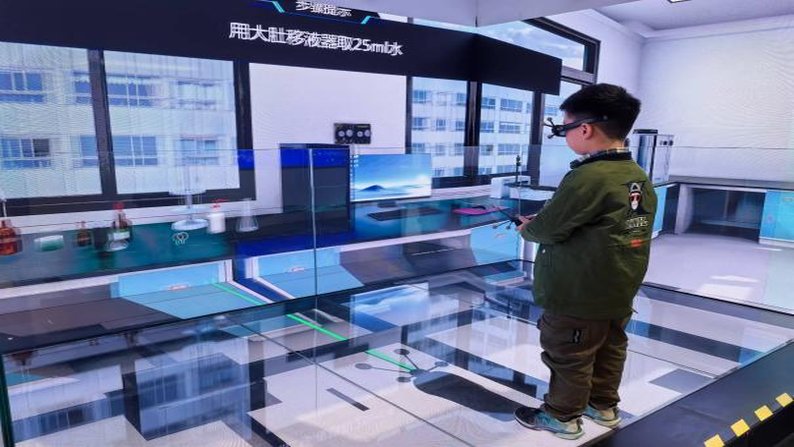
不择知行细流,蕴蓄蓝绿成深:雄安新区生态环境共享中心科普宣传空间营造雄安新区生态环境共享中心VR虚拟实验室(数字化仿真替代实体化学实验,实现科普零危废、低能耗)
6天前 · 来源:雄安新区生态环境监控中心 · 作者:雄安新区生态环境监控中心
