

Company/Organization Profile
Company/Organization Profile: Mangrove Conservation Foundation (MCF) is the first non-governmental public fundraising foundation in China dedicated to wetland conservation and biodiversity protection. With the vision of “Harmonious Wetlands, Thriving Life,” MCF has been actively engaged in mangrove restoration, wetland education, and community-based conservation in Shenzhen and beyond. The foundation has been rated as a 5A-level social organization and a National Ecological and Environmental Science Popularization Base. Its “Shenzhen Bay Mangrove Wetland Restoration Project” was selected as one of China’s Top Ten Typical Cases of Nature-based Solutions by the Ministry of Natural Resources and IUCN. MCF has extensive experience in citizen science, community co-building, and public engagement in urban ecological conservation.
机构简介
红树林基金会(MCF)是中国首家由民间发起的环保公募基金会,致力于保护湿地及其生物多样性,践行社会化参与的自然保育模式。基金会以“人与湿地,生生不息”为愿景,扎根湿地保护,推动积极的湿地管理,提升湿地的生物多样性,推动创建湿地教育中心,连接人与湿地。基金会先后获评5A级社会组织、国家生态环境科普基地等荣誉,参与的“深圳湾红树林湿地修复项目”入选自然资源部与世界自然保护联盟(IUCN)发布的《基于自然的解决方案中国实践典型案例》中国十大典型案例。基金会长期深耕深圳城市生态保护与自然教育领域,在公民科学、社区共建、公众参与等方面积累了丰富的实践经验。
Project Overview
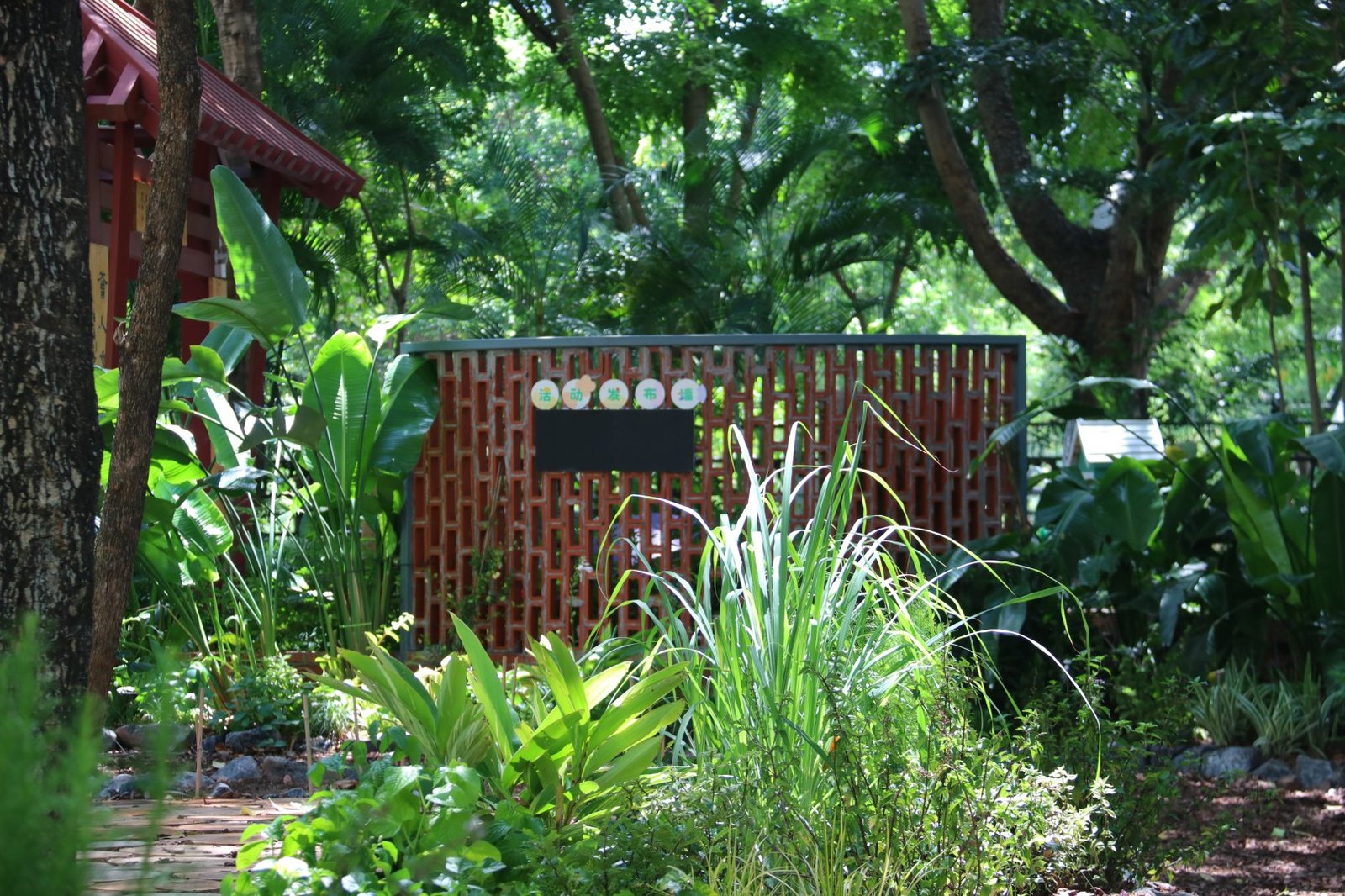
Problem Statement: By the end of 2025, Shenzhen had built 618 community gardens. While these gardens serve as important venues for public participation in urban green space development, their rapid growth has brought significant operational challenges: insufficient maintenance funds, lack of professional horticultural expertise, and declining community engagement, with many gardens experiencing plant degradation and waning public interest shortly after completion.
Root Cause Analysis: The operation of community gardens relies primarily on project-based development and sporadic activities, lacking long-term operational mechanisms. On one hand, plant selection favors exotic ornamental species, resulting in high maintenance costs and limited ecological functions; on the other hand, public participation remains at the level of "one-off activities," without sustainable incentive mechanisms or professional guidance.
Improvement Objectives: To explore a low-cost, sustainable, and replicable operational pathway for community gardens, transforming them from "built spaces" to "well-managed spaces," and from "gardens for people" to "shared habitats for people and all living beings."
项目背景
问题现状:截至2025年底,深圳市已建成共建花园618个。这些花园通过“共商、共建、共治、共享”模式推进,是市民参与城市绿色空间建设的重要载体。然而,随着花园数量快速增长,可持续运营问题日益凸显:后续维护资金不足、专业养护力量缺乏、社区活力难以持续,多数花园在建成后出现植物退化、公众参与热度下降等问题。
原因分析:共建花园的运营主要依赖项目制建设和零散活动,缺乏长效运营机制。一方面,植物配置以外来观赏植物为主,维护成本高、生态功能单一;另一方面,公众参与停留在“一次性活动”层面,缺乏持续参与的激励机制和专业指导。
改进目标:探索一条低成本、可持续、可复制的共建花园运营路径,让花园从“建好”走向“管好”,从“人的花园”走向“人与万物共享的家园”。
Project Implementation
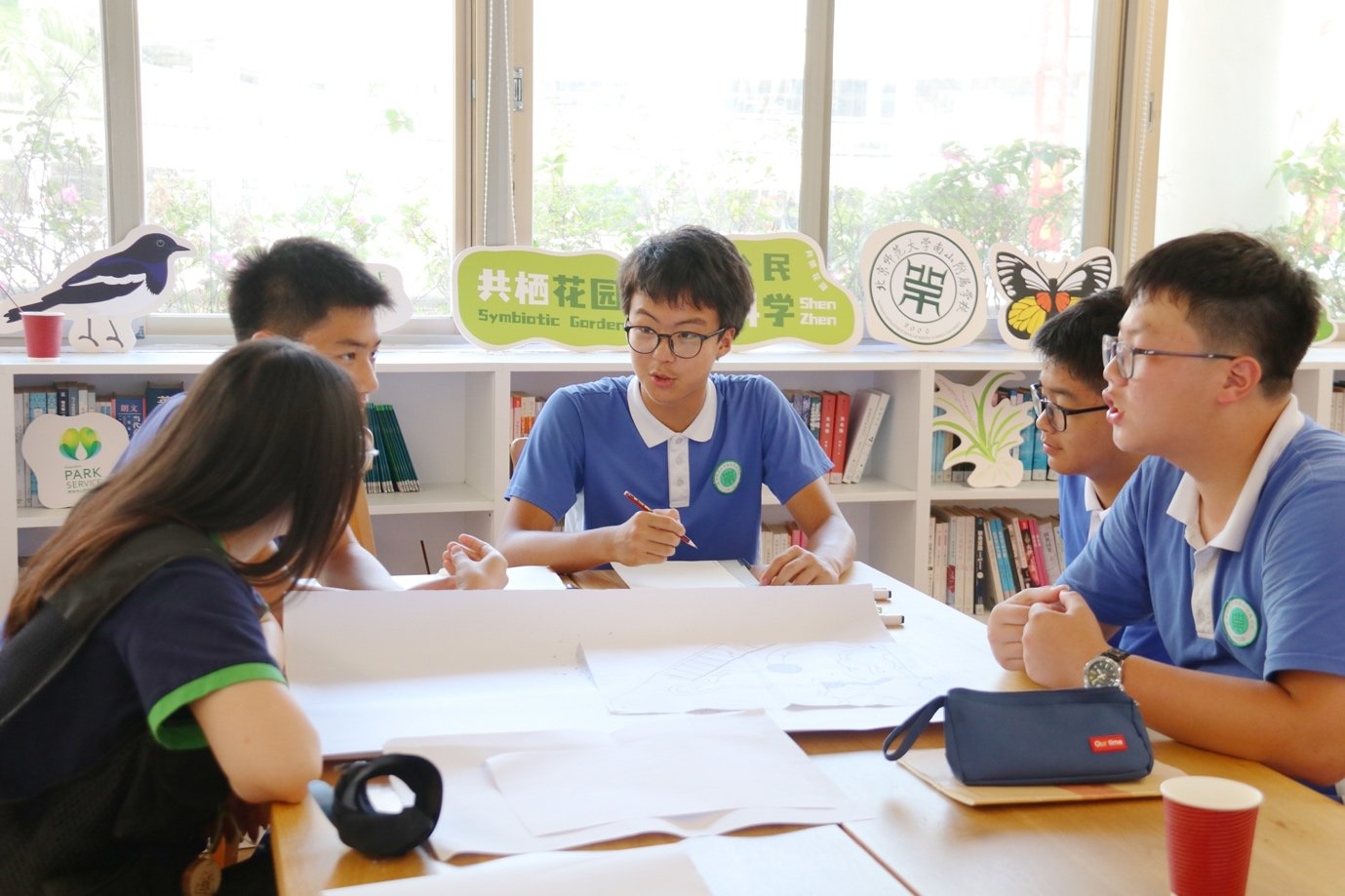
To address the pain points of sustainable community garden operation, the project piloted from January 2025 to March 2026 at five different types of gardens in Shenzhen: Futian Mangrove Ecological Park, Shenzhen Bay Park, Bafang Garden, Mingde Bihai School, and Beijing Normal University Nanshan Affiliated School.
Addressing Issue 1: Plant Degradation and High Maintenance Costs
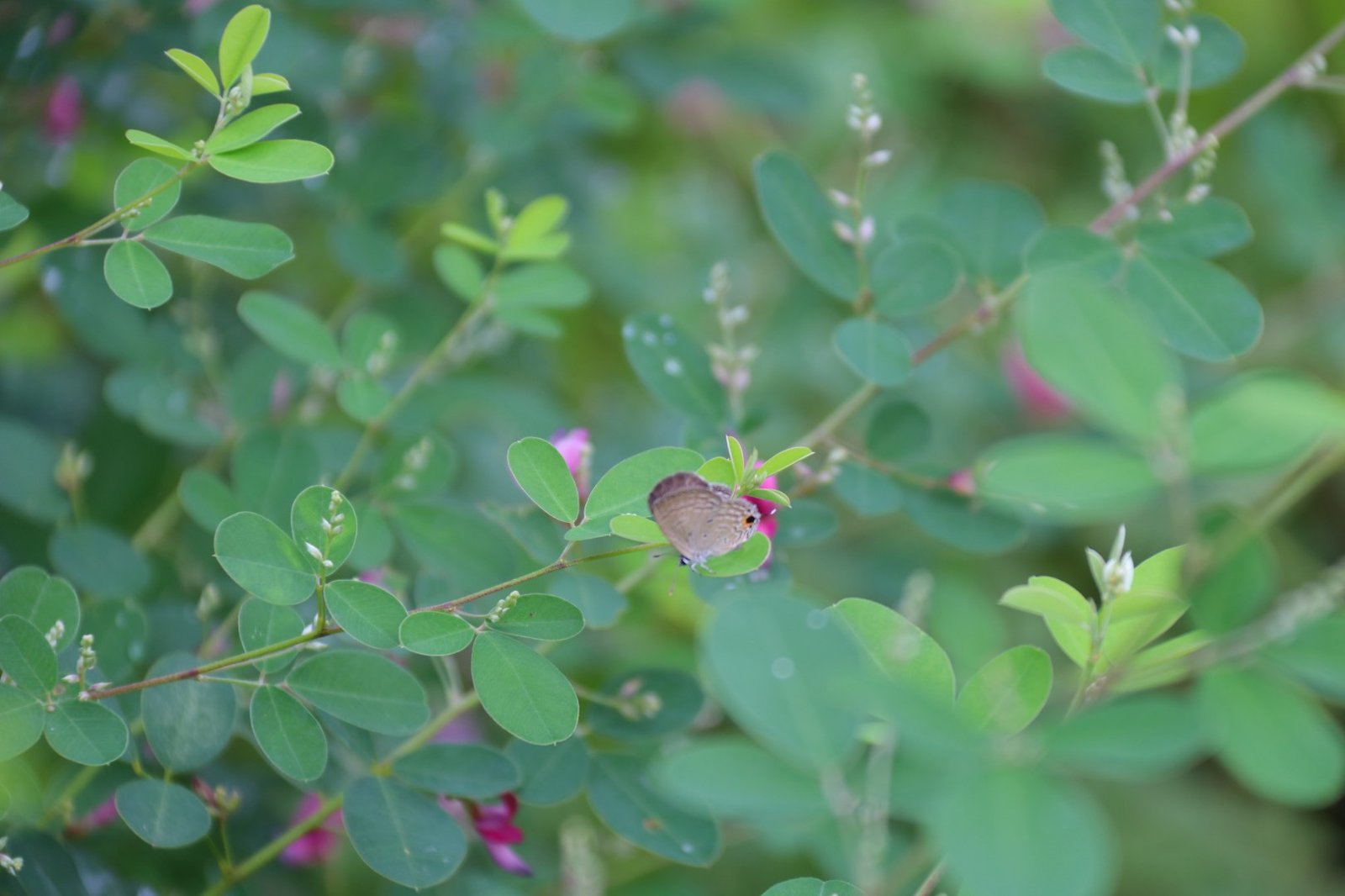
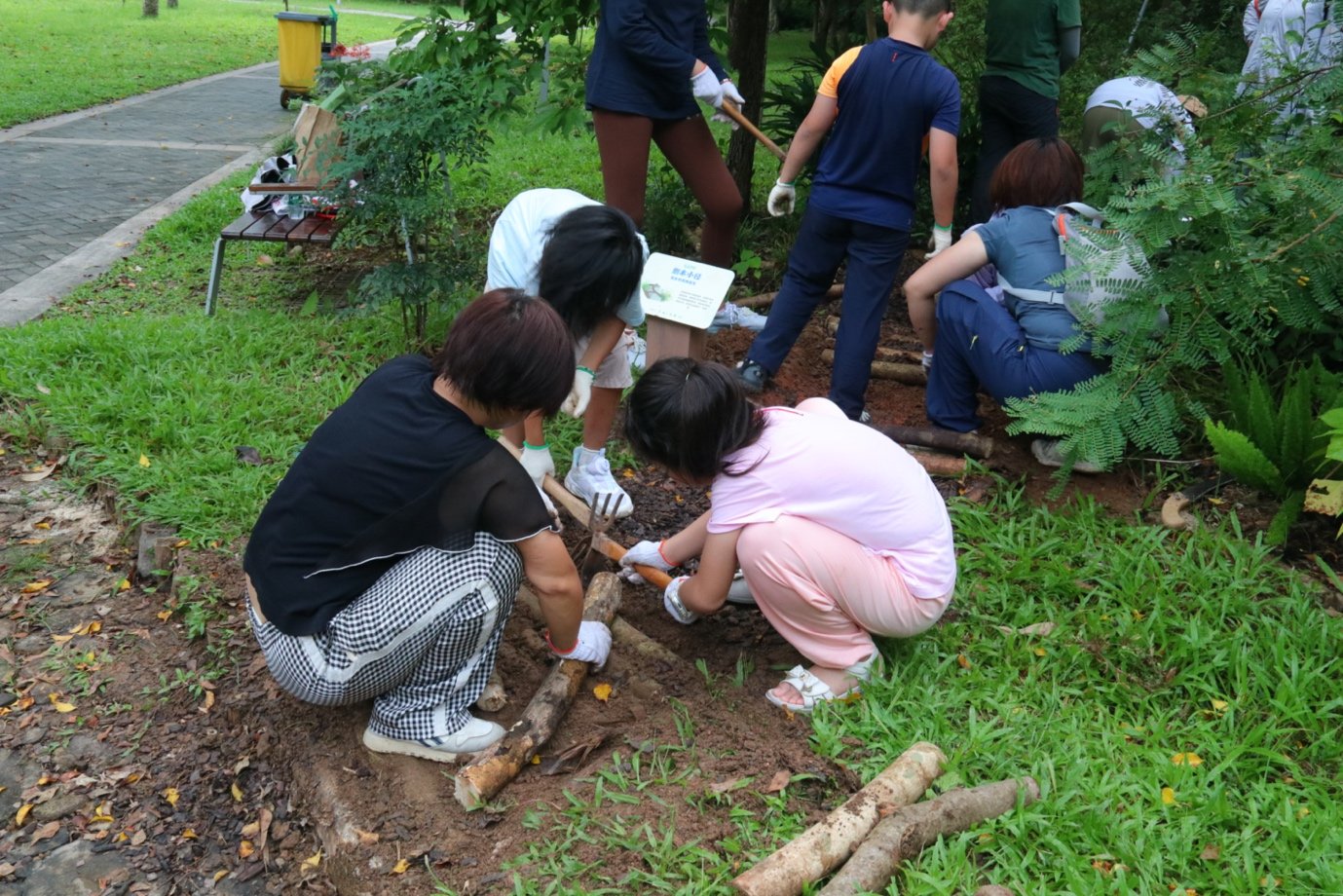
The project adopted a "native plant replacement + habitat creation" approach. Five gardens, five tailored solutions — customized renovation plans based on site conditions and user demographics, each with distinct focuses and innovations. Experts in garden design, biodiversity, and citizen science were invited to review the design proposals. Ultimately, 176 native plant species were planted across the five gardens, with native plants accounting for 72.9% on average. Biodiversity-friendly facilities such as bug hotels, deadwood piles, and bird baths were installed.
Addressing Issue 2: Unsustainable Public Participation
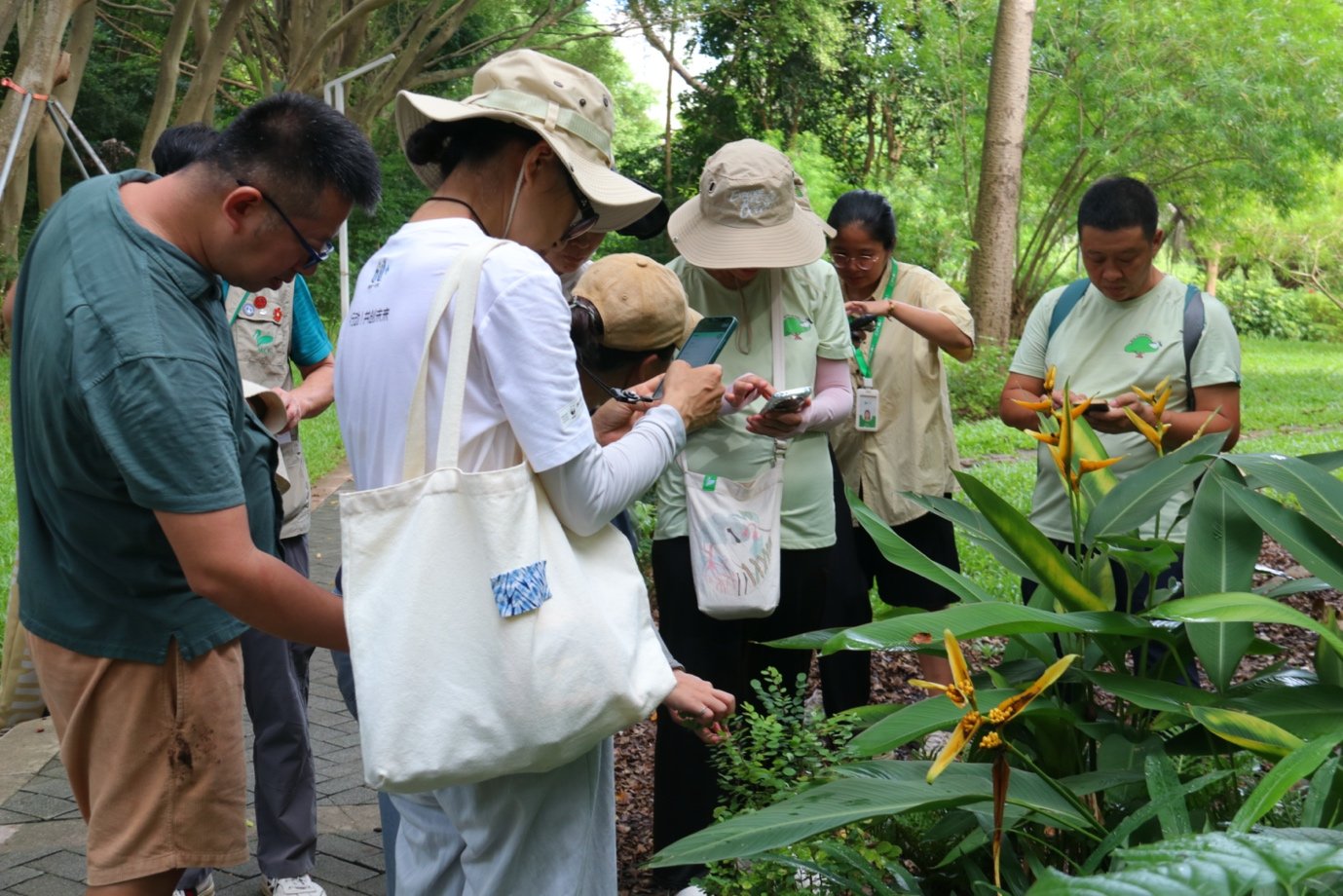
A "community-volunteer-professional support" collaboration mechanism was established. Professional researchers designed survey protocols and trained volunteers. Monthly volunteer-led plant growth monitoring (height, crown width, pests and diseases, phenology) and biodiversity surveys were organized. The "Yepengyou" mini-program enabled lightweight data collection through "snap and share" functionality. A four-tier incentive system — Beginner Explorer Award, Monthly Award, Quarterly Award, and Annual Award — was established.
Addressing Issue 3: Insufficient Community Vitality
Each garden organized differentiated nature education activities tailored to different audiences. School gardens integrated with subject teaching, bringing science and art classes into the gardens; community gardens hosted special events for families and seniors; park gardens offered citizen science experiences and guided tours for the general public. Over 60 activities were held throughout the year, led by professional instructors with collaboration from school teachers and community volunteers.
Key Milestones: December 2024: Three organizations jointly launched the project; March 2025: Citizen science questions confirmed and five pilot garden sites finalized; May: Expert review of design proposals for all five gardens; June-July: "Co-habitat" renovation completed; July: Core volunteer training held; August-December: Monthly citizen science surveys conducted; January-March 2026: Data analysis and annual report compilation completed.
Division of Responsibilities:
Project Initiators: Shenzhen Park Management Center, Tencent Charity Foundation, Mangrove Conservation Foundation (MCF)
Project Implementation: Mangrove Conservation Foundation (MCF)
Funding Support: Tencent Charity Foundation
Overall Coordination: Shenzhen Park Management Center
项目实施
针对共建花园可持续运营的痛点,项目从2025年1月至2026年3月,在深圳市5个不同类型的花园(福田红树林生态公园、深圳湾公园、八芳园、明德碧海学校、北师大南山附校)开展试点。
针对问题一:植物退化、维护成本高
采取“乡土植物替代+生境营造”方案。五个花园,五套方案,根据场地条件和使用人群,定制差异化的改造方案,各有侧重,各有巧思。邀请花园设计、生物多样性、公民科学等行业专家对涉及方案进行评审。最后在5个花园种植乡土植物176种,乡土植物平均占比72.9%;设置本杰士堆、昆虫屋、小鸟澡盆等生物多样性友好装置。
针对问题二:公众参与难以持续
构建“社区—志愿者—专业支持”协作机制。由专业科研人员设计调查方案和对志愿者进行培训,每月组织志愿者开展植物生长监测(株高、冠幅、病虫害、物候)和生物多样性调查;依托“野朋友”小程序实现“随手拍、随时传”的轻量化数据采集;设立萌新探索奖、月度奖、季度奖、年度奖四级激励机制。
针对问题三:社区活力不足
各花园针对不同人群开展差异化自然教育活动。学校花园与学科教学结合,将科学课、美术课搬进花园;社区花园面向亲子家庭和长者开展专场活动;公园花园面向公众开展公民科学体验与导赏。全年累计开展活动60余场,由专业导师带领,学校教师和社区志愿者协同实施。
关键节点:2024年12月三家单位联合发起项目;2025年3月确定公民科学问题及完成5个试点花园选址;5月完成5个花园设计方案专家评审;6-7月完成花园“共栖化”改造施工;7月举办核心志愿者培训;8-12月持续开展每月公民科学调查;2026年1-3月完成数据分析整理与年度报告编制。
项目具体分工:
共栖花园公民科学项目由深圳市公园管理中心、腾讯公益慈善基金会、红树林基金会(MCF)共同发起。红树林基金会(MCF)负责项目实施,腾讯公益慈善基金会提供资金支持,深圳市公园管理中心协调相关关系。
Project Outcome
Quantitative Results: The project attracted over 1,300 participants, with more than 250 core volunteers continuously submitting over 7,600 valid species records. A total of 176 plant species were recorded, with native plants accounting for 65.3% of total species and an average of 72.9% across all gardens. The project recorded 227 insect species, 21 spider species, and 13 amphibian and reptile species. Experts confirmed 4 genera and 6 species as new records for Guangdong Province, demonstrating the significant ecological value of small-scale urban green spaces.
Institutional Innovation: The project developed a "three-in-one" model combining native plants to reduce maintenance costs, citizen science to activate community participation, and nature education to foster emotional connections. A list of 22 native plant species with "zero mortality and zero pests and diseases" was identified, which can be directly applied to low-cost maintenance of other gardens.
Technological Innovation: Leveraging the "Yepengyou" mini-program, a lightweight data collection solution was established, enabling citizens to participate in scientific data collection through simple "snap and share" actions.
Model Innovation: The replicability of the "community-volunteer-professional support" collaboration mechanism was validated. The project transformed the public from passive "users" of green spaces into active "participants" and "guardians."
Sustainability: The project has developed standardized toolkits (plant lists, survey forms, activity plans, and incentive mechanisms) that can be replicated and scaled across Shenzhen's 618 community gardens and similar urban spaces nationwide. In 2026, the Shenzhen Park Management Center has begun selecting gardens for co-habitat renovation based on project experience, while empowering core volunteers to lead co-habitat renovation initiatives in their communities, such as the "Zuolin Youqi Co-habitat Garden Symbiosis Plan" in Caitian Community.
成果亮点
量化成果: 项目累计吸引1300余人次参与,250余名核心志愿者持续提交有效物种记录7600余条。记录种植植物176种,乡土植物占比65.3%,各花园乡土植物平均占比72.9%。记录昆虫227种、蜘蛛21种、两栖爬行类13种,经专家鉴定确认4属6种广东省新纪录昆虫物种,证实了城市小尺度绿地的重要生态价值。
机制创新: 探索出“乡土植物降低维护成本 + 公民科学激活社区参与 + 自然教育形成情感连接”的三位一体模式。筛选出22种“0死亡率、0病虫害”的乡土植物清单,可直接用于其他花园的低成本管养。
技术创新: 依托“野朋友”小程序形成轻量化数据采集方案,让市民通过“随手拍”即可参与科学数据收集。
模式创新: 验证了“社区—志愿者—专业支持”协作机制的可复制性。项目推动公众从绿地“使用者”转变为“参与者”与“守护者”。
可持续性: 项目已形成标准化工具包(植物清单、调查表格、活动方案、激励机制),可在深圳618个共建花园及其他城市同类场景中复制推广。2026年深圳市公园管理中心已根据项目经验,挑选部分共建花园进行共栖化改造,同时赋能核心志愿者在社区进行共栖化改造,如彩田社区左邻右栖共栖花园共生计划等。
Project Highlights
Ecological Benefits: The five pilot gardens achieved an average native plant coverage of 72.9%. A total of 227 insect species (including 4 genera and 6 species newly recorded in Guangdong Province), 21 spider species, and 13 amphibian and reptile species were documented, proving that small-scale urban green spaces can effectively support biodiversity. Plant monitoring data showed significantly lower mortality rates for native plants compared to exotic species, validating the feasibility of low-maintenance management. (Statistical scope: May-December 2025, within the five pilot gardens.)
Social Impact: The project directly engaged over 1,300 citizens in deep participation and cultivated more than 250 core volunteers. In July 2026, project results were presented as an Excellent Case at the "Shenzhen Community Garden Sustainable Operation Sharing and Exchange Conference," garnering attention from urban management departments, horticulturists, professional social organizations, and media. School gardens have developed into regular teaching practices, while community gardens have become new hubs for neighborhood social interaction.
成果影响力
生态环境效益: 5个共栖花园乡土植物平均占比达72.9%。记录到227种昆虫(含4属6种广东省新纪录物种)、21种蜘蛛、13种两栖爬行类,证明城市小尺度绿地可有效支持生物多样性。植物监测数据显示,乡土植物死亡率明显低于外来物种,验证了低维护管养的可行性。(统计口径:2025年5-12月,5个试点花园范围内)
社会影响效果: 项目直接带动1300余名市民深度参与,培育250余名核心志愿者。2026年7月,项目成果在“深圳共建花园可持续运营分享交流会”上作为典型案例向全市推广,受到城管部门、园丁队伍、专业社会组织及媒体广泛关注。学校花园已形成常态化教学实践,社区花园成为邻里社交新载体。
Reviews & Honors
Public Feedback: Volunteer interviews consistently indicated significant improvements in observation skills, scientific literacy, and environmental awareness. School teachers reported that students showed greater curiosity about plant growth and insect behavior after participating in garden activities, with notably higher classroom engagement. A community volunteer shared: "Coming to the garden every month has become a habit."
Industry Recognition: In July 2026, the project was promoted citywide as an Excellent Case at the "Shenzhen Community Garden Sustainable Operation Sharing and Exchange Conference." Project outcomes were compiled in the "2025 Co-habitat Garden Citizen Science Annual Report," forming a replicable and standardized model.
Policy Support: The project responds to the "Urban Biodiversity" priority action outlined in China's "Biodiversity Conservation Strategy and Action Plan (2023-2030)." The project's experience provides practical references for the formulation of Shenzhen's future community garden action plans.
评价与荣誉
评价反馈: 志愿者访谈中普遍反馈观察能力、科学素养和环保意识显著提升。学校老师反馈:学生参与花园活动后,对植物生长、昆虫行为等表现出更强烈的好奇心,课堂参与度明显提升。社区志愿者表示:“每个月来花园看看,已经成了习惯”。
行业认可: 2026年7月,项目作为典型案例在“深圳共建花园可持续运营分享交流会”上向全市推广。项目成果被纳入《2025共栖花园公民科学项目年度报告》,形成可复制的标准化模式。
政策支持: 项目响应国家《生物多样性保护战略与行动计划(2023-2030年)》中“城市生物多样性”优先行动要求。项目经验为深圳市共建花园未来行动计划的制定提供了实践参考。

近零碳社区的美育升级---- 长寿苑社区 “低碳实践 + 影像科普” 共建项目
4天前 · 来源:成都市武侯区火车南站街道长寿苑社区居民委员会 · 作者:成都市武侯区火车南站街道长寿苑社区居民委员会

以绿色金融之力推动中国新质生产力!
4天前 · 来源:国泰海通证券研究所ESG及美丽中国研究组 · 作者:国泰海通证券研究所ESG及美丽中国研究组
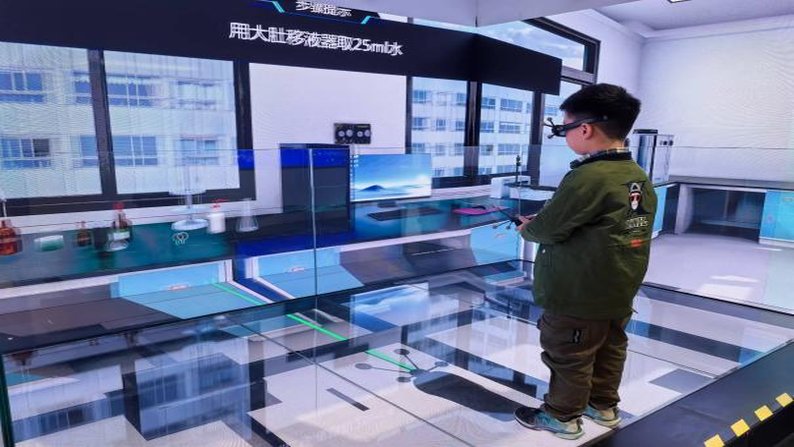
不择知行细流,蕴蓄蓝绿成深:雄安新区生态环境共享中心科普宣传空间营造雄安新区生态环境共享中心VR虚拟实验室(数字化仿真替代实体化学实验,实现科普零危废、低能耗)
6天前 · 来源:雄安新区生态环境监控中心 · 作者:雄安新区生态环境监控中心
