

Company/Organization Profile
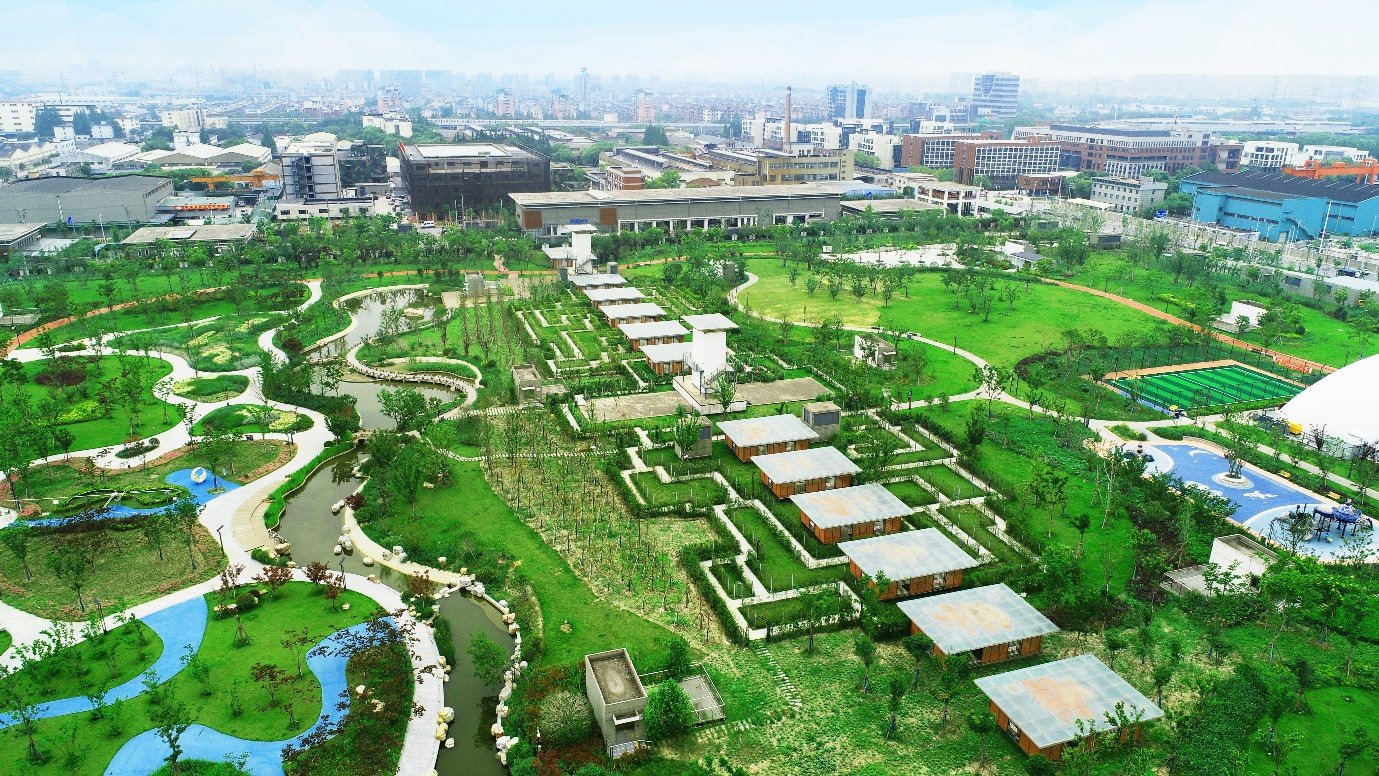
The management team of Taihe Wastewater Treatment Plant has aligned with China’s national DualCarbon Strategy to set green development goals and action pathways. It efficiently operates a smart management and control system covering all wastewater treatment businesses.
Leveraging the sciencepopularization and education base of Taihe Wastewater Treatment Plant, the plant has built exhibition spaces for aquatic ecology and lowcarbon pollution treatment.
It continuously carries out heat source replacement with watersource heat pumps, reclaimed water recycling, and energysaving and carbonreduction technical renovations. The plant taps into the value of reclaimed water resources, promotes green operation and maintenance onsite, and guides staff to adopt green office practices.
It communicates the lowcarbon development philosophy of the water sector to the public, regularly opens environmentalprotection facilities to visitors, and showcases green practice cases including wastewater treatment and resource recycling via corporate communication platforms. Through smart and ecofriendly operationandmaintenance models, the plant achieves coordinated improvement in pollution reduction and carbon mitigation, striving to build a benchmark fullyunderground wastewater treatment plant featuring green and lowcarbon performance.
机构简介
泰和污水处理厂管理团队已锚定国家双碳战略确立绿色发展目标与行动路径,有效运行覆盖污水处理全业务的智慧管控体系,依托泰和污水处理厂科普教育基地设置水生态与低碳治污展示空间。持续实施水源热泵热源替代、中水循环利用、节能降碳技术改造,深挖再生水资源价值,推行厂区绿色运维管理,引导员工践行绿色办公理念。
面向公众传递水务行业低碳发展理念,常态化开展环保设施向公众开放活动,通过企业宣传平台展示污水处理、资源循环等绿色实践案例,以智慧化、生态化运维模式,实现减污降碳协同增效,打造全地下式绿色低碳标杆污水处理厂。
Project Overview
This project is a key water environment governance project in Shanghai. Located in the area enclosed by Gongfu Road, Meilin Road, Tailian Road and the green belt on the north bank of Yunzaobang in Baoshan District, it is the nation’s largest fullprocess underground wastewater treatment plant with storageandregulation functions.
The plant mainly serves the sewage collection area of Shanghai West Trunk Sewer, covering the whole of Baoshan District as well as parts of Jiading, Jing’an and Putuo Districts.
It covers a service area of 115 square kilometres and serves a population of 1.24 million. As a core municipal facility, it underpins water environment governance and sewage disposal in northern Shanghai. Developed in compliance with Shanghai’s professional plan for the wastewater treatment system and requirements under the 6th ThreeYear Action Plan for Environmental Protection, the project was implemented to meet local sewage treatment development demands.
Current Problems Prior to the project, Shanghai set a clear target of raising the citywide wastewater treatment rate to over 90 % by 2017. With rapid urbanisation in Baoshan and continuous growth in the rate of sewage pipe interception, the existing Shidongkou and Zhuyuan No.1 Wastewater Treatment Plants reached their designed capacity limits and could no longer accommodate rising sewage volumes in the region. Insufficient regional sewagedisposal capacity raised risks of excessive pollutant discharge. Water quality along Yunzaobang River and its tributaries remained unstable, making it hard to guarantee regional water environment quality and failing to meet Shanghai’s ecological and environmental protection planning objectives.
Cause Analysis First, rapid urban construction and population agglomeration in northern Shanghai (Baoshan, Jiading and other areas) led to yearonyear growth in domestic and associated sewage discharge.
The designed capacity of legacy wastewater treatment facilities fell behind regional development. Second, major earlybuilt wastewater treatment plants had limited room for expansion and renovation, leaving no spare capacity for incremental sewage.
The supplydemand gap in regional sewage disposal kept widening. Third, the region lacked largescale wastewater treatment facilities with storageandregulation capabilities.
Insufficient sewage storage and purification capacity prevented systematic improvement of the water environment in the Wenzaobang River Basin.
Improvement Objectives The construction of Taihe Wastewater Treatment Plant addresses shortcomings in wastewatertreatment infrastructure in northern Shanghai, effectively receiving incremental sewage from Baoshan and surrounding areas and fundamentally resolving capacity saturation and insufficient disposal capacity of older plants.
The project has a planned total treatment capacity of 600 000 m³ per day. Upon commissioning of PhaseI (400 000 m³/d) and PhaseII (200 000 m³/d), regional wastewater treatment capacity will be comprehensively enhanced and water pollutant discharges substantially reduced. The project will steadily improve water quality of Wenzaobang River and its tributaries, upgrade regional ecological conditions, safeguard living environments and public health, and support Shanghai in achieving its citywide goals for quality improvement and efficiency enhancement in wastewater treatment.
项目背景
本项目为上海市重点水环境治理工程,坐落于宝山区共富路、梅林路、泰联路及蕰藻浜北侧绿化带围合区域,是全国规模最大的带调蓄功能全流程地下式污水处理厂。厂区主要服务上海市西干线污水收集区域,涵盖宝山全域及部分嘉定、静安、普陀片区,服务面积115平方公里,服务人口达124万人,是支撑上海北部片区水环境治理、污水处置的核心市政设施。
项目建设依托上海市污水处理系统专业规划及第六轮环保建设三年行动计划要求,为适配区域污水治理发展需求落地实施。
问题现状:项目实施前,上海市明确要求2017年全市污水处理率需达90%以上。随着宝山片区城镇化快速发展、区域截污纳管率持续提升,原有石洞口、竹园第一两座污水处理厂处理水量已饱和,达到设计运行上限,无法承接片区持续增长的污水体量。同时区域污水处置承载力不足,导致水体污染物排放超标风险增加,蕰藻浜及其支流周边水质不稳定,片区水环境质量难以保障,无法匹配上海生态环保建设规划目标。
原因分析:
一是上海北部宝山、嘉定等片区城市建设、人口集聚速度快,生活污水及区域配套污水排放量逐年递增,原有污水处理设施设计规模滞后于区域发展增速;
二是早期核心污水处理厂扩容改造空间有限,无余量承接新增污水量,区域污水处置供需缺口持续扩大;
三是片区缺乏大型带调蓄功能的污水处理设施,污水调蓄、净化能力不足,难以系统性改善蕰藻浜流域水体环境。
改进目标:通过建设泰和污水处理厂,补齐上海北部片区污水处理设施短板,有效承接宝山及周边区域增量污水,彻底解决原有水厂处理饱和、承载力不足的问题。项目规划总处理规模60万m³/d,一期40万m³/d、二期20万m³/d建成通水后,全面提升区域污水处理能力,大幅削减水体污染物排放。持续优化蕰藻浜及其支流水质,改善片区生态环境,稳定保障区域人居环境与群众健康,助力上海完成全域污水处理提质增效目标。
Project Implementation
1. Reclaimed Water Reuse
Taihe Wastewater Treatment Plant strengthens the operation and management of reclaimedwater reuse. It has fully replaced tap water with reclaimed water for PAM and PAC solution preparation in the chemical dosing room. Under Baoshan District’s “One District, One Pilot” initiative, external supply of reclaimed water is carried out for road sprinkling and landscape water replenishment in ecological parks.
To address high tapwater consumption, reclaimedwater substitution is expanded across all production processes to continuously raise the tapwater replacement rate. Metering and waterquality monitoring are improved together with complete account records. Finegrained statistics and benefit accounting for watersaving and carbonreduction are performed by user and scenario to comprehensively boost the recycling efficiency of water resources.
2. Watersource Heat Pump
Taihe Wastewater Treatment Plant adopts watersource heatpump technology for sludge drying. Lowgrade thermal energy from reclaimed water provides a stable heat source for lowtemperature vacuum sludge drying.
Aiming at high naturalgas consumption and carbon emissions caused by fossilfueldriven sludge drying, the watersource heat pump replaces fossilfuel heating. To improve thermalenergy utilization efficiency, operating parameters of the heatpump system are optimized. This enhances thermalenergy performance and facilitates the green transition of energy supply for sludge treatment.
3. Digital Process Operator
Taihe Wastewater Treatment Plant has developed the Digital Process Operator System, building a fullprocess energysaving managementandcontrol system based on an integrated “mechanismdriven + datadriven” model.
Pumpset selection and liquidlevel control algorithms are optimized. An energyefficiency evaluation model dynamically adjusts pump combinations and operating units to cut sewagelifting energy consumption.
The intelligent aeration model is enhanced. Combined with influent prediction and realtime feedback of ammonianitrogen and nitratenitrogen, dissolvedoxygen level and aeration volume are dynamically regulated to prevent overaeration.
Internalexternal recirculationratio control algorithms are optimized. Recirculation flow is adjusted according to influent load, sludge concentration and effluent quality to reduce recirculation energy consumption.
Precision dosing models for PAC, PAM, carbon sources and sodium hypochlorite are refined. Dosing rates are dynamically tuned via prediction and feedback to reduce chemical waste.
Filtertank ondemand backwashing is implemented. Washing triggers and parameters are intelligently determined based on outlet suspended solids (SS) and liquid level, lowering water and energy consumption and realizing precise energysaving across the whole treatment process.
4. SciencePopularization and Education Base
Planned alongside the main project, the SciencePopularization and Education Base at Taihe Wastewater Treatment Plant features an effluent ecologicalcivilization exhibition area with interactive facilities. The plant has been accredited as an OpentoPublic EnvironmentalProtection Facility.
To change public stereotypes of wastewater treatment plants, goldfish breeding tanks are deployed to intuitively demonstrate effluent quality, together with somatosensory games and knowledge quizzes. Differentiated visiting reception schemes are provided to cater to diverse visitor needs.
Plant effluent exceeds Class1A discharge standard. It is used for reclaimedwater reuse as well as landscape replenishment for the aboveground park. Realizing harmonious coexistence of environmental protection, nature and humanity, the plant serves as a benchmark wastewatertreatment facility featuring environmentalfriendliness, resource conservation and smart water services.
项目实施
1. 中水回用
泰和污水处理厂深化中水回用运行管理,先后实现加药间 PAM、PAC 制药用水全中水替代;依托宝山区“一区一试点”推进道路浇洒、生态公园景观补水等外部供应。针对自来水消耗偏高问题,深化生产各环节中水替代,持续提升自来水替代率;完善计量与水质监测,健全台账,分用户分场景精细化统计并核算节水降碳效益,全面提升水资源循环利用率。
2. 水源热泵
泰和污水处理厂引入水源热泵技术并应用于污泥干化环节,利用中水低品位热能为污泥低温真空干化提供稳定热源。针对污泥干化依赖传统化石能源、天然气消耗与碳排放较高的问题,以水源热泵有效替代化石能源供热;针对热能利用效率有待提升的问题,优化水源热泵系统运行参数,提升热能利用效率,推动污泥处理环节能源供给绿色转型。
3. 数字工艺员
泰和污水处理厂打造数字工艺员系统,依托“机理 + 数理”融合模型构建全流程节能管控体系。优化泵组优选与液位控制算法,依托能效评估模型动态调整泵组组合与台数,降低污水提升能耗;深化智能曝气模型,结合进水预测与氨氮、硝氮实时反馈,动态调整溶解氧与曝气量,避免过度曝气;
优化内外回流比调控算法,依据进水负荷、污泥浓度及出水水质动态调整回流量,降低回流能耗;优化 PAC、PAM、碳源、次氯酸钠精准投加模型,依托预测与反馈动态调整投加量,减少药剂浪费;推进滤池按需冲洗,根据出口 SS 与液位智能判断冲洗时机并优化参数,降低水耗能耗,实现全流程精准节能。
科普教育基地
泰和污水处理厂依托主体工程同步规划科普教育基地,建成出水生态文明展示区并配套互动设施,后获评环保设施向公众开放单位。针对公众对污水厂的刻板印象,以金鱼养殖直观展示出水品质;并增设体感游戏与知识问答;针对来访人员需求差异,提供差异化参观接待方案。厂区出水水质优于一级 A 标准,兼顾回用与地上公园景观补水,实现了环保、自然、人文的和谐共生,成为环境友好型、资源节约型、智慧水务型的标杆污水处理厂。
Project Outcome
Since the commissioning of Taihe Wastewater Treatment Plant, the quality and efficiency of regional sewage treatment have achieved leapforward improvement with remarkable beforeandafter differences.
Supported by its innovative governance model, the plant has become a replicable and sustainable benchmark for urban water environment governance.
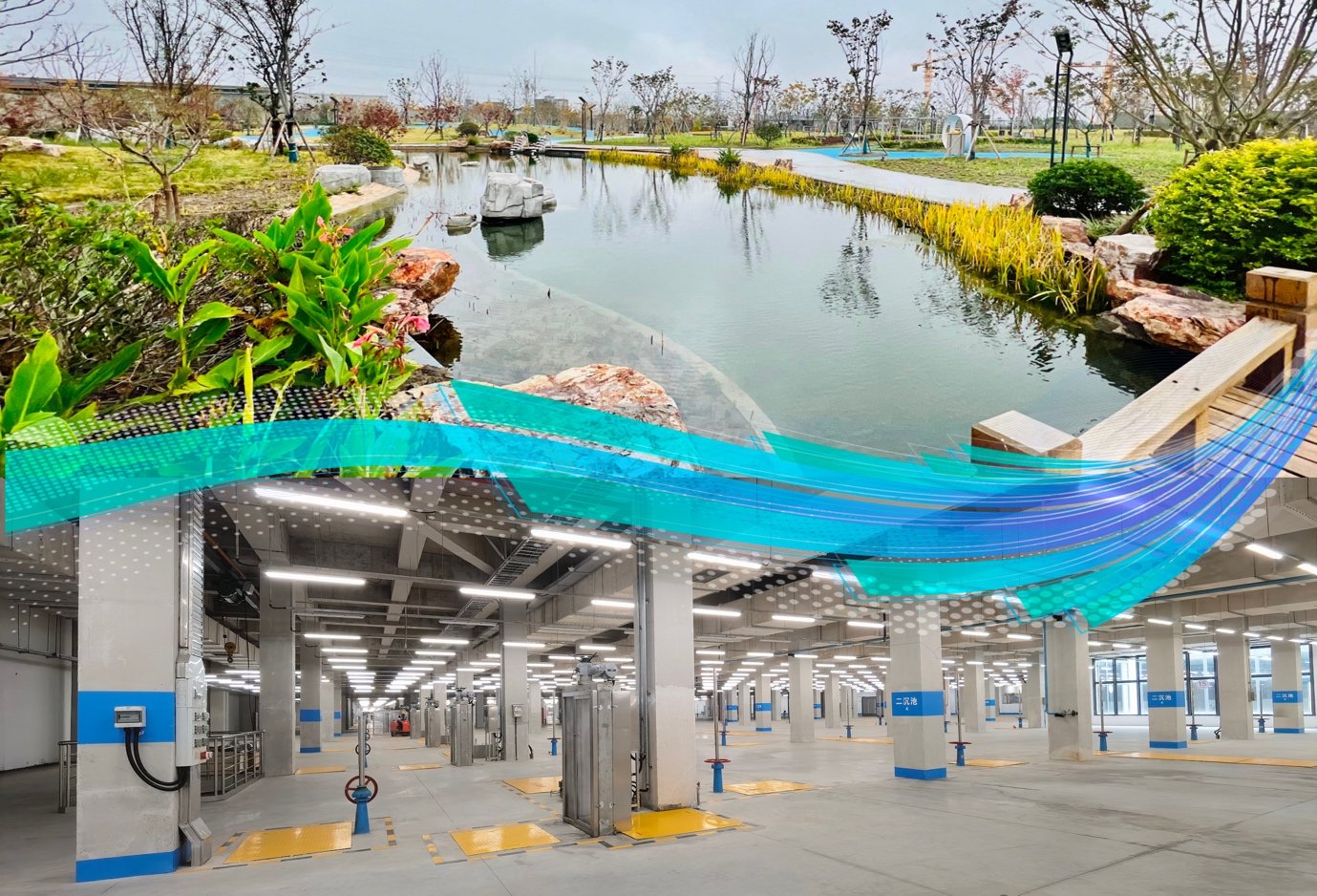
Prior to its implementation, Shidongkou and Zhuyuan No.1 Wastewater Treatment Plants in northern Shanghai were operating at full capacity. The regional daily sewage treatment capacity was severely insufficient. Tributaries of the Yunzaobang River faced prominent pollution risks with frequent waterquality fluctuations. Conventional aboveground wastewater treatment plants suffered drawbacks such as large land occupation, noise and odour nuisances to residents, and extensive operation and maintenance.
Remarkable quantitative benefits have been delivered after project completion. With a total designed treatment capacity of 600 000 m³/d, the plant is currently in stable operation.
It fully fills the regional pollutiontreatment gap, substantially cuts water pollutant discharge, thoroughly resolves sewage overflow and capacitysaturation problems in the area, and steadily improves water quality across the Yunzaobang River Basin. The compliance rate of regional water environment reaches the standard on a regular basis.
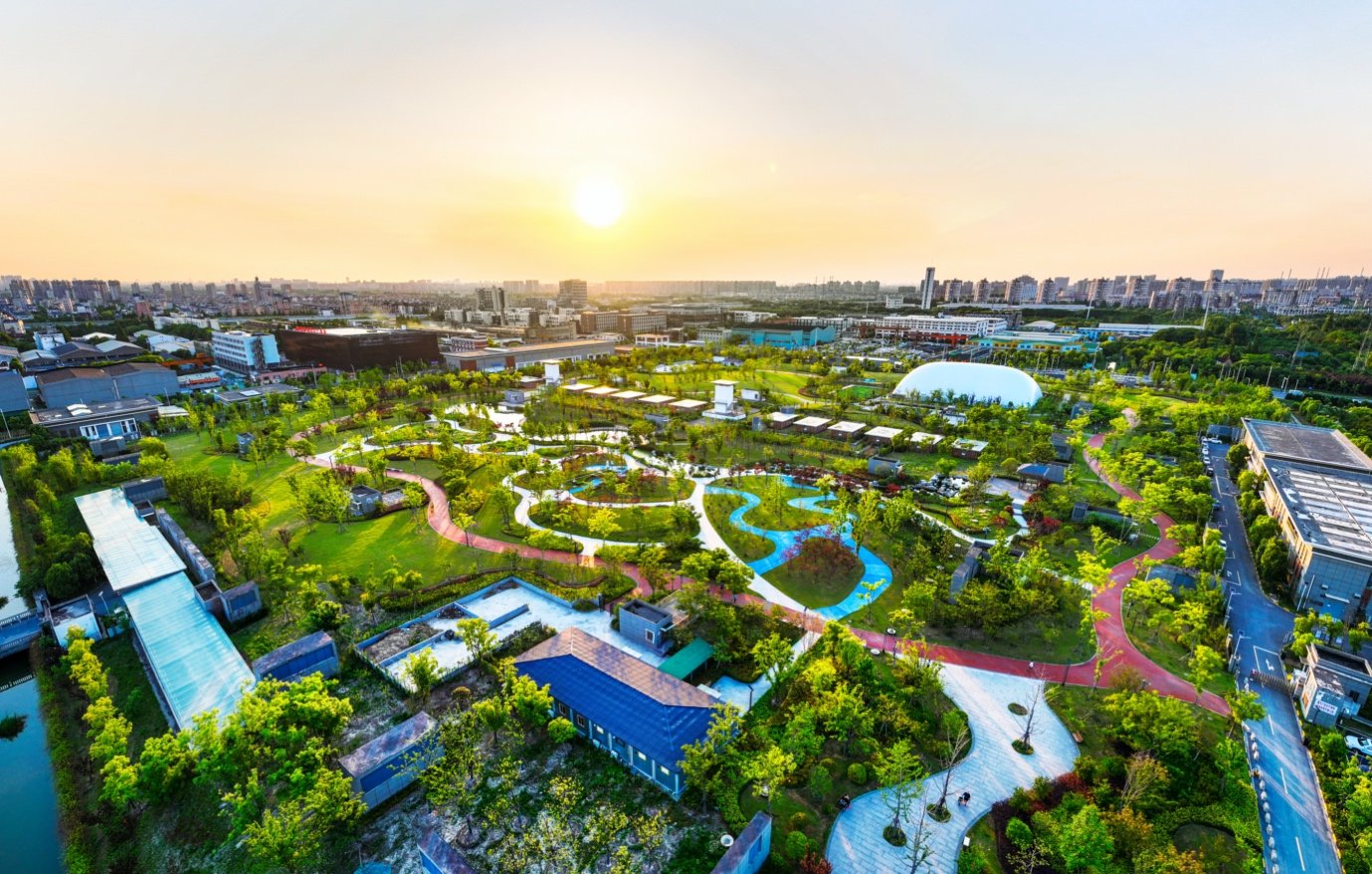
In terms of spatial experience, the project adopts a fullyunderground construction mode.
The ground level has been transformed into ecological green space, completely eliminating the messy look of traditional wastewater plants. Noise and odour disturbances to residents are avoided, resulting in a substantial rise in public satisfaction.
The project features multiple innovative highlights. Technically, it integrates new processes including underground wastewater treatment, intelligent storageandregulation, and energysaving and carbonreduction technologies, realizing integrated operation of sewage purification, flow regulation and resource recycling.
In terms of governance model, it pioneers a collaborative governance pattern of “pollution abatement + ecology improvement + public wellbeing”, breaking the functional limitations of conventional plants which focus merely on sewage treatment.
Furthermore, a smart longterm operationandmaintenance management mechanism has been established. Relying on the digital managementandcontrol platform, fullprocess refined management and intelligent supervision are realized. The construction and operationandmaintenance model suits waterenvironment governance requirements for core and denselypopulated urban areas. With proven technologies, sound mechanisms and controllable operating costs, it boasts strong sustainability and industrywide replicability, serving as an outstanding model for improving the quality and efficiency of sewage treatment in largesized cities across China.
成果亮点
泰和污水处理厂建成投运后,实现了区域污水治理质效的跨越式升级,形成显著的前后差异化成效,依托创新治理模式打造了可复制、可持续的城市水环境治理标杆。实施前,上海北部片区石洞口、竹园第一污水厂已满负荷运行,区域日污水处理承载力严重不足,蕰藻浜支流污染隐患突出、水质波动较大,传统地上污水厂存在占地大、噪音异味扰民、运维粗放等问题。
项目落地后量化成效显著,厂区总设计处理规模60万m³/d,目前稳定运行,全面填补区域治污缺口,大幅削减水体污染物排放量,彻底解决片区污水溢流、处置饱和难题,稳步提升蕰藻浜流域水质,区域水环境合格率实现常态化达标。空间体验上,项目采用全地下式建设模式,地面改造为生态绿化空间,彻底改观传统污水厂脏乱差的环境面貌,无噪音、异味扰民问题,公众满意度大幅提升。
项目具备多重创新亮点,技术上集成地下式污水处理、智能调蓄、节能降碳新工艺,实现污水净化、水量调蓄、资源循环一体化运行;模式上开创“治污+生态+惠民”协同治理模式,打破传统污水厂单一处理功能局限。同时项目构建了智慧化长效运维管理机制,依托数字化管控平台实现全过程精细管控、智能监管。
该建设及运维模式适配城市核心片区、人口密集区域水环境治理需求,技术成熟、机制完善、运维成本可控,具备极强的持续性与行业可复制性,为国内大型城市污水治理提质增效提供了优秀范本。
Project Highlights
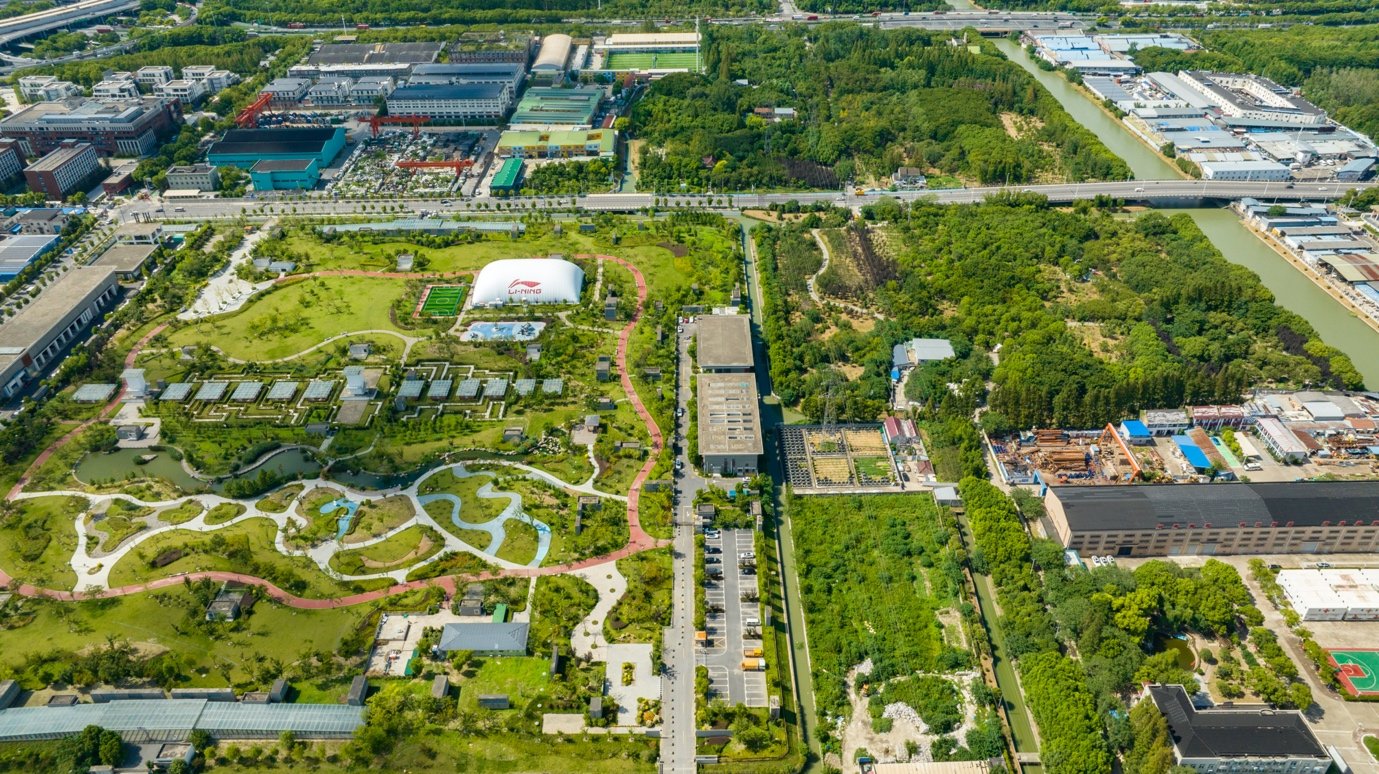
Since its commissioning, Taihe Wastewater Treatment Plant has delivered multidimensional comprehensive benefits covering ecological, social and economic aspects. Its outcomes are quantifiable, mechanisms longlasting and model replicable, setting a benchmark paradigm for sewage treatment in central urban areas of megacities.
Ecological and Environmental Benefits (Statistical Note: In accordance with the Provisional Provisions on WaterVolume Measurement and Statistics for Urban Wastewater Treatment Plants in Shanghai, Taihe Plant has adopted readings from effluent measuring instruments for throughput statistics since 1 October 2022.
Effluent quality complies with Class 1A criteria specified in Discharge Standard of Pollutants for Municipal Wastewater Treatment Plant (GB189182002). For ammonianitrogen and total phosphorus indicators, ClassIV water standards of Environmental Quality Standards for Surface Water (GB38382002) are applied.)
The project establishes a watercirculation and energyrecovery system. The reclaimedwater reuse rate reaches 91.31 % for Phase I and 78.16 % for Phase II.
Reclaimed water is used for onsite plant reuse and landscape replenishment for the aboveground park, continuously improving water quality in the Yunzaobang River Basin. Through precise aeration, intelligent chemical dosing and heatsource replacement by watersource heat pumps, the plant achieved an annual carbon reduction of approximately 1 236.63 tCO₂ in 2025, with unit naturalgas consumption dropping by 44.64 % yearonyear.
Outstanding results have been attained in energy conservation, carbon reduction, pollution abatement and efficiency improvement, together with resourceoriented recycling of wastes.
Social Benefits The project innovates the model of “underground pollution treatment for public wellbeing above ground”.
It transforms a traditional NIMBYtype facility into an urban ecological public space. Regular publicopening environmentalprotection activities are held, effectively improving the surrounding living environment and public recognition.
As a national benchmark largescale underground wastewater treatment plant with storageandregulation functions, its governance model featuring smart managementandcontrol, energysaving & carbonreduction, and plantcity integration has been selected as a municipal typical case of smart water services, and a standardized operationandmaintenance system has been formed.
The project effectively drives waterenvironment quality improvement across Baoshan District. It provides a mature and replicable longterm operation template for resourceoriented, lowcarbon and landscapeintegrated sewage treatment in highdensity urban areas, delivering remarkable industrial demonstration effect and regional driving force.
成果影响力
泰和污水处理厂投运后,形成生态、社会、经济多维叠加的综合效益,成果可量化、机制可长效、模式可复制,为超大城市中心城区污水治理提供标杆范式。生态环境效益方面(统计口径:泰和厂根据《上海市城镇污水处理厂处理水量计量和统计规定(试行)》要求自2022年10月1日起处理量采用出水计量器具计量值。
出水水质执行《城镇污水处理厂污染物排放标准》(GB18918-2002)一级A 标准,其中氨氮和总磷指标执行《地表水环境质量标准》(GB3838-2002)IV 类水标准。),项目构建水循环与能源回收体系,再生水利用率一期达91.31%、二期达78.16%,用于厂区回用与地上公园景观用水,持续改善蕰藻浜流域水质。依托精准曝气、智能加药及水源热泵热源替代,2025年实现年减碳约1236.63tCO2,天然气单耗同比下降44.64%,节能降碳与减污增效成果突出,同步实现废弃物资源化循环利用。
社会效益层面,项目创新“地下治污、地上惠民”模式,将传统邻避设施转化为城市生态公共空间,常态化开展环保公众开放活动,有效提升周边人居环境与群众认可度。
作为全国大型带调蓄功能地下式污水标杆项目,智慧管控、节能降碳、厂地融合的治理模式入选市级智慧水务典型案例,形成标准化运维体系。项目有效辐射宝山片区水环境提质,为高密度城区污水资源化、低碳化、景观化治理提供成熟可复制的长效运行范本,行业示范与区域带动作用显著。
Reviews & Honors
Taihe Wastewater Treatment Plant has received positive feedback from multiple parties and high recognition across the industry.
Evaluation and Feedback Leveraging its ecologicalenvironmental education base for science popularization and public education, the plant has hosted approximately more than 7,300 visitors in recent years and won wide acclaim for its public outreach services. It has been rated fivestar in multiple dimensions including smart operationandmaintenance, ecological optimization and refined management.
Its practice of coordinated digitalgreen transition has gained interim recognition from service recipients and industry peers, demonstrating strong practical and demonstration value in greenlowcarbon development and smart water services.
Media and Industry Recognition The project has been selected as a recommended case for reclaimedwater reuse by the E20 Environmental Platform and a typical project case by China Urban Water Association.
It has also been honored as a Typical Case of Smart Water Services and one of the TopTen Scenarios of Model Shanghai. Its innovative practice of empowering wastewater treatment through digital technologies and largelanguage models provides referable practical samples for the industry. Relevant achievements align with the development orientation of ESG and green manufacturing.
Awards and Honors The project has won numerous domestic and international design awards such as the AEC Global Engineering BIM Competition, the Innovation Cup and the Longtu Cup.
It has successively obtained titles including Excellent Team in Shanghai Key Project Meritorious Competition, FourStar Green Factory, Benchmark Plant for Green and LowCarbon Wastewater Treatment, and Shanghai WaterEfficiency Leader. A host of provincialmunicipal and grouplevel honors have been granted for onsite management innovation, work safety, watersaving demonstration, zerowaste development and the application of scientifictechnological innovation scenarios.
Its overall performance in construction and operation has been publicly acknowledged by thirdparty institutions, industry experts and competent authorities.
评价与荣誉
泰和污水处理厂获得多方正向评价与行业高度认可。
评价反馈方面,厂区依托生态环境教育基地开展科普宣教,近几年来累计接待约7300余人次,社会开放服务获得广泛好评;智慧运维、生态优化、精细运营等多维度获评五星等级,数字化绿色化协同转型实践得到服务对象与行业内部的阶段性肯定,在绿色低碳、智慧水务建设领域具备良好实践示范价值。
媒体/行业认可方面,项目入选E20环境平台再生水回用推荐案例、中国城镇供水排水协会典型工程项目案例,获评智慧水务典型案例、模塑申城十佳场景,其数字化、大模型赋能污水处理的创新实践,为行业提供可参考的实践样本,相关成果契合ESG、绿色制造发展导向。
奖项荣誉方面,项目斩获AEC全球工程BIM大赛、创新杯、龙图杯等多项国内外设计类大奖,先后获得上海市重点工程立功竞赛优秀团队、四星绿色工厂、污水处理绿色低碳标杆厂、上海市水效领跑者等称号,在现场管理创新、安全生产、节水示范、无废建设、科技创新场景应用等领域斩获多项省市级、集团级荣誉,整体综合建设运营水平获得第三方机构、行业专家及主管部门的公开认可。
近零碳社区的美育升级---- 长寿苑社区 “低碳实践 + 影像科普” 共建项目
4天前 · 来源:成都市武侯区火车南站街道长寿苑社区居民委员会 · 作者:成都市武侯区火车南站街道长寿苑社区居民委员会
以绿色金融之力推动中国新质生产力!
4天前 · 来源:国泰海通证券研究所ESG及美丽中国研究组 · 作者:国泰海通证券研究所ESG及美丽中国研究组
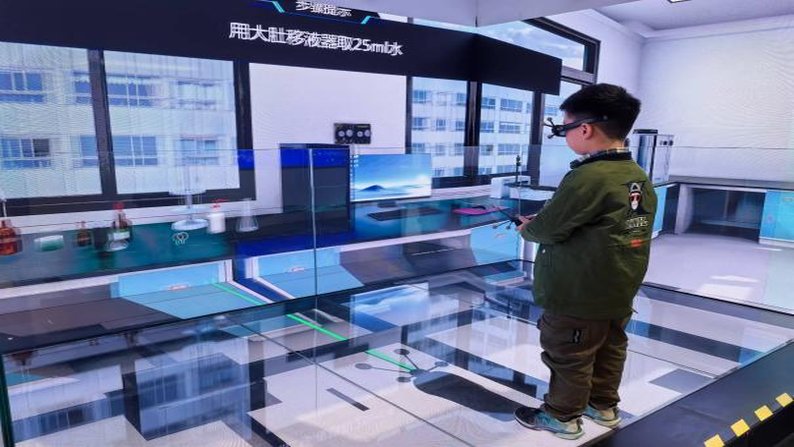
不择知行细流,蕴蓄蓝绿成深:雄安新区生态环境共享中心科普宣传空间营造雄安新区生态环境共享中心VR虚拟实验室(数字化仿真替代实体化学实验,实现科普零危废、低能耗)
6天前 · 来源:雄安新区生态环境监控中心 · 作者:雄安新区生态环境监控中心
