

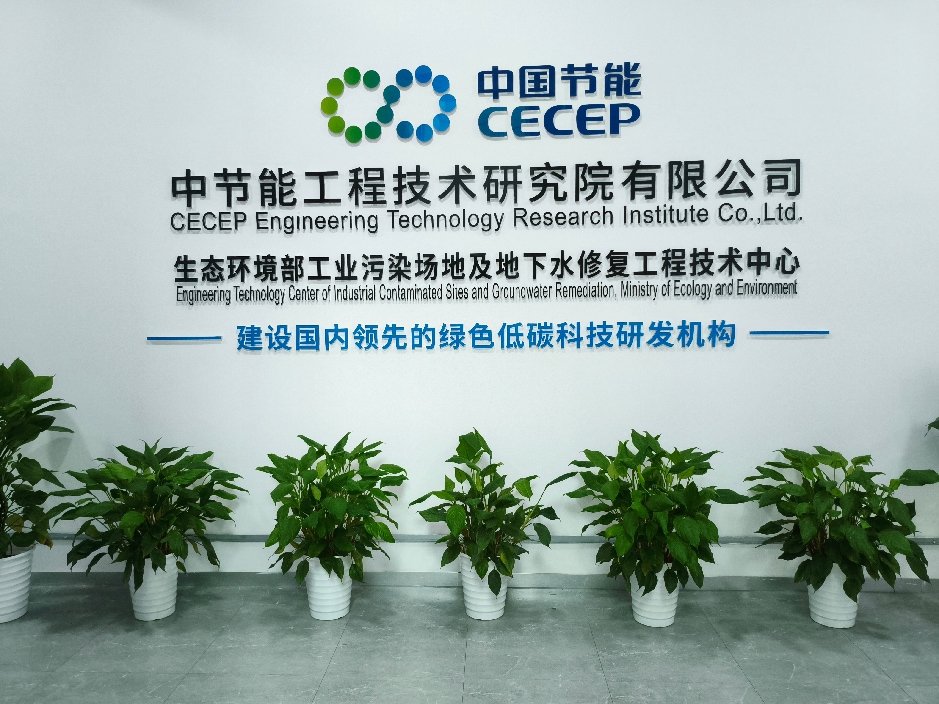
Company/Organization Profile
CECEP Engineering Technology Research Institute. (Hereinafter referred to as CECEP Research Institute) was established in July 2012 as a directly-affiliated research institute of China Energy Conservation and Environmental Protection Group, aimed at enhancing the Group’s core competitiveness in its primary businesses. In response to national strategies, industry development, and the Group's business deployment needs, CECEP Research Institute focuses on soil and groundwater remediation and novel solid waste resource utilization. Leveraging the Shunyi R&D Base, CNAS-accredited laboratory, Engineering Technology Center of the Ministry of Ecology and Environment, and the Zhongguancun Postdoctoral Research Station, it actively carries out core technology R&D and industrial application, supporting the Group's scientific and technological innovation capacity building, and striving to become a leading green and low-carbon technology R&D institution in China.
机构简介
中节能工程技术研究院有限公司(以下简称“中节能研究院”)成立于2012年7月,是中国节能环保集团有限公司直属研究院,旨在提升集团主业核心竞争力。面向国家战略、行业发展和集团公司业务布局需求,中节能研究院聚焦土壤和地下水修复、新型固废资源化利用领域,依托顺义研发基地、CNAS实验室、生态环境部工程技术中心及中关村园区博士后科研工作站,积极开展核心技术攻关与产业化应用,支撑集团公司科技创新能力建设,致力于成为国内领先的绿色低碳科技研发机构。

Project Overview
The project is located at No. 28, Linhe Street, Shunyi District, Beijing, within the Shunyi Park of Zhongguancun Science and Technology Park. The total construction land area (industrial land) is 45,500 m². It primarily serves the scientific and technological R&D, achievement commercialization, regional green science popularization, and industrial empowerment of China Energy Conservation and Environmental Protection Group. Prior to implementation, the park's factory buildings and supporting facilities had been semi-idle for a long time, with low asset utilization. Revenue was generated only through scattered external leasing, resulting in a singular profit model and weak overall asset performance. Moreover, the tenant business mix bore little relevance to the Group's core operations, thus failing to support the Group's needs for technological innovation and industrial development.
The root cause analysis reveals that the park lacked a systematic, innovation-oriented revitalization plan from the outset. The operational model was extensive, prioritizing rental income over strategic value creation. Meanwhile, the absence of supporting R&D facilities made it difficult to undertake green and low-carbon technology breakthrough tasks.
Based on the above situation, the project has established three improvement objectives: first, to revitalize inefficient stock land and building resources, significantly improving spatial resource utilization; second, to focus on the core energy conservation and environmental protection businesses, creating an integrated hub for technology R&D and achievement commercialization; and third, to optimize the operational model, enhance supporting systems, establish a green and efficient long-term operational mechanism, and create a demonstration space for regional green science and technology innovation.
项目背景
本项目位于北京市顺义区林河大街28号院,隶属中关村科技园顺义园,总建设用地面积(工业用地)45500平方米,主要服务中国节能环保集团科技研发、成果转化、区域绿色科普及产业赋能工作。实施前,园区厂房及配套设施长期半闲置,资产利用率低,仅通过对外零散租赁获取收益,盈利模式单一、资产综合效益薄弱,且园区入驻业态与集团公司主业关联度低,无法支撑集团科技创新与产业发展需求。
核心原因为园区前期缺乏系统化科创化盘活规划,运营模式粗放,重租金收益、轻战略赋能,同时科研配套设施缺失,难以承接绿色低碳技术攻关任务。
基于上述现状,项目确立三大改进目标:一是盘活低效存量土地与建筑资源,大幅提升空间资源利用率;二是聚焦节能环保主业,构建技术研发、成果转化一体化载体;三是优化运营模式、完善配套体系,建立绿色高效的长效运营机制,打造区域绿色科创示范空间。
Project Implementation
This project is a pilot project for revitalizing existing assets of central state-owned enterprises. It is strategically planned and funded by China Energy Conservation and Environmental Protection Group, with CECEP Research Institute serving as the core implementing entity, taking full responsibility for project planning, renovation and construction, equipment deployment, and operational management. The project strictly follows the principles of "revitalizing existing assets, controlling costs, and making minimal changes," and adopts a "unified planning, phased construction" approach. It is being implemented in two phases, with strict budget control and a pragmatic, efficient approach to completing the construction tasks.
To address the issue of insufficient synergy between the park's original business mix and the Group's core operations, the Group has taken an overall approach to recalibrate the project's core positioning, with CECEP Research Institute implementing the industrial mix upgrade and optimization. An access mechanism prioritizing "Group-core businesses first, industry-fit first" has been established, leading to the orderly phase-out of some inefficient external tenants, with a focus on introducing core R&D projects such as solid waste resource utilization, industrial wastewater treatment, and contaminated site remediation. CECEP Research Institute relocated entirely to the park, while simultaneously introducing the provincial/ministerial-level research platform – the Engineering Technology Center for Contaminated Sites and Groundwater Remediation of the Ministry of Ecology and Environment – thereby resolving the issue of asset-business misalignment and achieving a green technology upgrade of the park's industrial mix.
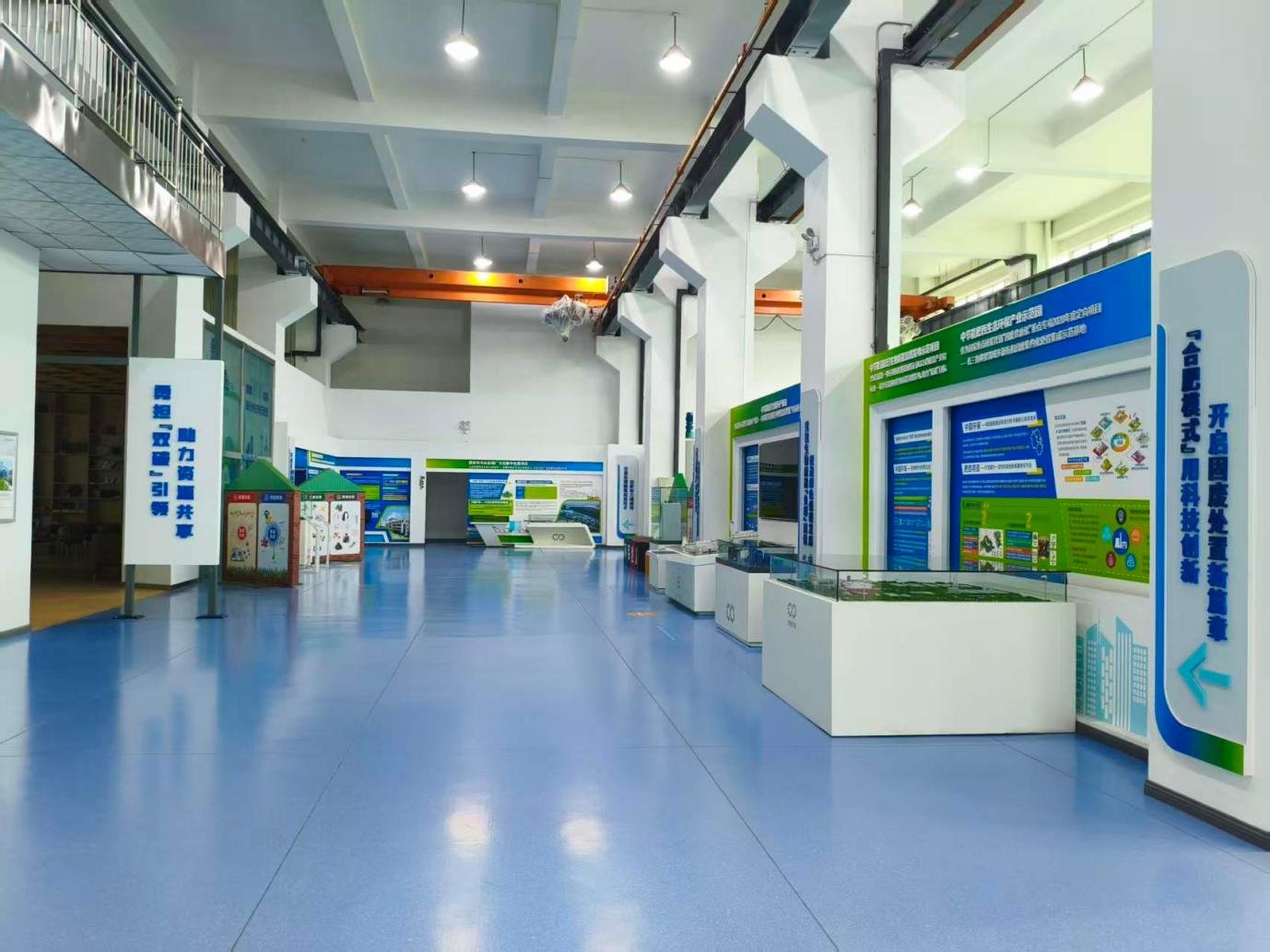
To address the problem of outdated facilities with limited functionality that could not accommodate R&D and green service needs, the project's engineering task force, in collaboration with specialized technical teams, carried out adaptive renovations. By September 2024, the renovation was completed on schedule, with systematic upgrades to the buildings' basic infrastructure, including electrical, water supply, ventilation, and security systems, as well as the creation of standardized scientific research laboratory spaces. Meanwhile, a centralized supply system for industrial gases in the laboratories was completed, improving the research environment and reinforcing the foundation for safe and green operations. Functional areas such as an exhibition hall, Party-building activity spaces, academic exchange venues, and reading/leisure zones were also added, along with improved public transportation facilities, comprehensively enhancing the spatial integrated service capacity.
To tackle the problems of dispersed assets, extensive operational management, and low resource utilization, the project team adopted resource reallocation and refined operational measures. An inventory of existing park assets was reviewed, idle spaces were revitalized through integrated planning, and multiple pathways including independent operation, upgrades and renovations, and resource coordination were combined, moving away from the singular profit model based solely on rental income. Leveraging the improved hardware and software facilities, with a focus on technology R&D and achievement commercialization in solid waste resource utilization, soil and groundwater remediation, and related fields, the Institute successfully obtained CNAS laboratory accreditation. It now regularly conducts testing and analysis services, environmental science popularization, academic exchanges, and scientific and technological achievement exhibitions, establishing an integrated operational framework combining "research breakthroughs – achievement commercialization – science popularization empowerment."
This project has filled the gap in the Group's scientific and technological innovation hardware, achieving a fundamental transformation of the existing space from a low-efficiency leasing site to a green science and technology innovation hub.
项目实施
本项目为中央企业存量资产盘活试点项目,由中国节能环保集团统筹战略部署与资金拨付,中节能研究院作为核心实施主体,全面负责项目规划、改造建设、设备配置、运营管理工作。项目严格遵循“盘活存量、控制成本、最小改动”原则,采取“统一规划、分期建设”模式推进,分两阶段落地实施,严控预算、务实高效完成建设任务。
针对项目原业态与主业协同不足的问题,集团公司统筹校准项目核心定位,由中节能研究院落地实施业态优化升级。建立“系统内主业优先、产业适配优先”的准入机制,有序清退部分低效外部租户,重点导入固废资源化、工业废水处理、污染场地修复等核心科创项目。中节能研究院整体搬迁入驻,同步引入生态环境部污染场地及地下水修复工程技术中心省部级科研平台,解决资产与主业脱节问题,实现园区业态的绿色科技升级。
针对原有设施老旧、功能单一、无法适配科研及绿色服务需求的问题,由项目工程专班联合专业技术团队开展适应性改造。2024年9月工程按期完工,系统升级建筑本体、水电、通风、安防等基础配套,打造标准化科研实验室空间;同步完成实验室工业气体集中供应改造,优化科研作业环境、筑牢安全绿色运营底线;配齐展厅、党建活动、学术交流、阅览休闲等功能区域,完善公共交通配套,全方位提升空间综合服务能力。
针对资产资源分散、运营粗放、资源利用率偏低的问题,项目团队采取资源再配置与精细化运营措施,梳理园区存量资源台账,统筹盘活闲置空间,整合自主运营、升级改造、资源统筹多路径,摒弃单一租金盈利模式。依托完善的软硬件设施,聚焦固废资源化、土壤和地下水修复等技术研发与成果转化,顺利通过CNAS实验室认可,常态化开展检测分析服务、环保科普、学术交流、科技成果展示等活动,构建“科研攻关+成果转化+科普赋能”的一体化运营格局。
项目补齐了集团科技创新硬件短板,实现存量空间从低效租赁场地向绿色科创载体的根本性转型。
Project Outcome
1. Significant Spatial Efficiency Upgrades with Outstanding Renovation Results
Prior to renovation, the park's premises had long been semi-idle, with a chaotic business mix and weak supporting facilities, lacking the capacity for scientific research or science popularization, and contributing almost nothing to empowering the Group's core businesses. After renovation, a total of 5,170.74 square meters of space have been upgraded. The park now features 24 laboratory functional rooms, 26 office functional rooms, and over 180 sets of specialized research equipment. It has obtained CNAS laboratory accreditation, with 134 testing capabilities, 34 of which have been included in the CNAS accreditation scope, covering core testing areas such as solid waste resource utilization and water treatment. Additionally, new service facilities including standardized laboratories, a science and technology exhibition hall, and commuter shuttle buses have been added, while the laboratory environment has been optimized for safety and green operations. These efforts have completely reversed the situation of idle and wasted assets, achieving a fundamental transformation from a "low-efficiency rental site" to a "specialized, green-oriented science and technology innovation hub."
2. Multi-Dimensional Innovation Breakthroughs with Notable Industrial Empowerment Outcomes
The project has pioneered an innovative asset revitalization model featuring "minimal changes, low-cost renovation, and innovation-driven transformation," maximizing asset value through simple renovations and targeted investment. It has established a management model that prioritizes core-business tenants, maintains research-oriented operations, conducts regular testing and analysis, and integrates science popularization empowerment, completely replacing the traditional extensive leasing operation model. By consolidating spatial resources and focusing on the Group's internal research resources, the project has created a full-chain system linking "technology R&D, testing and analysis, achievement commercialization, and science popularization and education." This aligns closely with the Group's core business development needs, providing solid support for technological upgrading in the energy conservation and environmental protection industry and empowering the Group's industrial development.
3. Sustainable and Replicable Outcomes with High Promotion Value
The project has completed engineering acceptance and obtained relevant certifications, establishing a standardized and regulated long-term mechanism for spatial renovation and innovation-driven operations. It can sustainably carry out green technology R&D, public science popularization, and industrial empowerment activities. The innovation-driven renovation model for existing assets is mature, cost-controllable, procedurally standardized, and broadly adaptable. It can be replicated and promoted for revitalizing idle factory buildings and existing sites in central state-owned enterprises and various industrial parks, providing a practical and scalable model for efficient utilization of green spaces and empowering ecological civilization development through scientific and technological innovation.
成果亮点
1.空间效能质变升级,改造成效突出。改造前,园区场地长期半闲置、业态杂乱、配套薄弱,无科研、科普承载能力,资产对主业赋能几乎空白。改造后,累计完成5170.74平方米空间体质升级,建成24个实验功能间、26个办公功能间,配齐180余台(套)专业科研设备,获批CNAS实验室资质,具备134项检测能力,34项检测项目已纳入CNAS认可范围,覆盖固废资源化、水处理等核心检测领域。同时新增标准化实验、科技展厅、通勤班车,等服务设施,优化实验室绿色安全作业环境,彻底扭转资产闲置浪费局面,实现从“低效出租场地”向“专业化绿色化科创载体”的质变。
2.创新模式多维突破,产业赋能成效明显。项目创新践行“最小改动、低成本改造、科创化转型”的存量资产盘活模式,以极简改造、精准投入实现资产价值最大化。建立主业优先入驻、科研标准运维、常态化检测分析和科普赋能的管理模式,彻底替代传统粗放租赁运营模式。依托空间资源整合,聚焦集团内部科研资源,打通“技术研发、试验检测、成果转化、科普宣教”全链条,贴合集团主业发展需求,为节能环保产业技术迭代升级提供坚实支撑,为集团公司产业发展赋能。
3.成果可持续可复制,推广价值突出。项目已完成工程验收与资质认证,搭建起标准化、规范化的空间改造、科创运营体长效机制,可持续开展绿色技术研发、公众科普、产业赋能工作。存量资产科创化改造模式成熟、成本可控、流程规范、适配性广,可复制推广至央企及各类园区闲置厂房、存量场地盘活升级,为绿色空间高效利用、科创赋能生态文明建设提供可落地、可推广的模式。
Project Highlights
At the ecological and environmental level, through energy-saving retrofitting of old facilities and optimization of ventilation energy consumption within the park, the project has continuously reduced overall spatial energy consumption and put into practice a green, low-carbon operational model. Leveraging its CNAS-accredited testing capabilities, it has steadily advanced R&D, pilot testing, and demonstration projects in solid waste resource utilization and water treatment, thereby providing technical support for regional pollution control and green, low-carbon development, and contributing to the improvement and enhancement of the regional ecological environment.
At the social impact level, through project implementation, the initiative has brought together a provincial/ministerial-level research platform and specialized innovation teams, created a number of new research and support jobs, and established a cross-platform collaborative innovation system that facilitates the cultivation of a regional environmental protection industry cluster. By utilizing the laboratories and exhibition hall as communication hubs, the project has also organized technology exchange and science popularization activities, thereby invigorating the regional science and technology landscape.
At the economic level, the project has fully revitalized over 5,170 square meters of underperforming existing assets, moved away from the inefficient leasing model, continuously unleashed the value of the innovation industry, and secured the preservation and appreciation of state-owned assets.
成果影响力
生态环境层面,通过园区老旧设施节能改造、通风能耗优化,持续降低空间综合能耗,践行绿色低碳运营模式;依托CNAS认证检测能力,持续开展固废资源化、水处理领域技术研发与试验示范,为区域污染治理与绿色低碳发展提供技术支撑,为助力区域生态环境提质增效。
社会影响层面,依托项目实施,汇聚省部级科研平台与专业科创团队,新增一批科研及配套就业岗位,构建跨平台协同创新体系,助力区域环保产业集群培育;依托实验室和展厅搭建交流载体,组织科技交流和科普活动,激活区域科技氛围。
经济层面,彻底盘活5170多平方米低效存量资产,摆脱低效租赁模式,持续释放科创产业价值,实现国有资产保值增值。
Reviews & Honors
This project is a key pilot project for revitalizing existing assets of central state-owned enterprises under the State-owned Assets Supervision and Administration Commission (SASAC), and also a core benchmark project for China Energy Conservation and Environmental Protection Group to strengthen its sci-tech innovation foundation and empower the high-quality development of its core businesses. The Group has highly recognized the project's construction outcomes, explicitly stating that the project's completion and operation have filled the gaps in the Group's sci-tech innovation platform, improved the Group's overall sci-tech innovation system layout, effectively connected the entire chain of small-scale trials, pilot-scale testing, testing and certification, and achievement commercialization, and established a core hub for industry-research collaboration. It has also activated the Group's internal momentum for scientific research, supporting the implementation of the Group's "14th Five-Year Plan" sci-tech plan and the high-quality development of the "15th Five-Year Plan" period.
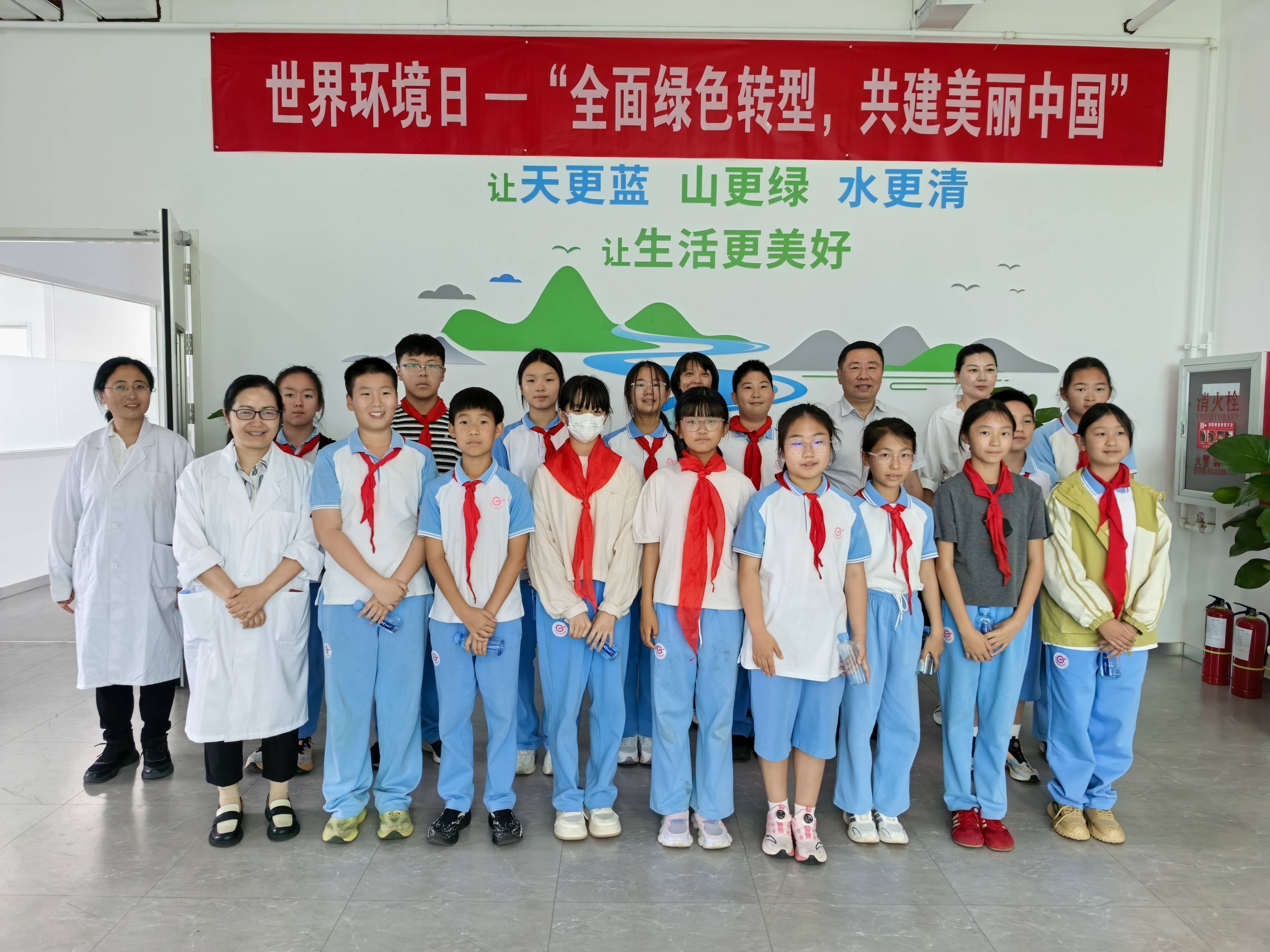
Meanwhile, since its completion, the project has received recognition from internal business departments, research teams, and service beneficiaries. Researchers have reported that renovation measures such as standardized laboratory facilities and centralized supply of industrial gases have significantly improved the research working environment, enhancing safety, professionalism, and efficiency. Local elementary schools in the surrounding Shunyi District have given high praise to the science popularization activities, which have effectively disseminated knowledge on ecological civilization and environmental protection technologies, highlighting the project's notable social benefits.
评价与荣誉
本项目是国资委中央企业存量资产盘活试点重点项目,也是中国节能夯实科创底座、赋能主业高质量发展的核心标杆工程。集团层面高度认可项目建设成效,明确指出项目建成投用,补齐了集团公司科创平台短板,完善了集团科技创新体系布局,有效打通小试、中试、检测认证、成果转化全链条,搭建起产研协同核心载体,激活集团科研内生动力,支撑集团“十四五”科技规划落地与“十五五”高质量发展。
同时,项目建成以来,获得内部业务部门、科研团队和服务对象的认可。科研人员反馈,标准化实验配套、工业气体集中供应等改造措施,大幅优化科研作业环境,提升科研工作安全性、专业性与高效性;项目周边的顺义区小学对科普活动评价优良,有效普及生态文明与环保科技知识,社会效益凸显。

近零碳社区的美育升级---- 长寿苑社区 “低碳实践 + 影像科普” 共建项目
4天前 · 来源:成都市武侯区火车南站街道长寿苑社区居民委员会 · 作者:成都市武侯区火车南站街道长寿苑社区居民委员会
以绿色金融之力推动中国新质生产力!
4天前 · 来源:国泰海通证券研究所ESG及美丽中国研究组 · 作者:国泰海通证券研究所ESG及美丽中国研究组
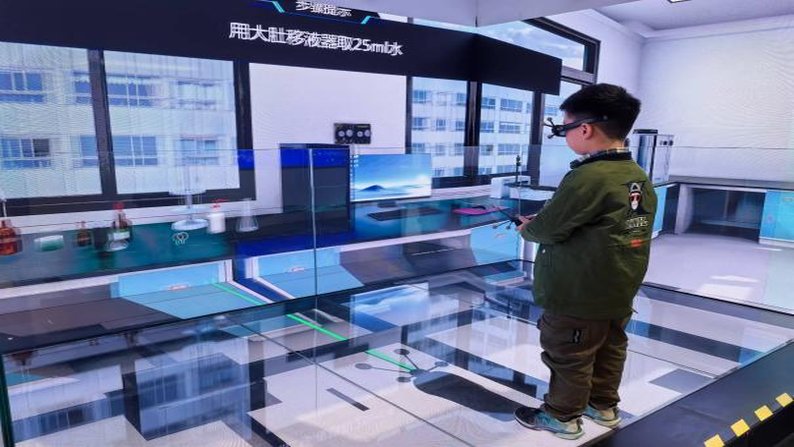
不择知行细流,蕴蓄蓝绿成深:雄安新区生态环境共享中心科普宣传空间营造雄安新区生态环境共享中心VR虚拟实验室(数字化仿真替代实体化学实验,实现科普零危废、低能耗)
6天前 · 来源:雄安新区生态环境监控中心 · 作者:雄安新区生态环境监控中心
