

Company/Organization Profile
Xiaomi Auto's Beijing Plant is located at No. 21 Huanjing Road, Beijing Economic and Technological Development Zone, covering an area of approximately 720,000 square meters. The facility incorporates manufacturing processes such as die-casting, stamping, body shop, painting, final assembly, and battery pack production, establishing a flagship new energy vehicle plant that integrates manufacturing, R&D, experience, and sales.
Since its production began in 2024, Xiaomi Auto's Beijing Plant has received the following honors:
(1) Beijing Industrial Tourism Demonstration Site (2024)
(2) First Batch of National Outstanding Intelligent Factories by the Ministry of Industry and Information Technology (2024)
(3) Beijing Enterprise with Environmental Performance Grade A (Emergency Response for Severe Pollution Weather, 2025)
(4) Beijing Green Enterprise (Deep Green Level, 2025)
(5) Beijing Green Factory (2025)
(6) National-level Green Factory (2026)
机构简介
小米汽车北京工厂坐落于北京市经济技术开发区环景路21号院,占地面积约72万平方米,建设压铸、冲压、车身、涂装、总装、电池PACK等制造工艺,打造集产品生产、研发、体验和销售于一体的新能源汽车旗舰工厂。
自2024年投产以来,小米汽车北京工厂先后获得的荣誉有:
(1)北京市工业旅游示范点(2024)
(2)工信部首批国家卓越级智能工厂(2024)
(3)北京市环保绩效A级企业(重污染天气应急,2025)
(4)北京市绿色企业(深绿级,2025)
(5)北京市绿色工厂(2025)
(6)国家级绿色工厂(2026)

Project Overview
With the rapid development of China's new energy vehicle industry, hazardous waste management in the automobile manufacturing process faces severe challenges. Core processes such as painting generate a wide variety of hazardous waste, including waste solvents, waste adhesives, paint-contaminated waste, and empty packaging barrels, in large quantities. Traditional extensive management models can no longer meet increasingly stringent environmental regulatory requirements and corporate green development goals.
Xiaomi Auto's Beijing Plant, as a newly established vehicle manufacturing base, identified various pain points in hazardous waste management during its initial production phase, such as:
(1) A large amount of cleaning solvent is used in the painting process, resulting in significant waste solvent generation;
(2) The use of adhesives involves multiple steps in each workshop, making the management of adhesive residues, waste, and contaminated waste difficult;
(3) The proportion of disposable packaging materials is high, resulting in large quantities of hazardous waste such as waste packaging barrels and cardboard boxes.
To address the aforementioned issues, the company has systematically initiated a specialized program for hazardous waste reduction across the entire production chain, with core strategies including source reduction, process control, end-of-pipe treatment, and recycling. The initiative aims to achieve a significant reduction in hazardous waste generation per vehicle through process optimization, technological innovation, and management enhancement, thereby exploring replicable green manufacturing pathways for the industry.
项目背景
随着我国新能源汽车产业高速发展,整车制造过程中的危废管理面临严峻挑战。涂装等核心工艺环节产生的废溶剂、废胶、含漆废物、废包装桶等危废种类多、产生量大,传统粗放式管理模式已难以满足日益严格的环保监管要求和企业绿色发展战略目标。
小米汽车北京工厂作为新建整车制造基地,在投产初期即识别到各类危废管理痛点,例如:
(1)涂装工艺中清洗溶剂使用量大,废溶剂产生量较多;
(2)各车间胶粘剂使用环节多,残胶、废胶及沾染废物管理难度大;
(3)包装材料一次性使用比例高,废包装桶、废纸盒等危废产生量大;
针对上述问题,公司以源头减量、过程控制、末端治理外加循环利用为核心策略,系统启动了覆盖全工艺链条的危废减量化专项工作,旨在通过工艺优化、技术创新和管理提升,实现单车危废产生量的显著降低,为行业探索可复制的绿色制造路径。
Project Implementation
The full-chain hazardous waste reduction project at Xiaomi Auto's Beijing Plant is led by the factory's EHS department, with a dedicated working group formed in conjunction with multiple departments including the production technology department, painting workshop, final assembly workshop, and body shop. Before the project was launched, the working group conducted a systematic survey of hazardous waste generated at each process stage, identifying key reduction directions such as coating solvents, adhesive residue, packaging waste, and die-casting aluminum slag. Following the implementation path of problem identification, scheme design, pilot verification, and comprehensive promotion, 10 targeted optimization plans were systematically advanced. The following are representative initiatives:
1. Source reduction in the painting process
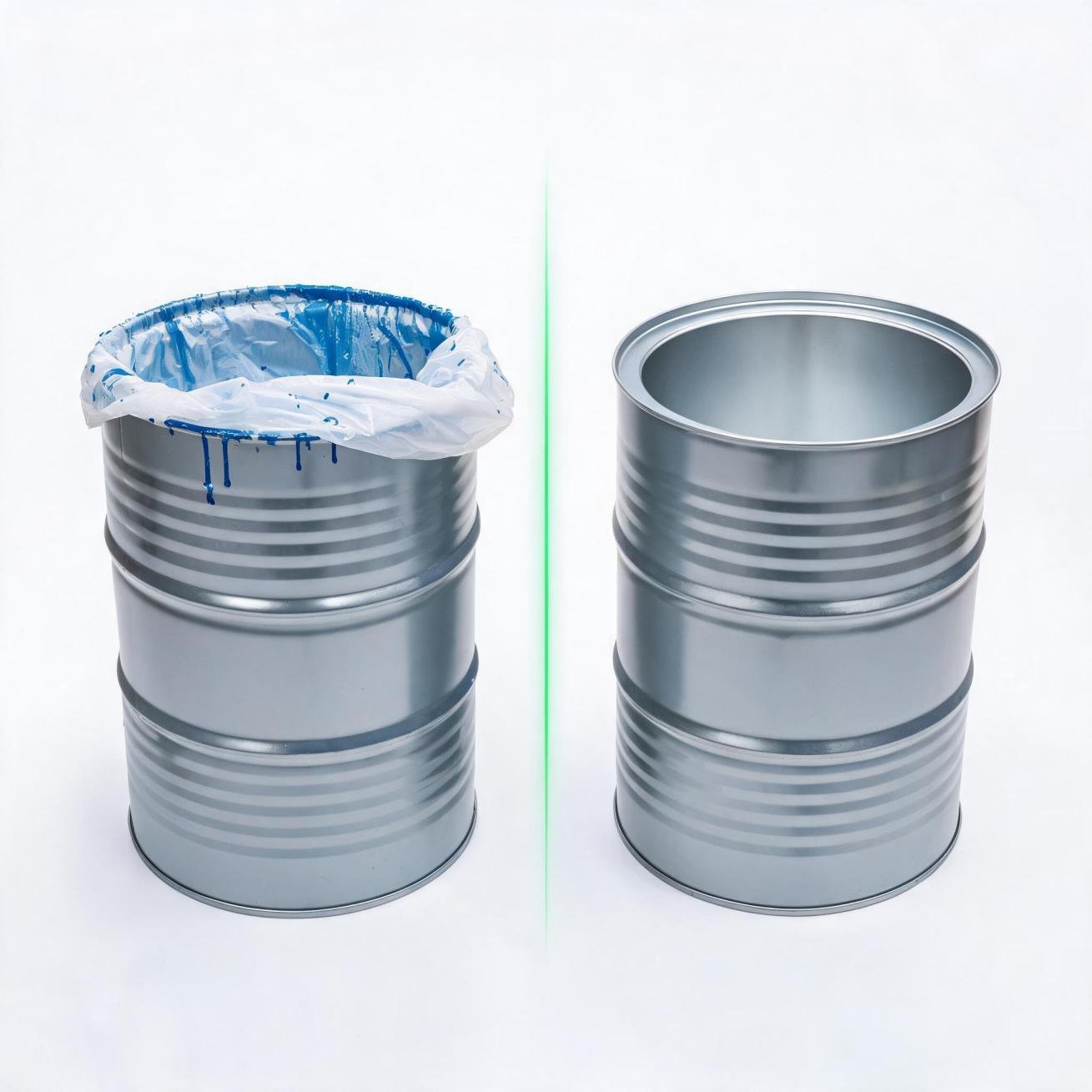
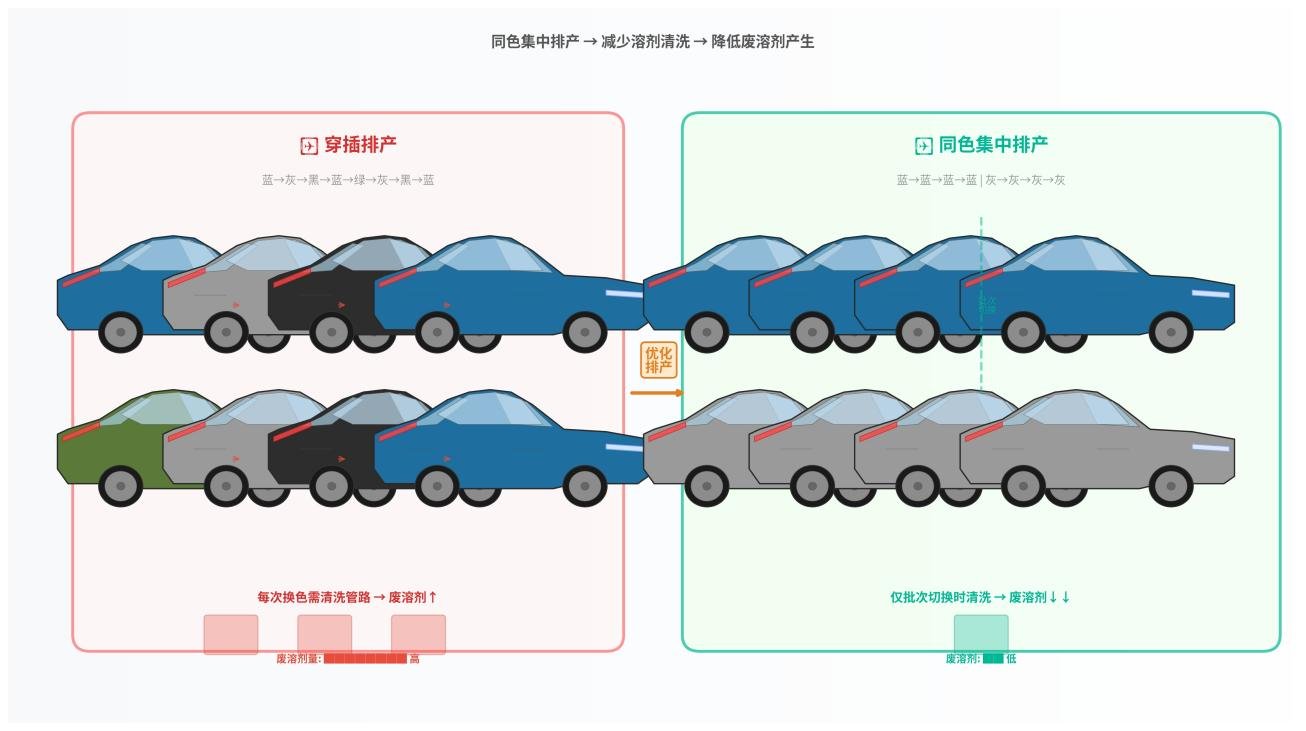
To address high solvent consumption in the painting workshop, the working group implemented an optimization plan for spray cleaning solvents. By consolidating same-color production runs to reduce color change frequency, increasing temperature to improve solvent cleaning efficiency, and optimizing spray gun cleaning programs, solvent consumption and waste solvent generation were reduced at the source. Meanwhile, the introduction of liner bag technology in waste paint barrel management has transformed these barrels from hazardous waste to general solid waste recycling, significantly reducing hazardous waste disposal volume. In addition, a paint residue interception basket was installed at the painting wastewater discharge outlet to intercept paint residue at the source, reducing downstream sewage treatment load and hazardous waste disposal costs.
2. Full-process adhesive control
To address multiple adhesive usage points and large volumes of waste adhesive across workshops, the working group simultaneously targeted three dimensions: adhesive supply equipment, process parameters, and operating standards. Measures include optimizing the detection stroke of adhesive barrels, pump limits, and platen pressure on supply equipment to improve material utilization; implementing structural adhesive process loss optimization in the battery workshop, with robots automatically sealing needles during non-production periods to reduce residual adhesive emissions; adjusting foam-line adhesive gun air pressure in the final assembly workshop and installing hazardous waste collection boxes to reduce adhesive overflow; and optimizing adhesive cloth usage in the painting workshop by cutting it into standard-sized pieces for double-sided use. Additionally, the return of empty auxiliary material packaging barrels to suppliers for recycling has been promoted, achieving packaging reuse.
3. Auxiliary material and packaging reduction
In auxiliary material management, measures include optimizing the size and reuse frequency of adhesive-paint wiping cloths, standardizing draining and blow-drying procedures for electrophoresis filter bags to reduce residual liquid carryover, and comprehensively considering factors such as wind direction, wind speed, and pressure differential to optimize waste cardboard box replacement schedules, avoiding unnecessary frequent replacements based on single-indicator criteria. Multiple solutions required zero capital investment, reflecting the principle of management-first, technology-assisted reduction.
4. Casting process standardization
To address significant fluctuations in aluminum slag generation caused by inconsistent operating techniques in the aluminum casting process, the working group optimized melting flame intensity, adjusted operating angles, and provided specialized training for slag removal personnel to improve operational standardization and consistency, effectively stabilizing and reducing aluminum slag output.
Throughout implementation, the working group established a monthly tracking mechanism, with each plan clearly defining responsible persons, completion deadlines, and acceptance criteria. For complex initiatives (such as paint barrel liner bag installation), pilot testing was conducted to verify effectiveness before full-scale rollout. For management-type measures (such as operating standard optimization and replacement schedule adjustments), implementation was ensured through training, communication, and on-site supervision.
项目实施
小米汽车北京工厂全链条危废减量化项目由工厂EHS部门牵头,联合生产技术部、涂装车间、总装车间、车身车间等多个部门组建专项工作组。项目启动前,工作组对各工艺环节危废产生情况进行了系统摸底,识别出涂装溶剂、胶粘剂残胶、包装废弃物、压铸铝灰渣等重点减量方向,按照问题识别—方案设计—试点验证—全面推广的实施路径,系统推进10项针对性优化方案。以下为代表性重点方案:
一、涂装工艺源头减量
针对涂装车间溶剂消耗量大的问题,工作组实施了喷涂清洗溶剂使用优化方案,通过同色集中生产减少换色频次、提高温度进而提升溶剂清洗效率、优化喷枪清洗程序,从源头降低溶剂消耗和废溶剂产生。同时,在废漆桶管理环节引入内衬袋技术,将废漆桶由危废转为一般固废回收,大幅减少危废处置量。此外,在涂装废水排放口增设漆渣拦截提篮装置,对废水中漆渣进行源头截留,降低后续污水处理负荷及危废处置成本。
二、胶粘剂全流程管控
针对各车间胶粘剂使用环节多、废胶产生量大的问题,工作组从供胶设备、工艺参数、操作规范三个维度同步发力。优化供胶设备的胶桶检测行程、胶泵限位和压盘压力,提高胶料利用率;在电池车间实施结构胶工艺损耗优化,通过非生产时段机器人自动封堵针头减少残胶排放;在总装车间调整泡棉线胶枪气压并设置危废收纳盒,减少不干胶溢出;优化喷涂车间擦胶布使用方式,裁剪为标准小块并实施双面使用。同时推动部分辅料空桶包装物返厂回收,实现包装物循环利用。
三、辅料与包装物减量
在辅料管理方面,优化胶漆擦拭布尺寸和重复利用次数,规范电泳滤袋沥水和吹干操作以减少残液携带,综合考虑风向、风速、压差等因素优化废纸盒更换策略,避免按单一指标频繁更换。多项方案零投资即可落地,体现了管理优先、技术辅助的减量化理念。
四、铸造工序规范提升
针对铝铸造工序铝灰渣产生量受操作手法影响波动较大的问题,工作组通过优化熔炼火焰强度、调整操作角度、加强扒渣人员专项培训等措施,提高操作规范性和一致性,有效稳定并降低了铝灰渣产生量。
整个实施过程中,工作组建立了月度跟踪机制,每项方案均明确责任人、完成时间和验收标准。对复杂方案(如漆桶设置内衬袋、漆渣拦截装置),先行试点验证效果后再全面推广;对管理类方案(如操作规范优化、更换策略调整),通过培训宣贯和现场督导确保落地执行。截至2026年上半年,10项方案已全部完成实施并进入常态化运行阶段,单车危废产生量较实施前显著下降,阶段性成效已初步显现。
Project Outcome
1. Significant quantitative results
Through the systematic implementation of 10 hazardous waste reduction plans, Xiaomi Auto's Beijing Plant has achieved a significant reduction in per-vehicle hazardous waste generation. Per-vehicle hazardous waste in the first half of 2026 decreased by approximately 7% compared to the full-year 2025 level. Among these improvements, structural adhesive process optimization saves RMB 1 million annually, and the application of waste paint barrel liner bags has achieved hazardous waste reduction through source substitution.
2. Technological innovation highlights
The project has delivered technological innovation in multiple areas: robot automatic needle-sealing technology achieves zero adhesive emissions during non-production periods; the waste paint barrel liner bag solution pioneers the separation of solid waste from hazardous waste management, reclassifying iron barrels from hazardous waste; and the combination of solvent cleaning program optimization with same-color consolidated production achieves dual reduction through both process and management improvements.
3. Management mechanism innovation
A three-in-one promotion mechanism was established, comprising EHS leadership, cross-department collaboration, and workshop-level implementation, ensuring closed-loop management of technical solutions from design to execution. Among the 10 plans, over 70% required zero or minimal capital investment, reflecting the principle of management-first, technology-assisted reduction. The factory has also established a monthly monitoring and analysis system for hazardous waste generation, providing data support for continuous optimization.
4. Strong replicability
All solutions are based on universal process optimization and management improvement, without dependence on specific vehicle models or equipment, and are well positioned for promotion and replication across the new energy vehicle manufacturing industry and the broader manufacturing sector. In particular, innovative practices such as solid-hazardous waste separation and automatic robot needle-sealing provide practical examples for industry learning.
成果亮点
一、减量化成效显著
通过10项危废减量化方案的系统实施,小米汽车北京工厂单车危废产生量实现显著下降。2026年上半年单车危废较2025年全年降低约7元/台。其中,结构胶工艺优化单项目年节约100万元,废漆桶内衬袋应用从源头替代维度实现了危废减量突破。
二、技术创新亮点
项目在多个环节实现了技术创新:机器人自动封堵胶头技术实现了非生产时段零排放;废漆桶内衬袋方案开创了固危废分离管理模式,将铁桶从危废管理中剥离;溶剂清洗程序优化结合同色集中生产策略,实现了工艺与管理的双重减量。
三、管理机制创新
建立了EHS牵头+多部门联合共创+车间落地的三位一体推进机制,确保技术方案从设计到执行的闭环管理。10项方案中,零投资或低投资方案占比超过70%,体现了管理优先、技术辅助的减量化理念。同时工厂建立了危废产生量月度监测与分析体系,为持续优化提供数据支撑。
四、可复制性强
所有方案均为通用型工艺优化和管理改进,不依赖特定车型或设备型号,具备在新能源汽车制造行业以至更广泛的制造业领域推广复制的条件。特别是固危废分离和机器人自动封堵等创新做法,为行业提供了可借鉴的实践范例。
Project Highlights
1. Ecological and environmental benefits
Following project implementation, Xiaomi Auto's Beijing Plant has reduced per-vehicle hazardous waste generation by approximately 15%, with an annual hazardous waste reduction volume expected to exceed 200 tons. Key hazardous waste categories, including waste solvents, waste adhesives, and paint-contaminated waste, have all achieved source reduction, with concurrent reductions in VOC emissions. The hazardous waste separation model for waste paint barrels alone reduces hazardous waste disposal by approximately 50 tons annually.
2. Social impact
The project has produced a replicable and scalable hazardous waste reduction technical system and management framework for new energy vehicle manufacturing, providing the industry with 10 concrete and actionable best-practice solutions. The project demonstrates the implementation of Xiaomi Group's technology-driven corporate philosophy in the field of green manufacturing, showcasing the feasibility of systematically advancing clean production in newly built vehicle plants. It serves as a positive demonstration for promoting green and high-quality development across the new energy vehicle industry.
成果影响力
一、生态环境效益
项目实施后,小米汽车北京工厂单车危废产生量降低约15%,年减少危废产生量预计超过200吨。废溶剂、废胶、含漆废物等重点危废品类均实现源头减量,VOCs排放同步降低。废漆桶危废分离模式年减少危废处置量约50吨。
二、社会影响
项目形成了可复制、可推广的新能源汽车制造危废减量化技术体系和管理经验,为行业提供了10项具体可操作的经典方案。项目实践体现了小米集团技术为本的企业理念在绿色制造领域的落地,展示了新建整车工厂系统化推进清洁生产的可行性,对推动新能源汽车行业绿色高质量发展具有积极示范意义。
Reviews & Honors
1. Internal recognition
The hazardous waste reduction project at Xiaomi Auto's Beijing Plant has received high recognition from the company's management and has been included in the factory's annual key environmental protection achievements. Frontline employees across workshops have reported that the optimized operating processes are simpler and safer, with significantly improved working conditions.
2. Industry and policy recognition
During project implementation, multiple plans aligned closely with national clean production policy direction. The factory has been designated as a First Batch National Outstanding Intelligent Factory by the Ministry of Industry and Information Technology (2024), a Beijing Environmental Performance Grade A Enterprise (Heavy Pollution Weather Emergency Response, 2025), a Beijing Green Enterprise (Deep Green Level, 2025), and a National Green Factory (2026). Relevant hazardous waste management experience has been incorporated into the enterprise's clean production audit report. The project is highly aligned with the requirements for promoting clean production transformation in key industries outlined in the 14th Five-Year Plan for National Clean Production Promotion.
3. Media and social attention
Xiaomi Auto's green manufacturing practices have attracted attention from industry media, with related reports published in the automotive manufacturing and environmental protection sectors. Project experience has been shared with industry peers through exchange conferences, serving as a positive demonstration and catalyst for industry-wide progress.
评价与荣誉
一、内部评价
小米汽车北京工厂危废减量化项目获得公司管理层高度认可,被纳入工厂年度重点环保工作成果。各车间一线员工反馈,优化后的操作流程更简便、更安全,工作环境明显改善。
二、行业与政策认可
项目实施过程中,多项方案与国家清洁生产政策导向高度契合。工厂已获评工信部首批国家卓越级智能工厂(2024)、北京市环保绩效A级企业(重污染天气应急,2025)、北京市绿色企业(深绿级,2025)、国家级绿色工厂(2026),相关危废管理经验已纳入企业清洁生产审核报告。项目实践与《十四五全国清洁生产推行方案》中推动重点行业清洁生产改造的要求高度一致。
三、媒体与社会关注
小米汽车绿色制造实践受到行业媒体关注,相关报道在汽车制造及环保行业媒体发布。项目经验已通过行业交流会议向同行业企业分享,起到了良好的示范带动作用。
近零碳社区的美育升级---- 长寿苑社区 “低碳实践 + 影像科普” 共建项目
4天前 · 来源:成都市武侯区火车南站街道长寿苑社区居民委员会 · 作者:成都市武侯区火车南站街道长寿苑社区居民委员会
以绿色金融之力推动中国新质生产力!
4天前 · 来源:国泰海通证券研究所ESG及美丽中国研究组 · 作者:国泰海通证券研究所ESG及美丽中国研究组
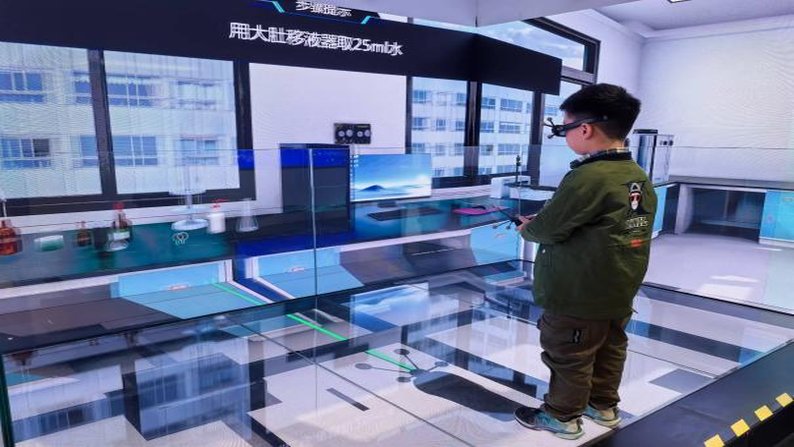
不择知行细流,蕴蓄蓝绿成深:雄安新区生态环境共享中心科普宣传空间营造雄安新区生态环境共享中心VR虚拟实验室(数字化仿真替代实体化学实验,实现科普零危废、低能耗)
6天前 · 来源:雄安新区生态环境监控中心 · 作者:雄安新区生态环境监控中心
