

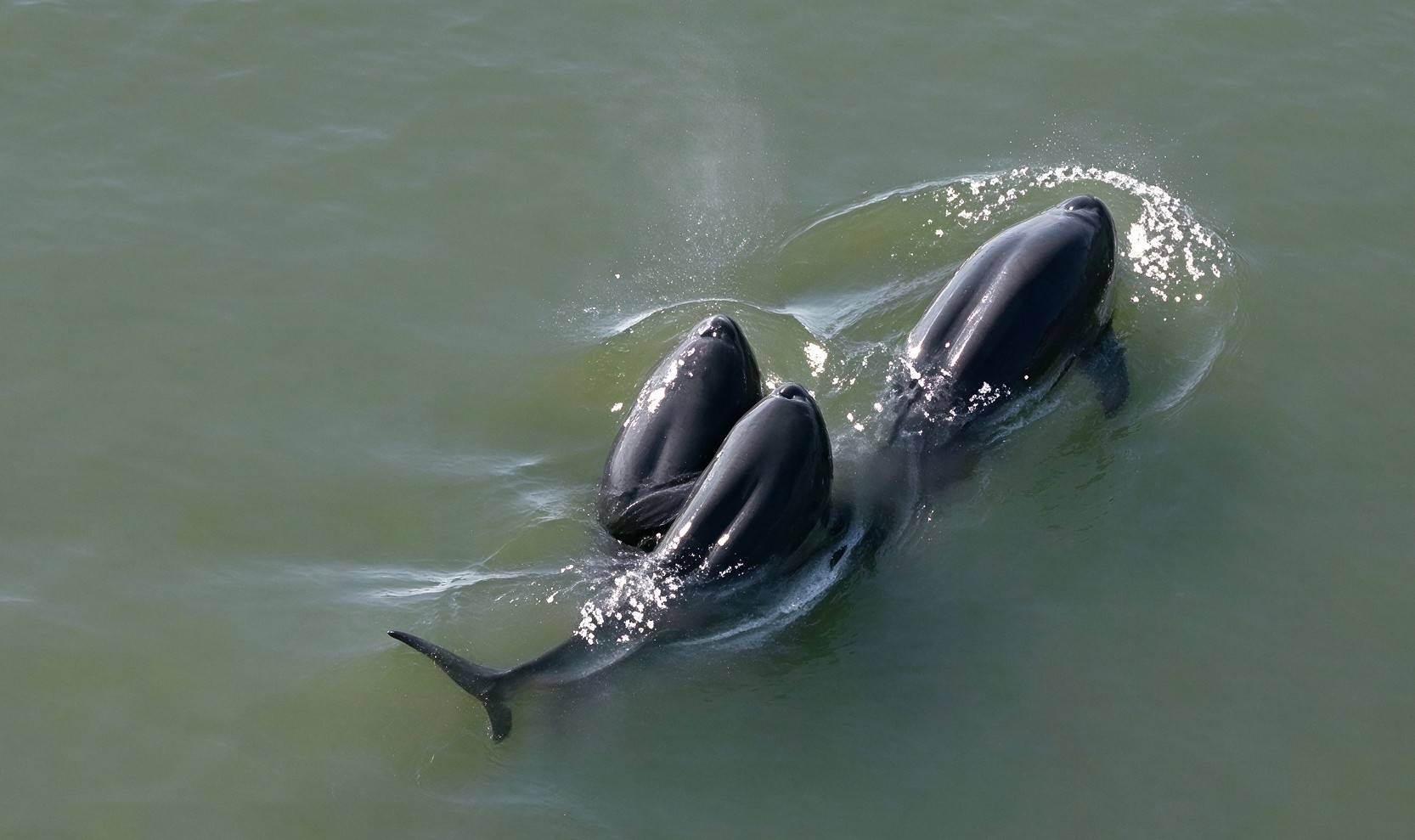
Company/Organization Profile
The Administration of Hubei Yangtze River Ti aneChou Jibba Dolphin National Nature Reserve has established goals and practical pathways for green development in Yangtze River biodiversity conservation. Adopting the philosophy of "rigid spatial governance and flexible humanoriented guidance", it has advanced threepronged practices of "ecological restoration + smart supervision + community cogovernance" since 2023.
It has invested tens of millions of funds to restore aquatic ecosystems, built a "skyeye and groundnetwork" smart supervision system, innovated the incentive model of "trashforgreen", provided resettlement for all fishermen switching occupations, and established a regular community cogovernance system.
By optimizing the boundaries for green space management and control, and guiding riverfront fishermen, villagers, tourists and other stakeholders to transform their production and lifestyles, remarkable improvements have been achieved in watershed ecological quality, stable growth of rare species populations, and widespread adoption of Ecofriendly social behaviors.
A governance path for nature reserves that balances ecological conservation and people’s livelihood development has been explored. Continuous efforts are made in wetland vegetation restoration, water environment improvement, exsitu conservation and reintroduction of fin less porpoises to the wild.
Ecological study and practice programs are developed; staff and volunteers are organized to carry out shorecleaning and riverbank protection initiatives to disseminate ecological conservation concepts to neighboring communities, while multichannel efforts are undertaken to publicize and showcase practical cases of green space conservation within the reserve.
机构简介
湖北长江天鹅洲白鱀豚国家级自然保护区管理处已确立长江生物多样性保护绿色发展目标与实践路径,以 “刚性管空间、柔性引行为人” 为思路,2023 年以来推进 “生态修复 + 智慧监管 + 社区共治” 三重实践:投入千万修复水生生态,构建 “天眼地网” 智慧监管网络,创新 “以废换绿” 激励模式,全覆盖安置转产渔民,打造常态化社区共治体系。通过优化绿色空间管控边界、引导沿江渔民、村民、游客等使用者转变生产生活方式,实现流域生态质量显著提升、珍稀物种种群稳定增长、绿色社会行为全面普及,探索出一条兼顾生态保护与民生发展的自然保护地治理路径,持续开展湿地植被修复、水环境提质、江豚迁地保护与野化放归,开发生态研学实践项目,组织职工、志愿者开展净滩护岸绿色行动,面向周边社区传递生态保护理念,多渠道宣传展示保护区绿色空间保护实践案例。
Project Overview
Hubei Tian'ezhou Jibba National Nature Reserve focuses on the key issues of ecological protection in the Yangtze River Basin. Following the concept of "rigid space management and flexible behavior guidance", the reserve has carried out three major practices of "ecological restoration + smart supervision + community co-governance" since 2023.
It has invested nearly 100 million yuan in aquatic ecological restoration, built an all-in-one smart supervision system, innovated the waste-for-green incentive mode, resettled all fishermen affected by fishing ban, and established a normalized community co-governance system.
By optimizing the management boundary of ecological space and guiding users such as fishermen, villagers and tourists to transform their production and life styles, the reserve has achieved significant improvement in ecological environment, stable growth of rare species populations and popularization of green behaviors.
It has explored a mature governance path for nature reserves that balances ecological protection and people's livelihood development, and set a typical example for public participation and harmonious coexistence of humans and fin less porpoises in the protection of the Yangtze River.
项目背景
一、问题现状
本项目实施空间为天鹅洲故道及长江石首段核心生态绿色空间,服务对象涵盖沿江社区居民、种植养殖户、游客及各类空间使用者。该区域是长江珍稀水生生物核心栖息地,也是长江江豚重点保护区域。此前受围湖造田、过度养殖、非法捕捞、农业面源污染等人为活动干扰,出现洲滩湿地退化、水体水质下降、水生生物资源锐减等问题,长江江豚等珍稀物种栖息生存受到严重威胁。同时生态管护效能不足,社会公众参与保护积极性薄弱。
二、原因分析
传统管护模式以政府单向监管为主,管护方式粗放、手段单一,缺乏精细化、智慧化管理体系。未建立系统化的公众引导与共治机制,渔民、种植户、游客等绿色空间使用者生态保护意识薄弱、参与度偏低。此外,区域生态保护与民生发展协同机制缺失,二者存在突出矛盾,难以形成全民护绿、共建共享的生态保护格局。
三、改进目标
自2023年起,紧扣长江十年禁渔、美丽中国建设工作部署,依托《长江江豚拯救行动计划(2026-2035年)》指引,聚焦绿色空间精细化管理、使用者行为规范化优化两大核心。联动政府、社区、科研机构、志愿者多方力量,融合推进生态修复、智慧监管、社区共治工作,打通生态保护与民生发展壁垒,构建多元共治的绿色空间保护利用体系,持续修复区域生态环境、守护珍稀水生生物资源。
Project Implementation
This project fully complies with the natural conservation-oriented green space application requirements. It adopts a dual implementation approach featuring rigid management by the reserve and flexible behavioral guidance for social participants, forming a closed-loop governance system for ecological green space protection and utilization.
I. Systematic Green Space Management: Rigid Control to Restore Ecological Foundation
1. Strict Zoning Control to Standardize Space Utilization
In accordance with the functional zoning management requirements for national nature reserves, the reserve has improved boundary markers and management warning signs for the core zone, buffer zone and experimental zone, and implemented hierarchical management and control measures.
All aquaculture fences around the old river course have been removed, and large-scale coastal breeding farms have been shut down, restoring more than 300 mu of degraded beach wetland. Human activities in the experimental zone are strictly regulated, prohibiting unauthorized grazing, private fishing and random beach excavation.
Clear rigid boundaries have been defined for production, sightseeing and scientific research activities along the river, fundamentally eliminating unregulated behaviors that damage the ecological environment.
2. Precision Ecological Restoration to Enhance Ecological Carrying Capacity
The reserve formulated the Ti an-house Old River Course Ecological Restoration and Water Environment Improvement Plan and invested nearly ten million yuan in special funds to carry out systematic aquatic ecological restoration.
Chronological optimization: Through sluice regulation and river water replenishment, the natural chronological connection between the old river course and the Yangtze River has been restored to improve water fluidity.
Vegetation restoration: More than 2,800 mu of emergent and submerged plants have been planted on a large scale to reconstruct the underwater forest ecosystem.
Spawning ground construction: A total of 20,000 square meters of artificial fish nests have been built to simulate natural spawning environments. More than 50 million prey fish for fin less porpoises have been released to stabilize the aquatic food chain.
Shoreline renovation: Ecological restoration has been completed along 40 kilometers of river beach shorelines with reinforced ecological revetments.
Targeted non-point source pollution control has been carried out, and three sewage treatment plants have been constructed to centrally treat domestic sewage from surrounding residents, achieving zero direct sewage discharge.
According to authoritative monitoring data, the water quality of the reserve has been steadily upgraded from inferior Class IV to Class II, and the fish biomass density has increased from 0.9g/m³ to 11.8g/m³. The integrity and stability of the entire aquatic ecosystem have been significantly improved.
3. Construction of “Sky-Earth Integrated” Intelligent Supervision System for Full-Coverage Refined Management
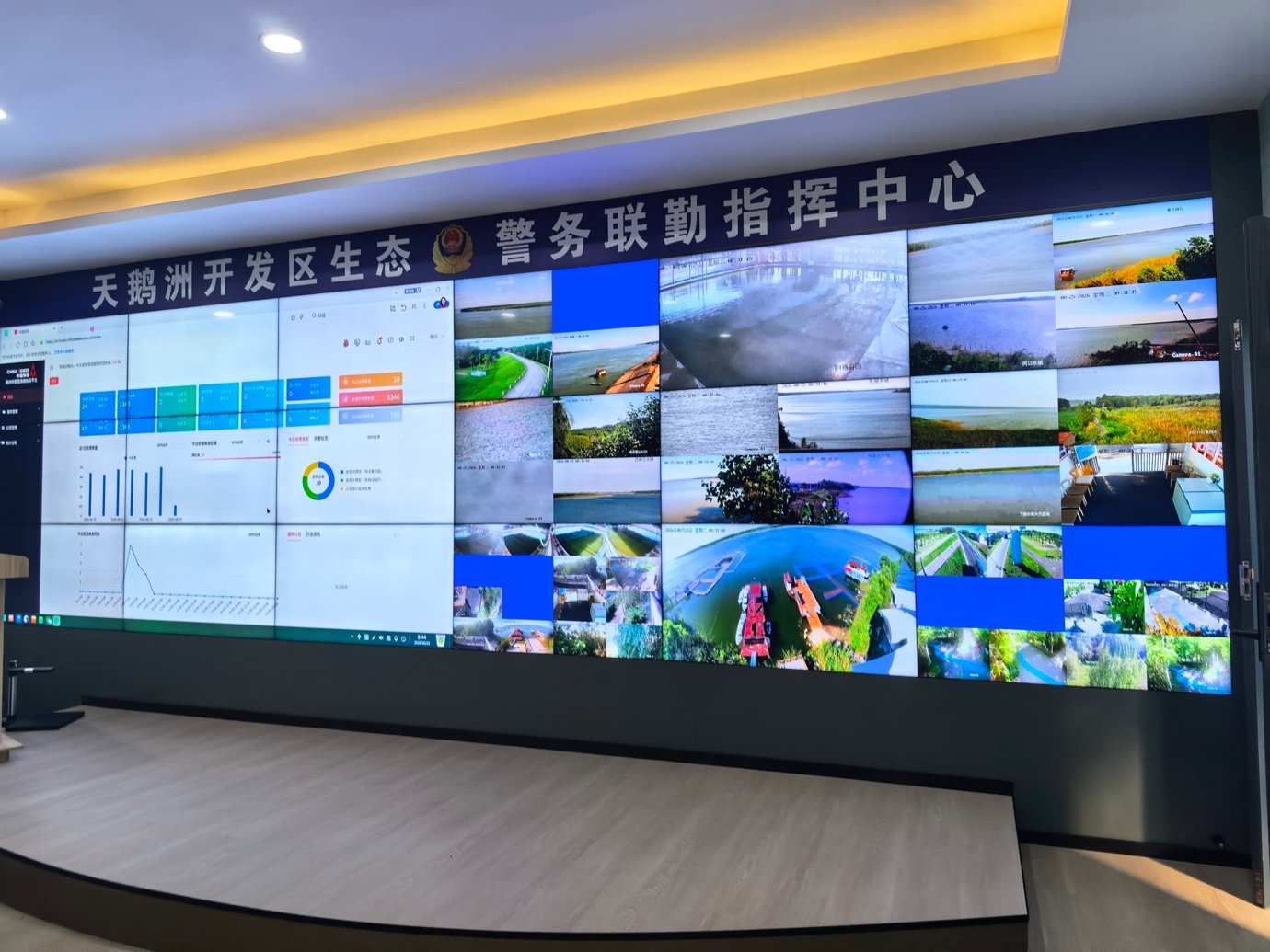
Integrating space-air-ground integrated monitoring technologies, the reserve has built a four-dimensional supervision network consisting of UAV aerial patrols, real-time underwater camera monitoring, patrol boat mobile inspection and ground ranger patrols.
Guavas conduct regular full-scale aerial inspections of the Yangtze River mainstream and Ti an-house old river course to identify illegal fishing and shoreline damage in real time. Underwater monitoring cameras deployed in core fin less porpoise habitats track porpoise activities 24 hours a day and monitor underwater illegal operations simultaneously.
A vehicle-boat-foot patrol mode is implemented for daily law enforcement. Patrol teams take turns on duty at key waters and critical sites, with an annual patrol mileage exceeding 24,000 kilometers, realizing dead-angle-free supervision of protected spaces.
The intelligent supervision system breaks information transmission barriers and greatly improves the efficiency of rectifying ecological violations. All destructive behaviors including illegal fishing, unauthorized grazing and random garbage dumping have been completely eliminated within the reserve.
II. Optimization of User Behaviors: Diversified Guidance to Build Joint Governance Synergy
Adhering to the philosophy of “protecting ecology through benefiting the people and achieving long-term effectiveness through co-governance”, the reserve implements targeted incentive and restraint measures for different green space users including riverine fishermen, villagers, tourists and researchers, transforming passive administrative management into active and conscious public participation.
1. Innovative “Waste-for-Green” Incentive Mechanism to Solve Non-Point Source Pollution Problems
Combining local rural production and living conditions, a convenient ecological exchange mechanism has been launched. Fixed recycling stations have been set up in surrounding villages to guide villagers to collect agricultural and fishery wastes such as pesticide bottles, abandoned fishing nets and plastic foams in exchange for daily necessities including detergent, diminishing liquid and edible oil.
This mechanism precisely integrates ecological protection with people’s daily needs, fundamentally preventing waste fishing gear and agricultural residues from polluting water bodies and avoiding random garbage accumulation on shorelines.
It has transformed ecological protection from one-way publicity by the reserve into normalized and voluntary public practice.
2. Fishermen Resettlement and Industrial Transformation to Promote Identity Upgrading of Core Groups
Supported by the Ten-Year Yangtze River Fishing Ban policy, all 237 professional fishing households in the reserve have been fully resettled onshore. More than 50 relocated fishermen who are familiar with the waters and dedicated to river protection have been recruited into the full-time fin less porpoise protection team, serving as patrol rangers, porpoise breeders and ecological science popularization interpreters.
Traditional fishermen who once relied on the river for livelihood have transformed into major ecological protection forces guarding the Yangtze River.
In collaboration with local governments, the reserve has developed an integrated industry model of “ecology + cultural tourism + science popularization”.
A public welfare crowdfunding project named “Fish for Fin less Porpoises” has raised 3.1 million yuan to support relocated fishermen in developing home stay services, bird watching experiences and fin less porpoise popular science tourism.
In 2025, the average annual income of relocated fishermen reached 48,000 yuan, a 53% increase compared with ore-resettlement levels, achieving a win-win situation of ecological protection and livelihood improvement.
3. “Party Building + Community + Volunteer” Linkage Mechanism for Regular Green Protection Practices
Led by Party building, an “Ecological River Protection” Party building alliance has been established to unite Party members, grassroots river chiefs and township officials for joint patrols, legal publicity and ecological-themed Party activities.
Laws and regulations including the Nature Reserve Regulations and the Yangtze River Protection Law are regularly publicized to clarify legal boundaries for green space utilization.
A nearly 10,000-member “Yangtze River Ecological Protection” volunteer team has been organized, covering reserve staff, Party members, villagers, students and outdoor enthusiasts.
Combining the National Ecological Day and World Ranger Day, the team regularly carries out shoreline cleaning, habitat renovation and ecological popularization activities, with more than 1,200 centralized cleaning operations and over 20,000 cumulative volunteer service hours.
4. Science Popularization Base Construction to Standardize Public Visiting Behaviors
Ecological bird watching platforms, popular science trails and community ecological science corners have been built in the reserve’s experimental zone, equipped with ecological publicity boards, boundary markers and safety warning signs.
Standardized routes are provided for bird watching, research and tourism activities to guide civilized sightseeing and prevent wildlife disturbance and shoreline vegetation damage.
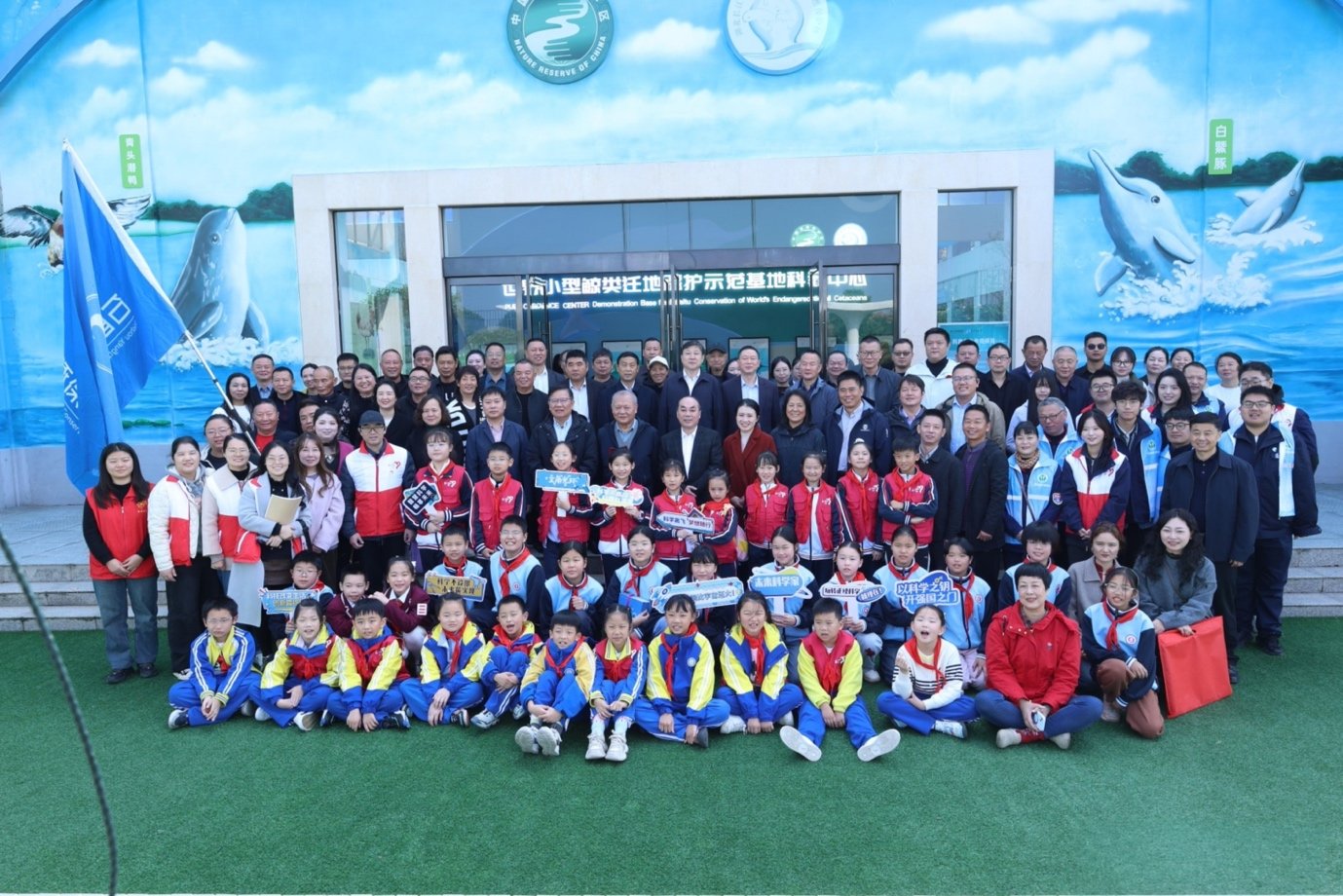
As of August 2026, the Party building alliance has held 6 special popular science activities, covering more than 2,000 residents, distributing over 3,000 publicity materials and collecting more than 300 ecological protection demand questionnaires.
The public awareness and participation rate of ecological protection among community residents and tourists have both reached 100%.
5. Improved Co-Governance System to Clarify User Management Responsibilities
Jointly with local village committees and village-level river chiefs, the reserve has formulated the Ecological Management Convention for Surrounding Communities, clarifying the ecological protection responsibilities of farmers, breeders, fishermen and tourists, and incorporating shoreline management, garbage collection and violation reporting into daily co-governance work.
A rapid response mechanism of “public photo reporting — reserve verification and disposal — public feedback and publicity” has been established to encourage public supervision and reporting of ecological damage behaviors, forming an all-participating and fully responsible co-governance atmosphere.
项目实施
本项目以天鹅洲白鱀豚保护区故道及长江石首段绿色生态空间为实施载体,自2023年启动分阶段落地推进,聚焦生态管护粗放、公众参与不足、保护与民生失衡、监管能力薄弱四大核心问题,联动多方主体、整合各类资源,通过靶向施策、闭环整改,稳步提升绿色空间保护与规范化利用水平,构建生态共治长效机制。
针对传统管护模式粗放、监管手段单一、生态修复成效滞后的问题,项目优化技术与设施管护体系,升级智慧监管手段。由保护区管理处牵头,联合科研院所、专业运维团队实施落地。项目分节点推进软硬件升级,完成水域监测、湿地管护设备更新迭代,搭建天地空一体化智慧监管平台,实现辖区水域、洲滩湿地全天候动态巡查。同时依据长江生态保护相关规划,常态化开展湿地植被补植、水环境治理、水生生物栖息地修复工作,精准破解以往人工巡查盲区多、隐患发现滞后、生态修复碎片化等问题,全面提升绿色空间精细化管护能力。
针对公众保护意识薄弱、多元参与机制缺失、空间使用者违规行为频发的问题,项目搭建全民共治参与体系,强化宣传引导与行为规范管控。由保护区联合属地乡镇政府、社区居委会、志愿服务队协同推进。通过建立社区联动值守、志愿者巡护、科普宣教常态化机制,开展进村入户宣讲、校园生态科普、游客文明引导等系列活动,明确种植户、养殖户、游客等各类空间使用者的行为规范。同时建立奖惩引导机制,正向激励群众参与护豚、护湿、净滩等公益行动,有效扭转以往公众参与度低、违规养殖、随意破坏湿地等乱象,营造全民护绿的良好氛围。
针对生态保护与民生发展矛盾突出、产业发展与生态保护不协调的问题,项目构建护产协同发展机制,统筹生态保护与群众增收。由保护区管理处统筹统筹协调,联动属地农业、文旅部门落地实施。摒弃单一管控模式,优化绿色空间利用方式,规范周边种养产业发展模式,严控农业面源污染,杜绝过度开发行为。同时依托保护区生态资源,合规开展生态研学、科普体验等绿色业态,引导沿江群众转型就业,打通生态保护与民生发展壁垒,实现生态保值与民生增收双向赋能。
针对多方联动不足、资源配置分散、项目推进合力薄弱的问题,项目完善组织架构与资源配置体系,压实各方责任。由保护区管理处统筹统筹主导,整合政府、科研、社区、志愿力量,建立常态化联席会议、联合巡护、协同整改工作机制。统筹投入人力、物力、技术资源,配齐管护、监测、科普配套设施,组建专职管护队伍与志愿巡护队伍,明确各主体职责分工,破解以往资源分散、各自为政、推进乏力的难题,形成统一调度、分工协作、闭环落实的项目推进格局,持续筑牢长江珍稀水生生物绿色栖息空间。
Project Outcome
Based on the ecological protection practices of Ti an-e-chou Jibba Dolphin National Nature Reserve, this project indicatively constructs a closed-loop governance model featuring “Rigid Management + Flexible Co-Governance”.
Facing previous dilemmas including ecological degradation, extensive management, insufficient public participation and unbalanced relationship between ecological protection and people’s livelihood, the project has achieved comprehensive upgrades in ecological benefits, management efficiency and public recognition, forming a set of practical, long-term and applicable innovative achievements.
In terms of ecological effectiveness, supported by special ecological restoration funds, the reserve’s water quality has been steadily improved from inferior Class IV to Class II, and fish biomass density has risen from 0.9g/m³ to 11.8g/m³. More than 300 mu of beach wetland has been restored and over 2,800 mu of aquatic vegetation has been reconstructed, effectively reversing habitat degradation and greatly enhancing the integrity and stability of aquatic ecosystems.
In terms of management efficiency, supported by a space-air-ground integrated intelligent supervision system and normalized water-land patrols with an annual mileage of over 24,000 kilometers, all ecological violations including illegal fishing and shoreline damage have been completely eliminated, realizing a comprehensive transformation from extensive manual inspection to digital, refined and full-coverage ecological management.
The project boasts prominent multi-dimensional innovations. First, Model Innovation. Breaking the traditional single regulatory governance mode, the project establishes a dual-value empowerment mechanism of “ecological protection and livelihood improvement”.
Through fisherman resettlement and green industry cultivation, the average income of relocated fishermen has increased by 53%, fundamentally resolving the long-term contradiction between ecological protection and grassroots economic development. Second, Mechanism Innovation.
It launches the original “Waste-for-Green” community incentive mechanism and builds a diversified co-governance system integrating Party building, communities and volunteer forces, achieving a 100% public awareness and participation rate in ecological conservation.
Third, Technological and Collaborative Innovation. The four-dimensional intelligent monitoring system breaks inter-departmental and social collaborative barriers, constructing an all-round, three-dimensional ecological protection and governance pattern.
The project possesses robust sustainability and wide applicability. It has established long-term institutional guarantees including the Community Ecological Management and Protection Convention and a public supervision and feedback mechanism.
Full-time patrol teams and volunteer service teams operate on a normalized basis, forming a stable and self-sustaining long-term operation system. With standardized processes and strong adaptability, this governance model requires no exclusive resource support.
It can be widely replicated and promoted in the Yangtze River Basin and various inland wetland nature reserves for green space standardized management and rare aquatic organism habitat protection, with outstanding demonstration and popularization value.
成果亮点
本项目立足天鹅洲白鱀豚保护区生态保护实际,创新构建“刚性管控+柔性共治”双向闭环治理模式,相较于实施前生态退化、管护粗放、公众参与薄弱、保护与民生失衡的局面,实现生态成效、管理效能、社会口碑全方位跃升,形成多项可落地、可长效、可推广的创新成果。
生态维度成效显著,通过千万级生态修复工程,区域水质从劣于Ⅳ类稳定提升至Ⅱ类,鱼类资源量由0.9g/m³增长至11.8g/m³,完成300余亩湿地腾退修复、2800余亩水生植被重构,彻底扭转栖息地退化态势,水生生态系统完整性大幅提升。管理维度提质增效,依托空天地一体化智慧监管体系,搭配水陆全域常态化巡护,年均巡护里程超2.4万公里,彻底清零非法捕捞、岸线破坏等乱象,实现从人工粗放巡查向数字化、精细化全域管护转型。
项目具备多重创新亮点:
一是模式创新,打破单向管控思维,打造“生态保护+惠民增收”双向赋能模式,通过渔民转产安置、绿色业态培育,实现转产渔民收入同比增长53%,破解保护与民生发展矛盾。
二是机制创新,首创“以废换绿”便民激励机制,联动党建、社区、志愿力量搭建多元共治体系,群众生态保护知晓率、参与率达100%。
三是技术与协同创新,融合四维智慧监测技术,打通政企社协同管护壁垒,构建全方位、立体化生态保护格局。
项目具备极强持续性与可复制性,已落地《社区生态管护公约》、群众监督响应机制等长期制度,组建常态化志愿与专职管护队伍,形成稳定长效运行机制。整套治理模式流程清晰、适配性强,不依赖特殊资源,可广泛复制应用于长江流域及各类内陆湿地自然保护地的绿色空间管护、珍稀水生生物栖息地保护工作,具备良好的推广价值与示范意义。
Project Highlights
This project was implemented in the green space of Ti an-e-chou Jibba Dolphin National Nature Reserve from January 2023 to August 2026. Adopting an innovative dual governance system of rigid ecological management and flexible public co-governance, it has achieved remarkable and quantifiable ecological, economic and social benefits, forming a applicable and sustainable protection model for rare aquatic habitats in the Yangtze River Basin.
1. Outstanding Ecological and Environmental Achievements
Through systematic ecological restoration and refined supervision, the regional water quality has been steadily upgraded from inferior Class IV to Class II. The project restored over 300 mu of degraded beach wetlands and planted more than 2,800 mu of aquatic vegetation to rebuild underwater ecosystems.
With 20,000 square meters of artificial fish nests constructed and over 50 million prey fish released for fin less porpoises, the fish biomass density has increased significantly from 0.9g/m³ to 11.8g/m³. A total of 40-kilometer riparian ecological renovation and three sewage treatment facilities have completely eliminated direct sewage discharge and non-point source pollution.
Supported by an air-space-ground integrated intelligent supervision system, all illegal ecological disturbances have been eliminated, effectively improving biodiversity, water conservation and regional carbon sink capacity.
2. Balanced Economic Benefits and Livelihood Improvement
The project successfully resettled 237 fishing households affected by the ten-year Yangtze River fishing ban. More than 50 relocated fishermen have been employed as full-time ecological rangers and science popularization instructors.
With CNY 3.1 million raised via public welfare crowdfunding to develop Eco-tourism and popular science industries, the average annual income of relocated fishermen reached CNY 48,000 in 2025, a 53% increase compared with ore-resettlement levels.
It effectively reduced long-term ecological restoration costs and realized coordinated development of ecological protection and people’s livelihood growth.
3. Remarkable Social Influence and Demonstration Value
An innovative “Waste-for-Green” incentive mechanism and a multi-stakeholder co-governance system integrating Party building, communities and volunteers have been established. Nearly 10,000 volunteers have participated in more than 1,200 shoreline protection activities, accumulating over 20,000 service hours.
Regular ecological publicity and legal education activities have covered more than 2,000 residents and tourists, achieving a 100% public awareness and participation rate. A mature cross-department collaborative management mechanism has solved fragmented governance problems.
The innovative “rigid plus flexible” closed-loop protection model has formed a standardized and probable governance paradigm, providing a typical demonstration for wetland protection and refined green space management along the Yangtze River Basin.
成果影响力
本次成果统计范围为天鹅洲故道及长江石首段保护区全域绿色空间,统计周期为2023年1月—2026年8月,水质、生物资源数据依托保护区常态化生态监测、第三方权威生态评估报告,营收、志愿、科普数据为项目台账累计统计结果,所有指标均参照自然保护区生态保护成效评估标准核算,数据真实可溯源、成果可量化、可核验。项目通过刚性管护、生态修复、智慧监管、社会共治多维举措,实现生态、经济、社会综合效益协同跃升,示范带动作用显著。
一、生态环境效益(核心量化成果)
一是水环境质量大幅提质,污染减排成效突出。通过建设3座污水处理厂、实施全域污水零直排治理,彻底整治沿岸农业面源与生活源污染。区域水体水质由实施前劣Ⅳ类,稳定提升至Ⅱ类标准,彻底消除黑臭水体隐患,大幅削减入江污染物总量,有效守护长江干流水生态安全。
二是栖息地功能全面修复,生物多样性显著提升。累计腾退修复退化洲滩湿地300余亩,规模化种植挺水、沉水植被2800余亩,搭建2万平方米人工鱼巢,增殖放流江豚饵料鱼5000余万尾,重构完整水下生态链。水域鱼类资源密度由0.9g/m³提升至11.8g/m³,水生生态系统完整性、稳定性大幅增强,为长江江豚等珍稀水生生物提供优质栖息繁育空间。
三是生态固碳与水土保持能力持续增强,40公里生态化岸线修复完成后,有效遏制岸线水土流失,连片湿地植被大幅提升区域碳汇能力,实现绿色生态资产持续增值。同时依托空天地一体化智慧监管,全域生态乱象清零,从源头守住生态保护红线。
二、经济效益(辅助增效成果)
项目摒弃粗放式资源消耗发展模式,实现生态保护与民生增收双向赋能。依托310万元公益众筹资金,打造生态文旅、江豚科普、乡村民宿等绿色业态,稳妥完成237户禁渔渔民转产安置,吸纳50余名转产渔民入职生态管护岗位。
2025年转产渔民年均收入达4.8万元,较转产前增长53%,彻底解决渔民上岸就业增收难题。同时通过常态化污染治理、生态管护,大幅降低后期生态治理、环境修复成本,实现降本增效、绿色增值。
三、社会影响效益(示范带动成效)
一是公众参与共治氛围全面形成。创新“以废换绿”激励机制,联动党建、社区、志愿力量构建多元共治体系,组建近万人长江大保护志愿服务队伍,累计开展净滩护绿行动1200余次,志愿服务时长超2万小时。常态化开展生态科普、法治宣讲6场,覆盖群众2000余人次,发放宣传资料3000余份,辖区居民、游客生态保护知晓率、主动参与率均达100%。
二是跨部门协同治理机制成熟定型。建立保护区、属地政府、村委、河湖长、科研机构多方联动机制,出台社区生态管护公约与群众监督响应制度,形成联合巡护、联合治理、联合科普常态化工作模式,破解以往多头管理、治理碎片化难题。
三是行业示范引领作用突出。创新构建“刚性管控+柔性共治”闭环保护模式,打通生态保护与民生发展壁垒,形成可复制、可推广的长江流域珍稀物种栖息地绿色空间治理范式,为长江大保护、内陆湿地自然保护区精细化管护提供优质实践样板,区域生态保护示范影响力持续辐射扩大。
Reviews & Honors
I. User Evaluation (Feedback from Communities, Fishermen and Tourists)
Since the establishment and implementation of the project, green space users including surrounding community residents, resettled fishermen and research tourists have delivered fully positive feedback with full coverage recognition.
The innovative “Waste-for-Green” incentive mechanism and regular shoreline protection activities enable the public to participate in ecological protection practically while obtaining tangible benefits, greatly improving the waterfront living environment.
All 237 fishing households have achieved stable onshore transformation, and more than 50 relocated fishermen have been employed in ecological management posts. Relying on Eco-tourism and popular science industries, local residents have achieved steady income growth.
In 2025, the average annual income of resettled fishermen increased by 53% compared with that before the industrial transformation, completely reversing the traditional resource-consuming livelihood model.
Users generally recognize that the reserve’s management order has become more standardized, water quality has continued to improve, and ecological experience quality has been greatly upgraded.
A sound atmosphere of co-governance and shared benefits has been formed, with public satisfaction and support rate for ecological protection work reaching 100%.
II. Third-Party and Expert Evaluation
Internationally, the International Union for Conservation of Nature (IUCN) regards the Ti an-house ex-situ conservation model as a milestone achievement in endangered cetacean conservation, providing a classic paradigm for global ex-situ protection of rare aquatic organisms.
The conservation achievements have been officially recorded and recognized in the annual report of the International Whaling Commission. Domestically, expert teams from the Institute of Hydro biology, Chinese Academy of Sciences, have conducted long-term follow-up assessments.
They confirm that the closed-loop governance system of “rigid management + flexible co-governance” and the space-air-ground integrated intelligent supervision model are scientific and efficient. The ex-situ fin less porpoise population has grown from the initial 5 individuals to 101 individuals, accounting for two-thirds of the national ex-situ population, ranking among the top in China in terms of population breeding effect.
The project has formed mature and applicable technical and practical paths for the Yangtze River fishing ban and aquatic habitat restoration.
III. Media Coverage
The project’s innovative practices in ecological restoration, community co-governance and public welfare popular science have been continuously reported by authoritative official media including the National Forestry and Grassland Administration, Hubei Provincial Forestry Bureau, China Science Daily and Hubei Daily.
The reports focus on the project’s outstanding achievements in ecological restoration, fisher men's income growth, all-participation fin less porpoise protection and popular science platform construction, fully demonstrating the “Ti an-house Model” for Yangtze River ecological protection.
All public reports are verifiable and widely disseminated, continuously expanding the project’s social demonstration influence.
IV. Honors, Awards and Qualification Certifications
1. Government Honor: In January 2026, the project won the 5th Hubei Reform Award (Institutional Award), a benchmark reform achievement in Hubei’s ecological protection sector, officially commended by the Hubei Provincial Party Committee and Provincial Government.
2. Qualification Certifications: The reserve has been accredited as an International Wetland School and Hubei Provincial Popular Science Base, and established an academician and expert workstation with complete and authoritative scientific research and popular science qualifications.
3. Special Awards: The fin less porpoise artificial breeding platform and successful breeding technology have obtained two national invention patents and two Hubei Provincial Science and Technology Innovation Awards.
In 2024, the popular science video Retaining the Most Beautiful Smile of the Yangtze River won the First Prize of Hubei Provincial Popular Science Short Video Competition.
Front line management staff have repeatedly been awarded honors such as National Outstanding Worker in Aquatic Wildlife Conservation and “Good Person of Hubei”.
V. Policy and Institutional Support
The project is strictly implemented in accordance with national and provincial strategic deployments, including the Yangtze River Protection Law, Regulations of the People's Republic of China on Nature Reserves, Fin less Porpoise Rescue Action Plan (2026-2035), the Ten-Year Yangtze River Fishing Ban and Beautiful China Initiative.
A series of long-term institutional mechanisms have been established, including the Ecological Management Convention for Communities Around the Reserve, a public supervision rapid response mechanism and a multi-department collaborative governance system.
A complete organizational, institutional and policy support system ensures the project’s long-term stable operation and continuous optimization.
评价与荣誉
一、评价(社区、渔民、游客反馈)
保护区成立以来,周边社区居民、转产渔民、研学游客等绿色空间使用者反馈良好,认可度全覆盖。保护区创新推行的“以废换绿”生态兑换机制、常态化净滩护绿行动,让群众切实参与生态保护、获得便民实惠,人居岸线环境显著改善。
237户转产渔民全部实现稳妥上岸转型,50余名渔民入职生态管护岗位,依托生态文旅、科普体验业态实现稳定增收,2025年渔民年均收入较转产前增长53%,彻底扭转“靠江耗江”的传统模式。群众普遍反映,保护区管护秩序愈发规范、江水水质持续向好、生态体验品质大幅提升,共治共享的生态保护氛围浓厚,对长江生态保护工作满意度、支持度均达100%。
二、第三方与专家评价
国际层面,国际自然保护联盟(IUCN)评价天鹅洲迁地保护模式为濒危鲸类保护的里程碑式成就,为全球珍稀水生生物迁地保护提供了经典范本,相关保护成效被国际捕鲸委员会年度报告收录认可。
国内科研领域,中国科学院水生生物研究所专家组持续跟踪评估,认定保护区构建的“刚性管控+柔性共治”闭环治理体系、空天地一体化智慧监管模式科学高效,江豚迁地保护种群从最初5头繁衍至101头,占全国迁地种群总量三分之二,种群繁育成效稳居全国前列,为长江十年禁渔、水生生物栖息地修复提供了成熟可复制的技术与实践路径。
三、媒体报道情况
项目生态保护、社区共治、科普惠民等创新实践,获得国家林业和草原局、湖北省林业局、中国科学报、湖北日报等各级官方权威媒体持续宣传报道。
重点聚焦保护区生态修复成效、渔民转产增收、全民护豚共治模式、科普阵地建设等亮点工作,全方位展示长江大保护“天鹅洲样板”,相关宣传内容公开可查、传播覆盖面广,社会示范影响力持续扩大。
四、项目荣誉奖项与资质认证
1. 政务荣誉:2026年1月,荣获第五届湖北改革奖(单位奖),为全省生态保护系统标杆性改革成果,获省委、省政府正式表彰。
2. 资质认证:先后获评国际湿地学校、湖北省社会科普基地,获批建立院士专家工作站,科研科普平台资质完善、权威度高。
3. 专项奖项:江豚人工繁育平台及人工繁育成功获两项“国家发明专利证书”,并先后获得两项湖北科技创新奖;2024年,创作生态科普作品《留住长江最美的微笑》荣获湖北省科普短视频大赛一等奖;一线管护人员多次获评全国水生野生动物保护优秀工作者、“湖北好人”等荣誉。
五、政策与制度支持
项目严格对标《长江保护法》《自然保护区条例》《长江江豚拯救行动计划(2026-2035年)》及长江十年禁渔、美丽中国建设等国家、省级重大部署落地实施。同时建立《保护区周边社区生态管护公约》、群众监督快速响应机制、多方联动共治机制等长效制度,配套完善的组织、制度、政策支撑体系,保障项目长期稳定运行、持续迭代优化。

近零碳社区的美育升级---- 长寿苑社区 “低碳实践 + 影像科普” 共建项目
4天前 · 来源:成都市武侯区火车南站街道长寿苑社区居民委员会 · 作者:成都市武侯区火车南站街道长寿苑社区居民委员会
以绿色金融之力推动中国新质生产力!
4天前 · 来源:国泰海通证券研究所ESG及美丽中国研究组 · 作者:国泰海通证券研究所ESG及美丽中国研究组
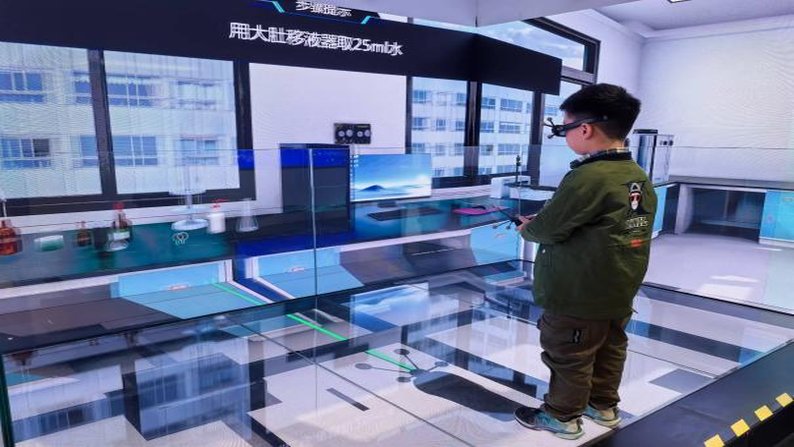
不择知行细流,蕴蓄蓝绿成深:雄安新区生态环境共享中心科普宣传空间营造雄安新区生态环境共享中心VR虚拟实验室(数字化仿真替代实体化学实验,实现科普零危废、低能耗)
6天前 · 来源:雄安新区生态环境监控中心 · 作者:雄安新区生态环境监控中心
