

Company/Organization Profile
The Yangjiang Shui'an Community Social Organization Service Center, situated in Xiaying Subdistrict, Yinzhou District, Ningbo, is a private non-enterprise entity. Guided consistently by Party-building leadership in grassroots governance, it pursues two fundamental tasks—incubating social organizations and coordinating volunteer teams—while focusing on three core areas: zero-waste community development, micro-regeneration of community spaces, and neighborhood mutual-aid services. The Center regularly operates signature public welfare brand projects, including "Zero-Waste Cycle+," "Zero-Waste Cube" (revitalization of idle community resources), upcycling handicrafts from discarded materials, "Elderly Companionship & Mutual Support," and "Card Points Exchange for Environmental Promotion."
The Center has established a multi-stakeholder collaborative operation system led by social organizations, with broad volunteer participation, professional expertise empowerment, and venue-based resource support. Through practical measures such as on-site resource utilization of kitchen waste, circulation of idle items, and ecological upgrading of public spaces, it advances community ecological governance. The project outcomes have earned multiple provincial and municipal honors. Its replicable governance model serves as a practical benchmark for modernizing grassroots governance and fostering long-term low-carbon, sustainable communities.
机构简介
宁波市鄞州区下应街道洋江水岸社区社会组织服务中心为民办非企业单位,始终以党建引领基层治理为根本方向,依托社会组织孵化培育、志愿者队伍统筹运营两大基础工作,深耕无废社区创建、社区空间微更新、邻里互助服务三大核心业务,常态化运营 “零废 Cycle+”“零废魔方” 废旧资源焕新、旧物手工改造、朝夕相伴老年互助、余卡焕新环保推广等特色公益品牌项目。
中心搭建社会组织主导、志愿者广泛参与、专业力量赋能、阵地资源兜底的多方协同运行体系,通过厨余垃圾就地资源化利用、闲置物品循环流转、公共空间生态提质等落地举措推进社区生态治理。项目成果斩获省市级多项荣誉,治理模式可复制、可推广,为基层治理现代化与低碳可持续社区长效建设筑牢实践样板。
Project Overview
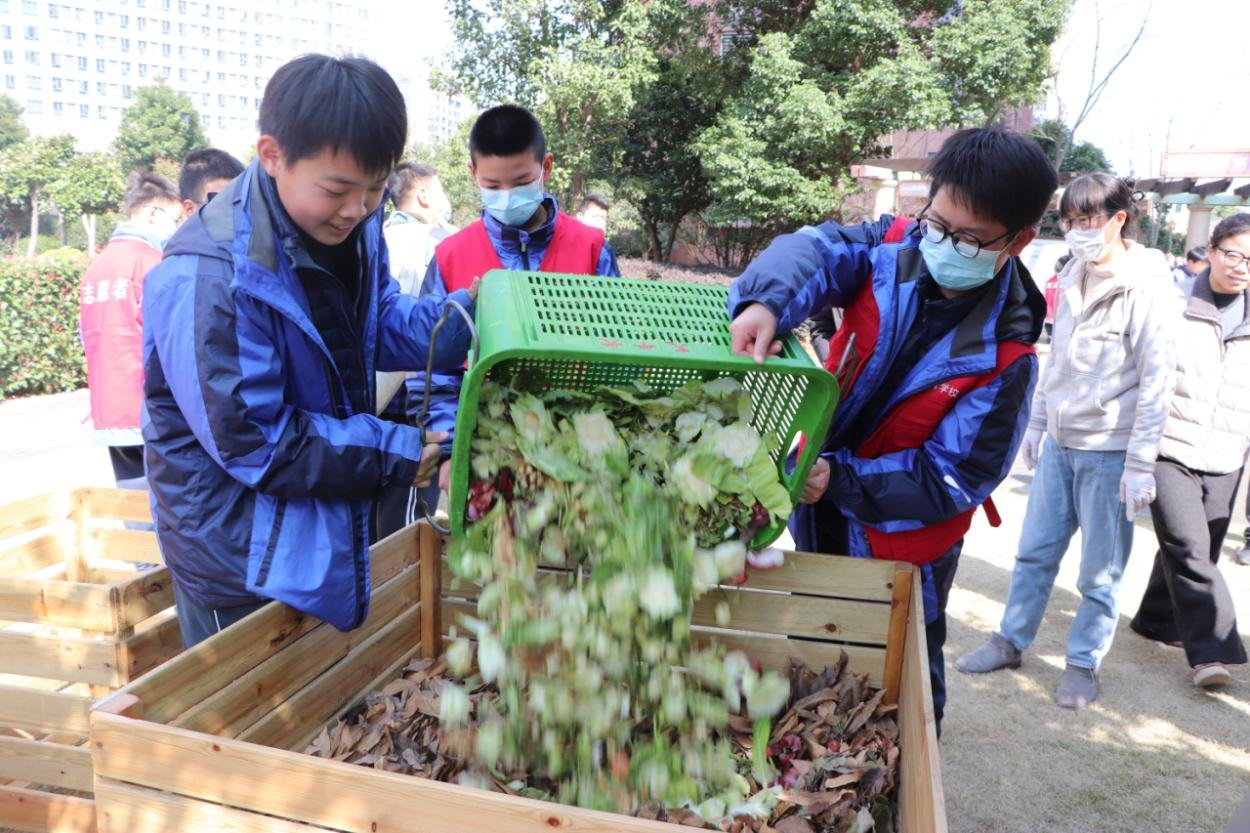
This project takes the shared garden of Yangjiang Shui'an Community as its core implementation space, serving both community residents and volunteers.
Current Problems
The shared garden has not undergone targeted micro-regeneration, resulting in a single-function spatial layout and low utilization efficiency. Greening maintenance relies on purchased fertilizers, incurring relatively high costs. Kitchen waste and garden trimmings are not recycled on-site, placing significant pressure on external transport and disposal. Moreover, the garden lacks ecological science education functions, leading to residents' weak low-carbon awareness and an insufficient atmosphere for green co-construction.
Cause Analysis
The absence of micro-regeneration has left no standardized composting sites for on-site waste conversion. Ecological science education has not been integrated into daily garden use, and its delivery formats remain outdated and monotonous. Furthermore, a long-term participation mechanism has not been established, resulting in low engagement from residents and co-building partners.
Improvement Objectives
Using the shared garden's micro-regeneration as a lever, we will build composting sites and a science education display corner, enabling on-site composting of organic waste to nourish garden greenery and creating a visually tangible low-carbon green scene. Ecological science education will be embedded into daily activities to deliver subtle, imperceptible public environmental education. A long-term volunteer operation mechanism will be established by mobilizing all stakeholders to cultivate a co-governance and shared green community culture, ultimately enhancing the garden's spatial quality and ecological service functions.
项目背景
本项目以洋江水岸社区共享花园为核心实施空间,服务对象覆盖社区居民及志愿者。
问题现状:共享花园未开展针对性微改造,空间功能单一、利用率偏低;绿化养护依赖外购肥料,成本偏高,厨余及园林废弃物未就地资源化利用,外运处置压力大;花园缺乏生态科普功能,居民低碳意识薄弱,绿色共建氛围不足。
原因分析:微改造缺失导致无规范化堆肥点位,废弃物无法就地转化;生态科普未融入花园日常场景,形式单一;未建立长效参与机制,居民及共建单位参与度低。
改进目标:以共享花园为抓手,搭建堆肥点位与科普展示角,实现废弃物就地堆肥反哺绿化,打造低碳可视绿色场景;将生态科普融入日常,实现润物无声的公众教育;联动各方建立长效志愿机制,培育绿色社区文化,提升花园空间品质与生态服务功能。
Project Implementation
This project centers on the shared garden's micro-regeneration, with a focus on waste resource recycling and ecological science popularization. It is carried out through multi-party collaboration, with strict control over key milestones and targeted solutions to implementation challenges, ensuring effective delivery.
1. Key Milestones and Participating Stakeholders
The project advances in three core phases:
Preparatory Phase (1–2 weeks): Complete needs assessment, scheme design, and resource coordination.
Construction Phase (3–4 weeks): Finish installation of composting sites, layout of science education corners, and equipment commissioning.
Long-term Operation Phase (ongoing): Deliver volunteer training, environmental education activities, and sustainable daily maintenance.
The Social Organization Service Center serves as the overall coordinator; community property management and co-building entities act as collaborative partners; residents and volunteers form the core implementation team; and professional environmental organizations provide technical support.
2. Resource Allocation
Resources are arranged across three dimensions: facilities, manpower, and funding.
Facilities: Procure standardized compost bins, science display boards, gardening tools, and other supplies; renovate idle garden zones into dedicated composting areas.
Manpower: Establish a volunteer service team, engage co-building partners, and invite environmental experts for technical guidance.
Funding: Rely on sponsorship from community co-building units and public donations to cover equipment procurement and activity expenses.
3. Challenges and Targeted Solutions
Challenge 1: The composting site is located within the frequently visited shared garden, and odors generated during composting triggered resident complaints.
Implementing Parties & Measures: Coordinated by the neighborhood committee, jointly executed by partner coffee shops in the community, volunteers, and environmental specialists. A three-pronged approach was adopted: regularly collect coffee grounds from co-built coffee shops for odor absorption; organize volunteers to gather fallen leaves for layered covering of compost materials; and stipulate that only pre-meal raw kitchen waste be delivered, excluding highly perishable and malodorous substances, thereby fundamentally eliminating odor issues.
Challenge 2: Low public acceptance and weak willingness to participate in composting at the initial stage.
Implementing Parties & Measures: Jointly rolled out by social organizations and volunteer teams, with visualized outcomes as the core strategy. Document the garden's landscape changes before and after applying homemade organic fertilizer, regularly display comparison photos of flourishing plants, and organize on-site visits for residents. The tangible ecological improvements greatly boosted residents' enthusiasm to join waste delivery and garden maintenance.
Challenge 3: Composting involves professional techniques, creating operational barriers for ordinary residents.
Implementing Parties & Measures: Led by environmental experts together with community volunteers. Deliver offline hands-on training, streamline composting procedures, and assign on-site instructors to provide one-on-one guidance.
Challenge 4: Unregulated daily operation of composting sites threatened long-term sustainable management.
Implementing Parties & Measures: Administered jointly by property management and volunteer teams. Formulate standardized operation rules specifying daily waste drop-off, compost turning, and fertilizer collection procedures; divide responsible zones; and conduct regular equipment inspections and sanitation cleaning.
By addressing practical difficulties with tailored interventions, the project realizes on-site resource recovery of organic waste, builds a visible low-carbon green living landscape, fosters a co-governance and shared green community culture, and substantially upgrades the environmental quality and ecological service capacity of the shared garden.
项目实施
本项目以洋江水岸社区共享花园微改造为核心,聚焦废弃物资源化利用与生态科普,联动多方主体推进实施,全程把控关键节点,针对性破解实施难题,确保项目落地见效。
一、关键节点与参与主体
项目实施分三个关键节点推进:前期筹备阶段(1-2周),完成需求调研、方案设计与资源统筹;中期建设阶段(3-4周),完成堆肥点位搭建、科普展示角布设及设施调试;后期运营阶段(长期),开展志愿培训、科普活动与长效运维。参与主体以社会组织服务中心为统筹方,社区物业、辖区共建单位为协同方,社区居民及志愿者为核心执行方,专业环保团队提供技术支撑。
二、资源配置
资源配置聚焦设施、人力、资金三大板块:设施上,采购标准化堆肥箱、科普展示牌、园艺工具等,改造花园闲置区域作为堆肥专属点位;人力上,组建志愿者服务队,联动共建单位,邀请环保专家开展技术指导;资金上,依托社区共建单位赞助及公益捐赠,保障设施采购与活动开展。
三、问题与针对性解决措施
1. 针对堆肥点位设于高频活跃的共享花园内,堆肥产生异味引发居民投诉的问题,由社区居委会统筹,联动辖区共建咖啡店、社区志愿者及环保团队实施,推进“咖啡渣吸附+落叶覆盖+餐前生厨余规范投放”三管齐下的解决方式:对接共建咖啡店定期收集咖啡渣,用于堆肥层吸附异味;组织志愿者收集花园落叶,分层覆盖堆肥物料;明确仅投放餐前生厨余,避免易腐易臭物料混入,从源头化解异味问题。
2. 针对项目初期居民对堆肥模式接受度不高、参与意愿薄弱的问题,由社会组织与志愿者服务队协同实施,以“成果可视化”为核心推进引导工作:全程记录共享花园施用自制有机肥前后的景观变化,定期展示花草树木长势对比图;组织居民现场观摩堆肥成果与花园景观改善情况,用直观的生态效益打动居民,逐步带动居民主动参与堆肥投放、花园养护等相关工作。
3. 针对堆肥技术专业性强、居民操作难度大的问题,由环保专家牵头,联合社区志愿者实施,开展线下实操培训,简化堆肥流程,设置专人指导点位,手把手教学。
4. 针对堆肥点位运维无序、长效运营难的问题,由社区物业与志愿者服务队协同实施,制定运维管理制度,明确每日垃圾投放、堆肥翻检、肥料取用流程,划分责任区域,定期开展设施检修与环境清理。
项目通过针对性举措破解实施难题,逐步实现废弃物就地资源化利用,打造低碳可视的绿色场景,培育了共建共享的绿色社区文化,有效提升了共享花园的空间品质与生态服务功能。
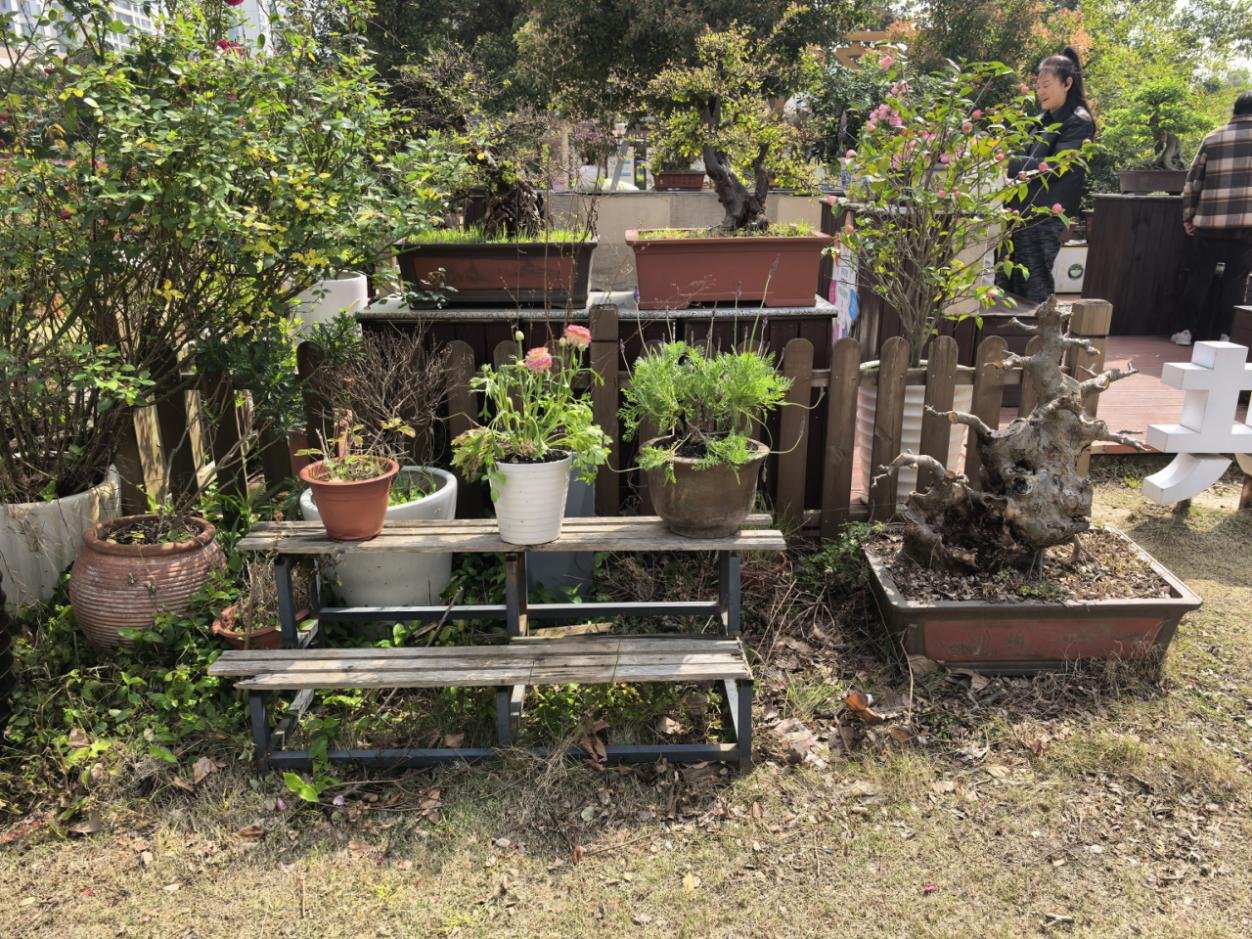
改造前
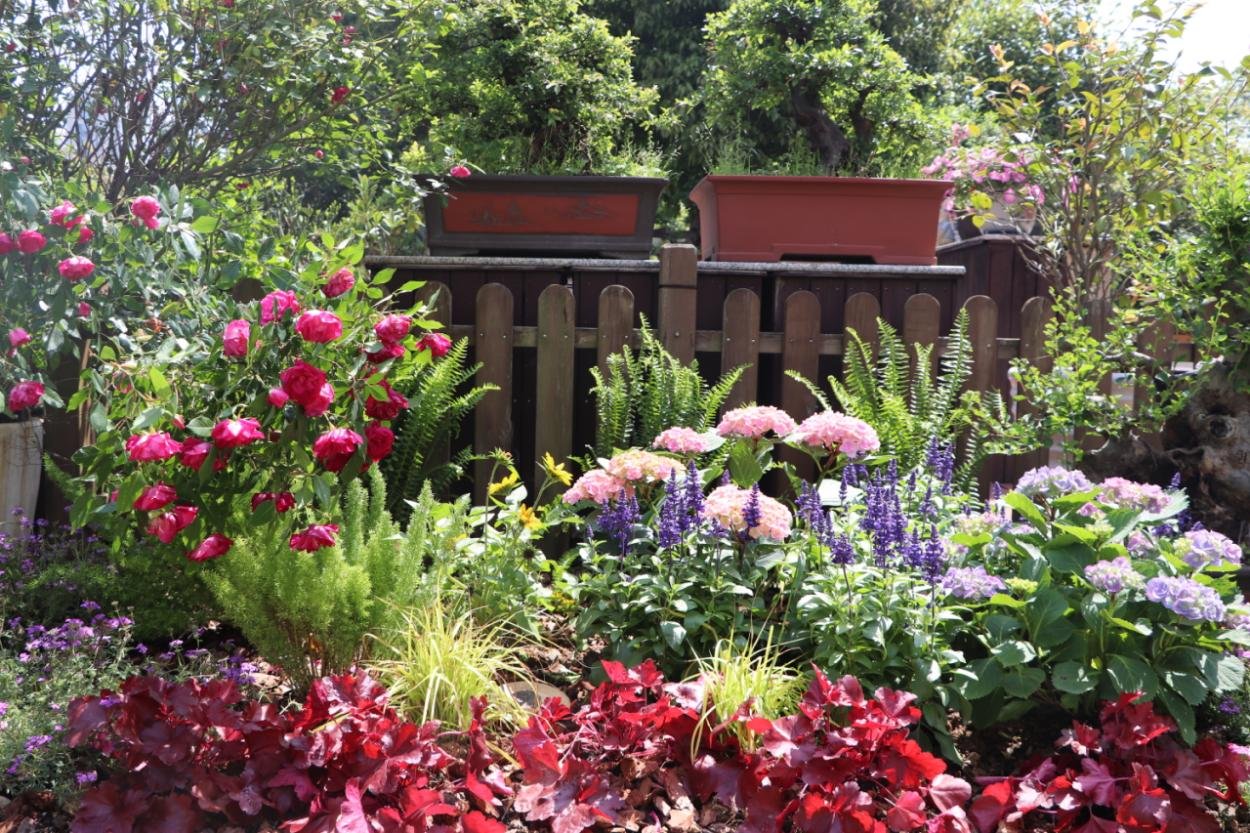
改造后
Project Outcome
Taking the shared garden's micro-regeneration as the starting point and supporting it with a complete composting system, this project delivers three-fold improvements in spatial quality, ecological benefits, and community governance. It has yielded fruitful results with distinctive features and strong demonstration value.
Remarkable before-and-after outcomes are backed by quantifiable data. After the composting stations were put into operation, the project processes 50 kilograms of kitchen waste and garden trimmings monthly, producing a total of 100 kilograms of organic fertilizer. This output fully meets the greening maintenance needs of the shared garden, eliminating the purchase of commercial fertilizers and saving over 300 yuan in monthly maintenance costs. The garden's green coverage rate has increased by 15%, and the plant survival rate has risen from 65% to 92%. The space utilization rate has doubled, bringing a substantial improvement in environmental comfort for frequently used resident activity areas.
The project innovatively constructs a visible low-carbon scenario that deeply integrates ecological value with public experience. By organically combining waste resource recycling with garden landscape enhancement, it adopts transparent composting processes and visible organic fertilizer output. This approach successfully addresses the odor concern of composting in public spaces, allows residents to witness tangible low-carbon results, and disseminates green concepts imperceptibly. Meanwhile, ecological science education is embedded into the renovated space and integrated into daily public activities, further enhancing the site's ecological service capacity and public value.
The project boasts outstanding sustainability and replicability. A sound long-term volunteer operation mechanism has been established, with clear job responsibilities and standardized workflows to ensure stable long-term operation of composting sites. The low-cost composting technology and multi-stakeholder collaborative model require little capital input and can be directly promoted and replicated. To date, 12 science education activities have been held, covering more than 500 residents. Local participants have shifted from passive acceptance to active engagement, successfully fostering a co-built and shared green community culture. The project has already inspired three neighboring communities to launch similar programs, serving as a proven, replicable model for ecological upgrading in residential communities.
成果亮点
本项目以共享花园微改造为抓手,联动堆肥体系搭建,实现空间品质、生态效益与社区治理三重提升,成果丰硕、特色鲜明,具备极强的示范价值。
实施前后成效对比显著,量化数据彰显实效。堆肥点位建成后,月均处理厨余及园林废弃物50kg,共计产出有机肥100kg,完全满足共享花园绿化养护需求,彻底告别外购肥料,月均节约养护成本300余元;花园绿化覆盖率提升15%,花草存活率从65%跃升至92%,空间利用率翻倍,居民高频活动区域的环境舒适度实现质的改善。
创新打造低碳可视场景,实现生态与体验深度融合。将废弃物资源化利用与花园景观打造有机结合,推行堆肥过程透明化、有机肥产出可视化,既破解了公共空间堆肥异味痛点,也让居民直观感受低碳生活实效,潜移默化传递绿色理念。同时,依托改造后的空间植入生态科普功能,将教育融入日常场景,进一步提升了空间生态服务功能与公共价值。
项目具备突出的持续性与可复制性。已建立完善的长效志愿运维机制,明确岗位职责与流程,保障堆肥点位长期稳定运行;形成的低成本堆肥技术、多元协同模式无需高额投入,可直接复制推广。项目累计开展科普活动12场,覆盖居民500余人次,带动居民从被动参与转向主动践行,成功培育共建共享的绿色社区文化,目前已带动周边3个社区落地同类项目,为同类社区生态改造提供了可借鉴的成熟范本。
Project Highlights
This project delivers remarkable comprehensive benefits, with outstanding ecological and social impacts.
Ecological and Environmental Benefits (statistical period: 6 months after project implementation; accounting scope: the community shared garden and surrounding areas): The project processes 50 kilograms of kitchen waste and garden litter monthly, achieving a total waste reduction of 300 kilograms and reducing the volume of domestic waste requiring external transport. It produces 100 kilograms of organic fertilizer, replacing commercial fertilizer purchases and saving over 300 yuan in monthly maintenance costs. This practice realizes resource recycling of waste and enhances the garden's carbon sequestration capacity.
Social Impacts: A total of 12 science education activities have been carried out, covering more than 500 residents, encouraging residents to take the initiative in composting and fostering a robust atmosphere for green co-construction. The multi-stakeholder collaborative operation and maintenance model serves as an exemplary practice for community ecological governance. It has driven three neighboring communities to launch similar projects, generating regional radiation effects and advancing coordinated development of low-carbon initiatives across communities.
成果影响力
本项目综合效益显著,生态环境与社会影响双突出。生态环境方面(统计周期:项目实施6个月,核算边界:社区共享花园及周边区域),月均处理厨余及园林废弃物50kg,累计减废300kg,减少生活垃圾外运量;产出有机肥100kg,替代外购肥料,月均节约养护成本300余元,实现废弃物资源化循环利用,提升花园碳汇能力。
社会影响方面,累计开展科普活动12场,覆盖居民500余人次,带动居民主动参与堆肥活动,成功培育绿色共建氛围;构建的多元协同运维模式,为社区生态治理提供示范,已带动周边3个社区落地同类项目,形成区域辐射效应,推动跨社区低碳行动协同发展。
Reviews & Honors
Supported by solid practical outcomes, this project has won wide recognition from multiple parties. Beneficiary residents have given positive feedback, with steadily growing participation enthusiasm. A vibrant atmosphere of co-governance and shared green community development has taken shape. Featuring strong practicability and replicability, the project model has earned high praise from grassroots residents.
The initiative has been covered repeatedly by provincial, municipal, and district-level media. Its innovative zero-waste governance model and multi-stakeholder collaboration mechanism have set a benchmark for community ecological governance and gained rising industry recognition. In addition, it has secured public welfare grants from the SEE Foundation (Beijing Entrepreneur Environmental Protection Foundation), fully demonstrating its professional value and far-reaching social influence.
The project has accumulated numerous prestigious awards and honors. It claimed the Bronze Award at the 2025 Yinzhou District Volunteer Service Project Competition, the Gold Award at the Ningbo Domestic Waste Sorting Volunteer Service Project Competition, and the Merit Award at the Ningbo Municipal Volunteer Service Project Competition. In 2026, the main project and its derivative sub-projects were selected for the Yinling Public Welfare Program of Yinzhou District, Ningbo, and the Future Star Community Program of the Starbucks Foundation, receiving successive public welfare funding at various levels. It has evolved into a benchmark practice for grassroots zero-waste governance.
评价与荣誉
本项目以扎实的实践成效获得多方认可,服务对象反馈良好,居民参与度持续提升,共建共享的绿色社区氛围浓厚,项目模式兼具实用性与推广价值,获得基层群众广泛好评。
项目先后获得省市区级媒体多次报道,其创新的零废治理模式与多元协同机制,成为社区生态治理的典型范例,行业认可度持续提升。同时,项目成功获得北京市企业家环保基金会公益资助,彰显了其专业价值与社会影响力。
项目荣誉颇丰,先后斩获2025年鄞州区志愿服务项目大赛铜奖、宁波市生活垃圾分类志愿服务项目大赛金奖、宁波市志愿服务项目大赛优胜奖;2026年,项目及衍生子项目先后入选宁波市鄞州区鄞领公益项目、星巴克公益基金会未来星社区项目等,多次获得各级公益资助,成为基层零废治理领域的标杆项目。

近零碳社区的美育升级---- 长寿苑社区 “低碳实践 + 影像科普” 共建项目
4天前 · 来源:成都市武侯区火车南站街道长寿苑社区居民委员会 · 作者:成都市武侯区火车南站街道长寿苑社区居民委员会

以绿色金融之力推动中国新质生产力!
4天前 · 来源:国泰海通证券研究所ESG及美丽中国研究组 · 作者:国泰海通证券研究所ESG及美丽中国研究组
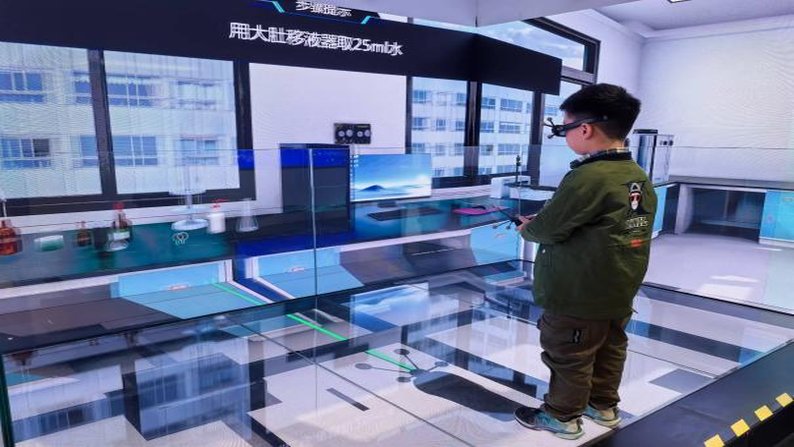
不择知行细流,蕴蓄蓝绿成深:雄安新区生态环境共享中心科普宣传空间营造雄安新区生态环境共享中心VR虚拟实验室(数字化仿真替代实体化学实验,实现科普零危废、低能耗)
6天前 · 来源:雄安新区生态环境监控中心 · 作者:雄安新区生态环境监控中心
