

Company/Organization Profile
Lingyin Subdistrict Office is located in the core area of the old town of Xihu District, Hangzhou. It has a permanent resident population of approximately 30,000 and governs multiple communities and farmers’ markets. Upholding Xi Jinping Thought on Ecological Civilization, the sub‑district has deeply integrated green and low‑carbon concepts into community governance and people‑oriented public services, and kept exploring waste sorting, resource recycling, and zero‑waste cell development.
Since 2024, taking the Dongshanji Farmers’ Market as its key pilot site, the sub‑district has systematically advanced the development of a zero‑waste farmers’ market to explore in‑depth integration of grassroots governance and green transition. In March 2026, the group standard *Technical Specifications for the Construction of Zero‑Waste Farmers’ Markets*, compiled by the sub‑district based on its practical experience in collaboration with the Hangzhou Environmental Protection Industry Association, was officially released. It is the nation’s first group standard in this field. The project has been covered by mainstream media including China Youth Daily and Hangzhou Daily. Representatives from the sub‑district shared relevant experience at the Hangzhou thematic event for the 2026 International Zero‑Waste Day.
The Hangzhou Municipal Bureau of Ecology and Environment, Xihu District Branch is responsible for the supervision and management of ecological environment protection in Xihu District. Its main responsibilities include enforcing environmental policies, laws, and regulations; monitoring pollutant discharges; approving environmental impact assessment documents for construction projects; investigating and punishing environmental violations; implementing the pollutant discharge permit system; and coordinating overall ecological conservation efforts.
机构简介
灵隐街道简介:灵隐街道办事处地处杭州市西湖区老城区核心区块,辖区常住人口约3万人,下辖多个社区及农贸市场。街道始终践行习近平生态文明思想,将绿色低碳理念深度融入社区治理与民生服务,在垃圾分类、资源循环、无废细胞建设等领域持续探索。
2024年以来,街道以东山集农贸市场为核心试点,系统推进“无废农贸市场”建设,探索基层治理与绿色转型的深度融合。2026年3月,由街道整合实践经验、联合杭州市环保产业协会编制的《“无废农贸市场”建设技术规范》团体标准正式发布,系全国首个该领域团体标准。项目经验获中国青年报、杭州日报等多家主流媒体报道,街道代表在2026年“国际无废日”杭州市主题活动中作经验分享。
杭州市生态环境局西湖分局简介:负责西湖区生态环境保护监督管理工作,主要职责涵盖执行环保政策法规、监督污染物排放、审批建设项目环境影响评价文件、查处环境违法行为、实施排污许可证制度以及统筹协调生态保护工作。
Project Overview
Lingyin Sub-district is located in the core area of Hangzhou's old city. Dongshanji Farmers' Market serves approximately 30,000 residents. Before the project, the market faced three major challenges: large waste generation , weak classification awareness among vendors and residents, and a lack of standards and norms for zero-waste market construction.
The project adopted a "rules-first, standards-leading, behavior-guiding" approach, developing a group standard, conducting pilot construction, and promoting public participation to embed zero-waste concepts into this high-frequency livelihood scenario.
项目背景
灵隐街道地处西湖区老城区核心区块,辖区内东山集农贸市场日均客流密集,辐射周边约3万居民。农贸市场作为城市“菜篮子”供应的核心场所,也是废弃物产生的高密区域。项目启动前,市场面临三大痛点:一是垃圾产生量大,农贸市场日均产生塑料袋、泡沫箱、厨余垃圾等废弃物达数百公斤,塑料袋大量为一次性不可降解材质;二是分类意识薄弱,商户和居民对“无废城市”“碳达峰碳中和”等概念认知不足,废弃物混投、过度包装现象普遍;三是缺乏标准规范,农贸市场无废化建设缺少可参照的技术标准和管理规范,基层治理缺乏抓手。
针对上述问题,街道深入分析认为,农贸市场废弃物治理难题的根源在于“经营便利”和“绿色要求”之间存在矛盾——商户担心包装减少影响顾客体验,居民一时改不了消费习惯,市场管理方则需要一套可执行、可持续的规则。因此,项目以“规则先行、标准引领、行为引导”为改进路径,决定编制团体标准、开展试点建设、推动公众参与,将无废理念嵌入“菜篮子”这一民生高频场景。
Project Implementation
(1) Standards-leading: The sub-district collaborated with the Hangzhou Environmental Protection Industry Association to develop the group standard. The standard covers six dimensions, and was officially released on March 30, 2026.
(2) Space operation optimization: The market implemented a "business" points evaluation system, established the "Heli Recycling Hub," and installed smart waste recycling machines. Kitchen waste is processed into compost, while discarded fruit and coffee grounds are made into eco-enzymes and soap.
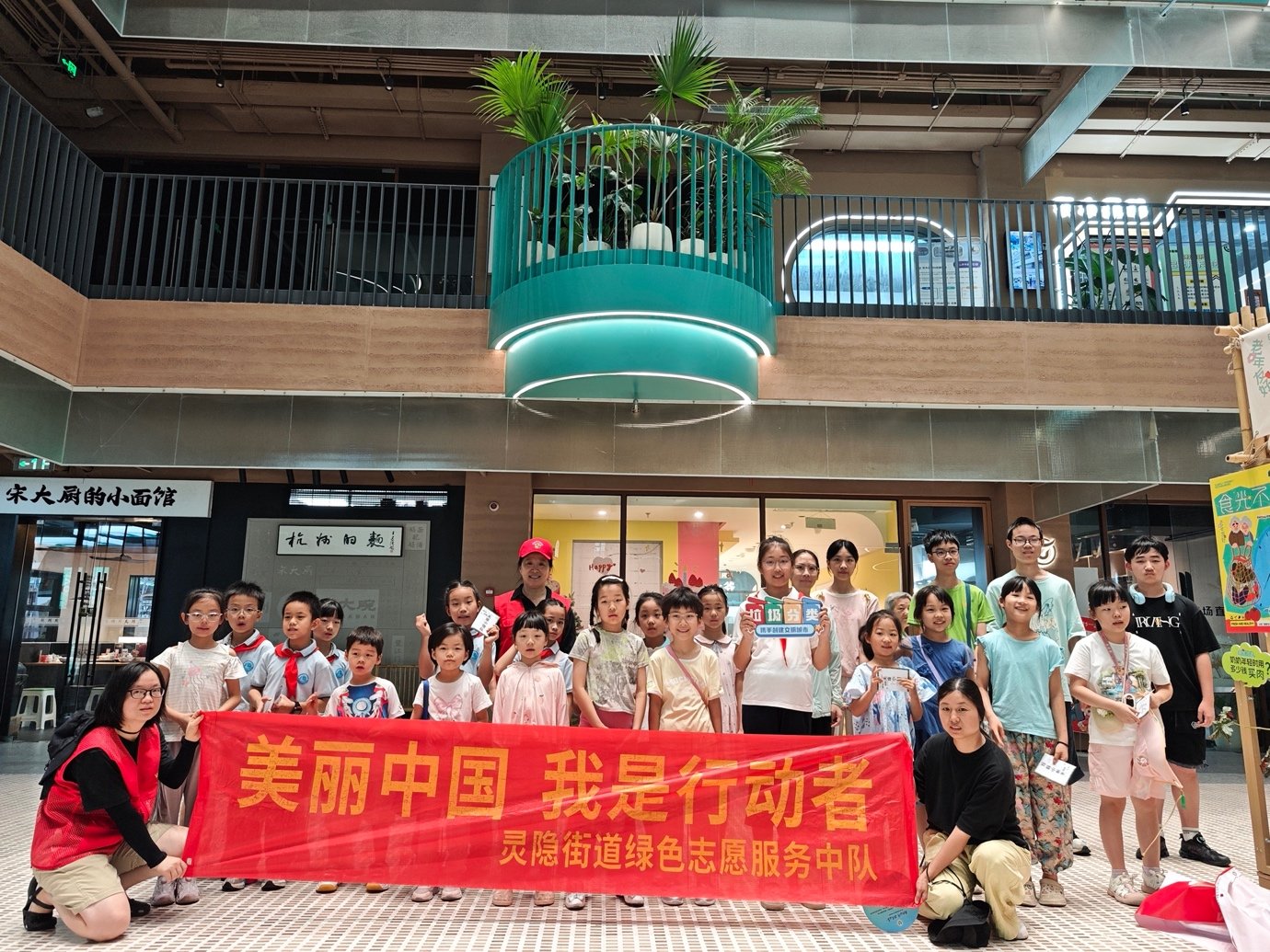
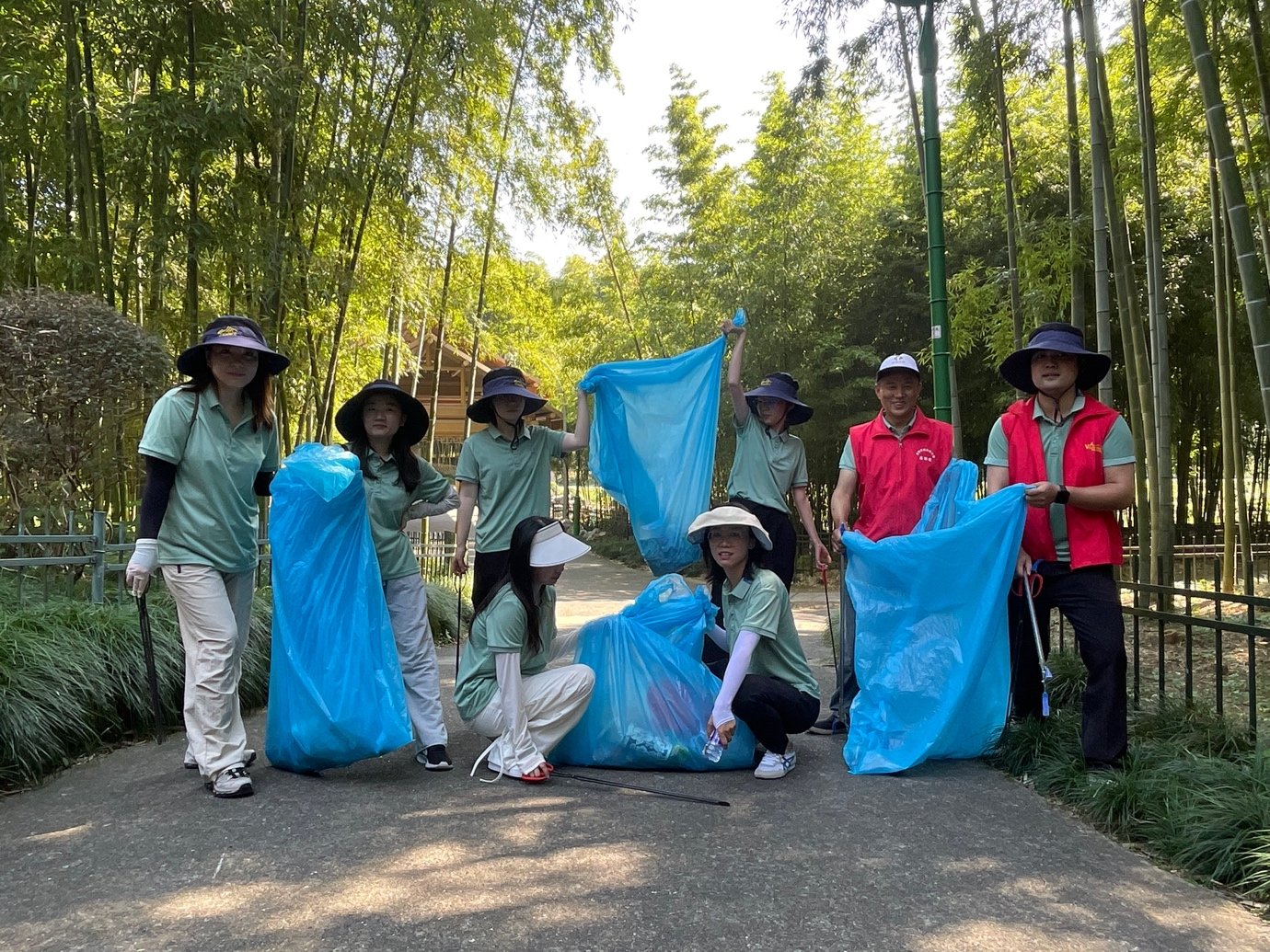
(3) Public participation: Over 30 promotional activities were organized, reaching more than 5,000 participants, creating a "hand-in-hand" chain effect from children to families to communities.
项目实施
(一)标准引领,让“无废市场”有标可依
2025年,街道以东山集农贸市场为范本,联合杭州市环保产业协会启动《“无废农贸市场”建设技术规范》团体标准编制工作。标准围绕基础设施、源头降耗、绿色服务、数字赋能、固废处置、科普宣传六大维度构建技术规范体系,倡导简易包装、限塑禁塑,推动垃圾减量化。2026年3月30日“国际无废日”,团体标准正式发布,系全国首个“无废农贸市场”团体标准。
(二)空间运营优化,打造“无废”治理闭环
街道在市场内推行无废经营积分考评体系,将减量包装、规范分类、诚信经营、食材损耗等纳入日常评价。对执行较好的商户,通过“无废积分兑换区”给予激励;对存在问题的摊位,由市场管理方、社区治理服务中心和网格力量共同上门沟通,先讲清规则,再帮助整改。同时,把“无废市场”建设嵌入基层治理网格,遇到经营争议、消费纠纷等问题,先由市场前端协商化解,复杂事项再联动执法、调解等力量跟进。
街道创新打造“循环社”,探索二手物品多元循环模式;配置智能废品回收机,实现可回收物自助投递、称重返现和数据追溯。腐烂水果制作环保酵素,咖啡渣制作手工香皂,厨余垃圾实现堆肥处理,推动废弃物“变废为宝”。
(三)公众参与,培育绿色行为共识
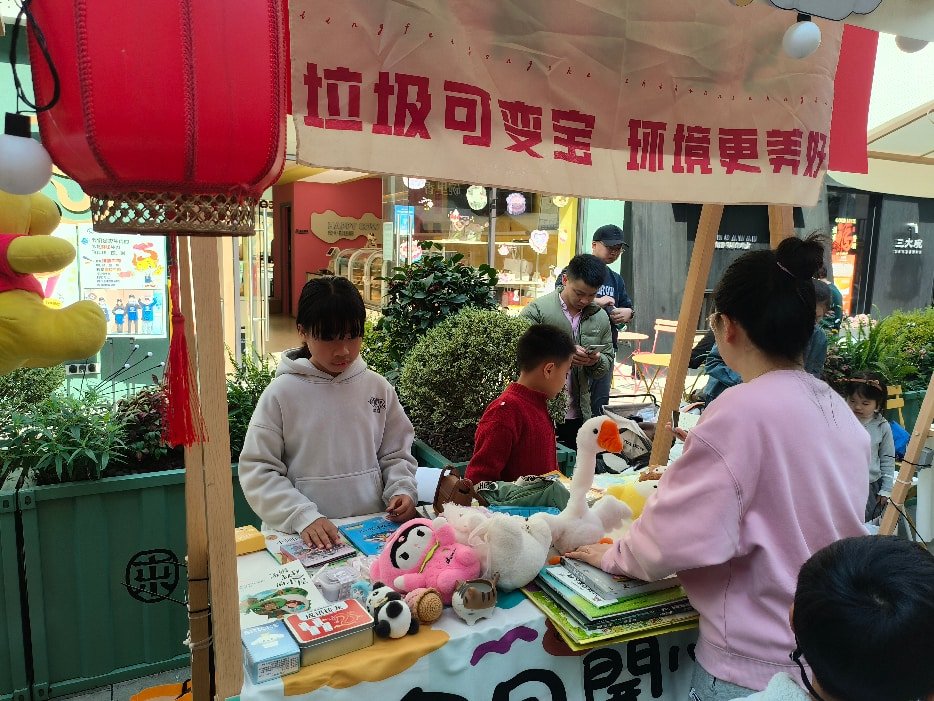
项目累计开展“可持续市集”“童萌闲置市集”“垃圾分类暑期实践”等宣传活动30余场,覆盖全年龄段,参与群众超过5000人次。活动通过趣味互动、旧物交换、手工制作等创新形式,让环保理念从“被动接受”转向“主动践行”。通过“小手拉大手”,孩子带动家庭、家庭影响社区,形成链式传播效应。
Project Outcome
Kitchen waste was reduced from 15 to 7–8 barrels daily; plastic bag usage decreased by over 40%; total solid waste dropped by 52%; the recycling rate reached 90%; and food loss was reduced to 5%.
Key innovations: releasing China's first group standard for zero-waste farmers' markets, establishing a multi-stakeholder collaboration mechanism embedded in community governance, targeting the high-frequency "vegetable basket" scenario, and creating a "hand-in-hand" chain from children to families. The project is replicable and sustainable, and has already been extended to Qingfeng Market.
成果亮点
项目实施前后对比显著。厨余垃圾日均产生量从15桶降至7-8桶,减量近50%;塑料袋使用量下降超40%;固废垃圾总量下降52%;可回收物回收率达到90%;商户食材损耗率降至5%。
项目创新性亮点体现在四个方面。一是在标准创新方面,率先编制并发布全国首个“无废农贸市场”团体标准,填补了行业标准空白,使无废市场建设从“口头倡导”走向“系统治理”。二是在机制创新方面,建立了“街道主导、部门协同、志愿执行”的多方联动机制,将“无废市场”建设嵌入基层治理网格,形成“协商在前、调解跟进、执法保障”的矛盾化解链条。三是在场景创新方面,精准切入农贸市场这一民生高频场景,通过“菜篮子”实现无废理念的高频触达和习惯养成。四是在参与创新方面,构建“小手拉大手”传播链条,实现全年龄段覆盖,让环保行动更具可持续性。
项目具备可持续性和可复制性:团体标准为其他区域提供了可操作的技术规范;东山集试点经验已成功复制至庆丰农贸市场,形成“试点—总结—推广”的成熟路径;项目已形成“核心骨干+固定团队+动态参与力量”的志愿者梯队结构,确保组织可持续。
Project Highlights
Ecological benefits: Kitchen waste reduced by nearly 50%; plastic bag usage decreased by over 40%; solid waste dropped by 52%; recyclable recovery rate reached 90%; food loss rate reduced to 5%.
Social impact: Over 30 promotional activities organized, reaching more than 5,000 participants; 13 volunteer activities with over 100 volunteers serving approximately 3,000 residents. The practice provided a grassroots governance model for Hangzhou's selection as one of the "20 Cities Towards Zero Waste" by UN-Habitat.
成果影响力
生态环境效益:团体标准试点推行后,东山集农贸市场厨余垃圾日均产生量从15桶减少至7-8桶,减量近50%;塑料袋使用量下降超40%;市集固废垃圾总量下降52%;可回收物回收率达到90%;商户食材损耗率降至5%。(统计口径:按市场每日运营数据统计,实施后数据为2025年全年平均值,基线数据为2024年项目实施前全年平均值)。
社会影响效果:累计开展“可持续市集”等宣传活动30余场,参与群众超5000人次;累计组织志愿服务活动13场,发动志愿者超100人次,服务群众约3000人次。2026年3月30日“国际无废日”,项目代表受邀参加杭州市生态环境局主办的主题活动,团体标准正式发布并向全市推广经验。获中国青年报、杭州日报、每日商报、都市快报等多家媒体专题报道。项目构建了“街道主导、部门协同、志愿执行”的多方联动机制,经验已在西湖区推广,逐步向全市输出“西湖经验”。
Reviews & Honors
Public feedback: Rated zero-waste merchants reported improved reputation and business; residents noted significantly improved market environment and shopping experience.
Media recognition: Featured at the 2026 "International Zero-Waste Day" event in Hangzhou; reported by China Youth Daily, Hangzhou Daily, Daily Business News, City Express, Zhejiang Online, and Zhejiang Rule of Law News.
Awards: Won Bronze Award in the 2026 Hangzhou Green Volunteer Service Project Competition. The group standard is the first of its kind in China and has been officially released on the National Group Standards Information Platform.
评价与荣誉
评价反馈:灵隐街道办事处社区治理服务中心主任郦雨霞表示:“标准不是挂在墙上的,最终要落到每个摊位、每次交易、每名居民的行动里。东山集的探索证明,农贸市场既是民生场景,也是基层法治建设和社区治理的前沿阵地。”参与商户反馈:星级无废商户挂牌后口碑提升、生意更好了;居民反馈:市场环境整洁舒适,购物体验明显改善。
媒体与行业认可:2026年3月30日“国际无废日”,项目代表受邀在杭州市主题活动上作经验分享。获中国青年报、杭州日报(2026年3月31日A08版)、每日商报(2026年3月31日A03版)、都市快报(2026年3月31日A06版)、浙江在线、浙江法治报等多家媒体专题报道。
奖项与荣誉:2026年,项目获杭州市绿色志愿服务项目大赛铜奖。项目编制的《“无废农贸市场”建设技术规范》团体标准系全国首个该领域团体标准,已在全国团体标准信息平台正式发布。

近零碳社区的美育升级---- 长寿苑社区 “低碳实践 + 影像科普” 共建项目
4天前 · 来源:成都市武侯区火车南站街道长寿苑社区居民委员会 · 作者:成都市武侯区火车南站街道长寿苑社区居民委员会
以绿色金融之力推动中国新质生产力!
4天前 · 来源:国泰海通证券研究所ESG及美丽中国研究组 · 作者:国泰海通证券研究所ESG及美丽中国研究组
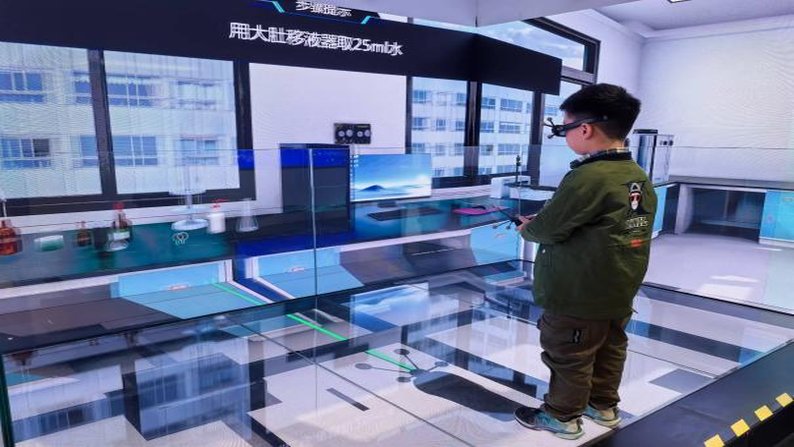
不择知行细流,蕴蓄蓝绿成深:雄安新区生态环境共享中心科普宣传空间营造雄安新区生态环境共享中心VR虚拟实验室(数字化仿真替代实体化学实验,实现科普零危废、低能耗)
6天前 · 来源:雄安新区生态环境监控中心 · 作者:雄安新区生态环境监控中心
