

Project Overview
In early 2025, the Shenzhen Municipal Ecology and Environment Bureau, in collaboration with The Nature Conservancy (TNC) and other organizations, supported by Si Chuan Green Foundation, launched a pilot program for climate-resilient communities. The Changpai and Langxin communities, where the project is located, are situated along the Shiyan River and have a total population of approximately 115,000. These communities represent high-density urban village areas characterized by a dense concentration of self-built dwellings and a relatively high proportion of mobile population; they are home to climate-sensitive groups such as the elderly, children, and outdoor workers. Preliminary observations and interviews revealed several challenges in the riverbank greenways, central park areas, and spaces in front of kindergartens prior to the renovation—namely, insufficient continuous shading, a lack of sheltered areas during rainy weather, limited resting seating, and localized slippery or waterlogged surfaces after heavy rainfall; furthermore, these green spaces were primarily designed for aesthetic and pedestrian use, with inadequate functions for stormwater management, wildlife habitat provision, or nature-based education. The underlying causes include the scarcity of usable space in these high-density communities and the weakness of their ecological infrastructure; residents' actual spatial usage needs had not been fully integrated into the planning, design, or subsequent management processes; and mechanisms for regular public participation and collaborative maintenance still required further refinement. Accordingly, the project focuses on a 1.1-kilometer stretch of the Shiyan River encompassing both banks in the Changpai and Langxin communities, leveraging Nature-based Solutions (NbS) and community co-creation to revitalize existing spaces and foster green public living environments that offer shade, facilitate water infiltration, provide opportunities for learning and engagement, and support sustainable co-management.
项目背景
2025年初,深圳市生态环境局联合大自然保护协会(TNC)等单位,在四川省绿化基金会的支持下,启动气候韧性社区试点,并在全市气候风险评估基础上,将宝安区石岩街道列为首批试点之一。项目所在的长排、浪心两社区沿石岩河分布,总人口约11.5万,是自建房密集、流动人口比例较高的高密度城中村片区,老人、儿童和户外劳动者等气候敏感人群集中。前期观察与访谈发现,改造前的沿河绿道、街心公园和幼儿园门前空间存在连续遮阴不足、雨天缺少避雨场所、休憩座椅有限、暴雨后局部湿滑积水等问题;绿地以观赏和通行为主,雨水消纳、生物栖息和自然教育功能不足。其深层原因是高密社区可用空间紧张、生态基础设施薄弱,居民对空间使用的实际需求尚未充分融入规划设计和后续管理,常态化的公众参与及共同管养机制仍有待完善。项目因此聚焦长排、浪心约1.1公里石岩河“一河两岸”,以基于自然的解决方案(NbS)和居民共建激活既有空间,营造可遮阴、能蓄渗、可学习、愿停留并可持续共管的绿色公共生活场景。
Project Implementation
Risk Identification and Usage Survey: The project focuses on the approximately 1.1-kilometer section of the Shiyan River between the Changpai and Langxin communities. Observation points were established along the riverside greenway, the central park, the community playground, and residents' rooftops to record pedestrian and stopping behaviors under various weather conditions. The survey revealed that the number of people staying in shaded areas decreased significantly during periods of high temperatures, while the slippery road conditions following heavy rainfall prompted elderly individuals and children to take alternative routes. The project team collaborated with the Community Workstation, grid members, and social workers to conduct interviews, covering 53 households and 44 representatives from community organizations, reaching a total of over 100 residents and relevant community stakeholders.
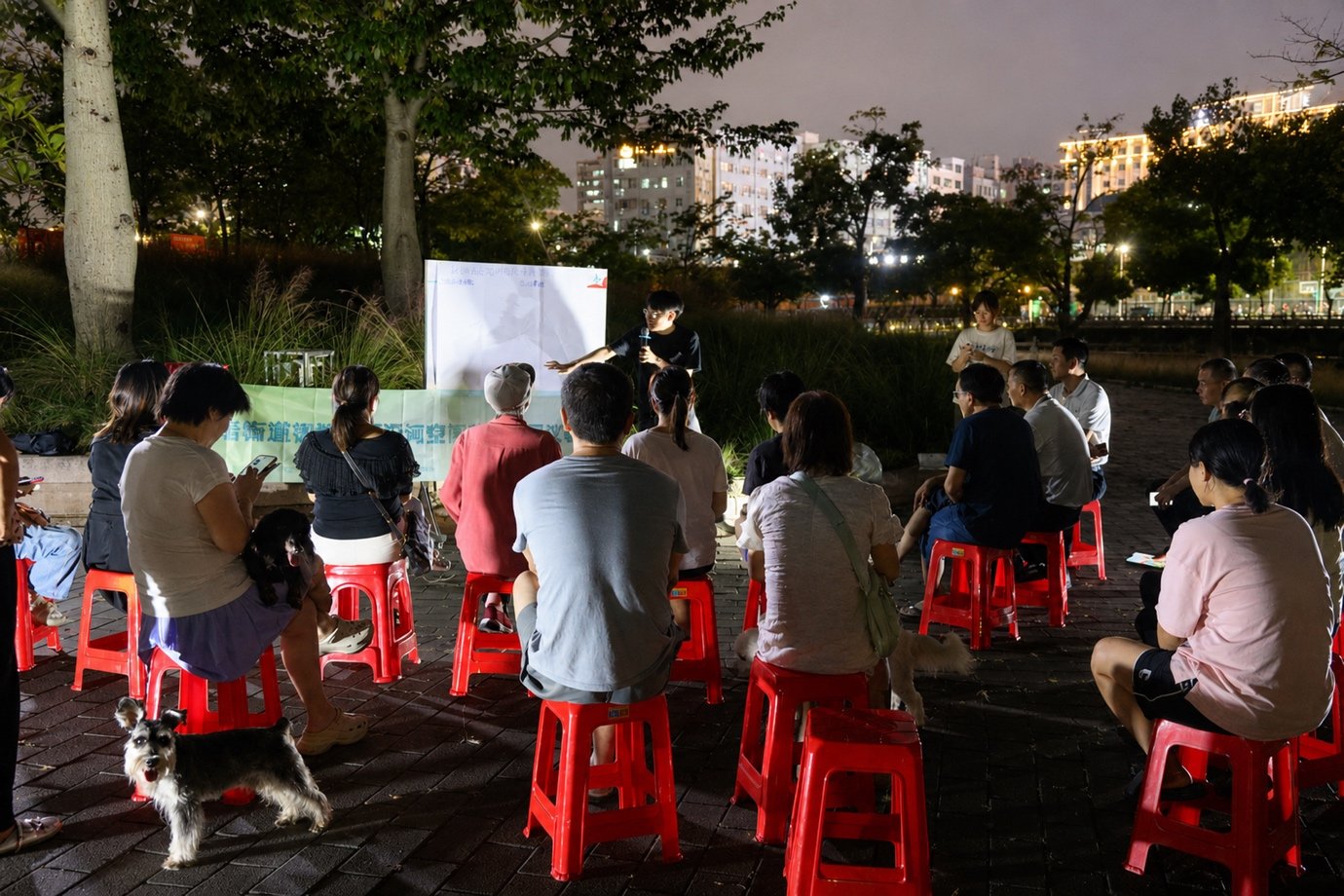
Community Consultation and Co-Design: The project organized multiple public consultation sessions at the playground, the central park, the kindergarten, and beneath the ancient trees at Wushiyan Park; each session invited 15–25 residents to participate. Twenty-two children and adolescents expressed their needs—such as safe passage, shaded resting areas, and opportunities for nature observation—through risk mapping, site observation, and model-making activities. The project collected over 80 suggestions in total, which were then translated into design tasks—including creating shaded and sheltered areas, installing seating and lighting, facilitating electric vehicle access, and optimizing the use of idle spaces—into practical design solutions such as green spaces, rainwater harvesting and storage systems, waiting and resting areas for schoolchildren, and science education displays.
Resident Climate Observation: During Typhoon Haja Sha in September 2025, the project and the local community launched the "Wind Tracking Initiative," inviting residents to conduct 24-hour continuous monitoring at designated points along the "One River, Two Banks" corridor – recording river water levels, water accumulation at flood-prone areas, and the condition of roadside trees. These continuous visual records provided a basis from the residents' perspective for subsequent design efforts, transforming abstract risks into observable, discussable community experiences.
NbS Micro-Update: The first node is the Shiyanhe Street Center Park in the Langxin Community. The project preserves the existing spatial framework and draws inspiration from the Hakka "Three Rooms and Two Corridors" prototype to construct a pavilion and a climbing corridor; recycled old tiles and construction waste are utilized in the fabrication of structures and permeable paving surfaces; multiple layers of habitats are created through soil improvement as well as the planting of native, nectar-producing, and host plants; a dry stream is incorporated to slow down, filter, and infiltrate runoff. The second node is located in front of the Changpai Community Kindergarten; it addresses the lack of adequate shade and shelter during children's pick-up and drop-off by providing a waiting shelter, seating areas, and wall displays showcasing children's participatory activities, thereby integrating climate education into the everyday waiting experience.
Community Empowerment and Sustainable Operations: Starting in 2026, the project will establish resilient resident groups in two different communities. In the Langxin Community, a Garden Maintenance Group was formed to train volunteer leaders through ecological and horticultural courses, and to carry out regular activities such as removing invasive plants, pruning vegetation, and maintaining site safety and hygiene; in the Changpai Community, a community farm was established on the roof of the Senior Activity Center, where greenery is used to mitigate the roof's thermal environment, and the harvested vegetables are shared within the community. These two groups also organize community resilience-themed historical tours, volunteer maintenance initiatives, and specialized training sessions. The project has simultaneously developed a Low-Intervention Maintenance Manual and utilizes signage, children's murals, as well as displays showcasing plants and rainwater management processes to deliver daily nature-based education, thereby facilitating the transition of the project into a sustainable model of community co-governance.
Project Evaluation: The project implements the "Comprehensive Whole-Process Assessment of Climate Resilience Levels in Pilot Communities within Shiyan Subdistrict," establishing an indicator system based on two dimensions—vulnerability and disaster resilience—while tracking the community across three phases (before, during, and after the pilot initiative) to analyze the dynamic changes in community climate resilience and quantitatively assess the effectiveness of the pilot program, thereby providing data support for the dissemination of best practices and the development of actionable guidelines.
项目实施
风险识别与使用调查:项目聚焦长排、浪心两社区之间约1.1公里石岩河段,在沿河绿道、街心公园、社区游乐场和居民屋顶设置观察点,记录不同天气下的通行与停留行为。调查显示,高温时缺阴空间停留人数明显下降,暴雨后湿滑路段会使老人、儿童绕行。项目团队联合社区工作站、网格员和社工开展访谈,覆盖53户居民家庭和44名社区组织代表,累计触达居民及社区相关人员100余人。
居民议事与共同设计:项目在游乐场、街心公园、幼儿园和乌石岩公园古树下组织多场议事,每场邀请15—25名居民参与。22名儿童青少年通过风险地图、场地观察和模型制作,表达安全通行、遮阴休息和自然观察等需求。项目累计收集80余条建议,并将遮阳避雨、座椅照明、电动车通行和闲置空间利用等诉求转化为绿荫、雨水调蓄、候学休息和科普展示等设计任务。
居民气候观察:2025年9月台风“桦加沙”期间,项目与社区发起“追风行动”,邀请居民沿“一河两岸”在固定点位连续24小时记录河道水位、易涝点积水和行道树状态。连续影像为后续设计提供了居民视角的依据,也使抽象风险转化为可观察、可讨论的社区经验。
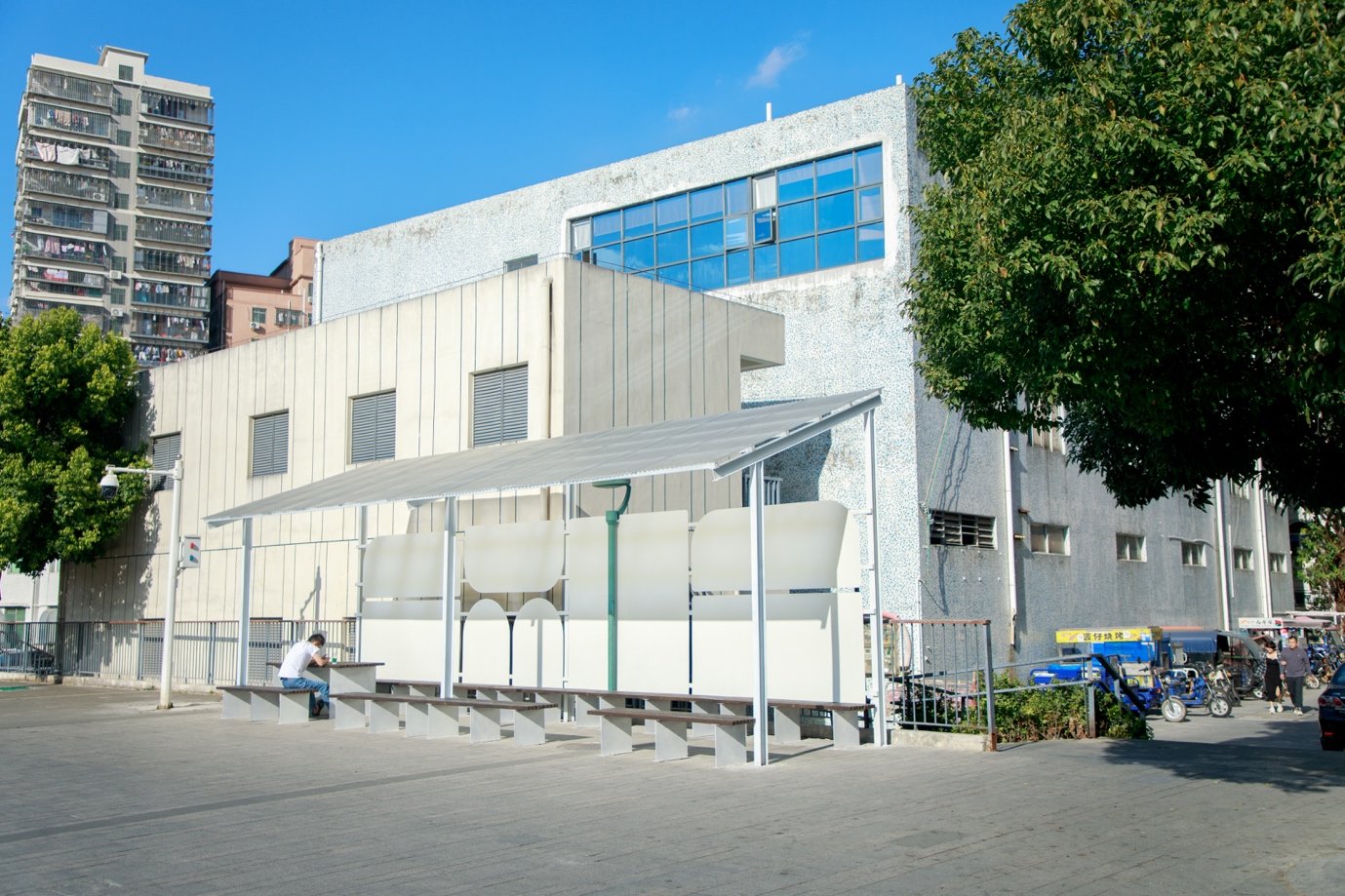
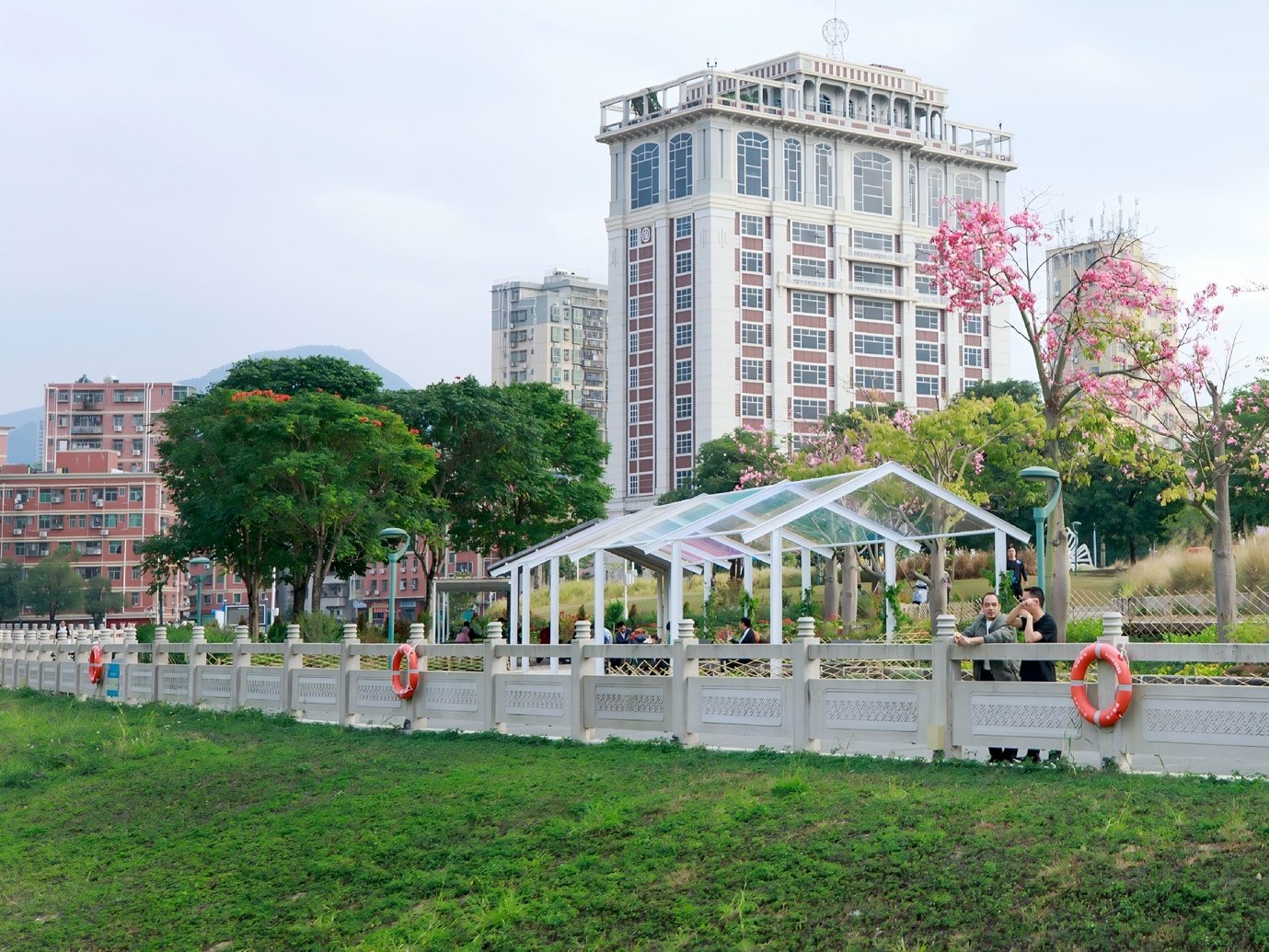
NbS微更新:首个节点为浪心社区石岩河街心公园。项目保留既有空间骨架,借鉴客家“三间两廊”原型建设纳凉亭和爬藤长廊,利用回收旧瓦和建筑余料制作构筑物及透水铺装;通过土壤改良和本土、蜜源及宿主植物配置构建多层生境;设置旱溪,引导径流减速、过滤和下渗。第二个节点位于长排社区幼儿园门前,通过候学棚、座椅和儿童参与过程墙面展示,解决接送时遮阳避雨不足的问题,并将气候教育融入日常等候场景。
社区赋能与长效运营:2026年起,项目在两个社区分别组建韧性居民小组。浪心社区成立花园管养小组,通过生态和园艺课程培养志愿骨干,常态化开展入侵植物清除、植物修剪及场地安全卫生维护;长排社区在老年活动中心屋顶建设社区农场,通过绿植覆盖改善屋面热环境,收获的蔬菜用于社区共享。两个小组还开展社区韧性历史导赏、志愿维护和专项培训。项目同步形成低干预养护手册,并通过标识、儿童墙绘、植物及雨水过程展示开展日常自然教育,推动项目建设走向常态化社区共治。
项目评估:项目开展《石岩街道试点社区气候韧性水平全过程评估》,从脆弱性和防灾能力两个维度构建指标体系,对创建前、中、后三个阶段进行跟踪,分析社区气候韧性的动态变化,量化评价试点建设成效,为经验推广和行动指南制定提供数据支持。
Project Outcome
Spatial function shifts from "passing through" to "staying":
Before the renovation, Shiyanhe Street Central Park was exposed to intense summer sun, lacked shade during the rainy season, and was prone to water accumulation; additionally, there was no shade or shelter, nor any waiting facilities, in front of the kindergarten. Following the renovation, the park has been transformed into a composite space featuring a cooling pavilion, a climbing gallery, seating areas, a habitat garden, and a rainwater drainage channel. A waiting shelter and seating areas have been added in front of the kindergarten, providing parents with a more comfortable and safe place to wait and offering children a brief space to linger.
Eco-engineering shifts from standalone greening approaches to NbS systems:
Building upon the existing spatial framework, the project creates multi-layered habitats for trees, shrubs, and grasses using local, nectar-rich, and host plants, thereby providing food sources and suitable habitats for pollinating insects, birds, and small animals; dry streams, sunken planting areas, and permeable paving systems establish pathways for rainwater slowing, filtration, and infiltration; the reuse of recycled roofing tiles and construction waste integrates low-carbon principles into the visible spatial composition of the site.
Public participation has evolved from mere consultation to continuous co-creation:
Early-stage behavioral observation, interviews with over 100 residents, multiple community forums, the participation of 22 children and adolescents, and more than 80 suggestions collectively shaped the spatial design. The "Chasing the Wind Initiative" further empowered residents to act as observers and recorders of climate-related risks. Through plant-based educational displays, rainwater harvesting systems, children's mural projects, and habitat-friendly facilities, the developed spaces were transformed into a "climate classroom without walls." Additionally, both communities established Resilience Resident Groups to engage in garden maintenance, rooftop farming initiatives, community guided tours, and volunteer training programs, thereby extending spatial development efforts toward community-led co-management.
Monitoring and evaluation have yielded phased outcomes.
The project has completed a baseline assessment of climate resilience levels prior to the establishment of the pilot community, conducted a systematic analysis of the initial resilience status within the pilot area, and, during the pre-test phase, developed an integrated, end-to-end assessment methodology centered on vulnerability and disaster resilience. This has led to the creation of a practical implementation pathway comprising "risk assessment – field observation – community consultation – NbS micro-renovation – scenario-based public outreach – self-organized maintenance and management – follow-up evaluation," thereby providing methodological and data-driven support for the continuous optimization of the pilot initiative and its future large-scale deployment.
English translation: AI-assisted(AI翻译)
成果亮点
空间功能由“经过”转向“停留”:改造前,石岩河街心公园夏季暴晒、雨季缺少遮蔽且容易积水,幼儿园门前缺少遮阳避雨和候学设施;改造后,街心公园形成由纳凉亭、爬藤长廊、休憩座椅、生境花园和雨水旱溪组成的复合空间,幼儿园门前增设候学棚和座椅,为家长和儿童提供了更加舒适、安全的停留空间。
项目整改包括3项亮点。一是生态营造由单一绿化转向NbS系统。在保留既有空间骨架的基础上,以本土、蜜源和宿主植物构建乔灌草多层生境,为传粉昆虫、鸟类及小型动物提供食源和栖息条件;旱溪、下凹种植和透水铺装形成雨水减速、过滤、下渗路径;回收旧瓦和建筑余料再利用,使低碳理念成为可见的空间组成。二是公众参与由征求意见转向持续共创。前期行为观察、百余人访谈、多场居民议事、22名儿童青少年参与等共同影响了空间改造方案。“追风行动”进一步让居民成为气候风险的观察者和记录者;植物解说、雨水路径、儿童墙绘和生境设施又将建成空间转化为“无围墙的气候课堂”;成立韧性居民小组,开展花园管养、屋顶农场、社区导赏和志愿培训,推动空间建设向社区共管延伸。三是监测评估形成阶段性成果。项目已完成试点社区创建前的气候韧性水平基线评估,系统分析试点片区的初始韧性状况,并在前测过程中初步建立以脆弱性和防灾能力为核心的全过程评估方法,形成“风险评估—使用观察—居民议事—NbS微更新—场景化科普—自组织管养—跟踪评估”的实践路径,为试点持续优化及规模化推广提供方法和数据支持。
Project Highlights
As of August 2026, the project's scope covers approximately 1.1 km of the Shiyan River section within the Changpai and Langxin communities, as well as two demonstration sites. From an ecological perspective, A total of 25 animal species were recorded, including 25 bird species, 1 amphibianreptile species, and 16 insect species (15 pollinator species); Solidroof pergolas reduce the Universal Thermal Climate Index (UTCI) by approximately 4.7 °C.; by August 2026, insect species had been observed and recorded. The implementation of rainwater harvesting systems, sunken planting areas, permeable paving, and the use of recycled materials has further enhanced spatial shading, habitat creation, and local rainwater management capabilities. From a social perspective, preliminary surveys covered 53 households and 44 representatives from community organizations, reaching a total of over 100 individuals; 22 children and adolescents participated in co-creation activities, generating more than 80 suggestions. Since June 2026, the Community Resilience Group initiative has been continuously underway; one rooftop farm has been established, and two core resilience groups, each comprising approximately 20 members, have been formed across the two communities; as of August, ecological gardening, garden maintenance, community guided tours, and co-creation activities have served approximately 300 participants.
成果影响力
截至2026年8月,项目统计范围为长排、浪心两社区约1.1公里石岩河段及两个示范节点。生态方面,共发现动物25种,其中鸟类25种,两爬1种,昆虫16种(传粉昆虫15种);实体屋面凉棚将通用热气候指数(Universal Thermal Climate Index, UTCI)降低约 4.7 °C。雨水旱溪、下凹种植、透水铺装及再生材料利用,进一步改善了空间遮阴、生境营造和雨水就地消纳条件。社会方面,前期调查覆盖53户居民家庭和44名社区组织代表,累计触达100余人,22名儿童青少年参与共创,形成80余条建议。自2026年6月起持续开展社区韧性小组行动,已建成屋顶农场1处,两个社区分别形成约20人的核心韧性小组;截至8月,生态园艺、花园管养、社区导赏及共建活动累计服务约300人次。
Reviews & Honors
Selected for the "Guangdong–Hong Kong–Macao Greater Bay Area Climate Action Micro-Funding Program," a joint initiative launched by the Guangdong Qianhe Community Public Welfare Foundation and the Guangdong Zhushui Yunshan Nature Conservation Foundation.
评价与荣誉
入选由广东省千禾社区公益基金会与广东省珠水云山自然保护基金会共同发起的「粤港澳大湾区气候行动小额资助」项目。
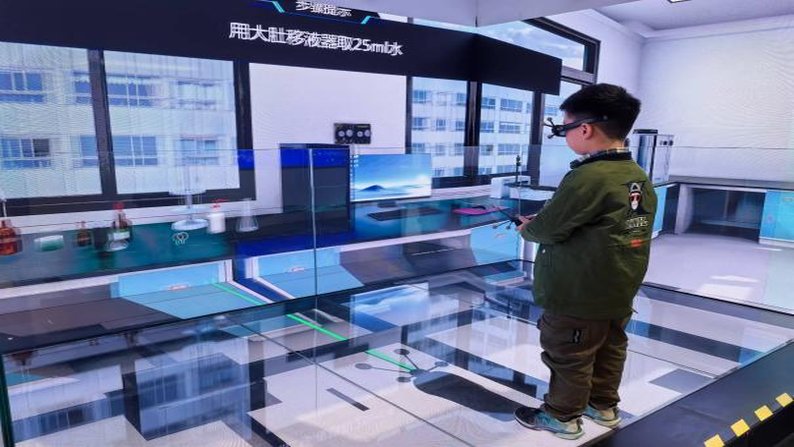
不择知行细流,蕴蓄蓝绿成深:雄安新区生态环境共享中心科普宣传空间营造雄安新区生态环境共享中心VR虚拟实验室(数字化仿真替代实体化学实验,实现科普零危废、低能耗)
17小时前 · 来源:雄安新区生态环境监控中心 · 作者:雄安新区生态环境监控中心
全场景空间协同赋能传统化工企业绿色低碳转型实践
17小时前 · 来源:天津渤化化工发展有限公司 · 作者:天津渤化化工发展有限公司
万物新生(爱回收)集团:企业空间低碳运营与“AI+循环经济”全链条创新实践
17小时前 · 来源:上海万物新生信息技术集团有限公司 · 作者:上海万物新生信息技术集团有限公司
