

Company/Organization Profile
Dezhou Urban Landscape Planning and Design Research Institute was founded in February 2012. Affiliated to Dezhou Urban Administration Bureau, it is a publicwelfare CategoryI public institution at the sectionchief level. Its main responsibilities are as follows: (1) To put forward construction proposals for compiling the urban green space system plan, urban road greening and public green space plan, as well as the urban landscaping science and technology development plan. (2) To organize and carry out scientific research on urban landscaping within the urban district. (3) To complete other tasks assigned by Dezhou Urban Administration Bureau.
Since its establishment, the institute has completed a total of 52 design projects. Its research reports have won 7 provincial and municipal honors. It has undertaken 19 scientific research subjects, among which 5 have passed achievement appraisal.
机构简介
德州市城市园林规划设计研究院成立于2012年2月,隶属德州市城市管理局,为正科级公益一类事业单位。主要职责包括:(一)负责提出编制城市绿地系统规划、城市道路绿化及公共绿地规划、市区园林绿化科技发展规划的建设方案。(二)负责组织开展市区园林绿化科研攻关等工作。(三)完成市城管局交办的其他任务。建院以来,累计完成设计项目52项;调研报告获省市级荣誉7项;科研课题19项,其中5项通过成果鉴定。

Project Overview
In recent years, Dezhou has accelerated the development of urban parks and steadily elevated the quality of urban ecological landscapes. However, the city still faces notable deficiencies in public service provision. Prioritizing landscape aesthetics over science education, Dezhou’s outdoor popular science facilities are currently scattered and fragmented, with no systematic, regular or professional landscape science popularization bases in place. This fails to effectively meet the public’s, especially young people’s, needs to connect with, understand and conserve nature.
Upholding a people-centered development philosophy, Dezhou Urban Landscape Planning and Design Research Institute leverages its professional and technical expertise to address public needs and solve practical problems. Taking Yuehu Park as a pilot project, the institute has created the city’s first specialized landscape science popularization and study tour route. This initiative fills the local gap in landscape science education, remedies the insufficient supply of outdoor popular science services, and drives the transformation of urban parks from pure sightseeing venues to multi-functional spaces integrating ecological science popularization, cultural education and public livelihood services. It fully embodies the governance principle that cities are built by the people and for the people.
项目背景
近年来,德州市城市公园建设快速推进,生态景观品质持续提升,但在公共服务供给上仍存在明显短板:重景观打造、轻科普教育,户外科普载体零散化、碎片化,缺乏系统化、常态化、专业化的园林科普阵地,广大市民特别是青少年群体“亲近自然、认识自然、保护自然”的需求难以得到有效满足。
德州市城市园林规划设计研究院坚持以人民为中心的发展思想,立足自身专业技术优势,聚焦群众急难愁盼,以月湖公园为试点,创新打造全市首条园林科普研学路线,填补德州园林科普空白,破解户外科普教育供给不足难题,推动城市公园从“单一观光型”向“生态科普型、文化教育型、民生服务型”转型,以实际行动践行“人民城市人民建、人民城市为人民”理念。
Project Implementation
I. Key Implementation Nodes, Participating Entities and Resource Allocation
1.Key Nodes: Partybuildingled overall deployment → Field research and public opinion collection → Formulation of the overall plan for popularscience study tours → Site survey and route layout → Construction and installation of popularscience facilities → Development of the popularscience knowledge system → Recruitment and training of service teams → Optimization through trial operation → Official launch of regular studytour services.
2.Participating Entities: Dezhou Urban Landscape Planning and Design Research Institute serves as the implementing entity. The special working group of the institute oversees overall progress. Professional technical staff in landscape architecture, botany and ecology are responsible for content development and onsite lectures. University teachers and students as well as social volunteers provide popularscience services. General citizens, teenagers and parentchild families are the target service recipients.
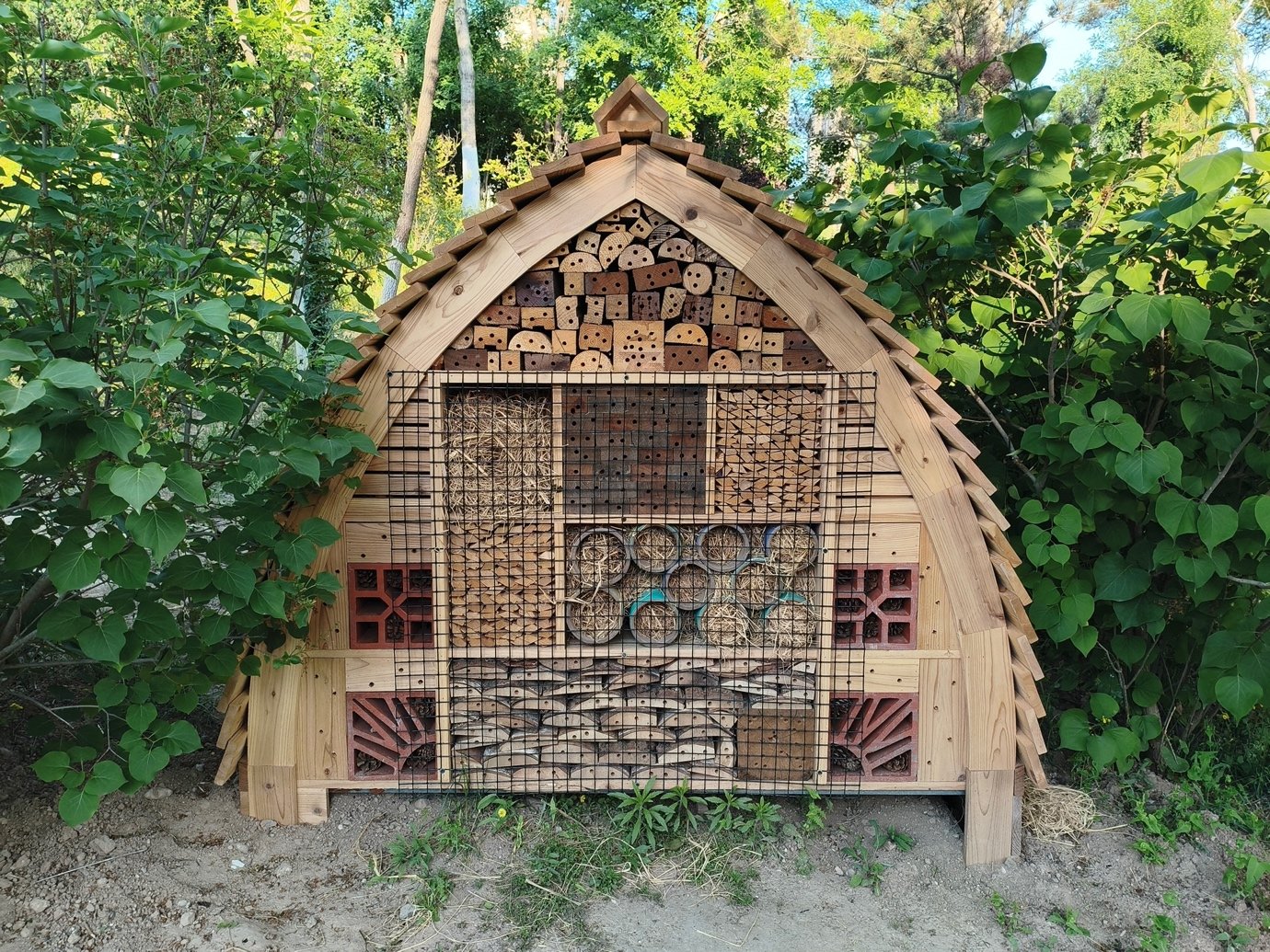
3.Resource Allocation: Inhouse professional and technical resources for planningdesign and landscape scientific research are coordinated. Materials are invested to build an insect hotel and 126 plant sciencepopularization signs, and multiple natureexperience sites are constructed. Supporting guarantees including personnel training, content development and facility operation & maintenance are provided to form an integrated popularscience resource system covering hardware, knowledge content and human resources.
II. Problems Encountered and Countermeasures
1. Inaccurate understanding of public demands; risk of project disconnection from reallife public needs
Problem: Deviations exist between popularscience content / route design and actual public demands, resulting in impractical popularscience products.
Measures Adopted: Uphold highlevel overall planning under Partybuilding guidance, establish a researchandanalysis mechanism, collect public opinions via multiple channels, and orient project development toward public needs.
Implementing Parties: The institute’s special working group, led by principal leading officials of the institute.
Implementation Approach: Incorporate popularscience study tours into the institute’s key work, refine task lists and strengthen supervision. Conduct field investigations, seminars and publicopinion collection to accurately identify citizens’ popularscience demands, ensure project alignment with public interests, and steer popularscience initiatives under Partybuilding leadership.
2. Fragmented popularscience work lacking systematic planning and unified standards
Problem: Scattered popularscience sites, disjointed knowledge frameworks, and absence of unified norms for signage, interpretation and facility management.
Measures Adopted: Carry out professional systematic planning, compile special planning documents, and complete fullchain design covering routes, content and standards. Implementing Parties: The institute’s professional team for landscape research, planningdesign and plant ecology.
Implementation Approach: Formulate the Overall Plan for PopularScience Study Tours at Yuehu Park. Connect more than 20 featured popularscience sites to form a complete studytour route. Integrate multidisciplinary knowledge to build an ageadapted, progressive popularscience content library for all age groups. Establish standards for popularscience signage, interpretation services, facility maintenance and safety management to realize standardized operation of popularscience work.
3. Weak popularscience hardware; shortage of landmark popularscience sites and carriers
Problem: Insufficient parkbased popularscience facilities and lack of intuitive natureeducation venues.
Measures Adopted: Upgrade hardware facilities, construct landmark popularscience installations, improve plantscience signage, and develop diversified featured experience sites.
Implementing Parties: The institute’s project implementation working group.
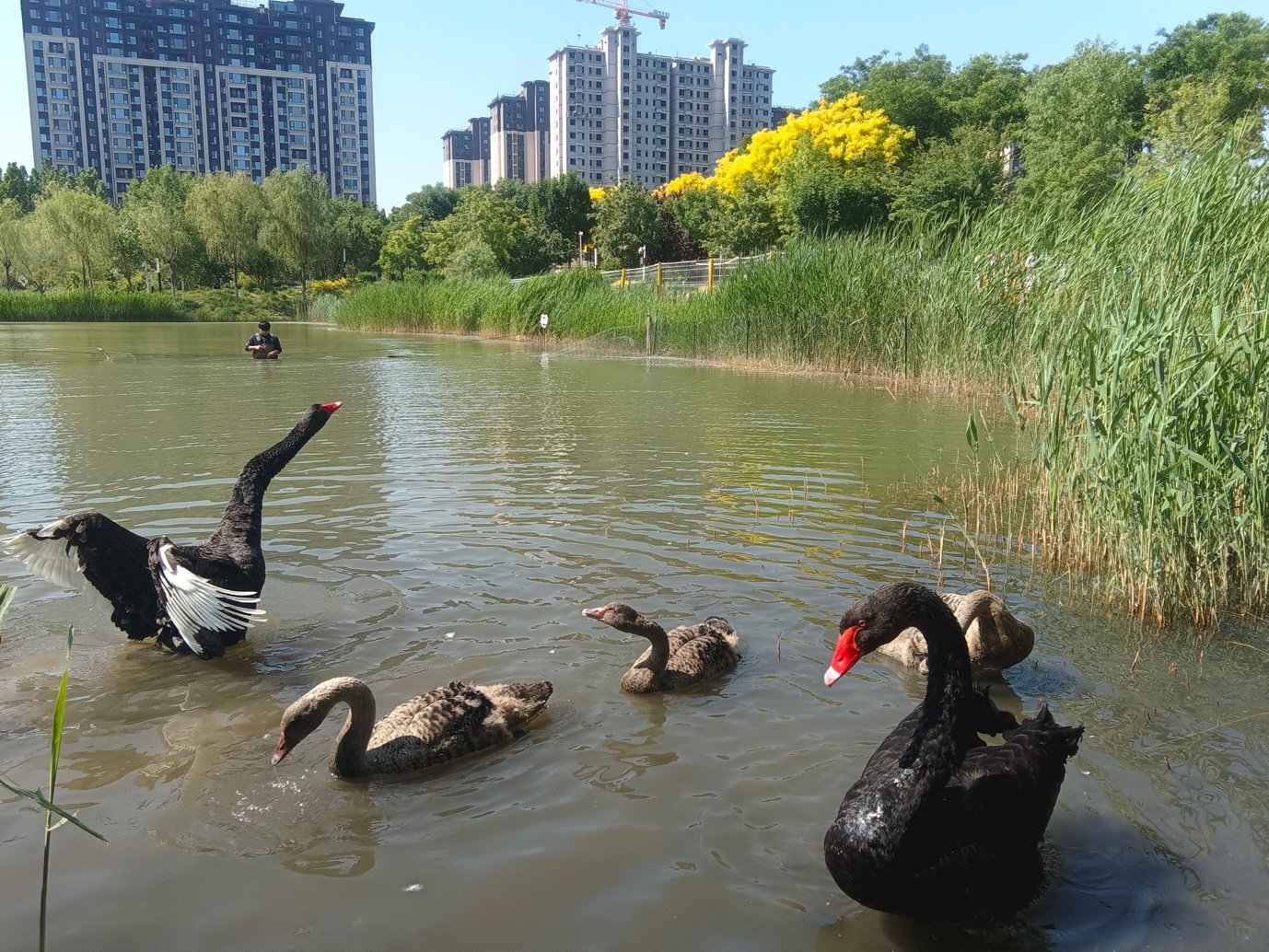
Implementation Approach: Guided by the goal of “easytounderstand, learnable and applicable”, build the city’s first largescale insect hotel. Uniformly design and install 126 plantscience signs with information on over 50 plant species in the park. Develop experience zones including the blackswan interaction area, butterfly feature wall and plant observation area, creating an “openair nature classroom without walls”.
4. Monotonous popularscience forms dominated by oneway indoctrination with limited appeal
Problem: Conventional popularscience relies heavily on didactic lectures with insufficient interactive experience, failing to resonate well with audiences.
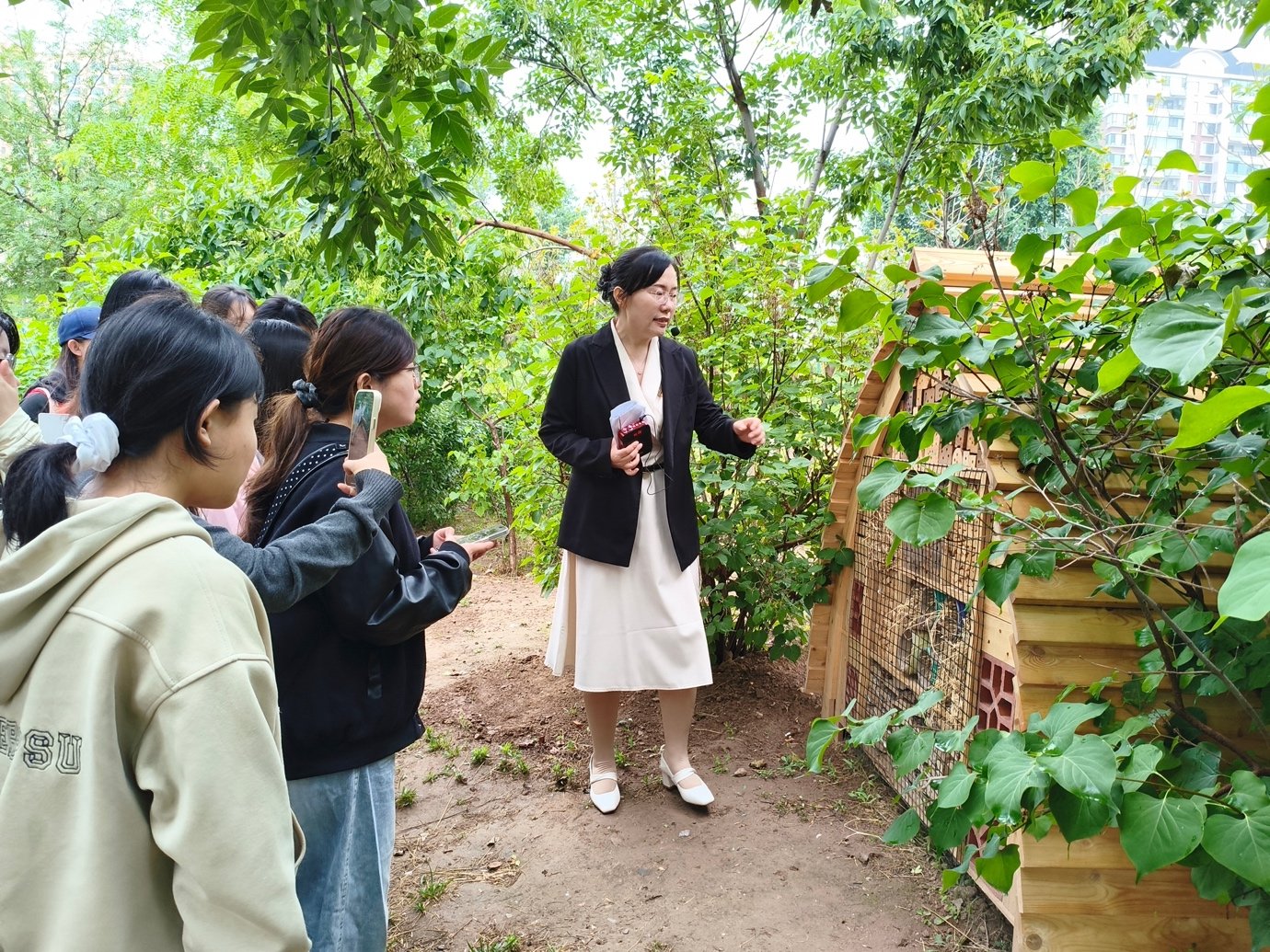
Measures Adopted: Innovate popularscience communication modes, develop immersive miniclasses and fun interactive activities, and enhance scenariobased experience. Implementing Parties: Lead popularscience lecturers and volunteer service teams. Implementation Approach: Shift away from oneway lecturing and adopt onsite immersive miniclasses combining walking and learning. Organize handson activities such as plant identification, nature crafts and specimenmaking for teenagers and parentchild families. Bring people closer to nature, animals, plants and local culture, translating theoretical popularscience knowledge into realworld experience.
5. Lack of stable popularscience service teams and sound longterm operation mechanisms
Problem: No fulltime popularscience team; uneven professional competence among staff; absence of closedloop management systems for operation, safety and content updates, hindering sustainable service delivery.
Measures Adopted: Form a professional popularscience team, deliver systematic training, and establish fullprocess longterm management systems.
Implementing Parties: The institute’s special working group, professional technical staff, university students, teachers and social volunteers.
Implementation Approach: Set up the city’s first regular professional park popularscience service team. Assign professional technical staff as lead lecturers to guarantee authoritative content. Recruit university teachers, students and social volunteers to expand service capacity. Conduct regular training covering service etiquette, professional knowledge, interpretation skills and safety emergency response. Put in place mechanisms for content updating, facility maintenance, service evaluation and emergency response to sustain stable and longterm popularscience services.
项目实施
一、实施关键节点、参与主体、资源配置
1.关键节点:党建统筹部署→实地调研民意征集→编制科普研学整体规划→点位踏勘与路线布局→科普设施建设安装→科普内容体系搭建→服务团队组建培训→试运营打磨优化→常态化研学开放运行。
2.参与主体:德州市城市园林规划设计研究院为实施主体;院工作专班统筹推进;园林、植物、生态专业技术骨干负责内容研发与主讲;高校师生、社会志愿者参与科普服务;广大市民、青少年及亲子家庭为服务对象。
3.资源配置:统筹院内规划设计、园林科研专业技术资源;投入物料建设昆虫旅馆、126 块植物科普标识牌,打造多类自然体验场景;配套开展人员培训、内容研发、设施运维相关保障,构建硬件、内容、人员一体化科普资源。
二、实施问题及处置
1.民意把握不准,科普项目易脱离群众实际需求
针对问题:科普内容、路线设计与市民真实需求存在偏差,科普产品不接地气。
采取措施:坚持党建引领高位统筹,建立调研研判机制,多渠道收集民意,锚定民生需求确定项目方向。
由谁实施:院工作专班,院主要负责同志牵头。
如何推进:将科普研学纳入院重点工作,细化任务清单、强化督导;通过实地调研、座谈交流、民意征集,精准研判市民科普诉求,确保项目贴合民生,以党建引领科普方向。
2.科普工作碎片化,缺乏系统规划与统一标准
针对问题:科普点位零散,知识不成体系,标识、讲解、管护无统一规范。
采取措施:开展专业系统规划,编制专项规划文件,完成路线、内容、标准全链条设计。
由谁实施:院园林科研、规划设计、植物生态专业技术团队。
如何推进:编制《月湖公园科普研学整体规划》,串联 20 余处科普点位形成完整研学动线;整合多学科知识搭建全年龄段阶梯式科普内容库;制定科普标识、讲解服务、设施维护、安全管理标准,实现科普工作标准化运行。
3.科普硬件薄弱,缺少标志性科普场景与科普载体
针对问题:公园科普设施不足,缺少直观可感知的自然科普阵地。
采取措施:硬件提质升级,建设标志性科普设施,完善植物科普标识,打造多元特色体验场景。
由谁实施:院项目实施工作组。
如何推进:以 “看得懂、学得会、用得上” 为目标,建设全市首个大型昆虫旅馆;统一设计安装 126 块植物科普牌,标注 50 余种植物相关信息;落地黑天鹅互动区、蝴蝶景墙、植物观察区等体验空间,建成 “没有围墙的自然课堂”。
4.科普形式单一,以单向灌输为主,吸引力感染力不足
针对问题:传统科普说教感强,互动体验不足,难以让科普内容入脑入心。
采取措施:创新科普传播模式,打造沉浸式微课堂、趣味互动活动,强化场景化体验。
由谁实施:科普主讲骨干 + 志愿者服务队伍。
如何推进:改变单向宣讲模式,推行边走边学的现场微课堂;面向青少年、亲子家庭组织植物辨识、自然手工、标本制作等实践活动;拉近人与生态、文化的距离,推动科普从纸面落地现实。
5.缺少稳定科普服务队伍,长效运营保障机制不健全
针对问题:无专职科普团队,人员专业能力参差不齐,缺少运维、安全、更新闭环管理制度,难以持续开展服务。
采取措施:组建专业化科普队伍,开展系统化培训,建立全流程长效管理制度。
由谁实施:院工作专班,专业技术骨干,高校及社会志愿者。
如何推进:组建全市首支公园常态化科普服务团队;专业技术骨干担任主讲保障内容权威;吸纳高校师生、社会志愿者扩充力量;定期开展礼仪、专业知识、讲解技巧、安全应急培训;建立内容更新、设施维护、服务评价、应急处置机制,保障科普服务常态长效。
Project Outcome
1.Achieving a Breakthrough from Scratch and Filling the City’s Gap in Landscape Science Popularization The science popularization and research study route at Moon Lake Park is Dezhou’s first systematic, standardized and regular landscape science popularization research and study route. It has fundamentally addressed the problems of inadequate park science popularization, insufficient carriers and fragmented services in the city, driven a historic upgrade in the functions of urban parks, and set a new benchmark for ecological science popularization education across Dezhou.
2.Delivering Livelihood Initiatives and Markedly Boosting Residents’ Sense of Gain and Happiness. Open free of charge to the whole society, the popularization route serves all age groups including teenagers, parent-child families, elderly residents and institutional groups. It serves over 10,000 citizens annually, effectively resolving people’s livelihood pain points such as difficulties in parent-child nature education, insufficient hands-on popular science practices for teenagers, and limited channels for citizens to learn about nature. It has become a well-recognized internet-famous check-in spot, a top destination for nature education and a new highland for public livelihood services, continuously lifting residents’ satisfaction and sense of gain.
3.Polishing the Science Popularization Brand and Demonstrating the City’s Soft Power in Ecological Culture. Through landscape science popularization, ecological knowledge, environmental protection concepts and garden culture are widely disseminated. The initiative effectively raises the public’s awareness of ecological protection and literacy in green civilization, enriches the supply of urban public cultural services, showcases Dezhou’s high-quality features as an ecologically livable and culturally profound city, and injects ecological momentum and cultural vitality into the development of a modern new Dezhou.
4.Establishing a Replicable Model and Offering a Demonstration Path for Citywide . Rollout A landscape science popularization model featuring Party building leadership + professional planning + park-based implementation + public participation + long-term sustainable operation has been explored and developed. Boasting advantages of low investment, quick results, strong operability and wide coverage, this model can be directly replicated and promoted to all types of parks, squares and green spaces throughout the city. It provides a mature plan and reference framework for upgrading park services and realizing full coverage of ecological science popularization in Dezhou.
成果亮点
1.实现“零的突破”,填补全市园林科普空白 月湖公园科普研学路线是德州市首条系统化、标准化、常态化园林科普研学路线,彻底改变我市公园科普缺位、载体不足、服务零散的局面,推动城市公园功能实现历史性升级,为全市生态科普教育树立新标杆。
2.办好民生实事,显著提升群众获得感、幸福感 科普路线免费向全社会开放,覆盖青少年、亲子家庭、老年群体、单位团体等全年龄段受众,年均服务市民群众超万人次,有效解决 “亲子自然教育难、青少年科普实践少、市民认知自然渠道窄” 等民生痛点,成为市民公认的网红打卡地、自然教育首选地、民生服务新高地,群众满意度、获得感持续攀升。
3.擦亮科普品牌,彰显城市生态文化软实力 通过园林科普,广泛传播生态知识、环保理念、园林文化,有效提升全民生态保护意识、绿色文明素养,丰富城市公共文化服务供给,彰显德州生态宜居、人文厚重的城市品质,为建设现代化新德州注入生态动能与文化活力。
4.形成可复制样板,提供全域推广示范路径 探索形成 “党建引领 + 专业规划 + 公园落地 + 全民参与 + 长效运行” 的园林科普模式,具有投入少、见效快、操作性强、覆盖面广等特点,可直接复制推广至全市各类公园、广场、绿地,为德州公园服务升级、生态科普全域覆盖提供成熟方案和参考模式。
Project Highlights
1.Ecological Benefits
Dezhou’s first insect hotel has been built in the park. The population of natural enemy insects in the popular science zone has doubled, cutting annual pesticide application by 12 kilograms and recycling 0.8 tons of pruned garden branches and waste each year. A total of 126 plant science signage boards have been installed, covering more than 50 native plant species. The green space in this zone achieves an annual additional carbon sink of 3.2 tons of carbon dioxide, with irrigation water consumption reduced by 28%, equivalent to an annual saving of 450 tons of landscaping water. The biological plant protection model lowers annual maintenance costs by over 10,000 yuan.
2.Social Benefits
The popular science route is open to the public free of charge, receiving more than 3,000 visitors every year. A volunteer team of over 10 regular science popularization volunteers has been established, with more than 10 public welfare science education activities held to date, and public satisfaction exceeding 95%. A standardized operation model for landscape science popularization has been innovatively developed. The project cooperates with multiple primary and secondary schools, associations for science and technology, and communities to build natural education sites. It transforms urban parks from simple sightseeing venues into integrated spaces for ecological science education, offering a replicable demonstration template for upgrading green space services across the city.
成果影响力
1.生态效益
建成德州首个昆虫旅馆,科普区天敌昆虫数量翻倍,年均减少农药投放 12kg、消纳园林枯枝废料 0.8 吨;设置 126 块植物科普标识,覆盖 50 余种本土植物,片区绿地年新增碳汇 3.2 吨,灌溉节水 28%,年节约绿化用水 450 吨,生物植保模式每年降低管护成本超万元。
2.社会效益
科普路线免费对外开放,年均服务市民 3000 余人次,稳定组建科普志愿队伍 10 余人,已开展公益科普活动 10 余场,群众满意度超 95%。创新形成标准化园林科普运营模式,联动多所中小学、科协、社区共建自然教育点位,推动公园从单一观光转向生态科普复合阵地,为全市绿地服务升级提供可复制示范样板。
Reviews & Honors
1. Multiple Evaluation Feedback
User Evaluation: The study tour route is open to the public free of charge, serving more than 3,000 citizens every year, with a follow-up visitor satisfaction rate exceeding 95%. Participating parent-child families and students commented that the popular science content is easy to understand and interesting. On-site venues such as insect hotels and plant signs are suitable for nature practice, and most citizen messages collected daily are positive.
Internal Evaluation: The special working group of the institute confirmed through phased assessment that the project has built a long-term operation model for landscape science popularization, promoted the functional transformation and upgrading of parks, and effectively solved the problem of insufficient channels for citizens to receive nature education.
Professional Opinions: Professionals engaged in landscape technology and ecology stated after on-site surveys that the project balances biological maintenance and science communication. Low-carbon practices including waste recycling and biological pest control conform to the orientation of urban ecological construction, and the complete model features low implementation thresholds and high replicability.
2. Media and Industry Recognition
Media Coverage: The achievements of the project have been reported more than 10 times by multiple municipal-level media, with reports focusing on landscape science popularization and public-benefit services for residents.
Industry Recognition: The site has become a spot for landscape practitioners across the city to conduct on-site observation and learning. Local primary and secondary schools as well as communities take the initiative to cooperate and organize study tour activities here.
评价与荣誉
多元评价反馈
用户评价:研学路线免费对外开放,年均服务市民 3000 余人次,回访群众满意度超 95%。参与的亲子、学生反馈科普内容易懂有趣,昆虫旅馆、植物标识等实景点位适合自然实践,日常收集的市民留言以正面好评为主。
内部评价:院内工作专班阶段性评估认定,项目构建起长效园林科普运行模式,推动公园功能转型升级,有效解决市民自然教育渠道不足的问题。
专业意见:园林技术、生态相关专业人员实地踏勘后表示,项目兼顾生物养护与科普宣传,废弃物循环、生物防虫等低碳做法契合城市生态建设方向,整套模式落地门槛低、可复制。
媒体与行业认可
媒体报道:项目相关成效累计被市级多家媒体报道 10 余次,围绕园林科普、惠民服务进行宣传刊发。
行业认可:成为市内园林同行实地观摩学习点位,本地中小学、社区主动联动开展研学活动。

近零碳社区的美育升级---- 长寿苑社区 “低碳实践 + 影像科普” 共建项目
4天前 · 来源:成都市武侯区火车南站街道长寿苑社区居民委员会 · 作者:成都市武侯区火车南站街道长寿苑社区居民委员会

以绿色金融之力推动中国新质生产力!
4天前 · 来源:国泰海通证券研究所ESG及美丽中国研究组 · 作者:国泰海通证券研究所ESG及美丽中国研究组
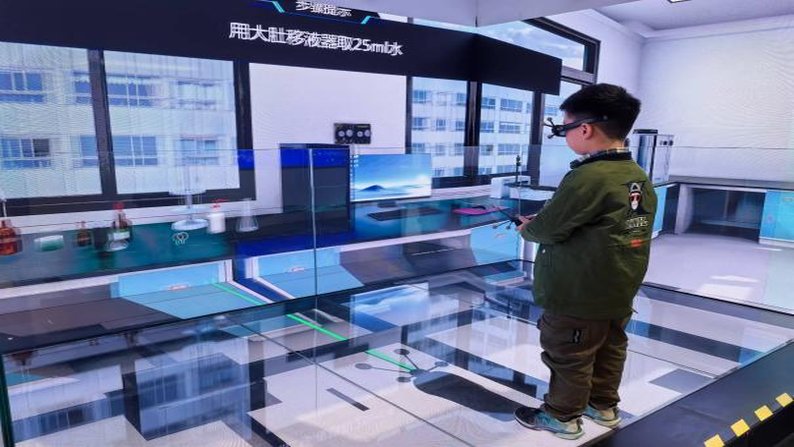
不择知行细流,蕴蓄蓝绿成深:雄安新区生态环境共享中心科普宣传空间营造雄安新区生态环境共享中心VR虚拟实验室(数字化仿真替代实体化学实验,实现科普零危废、低能耗)
6天前 · 来源:雄安新区生态环境监控中心 · 作者:雄安新区生态环境监控中心
