


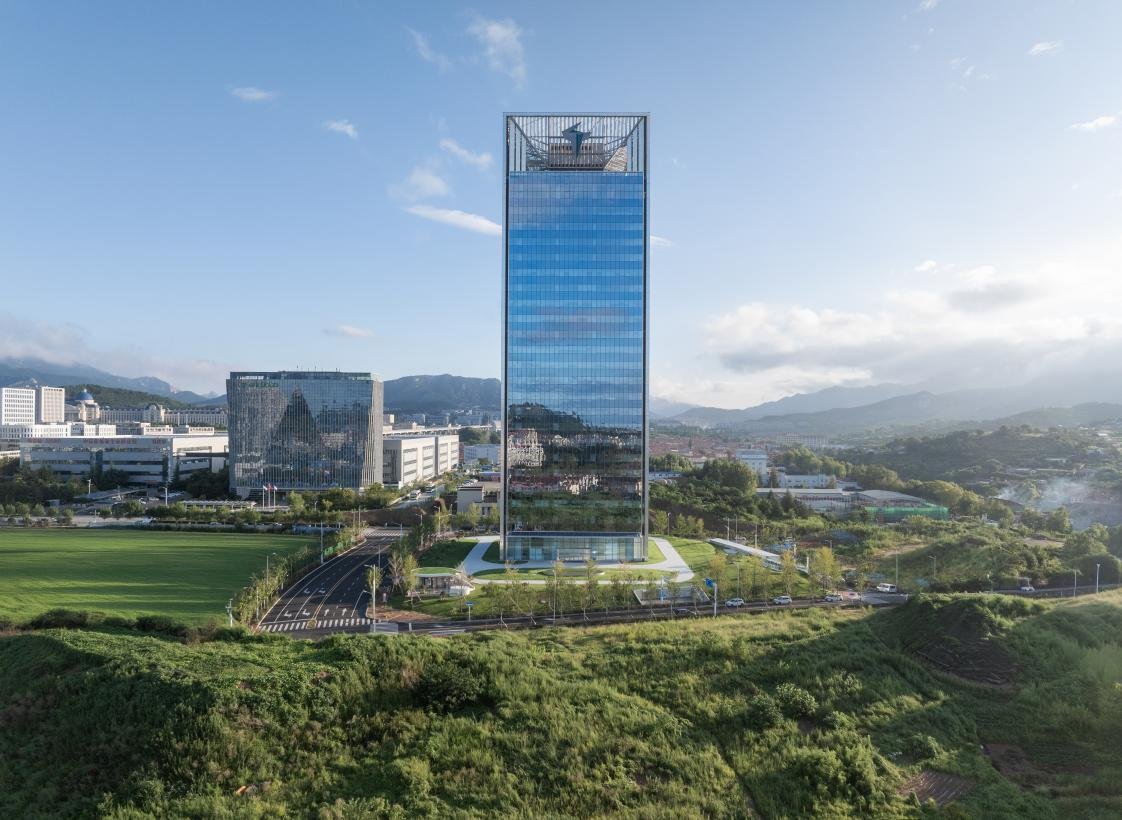
Company/Organization Profile
TIDE ENERGY is the holding subsidiary of TGOOD (the 1st company listed on the China Growth Enterprise Market, Stock code: 300001), and it is a new infrastructure unicorn enterprise.
Founded in 2014, TIDE ENERGY took the lead in entering the field of EV charging, with a cumulative investment of 11 billion in 9 years and 2 billion in R&D, TELD is committed to becoming the strongest and largest charging network operator in China.
Leveraging its corporate headquarters, exhibition halls, and employee parking and commuting facilities, TIDE ENERGY has implemented low-carbon technologies including clean energy substitution, echelon-use battery energy storage, and V2G (Vehicle-to-Grid) interactive charging. It has developed green service products such as zero-carbon buildings and virtual power plants.
Internally, the company promotes green commuting and low-carbon office practices. Its brand exhibition hall and official website feature regular displays of zero-carbon initiatives. With its self-owned ultra-step zero-carbon headquarters building serving as a benchmark, TIDE ENERGY has established a systematic green action framework for corporate spatial low-carbon practices.
机构简介
特来电是中国创业板第一股特锐德(300001)控股公司,是全球独角兽、新能源企业500强,致力于成为中国最强最大的数字化充电网生态运营商,累计投建充电终端超95万个,累计充电量超704亿度;注册用户5680万。
公司依托自有总部办公、展厅、职工停车通勤等载体,落地清洁能源替代、梯次储能、V2G 车网互动等低碳技术,打造零碳建筑、虚拟电厂等绿色服务产品;对内推行绿色通勤、低碳办公,在品牌展厅、官网常态化展示零碳实践,以自有总部超阶零碳大楼作为企业空间低碳标杆落地系统性绿色行动。

Project Overview
Current Situation: Traditional high-rise office buildings are typical energy-intensive consumers, heavily reliant on the power grid, with high energy consumption and significant carbon emissions, while lacking systematic energy management capabilities.
New energy vehicles serve merely as means of transportation, failing to realize their potential as distributed energy storage units. This project encompasses a building area of 43,000 square meters with an average daily baseline electricity consumption of 6,000 kWh. Under the conventional office building model, annual carbon emissions exceed 2,500 tons, accompanied by high integrated energy costs.
Root Cause Analysis: Conventional buildings operate on a single energy system, lacking building-integrated photovoltaics, distributed energy storage, and vehicle-building bidirectional interactive coordination mechanisms. There is an absence of a comprehensive digital sensing and control system, resulting in the disconnection of people, buildings, vehicles, and energy. The integration of echelon-use batteries with building energy supply remains unexplored, and green operations lack a sustainable business model.
Improvement Objectives: Establish the world's first "ultra-step zero-carbon" corporate office space, achieving 100% green electricity self-sufficiency and annual net-zero carbon emissions. Open up three major green energy supply channels: photovoltaic curtain walls, echelon-use energy storage, and V2G (Vehicle-to-Building) discharge. Build a digital intelligent building management system to reduce integrated energy costs by 30%. Establish a long-term mechanism for the cascaded recycling of power batteries, creating a replicable and scalable low-carbon paradigm for corporate green spaces.
项目背景
问题现状:传统高层办公楼是典型的能源消耗大户,能源高度依赖电网,建筑能耗高、碳排放量大,缺乏系统性能源管理能力。新能源汽车仅作为交通工具,未能发挥其分布式储能单元潜力。本项目空间建筑面积4.3万㎡,日均基础用电6000度,传统写字楼模式下年碳排放超2500吨,综合用能成本高。
原因分析:传统楼宇能源系统单一,无建筑一体化光伏、分布式储能、车楼双向互动协同机制;缺乏全域数字化感知调控体系,人、建筑、车辆、能源割裂;动力电池梯次利用与建筑供能场景未打通,绿色运营缺少长效商业模式。
改进目标:打造全球首座“超阶零碳”企业办公空间,实现100%绿电自给、年度净零碳排放;打通光伏幕墙、梯次储能、V2G 车楼放电三大绿能供给通道;构建数字化智慧楼宇运营体系,降低综合用能成本30%;建立动力电池梯次循环利用长效机制,形成可复制、可推广的企业绿色空间低碳范式。
Project Implementation
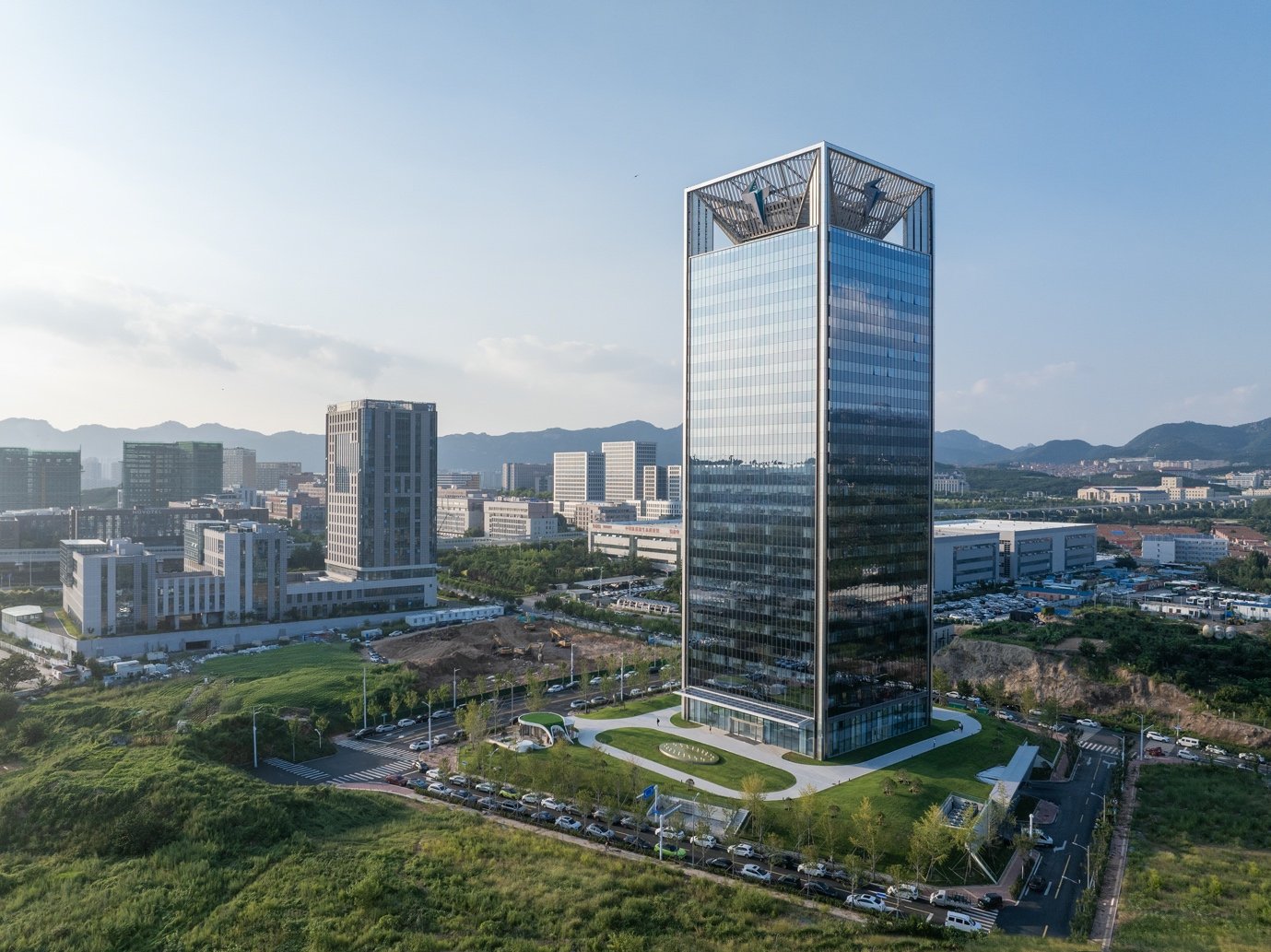
Construction of this project commenced in May 2023, was completed in March 2025, and officially put into operation on August 24, 2025. Covering an area of 14.33 mu (approx. 9,553 sqm) with a building height of 117 meters, the project was collaboratively advanced by multiple departments of TIDE ENERGY New Energy Co., Ltd., integrating four core engineering systems — photovoltaic curtain walls, echelon-use energy storage, bidirectional V2G parking, and a digital IoT platform — to systematically address low-carbon pain points in office spaces.
Addressing the issue of low photovoltaic capacity and high conversion losses in conventional buildings – Implementation of cadmium telluride (CdTe) BIPV curtain wall technology
The east, west, and south facades are installed with 4,750 sqm of cadmium telluride photovoltaic glass curtain walls, with an installed capacity of 430 kWp. Unlike traditional rooftop crystalline silicon PV systems, the curtain walls supply DC power directly, eliminating AC-DC conversion losses.
Leveraging the advantage of low-light power generation, they maintain stable output even on cloudy days or under diffuse light, generating a stable 1,500 kWh of electricity daily, covering 25% of the building's electricity consumption. A supporting PV intelligent combiner and regulation system is also deployed to dynamically allocate self-consumption and surplus electricity to storage, effectively addressing PV output fluctuation challenges.
Addressing peak-valley electricity imbalances and the difficulty of recycling retired batteries – Deployment of echelon-use power battery distributed energy storage system
The building's basement is equipped with 14 echelon-use passenger vehicle power battery energy storage stations, with a total capacity of 4,000 kWh, operating on a daily charge-discharge cycle. During nighttime off-peak hours at a low electricity price of RMB 0.22/kWh, the system absorbs surplus green electricity from both the grid and PV generation, and discharges steadily during daytime office peak hours, providing 1,500 kWh of daily energy supply — covering 25% of the building's electricity consumption.
This establishes a closed loop from power battery recycling to echelon-use energy storage to building energy supply, addressing the pain point of retired battery disposal. A supporting intelligent BMS safety management platform monitors battery thermal runaway risks in real time, ensuring long-term stable operation of the energy storage system.
Addressing commuting vehicle energy underutilization and building electricity supply gaps – World's first fully automated V2G high-speed vertical parking system
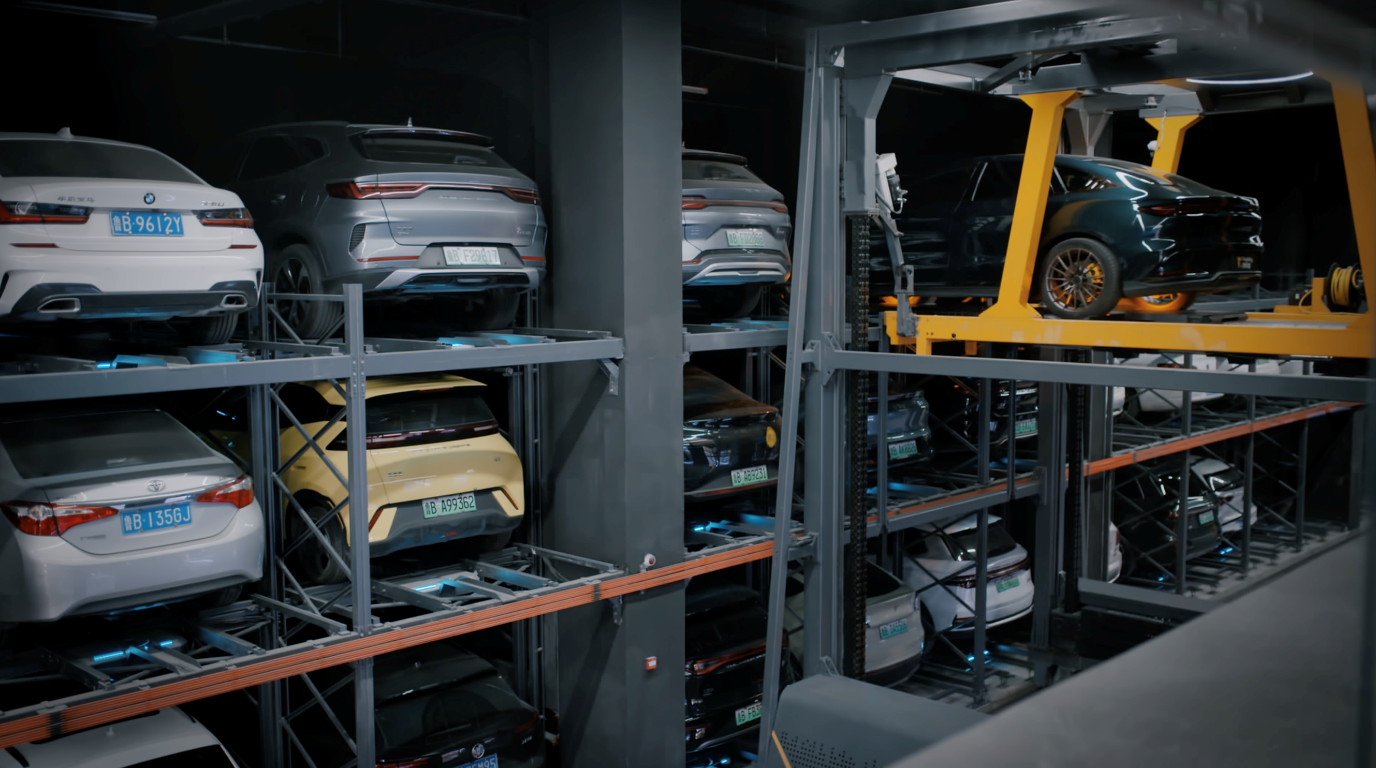
The underground garage features 500 intelligent parking spaces equipped with bidirectional charging/discharging robots, supporting automated parking and automatic connection for charging and discharging. A carbon coin platform encourages employees' low-carbon behaviors through a green commuting incentive mechanism.
The system schedules 300 employee NEVs daily for reverse power supply, with each vehicle discharging approximately 10 kWh per day, collectively providing 3,000 kWh of green electricity per day — covering 50% of the building's electricity consumption. Employees receive RMB 1.2/kWh revenue for discharging, enabling self-sufficiency in commuting electricity while generating supplementary income, and establishing a new model for bidirectional vehicle-grid energy interaction.
Addressing high energy consumption and high manual maintenance costs in buildings – Comprehensive digital smart space operational optimization
The entire building is equipped with 24,000 micro-sensing sensors, establishing a building-level virtual power plant energy and carbon management platform integrated with lighting, central air conditioning, elevators, fresh air, energy storage, and V2G systems.
Features include facial recognition for contactless elevator access, automatic shutdown of air conditioning and lighting when no occupants are detected, AI-driven dynamic adjustment of room temperature and fresh air volume, and a 7×24-hour unattended operation and maintenance mechanism replacing traditional manual inspections.
During project implementation, challenges emerged — including the adaptation of DC power from PV curtain walls to the building's power distribution system, and the complex logic of multi-source energy coordinated scheduling. The team overcame these through in-house development of a three-grid-integrated microgrid scheduling algorithm and customized DC power distribution modules.
Capital investment covered the entire chain of PV, energy storage, parking systems, and digital platforms. By leveraging in-house R&D resources, construction costs were reduced by 20%-30%, forming a long-term green space operational mechanism characterized by "independent technology R&D + internal collaboration + employee participation."
项目实施
本项目2023年5月开工,2025年3月竣工,2025年8月24日正式投运,占地14.33 亩,建筑高117米,由特来电新能源股份有限公司多部门协同推进,整合光伏幕墙、梯次储能、双V2G 泊车、数字化IoT平台四大核心工程,逐项破解办公空间低碳痛点。
针对传统楼宇光伏装机量低、转换损耗大问题——落地碲化镉光伏一体化幕墙技术
东西南三面外立面铺设4750㎡碲化镉光伏玻璃幕墙,装机430kWp,区别于传统屋顶晶硅光伏,幕墙直供直流电,省去交直流转换损耗;依托弱光发电优势,阴天、散射光稳定发电,日稳定发电1500度,占大楼25%用电。同步配套光伏智能汇流调控系统,实时分流自用、剩余电量存入储能,解决光伏出力波动难题。
针对峰谷用电失衡、退役电池资源化难问题——搭建梯次动力电池分布式储能系统
大楼地下配置14 组退役乘用车动力电池梯次储能站,总容量4000kWh,每日一充一放循环;夜间电网低谷0.22元/度吸纳富余绿电、光伏盈余电量,日间办公高峰稳定放电,日均供能1500度,覆盖25%楼宇用电,同步打通动力电池回收—梯次储能—建筑供能闭环,解决退役电池处置痛点。配套智能BMS安全管控平台,实时监测电池热失控风险,保障储能长期稳定运行。
针对通勤车辆能源闲置、楼宇用电缺口——全球首创全自动V2G极速立体泊车系统
地下车库搭载自动充放电机器人,支持车辆自动泊车、自动接驳充放电;使用碳币平台鼓励员工低碳行为,员工绿色通勤激励机制,每日调度300台员工通勤新能源车反向供电,单车日均放电10度,单日可补充3000度绿电,覆盖楼宇50%用电;员工放电可获1.2元/度收益,实现通勤用电自给增收,打通车网双向能源互动新模式。
针对楼宇能耗粗放、人工运维成本高问题——全域数字化智慧空间运营优化
全楼部署2.4万个微型感知传感器,搭建楼宇级虚拟电厂能碳管理平台,联动灯光、中央空调、电梯、新风、储能、V2G系统;人脸识别无感乘梯、人离自动关停空调照明,AI动态调节室温、新风风量;7×24小时无人值守运维机制,替代传统人工巡检。
项目落地过程中面临光伏幕墙直流电与楼宇配电适配、多源能源协同调度逻辑复杂等难题,团队通过自研三网融合微电网调度算法、定制直流配电模组完成技术攻关;资金投入覆盖光伏、储能、泊车、数字平台全链条,依托内部研发资源降低20%-30%建设成本,形成“技术自研+内部协同+员工参与”的绿色空间长效运营机制。
Project Outcome
Prior to the building's commissioning, conventional office buildings relied entirely on municipal grid power and natural gas heating. Post-commissioning, through the triple energy system of "photovoltaic power generation (25%) + echelon-use energy storage (25%) + EV discharging (50%)," the building has achieved 100% green electricity self-sufficiency. Investment costs have been reduced by 20%-30%, operational efficiency improved by 30%, and integrated energy costs reduced by approximately 30%.
The building's average daily electricity consumption is 6,000 kWh, comprising 1,500 kWh from daily PV generation, 1,500 kWh from echelon-use energy storage, and 3,000 kWh from EV discharging. Annual carbon reduction reaches approximately 2,500 tons, equivalent to the annual CO₂ absorption capacity of approximately 167,000 mature trees. The building's operational carbon reduction rate stands at ≥30%.
Innovation Highlights:
Technological Innovation: Pioneered the triple energy system of "PV generation + echelon-use energy storage + EV discharging." The project integrates ten advanced technologies including BIPV, echelon-use energy storage, V2G, and smart microgrids, not only achieving energy self-sufficiency but also possessing the capability for flexible power transmission to the grid, taking the lead in establishing a campus-level virtual power plant.
Mechanism Innovation: Established an employee "carbon account" incentive mechanism, where low-carbon behaviors such as taking stairs, finishing meals, and commuting in NEVs earn carbon coins redeemable for benefits. Green and low-carbon practices have thus shifted from "passive compliance" to "active participation."
Model Innovation: World-first deep integration of building, energy, and transportation, with all parking spaces equipped with charging/discharging facilities, enabling seamless energy interaction characterized by "charge and discharge upon parking, connect to the grid upon leaving."
Zero-carbon buildings should not be expensive showpieces but rather the standard for every building in the future. With the integration of multiple technology modules, making it genuinely replicable and scalable.
成果亮点
大楼投用前,传统办公楼完全依赖市政电网供电和天然气供暖。投用后,通过“光伏发电(25%)+梯次储能(25%)+电动汽车放电(50%)”三重能源系统,实现100%绿电自给自足。投资成本降低20%-30%,运营效率提升30%,综合用能成本节约约30%。
日均用电量6000度,其中光伏日发电1500度、梯次储能日供绿电1500度、电动汽车日放电3000度。年减碳约2500吨,相当于约16.7万棵成年树木一年吸收的二氧化碳量。建筑运行降碳率≥30%。
创新性亮点:
技术上,首创“光伏发电+梯次储能+电动汽车放电”三重能源系统。融合BIPV、梯次储能、V2G、智能微网等十项先进技术,不仅实现能源自给自足,还具备向电网柔性送电的能力,率先构建园区级虚拟电厂。
机制上,建立员工“碳账户”激励机制。爬楼、光盘、开新能源车上班等低碳行为均可赚取碳币兑换福利。绿色低碳从“被动约束”变为“主动参与”。
模式上,世界首创建筑、能源、交通深度融合,所有车位配备充放电设施,实现“停车即充放、离车即并网”的无感能源交互。
零碳建筑不该是昂贵的样板,而应是未来每一栋楼的标配。大楼融合多项技术模块后,实现”又好又便宜”,真正具备可复制、可推广价值。
Project Highlights
Environmental Benefits: The TIDE ENERGY headquarters building reduces carbon emissions by approximately 2,500 tons annually (calculation standard: based on the building's actual electricity consumption and green electricity substitution ratio; timeframe: since its commissioning in August 2025 to present; boundary: full-scope carbon emissions during the building's operational phase).
The system dispatches approximately 1,080,000 kWh of green electricity annually. Integrated energy costs are reduced by approximately 30%. Calculated on the basis of each mature tree absorbing approximately 15 kg of CO₂ per year, the TIDE ENERGY headquarters building's annual carbon reduction of 2,500 tons is equivalent to the CO₂ absorption capacity of approximately 167,000 mature trees over the course of a year.
Social Impact: The project has been selected as a 2025 Demonstration Project by the National Center for Green and Low-Carbon Building Technology Innovation. On National Low-Carbon Day 2026, the Qingdao Building Energy Conservation and Industrialization Development Center organized on-site observation visits for representatives from district (city) building energy conservation management agencies, as well as construction and building enterprises.
The Qingdao Energy Security Center, along with multiple groups of university faculty and students from Qingdao University and other institutions, as well as young scholars, have conducted site visits and study tours. The employee carbon account mechanism has effectively facilitated the transformation of green and low-carbon behaviors from "passive compliance" to "active participation," providing a replicable pathway for the low-carbon transition of corporate-owned office spaces.
成果影响力
生态环境效益: 特来电总部大楼年减碳约2500吨(核算标准:依据建筑实际用电量与绿电替代比例折算,2025年8月投用至今,边界界定:建筑运行阶段全口径碳排放)。系统年均调度绿电约108万度,综合用能成本节约约30%。如果按每棵树年均吸收15公斤二氧化碳计算,特来电总部大楼一年减少碳排放2500吨,相当于约 16.7 万棵成年树木一年吸收的二氧化碳量。
社会影响效果:项目入选国家建筑绿色低碳技术创新中心2025年度示范工程。2026年全国低碳日,青岛市建筑节能与产业化发展中心组织各区(市)建筑节能管理机构、建设及施工企业代表实地观摩。青岛市能源保障中心、青岛大学等多批次高校师生与青年学子实地参访学习。员工碳账户机制有效推动了绿色低碳行为从“被动约束”向“主动参与”转变,为企业自有办公空间低碳转型提供可复制路径。
Reviews & Honors
Evaluation Feedback: The head of the Energy Conservation and Green Energy Research Office at the China Center for Information Industry Development (CCID) remarked: "The Ultra-Step Zero-Carbon Building is not just a structure; it is a complete energy ecosystem."
The Qingdao Building Energy Conservation and Industrialization Development Center has promoted the TIDE ENERGY headquarters building as a model "Ultra-Step Zero-Carbon Building" to the entire city. Visiting enterprise representatives commented that "this green living organism transcends traditional building energy boundaries, offering a replicable 'Chinese solution' for global urban renewal."
Media & Industry Recognition: The project has been extensively covered by dozens of mainstream media outlets including People's Daily Online, Xinhua News Agency, CCTV, and Science and Technology Daily. CCTV News aired a special feature report. It was selected as a 2025 National Technology Trade Innovation Practice Case by the Ministry of Commerce; named a 2025 Green Innovation Service Demonstration Case at the China International Fair for Trade in Services (CIFTIS); included in the 2025 Typical Cases of Enterprise Digital and Green Synergistic Transformation Development; and recognized as a "2025 Major Breakthrough in Qingdao Green Building."
Awards & Honors: The project was selected as a 2025 Demonstration Project by the National Center for Green and Low-Carbon Building Technology Innovation (one of only 15 nationwide); listed as a Qingdao Green Factory; and recognized as a Qingdao Green Supply Chain Management Enterprise. Centered on the integration of "charging network, microgrid, and energy storage network," combined with a virtual power plant and high-speed intelligent parking system, the project stands as a pioneering demonstration that integrates green energy self-sufficiency, low-carbon operations, and efficient space utilization.
评价与荣誉
评价反馈: 中国电子信息产业发展研究院节能与绿色能源研究室负责人评价:“超阶零碳大楼不仅是一座建筑,更是一个完整的能源生态系统。”青岛市建筑节能与产业化发展中心将特来电总部大楼作为“超阶零碳建筑”典型项目向全市推广。参访企业代表评价该项目“这座绿色生命体突破传统建筑能源边界,为全球城市更新提供了可复制的“中国方案”。
媒体/行业认可: 人民网、新华社、央视、科技日报等数十家主流媒体广泛报道。央视新闻给予专题报道。入选商务部2025年度全国技术贸易创新实践案例;获评2025年中国国际服务贸易交易会绿色创新服务示范案例;入选2025年企业数字化绿色化协同转型发展典型案例;获评“2025年青岛绿色建筑领域重磅突破”。
奖项荣誉: 入选国家建筑绿色低碳技术创新中心2025年度示范工程(全国仅15席);入选青岛市绿色工厂;入选青岛市绿色供应链管理企业。项目以“充电网、微电网、储能网”三网融合为核心,结合虚拟电厂与极速智能泊车系统,成为集绿能自给、低碳运营和高效空间利用于一体的首创性示范项目。

近零碳社区的美育升级---- 长寿苑社区 “低碳实践 + 影像科普” 共建项目
4天前 · 来源:成都市武侯区火车南站街道长寿苑社区居民委员会 · 作者:成都市武侯区火车南站街道长寿苑社区居民委员会

以绿色金融之力推动中国新质生产力!
4天前 · 来源:国泰海通证券研究所ESG及美丽中国研究组 · 作者:国泰海通证券研究所ESG及美丽中国研究组
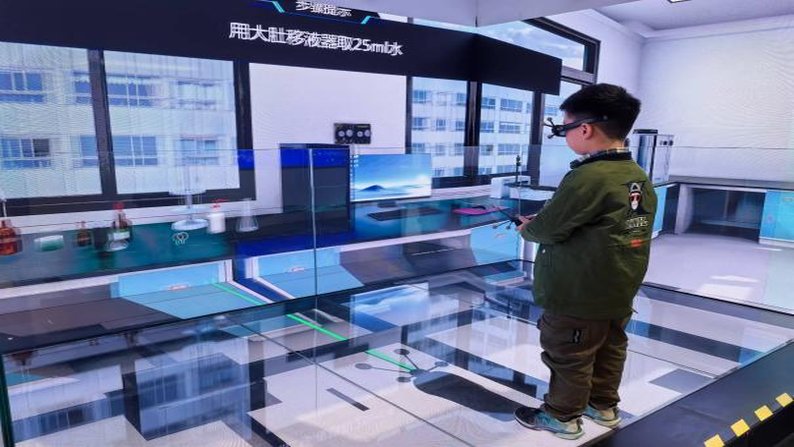
不择知行细流,蕴蓄蓝绿成深:雄安新区生态环境共享中心科普宣传空间营造雄安新区生态环境共享中心VR虚拟实验室(数字化仿真替代实体化学实验,实现科普零危废、低能耗)
6天前 · 来源:雄安新区生态环境监控中心 · 作者:雄安新区生态环境监控中心
