

机构简介
青岛你我创益社会工作服务中心成立于2010年,深耕社区低碳循环与治理融合创新,针对社区有机废弃物处置渠道单一、绿色空间价值未激活、治理主体协同不足等痛点,联动多元社会力量,通过嵌入式赋能方式,活化社区内生力量和空间资源,探索出社区为本的有机循环绿色共治路径,推动空间管理者的绿色低碳转型。
青岛万科物业服务有限公司依托万物云ESG治理体系,自2024年7月起逐步在青岛市城阳区、李沧区18个连片小区,落地以有机废弃物就地堆肥循环利用为载体的绿色空间运营模式,实现空间提质、低碳循环、治理增效多维共赢。物业蝶变为社区绿色空间建设的创新引领主体。

Project Background
The project operates across 18 contiguous residential communities in Vanke's Chengyang Town in Qingdao, covering more than 600,000 m² of green space and serving over 120,000 residents. Before implementation, the operation and maintenance of community spaces faced three major challenges.
First, the communities generated more than 200 tonnes of garden and food waste annually and relied on off-site transport and incineration, creating substantial carbon emissions and turning this waste into an environmental liability.
Second, they lacked affordable, non-disruptive, practical technologies and standardized management practices for the on-site recovery of organic waste in northern Chinese communities.
Third, they lacked a shared platform through which residents, property managers, and community organizations could see, and participate in green-space co-governance, limiting multi-stakeholder collaboration.
Rose Lane Residential Community served as the initial pilot. Resident voting helped resolve Not In My Backyard (NIMBY) concerns about waste sorting, rebuild trust among residents, the property manager, and community stakeholders, and establish a closed-loop system linking sorting, composting, and gardening so that residents could see waste become fertilizer.
In July 2024, with funding from the Vanke Foundation, the Green Transformation project began scaling across the entire Town. By combining organic-waste recovery with stronger low-carbon capabilities in property management, the project converts organic waste from an environmental liability into ecological, governance, and ESG value and establishes a replicable, sustainable model for district-wide green-space governance.
项目背景
项目落地青岛万科城阳蝶城18个连片小区,绿地60多万平方米,居民12万余人。区域社区空间运维存在三大突出痛点:一是园林、厨余等有机废弃物年产生量200余吨,长期依赖外运焚烧处置,既产生大量碳排放,也成为社区环境负资产;二是缺少适配北方社区、低成本、无扰民、可落地的有机废弃物就地资源化技术与标准化管理模式;三是绿色空间共建载体缺位,缺少居民、物业、社区多方可视、可感、可参与的共治场景,多元协同治理效能不足。
项目前期以玫瑰里小区为试点,通过居民自主投票化解垃圾分类邻避矛盾,重建社区、物业、居民三方信任,打通“分类、堆肥、花园”生态循环闭环,让居民见证“变废为肥”。2024年7月,依托万科公益基金会资助,"绿色蝶变"项目在蝶城全域启动规模化落地。以社区有机废弃物资源化利用为核心、物业低碳治理能力升级为内核,推动社区有机废弃物负资产向生态价值、治理价值、ESG价值转化,构建可复制、可持续的片区式绿色空间治理新范式。
Project Implementation
The project combines community organic-waste recovery with stronger green and low-carbon capabilities in property management to transform the collaborative governance of green spaces. It has evolved from a single pilot in Rose Lane Residential Community into a coordinated, large-scale project across 18 communities.
Key milestones: The model was introduced and piloted in 11 communities from July 2024 to June 2025. By July 2025, it had expanded to all 18 communities and entered stable, routine operation.
Stakeholder coordination: The project brings together social-work capacity building, property-management leadership, university expertise, foundation support, volunteer participation, and multi-stakeholder coordination. Qingdao You and Me Creative Social Work Service Center leads model innovation, embedded capacity building for the property manager, and stakeholder engagement. Qingdao Vanke Property Service Co., Ltd. has integrated organic-waste composting and ecological green-space maintenance into its core operations, upgrading its management model.
Qingdao Agricultural University develops locally suitable composting processes, provides full-process monitoring, and calculates carbon benefits. The Vanke Foundation provides funding and resources; municipal and district government departments, subdistrict offices, and community organizations coordinate policy support; and resident volunteers participate throughout implementation.
Embedded co-governance: The project identifies the property manager's specific green-operation challenges and embeds both affordable recovery technologies and community-mobilization methods into the property-service system, creating a governance community around shared objectives. Vanke Service has incorporated green environmental governance into its overall management targets and supplies environmental-performance data and case results in line with Onewo's ESG requirements.
Through specialist training, property-management staff are certified as composting officers. The "Composting Forest" mini-program enables real-time monitoring and quantitative assessment at each site. Standard operating procedures and the Leaf Composting Practical Toolkit are continually refined and shared openly to support the industry's green and low-carbon transition.
Technical solutions:
(1) To address the high cost of composting bins, the team developed a low-cost design that reduced the cost per set from RMB 3,000 to under RMB 100, a 96% reduction.
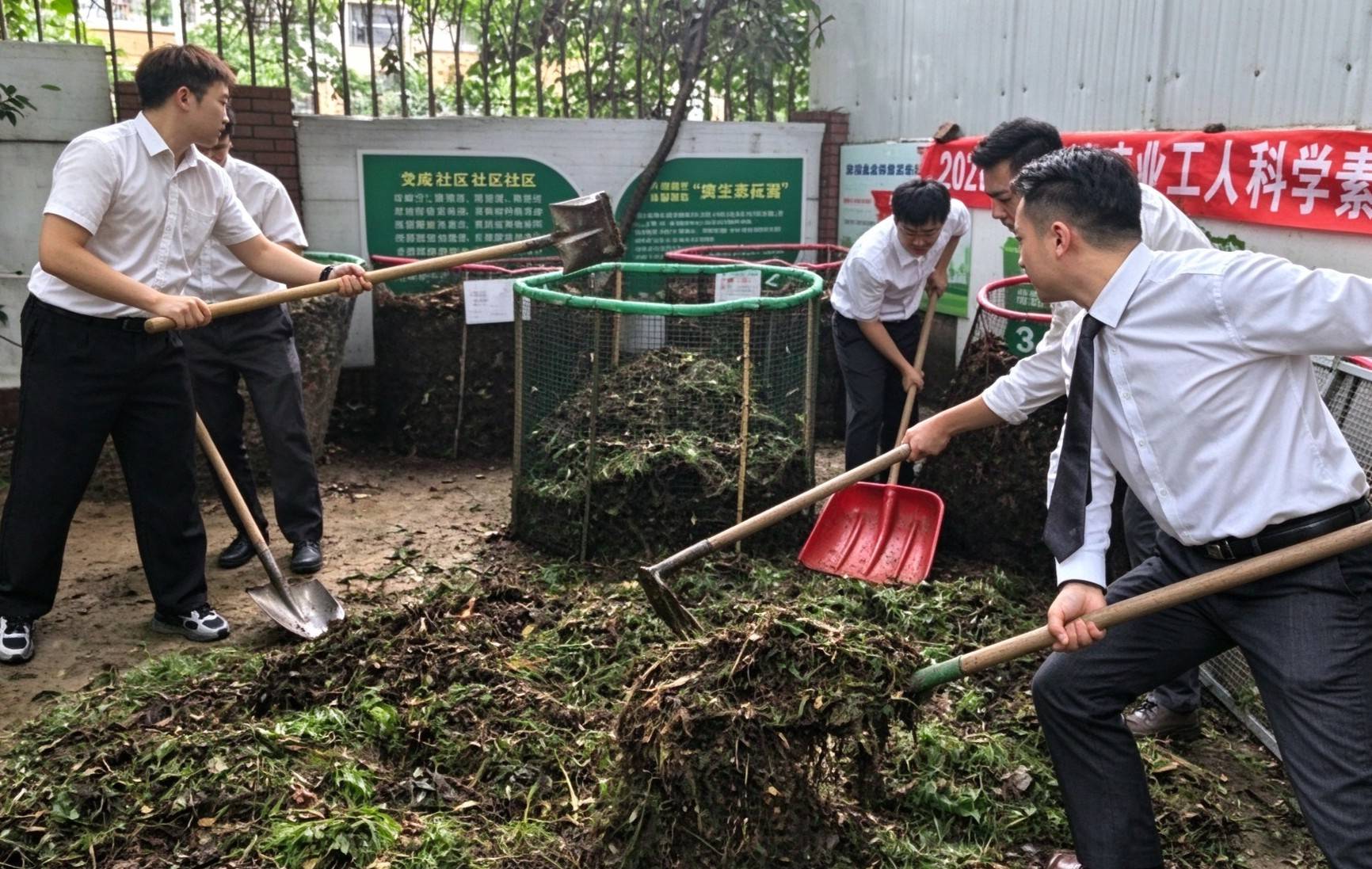
(2) To address odor concerns associated with traditional composting, the team worked with Qingdao Agricultural University to develop tailored material ratios and maintain a 60% moisture content, enabling consistently odor-free composting on site. The traditional idea that "fallen leaves return to their roots" also helped build cultural acceptance and reduce resistance.
(3) To handle bulky garden waste, high transport costs, and noise from conventional shredders, the project deployed a containerized mobile shredder to rotate among sites, reducing waste volume on site by 90%. Composting volume from July 2025 to June 2026 increased by 170% over the previous period.
(4) Operations were streamlined through mixed loading and fortnightly turning, substantially reducing labor costs.
Collaborative community governance:
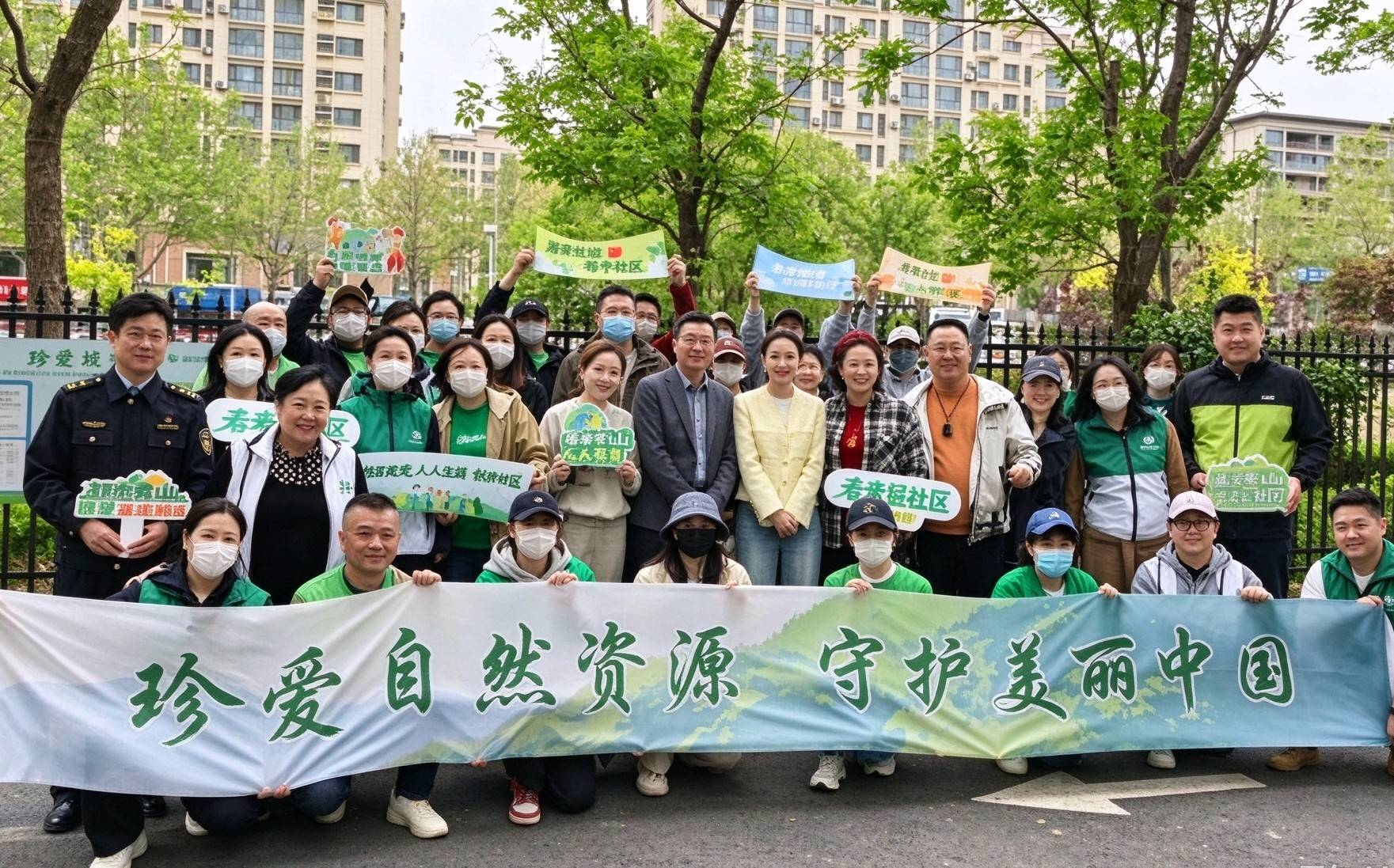
(1) Community festivals and co-creation activities helped build volunteer teams of young residents, mothers, and older adults, including the Green Pioneers, and used immersive experiences and visible results to strengthen residents' willingness to participate.
(2) A school-family-community network, supported by nature-learning programs and summer camps, fostered residents' sense of community responsibility and built trust.
(3) Organic-waste recycling served as a flexible connection point for engaging nearby businesses in a cross-setting governance network.
(4) All mature compost was returned to the communities to repair bare patches and nourish plants, closing the ecological loop. Together, these measures reduced operating costs, improved the environment, and increased resident satisfaction. They have embedded resource recovery in everyday community life and linked ecological circularity with grassroots governance.
项目实施
项目以社区有机废弃物资源化利用为核心、物业绿色低碳管理能力提升为内核,推动绿色空间协同共治模式转型,从玫瑰里单点试点迭代为万科蝶城18小区连片规模化实践。
关键推进节点:2024年7月—2025年6月完成11个小区模式落地试运行;2025年7月实现18个小区全域全覆盖、常态化稳定运营。
参与主体协同:构建社工赋能、物业主营、高校智撑、基金会助力、志愿参与、多元主体协同联动体系。青岛你我创益社工负责模式创新、物业嵌入式赋能与多元主体联动;青岛万科物业将有机废弃物堆肥、绿色空间生态运维纳入核心业务,实现管理模式升级;青岛农业大学承担适宜堆肥工艺研发、全程监测与碳效益核算;万科公益基金会提供资金和资源支撑;市区职能部门、街道社区提供政策协同;居民志愿队伍深度参与落地。
嵌合共治机制:精准识别对接物业绿色运维的痛点,把低成本资源化硬技术和社区动员软方法,深度嵌入到物业服务体系中,形成有共同目标的治理共同体。万科物业管理层将绿色环境治理业务纳入整体管理目标,结合万物云ESG需求,提供环境绩效数据和案例成效。协同物业通过专项实训,培育堆肥认证官;依托“堆肥森林”小程序实现点位数据动态监管、量化考核;迭代完善标准化作业流程与《落叶堆肥实操工具包》,开放分享带动行业绿色低碳转型。
硬技术多点突破:1.针对堆肥筐成本高的挑战,自研低成本堆肥筐,单套成本从3000元降至不足100元,降本96%。2.面对传统沤肥臭气扰民的顾虑,联动农大研发差异化物料配比,保障60%湿度,稳定实现就地堆肥无异味;同时强化“落叶归根”的传统文化认同,降低堆肥推行阻力。3.针对园林废弃物体积大、清运成本高、常规破碎设备噪音大的挑战,统一配备集装箱式移动破碎车巡回作业、就地破碎减量90%。2025年7月—2026年6月,堆肥处置量较上周期提升170% 。4.优化堆肥运维:混合投料半月翻堆的极简流程,大幅降低人力成本。
软治理协同共治:1.共同举办社区节庆和共建活动,培育社区少年、知妈、银龄绿先锋志愿队伍,以沉浸式体验和可视化成效,唤醒居民共建意识;2.构建“校家社”联动网络,通过社区自然研学、夏令营等培育居民的社区责任感,构建社区信任共同体;3.以有机废弃物循环利用为柔性纽带,链接周边商户搭建跨场景共治网络。4.腐熟有机肥100%回馈小区,修复斑秃、滋养绿植,形成完整生态闭环。综合实现运维降本、环境升级、业主满意度提升三重增益。让资源化利用扎根社区日常、实现闭环运转,达成生态循环与基层治理的深度共生。
Project Outcomes and Innovations
Before implementation: All organic waste generated by the 18 communities was transported off site for disposal, leading to resource losses and high carbon emissions. The communities lacked affordable recovery technologies and an established green-governance model suited to local conditions, as well as a stable platform for collaboration that could unlock the value of green spaces.
Outcomes: After two years of implementation at scale, the project delivered measurable benefits across three areas.
(1) Environmental benefits: From July 2024 to June 2026, more than 360 tonnes of organic waste were processed on site, avoiding 200.04 tonnes of CO₂e according to calculations by Qingdao Agricultural University. This reduced emissions at source, recovered resources, and contributed to climate action.
(2) Community green spaces: All 100 tonnes of mature compost produced were returned to the communities, improving more than 20,000 m² of soil each year. Five participatory ecological compost gardens covering a total of 3,000 m² were created.
(3) Economic benefits: The project saved RMB 367,000 in total, including RMB 220,000 in waste collection and transport costs, RMB 30,000 in purchases of organic fertilizer for landscaping, and RMB 117,000 in government subsidies for waste incineration.
Innovations: The project produced four key innovations.
(1) Service model: Property management services were expanded to include organic-waste recovery and low-carbon governance of community green spaces, helping translate ESG goals into action at the community level.
(2) Technology: A standardized composting process suited to northern China's climate, low in cost and simple to operate, supports implementation across clusters of communities.
(3) Value creation: Underused community spaces and organic waste are converted from environmental liabilities into green community assets, creating a closed loop of waste reduction, composting, carbon sequestration, and green-space improvement.
(4) Governance model: An embedded co-governance framework combining philanthropic funding, social-work capacity building, professional support, community implementation, and property-management operations provides a sustainable model that can be replicated and scaled.
成果亮点
(一)实施成果
实施前:18个小区有机废弃物全量外运处置,资源损耗、碳排放偏高;缺少适配社区的低成本资源化技术与常态化绿色治理模式;缺稳定共建载体,绿色空间价值难以激活。
实施成果:经过两年规模化落地运营,项目取得扎实多维成效。一是生态环境效益;2024年7月—2026年6月两年累计就地减量有机废弃物360余吨;经青岛农业大学核算减碳量达200.04吨CO₂e;有效实现源头减碳、资源再生与气候贡献。二是搭建社区绿色空间:产出100吨腐熟有机肥全部反哺社区,每年实现改良土壤2万平方米以上,打造5处共计3000㎡可参与式生态堆肥花园;三是经济效益:综合节省各类成本36.7万元。其中节省物业垃圾清运费22万元;绿化有机肥采购费3万元、政府垃圾焚烧补贴11.70万元。
(二)创新亮点
项目形成四大创新亮点:一是业态创新:物业新增有机废弃物资源化处置、社区绿色空间低碳治理业务,破解物业行业ESG目标社区落地难题;二是技术创新:打磨适配北方气候、低成本、极简运维的标准化堆肥工艺,支撑连片社区规模化落地;三是价值创新:盘活社区存量空间和有机废弃物,将环境负资产转化为社区绿色生态资产,实现“减量、堆肥、固碳、提质”闭环。四是模式创新:构建了“公益资助+社工赋能+专业支撑+社区落地+物业运维”的嵌合共治模式,形成可复制、可推广的社区绿色空间和低碳共治运维长效路径。
Project Impact
(1) Ecological and environmental value:
The model has expanded from 18 residential communities in the Onewo Town to 56 sites citywide: 30 communities, 16 schools, and 10 parks. Across the organization's multi-year work, including this project, more than 1,100 tonnes of organic waste have been processed on site, avoiding more than 500 tonnes of CO₂e and returning more than 300 tonnes of carbon-rich organic matter to the soil. By extending low-carbon practices across diverse urban green-space settings, the model provides a practical reference for green-space governance.
(2) Social impact:
The case was included in Onewo’s 2025 ESG Report as a benchmark for zero-waste residential communities and has received repeated coverage from CCTV. Drawing on the project, eight members of the Chinese People's Political Consultative Conference jointly submitted a proposal, Incorporating the On-Site Resource Recovery of garden and Other Organic Waste into the Beautiful Qingdao Initiative, as a policy reference for local organic-waste management. The results were presented at COP30, earned widespread recognition from UNDP experts and industry peers, and attracted hundreds of visitors on study tours. The project offers a scalable model for urban community-level climate governance and the green transition of property management.
Reviews and Honors
International recognition: Liu Yi, a UNDP project-management expert and Asia-Pacific Regional Coordinator for the GEF Small Grants Programme, observed that the project uses resident participation to build a sustainable, replicable zero-waste solution, translates environmental action into community governance, and contributes to the UN Sustainable Development Goals, demonstrating that meaningful change can begin in communities and generate wider impact. The project's results were presented at COP30 in 2025.
Technical assessment: Qingdao Agricultural University provided technical monitoring and verified the project's calculations. The project demonstrates ecological, soil, and economic benefits and offers an affordable, scalable approach to resource recovery in community settings.
Academic and governance recognition: The case was named a Best Social Work Research Outcome in Shandong Province and included in the monograph Community Practice in Green Social Work. Property-management recognition: Onewo selected the project as an annual ESG benchmark case, demonstrating simultaneous progress in property-service delivery and ESG performance. The general manager of Vanke Service's Chengyang operations stated: "The project not only transforms waste into green assets, but also builds partnerships through the co-creation of green spaces, activates Onewo’s ESG commitments, and creates shared benefits for all stakeholders."
Media and government recognition: The project was the subject of five feature reports by China Central Television (CCTV), underscoring its demonstration value. Competent organization stated that on-site processing of landscaping waste would be expanded to more parks, communities, and schools. The Green Pioneer volunteer initiative developed through the project won a silver medal in the National Youth Volunteer Service Competition.
评价与荣誉
国际层面:UNDP项目管理专家、GEF SGP亚太区协调人刘怡评价:项目以居民参与建立可持续可复制的零废弃解决方案,把环境行动转化为社区治理实践、对接全球可持续发展目标,真正的改变始于社区,也能产生更广阔影响;2025年项目成果亮相COP30国际平台。
技术层面:青岛农业大学提供技术监测与核算认定,项目实现生态、土壤、经济多重效益共赢,是适配社区场景的低成本、可推广资源化治理样板。
学术与治理:案例获评山东省最佳社会工作研究成果;入选《绿色社会工作的社区实践》专著。
物业评价:纳入万物云ESG年度标杆案例,实现物业服务与ESG履责同步升级。万科物业城阳总经理表示:项目不仅把废弃物变成了绿色资产,还通过绿色空间共建,构建伙伴关系,激活了万物云ESG责任,真正实现多方共益。
媒体影响和政府认可:CCTV5次专题报道,示范引领作用突出;主管单位表示:园林垃圾就地处置将在更多公园、社区、学校推广;项目培育的“绿先锋”志愿项目斩获青年志愿服务国赛银奖。

近零碳社区的美育升级---- 长寿苑社区 “低碳实践 + 影像科普” 共建项目
4天前 · 来源:成都市武侯区火车南站街道长寿苑社区居民委员会 · 作者:成都市武侯区火车南站街道长寿苑社区居民委员会
以绿色金融之力推动中国新质生产力!
4天前 · 来源:国泰海通证券研究所ESG及美丽中国研究组 · 作者:国泰海通证券研究所ESG及美丽中国研究组
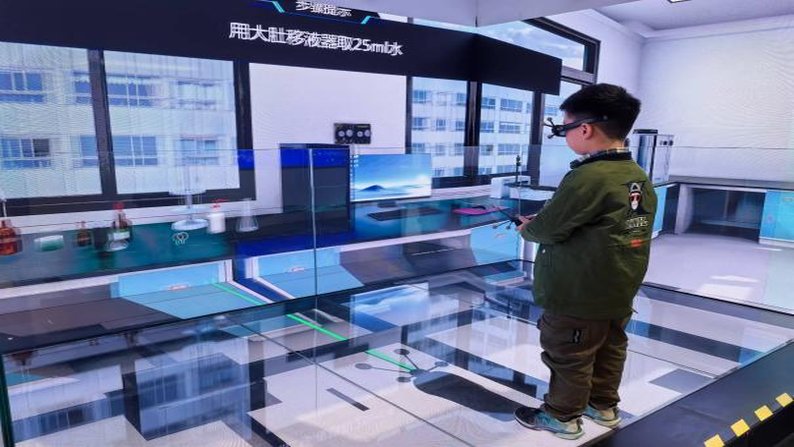
不择知行细流,蕴蓄蓝绿成深:雄安新区生态环境共享中心科普宣传空间营造雄安新区生态环境共享中心VR虚拟实验室(数字化仿真替代实体化学实验,实现科普零危废、低能耗)
6天前 · 来源:雄安新区生态环境监控中心 · 作者:雄安新区生态环境监控中心
