

Company/Organization Profile
The core management team of CECEP Wanrun Co., Ltd. has reviewed and approved the green development goals and action pathways in support of the national dual-carbon strategy, and established a leading group for carbon peaking and carbon neutrality. The company has effectively operated a smart carbon emission management system covering its core businesses.
In recent years, it has continuously promoted clean energy replacement and energy-saving and carbon-reduction technological transformations, and conveyed green and low-carbon concepts to upstream and downstream partners. The company has showcased its green and low-carbon initiatives and energy-saving practices on its official website, the Green State Grid official platform and national industry associations, and has obtained a number of honors and awards in energy conservation and carbon reduction.
机构简介
中节能万润股份有限公司核心管理团队已审议通过支持国家双碳战略的绿色发展目标与行动路径,成立“碳达峰、碳中和”工作领导小组,有效运行覆盖主营业务的碳排放智慧管理体系;公司近年来持续实施清洁能源替代、节能降碳技术改造,并面向上、下游合作方传递绿色低碳理念,在企业官网、绿色国网官方网站和国家级协会中展示了绿色低碳工作内容与节能行动案例,并获得了多项节能降碳荣誉与奖项。
Project Overview
Problem Status
During the operation of the single-effect evaporator in the environmental protection workshop of CECEP Wanrun Co., Ltd., low-pressure secondary steam at 13 KPa and 50–60℃ is generated. Under normal production conditions, all of this steam is directly condensed by circulating cooling water through shell-and-tube heat exchangers. A large amount of waste heat contained in the secondary steam cannot be utilized and is completely lost.
Meanwhile, the condensation process increases the heat exchange load and energy consumption of the circulating cooling water system. The equipment consumes a large amount of fresh steam, which not only raises the company’s production steam cost but also results in high carbon emissions during production, leading to significant energy waste.
Cause Analysis
The original production process is not equipped with a reuse pipeline for low-pressure secondary steam, forcing the secondary steam to be condensed and discharged. Due to its low heat grade, conventional recovery technologies such as MVR and heat pumps feature poor adaptability and high investment and operation costs for this type of secondary steam. The traditional operation mode cannot simultaneously achieve energy saving, cost reduction and carbon reduction.
Improvement Objectives
Realize 100% reuse of secondary steam with a steam saving rate of no less than 25% after renovation; achieve an annual carbon dioxide emission reduction of no less than 1,000 tons per single-effect evaporator; control the project investment payback period within 2 years, with an annual steam cost saving of no less than 900,000 RMB; form a practical near-zero-carbon renovation model for similar industries including chemical, pharmaceutical and food manufacturing.
项目背景
问题现状:中节能万润股份有限公司环保车间单效蒸发器运行过程中会产生13KPa、50-60℃的低压二次蒸汽,生产工况下该部分蒸汽全部通过管壳式换热器借助循环冷却水直接冷凝处理。二次蒸汽蕴含大量余热无法被利用,热量直接被损耗浪费;同时冷凝过程加大冷循环水系统换热负荷,增加冷循环水系统能耗。设备运行新鲜蒸汽消耗量高,不仅抬高企业生产蒸汽成本,也造成生产环节碳排放居高不下,生产过程存在显著的能源浪费问题。
原因分析:原有工艺未设置低压二次蒸汽回用通路,二次蒸汽只能冷凝排放;该蒸汽热品位低,MVR、热泵等常规回收技术适配性差、投资运维成本高;传统运行模式无法同时实现节能、降本与减碳。
改进目标:实现二次蒸汽100%回用,改造后蒸汽节约比例≥25%;单台单效蒸发器年二氧化碳减排≥1000吨;控制项目投资回收期≤2年,年节约蒸汽费用不少于90万元;为化工、制药、食品等同类型行业提供近零碳改造实践范例。
Project Implementation
The project is independently designed and implemented by Wanrun Company. Its key implementation nodes include traceability and thermal evaluation of the secondary steam system, comparison of multiple technical routes and customized selection of steam ejectors, drawing review and construction preparation, installation of equipment, pipelines and automatic control systems, system thermal commissioning, as well as final acceptance and benefit evaluation.
The implementing entity is CECEP Wanrun Co., Ltd. In terms of resource allocation, the total project investment is RMB 670,000. Making full use of existing plant facilities such as pipe galleries and building platforms, the project minimizes civil engineering investment. Newly deployed facilities include customized steam ejectors, dedicated steam pipelines, automatic control regulating valves and intelligent interlocking control systems. Corrosion-resistant 304 stainless steel pipes and composite thermal insulation materials of aluminum silicate plus aluminum cladding are adopted to guarantee reliable project construction and operation conditions.
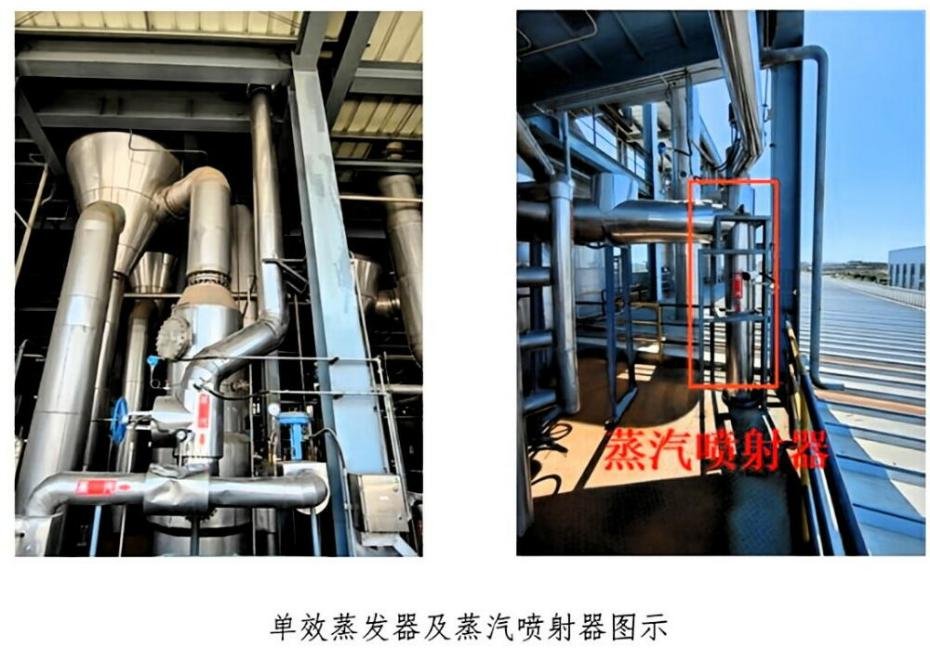
To solve the problem of direct condensation and discharge of low-pressure secondary steam and consequent waste of waste heat resources, a steam ejector is installed at the front steam inlet of the single-effect evaporator in the environmental protection workshop to optimize the steam heating system. Traditionally, the single-effect evaporator is supplied with steam by depressurizing high-pressure steam from the pipeline on the south side of the workshop, and the exhausted secondary steam is condensed and discharged directly, resulting in high steam energy consumption.
Adopting the steam injection pressurization principle, the project connects the existing high-pressure steam pipeline to the axial inlet of the ejector and the low-pressure secondary steam pipeline to the radial inlet. The high-speed supersonic jet of high-pressure steam generates negative pressure suction to recover low-pressure secondary steam, which is efficiently pressurized into stable medium-pressure mixed steam and delivered to the jacket of the single-effect evaporator for production heating.
Through continuous cyclic operation, 100% full reuse of secondary steam is realized, replacing more than 30% of fresh steam consumption, fundamentally eliminating waste heat loss of secondary steam and greatly reducing the steam consumption of production units.
In view of the limitations in waste heat recovery caused by the low-pressure characteristic and trace volatile substances of secondary steam, as well as the poor adaptability of commercial universal equipment to on-site working conditions, the company optimizes the internal flow channel of the ejector through CFD simulation. Steam ejectors are customized under the “temperature priority” selection strategy, and factory performance tests are carried out in accordance with ASTM E1106 standards to verify the equipment’s capacity for treating low-pressure secondary steam, thoroughly solving the equipment adaptability problem at the source.
To address the fluctuation and instability of temperature and pressure parameters of mixed steam output, automatic control regulating valves are installed at the front inlet of the steam ejector. The valve opening is interlocked with the outlet temperature and pressure parameters and connected to the plant DCS system to realize automatic and precise regulation, ensuring stable and qualified output steam parameters. Meanwhile, system sealing tests and full-condition thermal commissioning are conducted to collect measured data such as steam consumption and carbon emissions before and after renovation, so as to carry out comprehensive benefit evaluation and accurately verify the actual energy-saving and carbon-reduction effects of the project.
Targeting potential long-term operational risks including ejector nozzle scaling and blockage, valve failure, poor pipeline drainage, temperature and pressure data drift and non-standard operation, special equipment operating procedures are formulated to specify system start-stop processes, parameter control ranges, interlock protection measures, daily inspection key points and fault emergency disposal steps, which are incorporated into the standardized equipment operation and maintenance mechanism.
After project completion, the single-effect evaporator saves 3,900 tons of steam annually. The project realizes the full reuse of low-grade secondary steam and provides a replicable reference for low-pressure secondary steam recovery in the chemical industry.
项目实施
本项目由万润公司自主设计、自主落地,实施关键节点包含二次蒸汽系统溯源与热力评估、多技术路线比选及蒸汽喷射器定制选型、图纸复核与施工筹备、设备管路及自控系统安装、系统热态调试、竣工验收与效益评估,项目参与主体为中节能万润股份有限公司。在资源配置方面,项目共计投入改造资金67万元,充分依托厂区现有管廊、建筑平台等原有设施,最大限度减少土建投入;新增定制化蒸汽喷射器、蒸汽管路、自控调节阀以及智能联锁控制系统,选用304不锈钢耐腐蚀管材、硅酸铝加铝皮复合保温材料,保障项目建设基础条件。
针对厂区低压二次蒸汽直接冷凝排放、余热资源浪费的问题,在环保车间单效蒸发器进汽前端增设蒸汽喷射器优化蒸汽供热系统。原有单效蒸发器生产用汽,依靠车间南侧高压蒸汽管路经减压降温后供应,使用后的二次蒸汽被冷凝后直接排放,蒸汽能耗偏高。
本次改造依托蒸汽喷射增压原理,将厂区原有高压蒸汽管路对接至喷射器轴向进汽口,同时将低压二次蒸汽管路接入喷射器径向进汽口,利用高压蒸汽高速超音速引射产生的负压抽吸效应,引射回收低压二次蒸汽,将低压废汽高效增压为稳定中压混合蒸汽,输送至单效蒸发器夹套参与生产加热,如此循环往复,实现二次蒸汽100%全回用,替代30%以上新鲜蒸汽消耗,从源头解决二次蒸汽余热浪费问题,大幅降低装置生产蒸汽能耗。
针对二次蒸汽属于低压工况且含有微量挥发物料,余热回收利用点存在局限性,市面通用设备无法适配现场生产条件的问题,万润公司采取CFD仿真优化喷射器内部流道,按照“温度优先”的选型策略定制蒸汽喷射器,并参照ASTM E1106标准开展设备出厂性能测试,核验设备处理低压二次蒸汽的能力,从源头解决设备适配难题。
针对混合蒸汽温压波动、输出参数不稳定的问题,在蒸汽喷射器入口前端加装自控调节阀,将阀门开度与设备出口温压参数联锁并接入厂区 DCS 系统,实现自动化精准调控,保障输出蒸汽参数稳定达标。同时,为解决项目节能降碳成效难以核验的问题,通过系统密封测试与全工况热态调试,采集改造前后蒸汽消耗、碳排放等实测数据,开展综合效益评估,精准核验并验证项目实际节能降碳成效。
针对系统长期运行易出现喷射器喷嘴结垢堵塞、阀门动作失灵、管道疏水不畅、温压数据漂移以及人员操作不规范等问题,编制专项设备操作规程,明确系统启停流程、参数控制范围、联锁保护处置、日常巡检要点以及故障应急处置步骤,将操作规程纳入设备运维机制。
项目完成后单效蒸发器年节约蒸汽3900吨,实现低品位二次蒸汽全回用,为化工行业提供了可复制的低压二次蒸汽回收案例。
Project Outcome
The project achieves innovations in technology, mechanism and mode with remarkable improvement before and after the renovation, delivering excellent sustainability and industrial replicability. Quantitative data show that the single-effect evaporator consumed 11,800 tons of steam annually before the renovation, with all low-pressure secondary steam condensed and discharged and waste heat completely wasted. After the renovation, the annual steam saving reaches 3,900 tons, representing a 33% reduction in steam consumption.
The project saves 335 tons of standard coal annually, reduces carbon dioxide emissions by 1,170 tons per year, and cuts annual production costs by RMB 1.17 million. With a total investment of RMB 670,000, the project has a payback period of only 8 months. The renovation fully utilizes the existing workshop pipe gallery without adding large land-occupying equipment, and significantly reduces the heat exchange load of the circulating cooling water system. In terms of management, the DCS-based intelligent interlocking system realizes automatic regulation of steam parameters and reduces manual operation.
The project features abundant core innovations. In terms of technological innovation, it adopts a temperature-dominated selection strategy and customized steam ejectors to upgrade 13 KPa ultra-low-pressure secondary steam containing trace volatile substances into usable process heat sources through supersonic ejection, achieving 100% reuse of secondary steam.
In terms of mechanism innovation, special operating procedures are independently formulated to implement inspection and calibration, fault disposal and staff training, establishing a normalized operation and maintenance management mechanism. In terms of collaborative innovation, the project coordinates the whole process of technology integration, equipment customization and engineering implementation, forming a complete chain covering process diagnosis, scheme design, construction and operation & maintenance support.
In terms of model innovation, it creates a low-investment, fast-return and near-zero-carbon technical renovation path, fully reuses existing plant facilities, and breaks the inherent misconception of high investment in low-carbon transformation. Supported by standardized operating procedures, daily inspections and technical support from external institutions, the project enjoys a solid foundation for long-term stable operation.
With strong working condition adaptability and mature technical routes, the complete renovation scheme provides a practical reference for the chemical, pharmaceutical, food and other industries with low-pressure secondary steam waste heat, and possesses high promotion and replication value.
成果亮点
本项目在技术、机制、模式等多层面上进行创新,改造前后成效对比突出,具备较强持续性与行业可复制性。量化数据显示,改造前单效蒸发器年耗蒸汽1.18万吨,低压二次蒸汽全部冷凝排放,余热直接浪费;改造后年节约蒸汽3900吨,蒸汽消耗下降33%,年节约标煤335吨,二氧化碳年减排1170吨,年降低生产成本117万元,项目总投资67万元,投资回收期仅8个月。
该项目充分利用车间原有管廊开展改造,无新增大型占地设备,循环冷却水换热负荷明显降低;管理上依托DCS智能联锁系统实现蒸汽参数自动调控,减少人工操作。项目核心创新亮点丰富,技术创新上采用“温度主导型”选型策略,定制蒸汽喷射器,通过超音速引射将13KPa含微量挥发物的超低压二次蒸汽提升为可用工艺热源,实现二次蒸汽100%回用;机制创新上自主编制专项操作规程,落实巡检校验、故障处置、岗位培训,形成常态化运维管理机制;
协同创新上统筹技术集成、设备定制与工程实施全流程,打通工艺诊断、方案设计、施工落地到运维支撑全链条;模式创新打造“低投入、快回报、近零碳”的技改路径,复用现有厂区设施,破除低碳改造投入高的固有误区。项目具备良好长期运行基础,依靠标准化操作规程、日常巡检、外部技术单位辅助支撑构成稳定长效运行机制,整套改造方案为化工、制药、食品等存在低压二次蒸汽废热的行业提供改造实践范例,工况适配性强,技术路径成熟,具备较高的推广复制价值。
Project Highlights
The statistical time scope of this project covers the complete operating year after the completion of renovation. The accounting boundary is limited to the singleeffect evaporator after renovation in the environmental protection workshop of Wanrun Company. The standard coal saved and carbon emissions are calculated in accordance with the statistical standards for energy consumption of industrial enterprises and greenhouse gas emission accounting standards.
In terms of ecological and environmental benefits, the project saves 3,900 tons of steam annually, equivalent to 335 tons of standard coal, and achieves an annual carbon dioxide emission reduction of 1,170 tons. Since secondary steam is no longer condensed by circulating cooling water, the heat exchange load of circulating water is reduced, and the power consumption of cooling water and its supporting water pumps is cut down. The heat of lowpressure steam is recovered to eliminate waste caused by direct wasteheat discharge.
No additional solid waste or hazardous waste is generated from the renovation, meanwhile bringing economic benefits of RMB 1.17 million in annual cost reduction. From the perspective of social impact, the project sets a practical model for the reuse of lowpressure secondary steam, provides referable technical renovation ideas for highenergyconsuming industries such as chemical, pharmaceutical and food industries, and plays an exemplary role in promoting the green and lowcarbon transformation of the fine chemical industry.
成果影响力
本项目统计时间范围为改造完成后完整运行年度,核算边界限定为万润公司环保车间改造后的单台单效蒸发器,节标煤、碳排放依据工业企业能源消费统计及温室气体排放核算标准核算。生态环境效益方面,项目年节约蒸汽3900吨,折合标准煤335吨,年二氧化碳减排1170吨;
二次蒸汽不再依靠循环冷却水冷凝,降低循环水换热负荷,减少冷却水及配套水泵电耗,实现低压蒸汽热量回收,消除废热直排浪费,改造无新增固废、危废,同步实现年降本117万元的经济效益。社会影响层面,项目形成低压二次蒸汽回用的实践样板,为化工、制药、食品等高耗能行业提供可借鉴的技改思路,对推动精细化工行业绿色低碳转型起到示范作用。
Reviews & Honors
The project has been measured and verified by the Equipment Department of Wanrun Company and a thirdparty testing company. All energysaving and carbonreduction indicators exceed the expected design targets. Workshop operation and maintenance personnel report that the system operates stably, the supporting operating procedures are highly implementable, and operation and maintenance management is convenient and efficient.
This technical renovation case has been incorporated into the company’s ESG management system and recorded in the internal energy management ledger as a typical practice for green factory construction. At the industrial level, the project has been included in the innovative cases of lowpressure waste heat recovery in fine chemical industry by the China Association of Plant Engineering.
Relevant emission reduction results are publicly disclosed in the enterprise’s annual ESG report, which is in line with the policy orientation of the Ministry of Industry and Information Technology concerning industrial energy efficiency improvement. The technical route of this project provides practical references for energysaving renovation in the same industry. Meanwhile, it serves as an important supporting measure for the enterprise to obtain the EcoVadis Gold CSR Rating and honors related to carbon neutrality innovative projects.
评价与荣誉
项目经万润公司设备部及第三方检测公司实测核验,节能降碳各项指标均优于预期设计目标,车间运维人员反馈系统运行平稳,配套操作规程落地性强,运维管理便捷高效,该技改案例已纳入公司ESG管理体系,作为绿色工厂建设的典型实践录入内部能源管理台账。
行业层面,项目被中国设备管理协会收录为精细化工低压余热回收创新案例,相关减排成效纳入企业年度ESG报告对外披露,契合工信部工业能效提升相关政策导向。该项目技术路径为同行业节能改造提供了实践参考,同时也是企业获评EcoVadis社会责任金牌评级、碳中和创新项目相关荣誉的重要支撑举措。

近零碳社区的美育升级---- 长寿苑社区 “低碳实践 + 影像科普” 共建项目
4天前 · 来源:成都市武侯区火车南站街道长寿苑社区居民委员会 · 作者:成都市武侯区火车南站街道长寿苑社区居民委员会
以绿色金融之力推动中国新质生产力!
4天前 · 来源:国泰海通证券研究所ESG及美丽中国研究组 · 作者:国泰海通证券研究所ESG及美丽中国研究组
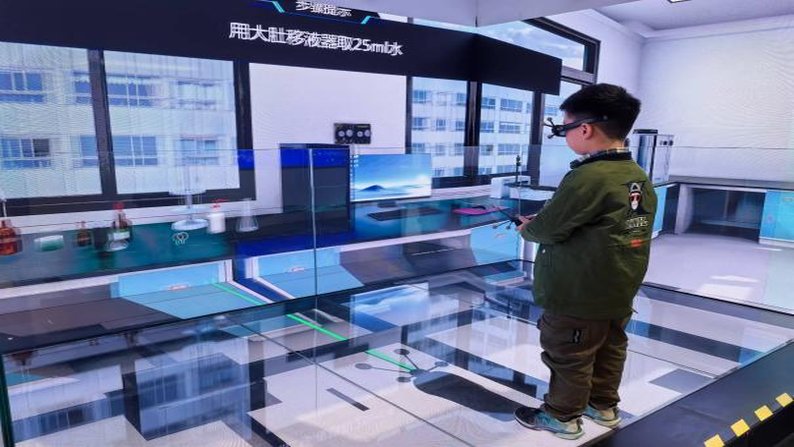
不择知行细流,蕴蓄蓝绿成深:雄安新区生态环境共享中心科普宣传空间营造雄安新区生态环境共享中心VR虚拟实验室(数字化仿真替代实体化学实验,实现科普零危废、低能耗)
6天前 · 来源:雄安新区生态环境监控中心 · 作者:雄安新区生态环境监控中心
