

Company/Organization Profile
The core management team of CECEP Wanrun Co., Ltd. has reviewed and approved the green development goals and action pathways in support of the national dualcarbon strategy, and established a leading group for carbon peaking and carbon neutrality. The company has effectively operated a smart carbon emission management system covering its core businesses.
In recent years, it has continuously implemented clean energy replacement and energysaving and carbonreduction technological transformations, and conveyed green and lowcarbon concepts to upstream and downstream partners. The company has displayed its green and lowcarbon work contents and energysaving practice cases on its official website, the official website of Green State Grid and nationallevel associations, and has obtained a number of honors and awards in energy conservation and carbon reduction.
机构简介
中节能万润股份有限公司核心管理团队已审议通过支持国家双碳战略的绿色发展目标与行动路径,成立“碳达峰、碳中和”工作领导小组,有效运行覆盖主营业务的碳排放智慧管理体系;公司近年来持续实施清洁能源替代、节能降碳技术改造,并面向上、下游合作方传递绿色低碳理念,在企业官网、绿色国网官网和国家级协会中展示了绿色低碳工作内容与节能行动案例,并获得了多项节能降碳荣誉与奖项。
Project Overview
China's dual-carbon strategy has been fully implemented. The industrial sector—particularly the fine chemical industry, which represents a key area for energy consumption and carbon emissions—faces significant practical pressures to achieve industrial green transformation, enhance energy efficiency, and control and reduce carbon emissions. Policies such as the "Implementation Plan for Achieving Carbon Peaking in the Industrial Sector" are continuously driving chemical enterprises to accelerate the transformation of their production models, compelling them to integrate production and operations with energy conservation and carbon reduction efforts, and to pursue a development path characterized by high-end, green, and low-carbon growth.
China Energy Conservation Wanrun, as a central state-owned enterprise specializing in new materials under the China Energy Conservation Group, bears both the social responsibility of a state-owned enterprise and the emission reduction obligations of a chemical manufacturing firm. It is tasked with driving independent innovation in the new materials industry while also complying with the green and low-carbon performance assessment requirements imposed by the state-owned capital system. The fine chemical synthesis process involves numerous steps and exhibits high energy consumption intensity; therefore, as the company expands its production capacity and ensures supply stability across its industrial chain, it faces multiple challenges, including energy consumption management, carbon emission control, and resource recycling.
In response to policy constraints, industry transformation, and ESG development requirements, the company leverages its distinctive industrial positioning to integrate the dual carbon goals into its overall corporate development strategy. Building on its technological strengths in environmental protection materials, the company not only empowers downstream industries to reduce their carbon footprint through its products but also proactively implements internal energy efficiency upgrades, optimizes its energy mix, and promotes resource recycling. By advancing the development of green factories and treating green carbon reduction as a core driver for its high-quality growth strategy, the company has embarked on a comprehensive journey of green and low-carbon practice exploration.
项目背景
我国双碳战略全面落地实施,工业领域尤其是精细化工行业作为能耗与碳排放重点领域,面临产业绿色转型、能效提升、控碳减碳的现实压力,《工业领域碳达峰实施方案》等政策持续推动化工企业加快生产模式革新,倒逼企业统筹生产经营与节能降碳,走高端化、绿色化、低碳化发展道路。
中节能万润作为中国节能旗下新材料央企,兼具央企社会责任与化工制造企业减排任务,既要承担新材料产业自主创新使命,也要落实国资体系绿色低碳考核要求。精细化工合成工序多、能源消耗强度高,企业在扩大产能、保障产业链供给的同时,面临能耗管控、碳排放管控、资源循环利用等多重挑战。
面对政策约束、行业转型与 ESG 发展要求,公司立足自身产业定位,将双碳目标融入企业整体发展战略,依托自身环保材料技术优势,一方面通过产品赋能下游产业降碳,另一方面主动开展内部节能改造、能源结构优化、资源循环利用,推进绿色工厂建设,把绿色降碳作为企业高质量发展的核心抓手,开启全方位绿色低碳实践探索。
Project Implementation
Aligned with the dual carbon goals, this project addresses key pain points across various stages of the fine chemical production process through a systematic approach spanning seven dimensions—management, energy, energy efficiency, circular economy, infrastructure, supply chain, and digital transformation—as detailed below:
To address the absence of a robust carbon emission management system and inadequate response mechanisms, the company has established a Lean Carbon Emission Management System. This system is overseen by the Company's Dual Carbon Work Leading Group (led by the Chairman and the General Manager), with the Engineering and Environmental Protection Department coordinating the deployment of responsibilities across all departments.
The company has formed a dedicated leading group and appointed specialized personnel to develop carbon emission control procedures, set phased targets – achieving carbon peaking by 2030 and carbon neutrality by 2060 – and complete annual official carbon accounting, carbon inventorying for subsidiaries, and carbon footprint calculations for key products. Additionally, the company systematically identifies climate-related risks and opportunities and integrates them into its management and control action plan.
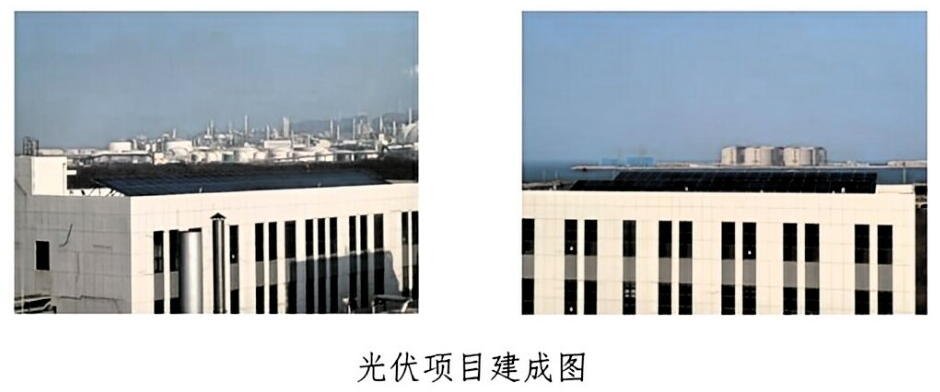
To address the low share of non-fossil energy sources and the dominance of fossil fuels in the company's energy mix, the company is promoting the substitution of non-fossil energy sources, a initiative implemented by the Equipment Department. The company has installed a 771.68 kWp distributed photovoltaic system on idle factory rooftops, which generates 862,500 kWh of electricity annually and operates under the principle of "self-consumption with surplus electricity fed into the grid."
Additionally, the company purchases 3,000,000 kWh of green electricity each month—accounting for over 20% of its total electricity consumption—thereby continuously optimizing its energy mix.
To address energy efficiency challenges—including low equipment efficiency, inadequate system automation, waste of residual heat, and high peak power loads—the company has been steadily advancing energy-saving technological upgrades, led by the Energy System Task Force and implemented by the Equipment Department and the Production Department.
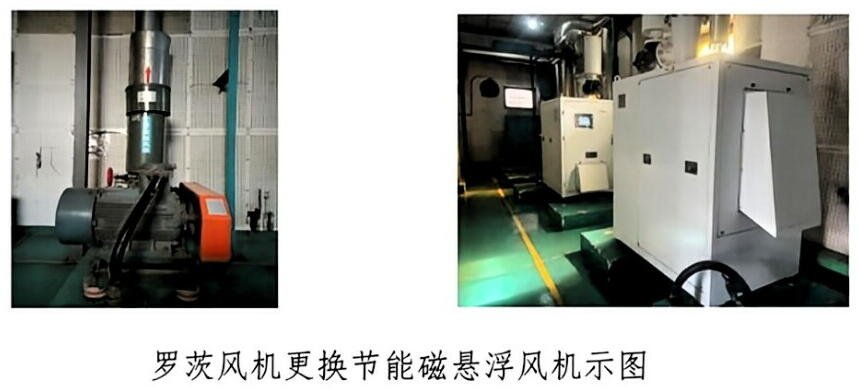
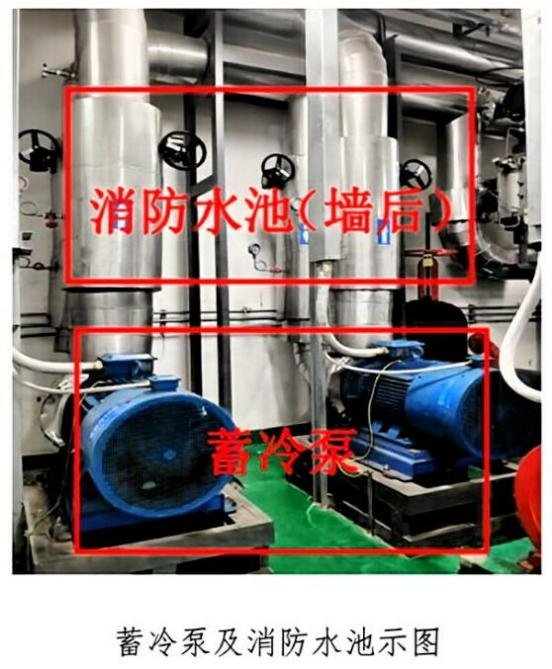
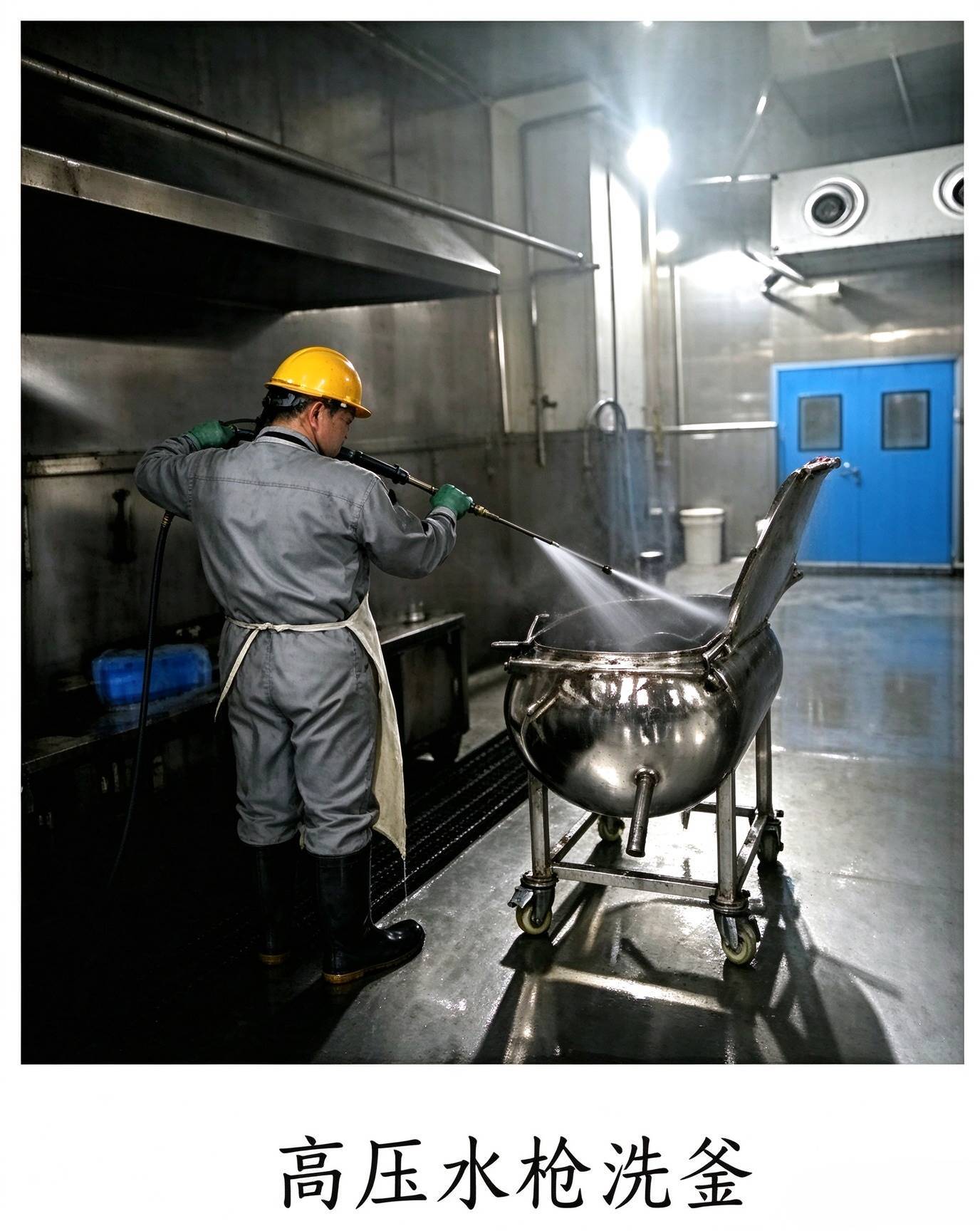
The company continues to execute a phase-out plan for high-energy-consumption equipment, replacing it with Class I or Class II energy-efficient equipment; sensor and interlock devices have been installed in the utility systems to enable automated start-stop control; a peak-shaving and valley-filling cooling storage retrofit has been implemented, utilizing a 1,700 m³ firewater storage tank for load balancing; the use of high-pressure water jet cleaning has replaced conventional atmospheric pressure flushing, resulting in water savings of over 60%; and the combination of electrodialysis membranes with MVR concentration technology has reduced the energy consumption per ton of treated wastewater by more than 60%.
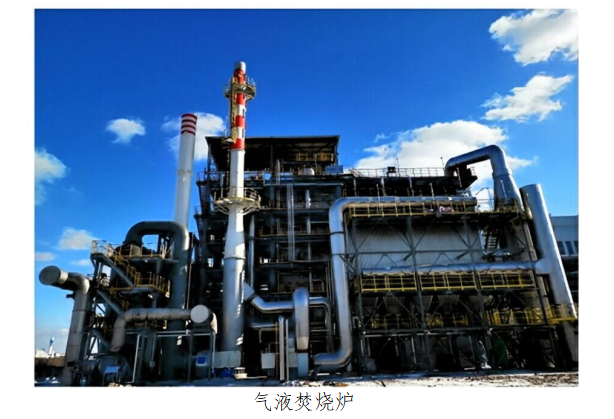
To address the inadequate resource recovery and utilization of waste materials, residual heat, and wastewater, the company has established a circular operating system driven by the collaborative efforts of the Equipment Department, Production Department, Technical Department, and Engineering and Environmental Protection Department. The company recovers waste organic solvents through condensation processes, achieving a recovery rate of 80%–95%; these recovered solvents are then distilled and used as fuel to generate steam, with an annual recovery volume of nearly 6,000 tons.
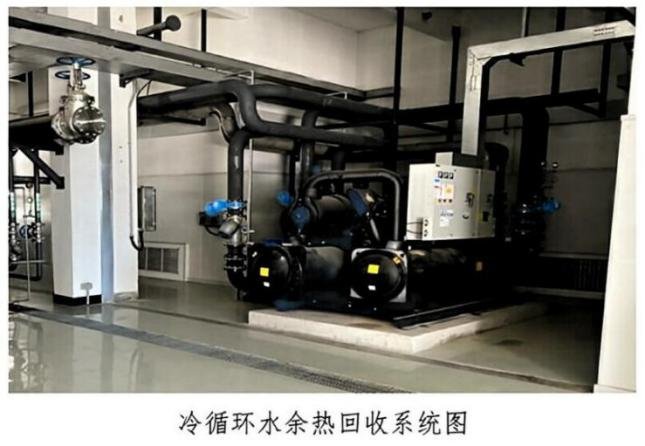
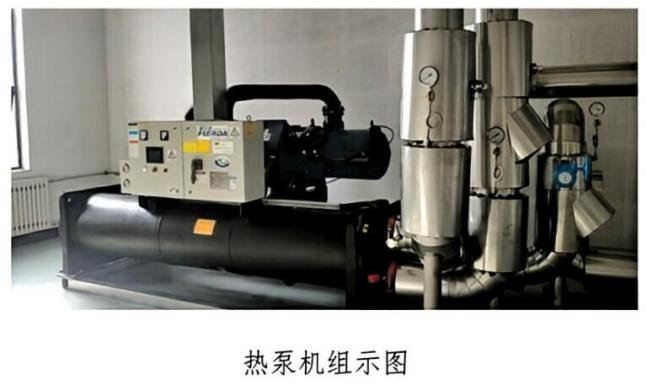
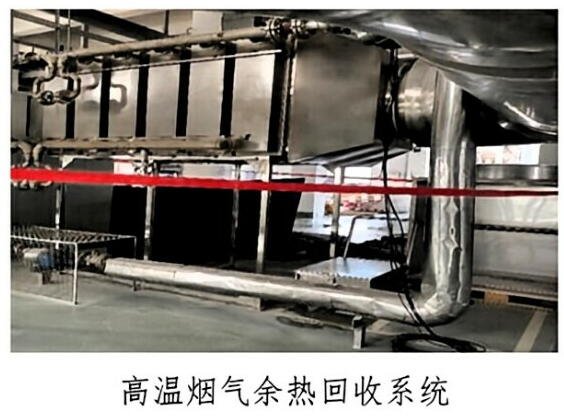
Leveraging heat pump technology, plate heat exchangers, and air preheaters, the company recovers residual heat from distributed circulating water systems and high-temperature flue gas streams, supplying this heat to various applications—including boiler makeup water supply, hot water storage tanks, heating systems, and flashing apparatus—thereby reducing heat discharge from cooling towers and high-temperature flue gas emissions, as well as lowering steam consumption, resulting in an annual steam savings of 31,260 tons. Additionally, concentrated wastewater and steam condensate are reused, with an annual reuse volume of 230,000 tons.
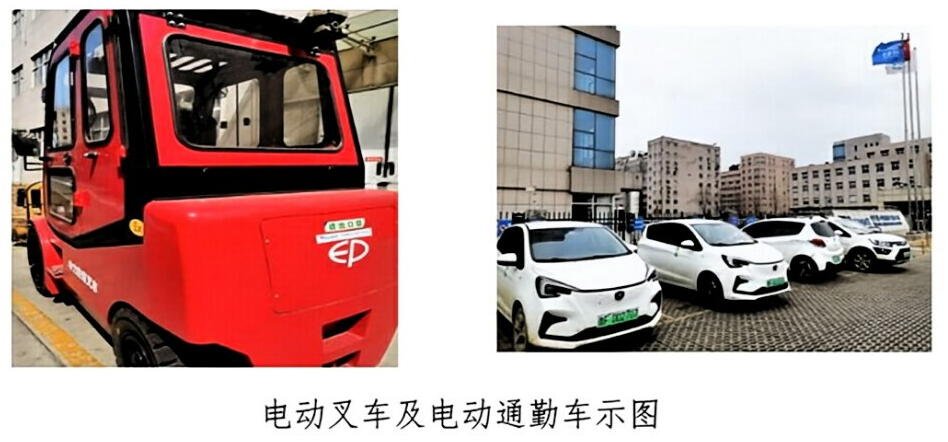
To address the low level of green transformation in infrastructure sectors such as construction and transportation, the company has established a Green Factory System, implemented by the Engineering Environmental Protection Department and the Service Center. The company utilizes its own green silicate-aluminate building materials to reduce the use of single-use materials; it optimizes natural lighting and ventilation in buildings while installing sensor-activated lighting systems; it has phased out diesel forklifts and deployed 26 electric forklifts; and it has switched to electric vehicles for commuting between factory sites, thereby reducing carbon emissions at the infrastructure level.
To address the issues of packaging waste within the supply chain and overly simplistic end-to-end supply chain management practices, the company has established a sustainable green supply chain, with implementation driven by the Procurement Department, Logistics Department, and Information Department. The company prioritizes the use of large-scale packaging and localized procurement, while promoting the adoption of reusable packaging and metal pallets – resulting in annual savings of over 120,000 packaging units – and has implemented a Warehouse Material Management System to enable comprehensive QR code-based tracking and control throughout the entire supply chain, from raw material receipt to finished product dispatch.
To address the challenges of low manual control accuracy and the imbalance between energy consumption and operational efficiency, the company has leveraged digital and intelligent technologies for system upgrade and enhancement, with implementation carried out by the Technology Department, Production Department, and Information Department. The company is advancing the upgrade of its process automation systems to enable automatic material feeding and temperature control interlocks; it has replaced manual temperature control with a TCU temperature control system and uses the DCS system to manage production parameters; additionally, an Energy Management System has been established to monitor various energy consumption indicators in real time.
项目实施
项目围绕双碳目标,针对精细化工生产多环节痛点,从管理、能源、能效、循环、基建、供应链、数字化七个维度系统推进,具体如下:
针对碳排放管控体系缺失、应对不足的问题,搭建精益碳排放管理体系,由公司双碳工作领导小组(董事长、总经理牵头)统筹,工程环保部牵头各部门分工落实。公司成立专项领导小组与专人专岗,编制碳排放管控程序,制定2030年碳达峰、2060年碳中和阶段目标,完成年度官方碳核查、子公司碳盘查及重点产品碳足迹核算,系统识别气候风险与机遇并纳入管控行动计划。
针对非化石能源占比偏低、能源结构偏化石的问题,推动非化石能源替代,由设备部实施。公司利用厂区闲置屋顶建设771.68KWp分布式光伏,年发电86.25万kWh,遵循“自发自用、余电上网”原则运行;同时每月采购绿电300万千瓦时,占公司用电总量20%以上,持续优化能源结构。
针对设备能效低、系统自控不足、余热浪费、峰电负荷高等能效问题,持续推进节能技改,由能源体系小组牵头,设备部、生产部落地实施。持续执行高耗能设备淘汰计划并更换为一二级能效设备;公用系统加装传感器与联锁装置实现自动控停;实施谷电蓄冷改造,利用1700m³消防水池削峰填谷;采用高压水枪清洗替代常压冲洗实现节水超60%;采用电渗析膜加MVR浓缩技术使处理每吨废水能耗降低60%以上。
针对废物料、余热、废水资源化利用不足的问题,构建循环式运营体系,由设备部、生产部、技术部、工程环保部协同推进。公司冷凝回收废有机溶剂,回收率达80%-95%,废溶剂精馏后作为燃料生产蒸汽,年回收近6000吨;依托热泵技术、板式换热器、空气预热器对分散循环水余热、高温烟气余热进行回收,适配锅炉补水、热水槽、采暖、闪蒸设备等用热场景,减少冷却塔热排放及高温烟气排放,降低蒸汽消耗量,年节省蒸汽31260吨;回收浓水、蒸汽冷凝水回用,年回用量达23万吨。
针对建筑、运输等基础设施绿色化程度低的问题,打造绿色工厂体系,由工程环保部、服务中心实施。公司采用自产硅铝酸盐绿色建材,减少一次性材料使用,建筑优化自然采光通风并配置感应照明,淘汰柴油叉车并投用26台电动叉车,厂区间通勤改用电动车,从基建端压降碳排放。
针对供应链包装浪费、全链路管控粗放的问题,搭建可持续绿色供应链,由采购部、物流部、信息部推进。公司优先采用大包装与就近采购,推广循环包装与金属托盘,年节约包装物12万余个,建立仓储物料管理系统,实现原料入厂到成品出厂全流程扫码管控。
针对人工管控精度低、能耗与效率失衡的问题,以数字化智能化赋能升级,由技术部、生产部、信息部落实。公司推进工艺自控升级,实现自动加料、温控联锁,采用TCU温控系统替代人工控温,通过DCS系统管控生产参数,搭建能源管理系统实时监控各类能耗指标。
Project Outcome
The implementation of this project has achieved a systematic breakthrough in green carbon reduction for the fine chemical industry, yielding multiple quantifiable and replicable innovative outcomes; the key highlights are as follows:
First, the innovation of a management and control mechanism has enabled the company to make a transformative leap from having no established system to implementing comprehensive, lean-based carbon management across the entire operational process. Prior to implementation, the company faced challenges such as an unclear baseline for carbon emissions, dispersed responsibility allocation, and inadequate risk mitigation measures;
However, it has now established a comprehensive carbon emissions management system comprising a "high-level leadership group + dedicated personnel and roles + standardized procedures." The company has clearly defined its three-phase carbon reduction targets spanning the period from 2025 to 2060, significantly enhancing its carbon management efficiency and compliance capabilities, thereby filling the gap in implementing a full-chain carbon management framework within the fine chemical industry.
Second, the integrated innovation of energy efficiency technologies enables a transition from extensive energy consumption to a significant improvement in overall system energy efficiency. Prior to implementation, the equipment exhibited low energy efficiency, inefficient direct discharge of waste heat, and high peak power load pressures; however, through an integrated technological upgrade combining "green power substitution + waste heat recovery + peak shaving and valley filling + equipment upgrading," annual savings of 7,694 tons of standard coal were achieved, and carbon dioxide emissions were reduced by approximately 19,181 tons.
Third, innovative circular economy models have been adopted, transitioning from end-of-pipe treatment to a comprehensive, end-to-end resource recycling system. Previously, waste solvents, wastewater, and residual heat were often simply treated and discharged; however, a closed-loop recycling system covering "materials – solvents – residual heat – wastewater" has now been established. The recovery rate of waste organic solvents ranges from 80% to 95%, with nearly 6,000 tons of waste solvents recovered annually and over 50,000 tons of steam generated – representing a 15% reduction in carbon emissions compared to traditional coal-fired steam generation methods. The annual water reuse volume amounts to 230,000 tons, achieving synergistic benefits in both the resource utilization of by-products and energy conservation and carbon reduction.
Fourth, digital empowerment drives innovation, facilitating the transition from manual management to intelligent, lean operations. The production side has evolved from a model primarily reliant on manual operations to a fully automated end-to-end process, resulting in a 40% increase in per-warehouse production capacity and a 24.7% reduction in production costs; energy management now enables real-time online monitoring of energy consumption across multiple product categories, significantly enhancing both control accuracy and response efficiency.
This project boasts strong sustainability and replicability: it has established a long-term operational mechanism encompassing annual target decomposition, energy-saving technological upgrades, and carbon accounting, with dedicated Carbon Dioxide Peaking and Carbon Neutrality Special Funds providing continuous financial support; its carbon reduction pathway—comprising "Management System + Technological Upgrades + Circular Operations + Digital Empowerment" —is tailored to the production characteristics of the fine chemical industry and can be directly replicated and scaled up across similar chemical manufacturing enterprises.
成果亮点
项目实施后实现精细化工绿色降碳的系统性突破,形成多项可量化、可复制的创新成果,核心亮点如下:
一是管控机制创新,实现从无体系到全流程精益管控的跨越。实施前企业碳排放底数不清、责任分散、风险应对不足,现已建成“高层领导小组+专人专岗+标准化程序”的完整碳排放管理体系,明确2025—2060三阶段降碳目标,碳管理效率与合规能力大幅提升,填补了精细化工行业全链条碳管控的模式空白。
二是能效技术集成创新,实现从粗放用能到系统能效跃升。实施前设备能效偏低、余热直排浪费、峰电负荷压力大,通过“绿电替代+余热回收+削峰填谷+设备升级”集成技改,年节约标准煤7694吨,减少二氧化碳排放约19181吨。
三是循环模式创新,实现从末端治理到全链路资源循环。实施前废溶剂、废水、余热多被处理排放,现已构建“物料—溶剂—余热—废水”闭环循环体系,废有机溶剂回收率达80%—95%,年回收废溶剂近6000吨、产出蒸汽5万余吨,相较传统燃煤产汽减碳15%;年回用水量达23万吨,实现副产物资源化与节能降碳协同增效。
四是数字化赋能创新,实现从人工管控到智能精益运营。生产端从人工操作为主升级为全流程自控,单车间产能提升40%,生产成本降低24.7%;能源管理实现多品类能耗实时线上监控,管控精度与响应效率显著提升。
该项目具备强持续性与可复制性:已建立年度目标分解、节能技改、碳核查的长效运行机制,双碳专项资金持续保障投入;其“管理体系+技术改造+循环运营+数字赋能”的降碳路径,贴合精细化工行业生产特性,可直接复制推广至同类化工制造企业。
Project Highlights
Ecological and environmental benefits: Upon implementation of the project, an annual cumulative saving of 7,694 tons of standard coal equivalent will be achieved, and carbon dioxide emissions will be reduced by approximately 19,181 tons; annually, 93,625 GJ of waste heat from production processes will be recovered, with a waste organic solvent recovery rate ranging from 80% to 95%, resulting in the annual recovery of nearly 6,000 tons of waste solvents; the annual water reuse volume will reach 200,000 tons, achieving a synergistic effect of waste reduction and resource recovery. The project also generates economic benefits, with an annual comprehensive energy-saving revenue of nearly RMB 10 million, demonstrating a significant input-output efficiency.
Social Impact: As a benchmark enterprise in the field of carbon peaking and carbon neutrality, Wanrun Company has filled the gap in the full-industry-chain dual-carbon management and control model for the fine chemical sector. The carbon reduction pathway it has developed–integrating "management + technology + circular economy + digitalization"–holds significant potential for industry-wide adoption; it has also motivated both upstream and downstream stakeholders to simultaneously advance the transformation of their green supply chains, thereby driving overall decarbonization across the entire industrial chain; furthermore, the company has fostered an internal culture of low-carbon operations, providing a replicable corporate practice case for the green industrial transformation at the regional level.
成果影响力
生态环境效益:项目实施后,年累计节约标准煤7694吨,减少二氧化碳排放约19181吨;年回收生产余热量93625GJ,废有机溶剂回收率80%~95%,年回收废溶剂近6000吨;年回用水量20万吨,实现减废与资源化协同。同步产生经济效益,年综合节能收益近千万元,投入产出效应显著。
社会影响:万润公司作为碳达峰碳中和标杆企业,填补了精细化工行业全链条双碳管控模式空白,形成的“管理+技术+循环+数字”降碳路径具备行业推广价值;带动上下游同步推进绿色供应链改造,推动产业链整体降碳;内部形成全员低碳运营氛围,为区域工业绿色转型提供了可复制的企业实践案例。
Reviews & Honors
Regarding customer feedback, the company's key downstream clients in Europe and North America have highly recognized the company's achievements in managing the carbon footprint across the entire product lifecycle; this low-carbon supply capability has become a vital foundation for their long-term, stable partnership, ensuring the continuous supply of high-end material products to the global market. Internally, the company has achieved remarkable results in energy conservation and carbon reduction initiatives, and the company-wide consensus on low-carbon operations continues to be strengthened.
In terms of media and industry recognition, several case studies from the project have been publicly featured on the platform of the Carbon Peak and Carbon Neutrality Special Committee of the China Equipment Management Association, serving as exemplary practices of refined green development and shared externally to provide reference and inspiration for enterprises within the same industry.
In terms of awards and honors, the company was awarded the title of "National Green Factory" by the Ministry of Industry and Information Technology; its "Waste Heat Recovery and Reuse System" received the First Prize for Equipment Management Innovation Achievements in Shandong Province; its "Smart Green Factory Construction Based on Cleaner Production" project was awarded the First Prize for National Equipment Management and Technological Innovation Achievements;
Its Smart Energy Conservation and Carbon Reduction Project was recognized as a "Typical Case of Dual Carbon Science and Technology Innovation"; its "Secondary Steam Full Reuse Near-Zero Carbon Efficiency Enhancement System Based on Steam Jet Drive" won the First Prize for the 2025 Carbon Peak and Carbon Neutrality Innovation Project, and the company was designated as a 2025 Carbon Peak and Carbon Neutrality Benchmark Enterprise; its "Distributed Multi-Point Heat Extraction and Reuse System" was granted a utility model patent, and its technological innovation achievements have been officially recognized.
评价与荣誉
评价反馈方面,公司下游欧美核心客户对产品全生命周期碳足迹管控成果高度认可,低碳供应能力成为双方长期稳定合作的重要支撑,保障了高端材料产品持续供应全球市场;内部节能降碳工作成效突出,全员低碳运营共识持续巩固。
媒体/行业认可方面,项目内部分案例被中国设备管理协会碳达峰碳中和专委会平台公开刊载推介,作为精细化绿色发展典型实践对外分享,为同行业企业提供参考借鉴。
奖项荣誉方面,公司荣获工信部颁发的“国家级绿色工厂”称号;“余热回收再利用系统”获山东省设备管理创新成果一等奖,“基于清洁生产的智慧绿色工厂建设”获全国设备管理与技术创新成果一等奖;节能降碳智慧能源项目获评“双碳科技创新典型案例”;“基于蒸汽喷射驱动二次蒸汽全回用近零碳增效系统”获2025年碳达峰碳中和创新项目一等奖,公司获评2025年碳达峰碳中和标杆企业;“一种分布式多点热量提取再利用系统”取得实用新型专利,技术创新成果获权威认定。

近零碳社区的美育升级---- 长寿苑社区 “低碳实践 + 影像科普” 共建项目
4天前 · 来源:成都市武侯区火车南站街道长寿苑社区居民委员会 · 作者:成都市武侯区火车南站街道长寿苑社区居民委员会
以绿色金融之力推动中国新质生产力!
4天前 · 来源:国泰海通证券研究所ESG及美丽中国研究组 · 作者:国泰海通证券研究所ESG及美丽中国研究组
不择知行细流,蕴蓄蓝绿成深:雄安新区生态环境共享中心科普宣传空间营造雄安新区生态环境共享中心VR虚拟实验室(数字化仿真替代实体化学实验,实现科普零危废、低能耗)
6天前 · 来源:雄安新区生态环境监控中心 · 作者:雄安新区生态环境监控中心
