


Company/Organization Profile
Vanke Foundation was established in 2008. It is a national non-public fundraising foundation supervised by the Ministry of Civil Affairs. In 2017, it was certified as a charitable organization and in late 2021, it was rated as a "4A National Level Social Organization" by the Ministry of Civil Affairs.In 2023, Vanke Foundation launched a new five-year strategic plan. With the vision of "a beautiful and shared future home," Vanke Foundation focuses on three key strategic modules: carbon-neutral community demonstration and promotion, community waste management, and China climate storytelling, with biodiversity as the highlight. The Foundation practices and spreads the concept of sustainable communities, taking the lead in promoting practical cooperation among the international community, and turning everyone into an actor for a better life.

机构简介
万科公益基金会成立于2008年,经民政部、国务院批准成立的全国性非公募基金会,由民政部主管。作为具有官方认证资质的公益组织,基金会于2017年被认定为慈善组织,并于2021年底通过民政部专业评估,获评4A级全国性社会组织。在新的五年战略规划(2023-2027年)框架下,万科公益基金会以“美美与共的未来家园”为愿景,实践和传播可持续社区理念。基金会当前聚焦碳中和社区先行探索与推广、社区废弃物管理瓶颈突破、中国气候故事讲述三大重点战略模块开展工作。

Project Overview
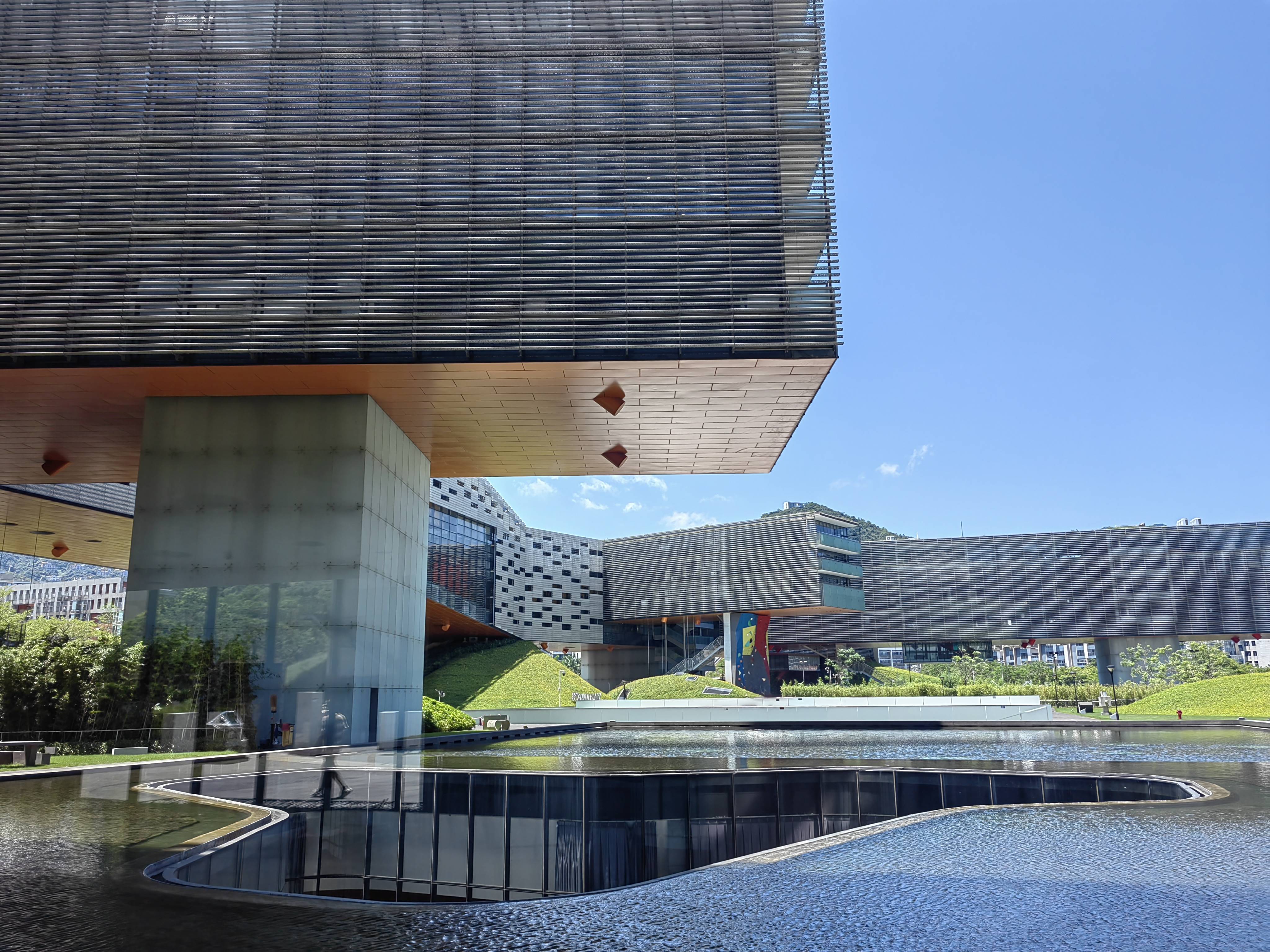
This project is located at the Dameisha Vanke Center Carbon Neutral Experimental Park in Yantian District, Shenzhen, serving a diverse range of users including park office staff, community residents, students, teachers, and enterprise visitors.
Before the implementation of the project, there were three core pain points. First, the pressure on assets and operations was significant. After more than a decade of operation, the project's hardware had aged, leading to rising maintenance costs. As a formerly enclosed office park, the original property management team was insufficient to handle the operational capacity required after opening the park to the community. Second, the science communication content was lacking and lacked a coherent system. The explanations were limited to the green building design concept, with insufficient exploration of local ecological practices such as the black soldier fly recycling system and biodiversity. The one-way lectures lacked interactive experiences, resulting in low public willingness to participate. Third, community ecology and public engagement were insufficient. Before the renovation, the space was largely a closed-off office park with a single function and limited interaction with the community.
The root cause lies in the traditional operation model that "prioritizes hardware demonstration while neglecting behavioral guidance", lacking an integrated solution combining green sustainable technologies, popular science guided tours and community co-creation. Targeting the practical application of sustainable technologies as well as the promotion of public awareness and behavioral changes, this project builds upon the park’s green buildings. By establishing a black soldier fly food waste recycling system, a borderless eco-museum, the Meisha Changemaker Community and the Mountain-Sea Symbiosis Art Season, it creates a replicable and participatory low-carbon model integrating the park and surrounding communities. Meanwhile, the project explores approaches to revitalize assets and reshape business models.
项目背景
本项目落地于深圳市盐田区大梅沙万科中心碳中和实验园区,服务园区办公人员、社区居民、师生及访客等多元使用者。
项目实施前,存在三大核心痛点:一是资产与运营压力突出。项目运营十多年硬件老化,维修成本攀升;园区本身作为封闭的办公园区,原来的物业团队不足以承担园区开放给社区后的运营能力。二是科普内容欠缺及整体科普内容不成体系。科普讲解局限于绿色建筑设计理念,对本地黑水虻循环、生物多样性等在地生态实践挖掘不足;单向讲解缺乏互动体验,公众参与意愿偏低。三是社区公众参与不足:改造前,该空间更多是封闭的办公园区,功能单一,与社区互动不足。
根源在于传统运营模式“重硬件展示、轻行为引导”,缺少“绿色可持续技术+科普导览+社区共创”的一体化方案。本项目以可持续技术落地使用、推动用户意识提示乃至行为转变为目标,在园区绿色建筑的基础上,通过搭建黑水虻厨余处理循环体系、无边界生态博物馆、梅沙行动者社区及山海共生艺术季,构建可复制、可参与的园区-社区融合低碳样板,同时探索资产盘活与经营模式重塑路径。
Project Implementation
1. Addressing the operational challenges of aging hardware and asset management in the park
Space optimization measures were adopted, including revitalizing existing spaces and expanding diverse business formats. The implementation was led by the Vanke Foundation, with Onewo responsible for site operations and maintenance, and a professional commercial operations team executing the plans. These efforts were combined with the systematic upgrade of supporting hardware, such as green buildings and organic recycling facilities, by coordinating resources from various parties. Simultaneously, the revenue structure was restructured by adding new offerings such as ecological study tours, immersive nature experiences, and corporate low-carbon team-building activities, thereby continuously attracting visitors and increasing revenue.
2. Addressing the lack of science communication content and its incoherence
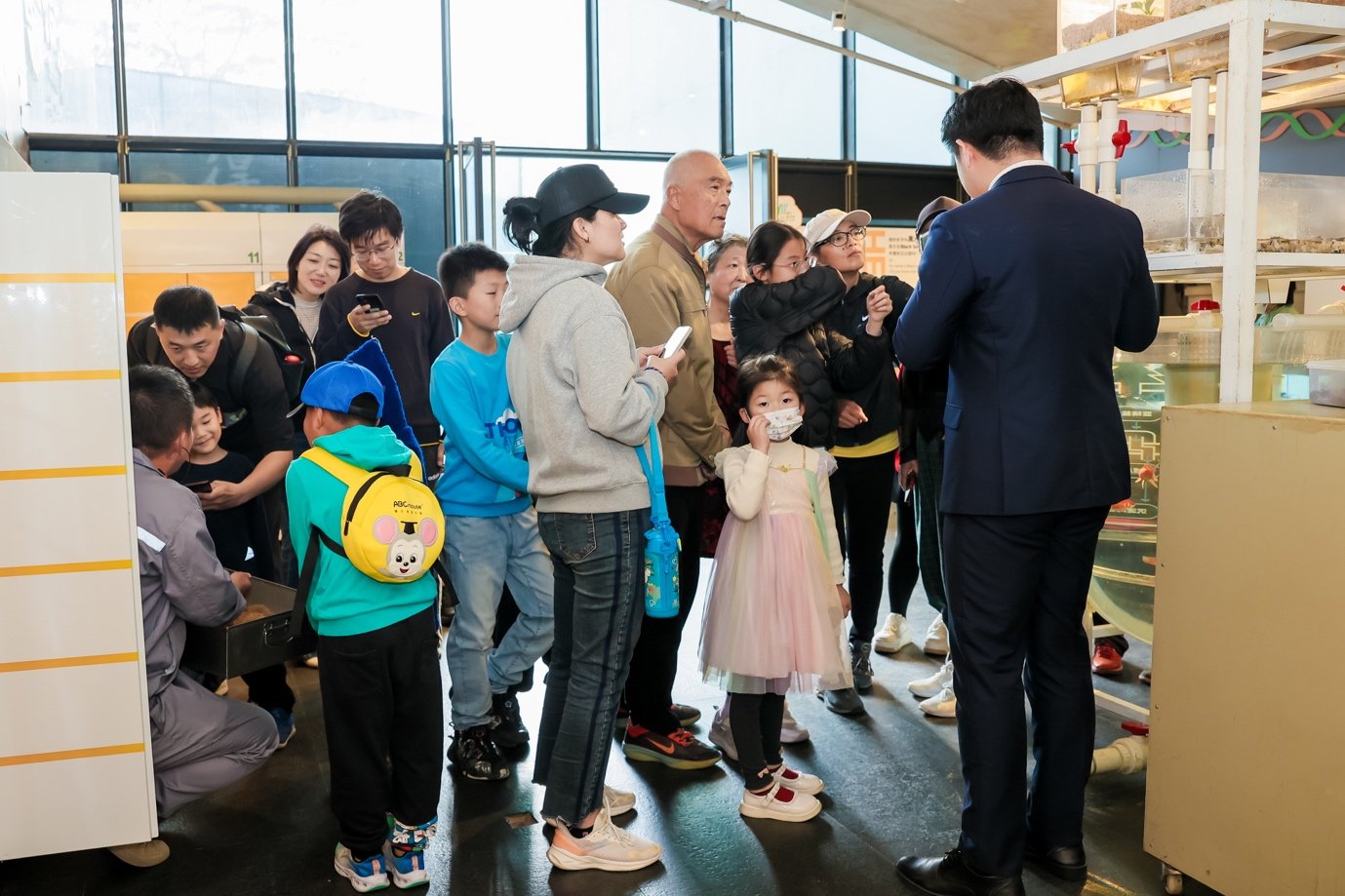
Improvements were made in three directions: First, creating visual science communication scenes—directly converting the park's black soldier fly processing station, rooftop garden, and photovoltaic storage system into science demonstration points, allowing the public to see firsthand how kitchen waste is consumed by insects and how solar panels generate electricity. Second, developing a systematic natural education curriculum—creating science communication materials and a series of science videos tailored to different age groups, such as the kitchen waste themed "Exploring the World of Black Soldier Flies" and the "Black Soldier Fly Picture Book." Third, establishing a guided science interpretation trail—using informational signage to help the public understand the park's sustainable knowledge points.
3. Addressing the issue of insufficient community public participation
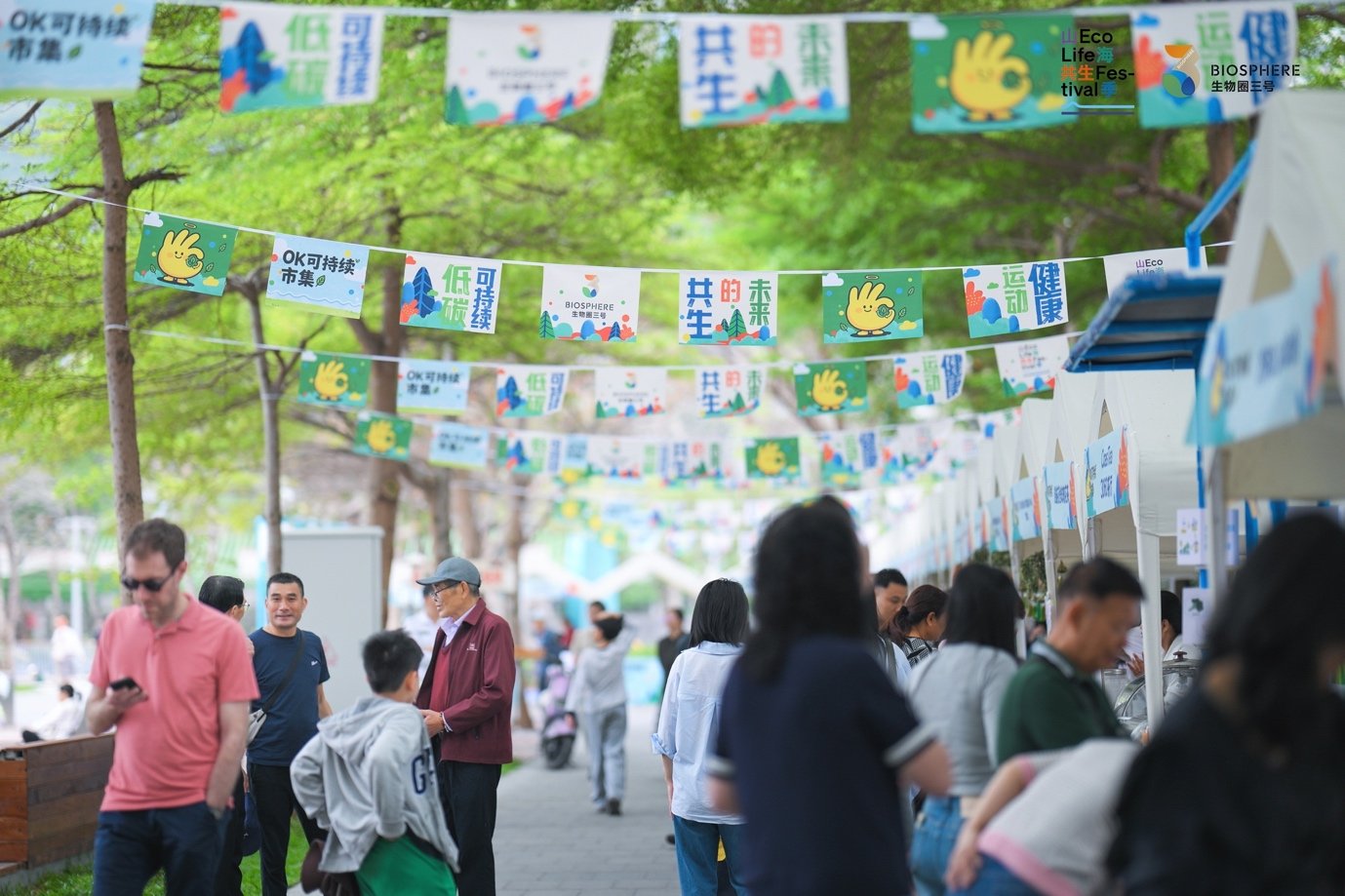
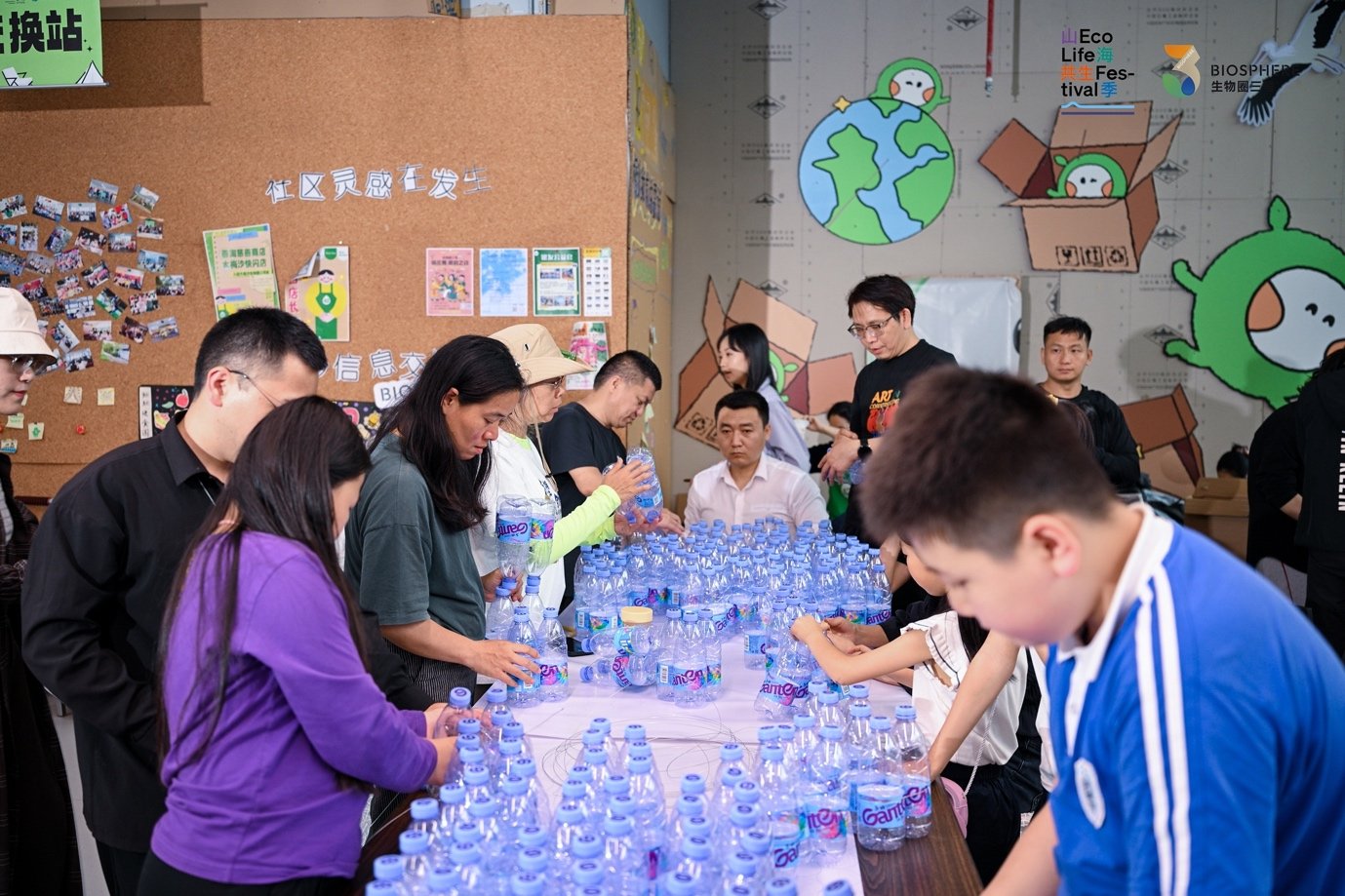
Improvements were made in two directions: First, physical opening and functional activation—by removing the original physical walls, the enclosed office park was transformed into a "24 hours a day, 365 days a year" open sustainable living community, breaking down spatial barriers. Second, enriching the forms of public participation—by introducing art exhibitions, sports communities (such as rock climbing and cycling), hosting sustainable markets, and mobilizing residents and artists to co-create ecological art installations using waste materials, thereby enhancing interaction and connection with the community.
项目实施
1.针对园区运营硬件老化、资产经营难题,采取存量空间焕新、多元业态拓展的空间运营优化措施,由万科公益基金会统筹、万物云负责场地运维、专业商业运营团队落地执行,以及联合各方资源完成绿色建筑、有机循环设施等配套硬件系统性升级,同步重构营收结构,新增生态研学、沉浸式自然体验、企业低碳团建等,持续引流增收。
2.针对科普内容欠缺及整体科普内容不成体系,通过三个方向提升:一是打造可视化的科普场景:将园区的黑水虻处理站、屋顶花园、光伏储能系统等直接转化为科普展示点,让公众能亲眼看到厨余垃圾如何被昆虫吃掉、光伏板如何发电;二是开发成体系的自然教育课程:针对不同年龄段,开发了以厨余垃圾为主题的《“碳”寻黑水虻世界》、《黑水虻绘本》等科普读物和系列科普视频;三是落地科普导览解说径,通过科普解说牌让公众了解园区的可持续知识点。
3.针对社区公众参与不足的问题,从两个方向进行提升:一是物理开放与功能激活,通过拆除原有的物理围墙,将封闭的办公园区改造为“24小时×365天”开放的可持续生活社区,打破空间壁垒;二是丰富公众参与形式,通过引入艺术展览、运动社群(如攀岩、骑行)、举办可持续市集,以及发动居民与艺术家利用废旧物料共创生态艺术装置等方式,增强与社区的互动与连接。
Project Outcome
1. Technological Innovation: Large-scale Carbon Reduction via On-site Black Soldier Fly Recycling In 2025, the park’s black soldier fly system locally treated 22.6 tons of kitchen waste and 6.3 tons of green waste, producing 11 tons of organic humus for soil improvement. The resource recovery rate of kitchen waste in the park reached 100%, the resource utilization rate of green waste hit 40%, and chemical fertilizer consumption was cut by half.
2. Spatial Model Innovation: Borderless Eco-Museum Breaks Physical Boundaries of Science Popularization Abandoning enclosed exhibition halls, the entire park operates as an open biodiversity museum. Local ecological baseline surveys have recorded 273 animal and plant species in the park, including 128 nationally protected species. The 7,000 ㎡ rooftop photovoltaic ecological green space, 40,000㎡ inland wetland and black soldier fly treatment station serve as immersive research and education venues, supplemented by public resources including the Ocean Library and Growth Library. The park is open to the public free of charge throughout the year, receiving 60,000 teachers, students and visitors annually, integrating ecological science popularization into daily public spaces.
3. Community Mechanism Innovation: Building a Long-term Action System through Community The first 15 groups of 'Meisha Actioners' conducted a total of 75 community actions throughout the year, serving 1,761 person-times annually. Individual residents moved from 'participating in activities' to 'initiating and executing actions,' forming a community welfare network co-created by multiple stakeholders.". Mountain-Sea Symbiosis Sustainable Art Season have launched 46 recycled eco-art installations covering community streets across the area. Permanent low-carbon public exhibitions are held in the park to lower public participation thresholds through artistic approaches, forming a three-in-one behavioral model for green space users that integrates recycling technology popularization, community autonomy and sustainable art.
The project boasts a solid foundation for sustainable operation: self-maintained recycling facilities, standardized research courses and self-operated community volunteer teams. Complete operation templates, including black soldier fly recycling plans and construction frameworks for borderless eco-science spaces, have been rolled out to all areas of Yantian and numerous regions nationwide, replicable for industrial parks and public street spaces of all types.
成果亮点
1.技术创新:黑水虻就地循环实现规模化碳减排
园区黑水虻系统2025年就地消纳厨余垃圾22.6吨、绿化废弃物6.3吨,产出11吨有机腐殖质改良土壤,园区厨余资源化率达100%,绿化垃圾资源化利用率达40%,化肥使用量减半。
2.空间模式创新:无边界生态博物馆消解科普物理边界
项目取消封闭式展厅,以整座园区打造开放式生物多样性博物馆。经本地生态本底调查,园区记录273种动植物,其中国家重点保护物种128种;7000㎡屋顶光伏生态绿地、40000㎡内湖湿地、黑水虻处理站全部转化为实景研学课堂及配套课程,引入海洋图书馆和生长图书馆公共资源。园区全年免费对外开放,年均接待师生、访客6万人次,让生态科普融入日常空间。
3.社群机制创新:社群自治 + 生态艺术构建长效行动体系
首期入围的15组“梅沙行动者”全年共开展75次社区行动,年度服务人次达1761人次,居民个体从“参与活动”走向“发起并执行行动”,形成多元主体共创的社区公益网络;山海共生可持续艺术季落地46件再生生态艺术装置,覆盖梅沙全域;园区常设低碳主题公益展,以艺术降低公众参与门槛,形成“循环技术科普+社区自治+可持续艺术”三位一体绿色空间使用者行动模式。
项目可持续运营基础扎实:循环设施自主运维、研学课程标准化、社区志愿队伍自主运转。整套运营模板已向盐田全区及国内多地输出,包含黑水虻循环运营方案、无边界生态科普空间打造体系,可适配各类产业园区、街道公共空间复制推广。
Project Highlights
Ecological Benefits (2023-2025): Over the past three years, the black soldier fly recycling system has processed more than 60 tons of organic waste. The on-site resource utilization of kitchen waste reduces diesel consumption for transportation and methane emissions from landfills, achieving a greenhouse gas emission reduction of 194.1 tCO₂e. The 7,000 m² rooftop photovoltaic green space enhances the carbon sink of native vegetation. With an 85% renewable energy utilization rate in the park, composite pollution from solid waste and energy consumption is reduced at the source.
Social Impact: Certified as provincial and national nature education bases in 2023, the park also serves as off-campus practice bases for Young Pioneers and waste sorting, receiving over 60,000 visitors and hosting more than 150 eco-research activities yearly. It incubates 15 groups of"Meisha Actioners" . The Mountain-Sea Symbiosis Sustainable Art Season covers 3.2 km² Dameisha with 46 sustainable art installations, zero-waste market, artist residencies and eco-workshops, attracting 500,000 offline participants and over ten million online views, forming a replicable model of “eco-science + volunteer service + sustainable art”. Selected as a C40 pilot and a low-carbon model byMinistry of Ecology and Environment (MEE) , the project was exhibited at COP30. In April 2024, CCTV-1 documentary Beautiful China on the March featured its practices of green buildings, kitchen waste treatment, biodiversity conservation and community low-carbon governance, offering a replicable template for NGOs to operate green spaces.
成果影响力
生态环境效益(2023-2025 三年核算):黑水虻循环体系三年消纳有机废弃物超60吨,厨余就地资源化削减运输柴油、填埋甲烷排放,温室气体减排量 194.1 tCO₂e;7000㎡屋顶光伏绿地提升本土植被碳汇,园区可再生能源利用率 85%,源头降低固废与能源复合污染。
社会影响:2023年园区获评省、国家级自然教育基地,挂牌少先队、垃圾分类蒲公英校外实践基地,年接待参访6万余人,年均开展150余场生态研学。孵化15组 “梅沙行动者”;山海共生可持续艺术季覆盖3.2km²大梅沙范围,打造46件可持续艺术装置,配套零废弃市集、艺术家驻留与生态工坊,线下参与50万人次、全网传播破千万,形成“科普+志愿+生态艺术”可复制模式。项目入选C40试点、生态环境部绿色低碳典型案例,亮相 COP30;2024年央视一套《行进中的美丽中国》专题报道园区绿色建筑、有机循环、生物多样性与社区低碳治理经验,为社会组织运营绿色空间提供实践样板。
Reviews & Honors
Evaluation Feedback
The project has won high recognition from park staff, community residents, teachers and students, and is regarded as “an accessible, tangible and participatory real-scene carbon neutrality classroom”. It has significantly improved community participation in waste sorting and resource recycling. Residents commented that the Mountain-Sea Symbiosis Art Season makes environmental protection interesting and engaging rather than rigid preaching. Industry experts fully recognize the innovative model, affirming that it pioneers a multi-stakeholder collaborative pathway for park carbon neutrality led by social organizations, providing a new practical solution for grassroots ecological governance.
Media and Industry Recognition
The project’s featured practices, including the black soldier fly recycling system and borderless eco-museum, have been extensively reported by mainstream media such as CCTV, Oriental Outlook, Shenzhen TV and Southern Weekly, hailed as “a Shenzhen model for community carbon neutrality in China”. The project was selected for the C40 Cities Climate Leadership Group 2022 Green Prosperity Community Pilot (only 16 global cases) and the Ministry of Ecology and Environment’s 2022 Typical Green and Low-Carbon Cases.
Awards and Honors
It was selected as one of the 2022 Typical Green and Low-Carbon Cases by the Ministry of Ecology and Environment, honored as an Excellent Pilot Project of Shenzhen Near-Zero Carbon Emission Zones in 2024, and awarded the National Excellent Project at the 7th China Youth Volunteer Service Project Competition.
In 2025, the project received numerous provincial and municipal accolades. It was included in the Top Ten Typical Science Popularization Cases of Shenzhen, designated as a national Practice and Innovation Base for the concept that "Lucid Waters and Lush Mountains Are Invaluable Assets", and listed in the Guangdong Catalogue of Venue Resources for Ecological and Environmental Volunteer Services.
The Yantian Library Branch within the park was named one of Guangdong’s Most Dynamic New Public Cultural Spaces. Its comprehensive demonstration value and science popularization significance have gained full official recognition.
评价与荣誉
评价反馈:项目广受园区职员、社区居民及师生好评,被称作“看得见、摸得着、能参与的碳中和实景课堂”。项目有效提升了社区垃圾分类与资源循环参与度,居民普遍反馈,山海共生艺术季以趣味艺术形式替代传统说教,让低碳环保更具吸引力。行业专家高度认可本模式,评价其创新构建了社会组织主导、多主体协同的园区碳中和实践路径,为基层生态治理提供了全新思路。
媒体与行业认可:项目黑水虻循环模式、无边界生态博物馆等特色实践,先后获央视、《瞭望东方》、深圳卫视、南方周末等主流媒体深度报道,。项目成功入选C40城市气候领导联盟“2022绿色繁荣社区试点案例”。
奖项荣誉:生态环境部“2022年绿色低碳典型案例”、2024年获评深圳市近零碳排放区优秀试点项目、第七届中国青年志愿服务项目大赛全国优秀项目等。2025年斩获多项省市级荣誉,入选深圳十大科普典型案例、国家级“绿水青山就是金山银山”实践创新基地、广东省生态环境志愿服务场地资源名录;园区盐田图书馆分馆获评广东“最活力公共文化新空间”,综合示范与科普价值获得官方全面认可。
近零碳社区的美育升级---- 长寿苑社区 “低碳实践 + 影像科普” 共建项目
4天前 · 来源:成都市武侯区火车南站街道长寿苑社区居民委员会 · 作者:成都市武侯区火车南站街道长寿苑社区居民委员会
以绿色金融之力推动中国新质生产力!
4天前 · 来源:国泰海通证券研究所ESG及美丽中国研究组 · 作者:国泰海通证券研究所ESG及美丽中国研究组
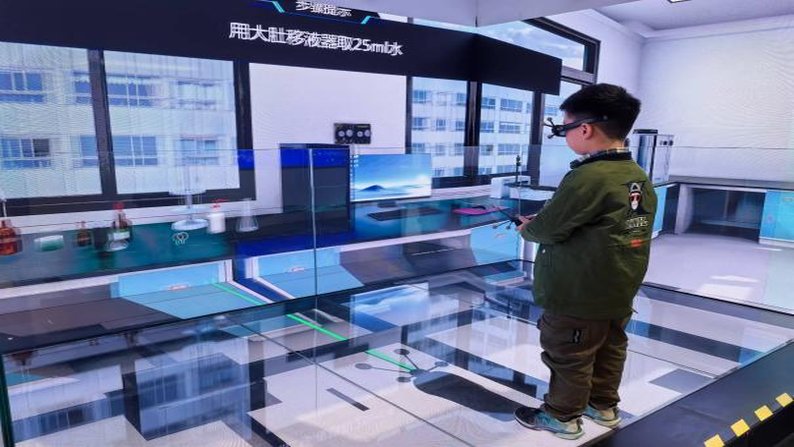
不择知行细流,蕴蓄蓝绿成深:雄安新区生态环境共享中心科普宣传空间营造雄安新区生态环境共享中心VR虚拟实验室(数字化仿真替代实体化学实验,实现科普零危废、低能耗)
6天前 · 来源:雄安新区生态环境监控中心 · 作者:雄安新区生态环境监控中心
