

Company/Organization Profile
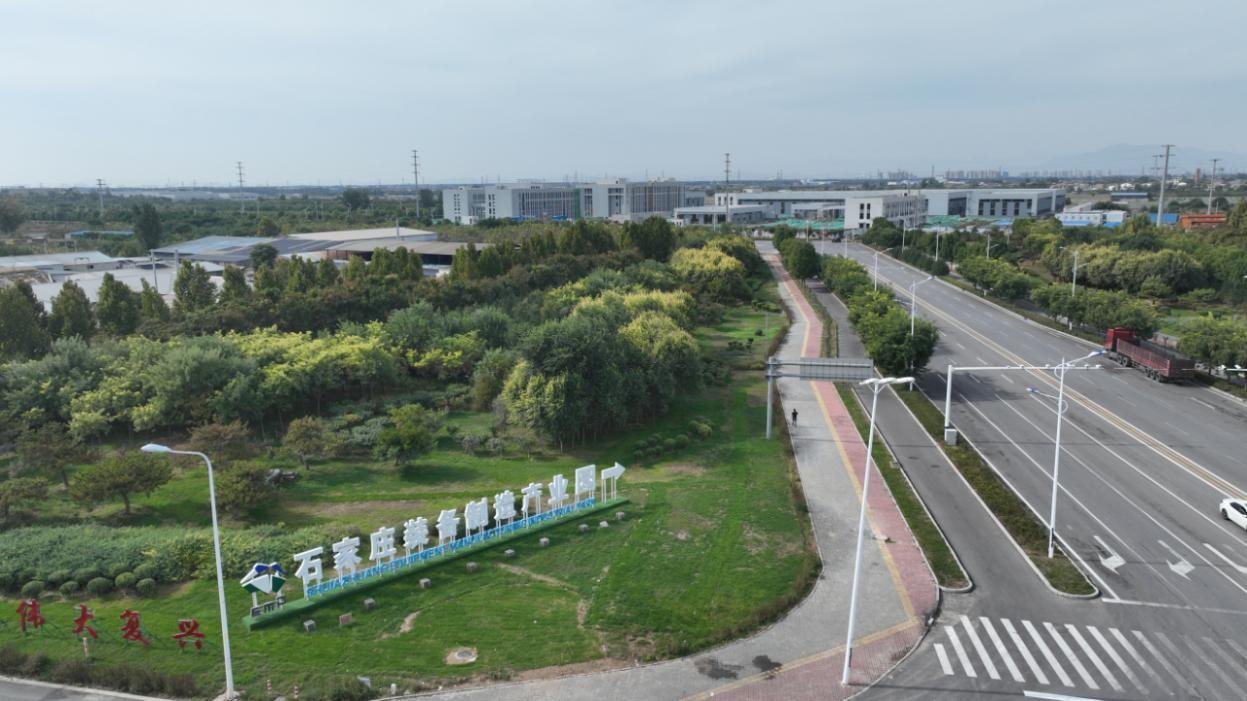
The Administrative Committee of Hebei Shijiazhuang Equipment Manufacturing Industrial Park is responsible for the park's planning and development, industrial growth, enterprise services, and coordination of its green transition. With equipment manufacturing as its leading industry, the park brings together vehicle and component manufacturers, high-end equipment producers, and related businesses. It features concentrated energy users, diverse load profiles, and significant potential for industrial collaboration.
As the co-applicant, Hebei Construction Investment Gas Safety Technology Co., Ltd. provides integrated-energy planning, technical solution integration, project assessment, and support for project delivery and operation. Based on the park's resource endowment and the actual needs of its enterprises, the two parties jointly advance clean-energy utilization, resource circulation, and demonstrative zero-carbon scenarios.
机构简介
河北石家庄装备制造产业园管理委员会负责园区规划建设、产业发展、企业服务和绿色转型统筹。园区以装备制造为主导,集聚整车及零部件、高端装备等产业,具有用能主体集中、负荷类型多元、产业协同空间较大的特点。
河北建投燃气安全技术有限公司作为联合申报方,面向园区提供综合能源规划、技术方案集成、项目评估及建设运营支持。双方以园区资源禀赋和企业实际需求为基础,协同推进清洁能源利用、资源循环和零碳示范场景建设。

Project Overview
Shijiazhuang Equipment Manufacturing Industrial Park is a provincial-level industrial park with a concentration of equipment manufacturers and substantial demand for electricity, heat, and natural gas. Its users include enterprises, industrial employees, and public-service entities. Before the initiative, energy projects were generally planned and advanced by individual enterprises. Rooftops, energy storage, pressure energy, waste heat, and reclaimed-water resources had not been mapped on a park-wide basis, and coordination among projects was limited. The park also faces practical constraints: it lacks the conditions for utility-scale wind development, usable rooftop resources are limited, cross-regional green-power connection requires substantial line investment, industrial steam remains insufficient, and the payback period of a stand-alone project can be long. The underlying issue was the absence of integrated coordination among energy supply, enterprise loads, public infrastructure, and industrial development, as well as an incomplete link between technical planning, investment, delivery, and operation. The initiative therefore follows the principle of prioritizing existing resources and advancing viable projects in phases. Led by the Administrative Committee, supported by a professional technical organization, and involving key enterprises, it develops coordinated pathways for source-grid-load-storage integration, resource circulation, and zero-carbon factories.
项目背景
石家庄装备制造产业园是省级产业园区,园内装备制造企业集聚,电、热、气等能源需求集中,服务对象包括园区企业、产业职工和公共服务主体。转型前,园区能源利用和项目建设主要由各企业分散推进,屋顶、储能、余压、余热和中水等资源缺少统一盘点,项目之间协同不足;同时,园区不具备规模化风电开发条件,可利用屋顶资源有限,跨区域引入绿电线路投资较高,工业蒸汽仍存在缺口,单一项目投资回收周期偏长。
造成上述问题的主要原因,是能源供给、企业负荷、公共设施和产业发展之间缺少一体化统筹,技术方案、投资建设和后期运营尚未形成闭环。项目因此以“优先利用既有资源、分期推进可落地项目”为目标,由管委会统筹、专业技术机构支撑、重点企业参与,构建源网荷储、资源循环和零碳工厂协同推进路径。
Project Implementation
After the initiative was launched, the Administrative Committee incorporated zero-carbon park development into its overall green-transition agenda. Together with Hebei Construction Investment Gas Safety Technology Co., Ltd., it adopted a pathway of resource mapping, option assessment, project-pipeline development, phased delivery, and operational evaluation.
First, a government-enterprise coordination mechanism was established. The Administrative Committee is responsible for overall organization, policy alignment, enterprise coordination, and the use of public resources. The co-applicant develops integrated-energy solutions, compares technical routes, assesses project economics and safety, and helps connect investment, construction, and subsequent operation. Park enterprises provide data on loads, buildings, processes, and energy use and participate in solution confirmation. Responsibilities cover market development, technical solutions, engineering delivery, safety management, and operation and maintenance, reducing handover gaps between stages.
Second, resource and demand surveys were carried out across electricity, heat, gas, water, transport, and industrial-production scenarios. The work reviewed enterprise loads and peak-valley profiles, rooftop conditions, pressure energy from natural-gas regulation, industrial and reclaimed-water waste heat, steam shortages, storage needs, and charging demand. Given the lack of conditions for wind development, limited rooftop availability, high costs for cross-regional green-power access, and the long payback periods of stand-alone storage projects, the park did not pursue blanket construction. Instead, it prioritized existing rooftops, pressure energy at gas facilities, waste heat, and water resources.
Third, an integrated technical pathway was developed around three application scenarios: source-grid-load-storage integration, resource circulation, and zero-carbon factories. The pathway coordinates distributed photovoltaics, distributed and stand-alone storage, power retail and trading, virtual power plants, pressure-energy power generation and cooling, reclaimed-water and flue-gas waste-heat recovery, green steam, charging facilities, an energy-and-carbon management platform, and green-hydrogen production. Resource conditions, grid-connection boundaries, safety requirements, investment models, and operating responsibilities are defined for each project category. Priority is given to projects with mature conditions, clear enterprise demand, and demonstrative value.
Fourth, a phased project pipeline was created. Near-term priorities include rooftop photovoltaics, storage, power retail, virtual power plants, pressure-energy utilization, and reclaimed-water waste-heat recovery. Medium-term projects include a second photovoltaic phase, charging facilities, waste-heat steam, heat from waste-to-energy facilities, and efficiency upgrades for general equipment. Longer-term reserves include direct green-power connections, an energy-and-carbon platform, heat-system operation, green-hydrogen production, and hydrogen storage and transport. A phased plan totaling approximately 136 MW has been developed, with about 50 MW in Phase I and 86 MW in Phase II. These figures represent planned capacity only and are not reported as commissioned capacity or actual emission reductions.
Fifth, six recognizable demonstration directions were defined: integrated pressure-energy utilization, a park microgrid, green steam, industrial water circulation, green factories at key enterprises, and rooftop photovoltaics on older factory buildings. Through enterprise visits, data collection, thematic discussions, and co-design, energy users moved from passively supplying information to jointly identifying scenarios and assessing projects. Load shifting, energy-efficient equipment operation, and green-production practices are incorporated into future operating plans.
Sixth, risk controls and continuous improvement were strengthened. Inconsistent data definitions, differences in project maturity, and sensitivity to energy prices are addressed through data verification, tiered prioritization, sensitivity analysis, and rolling updates of the project pipeline. Safety review is a prerequisite for pressure-energy, storage, and hydrogen projects. Once projects enter operation, energy-and-carbon data will support a monitoring-evaluation-optimization loop, and energy savings and emission reductions will be calculated strictly within actual commissioning boundaries.
项目实施
项目启动后,管委会将零碳园区建设纳入园区绿色转型工作统筹,联合河北建投燃气安全技术有限公司,按照“资源摸底—方案论证—项目建库—分期实施—运行评价”的路径推进。
一是建立政企协同机制。管委会负责总体组织、政策衔接、企业协调和公共资源统筹;联合申报方负责综合能源方案、技术路线比选、项目经济性与安全性评估,并协助衔接投资建设和后续运营;园区企业提供负荷、厂房、工艺及用能数据,参与方案确认。工作职责覆盖市场开发、技术方案、工程建设、安全管理和运行维护,减少项目在不同阶段的衔接断点。
二是开展资源与需求调查。围绕电、热、气、水、交通和工业生产场景,梳理企业用能负荷、峰谷特征、屋顶条件、燃气调压余压、工业余热、中水余热、蒸汽缺口、储能需求和充电需求。针对无风电开发条件、可利用屋顶相对有限、跨区域绿电接入成本较高、单一储能项目回收期较长等约束,不追求一次性铺开建设,而是优先盘活园区既有屋顶、场站压力能、余热和水资源。
三是形成一体化技术路径。以“源网荷储、资源循环、零碳工厂”为三类应用场景,统筹分布式光伏、分布式及独立储能、售电与电力交易、虚拟电厂、余压发电制冷、中水及烟气余热利用、绿色蒸汽、充电设施、能碳管理平台和绿电制氢等技术,避免各项目孤立建设。对每类项目同步设置资源条件、接入边界、安全要求、投资模式和运行责任,优先推进条件成熟、企业意愿明确、可形成示范效应的项目。
四是建立分期项目库。近期重点推进屋顶光伏、储能、售电、虚拟电厂、余压利用和中水余热等项目;中期拓展光伏二期、充电设施、余热蒸汽、垃圾发电余热及通用设备节能;远期储备绿电直连、能碳平台、热力运维、绿电制氢及氢能储运等方向。已形成总装机约136兆瓦的分期建设方案,其中一期约50兆瓦、二期约86兆瓦;上述数据为规划装机口径,不作为已投运规模或实际减排量。
五是打造可识别的示范场景。围绕余压综合利用、园区微电网、绿色蒸汽、工业水循环、重点企业绿色工厂和老旧厂房屋顶光伏,形成六类示范方向。推进过程中,通过企业走访、资料收集、专题沟通和方案共创,让用能企业从被动提供数据转为共同识别场景、共同评估项目,并把错峰用能、设备节能运行、绿色生产等要求嵌入后续运营方案。
六是强化风险与持续改进。对数据口径不一致、项目成熟度差异大和经济性受能源价格影响等问题,采取数据复核、分级排序、敏感性分析和滚动更新项目库的方式处理;对燃气余压、储能和氢能等项目设置安全审查前置条件。项目进入运营后,将依托能碳数据逐步建立“监测—评价—优化”闭环,并按照实际投运边界核算节能减排成效。
Project Outcome
Compared with the situation before implementation, the park has shifted from dispersed, single-project planning by individual enterprises to park-wide coordination, scenario integration, and phased advancement. First, a cross-organization mechanism has been established in which the Administrative Committee coordinates, a professional organization provides technical support, and park enterprises participate, with responsibilities clarified from solution design and construction to safety and operation. Second, the park's energy resources and priority needs have been systematically mapped. Previously fragmented rooftop, pressure-energy, waste-heat, reclaimed-water, storage, and charging resources are now viewed through a common baseline for project comparison. Third, a near-, medium-, and long-term pipeline covering approximately 20 project categories has been created, together with a two-phase plan of about 136 MW. This converts scattered opportunities into a prioritized, combinable, and regularly updated delivery list. Fourth, three application scenarios and six demonstration directions have been defined. Fifth, the approach of verifying resources before setting solutions and delivering mature projects before expanding system capabilities has been established, with safety review, economic assessment, and operating responsibilities brought forward. These are completed interim outcomes in organization, investigation, and planning as of the preparation date. Planned capacity and reserve projects are not counted as commissioned capacity or converted into actual emission reductions.
成果亮点
与实施前相比,项目推进方式已由企业分散、单点谋划转为园区统筹、场景集成和分期推进。一是形成“管委会统筹、专业机构支撑、园区企业参与”的跨主体协同机制,明确从方案、建设、安全到运营的责任链条。二是完成园区能源资源和重点需求的系统梳理,将原本分散的屋顶、压力能、余热、中水、储能和充电需求纳入统一视图,为项目比选提供共同底数。三是形成近期、中期、远期衔接的项目库,覆盖约20类项目方向,并形成总装机约136兆瓦的一、二期规划方案,使项目从零散机会转化为可排序、可组合、可滚动更新的建设清单。四是构建源网荷储、资源循环、零碳工厂三类应用场景,提炼余压综合利用、园区微电网、绿色蒸汽、工业水循环、重点企业绿色工厂、老旧厂房屋顶光伏六类示范方向。五是建立“先核资源、再定方案,先做成熟项目、再扩展系统能力”的实施方法,并将安全审查、经济性分析和运营责任前置,有利于降低重复建设和项目落地风险。上述成果均为截至申报材料形成日已经完成的阶段性组织、调查和方案成果;规划装机及储备项目不计作已投运规模,也不折算为实际减排量。
Project Highlights
The statistical boundary is the planned administrative area of Shijiazhuang Equipment Manufacturing Industrial Park, and the reporting date is the date on which this application was prepared. The initiative has developed three application scenarios, six demonstration directions, and approximately 20 phased project categories, together with a phased arrangement for about 136 MW of planned capacity. Its interim environmental value lies in prioritizing and activating existing rooftops, natural-gas pressure energy, industrial waste heat, and reclaimed-water resources, thereby creating a project foundation for reducing primary-energy consumption and avoiding unnecessary new resource use. The 136 MW figure is planned capacity and is not counted as actual energy savings or emission reductions. Socially, the initiative brings the Administrative Committee, a professional technical organization, and park enterprises into a common delivery mechanism, strengthening enterprise participation in resource surveys, project co-design, and green production. It offers a replicable method-resource survey, scenario design, project-pipeline development, and phased delivery-for the low-carbon transition of equipment-manufacturing parks operating under resource constraints.
成果影响力
统计边界为石家庄装备制造产业园规划管理范围,统计时点为申报材料形成日。项目现已形成3类应用场景、6类示范方向和约20类分期项目方向,并完成约136兆瓦规划装机的分期安排。其阶段性生态环境价值在于优先识别和盘活既有屋顶、天然气压力能、工业余热及中水等资源,为减少一次能源消耗和新增资源占用建立项目基础;136兆瓦为规划值,未计入实际节能减排。社会影响方面,项目把管委会、专业技术机构和园区企业纳入同一推进机制,提升了企业参与资源调查、项目共创和绿色生产的主动性,为同类装备制造园区开展资源受限条件下的低碳转型提供了可复制的“资源普查—场景设计—项目建库—分期实施”方法。
Reviews & Honors
The initiative's interim research outputs have received positive feedback from relevant government bodies during discussions on the park's green transition. The feedback recognized that the plan does not pursue a conceptual zero-carbon label detached from the park's industrial reality. Instead, it starts from actual loads, rooftop conditions, steam shortages, pressure- and waste-heat resources, and enterprises' investment capacity, and proposes a phased pathway with clear directions and project boundaries. Park enterprises have supported preliminary visits, data collection, and solution discussions, and have expressed practical demand for distributed photovoltaics on existing rooftops, optimized energy use through storage and virtual power plants, and the recovery of pressure energy and waste heat. A cooperation framework and working coordination mechanism provide organizational support for subsequent project assessment, construction, and operation. At this stage, the application reports only established interim recognition; it does not present unreceived awards or certifications, or the expected benefits of uncommissioned projects, as existing honors or outcomes. As projects are commissioned, consistent data definitions and third-party accounting will be introduced to create publicly verifiable energy-saving and emission-reduction performance.
评价与荣誉
项目阶段性研究成果已在园区绿色转型工作沟通中获得相关政府机构的积极评价。反馈认为,方案没有脱离园区产业基础追求概念化“零碳”,而是从实际负荷、屋顶条件、蒸汽缺口、余压余热资源和企业投资承受能力出发,提出分期推进路径,方向清晰、项目边界较为明确。园区企业在前期走访、资料收集和方案讨论中给予配合,对利用既有屋顶发展分布式光伏、通过储能和虚拟电厂优化用能、回收压力能与余热等方向表现出实际需求。双方已通过合作框架和工作协同机制,为后续项目论证、建设与运营提供组织保障。现阶段,本申报仅列入已形成的阶段性认可,不将尚未取得的奖项、认证或未投运项目的预期效益作为既有荣誉和成果。后续将结合项目投运情况,引入统一数据口径和第三方核算,持续形成可公开验证的节能减排绩效。

近零碳社区的美育升级---- 长寿苑社区 “低碳实践 + 影像科普” 共建项目
4天前 · 来源:成都市武侯区火车南站街道长寿苑社区居民委员会 · 作者:成都市武侯区火车南站街道长寿苑社区居民委员会
以绿色金融之力推动中国新质生产力!
4天前 · 来源:国泰海通证券研究所ESG及美丽中国研究组 · 作者:国泰海通证券研究所ESG及美丽中国研究组
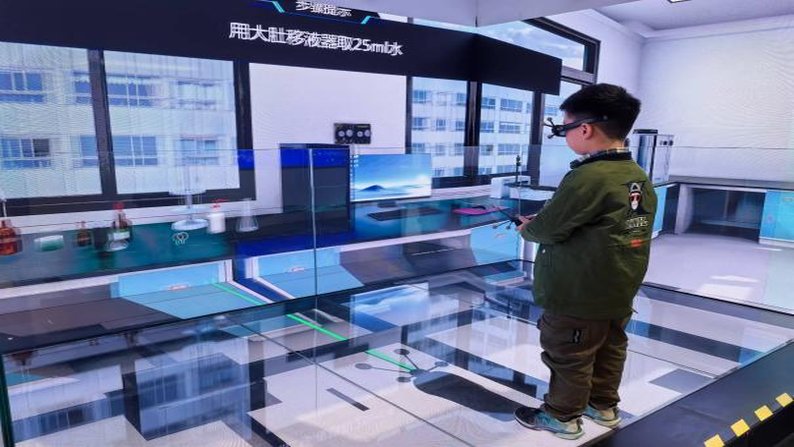
不择知行细流,蕴蓄蓝绿成深:雄安新区生态环境共享中心科普宣传空间营造雄安新区生态环境共享中心VR虚拟实验室(数字化仿真替代实体化学实验,实现科普零危废、低能耗)
6天前 · 来源:雄安新区生态环境监控中心 · 作者:雄安新区生态环境监控中心
