

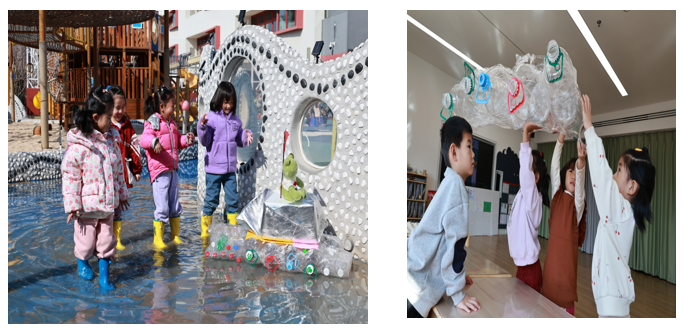
Company/Organization Profile
Against the backdrop of the coordinated development of the Beijing‑Tianjin‑Hebei region and centering on the orderly relocation of Beijing’s non‑capital functions, Beijing has supported the construction of the “Three Schools and One Hospital” project in Xiong’an New Area under the “turn‑key” model, aiming to improve the educational quality and public service capacity of Xiong’an New Area. As one of the projects, Xiong’an Beihai Kindergarten comes under the territorial administration of the Xiong’an New Area Education Bureau, while its school operation is entrusted to Beijing Beihai Kindergarten. The kindergarten officially opened to enroll students on September 1, 2023.
Covering a land area of 6,084 square meters with a total floor area of 4,521.9 square meters, Xiong’an Beihai Kindergarten is a full‑time public kindergarten with 9 classes under a 3‑track system, offering 225 student places. It mainly serves children accompanying families relocated from Beijing for non‑capital function relocation. Guided by the institutional culture of “Be True to Yourself” inherited from Beijing Beihai Kindergarten, Xiong’an Beihai Kindergarten carries forward over 70 years of cultural heritage of the original campus. It shares educational resources and conducts talent exchange and joint training with the main campus and branch campuses, sustaining the high‑quality education ethos in Xiong’an New Area. Upholding the school‑running tenet “Devote to children’s present, focus on children’s future” and the management philosophy “Support teachers to work independently and children to grow autonomously”, all faculty members strive to develop its school‑running feature of “Implementing subject‑oriented education, where everyone can be true to themselves amid joyful development”. Committed to fostering “healthy, joyful, broad‑minded, independent and confident Chinese children”, it delivers high‑quality preschool education as a neighborhood kindergarten for local residents, bolsters the development of Xiong’an New Area, and contributes to building a powerful country in education.
On the basis of high‑quality school operation, the kindergarten thoroughly practices the green and low‑carbon development philosophy, integrating it into the whole process of campus planning, construction and daily operation and management. It rigorously carries out sustainable education and practices including energy conservation, water conservation and resource recycling, and keeps exploring distinctive development paths for future‑oriented green and low‑carbon campuses. Thanks to its solid achievements in green construction and low‑carbon management, the kindergarten has been awarded the Demonstration Unit for Economical Public Institutions (2023‑2024) nationwide, one of the first pilot sites for domestic waste classification in Xiong’an New Area (2025), and a Demonstration Unit for “Waste‑Free School”.
机构简介
在京津冀协同发展大背景下,围绕有序疏解北京非首都功能这一核心,北京市以“交钥匙”方式,支持雄安新区建设“三校一院”项目,旨在提升雄安新区的教育质量和公共服务水平。雄安北海幼儿园是“三校一院”项目之一,由雄安新区教育局负责属地管理,并委托北京市北海幼儿园开展办学和运营。2023年9月1日,雄安北海幼儿园正式开园纳新。
雄安北海幼儿园占地面积6084平方米,总建筑面积4521.9平方米,是一所全日制公立9班幼儿园,3轨制,提供225个学位,主要服务对象是北京非首都功能疏解人员随迁子女。在北京市北海幼儿园“做真正的自己”园所文化引领下,雄安北海幼儿园传承着本址70余年的文化积淀,并与本址及各分址实现教育资源共享、人才交流共育,让孕育优质教育的土壤在雄安新区延续。全体教职工秉承“倾心于孩子的今天,着眼于孩子的明天”的办园宗旨,以及“支持教师自主地工作,支持幼儿自主地成长”的管理理念,努力探索“实施主体性教育,人人在快乐发展中做真正的自己”的办园特色,着力培养“健康、快乐、大气、自主、自信的中华儿童”,以高质量的教育办好老百姓家门口的幼儿园,支持雄安新区的发展,为教育强国贡献力量。
在高质量办园的基础上,幼儿园深度践行绿色低碳发展理念,将其全面融入校园规划、工程建设与日常运营管理全过程,严格落实节能、节水、资源循环利用等可持续教育与实践工作,持续探索面向未来的绿色低碳校园特色发展路径。凭借扎实的绿色建设与低碳管理成果,园所先后获评全国2023-2024年节约型公共机构示范单位、2025年雄安新区首批生活垃圾分类示范点、“无废学校”示范单位。
Project Overview
Background and Construction Objectives
As a pioneering educational project supporting the development of Xiong’an New Area and safeguarding people’s livelihood, Xiong’an Beihai Kindergarten has undertaken the mission of high‑standard green, smart and modern school operation since its planning and construction. In response to Xiong’an New Area’s grand blueprint of building “a model city for green development” and to earnestly implement the national “dual‑carbon” strategy, the kindergarten has systematically integrated green and low‑carbon concepts into the whole‑life cycle of campus planning, construction and operation. It is committed to building a green and low‑carbon paradise for children’s growth that features “environmental friendliness, resource conservation, educational influence and smart management”. Our goal is not merely to construct a physically low‑carbon campus, but also to cultivate a new generation of future citizens with ecological civilization literacy. By extending its influence from the campus to families and communities, we lay a solid foundation for the green future of Xiong’an New Area.
(I) Current Situation and Major Pain Points
At the initial stage of the kindergarten’s operation, prominent weaknesses existed in green and low‑carbon development under the conventional school‑running model. First, resources were utilized in an extensive way. Without intelligent monitoring and control over daily water and electricity consumption, hidden energy‑waste issues such as idle lighting and equipment as well as water waste occurred, leading to low resource‑use efficiency. Second, carriers for green education were insufficient. Ecological education scenarios were not systematically incorporated into the campus environment. Green concepts including low‑carbon living, water conservation and waste classification remained at the level of verbal advocacy, lacking immersive and experiential practice venues for young children. Third, the green management system was imperfect. Standardized energy‑saving management regulations, job responsibilities and long‑term operation and maintenance mechanisms were absent. Environmental‑protection work was fragmented and sporadic, making regular implementation difficult. Fourth, green collaboration among kindergarten, families and communities was insufficient. Green and low‑carbon education was confined within the campus and failed to effectively engage families and communities, resulting in weak demonstration and leading effects.
(II) Analysis of Root Causes
Comprehensive analysis attributes the above‑mentioned problems to three main factors.First, outdated concepts guided construction and operation. Traditional kindergarten construction prioritized architectural appearance and teaching hardware, while attaching insufficient importance to low‑carbon design and energy‑saving operation‑maintenance, lacking whole‑life‑cycle thinking for green campus development.
Second, the management mechanism was inadequate. Systematic management regulations and special working systems for energy conservation & emission reduction, resource recycling and waste classification had not been established. Job responsibilities were not clearly specified, and there were no dedicated posts or regular supervision mechanisms.
Third, the education model was simplistic and rigid. Previous green education activities were fragmented. Systematic curricula and practical scenarios tailored to children’s age characteristics had not been developed. Young children could hardly perceive, experience and practice green and low‑carbon behaviors in real‑life settings, which undermined educational effectiveness.
(III) Overall Improvement and Construction Objectives
Based on the green and low‑carbon development positioning of Xiong’an New Area and the fundamental educational mission of the kindergarten, our core objectives are to build a low‑carbon demonstration campus, establish an ecological education system and exert exemplary and radiating effects.
At the hardware level, technical approaches including green building standards, energy‑saving equipment, renewable energy utilization, rainwater recycling and smart energy consumption management are fully adopted to construct a modern low‑carbon campus space that is resource‑saving and environment‑friendly. Precise energy consumption control, resource recycling as well as the reduction and high‑value utilization of solid waste can thus be realized.
At the management level, a standardized, institutionalized and regular green and low‑carbon campus management system is set up, forming a long‑term operation‑maintenance mechanism with full‑staff participation, responsibility implementation at all levels and whole‑process control.
At the educational level, green and low‑carbon concepts are deeply embedded in campus environments, daily teaching and children’s activities. Immersive ecological education scenarios are created to nurture children’s fine qualities such as frugality, self‑discipline, love for nature and low‑carbon lifestyles.
At the outreach level, centered on the kindergarten, we connect families and reach out to communities to form a collaborative green education pattern among kindergarten, families and society. We strive to build a replicable and promotable demonstration model of green and low‑carbon campus for preschool education, and contribute to the construction of a green low‑carbon city and the high‑quality education development in Xiong’an New Area.
项目背景
雄安北海幼儿园作为服务新区建设、保障民生起步的先导性教育项目,自规划建设之初便承载着高标准的绿色、智慧、现代化办学使命。为积极响应雄安新区建设“绿色发展城市典范”的宏伟蓝图,深入践行国家“双碳”战略,我园将绿色低碳理念系统性地深度融入校园的规划、建设与运营全生命周期,致力于打造一个集“环境友好、资源节约、教育浸润、智慧管理”于一体的绿色低碳碳儿童成长乐园。我们的目标不仅是建设一个物理上的低碳校园,更是培育一代具有生态文明素养的未来公民,通过校园辐射家庭,影响社区,为雄安新区的绿色未来奠定坚实根基。
(一)现状与主要痛点
园所建成运营初期,传统办学模式下的校园绿色低碳建设存在明显短板。一是资源利用粗放,日常水电消耗缺乏智能监测管控,存在照明、设备空耗、用水浪费等隐性能耗问题,资源利用效率不高;二是绿色育人载体缺失,校园环境未系统融入生态教育场景,低碳、节水、垃圾分类等绿色理念仅停留在口头宣讲,缺乏沉浸式、体验式的幼儿实践阵地;三是绿色管理体系不完善,缺乏标准化的节能管理制度、岗位职责和长效运维机制,环保工作碎片化、随机性强,难以常态化落地;四是家园社绿色联动不足,绿色低碳教育仅局限于校园内部,未能有效辐射家庭、带动社区,示范引领作用薄弱。
(二)问题成因分析
综合分析,上述问题主要源于三方面原因。一是建设运营理念传统化。传统幼儿园建设重建筑外观、重教学硬件,轻低碳设计、轻节能运维,缺乏全生命周期的绿色校园建设思维。二是管理机制不健全。未建立系统化的节能减排、资源循环、垃圾分类管理制度与专项工作体系,责任划分不够细化,缺乏专人专岗管控与常态化督导机制。三是育人模式单一固化。以往绿色教育形式较为零散,未结合幼儿年龄特点构建体系化课程与实践场景,幼儿无法在真实场景中感知、体验、践行绿色低碳行为,育人实效性不足。
(三)总体改进建设目标
立足新区绿色低碳发展定位和园所育人根本任务,我园以打造低碳示范校园、构建生态育人体系、发挥样板辐射作用为核心目标。在硬件层面,全面整合绿色建筑、节能设备、可再生能源、雨水回收、智慧能耗管理等技术手段,构建资源节约、环境友好的现代化低碳校园物理空间,实现能耗精准管控、资源循环利用、固体废物减量提质。在管理层面,建立规范化、制度化、常态化的绿色低碳校园管理体系,形成全员参与、层层落实、全程管控的长效运维机制。在育人层面,将绿色低碳理念深度融入校园环境、日常教学、幼儿活动全过程,打造沉浸式生态育人场景,培养幼儿节约自律、爱护自然、低碳生活的良好素养。在辐射层面,以校园为核心,联动家庭、辐射社区,形成家园社协同的绿色育人格局,全力打造可复制、可推广的学前教育绿色低碳校园示范样板,助力雄安新区绿色低碳城市建设与教育高质量发展。
Project Implementation
Sound Organizational Management and Robust Long‑term Mechanisms
Our kindergarten regards green and low‑carbon development as one of its core school‑running philosophies and has systematically established long‑term management mechanisms.
First, overall leadership and planning‑driven implementation. A “Leading Group for Green and Low‑Carbon Campus Construction” headed by the kindergarten principal has been set up. Green and low‑carbon goals are deeply incorporated into the kindergarten’s annual work plans and medium‑ and long‑term development strategies to ensure goal‑oriented and step‑by‑step implementation.
Second, sound systems with clearly assigned responsibilities. A complete set of rules and regulations has been formulated and refined, including the Energy Conservation and Emission Reduction Management System, Implementation Rules for Green Procurement, and Waste Classification Management Measures, clarifying the division of responsibilities and implementation standards for all tasks.
Third, regular supervision and continuous improvement. A regular work promotion and supervision mechanism is in place. Special meetings are held periodically to deliberate on and arrange key tasks and inspect implementation status. Analysis and evaluation are conducted based on energy‑management data to achieve continuous optimization of relevant work.
II. Integrated Low‑carbon Technologies for Efficient Energy and Resource Utilization
Throughout the whole‑life cycle of campus planning, construction and operation, the kindergarten adopts a range of advanced low‑carbon technologies to effectively cut carbon emissions and resource consumption.
First, high‑standard green buildings. All campus buildings comply with the national three‑star green building standard. High‑performance thermal‑insulation building envelopes and energy‑saving doors and windows are applied, while natural lighting and ventilation designs are optimized to reduce building‑energy demand from the source.
Second, renewable energy application. A distributed photovoltaic power generation system is built. The generated electricity meets daily lighting needs in children’s activity zones and effectively raises the self‑sufficiency rate of clean energy.
Third, water resource conservation and recycling. Water‑saving appliances are fully deployed. A rainwater collection and reuse system is constructed. Collected rainwater is treated for irrigating children’s planting plots and campus greenery, substantially cutting municipal water consumption.
Fourth, full‑coverage energy‑saving equipment. High‑efficiency LED lamps are used for both indoor and outdoor lighting. Major energy‑consuming equipment such as air‑conditioners are national Grade‑1 energy‑efficiency products to minimize operating‑energy consumption.
Fifth, smart energy management. Dedicated staff conduct real‑time monitoring, statistics and analysis of campus energy‑consumption data including electricity and water use. This enables refined energy management and provides data support for scientific decision‑making.
Sixth, resource recycling and green travel. A complete system for waste‑classification collection, transfer and resource utilization has been established. To date, the kindergarten has been accredited as a national Demonstration Unit for Economical Public Institutions. Its application for the Xiong’an New Area “Waste‑Free Campus” demonstration unit is under acceptance inspection, and it has been awarded the title of one of Xiong’an New Area’s First Batch of Excellent Waste Classification Demonstration Cases. Meanwhile, convenient bicycle‑parking areas are provided to encourage faculty members and parents to choose green travel modes such as public transport, walking and cycling.
III.Cultural Influence and Co‑creation of Shared Green Values
The kindergarten strives to internalize low‑carbon concepts into campus culture and externalize them into practical actions, fostering a campus‑wide green atmosphere.
First, education through environment to build a green atmosphere. Green and low‑carbon elements are integrated into campus layouts. Bulletin boards and theme walls make environmental‑protection concepts visible everywhere and exert a subtle educational influence.
Second, curriculum integration for ecological enlightenment. Green and low‑carbon education is systematically embedded in daily teaching. A series of environmental‑protection themed courses and practical activities tailored to children’s cognitive characteristics have been developed, such as “Little Low‑carbon Guardians” and “I’m Good at Waste Sorting”, which are well‑received by children and parents.
Third, home‑kindergarten co‑education and social outreach. Diversified platforms including the kindergarten’s official WeChat account, brochures and parents’ open days are fully leveraged to publicize the kindergarten’s low‑carbon initiatives and achievements to families and the public and share practical experience, building joint educational forces among kindergarten, families and communities. The kindergarten proactively receives visits and exchanges from peer institutions and takes part in various “green and low‑carbon” themed events organized by Xiong’an New Area. Multiple faculty members have won first‑ and second‑class prizes, delivering sound exemplary and leading effects.
IV. Remarkable Implementation Outcomes and Outstanding Demonstration Value
Systematic practices have yielded notable achievements in the kindergarten’s green and low‑carbon development.
First, prominent environmental benefits. Campus carbon‑emission intensity and resource consumption have decreased significantly, leading to a more eco‑friendly campus environment.
Second, solid educational outcomes. Teachers’ and children’s awareness of energy conservation and environmental protection has been generally enhanced. Low‑carbon behavioral habits have gradually taken shape, and green‑low‑carbon values have become an important part of campus culture.
Third, improved management efficiency. Smart management has effectively controlled operating costs and greatly lifted the modern‑governance capacity of the campus.
Fourth, high social recognition. The kindergarten has been accredited as a national Demonstration Unit for Economical Public Institutions and one of Xiong’an New Area’s First Batch of Excellent Waste Classification Demonstration Cases. Its application for Xiong’an New Area Waste‑Free Campus demonstration unit is undergoing acceptance inspection. Valuable experience has been formed for replication and promotion within preschool education.
Featuring “cultural nurturing”, Xiong’an Beihai Kindergarten has explored a green‑low‑carbon campus‑construction path suitable for preschool education through the integration of management, technology and education. We are willing to share practical experience with all sectors and contribute preschool‑education‑sector strength to Xiong’an New Area’s goal of building “a model city for green development”.
项目实施
一、 组织管理健全,长效机制保障有力
我园将绿色低碳发展视为核心办学理念之一,系统构建了长效管理机制。
一是领导统筹,规划先行。成立了由园长负责的“绿色低碳校园建设工作领导小组”,将绿色低碳目标深度融入园所年度工作计划与中长期发展规划,确保工作有目标、推进有步骤。
二是制度完善,责任到人。制定并完善了《节能减排管理制度》《绿色采购实施细则》《垃圾分类管理办法》等一系列规章制度,明确各项工作的责任分工与执行标准。
三是常态督导,持续改进。建立常态化的工作推进与监督机制,定期召开专题会议,研究部署重点任务,检查落实情况,并依据能源管理数据进行分析评估,实现工作的持续优化。
二、低碳技术集成,能源资源高效利用
我园在校园规划、建设与运营的全生命周期内,综合应用多项先进低碳技术,切实降低碳排放与资源消耗。
一是高标准的绿色建筑。校园建筑全面执行国家绿色建筑三星级标准,采用高性能围护结构保温体系、节能门窗,并优化自然采光与通风设计,从源头降低建筑能耗需求。
二是可再生的能源应用。建设了分布式光伏发电系统,所发电量可满足校园幼儿活动区域的日常照明需求,有效提升清洁能源自给率。
三是水资源的循环节约。全面使用节水型器具,并建设雨水收集回用系统,收集的雨水经处理后用于幼儿种植园地与校园绿化灌溉,显著减少了市政用水消耗。
四是全覆盖的节能设备。室内外照明均采用高效LED灯具,空调等主要用能设备选用国家一级能效产品,最大限度降低运行能耗。
五是智慧化的能源管理。校园的用电、用水等能耗数据,专人对其进行实时监测、统计与分析,实现能源使用的精细化管控,为科学决策提供数据支撑。
六是资源循环与绿色出行。建立完善的垃圾分类收集、转运与资源化利用体系。截至目前,我园已入选全国《节约型公共机构示范单位》并授牌,关于雄安新区“无废校园”示范单位已进入验收阶段,雄安新区《首批优秀垃圾分类示范案例》已授牌。同时,通过设置便捷的自行车停放区,鼓励教职工、家长采用公共交通、步行或骑行等绿色出行方式。
三、文化宣传浸润,共建共享绿色理念
我园注重将低碳理念内化于文化,外化于行动,营造全员参与的绿色氛围。
一是环境育人,营造氛围。将绿色低碳元素融入校园环境布置,通过宣传栏、主题墙等形式,让环保理念随处可见、潜移默化。
二是课程融合,教育启蒙。将绿色低碳教育系统纳入日常教学体系,开发“低碳小卫士”“垃圾分类我在行”等一系列符合幼儿认知特点的环保主题课程与实践活动,深受幼儿喜爱与家长好评。
三是家园共育,社会辐射。充分利用幼儿园公众号、宣传册、家长开放日等多元化平台,积极向家庭与社会宣传我园的低碳举措与成效,分享建设经验,形成家园社教育合力。主动接待同行参观交流,积极参与新区组织的各类“绿色低碳”主题活动,多名教职工荣获一、二等奖,发挥了良好的示范引领作用。
四、实施成效显著,示范价值突出
通过系统性实践,我园绿色低碳建设取得显著成效。
一是环境效益凸显。校园碳排放强度与资源消耗显著降低,生态环境更加友好。
二是育人效果扎实。师生的节能环保意识普遍增强,低碳行为习惯逐步养成,绿色低碳已成为校园文化的重要组成部分。
三是管理效能提升。通过智慧化管理,运营成本得到有效控制,校园现代化治理水平显著提升。
四是社会认可度高。入选全国“节约型公共机构示范单位”与雄安新区“首批优秀垃圾分类示范案例”,且我园的雄安新区无废校园示范单位进入验收阶段,形成了可在幼儿教育领域复制推广的宝贵经验。
雄安北海幼儿园以“文化浸润”为特色,通过管理、技术与教育的三重融合,探索出一条适用于学前教育的绿色低碳校园建设路径。我们愿将这份实践经验与各界分享,为雄安新区建设“绿色发展城市典范”贡献教育领域的力量。
Project Outcome
Our kindergarten attaches great importance to the top‑level design and continuous advancement of green and low‑carbon campus construction. A “Leading Group for Green and Low‑Carbon Campus Construction” led by the kindergarten principal has been set up, with special working groups under it for energy management, environmental education and resource recycling. The Leading Group has explicitly incorporated green and low‑carbon development into the kindergarten’s annual work plan and medium‑ and long‑term development plan, making it one of the core strategies for institutional development. We have formulated and continuously improved a series of rules and regulations, including the Measures for Energy Conservation and Emission Reduction Management, Detailed Rules for Waste Classification Implementation and Guidelines for Green Procurement. Responsibilities are clearly assigned from kindergarten administrators to class teachers and logistics staff, forming a management network where “everyone bears responsibility and tasks are implemented at all levels”. Regular special meetings are held to study and arrange phased key tasks, inspect and evaluate the implementation effect of various low‑carbon measures, and conduct timely optimization and adjustment, so as to ensure effective delivery and continuous improvement of all work.
Low‑carbon Technology and Resource Recycling and Utilization
Green Building and Energy‑saving Design: All campus buildings fully comply with the national three‑star green building standard. High‑performance thermal‑insulation building envelopes and energy‑saving doors and windows are adopted to effectively reduce energy consumption for summer cooling and winter heating. Well‑designed natural‑light skylights and ventilation corridors maximize the use of natural daylight and natural ventilation, cutting down the duration and energy consumption of artificial lighting and mechanical ventilation.
Renewable Energy Utilization: A distributed photovoltaic power generation system is built in children’s activity areas. The electricity generated can meet daily lighting needs and intuitively demonstrates the charm of clean energy to children.
Water Resource Recycling and Conservation: Sensor‑equipped water‑saving faucets and toilets are fully installed. A complete rainwater collection and reuse system is constructed. Collected rainwater is treated and used for campus greening irrigation, landscape water replenishment and road washing, realizing water resource recycling and substantially reducing municipal water consumption. Meanwhile, teaching activities guide children to learn about “The Journey of Raindrop Babies” and understand the value of water resources.
High‑efficiency Equipment and Lighting: 100% of indoor and outdoor lighting adopts high‑efficiency LED lamps, with intelligent adjustment realized via light‑sensor and time‑control technologies. Major energy‑consuming equipment such as office appliances, air‑conditioners, fresh‑air units and refrigerators strictly adopt national Grade‑1 energy‑efficiency products to improve energy efficiency at the end‑user equipment level.
Recycling and “Waste‑Free” Practices: A complete system for waste classification, collection, temporary storage and transfer has been established, fitted with clearly‑labeled collection containers and illustrated guidance materials. We integrate the “waste‑free” concept into daily routines and actively organize and participate in themed activities for “Waste‑Free School” and waste classification, such as “turning waste into treasure” handcraft‑making, waste battery recycling, and kitchen waste composting experience. Thanks to these vivid practices, our kindergarten has been accredited as a national Demonstration Unit for Economical Public Institutions and included in Xiong’an New Area’s First Batch of Excellent Waste Classification Demonstration Cases. We are steadily advancing the awarding procedures for the “Waste‑Free School” demonstration unit, striving to achieve source reduction, resource recovery and safe disposal of campus solid waste.
Promotion of Green Travel: Safe and convenient parking zones for bicycles and electric bicycles are planned within the campus to encourage faculty members to commute in low‑carbon ways. Through the “home‑kindergarten co‑education” mechanism, we actively publicize the environmental significance of green travel to parents, advocating priority for public transport, walking or cycling when picking up and dropping off children. Activities such as the selection of “Little Green Travel Model Pupils” build joint efforts between home and kindergarten to cut transportation carbon emissions.
Smart Energy Management: An energy management platform is deployed to conduct real‑time monitoring, statistics and analysis of campus energy‑consumption data including electricity and water use, enabling visualized and quantifiable energy consumption. Data analysis helps detect abnormal energy consumption in a timely manner and optimize equipment operation strategies, achieving refined and intelligent energy management and providing data support and decision‑making basis for continuous energy conservation and emission reduction.
Environmental Creation and Cultural Communication
Immersive Environmental Creation: Green and low‑carbon concepts are embodied in every corner of the campus. Environmental‑themed art paintings and handcrafts made jointly by teachers and children using waste materials decorate corridors and classroom walls. An outdoor “Little Ecological Farm” is opened for children to take part in planting, observe plant growth and understand life cycles and food origins. Environmental‑protection bulletin boards and energy‑ and water‑saving reminder signs create a strong atmosphere where “everywhere is an environmental‑protection classroom and environmental education is accessible at all times”.
Systematic Teaching and Education: Green and low‑carbon education is systematically incorporated into daily teaching. A series of environmental‑protection themed courses and activities are developed in line with children’s age characteristics and cognitive rules. For instance, picture‑book stories such as Granny Who Hates Waste guide children to conserve resources; science experiments help them understand water purification; role‑play games teach waste classification; observations and records of weather changes inspire their love for nature. We emphasize “learning by doing”, enabling children to internalize environmental‑protection awareness and develop low‑carbon habits through hands‑on experience and practice.
Diversified Communication and Outreach: Multiple channels including the kindergarten’s official WeChat account, bulletin boards, parent handbooks, open‑house days and themed events are fully utilized to publicize and showcase our innovative practices and remarkable achievements in green and low‑carbon campus construction to parents and the public. We proactively share experience and insights on building a green and low‑carbon campus and receive visits and exchanges from educators across the country. Giving full play to the exemplary, leading and radiating role of this pilot project, we strive to spread seeds of green and low‑carbon awareness to broader communities.
Implementation Outcomes
Ecological Culture Takes Root Deeply: Green and low‑carbon values have become an indispensable component of our kindergarten culture. Environmental‑protection awareness among all teachers and children has been markedly enhanced. Low‑carbon habits such as saving every kilowatt‑hour of electricity and every drop of water, and conducting accurate waste classification have gradually become voluntary actions. Teaching activities and courses integrated with low‑carbon concepts are well‑loved by children and widely recognized and supported by parents for their fun, practicality and educational value.
Remarkably Improved Operational Efficiency: Enhanced energy‑management measures realize transparent management of energy‑consumption data and precise regulation of resources. This not only effectively cuts campus energy and resource consumption as well as operating costs, but also greatly elevates the modern and intelligent level of campus governance.
Growing Demonstration Effects: Various themed activities concerning “energy‑saving institutions”, “waste‑free schools” and waste classification organized and participated in by our kindergarten have generated positive social feedback. Being selected as a national Demonstration Unit for Economical Public Institutions and included in Xiong’an New Area’s First Batch of Excellent Waste Classification Demonstration Cases is full recognition of our work. The ongoing acceptance inspection for the “Waste‑Free School” demonstration unit marks that we have reached higher standards in resource recycling and solid‑waste management.
Green Travel Gains Popularity: Driven by continuous advocacy and incentive mechanisms, the proportion of faculty and parents choosing green travel modes has risen steadily. Traffic conditions around the campus have improved, and a social norm of low‑carbon travel is taking shape.
Through long‑term green and low‑carbon practices, our kindergarten aims to explore implementation pathways for effective carbon reduction in the specific preschool setting by integrating advanced technologies and innovative scientific management. We cultivate low‑carbon and environmental‑protection awareness from early childhood, fostering behavioral changes and long‑term sustainable development through education. We will continue further exploration and improvement, striving to build Xiong’an Beihai Kindergarten into a benchmark and model for green and low‑carbon development in preschool education within Xiong’an New Area and across China.
成果亮点
我园高度重视绿色低碳校园建设的顶层设计与持续推动,成立了由园长牵头的“绿色低碳校园建设工作领导小组”,下设能源管理、环境教育、资源循环等专项工作小组。领导小组将绿色低碳发展明确写入园所年度工作计划与中长期发展规划,使之成为园所发展的核心战略之一。我们制定并不断完善了《节能减排管理办法》《垃圾分类实施细则》《绿色采购指南》等一系列规章制度,明确了从园领导到各班教师、后勤人员的责任分工,形成了“人人有责、层层落实”的管理网络。通过定期召开专题会议,我们研究部署阶段性重点任务,检查评估各项低碳措施的执行效果,并及时进行优化调整,确保了各项工作的有效落地与持续改进。
一、低碳技术水平与资源循环利用
1. 绿色建筑与节能设计:校园建筑全面执行国家绿色建筑三星级标准。采用高性能的围护结构保温体系与节能门窗,有效降低了夏季制冷和冬季采暖的能耗。精心设计的自然采光天窗和通风廊道,最大限度利用自然光照明和自然风通风,减少了人工照明和机械通风的使用时长与能耗。
2. 可再生能源利用:在幼儿活动区域建设了分布式光伏发电系统,所发电量可以满足日常照明,直观地向孩子们展示了清洁能源的魅力。
3. 水资源循环节约:全面使用感应式节水龙头、马桶等器具。建设了完善的雨水收集回用系统,将雨水汇集处理后,用于园区绿化灌溉、景观水体补水和道路冲洗,实现了水资源的循环利用,大幅减少了市政用水的消耗。同时,在教学中引导幼儿了解“雨水宝宝旅行记”,理解水资源来之不易。
4. 高效设备与照明:室内外照明100%采用高效LED灯具,并结合光感、时控技术实现智能调节。办公用品、空调、新风机组、冰箱等主要用能设备均严格选用国家一级能效产品,从终端设备上提升能效水平。
5. 循环利用与“无废”实践:建立了完善的垃圾分类收集、暂存与转运体系,设置分类清晰的收集容器,并配有图文并茂的指引。我们将“无废”理念融入日常,积极开展并参与各类“无废学校”、垃圾分类主题活动,如“变废为宝”手工制作、废旧电池回收、厨余垃圾堆肥体验等。通过这些生动实践,我园成功入选全国“节约型公共机构示范单位”与雄安新区“首批优秀垃圾分类示范案例”,并顺利推进“无废学校”示范单位的挂牌工作,致力于实现校园固体废物的源头减量、资源化利用和安全处置。
6. 倡导绿色出行:园区内规划了安全、便利的自行车及电动自行车停放区,鼓励教职工采用低碳方式通勤。通过“家园共育”机制,我们积极向家长宣传绿色出行的环保意义,倡议在接送幼儿时优先选择公共交通、步行或骑行,并通过开展“绿色出行小标兵”评选等活动,形成家园合力,共同减少交通碳排放。
7. 智慧能源管理:部署了能源管理平台,对校园的电、水等能耗数据进行实时监测、统计与分析,实现了能源使用的可视化、可量化。通过数据分析,及时发现异常能耗,优化设备运行策略,实现了能源的精细化、智能化管理,为持续节能减排提供了数据支撑和决策依据。
二、环境创设与文化宣传
1. 浸润式环境创设:我们将绿色低碳理念物化于校园的每一个角落。走廊、教室墙面布置着由师幼共同利用废旧材料制作的环保主题艺术画、手工作品;户外开辟了“小小生态农园”,孩子们亲身参与种植,观察植物生长,理解生命循环与食物来源;设置环保知识宣传栏、节能节水提示标牌,营造出“处处是环保课堂,时时受环保教育”的浓厚氛围。
2. 系统化教育教学:将绿色低碳教育系统性地纳入日常教学体系,基于幼儿的年龄特点和认知规律,开发了系列化的环保主题课程与活动。例如,通过绘本故事《怕浪费婆婆》引导孩子节约资源,通过科学小实验了解水的净化过程,通过角色扮演游戏学习垃圾分类,通过观察记录天气变化萌发对自然的热爱。我们强调“做中学”,让孩子们在亲身体验和动手实践中,内化环保意识,养成低碳行为习惯。
3. 多元化宣传辐射:充分利用幼儿园公众号、宣传栏、家长手册、开放日、主题活动等多种渠道,积极向家长和社会公众宣传、展示我园在绿色低碳校园建设方面的创新举措与显著成效。我们主动分享绿色低碳校园建设的经验与心得,接待来自各地的教育同行参观交流,充分发挥了先行先试项目的示范、引领和辐射作用,努力将绿色低碳的种子播撒到更广阔的空间。
三、实施成效
1. 生态文化深入人心:绿色低碳已成为我园文化不可或缺的重要组成部分。全园师生的环保意识普遍显著增强,节约每一度电、每一滴水、进行准确垃圾分类等低碳行为习惯已逐步养成,成为一种自觉行动。融入低碳理念的教学活动和课程因其趣味性、实践性和教育性,深受幼儿喜爱,并获得了家长们的广泛好评和积极支持。
2.运营效率显著提升:能源管理措施的加强,实现了能耗数据的透明化管理与资源的精准调控,不仅有效降低了校园的能源资源消耗和运营成本,更极大地提升了校园管理的现代化、智慧化水平。
3.示范效应日益凸显:我园积极开展并参加的各类“节能单位”“无废学校”“垃圾分类”主题活动取得了良好社会反响,入选全国“节约型公共机构示范单位”与雄安新区“首批优秀垃圾分类示范案例”更是对工作的充分肯定。顺利推进“无废学校”示范单位挂牌工作至验收阶段,标志着我们在资源循环利用和固体废物管理方面达到了更高标准。
4.绿色出行渐成风尚:通过持续的倡导和激励机制,教职工及家长选择绿色出行方式的比例稳步提升,园区周边的交通环境有所改善,低碳出行的社会风尚正在逐步形成。
我园希望通过长期的绿色低碳实践,探索如何通过先进技术集成与科学管理创新,在幼儿园这一特定场景中有效降低碳排放的实施路径。将低碳环保理念从娃娃抓起、通过教育实现行为养成与长远可持续发展。我们将继续深化探索,不断完善,努力将雄安北海幼儿园打造成为雄安新区乃至全国学前教育领域绿色低碳建设的标杆与典范。
Project Highlights
Through systematic and sustained green‑low‑carbon campus development, Xiong’an Beihai Kindergarten has achieved simultaneous multi‑dimensional progress in ecological, economic and social benefits, yielding quantifiable, demonstratable and replicable outcomes for green‑low‑carbon construction in preschool education.
In terms of ecological and environmental benefits, the kindergarten realizes efficient and intensive resource utilization via its green‑building energy‑saving system, photovoltaic clean‑energy facilities, rainwater recycling system and smart energy consumption management. High‑efficiency LED lighting and national Grade‑1 energy‑efficiency equipment are deployed across the whole campus. Together with optimized natural lighting and ventilation design, the annual comprehensive energy consumption has decreased substantially. The rainwater recycling system effectively cuts water resource consumption. Routine waste classification, kitchen‑waste composting and waste‑material reuse bring about notable source reduction of campus solid waste and eliminate resource waste. The campus ecological environment keeps improving, the carbon‑sink capacity of campus greenery is enhanced, and a healthy low‑carbon educational ecosystem has been established.
From the economic perspective, refined smart energy management enables dynamic monitoring of water and electricity consumption and timely rectification of abnormal energy use. It effectively reduces daily operational energy losses and delivers continuous cost reduction and efficiency improvement. Driven by energy‑saving retrofits, resource recycling and equipment energy‑efficiency upgrades, the kindergarten has year‑on‑year reductions in energy‑related operating costs. Scientific management supports both green campus operation and cost‑effective school governance.
In respect of social demonstration benefits, comprehensive green‑low‑carbon education has greatly boosted the ecological civilization awareness of teachers and children, with steadily growing participation of families and the kindergarten in green initiatives. The kindergarten has been awarded the title of national Demonstration Unit for Economical Public Institutions and listed among Xiong’an New Area’s First Batch of Excellent Waste Classification Demonstration Cases. Its “Waste‑Free School” project has successfully passed phased acceptance. Supported by systematic low‑carbon curricula, ecological practical activities and regular external exchanges, the kindergarten gives full play to its exemplary role for preschool education in the new area. It has formed a green‑development model of “campus‑based practice, children’s engagement, home‑kindergarten collaboration and regional outreach”. It provides a preschool‑education model for Xiong’an New Area’s construction of a green‑low‑carbon city and generates positive driving and replicable value for the green transformation of local campuses and public popularization of low‑carbon concepts.
(AI翻译)
成果影响力
雄安北海幼儿园通过系统化、常态化的绿色低碳校园建设,实现了生态效益、经济效益、社会效益多维同步提升,形成可量化、可展示、可推广的学前教育绿色低碳碳建设成果。
在生态环境效益方面,园所依托绿色建筑节能体系、光伏清洁能源、雨水回收系统与智慧能耗管控,实现资源高效集约利用。全园LED节能照明、一级能效设备全覆盖,结合自然采光通风优化,年度综合能耗显著下降;雨水回收系统有效降低水资源消耗。通过常态化垃圾分类、厨余垃圾堆肥、废旧物资再利用,校园固体废物源头减量成效明显,彻底杜绝资源浪费现象,园区生态环境品质持续优化,进一步提升了校园绿化碳汇能力,构建了健康低碳的育人生态环境。
在经济效益方面,精细化智慧能源管理实现水电能耗动态监测、异常能耗及时纠偏,有效降低校园日常运维能耗损耗,持续实现降本增效。通过节能改造、资源循环利用、设备能效升级,园所逐年压缩运维能耗成本,以科学管控实现绿色运营与节俭办学双向赋能。
在社会示范效益方面,绿色低碳教育全面落地,全园师幼生态文明素养显著提升,家园绿色参与率持续走高。园所先后获评全国节约型公共机构示范单位、雄安新区首批垃圾分类优秀示范案例,“无废学校”创建顺利通过阶段性验收。依托系统化的低碳课程、生态实践活动、常态化对外交流,园所充分发挥新区学前教育示范引领作用,形成了“校园实践、幼儿践行、家园联动、区域辐射”的绿色发展模式,为雄安新区绿色低碳城市建设提供了学前教育样板,对区域校园绿色转型、全民低碳理念普及形成了良好的带动与推广价值。
Reviews & Honors
Thanks to its solid achievements in green and low‑carbon campus construction, Xiong’an Beihai Kindergarten has obtained multiple authoritative honors at national and new‑area levels with remarkable demonstration effects. For the 2023‑2024 period, the kindergarten was accredited as a national Demonstration Unit for Economical Public Institutions, jointly awarded by the National Government Offices Administration, the National Development and Reform Commission and the Ministry of Finance. It fully recognizes the kindergarten’s standardized performance in energy conservation, consumption reduction, green operation and maintenance, and intensive resource utilization. In September 2025, the kindergarten was selected into Xiong’an New Area’s First Batch of Excellent Scenario Cases for Domestic Waste Classification, recognized and commended by the Office of Xiong’an New Area Modern Urban Management Leading Group. Meanwhile, the kindergarten’s application for the Xiong’an New Area “Waste‑Free Campus” demonstration unit has smoothly entered the acceptance phase, generating standardized and replicable practical experience for green‑low‑carbon development and resource recycling governance in preschool education.
The kindergarten carries out diverse green‑low‑carbon themed activities and home‑kindergarten co‑education practices, so that green concepts exert far‑reaching influence on families and communities. Environmental‑protection awareness among teachers, children and parents has been greatly enhanced. Green travel, resource conservation and proper waste classification have become new norms on campus. Its ecological education practices and low‑carbon campus achievements have won wide acclaim from parents and positive public recognition. The kindergarten regularly opens to external visitors and shares its experience in green campus construction. Its sound reputation keeps spreading, fostering a favorable social atmosphere featuring public participation and co‑construction of a green future.
(AI翻译)
评价与荣誉
依托扎实的绿色低碳校园建设成果,雄安北海幼儿园先后斩获国家级、新区级多项权威荣誉,示范成效突出。2023—2024年度,幼儿园成功获评全国节约型公共机构示范单位,由国家机关事务管理局、国家发展和改革委员会、财政部联合授予,充分肯定了我园在节能降耗、绿色运维、资源集约利用方面的标准化建设水平。2025年9月,我园入选雄安新区首批生活垃圾分类优秀场景案例,由雄安新区现代化城市管理工作领导小组办公室认定表彰。同时,园所雄安新区“无废校园”示范单位创建工作已顺利进入验收阶段,在学前教育绿色低碳、资源循环治理领域形成标准化、可复制的实践经验。
幼儿园持续开展多元化绿色低碳主题活动与家园共育实践,绿色理念深度浸润家庭与社区。全园师生、家长环保自觉度显著提升,绿色出行、节约低碳、垃圾分类成为校园新风尚。相关生态育人实践、低碳校园成果获得家长广泛好评与社会高度认可。园所常态化对外开放交流,积极分享绿色校园建设经验,良好的示范口碑持续传播,形成了全民参与、共建共享的良好绿色社会氛围。
近零碳社区的美育升级---- 长寿苑社区 “低碳实践 + 影像科普” 共建项目
4天前 · 来源:成都市武侯区火车南站街道长寿苑社区居民委员会 · 作者:成都市武侯区火车南站街道长寿苑社区居民委员会

以绿色金融之力推动中国新质生产力!
4天前 · 来源:国泰海通证券研究所ESG及美丽中国研究组 · 作者:国泰海通证券研究所ESG及美丽中国研究组
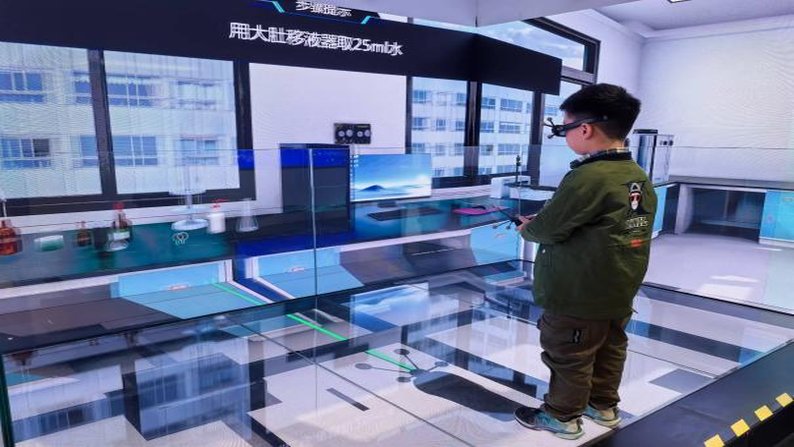
不择知行细流,蕴蓄蓝绿成深:雄安新区生态环境共享中心科普宣传空间营造雄安新区生态环境共享中心VR虚拟实验室(数字化仿真替代实体化学实验,实现科普零危废、低能耗)
6天前 · 来源:雄安新区生态环境监控中心 · 作者:雄安新区生态环境监控中心
